Life Care Plan
Life Care Plans for Birth Injury Victims
A birth injury is any type of physical harm or trauma to a baby before, during or immediately after childbirth. A birth injury may include:
- Brain injuries
- Nerve damage
- Punctures, lesions, or scrapes
- Birth-related head injuries
- Bone fractures during birth
- Neonatal infections
In some cases, birth injuries are unavoidable, even with the highest quality of medical care. In other cases, medical professionals make careless and preventable mistakes that increase your child’s risk of harm.
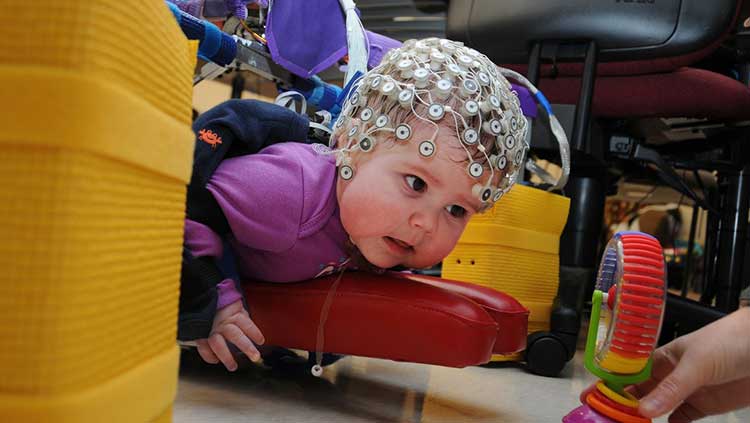
The effects of a baby’s birth injury can follow them into childhood and significantly alter their life trajectory. Our birth injury attorneys have recovered millions of dollars in settlements for families and children that have suffered a birth injury due to medical malpractice.
When birth injury attorneys at Miller Weisbrod Olesky take on a medical malpractice case that led to catastrophic birth injury, a Life Care Plan will be drafted quickly after. This document is crucial in proving that a child’s future medical expenses were the result of a preventable birth injury.
What is a Life Care Plan?
A Life Care Plan (LCP) is a dynamic document that defines the damages in a birth injury lawsuit. The plan outlines the current and future needs of individuals who have experienced catastrophic birth injury or chronic health care needs.
The components of an LCP are based on published standards of practice, comprehensive assessment, data analysis, and research. This information is organized into sections that define the current and future needs of a child with a birth injury.

Generally, a life care plan will detail the comprehensive needs of a child who suffered a birth injury. This includes medical care, medications, therapies, and in-home care that may be required throughout their lifetime.
Each component is defined by a cost and approximation for how often the child requires the service or resource in their life. However, every plan will look different. The child’s diagnoses determine the total lifetime cost and amount of care needed to improve and maintain their clinical state.
Who Creates Life Care Plans?

Life care planning is an established career field with national certifications available. To become a certified life care planner, some individuals sit for the Certified Life Care Planner (CLCP) examination. According to the International Commission on Health Care Certification (ICHCC), these requirements include:
- A minimum of 120 hours of post-graduate training in life care planning
- 16 hours of training on methodology and standards of practice
- At least 3 years’ field experience in a designated area of formal training
The ICHCC requires re-testing or reaching 80 hours of education every five years to maintain this credential.
Not every Life Care Planner is certified in life care planning, as the certification is not a requirement to offer the service. Qualified physicians can also be used for life care planning services, including:
- Registered nurses,
- Rehabilitation counselors,
- Occupational therapists,
- Physical therapists,
- Social workers,
- Physicians, and
- Psychologists
What Is the Process of Drafting a Life Care Plan?
The process of researching, documenting, and writing a life care plan is extensive. Many factors must be considered on a case-by-case basis.
- What is the child’s birth injury?
- What are their physical and cognitive limitations?
- Do they require professional in-home care?
- Where does the child live?
These are only a few questions a planner must answer in preparation for drafting a life care plan. The process is as follows:
The Initial interview
The Life Care Planner (LCP) will review medical and therapy records to define a child’s disabilities. Then, the planner performs a face-to-face interview with the injured child and their family.
The child’s cognitive status, physical limitations, and their needs/preferences are evaluated during the first interview. The planner will also assess potential ADA modifications needed for the family’s home and vehicle. Contact with the child and family is maintained throughout the rest of the drafting process.
Cost Analysis and Needs Assessment
After the initial interview and research on the literature for the respective diagnoses, the LCP can determine the injured child’s:
- Long-term independent functioning,
- Needs for adaptive equipment and transportation,
- Physical and cognitive limitations,
- Potential home/attendant/facility care,
- Potential for self-care,
- Needs for therapies, counseling services, and durable medical equipment, and
- Presence of familial support system
After defining the needs of the injured child, the LCP can determine the costs of their welfare. The planner will research current costs for services, assistive equipment, and medical care and account for future needs. Costs may include:
- Independent living (if applicable) and adaptive equipment
- Physical therapy services
- Speech therapy services
- Orthotics and prosthetics (e.g., braces, ankle/foot orthotics)
- Evaluation services (e.g. counseling)
- Home and vehicle modifications
- Health and strength maintenance
- Medications
Depending on the injured child’s needs, this list may be longer or shorter. The region in which the child resides also impacts the potential costs for their care.
Litigation Support

Following the collection of evidence, the planner will consult with a plaintiff and defense attorney to reasonably map long-term care services required for the child. The planner will advise the family’s birth injury attorney on the cross-examination of the opposing counsel’s expert witness.
Then, the LCP reviews the life care plan and develops a rebuttal or comparison plan when consulting with attorneys.
Report Writing

Once the interview, research, and consultation with the birth injury attorney are completed, the LCP may begin writing the life care plan. The report may include graphs and tables of any data collected during the process. The plan will also include:
- Category of need tables
- Life expectancy
- Costs for needs
- Projections for future needs
The life care plan describes the birth injury in detail along with any disabilities and/or developmental delays. Future abilities will also be defined, including whether the child can:
- Graduate from high school and/or college,
- Live independently, and
- Be gainfully employed
There are many other considerations, consultations, and assessments that are required to produce the final version of a life care plan. The planner must adhere to a standard of practice, code of ethics, and remain objective throughout the process.
What Are the Components of a Life Care Plan?
No two life care plans will look the same. Every child impacted by a birth injury has unique needs that require a personalized care plan. However, the major components of the plan are typically consistent and may include:
- Outpatient evaluation services
- Ongoing therapies
- Durable medical equipment (DME)
- Medications
- Home care services
- Medical supplies
- Diagnostic testing
- ADA-compliant home and van
- Potential needs and complications
Below is an example of the details included in a life care plan for a child with a neonatal brain injury. This example is not going to fit the exact needs of your child.
A real plan will include costs (which are specific to your region and child) and estimations for how often your child will require appointments, medications, home care service, and more.

What Birth Injuries Require a Life Care Plan?
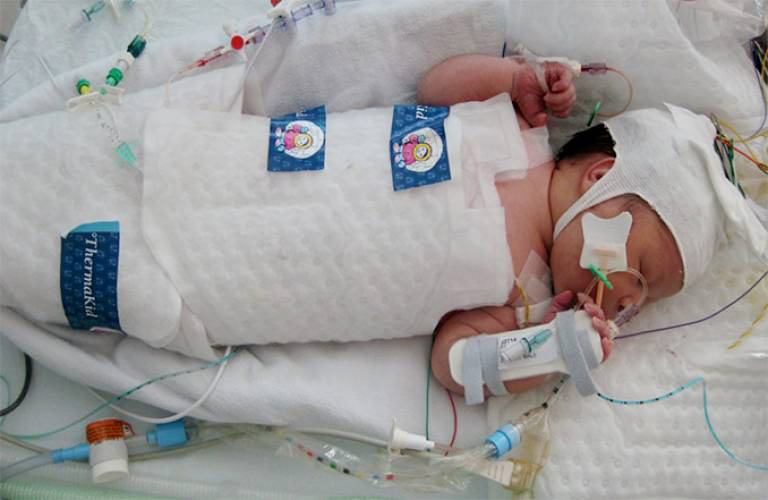
Brain injuries, nerve damage, bone fractures, head injuries, neonatal infections, and physical trauma are all common birth injuries. Depending on the severity, a baby’s birth injury can follow them into childhood and significantly alter their life trajectory.
One of the most severe birth injuries is a brain injury called hypoxic ischemic encephalopathy (HIE). HIE is a form of brain damage at birth that commonly comes with a cerebral palsy diagnosis later in childhood. This injury occurs when a baby’s oxygen supply is cut off or severely restricted during pregnancy or labor.
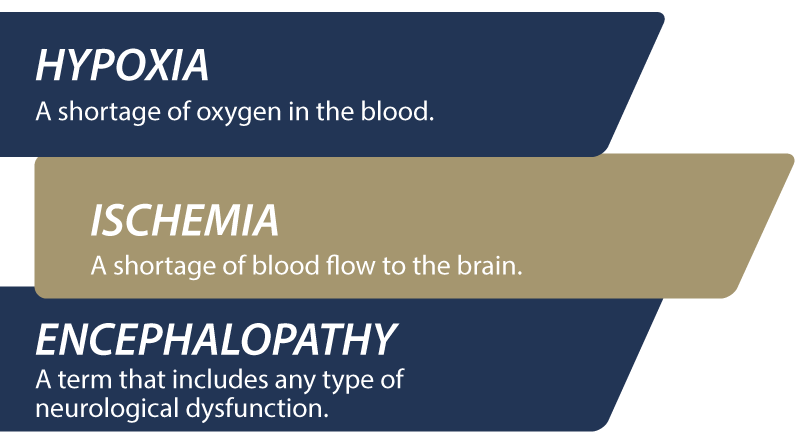
Other forms of brain damage can have long-term effects similar to HIE. Examples include periventricular leukomalacia (PVL), intracranial hemorrhages (ICH), transient ischemic attacks and neonatal strokes.
A newborn who suffers from any of these injuries may experience developmental delays, seizures, vision impairments, and various physical limitations. These injuries are also linked to being one of the causes of cerebral palsy.
These types of birth injuries are often preventable when the medical team follows proper procedures during pregnancy and during delivery. If your child suffered a severe birth injury caused by improper medical conduct, you may be eligible for a medical malpractice lawsuit and subsequently, a life care plan.
What Causes a Birth Injury?
A combination of factors can culminate into a baby’s injury at birth. Some birth complications are preventable while others are not. However, healthcare providers must always be proactive and do everything possible to avoid preventable injuries and adverse outcomes.
The most common types of birth injury negligence during pregnancy, labor, and delivery that cause these preventable injuries include:
- Missed pregnancy complications
- Improper fetal heart rate monitoring
- Delayed emergency C-sections
- Inadequate birth injury treatment

Some pregnancy complications may increase the risk of a birth injury. Any issue that can put stress on the baby and complicate the delivery should be addressed with a medical professional, including:
- Premature Birth
- Fetal Size Abnormalities
- Abnormal Fetal Positions
- Placental Complications
- Umbilical Cord Problems
- Labor and Delivery Complications
When medical professionals fail to properly address any known risk factors, they increase the baby’s likelihood of injury. When they know of these risks and mismanage them, it can constitute medical malpractice.
Life Expectancy and Future Expense Calculations

The costs estimated in a life care plan vary depending on the child’s diagnosis, the level of care needed, life expectancy, and where the child resides. The Life Care Planner will conduct thorough research to determine these variables.
How Is Life Expectancy Estimated?
The cost estimations in a life care plan revolve around the diagnosis of the injured child and their projected life expectancy. Life expectancy is estimated through extensive research on your child’s diagnosis and subsequent conditions.
Access to quality medical care is factored into the estimation as well. A child who can attend necessary medical appointments and receive care from specialists will typically have a higher life expectancy.
Estimates will never be completely accurate because everyone is different. However, it’s important to have a life expectancy projection to predict future expenses in the life care plan.
For example, medical errors and negligence during delivery can cause brain damage at birth. A brain injury like hypoxic-ischemic encephalopathy (HIE) can lead to cerebral palsy, the most common childhood physical disability.
The main factors that affect life expectancy for individuals with cerebral palsy include gross motor function and feeding capabilities. Cerebral palsy children who can walk, move, and self-feed generally have higher life expectancies compared to children who are physically limited.

Other factors that affect life expectancy for children with cerebral palsy include:
- Type and severity of cerebral palsy,
- Prescence of seizures,
- Cognitive functioning,
- Vision and hearing capabilities, and
- Respiratory functioning
By considering the physical and cognitive limitations of an injured child, life care planners can then assess their life expectancy. This estimation is important for projecting the future expenses related to their birth injury.
Possible Future Expenses for Your Child
One of the most important components of a life care plan are the projections of future needs for your child. With consideration of the diagnoses, life expectancy, and needs of your child, the life care planner will estimate future expenses for:
- Modified vehicle replacements
- Potential surgeries and complications
- Necessary diagnostics (such as X-rays) until full maturity is reached (typically 18 years old)
- Medical supplies needed daily/weekly/monthly
- Full-time in-home care (dependent on physical and cognitive limitations)
- Daily medications
- Replacements for durable medical equipment
- Repairs for home modifications
- Ongoing therapies
- Medical appointments and services
How Are Intellectual Equivalencies Calculated?
Intellectual equivalences, or cognitive abilities, are determined through neuropsychological evaluations. These evaluations may be included in the life care plan depending on your child’s needs.
Children can typically begin testing for cognitive abilities starting at age two or three. Based on the results, the life care planner can define the long-term independent functioning of your child. This includes whether the child can graduate from high school/college, live independently, and be gainfully employed.
Why Are Life Care Plans Necessary in Birth Injury Litigation?

There are generally three criteria to meet for successful medical malpractice cases:
- You must prove negligence,
- Must prove that the negligence caused the damage (birth injury), and
- You must explain what the damage is through a life care plan.
The life care plan is like a receipt for the jury. The itemized costs curated by a Life Care Planner prove the necessity for future medical care.
When birth injury attorneys at Miller Weisbrod Olesky take on a case, a life care plan will be drafted quickly after. Even if the child develops other conditions as the lawsuit progresses, the life care planner can add to the existing report.
Who Pays for the Life Care Plan?
Families do not pay for life care plans. Your birth injury lawyer will seek out and cover the expenses of a life care plan.
The document is typically considered a case expense under the contingency agreement, which is the percentage a lawyer is paid from the recovered damages.
What Other Options Do Families Have to Pay for Their Child’s Needs?
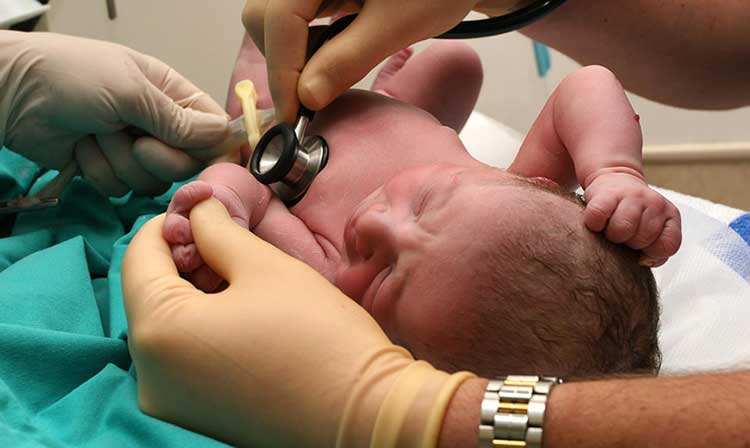
The lifetime cost totaled in a life care plan can reach millions of dollars. Assistive medical equipment, home and vehicle modifications, and in-home care services are among the highest expenses for a child with severe birth injuries.
If you win damages, the settlement trust can invest the money and attempt to keep the life care plan funded for the duration of the child’s life. However, the continuous funding of potentially multi-million dollar plans can be difficult.
Based on the verdict and settlement of the case, families may need extra financial support for the long-term welfare of their child. Other resources include:
- Social Security Disability Insurance
- Medicaid
- State-dependent funding
- Insurance
Commonly Asked Questions About Life Care Plans
Why Do You Need a Life Care Plan for Your Child?
If your child suffered a birth injury due to medical malpractice, you may choose to take legal action. A life care plan is an important report that acts as evidence in a case. It proves the extent of medical care necessary for the livelihood of an injured child.
Our top rated birth injury attorneys use their skills and expertise to obtain for you and your child a medical malpractice settlement that will help fund your child’s Life Care Plan. Contact us today to schedule your free consultation by calling our toll-free line at (888) 987-0005.
How Are Life Care Plans Personalized?
A Life Care Planner will be assigned to your case and take the steps in learning about your child’s injury. This includes:
- An at-home interview with the family and child
- Review of medical records and therapies
- Research on your child’s condition
- Detailed cost analysis
- Needs assessment of your child
Every life care plan will look different. Each component and detail in a life care plan is carefully composed to accommodate your child’s needs, life expectancy, and diagnosis.
How Do You Get a Life Care Plan for Your Child?
Life care plans are typically only commissioned as part of a birth injury claim. If you believe your child’s birth injury was the result of medical negligence, our team of committed birth injury attorneys, nurses and paraprofessionals will work to answer your questions and seek compensation.
We use our detailed medical negligence case review process to assess your potential birth injury case. Contact us today to schedule your free consultation by calling our toll-free line at (888) 987-0005. You can also reach us by filling out our online request form.
What Are the Highest Costs in the Life Care Plan?

The lifetime cost of a child with a birth injury can reach a multi-million dollar total. In-home care services and home and vehicle modifications are among the highest expenses in a life care plan.
In some cases, an injured child needs 24/7 care. Professional, around the clock care for a child’s lifetime is expensive and often the highest cost in a life care plan.
Vehicle modifications for accessibility is also a large expense. Any car must be replaced after a certain point, and then it must be modified to fit the needs of accessibility. Home modifications face similar requirements for upgrades and replacements.
Is Your Child’s Birth Injury the Result of Medical Malpractice?

Parents whose children suffer birth injuries want and deserve answers as to whether mistakes by the doctors and nurses contributed to the injury. Our top rated birth injury attorneys have represented families all over the United States in their time of need after a birth injury.
We use our skills and expertise to obtain for you and your child a medical malpractice settlement that will help fund your child’s Life Care Plan. This includes specialized medical therapy to maximize the quality of life and independence of your child through their lifetime.
- Were there signs of birth injury or birth complications during the pregnancy, labor, and delivery process, or presence of risk factors, which were either not recognized or properly treated?
- During the labor and delivery, were there clear indications that the baby was suffering from fetal distress, but appropriate actions were not taken by the maternal fetal specialists, obstetrician or nurses?
- Was there a delay in diagnosis of a likely premature birth that led to later complications, including brain injury?
- Did the medical team fail to order a series of tests to diagnose this birth complication in a timely manner?
- Was the decision to perform a cesarean delivery delayed leading to birth trauma during vaginal delivery or labor?
- Did the neonatal resuscitation team fail to quickly begin important breathing support?
- Should brain cooling (also called “hypothermia therapy”) have been provided to your baby, but the doctors and nurses failed to perform the appropriate tests or ignored the results of the tests?
Our birth injury attorneys have recovered millions of dollars in settlements for families of children that have suffered a birth injury. At no point in our legal intake process will we ask you to pay anything. The medical review of your case and the consultation are free. We only receive payment when you do, no matter how long or tough your case is.
Registered Nurses and Nurse-Attorney Advocates

Unlike other firms, Miller Weisbrod Olesky gets our clients the care they need today, not just after their case ends. Birth injury litigation can take time; it can sometimes take years before a family receives compensation to cover medical costs.
We understand that a child’s injuries and needs can’t just go on hold; that’s why we have a robust team of registered nurses and nurse-attorneys in the office who are assigned to each and every case.
Most birth injury law firms will employ one or two nurses to assist the review of cases and medical research. At our firm, a nurse-attorney advocate is assigned to each client’s team, guiding them through ongoing medical treatment and evaluation.
While your case is ongoing, our nurse-attorney helps to coordinate the day-to-day medical necessities your child will need. This includes doctor’s visits, medical examinations, treatments and therapies, and transportation services to and from these appointments throughout the case.
Our nursing staff also lends their expertise to each case, analyzing and investigating the reasons behind each child’s birth injury. They work alongside our attorneys to pinpoint where and how medical professionals breached their standard of care.
Our collaboration between knowledgeable legal professionals and experienced medical experts is what gives our firm the edge needed to succeed.
Contact Our Birth Injury Attorneys Today

Birth injuries are not always preventable, but medical errors are. It takes an expert review of the facts of your birth to determine whether medical professionals mismanaged your child’s delivery.
Our team of committed birth injury attorneys, nurses and paraprofessionals work to answer these questions and seek compensation. We use our detailed medical negligence case review process to assess your potential birth injury case.
Our Process
We start by learning more about your child by gathering records to determine what happened during and after your delivery. This includes a detailed review of the treatment doctors provided or failed to provide after labor. We also consider your child’s status of meeting or missing developmental milestones.
We will call in skilled medical experts who review your records and provide insight into where medical professionals went wrong. If we feel medical negligence caused or worsened your child’s injuries, we meet with you to discuss further.
Miller Weisbrod Olesky selects the best, most trusted and qualified Life Care Planners to work with you and your child. Our planners will help assess your child’s need for current and future care.
At no point in our legal intake process will we ask you to pay anything. The medical review of your case and the consultation are free. We only receive payment once you do. The sooner you reach out, the sooner we can investigate your case and gather the evidence to support your claim.
We work on a contingency fee basis, meaning you will not pay any legal fees until we win your case. We do not pursue any medical malpractice cases unless we fully believe we can win.
Contact us today to schedule your free consultation by calling our toll-free line at (888) 987-0005. You can also reach us by filling out our online request form.
National Birth Injury Law
Our National Birth Injury Attorneys, nurses, and support staff understand that parents of children with birth injuries feel overwhelmed. So, every client has the attention and support of a team of trained, compassionate professionals. But we don’t just offer compassion.
We offer a process to help you discover whether your child’s birth injury, HIE, cerebral palsy or brain injury at birth was caused by medical malpractice.
Call our offices today at (888) 987-0005 for experienced assistance in a free consultation.
Quick Links
Testimonials
- Lyric C. I feel like our voice was heard in a sense of what can possibly go wrong in a delivery and finding us answers. I feel with our settlement, we are now in a comfortable position to provide for our son.
- Lyssa L. They are not just people that say “hey let's get you money and let's go” The law firm was very thorough with us. It was awesome. I don't want to cry, because I think about and it's amazing that they were able to help me and that we were able to help my son and get the story out there.
- Jay C. Throughout the process, one thing was clear to us, the ultimate interest of our child was the utmost concern of Max and his team and as parents navigating a situation like that, that was refreshing to know we had them firmly on our side. I highly recommend them.
Popular Cities
- ★ Dallas Birth Injury
- ★ Houston Birth Injury
- ★ Atlanta Birth Injury
- ★ Chicago Birth Injury
- ★ Philadelphia Birth Injury
Locations
★ Dallas
11551 Forest Central Drive, Ste. 300
Dallas, TX 75243
★ Houston
12929 Gulf Freeway, Ste. 111
Houston, TX 77034