Physical Therapy Cerebral Palsy
Physical Therapy For Children With Cerebral Palsy
Children with cerebral palsy or other birth injuries often experience multiple motor function disorders affecting their movement. Cerebral palsy can specifically affect a child’s muscle tone, muscle coordination, body movement, functional strength, balance, and posture.
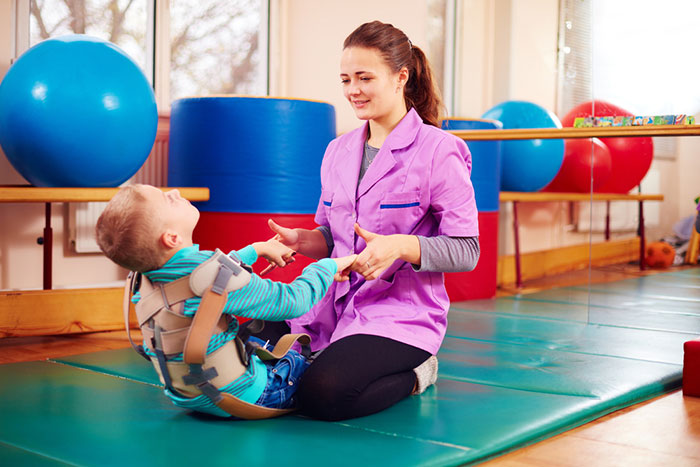
Physical Therapy (PT) plays a key role in managing these disorders. Doctors recommend it for almost all children with cerebral palsy to improve their motor skills and achieve more physical independence.
Starting physical therapy as early as possible is likely to improve the child’s conditions and overall gross motor function. But the cost of these treatments can place a heavy financial burden upon some families.
Children with cerebral palsy sometimes need care that their families cannot afford. Common costs can include physical therapy, occupational therapy and speech therapy, assistive equipment and devices, and frequent specialist visits. No family should have to sacrifice these vital birth injury treatments just to stay afloat paying everyday bills and expenses.
Proper medical care during birth can sometimes prevent life-altering brain injuries that cause cerebral palsy symptoms. While some brain injuries are unavoidable, negligent action during labor and delivery can increase the risk of neonatal brain damage.
Families may be eligible for compensation when they can trace their child’s cerebral palsy diagnosis back to mistakes during birth. When a healthcare professional’s negligence leads to permanent and preventable injuries, it may constitute medical malpractice.
Our firm helps families prove medical malpractice to recover the compensation needed to afford life-changing treatment like physical therapy.
Cerebral Palsy Malpractice Attorneys
Our top rated cerebral palsy attorneys specialize in birth injury medical malpractice. We understand how medical mistakes during delivery can cause brain injuries that permanently impact a child’s life.
If your baby’s preventable birth injuries led to a cerebral palsy diagnosis, don’t hesitate to contact our firm. We can answer difficult legal and medical questions and investigate the facts on your behalf.
Free Legal Consultation
Cerebral Palsy Lawyers
(888) 987-0005Our Cerebral Palsy Lawyers are available to meet you in your home or the hospital.
Our vast network of medical experts and in-house nursing staff and nurse-attorneys gives us the edge over our competition. When we take your case, we assign you with not just an attorney but an entire medical team. This team includes attorneys, experienced nursing advocates, and seasoned medical experts.
We understand the extensive care your child requires to assist with their cerebral palsy symptoms. Your team is available to assist with any day-to-day treatment you or your child may need. This includes assistance with obtaining medical records, scheduling doctors’ appointments, providing transportation, and any other problems that may arise.
We offer all of this on a contingency fee basis. This means you will not pay any fees until after we win your case and secure a settlement. We have an unmatched track record of birth injury results that sets us apart from other birth injury law firms.

Recent Birth Injury Settlement:
Cerebral Palsy Birth Injury settlement against a hospital in which nurses and physicians failed to detect a uterine rupture during delivery causing an HIE event which caused cerebral palsy. Our dedicated cerebral palsy birth injury lawyers recovered $9,200,000 for the family to help with future medical expenses and developmental therapy.
What Does Physical Therapy Do for Cerebral Palsy?
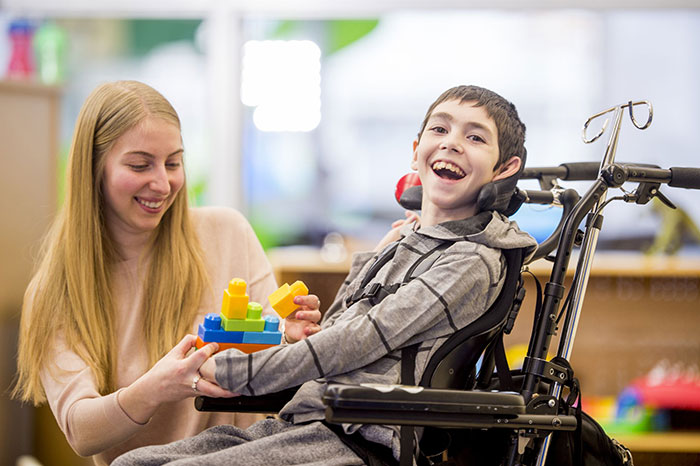
Physical therapy provides a wide range of benefits, including muscle strengthening, increased mobility, and improved balance and posture. It can also help children avoid future health concerns like joint dislocations or muscle contractures.
According to researchers, physical therapy may trigger neuroplastic changes (brain rewiring) within the brain’s damaged neural networks. Experts believe that continued intentional exercises can eventually alter the natural history of the child’s motor function disorders.
Some of the key benefits of physical therapy for children with cerebral palsy and other birth injuries include:
- Increased independence
- Increased flexibility
- Expanded range of motion
- Improved balance, posture, and gait
- Increased muscle tone and lowered risk of muscle atrophy
- Increased endurance and reduction in pain & discomfort
- Reduced risk of bone deformity and loss of joint function
- Greater ability to use assistive equipment and devices
Depending on the child’s classification of cerebral palsy, they may experience movement issues in different areas of the body. For example, they may experience paralysis in their legs (diplegia) or on one entire side of the body (hemiplegia).
Special exercises and physical routines prescribed for these targeted conditions can help children regain movement in these areas over time. According to a research study, physical therapy can be effective in upper extremity training. Upper extremity training refers to improving movement, coordination and reflexes of the hand, wrist, forearm, elbow, and shoulder.
Many children with cerebral palsy achieve an increased level of self-reliance and other quality of life improvements through physical therapy. Regularly working with a physical therapist can restore a child’s independence and develop motor skills that make everyday life easier.
How Does Cerebral Palsy Affect Movement?

Children with cerebral palsy often experience a wide range of other conditions that physical therapy can help in alleviating. Such conditions include:
- Deformities of the hand and wrist: Abnormal flexing of the wrist and hand, hindering the development of fine motor skills
- Deformities of the knee: Abnormally bent or straight knees may occur because of pelvic deformities
- Pelvic obliquity: Misalignment of the pelvis, where one hip is higher than the other
- Pelvic rotation: One side of the pelvis is further forward than the other
- Pelvic inclination: A protrusion of the pelvis, which could occur in the rear or front
- Lumbar lordosis: Unusually large, inward arch on the lower spine causing lower back pain
- Thoracic kyphosis: An excessive curvature of the upper spine, which bends it forward
- Scoliosis: An abnormal lateral (sideways) curvature of the spine, occurring in up to one in three children with CP
- Shortened Achilles tendon: A shortened or shrunken tendon, which causes impairment of standing and walking functions
Physical Therapy by Age
Physical therapists must tailor their strategies according to the child’s age and severity of their condition. Medical professionals will recommend starting physical therapy as early as possible. This is because it is more likely to achieve maximum impact while in the early development stages (around ages 2-5).
Physical Therapy from Birth to Age 4 (Early Years)
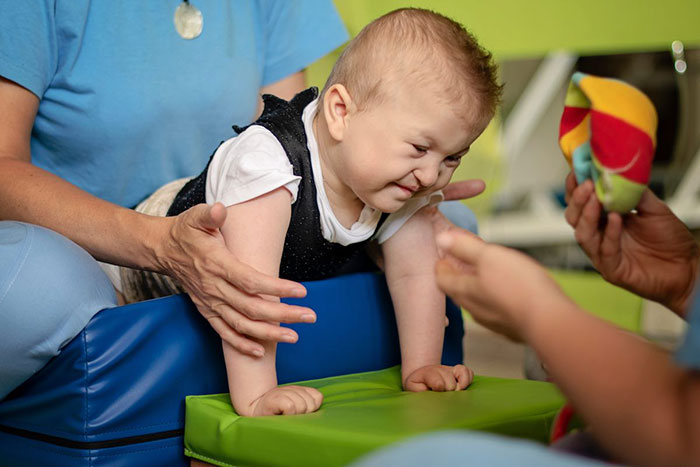
In the child’s early years, the physical therapist will primarily focus on building movement development. They will provide hands-on training to the child’s caregivers for movement, positioning, feeding, and play. They will recommend changes at home to facilitate the child’s movement development and play skills.
The physical therapist will create an individualized plan for fun and play activities tailored to the child’s unique needs. At this stage, the therapist will usually administer treatment within the home, at an outpatient facility, or a daycare center.
Physical Therapy from Ages 5 to 18 (School Years)

In the child’s school years, the therapist will provide training to the caregivers to enable them to accomplish functional goals.
School years pose challenges for children with cerebral palsy because they will have to adapt to new settings every year. Physical therapists must carefully adjust their treatment and assistive equipment (such as braces) to match with the child’s growth spurts.
A therapist may provide physical therapy at the school, in the community, or a combination of the two. School-based physical therapy promotes changes that provide the best possible learning environment to the child.
Physical therapy for adolescents with cerebral palsy focuses on combating joint mobility limitations and prevention of posture problems. The therapist will also help the child manage pain and discomfort in the muscles and joints.
Maintaining a personal fitness program at this age can improve a child’s health and functioning throughout their lifetime. In addition, a physical therapist may recommend the child’s participation in recreational sports programs to promote physical fitness. Such activities may include swimming, bowling, cycling, tennis, basketball, or volleyball.
Physical Therapy from Age 18+ (Adulthood)

Physical therapy for adults with cerebral palsy primarily focuses on four aspects to help lead a fairly functional adult life:
- Pain management
- Optimal energy conservation
- Effective use of assistive devices
- Adjusting the environment at home and workplace to increase independence
The physical therapist and person with cerebral palsy may form a long-term relationship for best outcomes. Forming a personal bond can help the therapist to better understand the person’s unique needs as they grow older.
One of the common challenges adults with cerebral palsy experience is pain in the muscles and joints. The therapist can design individualized plans to help with pain management, muscle strength, joint flexibility, and keep inflammation under control.
With consistent support from an experienced physical therapist, an adult with cerebral palsy can lead a more independent life. Continued guidance and supervision can help them achieve their personal and professional goals much more effectively.
Qualifications of a Physical Therapist
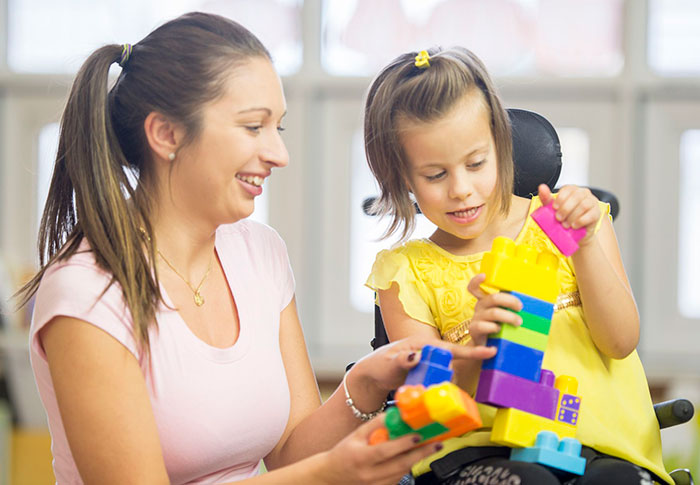
Only licensed and accredited physical therapists are approved to practice physical therapy for children with cerebral palsy. A trained physical therapy assistant may occasionally aid the therapist in their practice.
Many practicing physical therapists hold a master’s degree in physical therapy or kinesiology (study of the mechanics of body movements). A master’s degree in physical therapy includes studies in anatomy, biology, physiology, kinesiology, physics, chemistry, and human growth & development. Most states require aspiring physical therapists to clear the National Physical Therapy Examination.
Physical therapy assistants usually have a bachelor’s or associate degree covering similar subjects as the physical therapist. The assistants must also obtain a license in most states. They may additionally pursue certifications in specialized physical therapies, such as CIMT (constraint-induced movement therapy) or aquatics therapy.
A physical therapist may work in a number of different settings, depending on the child’s age and their specific needs. Apart from the child’s home, physical therapy locations may include:
- Outpatient clinics and medical offices
- Specialized physical therapy centers
- Inpatient rehab centers
- Hospitals
- Special education classrooms
Physical therapists use a number of proven therapeutic interventions to enhance the strength, coordination, and autonomy of voluntary body movements.
Physical Therapy for Cerebral Palsy: Exercises and Techniques
Cerebral Palsy usually results in a variety of disorders related to different motor functions. A child’s impairment will vary depending on the classification of their diagnosis. Therefore, a therapist will recommend different physical therapy exercises, methods, and techniques according to the child’s specific needs.

MUSCLE
Boosting Strength & Endurance

CARDIO
Raising your heart rate during extended exercise

FLEXABILITY
Keeping the bones & Joints in Motion
Stretching Exercises
According to the CDC, more than 80% of the individuals with Cerebral Palsy experience spasticity or high muscle tone. The damage to the brain causes a major disruption to motor signals, resulting in involuntary contraction of the muscles. Over time, the muscle tightening may worsen and lead to abnormal movement patterns, limited range of motion, and chronic pain.
Physical therapists can train the child and caregivers to perform movements that will effectively relax and stretch the affected muscles. Regular stretching helps stabilize and improve muscle tone, reduces strain on the joints and muscles, and increases range of motion.
Range of Motion Exercises
For a child with severe cerebral palsy, the physical therapist or caregiver will move the affected parts of the body for them. This helps move the stagnant muscles around to gain motion in the joints. It also stimulates circulation and promotes flexibility, even when the child is not exerting energy on their own. For children with better muscle control, the physical therapist will train them to actively practice range of motion exercises.
The therapist may encourage the child to perform range of motion exercises in multiple positions to modulate the exercise intensity. For instance, they may recommend exercises for shoulder flexion (raising the arm) both while standing and while laying down. This is because it requires the child to use greater muscle strength depending on what position they are in.
Strengthening Exercises
Strength training or resistance training is one of the most well-researched physical therapy interventions for children with cerebral palsy. Studies show that strengthening exercises are safe and are unlikely to cause the spasticity to worsen.
Children can increase muscle strength in predictable measures to improve gait, posture, balance, flexibility, and other elements of motor function.
Strength and endurance training must occur on a regular basis to maintain its benefits. Based on the child’s functional evaluation, the physical therapist will identify the most appropriate exercises targeting the weak, underutilized muscles. They will guide and supervise the exercise program to target the correct muscles in a challenging yet safe manner.
Constraint-Induced Movement Therapy (CIMT)
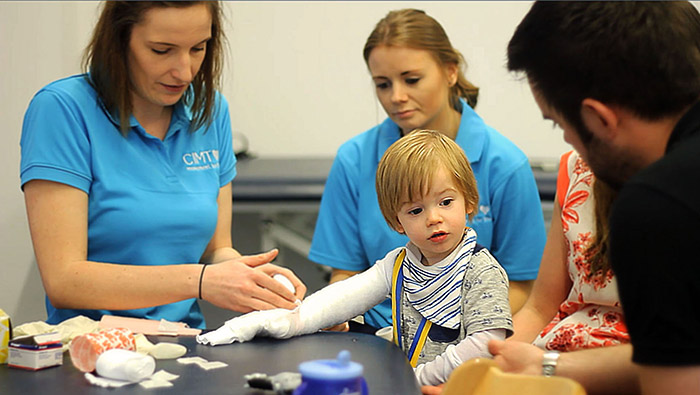
Scientific evidence indicates that children with hemiplegia can achieve improvements in upper limb functioning with constraint-induced movement therapy (CIMT). This intensive upper limb training program involves restraining the child’s use of the unaffected arm. This forces them to continuously use only the affected arm for various activities.
The continuous use of the affected arm in this manner helps strengthen the brain’s neural pathways for the functioning of this arm and support adaptive changes. While CIMT is primarily for improving the upper limb function, modified forms can also target improvements in an affected leg.
Gait Training
Research studies identify gait training as the most approach to improve gait speed in a child with cerebral palsy. Leg spasticity causes many children with spastic or dyskinetic cerebral palsy to walk with an abnormal gait. Gait training particularly focuses on improving the child’s walking form or walking speed.
Gait training usually involves using assistive devices like walkers and exercise equipment, such as parallel bars and bodyweight-supporting treadmills. These specialized devices and equipment can help the child practice correct gait patterns without losing stability.
The physical therapist may require the child to wear orthotics (like a leg brace) to gently stretch the contracted muscles. This can help correct the child’s musculoskeletal alignment over time.
Aquatic Therapy and Hippotherapy
These are more specialized forms of physical therapy interventions that a therapist may selectively use for older children.
Aquatic therapy takes place in a swimming pool. A child submerged in water gives them a feeling of weightlessness, enabling them to attempt movements without straining their joints. Simply resisting the water pressure can gradually help strengthen the muscles.

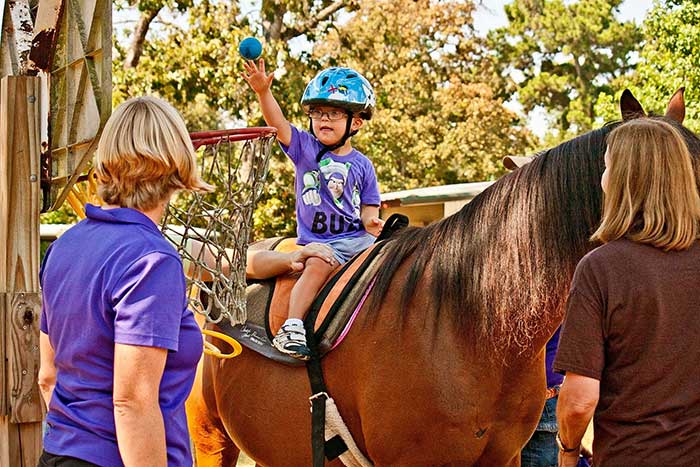
Hippotherapy involves placing the child on a horse’s back or applying equine movements aimed at controlling the horse. Horseback riding or hippotherapy can be effective in improving posture, coordination, gait, and balance. Studies have shown that hippotherapy may reduce asymmetrical activity of the child’s hip muscles, resulting in better postural control.
Is Physical Therapy Safe for Children Diagnosed with Birth Injuries?
Pediatric physical therapists and physical therapy assistants have training needed to minimize the occurrence of unforeseen incidents, risks, and complications. However, like with all procedures and treatment, physical therapists cannot entirely rule out the risk of an accident.
The key to safety lies in open communication between the physical therapist, the caregiver, and the child. A careful physical therapist will adopt a restorative treatment approach and will never over-work the child.
Physical therapy for children with cerebral palsy or other birth injuries involves working on inherently weak or sensitive body parts. This can cause some temporary soreness, redness, and tiredness in those areas, which will resolve on its own. Based on this, therapists should stop the treatment and reassess if the child’s symptoms seem unusual or beyond their tolerance.
Did Medical Errors Worsen My Child’s Cerebral Palsy Symptoms?

Cerebral palsy will affect every physical aspect of a child’s life. Regardless of the severity, these children are still likely to benefit from physical therapy exercises.
Treatments and therapies can be incredibly expensive and put families into difficult financial situations. No family should have to make the incredibly painful choice between paying for everyday bills and expenses or life-altering treatment.
Families may be entitled to financial compensation when their child’s cerebral palsy diagnosis stemmed from medical mistakes.
Errors during birth, such as delaying an emergency C-section or prolonging oxygen deprivation at birth, can cause irreversible brain injuries. This brain damage at birth can result in movement disorders that culminate in a cerebral palsy diagnosis during early childhood.
If a family believes medical negligence worsened a child’s brain damage at birth, legal support may be an option. A cerebral palsy attorney can review the medical records and circumstances to assess whether a claim exists.
Families who have experienced the effects of brain injuries from negligent medical care deserve to know whether they were avoidable. Our cerebral palsy attorneys specialize in birth injury medical malpractice, helping families seek compensation when negligence causes lifelong conditions.
Our team will thoroughly investigate the facts, holding responsible parties accountable by pursuing medical malpractice claims.
What is the Statute of Limitations in a Birth Injury Case?

A statute of limitations (SOL) is a law that sets a time limit on how long an injured person has to file a lawsuit after an accident. It is essential to understand that statutes of limitations vary based on the case and the state where you file. For instance, the deadline for birth injury claims is typically different from other claims, such as injury to private property.
Generally, the clock starts ticking on the date the injury occurred. However, there are exceptions to this rule. In some cases, the statute of limitations starts when a person discovers or reasonably should have discovered an injury. When dealing with government agencies, SOLs can become even more complex.
For example, if the party that injured you was:
- A federal employee
- Employed by a military hospital, Veterans Administration facility, or a federally funded medical entity
You may need to file a birth injury claim under the Federal Tort Claims Act (FTCA). In FTCA cases, claimants must go through certain administrative procedures before filing a lawsuit. In some states, you may have less time to give notice if:
- The negligent party was a local or state government hospital
- The doctors and medical providers are employees of a governmental entity
If you file your case outside of the statute of limitations, the court will typically dismiss it. This means you will not be eligible to recover compensation for you or your child’s injuries.
Determining when a statute of limitations begins on your case can be tricky. Our top rated cerebral palsy attorneys can tell you important cutoff dates in your state.
How Can Our Cerebral Palsy Attorneys Help?
Intensive physical therapy can greatly improve a child’s cerebral palsy symptoms, but treatment comes at a cost. A child with cerebral palsy requires ongoing treatments and therapies estimated to exceed approximately $1 million over their lifetime.
If you believe their conditions are the result of medical negligence or malpractice, you may be able to recover compensation. This compensation can cover the cost of therapies, assistive equipment and devices, and other cerebral palsy-related expenses.
A detailed expert review of the facts and circumstances of your pregnancy and your child's birth can reveal many things. Namely, it can determine whether a child’s cerebral palsy diagnosis and related symptoms were the result of medical malpractice.
Our Process
Our team of cerebral palsy attorneys specialize in birth injury medical malpractice and can help assess your potential cerebral palsy case. We use our detailed medical negligence case review process to take in your information and begin learning more.
We start by gathering information about your pregnancy by examining records to determine what happened during and after your delivery. This includes evaluating the fetal heart rate strips during labor and any action medical professionals took in the NICU.
We will call in skilled medical experts who review your records and provide insight into where medical professionals went wrong. If we feel medical negligence caused or worsened your baby’s cerebral palsy symptoms, we meet with you to discuss further.
At no point in our legal intake process will we ask you to pay anything. The medical review of your case and the consultation are free. We only receive payment once you do. The sooner you reach out, the sooner we can investigate your case and gather the evidence to support your claim.
We work on a contingency fee basis, meaning you will not pay any legal fees until we win your case. We do not purse any medical malpractice cases unless we fully believe we can win.
Contact us today to schedule your free consultation by calling our toll-free line at (888) 987-0005. You can also reach us by filling out our online request form.
National Birth Injury Law
Our National Birth Injury Attorneys, nurses, and support staff understand that parents of children with birth injuries feel overwhelmed. So, every client has the attention and support of a team of trained, compassionate professionals. But we don’t just offer compassion.
We offer a process to help you discover whether your child’s birth injury, HIE, cerebral palsy or brain injury at birth was caused by medical malpractice.
Call our offices today at (888) 987-0005 for experienced assistance in a free consultation.
Quick Links
Testimonials
- Lyric C. I feel like our voice was heard in a sense of what can possibly go wrong in a delivery and finding us answers. I feel with our settlement, we are now in a comfortable position to provide for our son.
- Lyssa L. They are not just people that say “hey let's get you money and let's go” The law firm was very thorough with us. It was awesome. I don't want to cry, because I think about and it's amazing that they were able to help me and that we were able to help my son and get the story out there.
- Jay C. Throughout the process, one thing was clear to us, the ultimate interest of our child was the utmost concern of Max and his team and as parents navigating a situation like that, that was refreshing to know we had them firmly on our side. I highly recommend them.
Popular Cities
- ★ Dallas Birth Injury
- ★ Houston Birth Injury
- ★ Atlanta Birth Injury
- ★ Chicago Birth Injury
- ★ Philadelphia Birth Injury
Locations
★ Dallas
11551 Forest Central Drive, Ste. 300
Dallas, TX 75243
★ Houston
12929 Gulf Freeway, Ste. 111
Houston, TX 77034