Fractures During Birth
Bone Fractures in Newborns
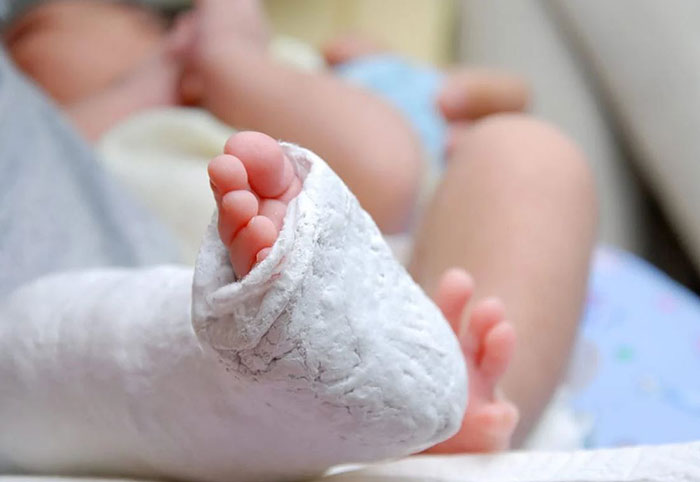
As a mother’s uterus contracts during labor, her body exerts a great amount of pressure upon her baby to force them through the birth canal and into the world. The newborn’s bones are softer and more fragile than those of a fully developed human, and a particularly strenuous labor can sometimes result in a fracture.
Free Legal Consultation
Birth Complication Lawyers
(888) 987-0005Our Birth Injury Lawyers are available to meet you in your home or the hospital.
While rare, neonatal bone fractures can occur naturally if the child has a birth defect or undergoes an unavoidable labor and delivery complication. But the risk of a birth injury dramatically increases when healthcare providers make preventable medical errors.
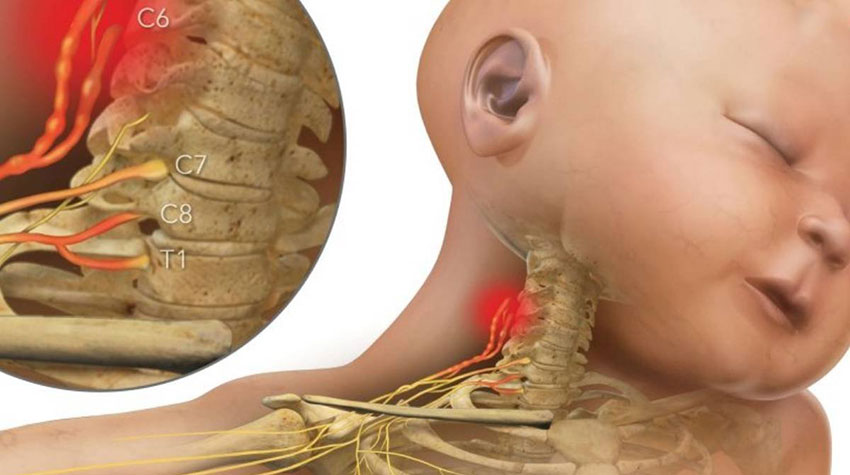
Neonatal bone fractures can range in severity, depending on the injury’s location. Neck or back fractures can injure the spinal cord and lead to paralysis. A skull fracture can be even more serious, putting the infant at risk for intracranial hemorrhaging and brain damage.
The National Institute of Neurological Disorders and Stroke lists trauma to the skull as one of the risk factors for hypoxic-ischemic encephalopathy (HIE), a severe brain injury linked to physical disabilities and developmental delays. HIE is also the leading cause of cerebral palsy.
Like most birth injuries, bone fractures at birth can sometimes be prevented with proper medical care. If a doctor, nurse, or other healthcare professional makes a misstep during treatment, misses key signs of a fracture, or even accidentally causes a fracture through improper treatment methods, it may count as medical malpractice.
If you believe your child’s broken bone or subsequent injury was the result of medical negligence, don’t hesitate to reach out to one of our experienced birth injury attorneys. For over 30 years, Miller Weisbrod Olesky has amassed a proven track record of victories for families and victims of birth injuries caused by medical mistakes. You can contact us either online or through phone to schedule a free consultation. We work on a contingency fee basis, meaning you won’t be charged any legal fees until after we win your case.
How Common Are Bone Fractures at Birth?
Neonatal bone fractures are rare, estimated to occur in about one out of every 1000 births. Of those cases, the most commonly fractured bone is the baby’s clavicle (collarbone). This is likely because the collarbone is a relatively thin bone that is in a vulnerable position during birth.
Other common types of fractures include:
- Shoulder blade fractures (scapula bone)
- Upper arm fractures (humerus bone)
- Wrist fractures (radius and ulna bones)
- Femoral hip fractures (femur bone)
- Rib cage fractures
- Leg fractures (fibula, patella, and tibia bones)
- Back fractures (spine and vertebral bones)
- Skull fractures
What are Risk Factors for Neonatal Fractures?
Different pregnancy complications can increase a child’s risk for bone fractures at birth. Some of the most common risks include:
- Premature Birth: Babies who are born prematurely can have an underdeveloped anatomy, leading to more fragile bones that are more susceptible to fracturing.
- Macrosomia: An abnormally large fetus will have more trouble exiting the womb, increasing the risk of bone fractures on the way out. A common complication with macrosomia is shoulder dystocia, when the baby’s shoulders get trapped behind the mother’s pubic bone. This can cause fractures to the baby’s shoulders and neck.
- Intrauterine Growth Restriction: Like babies who were born prematurely, IUGR can significantly impact the child’s anatomical development in utero. This can lead to weaker bones that are more likely to fracture during delivery.
- Cephalopelvic disproportion: When the child’s head is too large to travel safely through the mother’s pelvis, it increases the chance of a birth injury during childbirth. This includes skull, shoulder, and collarbone fractures. To avoid fractures and other concerns like prolonged labor, doctors may deem it necessary to perform an emergency C-section.
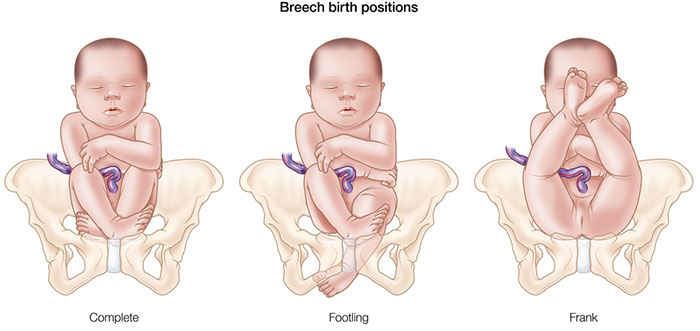
- Breech Presentation: Most babies rest in the womb with their head down facing the mother’s spine, a position called occiput anterior. However, in a breech presentation, the baby’s feet or buttocks enter the birth canal first, which is unsafe for both the mother and her child. Babies in breech presentation are almost always delivered via C-section to avoid birth trauma like spine fractures and nerve damage.
- Maternal Obesity: Maternal obesity increases a child’s risk for macrosomia and shoulder dystocia, as well as other pregnancy complications that can lead to bone fractures like prolonged labor.
- Genetic Conditions & Nutritional Deficiencies: Certain genetic diseases like osteogenesis imperfecta impact the body’s ability to create strong bones, making them more likely to break. A child may also have a noticeable deficiency in certain vitamins and nutrients that aid in bone development. Though it is not a disease, deficiencies in Vitamin D have been linked to more cases of neonatal bone fractures.
How Can “Difficult Labor” Complications Cause a Fracture?
Abnormalities in the baby’s size (macrosomia) or the mother’s pelvic shape (cephalopelvic disproportion) can lead to what’s known as labor dystocia, or a “difficult birth.” This is when the baby is unable to easily progress through the pelvis and birth canal. Labor dystocia can cause multiple serious injuries, including birth asphyxia and other prolonged labor complications. A 2020 research study cited difficult labor as the “main contributor” to neonatal bone fractures.

In cases of difficult labor, instrument-assisted delivery is more common. This is when healthcare professionals use external tools like forceps and vacuum extractors to pull the baby gently through the birth canal. Improper usage of these tools, such as using excessive force, can cause skull fractures or other preventable injuries to the child.
Alternatively, obstetricians may opt to perform a cesarean section (C-section) delivery to avoid bone fractures and other common birth injuries that happen during labor dystocia. If specialized labor and delivery teams fail to perform a timely C-section, it can count as medical malpractice if it leads to a preventable injury or wrongful death.
How to Spot a Bone Fracture in Infants
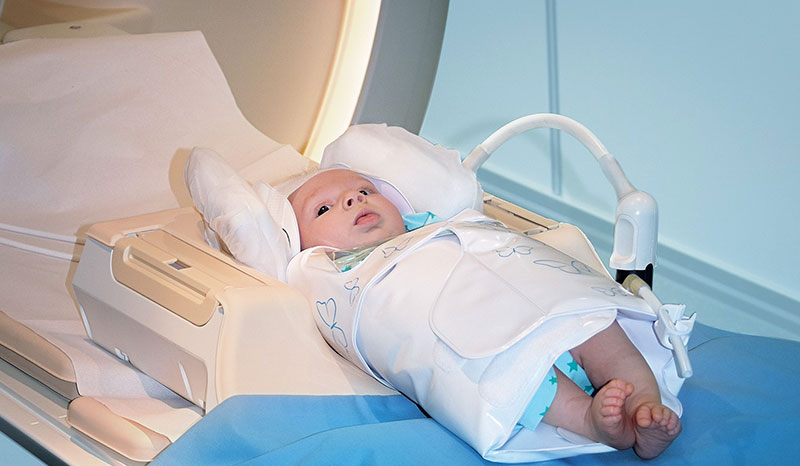
An x-ray is the only definitive way to discern whether a bone is fractured or not. A computed tomography (CT) scan or a magnetic resonance imaging (MRI) scan can offer a more detailed picture of the surrounding muscle tissue and ligaments.
However, the baby may exhibit additional physical or behavioral signs that they are suffering from a fracture. Symptoms may differ depending on the location of the fracture, but the main signs to watch out for include:
- Intense swelling and/or bruising around the affected area
- Clear lumps or protrusions at the suspected fracture site.
- An unnatural positioning of the limb (if the fracture is in the arms or legs).
- Excessive crying or indications of pain when the area is touched.
- Limited mobility of the affected area
How to Treat Bone Fractures at Birth
Different treatment may be required for each case of an infant’s bone fracture, depending on the size and severity of the break.
The good news is that many minor neonatal fractures heal remarkably well without heavy medical intervention. An infant’s broken arm or leg very rarely requires surgery and can sometimes fully heal without using a cast or splint.
However, this is not always true for all neonatal fractures and should never be assumed. More serious injuries like spinal or skull fractures may require immediate neonatal treatment.
Spinal Fractures
The main concern with a fracture to the infant’s spinal vertebrae is the risk of paralysis. The first step is often to immobilize the baby and restrict back movement using a brace or cervical collar. Surgical operation is rare and reserved for severe cases; a doctor must make the call to determine if surgery is necessary to stabilize the fracture.

Skull Fractures
Minor skull fractures can heal on their own, but depressed skull fractures run the risk of puncturing brain tissue and causing life-threatening complications like brain bleeds or cephalohematoma. In these instances, surgery may be necessary to avoid brain damage.

Untreated skull fractures can be dangerous and have lifelong consequences for the child, including seizure disorders and cognitive developmental delays.
How Can Medical Malpractice Harm Victims of Neonatal Bone Fractures?
A healthcare professional can run into several medical errors when treating neonatal bone fractures. Some of the most common examples of medical negligence include:
- Failure to diagnose an infant’s bone fracture at birth, leading to delayed treatment.
- Failure to conduct an X-ray, CT scan, or MRI scan to assess the severity of the child’s fracture, leading to improper treatment.
- Causing a neonatal bone fracture through the improper use of forceps and/or vacuum extractors.
- Failure to order a timely C-section procedure, leading to a fracture from prolonged labor.
- Making an error or using excessive force during a C-section delivery, resulting in a fracture.
- Failure to properly treat a fracture upon birth, leading to a further injury or complication.
It’s important to note that it requires a detailed review of the specific facts and timeline of a mother’s birth and the action taken shortly after before making a definitive judgement as to whether medical malpractice played a factor in the child’s bone fracture.
Is My Child’s Broken Bone the Result of Medical Malpractice?
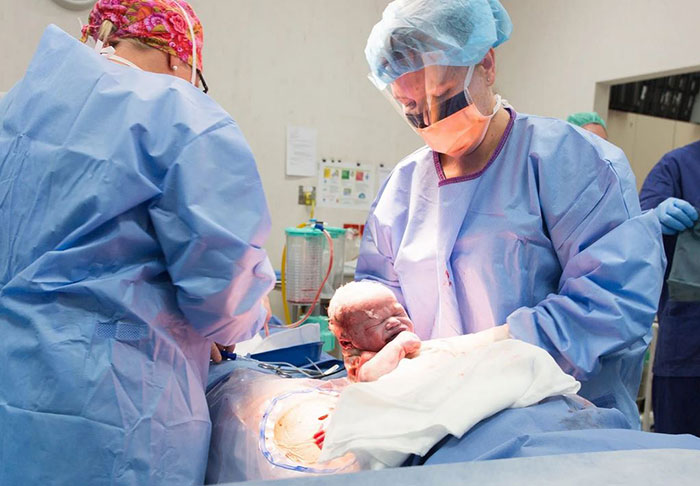
Bone fractures at birth can be preventable with proper medical care. Birth injury negligence, such as using excessive force or neglecting to treat a serious fracture to the spine or the skull, can cause an irreparable injury to your child that could have been avoided.
If a family believes medical negligence caused or worsened their child’s bone fracture, legal support may be an option. A knowledgeable birth injury attorney can review the medical records and circumstances to assess whether a claim exists.
Parents whose children suffer from the long term effects of birth injuries deserve to know whether it could have been prevented. Our dedicated birth injury lawyers want to help you find those answers and obtain the funds necessary to improve your child’s quality of life.
If your child has been diagnosed with a bone fracture or is suffering from a related birth complication, and you believe that it was caused in part by medical errors, our firm will thoroughly investigate the facts and hold the responsible medical providers accountable by pursuing medical malpractice claims against them.
Sometimes families are hesitant to reach out to a medical malpractice attorney or law firm. They may feel overwhelmed by their circumstances or are worried that a law firm will not be able to help them. But the only way to find out if you have a case is to talk to an attorney who understands how birth injuries can lead to developmental delays and other complications that require long-lasting medical support.
What Is the Statute of Limitations in a Neonatal Bone Fracture Case?

A statute of limitations (SOL) is a law that sets a time limit on how long an injured person has to file a lawsuit after an accident. It is essential to understand that statutes of limitations vary based on the type of case and the state where it is filed. For instance, the deadline for birth injury claims is typically different from other claims, such as injury to personal property, fraud, contract disputes, and collection of debts.
Generally, the clock starts ticking on the date the injury occurred. However, there are exceptions to this rule, and in some cases, the statute of limitations starts when a person discovers or reasonably should have discovered an injury. When dealing with government agencies, SOLs can become even more complex.
For example, if the party that injured you was:
- A federal employee
- Employed by a military hospital, Veterans Administration facility, or a federally funded medical entity
You may need to file a birth injury claim under the Federal Tort Claims Act (FTCA). In FTCA cases, claimants must go through certain administrative procedures before filing a lawsuit. In some states, if the negligent party was a local or state government hospital or the doctors and medical providers are employees of a governmental entity, the time period in which you must give "notice" may be shorter.
If your case is filed outside of the statute of limitations, it will typically be dismissed, and you will not be eligible to recover compensation for your injuries. Determining when a statute of limitations begins on your case can be tricky. If you're considering pursuing compensation for a birth injury, contacting an attorney as soon as possible is in your best interest.
How Can Birth Injury Attorneys at Miller Weisbrod Olesky Help?
Birth injuries that trace back to labor and delivery complications can be prevented in many cases, but it takes a detailed expert review of the facts and circumstances of your pregnancy and your child's birth to determine whether the injury was the result of medical malpractice.
Our Process
At Miller Weisbrod Olesky, a team of committed attorneys, nurses and paraprofessionals uses our detailed medical negligence case review process to assess your potential birth injury case. We start by learning more about you and your child and the status of meeting/missing developmental milestones. Then we gather medical records to determine what happened before, during, and after your delivery. We call in skilled medical experts who review your records and let us know if they think medical errors could have caused you or your child's injuries.
If we feel medical negligence caused or contributed to complications with your pregnancy or your child's injuries, we meet with you to discuss how you can receive compensation from the medical professionals who made the errors.
At no point in our legal intake process will we ask you to pay anything. The medical review of your case and the consultation are free. We only receive payment when you do. The sooner you reach out to us, the sooner we can begin investigating your case and gathering the evidence needed to support your claim.
We work on a contingency fee basis, meaning you won't pay any legal fees unless we win your case. Contact us today to schedule your free consultation by calling our toll-free line at (888) 987-0005 or by filling out our online request form.
Contact Miller Weisbrod Olesky
National Birth Injury Law
Our National Birth Injury Attorneys, nurses, and support staff understand that parents of children with birth injuries feel overwhelmed. So, every client has the attention and support of a team of trained, compassionate professionals. But we don’t just offer compassion.
We offer a process to help you discover whether your child’s birth injury, HIE, cerebral palsy or brain injury at birth was caused by medical malpractice.
Call our offices today at (888) 987-0005 for experienced assistance in a free consultation.
Quick Links
Testimonials
- Lyric C. I feel like our voice was heard in a sense of what can possibly go wrong in a delivery and finding us answers. I feel with our settlement, we are now in a comfortable position to provide for our son.
- Lyssa L. They are not just people that say “hey let's get you money and let's go” The law firm was very thorough with us. It was awesome. I don't want to cry, because I think about and it's amazing that they were able to help me and that we were able to help my son and get the story out there.
- Jay C. Throughout the process, one thing was clear to us, the ultimate interest of our child was the utmost concern of Max and his team and as parents navigating a situation like that, that was refreshing to know we had them firmly on our side. I highly recommend them.
Popular Cities
- ★ Dallas Birth Injury
- ★ Houston Birth Injury
- ★ Atlanta Birth Injury
- ★ Chicago Birth Injury
- ★ Philadelphia Birth Injury
Locations
★ Dallas
11551 Forest Central Drive, Ste. 300
Dallas, TX 75243
★ Houston
12929 Gulf Freeway, Ste. 111
Houston, TX 77034