HIE Injury
What is an HIE Insult?
HIE is an abbreviation for hypoxic ischemic encephalopathy, a severe neonatal brain injury. It can happen when a complication severely reduces or completely cuts off oxygen and blood flow to the baby’s brain. Complications causing HIE can happen during pregnancy, during labor and delivery, or even shortly after birth.
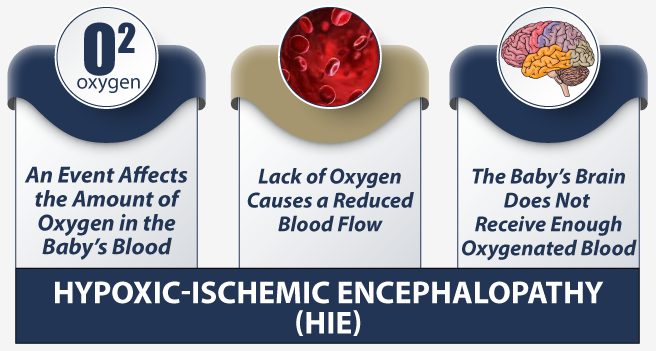
A growing fetal brain needs a steady flow of oxygen, blood flow, and glucose to produce energy. The baby’s brain cells die without these nutrients, causing pale, soft spots where now-destroyed neural pathways once stood. These spots of brain damage are the HIE injury.
The severity of an HIE birth injury depends on the location and how long the brain went without oxygenated blood. Even just a few minutes without oxygen is enough to have lasting impacts on the baby’s future.
The injury can sometimes affect other critical organs such as the baby’s heart, lungs, or kidneys. Severe HIE is the leading cause of cerebral palsy, a group of neurological disorders characterized by abnormal and uncontrollable muscle movement.
Healthcare providers can be at fault for causing these tragic brain injuries by making careless mistakes in the delivery room. Missing complications, being unprepared for complications, or delaying intervention can all put both the mother and her child at risk. If their negligence prolongs a baby’s oxygen deprivation, a dedicated HIE Birth Injury Lawyer can help your family seek justice.
HIE Birth Injury Malpractice Attorneys
When a medical provider’s actions cause brain injuries like HIE, parents have a right to raise a medical malpractice claim. Our national HIE birth injury team can help parents collect financial damages on their baby’s behalf from all responsible parties.
Free Legal Consultation
HIE Birth Injury Lawyers
(888) 987-0005Our HIE Birth Injury Lawyers are available to meet you in your home or the hospital, nationwide.
Our top rated HIE Birth Injury Lawyers specialize in identifying how small medical mistakes lead to negative neonatal outcomes. If your child is currently suffering from the complications of hypoxic ischemic encephalopathy, don’t hesitate to contact us. We can answer difficult legal and medical questions and investigate the facts on your behalf.
Our vast network of medical experts and in-house nursing staff and nurse-attorneys gives us the edge over our competition. When we take your case, we assign you with an entire legal and medical research team. This team not only consists of attorneys but also nursing advocates and seasoned medical experts.
Your team is available to assist with any day-to-day treatment you or your child may need. This includes assistance with medical records, scheduling doctors’ appointments, providing transportation, and any other problems that may arise.
We offer this help to you and your family on a contingency fee basis. This means we do not charge a single fee until after we win your case and secure a settlement. Our unmatched track record of HIE birth injury results sets us apart from other birth injury law firms.

Our nationwide firm has a dedicated nursing and medical research division that has secured over $1 billion for families of birth injured children. This includes a recent $13.75 million verdict for the family of a child who suffered from an HIE birth injury.
A mother's blood pressure dropped to dangerous levels after nurses and physicians failed to properly monitor her vitals during delivery. This restricted her baby’s oxygen supply and triggered an HIE event that led to neonatal seizures. Medical professionals provided neonatal resuscitation to save the baby’s life, but permanent brain damage had already set in. Our team of HIE birth injury lawyers recovered $13,750,000 to help the family with future medical expenses and developmental therapy.
What Does HIE Stand For?
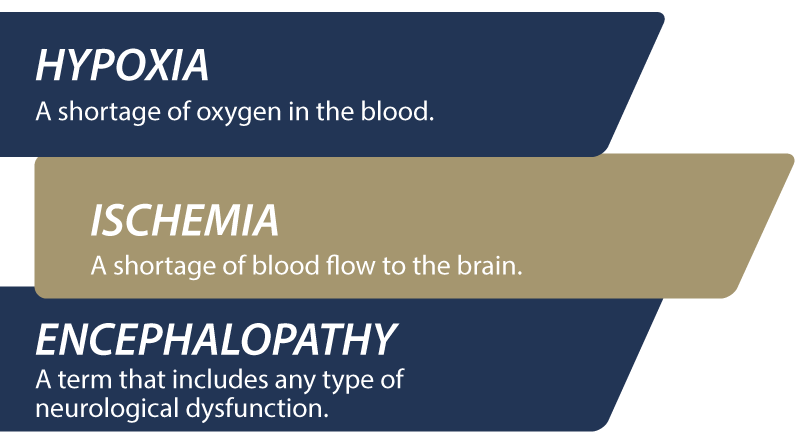
HIE stands for hypoxic ischemic encephalopathy. But what do these three terms mean? The general translation is as follows:
- Hypoxic – lack of oxygen to the brain (hypoxia)
- Ischemic – decreased cerebral blood flow (ischemia)
- Encephalopathy – brain damage
HIE is the most common neonatal brain injury. Depending on the severity of oxygenated blood loss, it can cause permanent disabilities like cerebral palsy, epilepsy, or intellectual delays. The most tragic HIE cases result in infant death.
How Do HIE Brain Injuries Develop?
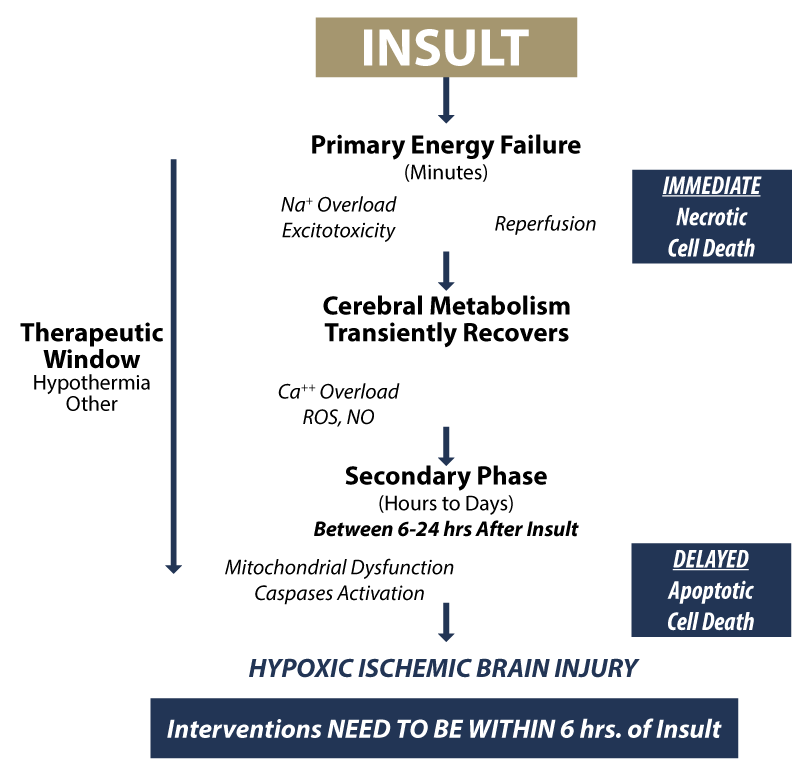
The injury causing events that lead to an HIE brain injury occur in two stages:
Stage 1: Primary Energy Failure
Blood is the carrier of oxygen to the baby’s brain. During an HIE injury, as the brain’s blood supply decreases, brain cells lose oxygen and vital nutrients (such as glucose). When oxygen deprivation continues for some time, these brain cells begin to die. This hypoxic-ischemic insult is what causes the initial brain injury.
Stage 2: Secondary Energy Failure
After the initial HIE injury, the secondary energy failure occurs about six to 48 hours later. This occurs as oxygenated blood flow returns to the brain. The rapid influx of oxygen creates harmful particles or molecules capable of destroying brain cells. These particles (called oxygen reactive species) result in further brain cell damage after the primary brain injury.
Early treatment of an HIE birth injury within 6 hours of the baby’s birth can reduce the risk of secondary damage. Therapies like neonatal brain cooling have shown promising results in reducing inflammation and lowering cerebral metabolism, preventing further energy failure.
How Does HIE Occur in Babies?
Doctors are not always able to pinpoint the precise cause of HIE. However, some risk factors and pregnancy complications that should alert doctors and nurses to an increased risk of HIE include:
- Abnormal fetal heart rate readings (“fetal distress”)
- Placenta previa (when the placenta covers the mother’s cervical opening)
- Placental abruption (when the placenta prematurely detaches from the uterine lining)
- Uterine rupture (when one or more layers of the mother’s uterus split under the stress of labor)
- Umbilical cord prolapses (when the umbilical cord comes out during birth before the baby)
- Maternal infections (such as group b strep or chorioamnionitis)
- Preeclampsia (dangerously elevated blood pressure during pregnancy)
- Breech presentation (when the fetus’s feet point toward the birth canal opening rather than their head)
- Gestational diabetes (high blood sugar that develops during pregnancy)
- Macrosomia (an overly large fetus weighing over 4000 grams or 8 lb., 13 oz)
- Oligohydramnios (when the mother has abnormally low levels of amniotic fluid in her womb)
- Premature rupture of Membranes (PROM) (when the mother’s amniotic sac breaks before the onset of labor)
- Shoulder dystocia (when the baby’s shoulders get stuck during vaginal delivery)
- Neonatal Stroke (a disruption in blood flow to the brain)
- Transient Ischemic Attack (a type of “mini stroke”)
If obstetricians and labor and delivery nurses quickly respond to these warning signs, HIE is often completely preventable. Responses can vary from inducing labor, adjusting the mother’s position during labor, or even intervening with an emergency c-section.
How Do Doctors Spot an HIE Birth Injury?
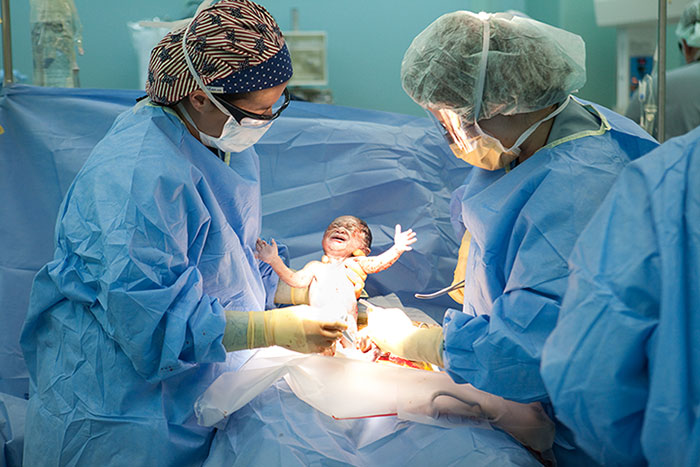
Immediately after childbirth, the medical team may notice the manifestations of HIE brain injury through a number of signs. These may include:
- Low APGAR score immediately at birth
- Poor umbilical cord gases (low acidic levels or high base deficit)
- Presence of meconium-stained fluid
- Neonatal seizures
- The need for respiratory support within the first few minutes after birth (called neonatal resuscitation)
Neuroimaging Tests for HIE Birth Injuries
While these symptoms can support an HIE diagnosis, a neuroimaging scan is the definitive method for diagnosing brain damage.
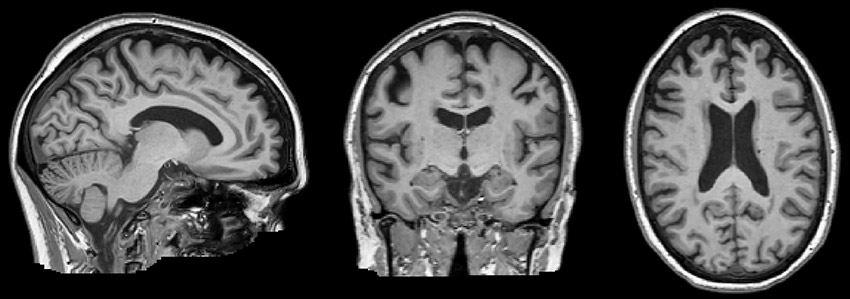
To assess which parts of the child’s brain sustained injury, doctors often use magnetic resonance imaging (MRI) scans. These are non-invasive scans without radiation that create a highly accurate 3-D layered image of the baby’s brain. Analysis of MRI scan results can show doctors the extent of the injury and where in the brain it occurred.
In cases of suspected hypoxic ischemic encephalopathy, doctors may also use electroencephalogram (EEG) testing. This test tracks the electrical signals coming from the baby’s brain and can detect abnormal signals indicating subclinical (“invisible”) seizures. Like an MRI, EEG procedures are painless and non-invasive.
Depending on the circumstances, medical professionals may also use computed tomography (CT) scans or head ultrasounds to diagnose HIE. These tools give doctors the clearest picture by letting them directly see what’s happening within the baby’s brain.
What are the Complications of HIE?
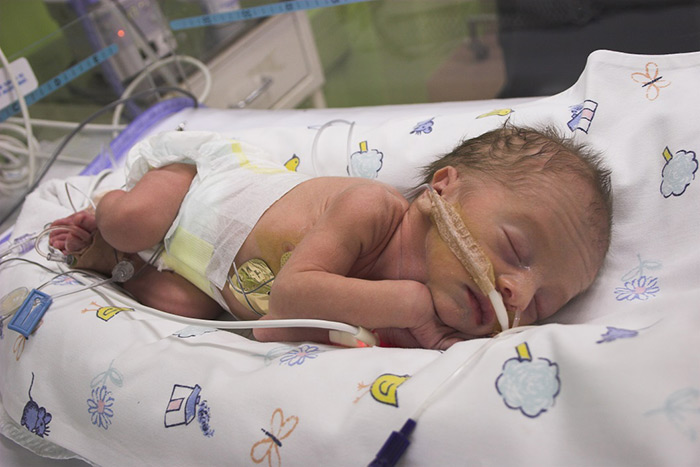
HIE can result in severe birth complications. According to researchers, as many as 60% of babies with HIE brain injuries will have permanent disabilities throughout their lives.
Some of the most common disabilities will include:
Epilepsy
Epilepsy is a neurological condition where recurring abnormal electrical activity causes frequent seizures.
The brain damage from HIE alters the brain’s vascular structure and regular electrical charges, triggering changes in neurotransmitter production. These changes disturb typical brain function and result in seizures that can range from mild to fatal.
According to the Epilepsy Foundation, 1 in 26 people will develop the condition in their lifetime.
Developmental Delays

A baby’s HIE brain injury may prevent them from developing critical skills and reaching typical milestones during early childhood.
Because the brain controls muscle movement, children with HIE may struggle to crawl, roll over, or take their first steps. Some children never end up walking on their own.
Other common developmental delays include speech impairments and social/emotional gaps with their peers.
Cerebral Palsy
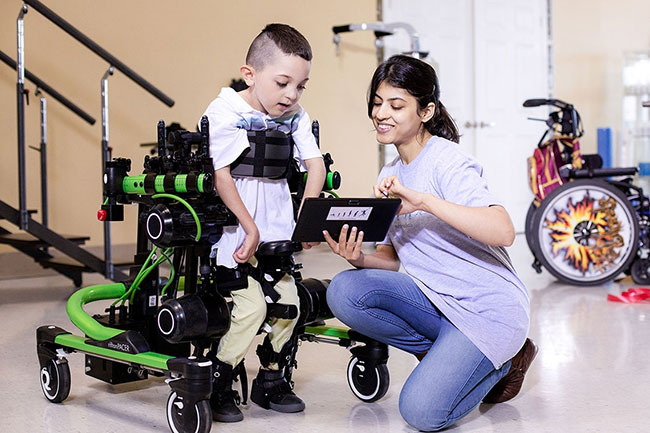
Cerebral palsy is a group of physical and neurological conditions impacting a child’s muscle movement.
According to post from nonprofit organization Hope for HIE, HIE injuries lead to a cerebral palsy diagnosis in around 40% of cases. Children with cerebral palsy often require treatments and therapies, assistive equipment, and long-term care plans for their disabilities.
Did Medical Malpractice Cause Your Child’s HIE Brain Injury?

Despite advancements in medical technologies, fetal monitoring, and improved obstetric care, HIE cases in the US have yet to decline. Medical negligence is one of the most important contributing factors to HIE that eventually leads to cerebral palsy. Most importantly, medical negligence and medical malpractice is the most preventable cause of HIE and cerebral palsy.
Parents whose children are suffering from hypoxic ischemic encephalopathy (HIE) deserve answers to whether their child’s birth injury was preventable. Our award-winning HIE birth injury lawyers will be able to find those answers for you.
We have represented families all over the United States in their time of need after a birth injury like HIE. We use our skills and expertise to obtain for you and your child a medical malpractice settlement that will help provide specialized medical therapy in order to maximize the quality of life and independence of your child throughout their life.
Examples of Medical Malpractice in HIE Cases
While investigating your case, our National HIE birth injury lawyers will ask all necessary questions in search of preventable medical errors:
- Were there signs of birth injury or birth complications during the pregnancy, labor, and delivery process?
- Were there risk factors which medical professionals failed to recognize or properly treat?
- During the labor and delivery, were there clear indications that the baby was suffering from fetal distress?
- Did maternal fetal specialists, obstetricians, or nurses fail to respond to these indications with the proper urgency?
- Did doctors delay a diagnosis of a likely premature birth that led to later complications, including a brain injury?
- Did the medical team fail to order neuroimaging tests or umbilical cord gas tests to diagnose HIE faster?
- Did doctors delay the decision to perform an emergency C-section, leading to birth trauma during vaginal delivery or labor?
- Did the neonatal resuscitation team fail to quickly begin important breathing support?
- Should doctors have started brain cooling (hypothermia therapy) but failed to perform the appropriate tests or ignored their results?
If the answer is “yes” to any of these questions, we will take your case forward. We will help families seek justice and hold responsible parties accountable by pursuing medical malpractice claims against them.
What Is the Statute of Limitations in An HIE Birth Injury Case?

A statute of limitations (SOL) is a law that sets a time limit on how long an injured person has to file a lawsuit after an accident.
It is essential to understand that statutes of limitations vary based on the case and the state where you file. For instance, the deadline for birth injury medical malpractice claims is typically different from an injury to private property claim.
Generally, the clock starts ticking on the date the injury occurred. However, there are exceptions to this rule. In some cases, the statute of limitations starts when a person discovers or reasonably should have discovered an injury. When dealing with government agencies, SOLs can become even more complex.
For example, if the party that injured you was:
- A federal employee
- Employed by a military hospital, Veterans Administration facility, or a federally funded medical entity
You may need to file a birth injury claim under the Federal Tort Claims Act (FTCA). In FTCA cases, claimants must go through certain administrative procedures before filing a lawsuit. In some states, you may have less time to give notice if:
- The negligent party was a local or state government hospital
- The doctors and medical providers are employees of a governmental entity
If you file your case outside of the statute of limitations, the court will typically dismiss it. This means you will not be eligible to recover compensation for your child’s preventable HIE injuries.
Determining when a statute of limitations begins on your case can be tricky. If you are considering pursuing compensation, contact an HIE Birth Injury Lawyer as soon as possible.
How Can Our HIE Birth Injury Attorneys Help?

To find out if you have a birth injury case, speak with an experienced HIE Birth Injury Lawyer today. Our detailed expert review of your child’s medical records can reveal when medical malpractice contributed to permanent neonatal brain damage.
Our Process
Our team of National HIE Birth Injury Lawyers has a comprehensive legal review process we apply to each potential new case.
We start by learning more about you and your child. We will gather medical records like fetal heart rate strips to determine what happened before, during, and after your delivery.
We consult with experienced medical experts, such as pediatric neurologists and neonatologists. They will review your records to determine whether medical errors could have contributed to your newborn's HIE birth injury. If we make a recovery, we will move forward with an official HIE birth injury medical malpractice lawsuit.
Our HIE Birth Injury Lawyers have recovered millions of dollars in settlements for families of children that have suffered a birth injury. At no point in our legal intake process will we ask you to pay anything. The medical review of your case and the consultation are free. We only receive payment once you do, no matter how long or tough your case is.
You can contact us today to schedule your free consultation by calling our toll-free line at (888) 987-0005. We are also reachable through submission of our online request form.
National Birth Injury Law
Our National Birth Injury Attorneys, nurses, and support staff understand that parents of children with birth injuries feel overwhelmed. So, every client has the attention and support of a team of trained, compassionate professionals. But we don’t just offer compassion.
We offer a process to help you discover whether your child’s birth injury, HIE, cerebral palsy or brain injury at birth was caused by medical malpractice.
Call our offices today at (888) 987-0005 for experienced assistance in a free consultation.
Quick Links
Testimonials
- Lyric C. I feel like our voice was heard in a sense of what can possibly go wrong in a delivery and finding us answers. I feel with our settlement, we are now in a comfortable position to provide for our son.
- Lyssa L. They are not just people that say “hey let's get you money and let's go” The law firm was very thorough with us. It was awesome. I don't want to cry, because I think about and it's amazing that they were able to help me and that we were able to help my son and get the story out there.
- Jay C. Throughout the process, one thing was clear to us, the ultimate interest of our child was the utmost concern of Max and his team and as parents navigating a situation like that, that was refreshing to know we had them firmly on our side. I highly recommend them.
Popular Cities
- ★ Dallas Birth Injury
- ★ Houston Birth Injury
- ★ Atlanta Birth Injury
- ★ Chicago Birth Injury
- ★ Philadelphia Birth Injury
Locations
★ Dallas
11551 Forest Central Drive, Ste. 300
Dallas, TX 75243
★ Houston
12929 Gulf Freeway, Ste. 111
Houston, TX 77034