Transient Ischemic Attack
Transient Ischemic Attack (TIA) During Birth
A child’s brain injury during birth can dramatically alter the course of their life. Injuries like a transient ischemic attack can permanently limit their physical and cognitive capabilities from the moment they’re born.
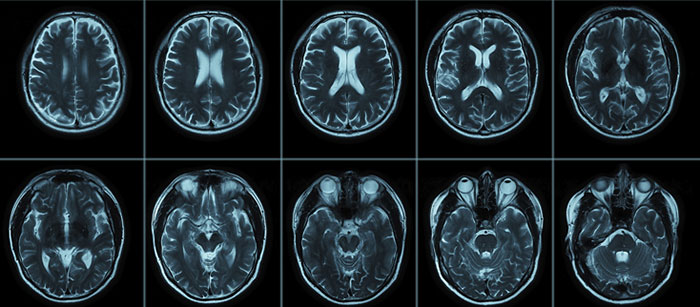
A medical professional’s actions during and shortly after labor are critical when the baby has suffered from a brain injury. The timeliness of their actions can sometimes make the difference between minimal and severe brain damage at birth.
OB-GYNs, maternal fetal medicine specialists, nurses, midwives, and other healthcare providers have a duty to protect their patients from harm. When they breach this duty (known as the “standard of care”) and cause preventable birth injuries, it constitutes medical malpractice.
Doctors commit medical malpractice when they miss the signs of a baby’s brain injury and/or delay critical treatment upon birth.
Birth Injury Malpractice Attorneys
Our nationally recognized birth injury attorneys specialize in identifying mismanaged labor and delivery complications. If you or someone you know suffered from the effects of a transient ischemic attack, don’t hesitate to contact our firm. We can answer difficult legal and medical questions and investigate the facts on your behalf.
Free Legal Consultation
Birth Injury Lawyers
(888) 987-0005Our Birth Injury Lawyers are available to meet you in your home or the hospital.
Our vast network of medical experts and in-house nursing staff and nurse-attorneys gives us the edge over our competition. When we take your case, we assign you with an entire medical team. This team not only consists of attorneys but also nursing advocates and medical experts.
Your team is available to assist with any day-to-day treatment you or your child may need. This includes assistance with medical records, scheduling doctors’ appointments, providing transportation, and any other problems that may arise.
We offer all of this on a contingency fee basis. This means you will not pay any fees until after we win your case and secure a settlement. Miller Weisbrod Olesky’s unmatched track record of birth injury results sets us apart from other birth injury law firms.
Recent Birth Injury Settlement:
Birth Injury settlement against a hospital in which nurses and physicians failed to properly monitor the mother's blood pressure during delivery causing an HIE event resulting in neonatal seizures and cerebral palsy at birth. Our national birth injury lawyers recovered $13,750,000 for the family to help with future medical expenses and developmental therapy.

What is a Transient Ischemic Attack?
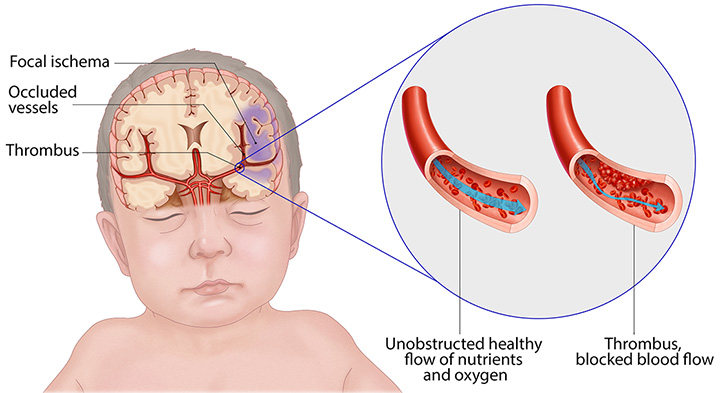
A neonatal transient ischemic attack (or TIA) is a type of neonatal stroke. A stroke can occur whenever any type of blockage in the blood vessels prevents blood from reaching the brain. The prolonged restriction of oxygenated blood flow to the brain that causes brain cells to die is known as “ischemia.”
Transient ischemic attacks are medical emergencies that carry the same symptoms as ischemic strokes, but with fleeting symptoms. In fact, the symptoms of these attacks can disappear within hours or even minutes of occurring.
For this reason, people sometimes refer to transient ischemic attacks as “mini strokes.” However, medical researchers do not embrace this terminology as many feel that it downplays its severity. Transient ischemic attacks can affect large portions of the brain and even be a precursor to a neonatal stroke.
Ischemic Strokes Vs. Hemorrhagic Strokes
Doctors can broadly classify strokes into one of two categories: ischemic or hemorrhagic.
Ischemic Strokes
Ischemic strokes stem from a blockage in the bloodstream preventing blood flow to the brain, causing brain cells to malfunction. Around 87% of strokes in both babies and adults are ischemic.
Hemorrhagic Strokes
Hemorrhagic strokes, on the other hand, stem from bleeding. They occur when a blood vessel that supplies blood to the brain ruptures. The bleeding builds pressure on the brain’s critical structures, leading to cell and tissue damage.
Medical professionals can further classify types of strokes based on the location, timing, and specific cause of ischemia or hemorrhage.
What Causes a Transient Ischemic Attack?
Doctors are not always able to pinpoint to direct cause of a baby’s stroke. Generally, they understand that ischemia during labor can have multiple direct causes, to include:
Birth Asphyxia
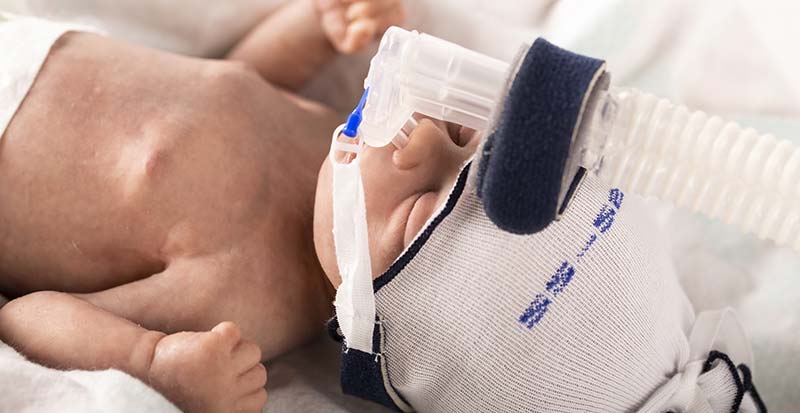
Birth asphyxia occurs when any type of blockage obstructs oxygen and blood from flowing to the baby’s brain. It can increase the baby’s risk for a transient ischemic attack, neonatal stroke, or further brain injuries like HIE.
Doctors can identify a baby’s birth asphyxia through carefully monitoring fetal heart rates. Late decelerations or absent variability in heart rate can indicate the baby’s brain is not receiving sufficient oxygenated blood.
Umbilical Cord Problems

The umbilical cord plays a vital role in delivering nutrients to the baby before birth. The cord is the vessel by which blood, oxygen, and other nutrients travel from the mother to the baby.
Umbilical cord problems like nuchal cord, compression, or prolapse can prevent blood from flowing properly to the baby’s brain. Prolonged cord problems can cause the baby can endure brain damage and an increased risk for a transient ischemic attack.
Placental Complications
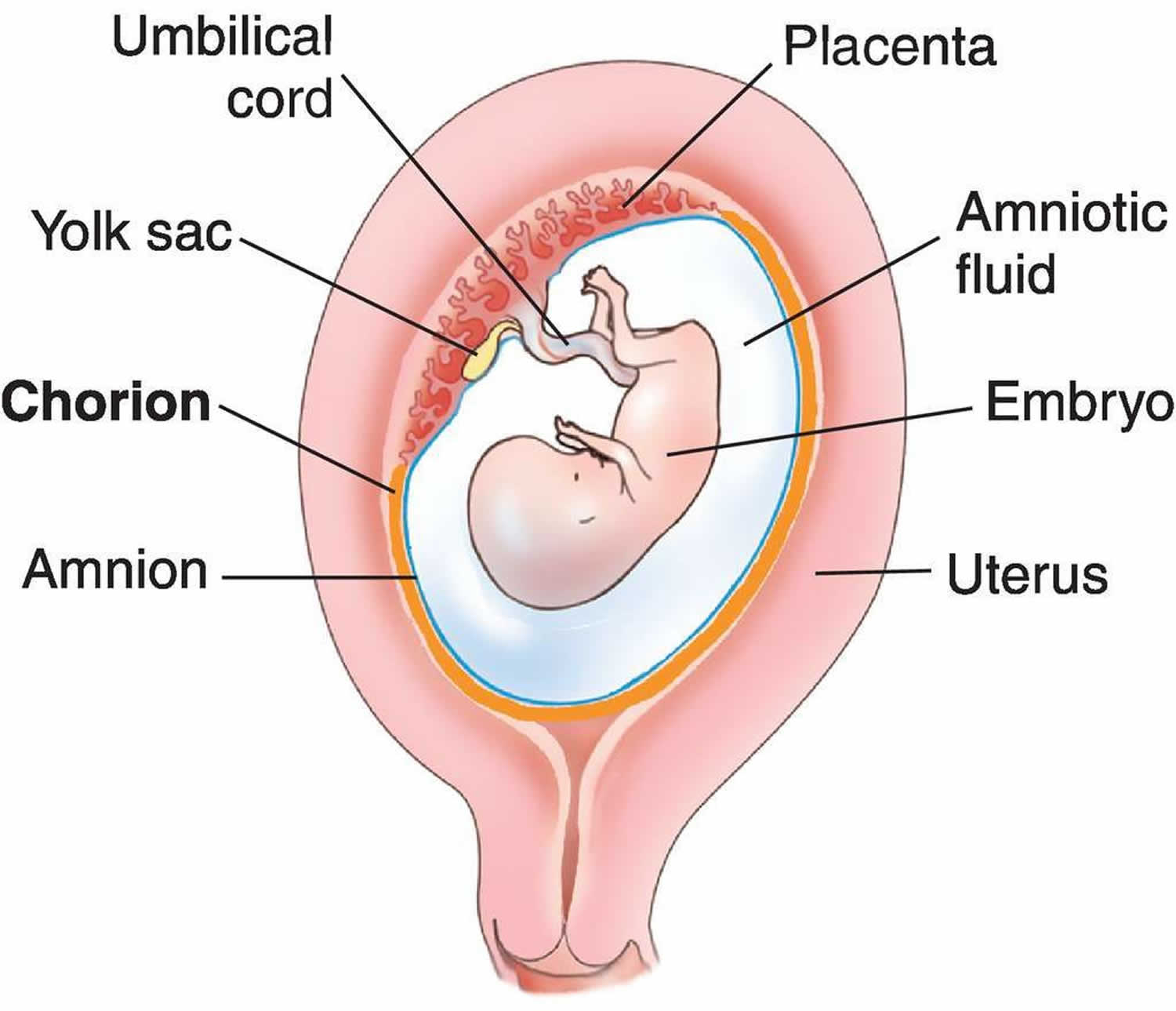
The placenta is responsible for supplying the baby with blood and oxygen, traveling through the umbilical cord. When placental complications arise, it can put the baby at risk for oxygen deprivation and ischemia in the brain.
The most concerning placental complication to affect the baby’s blood supply is an abruption. A placental abruption occurs when the mother’s placenta prematurely detaches from the uterine lining.
When the placenta detaches early, it can threaten the baby’s access to the oxygen and nutrients necessary to survive. Brain damage can occur if the baby’s access to oxygenated blood isn’t restored quickly enough.
What Are the Risk Factors for an Ischemic Brain Injury?

A myriad of different labor and delivery complications can act as a risk factor increasing the baby’s chance of stroke. Some of these complications include:
- Preeclampsia: the increased blood pressure of preeclampsia can cause placental irregularities and impair blood flow to the baby.
- Maternal Infections: untreated maternal infections can lead to neonatal infections. infection can trigger an inflammatory response that promotes blood clot formation and damaged blood vessels within the baby’s brain.
- Gestational Diabetes: diabetes can contribute to placental dysfunction, increased inflammation, and metabolic issues like hypoglycemia.
- Periventricular Leukomalacia: other types of brain damage at birth like PVL (damage to the brain’s white matter) can increase the risk of stroke.
- HELLP Syndrome: the increased blood pressure of HELLP Syndrome can cause placental irregularities and impair blood flow to the baby.
- Premature Rupture of the Membranes (PROM): PROM can compromise blood flow as well as increase the risk of infection and inflammation.
- Newborn Jaundice: the increased blood pressure of preeclampsia can cause placental irregularities and impair blood flow to the baby.
- Prolonged or Arrested Labor: prolonged labor can increase periods of hypoxia and fetal distress.
What Are the Signs of a Transient Ischemic Attack?

The signs of a transient ischemic attack will mirror those of a typical perinatal or neonatal stroke. These symptoms can include:
Low APGAR Scores
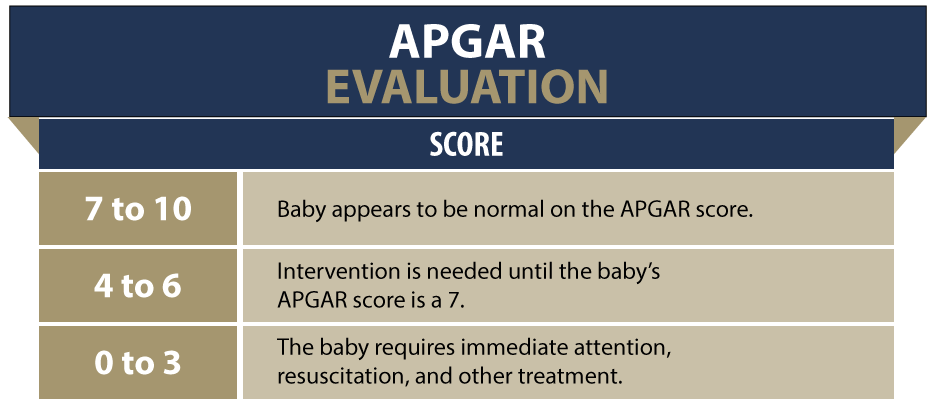
The APGAR test is a routine, standardized assessment of a newborn’s physical qualities immediately upon delivery. Medical professionals award “points” across 5 separate categories:
- Appearance: Analyzing the baby’s skin color and blood circulation.
- Pulse: Analyzing the baby’s heart rate.
- Grimace: Analyzing the baby’s reflexes and response to its surroundings.
- Activity: Analyzing the baby’s muscle tone and movement.
- Respiration: Analyzing the baby’s breathing and lung capacity.
A child who has suffered from a brain injury like a transient ischemic attack will likely receive lower APGAR scores. This is because the brain controls much of the criteria that the test is designed to assess. Any form of brain injury can impact the baby’s physical and cognitive abilities.
Neonatal Seizures
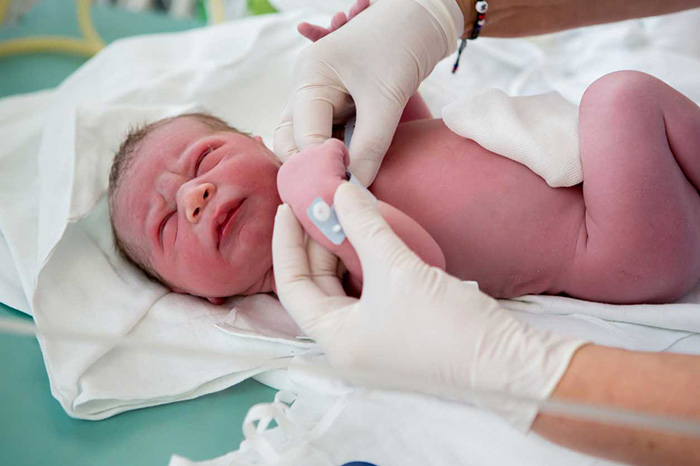
Neonatal seizures result from abnormal electrical activity in the brain. They usually stem from damage or injury to one or more areas of the brain. A baby who experiences seizures may also have suffered a stroke event either at birth or in the womb.
Hemiplegia

When transient ischemic attacks impact the baby’s motor cortex, it can result in physical paralysis. One of the most common patterns of paralysis after stroke is hemiplegia. Hemiplegia is paralysis on one side or half (“hemi”) of the affected area. This can include the whole body or just one part of it, such as the face (facial hemiplegia).
How do Doctors Diagnose a Transient Ischemic Attack in Newborns?
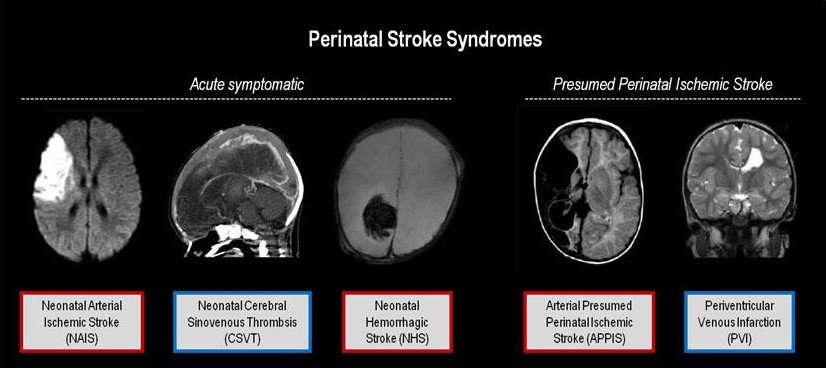
Doctors rely primarily on neuroimaging tools to scan the baby’s brain for signs of a transient ischemic attack. The most common type of scan is a magnetic resonance imaging (MRI) scan.
MRI scans take thousands of images of the baby’s brain to put together one three-dimensional composite image. Doctors prefer MRI scans when conducting neuroimaging for neonates because it is incredibly detailed and does not use radiation.
In addition to MRI imaging, certain laboratory tests can support the diagnostic evaluation of a newborn stroke:
- Electrocardiogram (ECG) – traces the heart rhythm
- Echocardiogram (ECHO) – ultrasound image of the heart
- Electroencephalogram (EEG) – evaluation of brain activity
- Blood Clotting Tests – short tests to rule out clotting disorders
- Lumbar Puncture Test – tests for brain bleeds or brain inflammation
Doctors must run all possible diagnostic tests to determine the cause and extent of a baby’s brain damage at birth. This can include physical examinations like APGAR scores or reflex tests.
What Are the Long-Term Effects of a Transient Ischemic Attack?
Like all brain injuries, a transient ischemic attack may leave a baby with a range of neurological and developmental disabilities. Some of the most impactful consequences can include:
Hypoxic Ischemic Encephalopathy
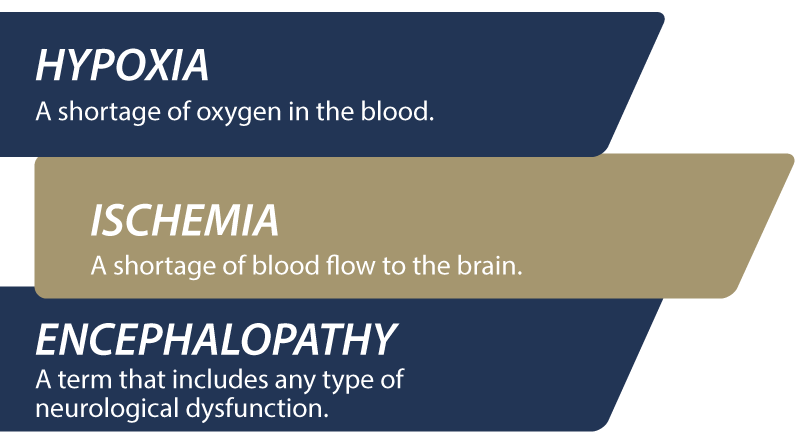
Hypoxic-ischemic encephalopathy, known more commonly by its 3 letter initialism HIE, is a complex brain injury that permanently affects a child’s physical and cognitive functioning. It is the most common form of brain damage at birth.
HIE can inflict long-lasting injuries and disabilities for newborns, including seizures and epilepsy, vision impairments, and issues with speech, feeding, and learning. It is also the leading cause of cerebral palsy.
While perinatal strokes and ischemic attacks do not directly cause HIE, the two conditions often co-occur. Strokes like transient ischemic attacks are typically more localized to one part of the brain. HIE, on the other hand, results from a global reduction of oxygen and blood flow to the brain.
Cerebral Palsy

A transient ischemic attack during birth can permanently damage motor pathways in the brain responsible for movement. This can contribute to a child’s cerebral palsy diagnosis.
Cerebral palsy is a complex neurological disorder that affects everyone differently. It is not just one condition, but rather a group of conditions that primarily affect a person’s posture and movement.
Sometimes the effect of neonatal strokes is not immediately visible upon birth. Symptoms of cerebral palsy usually appear within the first 2 to 3 years of life.
Children with cerebral palsy will typically need assistive equipment and devices to assist with everyday tasks. They also usually will need years of different specialized focus in physical therapy, speech therapy, and occupational therapy treatments.
Delayed Developmental Milestones

Failing to meet developmental milestones like other children can signify brain damage at birth from a transient ischemic attack.
The first signs of a child having a disability may come at a regularly scheduled doctor’s checkup. The parents might report that their child is not sitting up, standing, or communicating as expected. The doctor may also notice physical symptoms, like the child’s limbs appearing either too stiff or too floppy.
It’s important to note that each child will develop on their own schedule. Missing one or two developmental milestones by a certain age does not necessarily indicate a disorder or disability.
How to Treat a Transient Ischemic Attack?
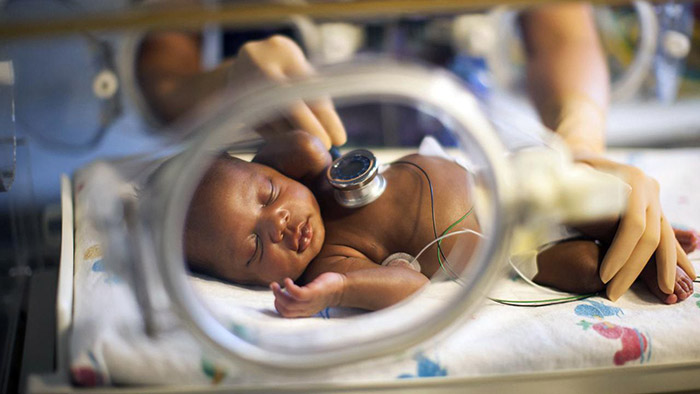
Immediate treatment is essential for babies who have suffered transient ischemic attacks and all other forms of brain damage. The longer a brain injury goes untreated, the more severe the future consequences will be.
Common treatment methods for transient ischemic attack strokes include:
Therapeutic Hypothermia
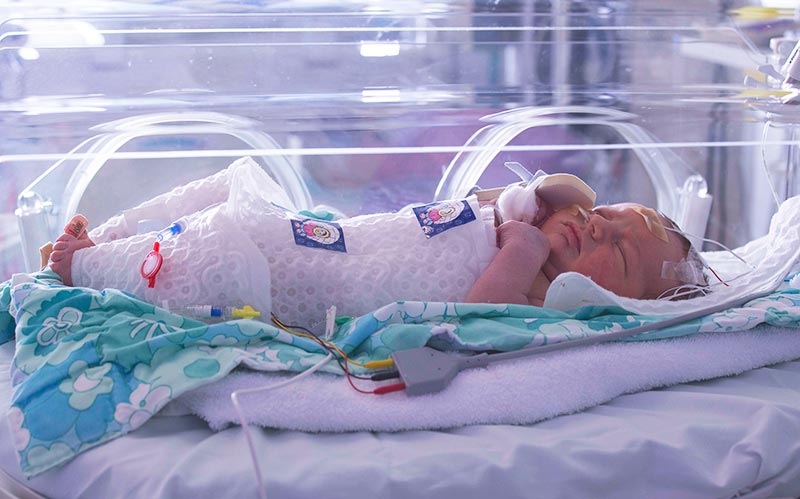
Therapeutic hypothermia is a form of therapy used to reduce the long-term effects of brain injuries like transient ischemic attacks. It is also known as “brain cooling treatment”. Treatment should begin no more than six hours after birth for the best chance reducing brain inflammation and tissue damage.
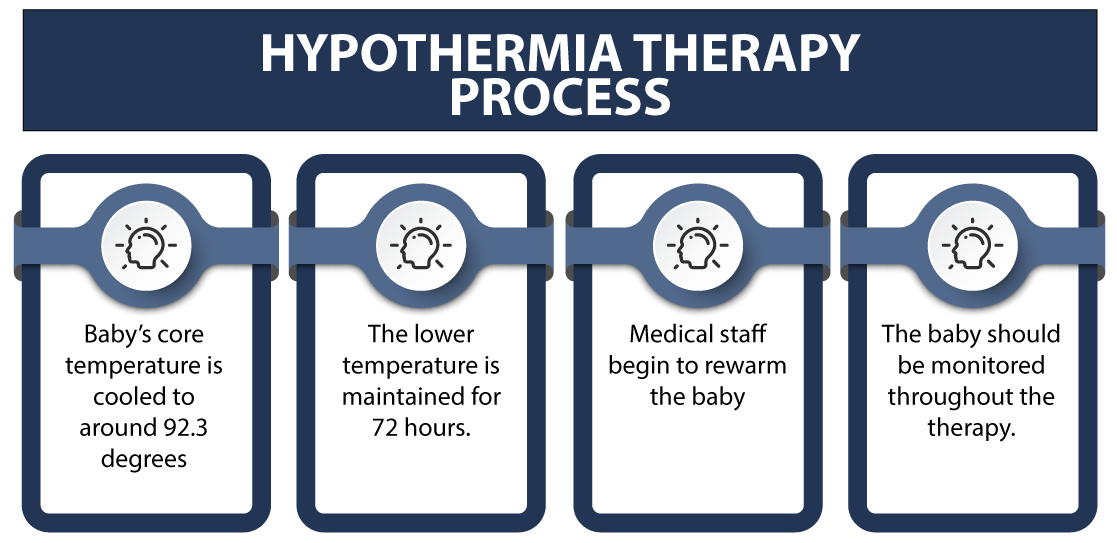
Therapeutic hypothermia involves cooling the baby’s core temperature to around 92.3 degrees Fahrenheit. Medical providers place the baby in a thermal regulating machine, which are present in many neonatal intensive care units (NICUs).
Brain cooling can slow cell depolarization and death and limit the extent of hypoxic ischemic brain damage. While not guaranteed to prevent long-term effects entirely, it can certainly limit the severity of symptoms by preventing further damage.
How to Prevent a Transient Ischemic Attack?

An expecting mother can do her part to manage her unborn baby’s risk for strokes like transient ischemic attacks. Attending routine prenatal testing checkups can allow medical professionals to identify concerning risk factors for strokes like infection or preeclampsia. Prenatal checkups also give the mother and her healthcare team time to prepare for any potential labor and delivery complications.
During labor, healthcare professionals must carefully monitor fetal heart rates for any signs of asphyxia or fetal distress. If they believe the baby is suffering from either hypoxia or ischemia, they must conduct a timely C-section delivery. Delaying an emergency C-section prolongs the period of oxygen and blood flow deprivation, increasing the risk for a hypoxic-ischemic attack.
Did Medical Malpractice Cause My Child’s Brain Injury?

Humans are at the highest risk for stroke within the first year of their life. Ischemic strokes like TIA can occur during birth or even shortly before while still in the womb. Birth injury negligence, such as delaying NICU admission or failing to promptly begin therapeutic hypothermia, can be life-threatening.
If a family believes medical negligence contributed to a child’s neonatal stroke or death, legal support may be an option. A specialized birth injury attorney can review the medical records and circumstances to assess whether a claim exists.
Families who have experienced the effects of brain injuries deserve to know whether better medical care could have prevented them. Our dedicated birth injury lawyers will help you find those answers and obtain the necessary funds to secure treatment.
Our team at Miller Weisbrod Olesky will thoroughly investigate the facts, holding responsible parties accountable by pursuing medical malpractice claims.
What Is the Statute of Limitations in a Birth Injury Lawsuit?

A statute of limitations (SOL) is a law that sets a time limit on how long an injured person has to file a lawsuit after an accident. It is essential to understand that statutes of limitations vary based on the case and the state where you file. For instance, the deadline for birth injury claims is typically different from other claims, such as injury to private property.
Generally, the clock starts ticking on the date the injury occurred. However, there are exceptions to this rule. In some cases, the statute of limitations starts when a person discovers or reasonably should have discovered an injury. When dealing with government agencies, SOLs can become even more complex.
For example, if the party that injured you was:
- A federal employee
- Employed by a military hospital, Veterans Administration facility, or a federally funded medical entity
You may need to file a birth injury claim under the Federal Tort Claims Act (FTCA). In FTCA cases, claimants must go through certain administrative procedures before filing a lawsuit.
In some states, you may have less time to give notice if:
- The negligent party was a local or state government hospital.
- The doctors and medical providers are employees of a governmental entity.
If you file your case outside of the statute of limitations, the court will typically dismiss it. This means you will not be eligible to recover compensation for you or your child’s injuries. Determining when a statute of limitations begins on your case can be tricky. If you are considering pursuing compensation for a birth injury, contact an attorney as soon as possible.
How Can Our Birth Injury Attorneys Help You?

Brain damage at birth is not always preventable, but medical errors are. It takes an expert review of the facts of your birth to determine whether medical professionals mismanaged your child’s birth.
At Miller Weisbrod Olesky, our team of committed attorneys, nurses and paraprofessionals works to answer these questions and seek compensation. We use our detailed medical negligence case review process to assess your potential birth injury case.
We start by learning more about your child and their status of meeting or missing developmental milestones. We then investigate further by gathering records to determine what happened before, during and after your delivery. This includes a detailed review of the treatment doctors provided or failed to provide before and during your labor.
We will call in skilled medical experts who review your records and provide insight into where medical professionals went wrong. If we feel medical negligence caused or worsened your child’s brain injury, we meet with you to discuss further.
At no point in our legal intake process will we ask you to pay anything. The medical review of your case and the consultation are free. We only receive payment once you do. The sooner you reach out, the sooner we can investigate your case and gather the evidence to support your claim.
We work on a contingency fee basis, meaning you will not pay any legal fees until we win your case. We do not purse any medical malpractice cases unless we fully believe we can win. Contact us today to schedule your free consultation by calling our toll-free line at (888) 987-0005. You can also reach us by filling out our online request form.
Contact Our National Birth Injury Lawyers
National Birth Injury Law
Our National Birth Injury Attorneys, nurses, and support staff understand that parents of children with birth injuries feel overwhelmed. So, every client has the attention and support of a team of trained, compassionate professionals. But we don’t just offer compassion.
We offer a process to help you discover whether your child’s birth injury, HIE, cerebral palsy or brain injury at birth was caused by medical malpractice.
Call our offices today at (888) 987-0005 for experienced assistance in a free consultation.
Quick Links
Testimonials
- Lyric C. I feel like our voice was heard in a sense of what can possibly go wrong in a delivery and finding us answers. I feel with our settlement, we are now in a comfortable position to provide for our son.
- Lyssa L. They are not just people that say “hey let's get you money and let's go” The law firm was very thorough with us. It was awesome. I don't want to cry, because I think about and it's amazing that they were able to help me and that we were able to help my son and get the story out there.
- Jay C. Throughout the process, one thing was clear to us, the ultimate interest of our child was the utmost concern of Max and his team and as parents navigating a situation like that, that was refreshing to know we had them firmly on our side. I highly recommend them.
Popular Cities
- ★ Dallas Birth Injury
- ★ Houston Birth Injury
- ★ Atlanta Birth Injury
- ★ Chicago Birth Injury
- ★ Philadelphia Birth Injury
Locations
★ Dallas
11551 Forest Central Drive, Ste. 300
Dallas, TX 75243
★ Houston
12929 Gulf Freeway, Ste. 111
Houston, TX 77034