Preventing Birth Injuries
Birth Injury Prevention
The Role Of Corticosteroids And Magnesium Sulfate
Corticosteroids, such as betamethasone, have a critical role in prenatal and labor and delivery care to help improve the health outcomes for the baby in a high-risk pregnancy. Corticosteroid therapy reduces the risk of intraventricular hemorrhage (brain damage, which may lead to cerebral palsy) in premature babies.
It also promotes and speeds up fetal lung development for babies that are born prematurely or before full term, and thereby lowers the rates of birth complications, such as respiratory distress syndrome (RDS) and necrotizing enterocolitis (NEC) which causes serious intestinal damage.
Corticosteroids are drugs used in the management and treatment of almost all areas of medicine. This activity outlines the indications, action, and contraindications for corticosteroids as a valuable agent in managing numerous disorders.

Magnesium sulfate (MgSO4) is an inorganic salt therapy, which is administered to the expectant mother during preterm labor to (1) slow down labor to prevent pre-term births and (2) reduce the baby’s risk of neurological damage (which can cause HIE and cerebral palsy).
Both magnesium sulfate and betamethasone are used to prevent birth injury and birth complications, especially for premature babies. Measured and timely use of betamethasone and magnesium sulfate therapies during labor and delivery can reduce a preterm baby’s risk of death by as much as 40 percent.

Medical providers like obstetricians and labor and delivery nurses must do everything within their capacity to safely prevent or delay premature birth, and use interventions such as corticosteroids and magnesium sulfate to minimize the risk of birth injury and birth complications.
It’s their professional obligation to know when and how to administer betamethasone and/or magnesium sulfate. If the medical provider fails to prescribe these treatments when necessary or mismanages their administration resulting in birth injuries, it may constitute medical malpractice.
How Corticosteroids & Magnesium Sulfate Work to Prevent Cerebral Palsy
Babies born prematurely have an increased risk of birth injuries, such as hypoxic-ischemic encephalopathy (HIE), which can lead to cerebral palsy. Oxygen deprivation to the baby (fetal hypoxia) during labor or delivery can disrupt the delicate blood vessels in the brain, causing intraventricular hemorrhage (IVH) or brain bleeds in the fluid-filled areas of the brain (ventricles).
Long-term consequences of this brain damage may include seizures, intellectual disabilities, missed developmental milestones, ADHD, and cerebral palsy.
Magnesium Sulfate

Magnesium sulfate is a magnesium salt having sulfate as the counterion. It has a role as an anticonvulsant, a cardiovascular drug, a calcium channel blocker, an anaesthetic, a tocolytic agent, an anti-arrhythmia drug, and an analgesic.
Antepartum or antenatal (interchangeable terms for the period before childbirth) administration of magnesium sulfate is one of the most important birth complication risk mitigating strategies medical providers can use in this situation. Several research studies have indicated that proper and timely administration of this magnesium salt can lower the risk of birth injury and neurological damage in premature babies, most notably cerebral palsy.
The cellular pathways through which magnesium sulfate provides neuroprotection to the preterm baby are still a matter of research. But it is known that this salt promotes hemodynamic stability (blood flow in the brain tissues), thereby preventing neuronal excitatory injury (nerve cell damage in the brain). At the same time, the anti-inflammatory and anti-oxidative effects of magnesium sulfate also work to protect the brain tissue from neural injury.
Betamethasone
In addition to magnesium sulfate, expectant mothers at risk of delivering prematurely are administered corticosteroids, such as betamethasone. In preterm labor, this corticosteroid speeds up the baby’s lung development (fetal lung maturation) by increasing the production of surfactant (a mixture of fats and proteins to prevent the collapse of air sacs in the baby’s lungs).
Betamethasone is a systemic corticosteroid used to relieve inflammation in various conditions, including but not limited to allergic states, dermatologic disorders, gastrointestinal diseases, and hematological disorders.
Moreover, the anti-inflammatory effects of betamethasone are beneficial in reducing the baby’s in-utero neuroinflammation (inflammation of the baby’s brain tissue), thereby lowering the risk of neurological damage, most notably cerebral palsy.
Corticosteroids also reduces the risks of a common birth complication of respiratory distress syndrome (RDS) that often requires neonatal resuscitation. Preventing newborn breathing difficulties prior to birth is one of the most important ways to avoid a birth injury in these children, including HIE. Pre-term Babies that have failed to received proper corticosteroids often show signs of low APGAR scores and abnormal blood gas results (the period before childbirth).
How Does Magnesium Sulfate Suppress Premature Labor?
Premature labor occurs when uterine contractions begin prior to 37 weeks of gestation combined with changes in the cervix (showing delivery is not far away). Magnesium sulfate works as a tocolytic medication, which can slow down or prevent the contractions of the uterus and delay premature delivery. This can reduce the baby’s birth injury risks, which are typically associated with preterm delivery.
The precise action mechanism of how magnesium sulfate suppresses uterine contractions is not known, but according to researchers, it probably works by reducing the calcium levels in the uterus muscles, which causes these muscles to relax.
With proper use of magnesium sulfate therapy, medical providers can help prevent or delay premature birth for a significant number of days. These extra days can prove to be crucial for the baby’s lung maturity and neuroprotection with the administration of antenatal corticosteroids, such as betamethasone.
How Does Betamethasone Support the Baby’s Lung Function?
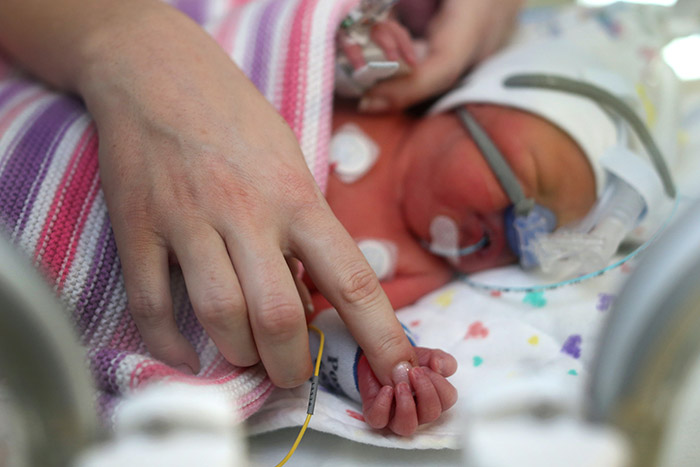
Betamethosone can be administered to the baby in-utero by injecting a precise dose in the mother’s arm or leg. The medication travels to the baby’s circulation and stimulates the surfactant production in their lungs. The lubrication of the baby’s lungs prevents the air sacs from sticking to each to each other, enabling easier breathing.
Preterm babies often do not produce a sufficient amount of surfactant, which would allow them to breathe without assistance. Betamethasone, when administered before birth (antenatally), mitigates this problem, and lowers the risk of respiratory distress syndrome, fetal hypoxia, and hypoxic-ischemic encephalopathy and intracranial hemorrhages or brain bleeds (which can lead to cerebral palsy).
ACOG Guidelines for Administering Betamethasone Before Birth
The American College of Obstetricians and Gynecologists (ACOG) has made the following recommendations for the administration of antenatal corticosteroids:
- Expectant mothers who are at risk of premature delivery (within 7 days) should be given a single course of corticosteroids between 24 weeks and 33 weeks of gestation. This also includes expectant mothers with multiple gestations or with PROM (premature rupture of membranes).
- In consultation with the family, the administration of corticosteroids may also be considered from the 23rd week of gestation when the expectant mother at risk of premature delivery within 7 days.
- In consultation with the family, the administration of corticosteroids may also be considered during the periviable period (considered from the start of the 20th week of gestation) when the expectant mother is risk of premature delivery within 7 days.
- Expectant mothers who are at a risk of premature delivery within 7 days and who have not previously received antenatal corticosteroids should be given a single course of betamethasone between 34 weeks and 36 weeks of gestation.
- More than two courses (serial courses) or regularly scheduled repeat courses of corticosteroids are not recommended currently.
- A single repeat course of betamethasone should be considered for expectant mothers who are less than 34 weeks of gestation and at risk of premature delivery within 7 days, and whose previous course of betamethasone was given more than 14 days ago.
- The medical team should perform continued surveillance of long-term health outcomes for the baby following exposure to corticosteroids.
Is Your Child’s Birth Injury the Result of Medical Malpractice?
Parents whose children suffer birth injuries due to a lack of or improper administration of magnesium sulfate or betamethasone related birth trauma or birth complications want and deserve answers as to the cause of their child’s birth injury and whether mistakes by the doctors and nurses contributed to the injury.
- Were there signs of birth injury or birth complications during the pregnancy, labor, and delivery process, or presence of risk factors, which were either not recognized or properly treated?
- Was the administration of betamethasone and/or magnesium sulfate missed, delayed, or mishandled despite clear signs and risk factors?
- During the labor and delivery, were there clear indications that the baby was suffering from fetal distress, but appropriate actions were not taken by the maternal fetal specialists, obstetrician or nurses?
- Was there a delay in diagnosis of a likely premature birth that led to later complications, including brain injury?
- Did the medical team fail to order a series of tests to diagnose this birth complication in a timely manner?
- Was the decision to perform a cesarean delivery delayed leading to birth trauma during vaginal delivery or labor?
- Did the neonatal resuscitation team fail to quickly begin important breathing support?
- Should brain cooling (also called “hypothermia therapy”) have been provided to your baby, but the doctors and nurses failed to perform the appropriate tests or ignored the results of the tests?
Our national birth injury attorneys have extensive experience in this and all areas of birth injury medical malpractice. The lawyers and nurses at Miller Weisbrod Olesky will help you determine if mistakes of the medical providers caused a birth injury to your child, including Hypoxic-Ischemic Encephalopathy (HIE) or cerebral palsy.
Our award-winning birth injury attorneys represent families all over the United States in their time of need after a wrongful birth. We use our skills and expertise to obtain for you and your child a medical malpractice settlement that will help provide specialized medical therapy in order to maximize the quality of life and independence of your child throughout their life.
Sometimes families are reluctant to contact a medical malpractice lawyer. It’s also not uncommon for parents to feel overwhelmed by the responsibilities they encounter in caring for their injured child and worried that they will not be able to help out in a lawsuit involving their child’s birth injury. Our birth injury attorneys and nursing staff will address these hesitations and concerns, so you can focus on your child and maximizing their care.
Registered Nurses and Nurse-Attorneys Are a Vital Part of Our Birth Injury Team…and Yours

Most birth injury law firms will employ one or two nurses to assist the review of cases and medical research. But Miller Weisbrod Olesky offers an unmatched number of nurses and nurse-attorney employees support to both the birth injury attorneys and our clients.
Our team of registered nursing staff and nurse-attorneys bring a deep level of medical and personal insight to every client’s case. Our nursing team includes both an experienced labor and delivery nurse as well as an ICU nurse. Working closely with the rest of the team, they investigate the reasons behind a birth injury and how medical professionals breached their standard of care.
Why Should You Talk with the Highly Capable Attorneys at Miller Weisbrod Olesky?

The only way to find out if you have a birth injury case is to talk to a lawyer experienced in birth injury lawsuits. It’s not uncommon that a birth related complication results in a preventable birth injury, including cerebral palsy, but it takes a detailed expert review by a birth injury attorney of the medical records from your child’s birth to determine if the birth injury was the result of medical malpractice.
At Miller Weisbrod Olesky, a team of committed lawyers, nurses and paralegals uses our detailed medical negligence case review process to assess your child’s potential birth injury case. We start by learning more about you and your child and the status of meeting/missing developmental milestones. Then we gather medical records to determine what happened before, during pregnancy. We call in documented and proven medical experts who review your records and let us know if they think medical errors could have caused your child’s injuries.
If we feel medical negligence caused or contributed to wrongful birth in your case, we meet with you to discuss how you can receive compensation from the medical professionals who made the errors. Our birth injury attorneys have recovered millions of dollars in settlements for families of children that have suffered a birth injury.
At no point in our legal intake process will we ask you to pay anything. The medical review of your case and the consultation are free. We only receive payment when you do no matter how long or tough your case is.
Contact Our Birth Injury Lawyers
National Birth Injury Law
Our National Birth Injury Attorneys, nurses, and support staff understand that parents of children with birth injuries feel overwhelmed. So, every client has the attention and support of a team of trained, compassionate professionals. But we don’t just offer compassion.
We offer a process to help you discover whether your child’s birth injury, HIE, cerebral palsy or brain injury at birth was caused by medical malpractice.
Call our offices today at (888) 987-0005 for experienced assistance in a free consultation.
Quick Links
Testimonials
- Lyric C. I feel like our voice was heard in a sense of what can possibly go wrong in a delivery and finding us answers. I feel with our settlement, we are now in a comfortable position to provide for our son.
- Lyssa L. They are not just people that say “hey let's get you money and let's go” The law firm was very thorough with us. It was awesome. I don't want to cry, because I think about and it's amazing that they were able to help me and that we were able to help my son and get the story out there.
- Jay C. Throughout the process, one thing was clear to us, the ultimate interest of our child was the utmost concern of Max and his team and as parents navigating a situation like that, that was refreshing to know we had them firmly on our side. I highly recommend them.
Popular Cities
- ★ Dallas Birth Injury
- ★ Houston Birth Injury
- ★ Atlanta Birth Injury
- ★ Chicago Birth Injury
- ★ Philadelphia Birth Injury
Locations
★ Dallas
11551 Forest Central Drive, Ste. 300
Dallas, TX 75243
★ Houston
12929 Gulf Freeway, Ste. 111
Houston, TX 77034