Periventricular Leukomalacia
What is Periventricular Leukomalacia (PVL)
Periventricular leukomalacia (PVL) damages a specific area of the brain. PVL most commonly affects newborn babies, although the damage can occur before or during the baby’s birth.
Periventricula: Around or near the ventricles, the spaces in the brain containing the cerebrospinal fluid.
Leukomalacia: Leuko: White | Malacia: Softening
Infants with periventricular leukomalacia often require more time in the hospital to receive oxygen and breathing assistance. They also are prone to intraventricular hemorrhage, seizures, sepsis (a severe infection), and respiratory distress syndrome type I.
PVL has been strongly linked with cerebral palsy and other neurological and physical disorders. This is especially true when doctors and other medical professionals miss the signs of brain damage and fail to intervene or manage the condition. Birth-related brain damage can cause cerebral palsy, cognitive disabilities, seizure disorders, and developmental delays.
But what makes this type of brain damage different from others that affect newborn babies?
Damage to the Brain’s White Matter
The primary parts of the brain are gray matter, which is the outer part, and white matter, which is the inner material under the gray matter. Periventricular leukomalacia involves white matter. This matter surrounds the brain’s ventricles that contain cerebrospinal fluid (CSF). It also transmits messages between nerve cells and the spinal cord and between regions of the brain.
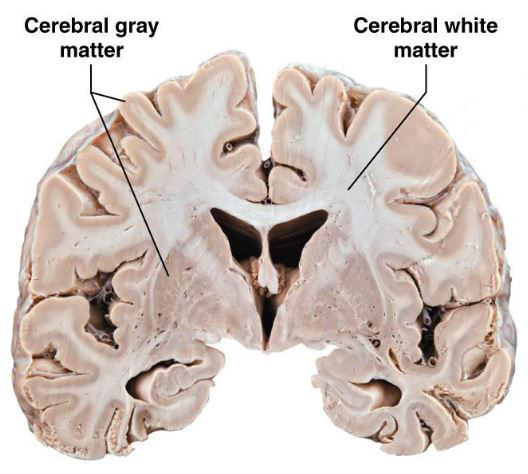
Damage, including cell death or softening to the white matter, affects the nerve pathways that control motor movements. Specifically, the damage:
- Causes holes to develop in this white matter
- Prevents nerve signals from being properly transmitted to other parts of the body
- Can cause spasticity (muscles that are too tight) and muscle weakness
This damage to the white matter can also cause cerebral palsy in babies. When periventricular leukomalacia causes cerebral palsy, the diagnosis is PVL CP.
The white matter surrounding the ventricles is fragile, especially in babies at less than 32 weeks of gestation.
Medical staff caring for premature babies should be aware of the causes and symptoms of PVL. Failing to do so could prevent or delay much-needed medical intervention. In some cases, brain damage can be anticipated, prevented, or at least minimized by proper medical care.
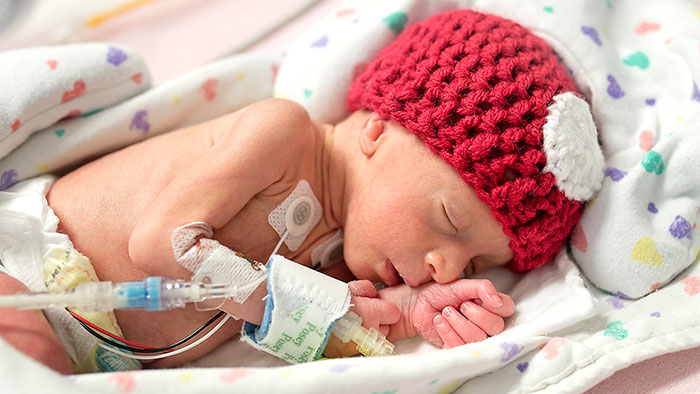
Risk Factors for Periventricular Leukomalacia (PVL)
Some babies are more likely to get PVL than others:
- Premature and very preterm babies, especially those that are unstable at birth
- Newborns who also have an intraventricular hemorrhage or brain bleed
- Hypocarbia (a decrease in carbon dioxide blood levels)
- Hypoxic-ischemic injury, which is the reduced flow of oxygen and blood to the brain including hypoxic-ischemic encephalopathy
- Babies who suffered from an intra-uterine infection
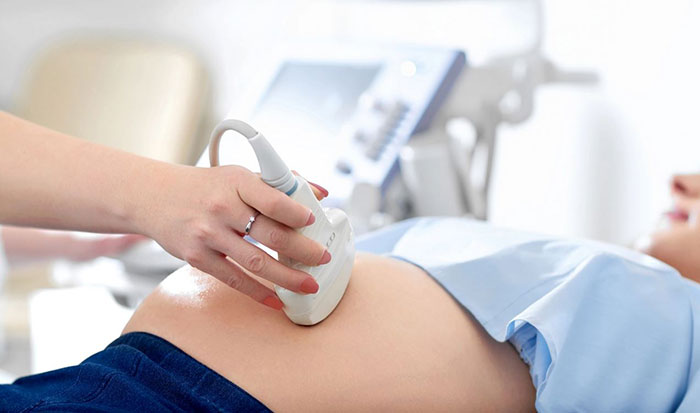
The mother’s condition during pregnancy and labor also can increase the risk of PVL, including:
- preeclampsia
- premature rupture of membranes (waters)
- intrauterine growth restriction
- extra-uterine growth restriction
- systemic inflammation or infection including chorioamnionitis
When newborns fit any of these risk factors, doctors (including neonatologists and pediatricians), nurses, midwives, and other medical providers in the newborn nursery or newborn ICU (NICU) must watch for PVL.
What Causes Periventricular Leukomalacia (PVL)?
The exact origin of periventricular leukomalacia is not known. However, it is likely caused by reduced blood flow (ischemia) and reduced oxygen (hypoxia) to the baby’s brain. This reduction can occur during the mother’s pregnancy, during labor and delivery, or after the baby’s birth.
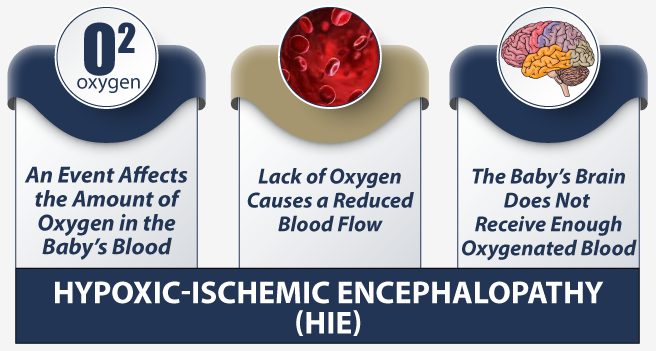
Hypoxic-ischemic encephalopathy (HIE) is another brain disorder caused by an interruption or reduction of blood and oxygen to a baby’s brain. HIE is a leading cause of cerebral palsy, as well as other cognitive and motor disabilities. With PVL, the lack of oxygen or blood flow occurs in the periventricular area of the brain. This lack of blood flow was often caused by the failure to identify or respond to fetal distress or signs on an electronic fetal monitoring device.
Many times the cause of this lack of blood flow was failure to identify or respond to fetal distress or signs on an electronic fetal monitoring device.
Monitoring a baby during labor and delivery closely is crucial for catching signs that PVL is occurring or about to occur.
What are Symptoms of PVL?
Initially, newborns may not exhibit any outward signs or symptoms of periventricular leukomalacia. However, symptoms become apparent as babies grow and develop. Periventricular leukomalacia often resembles other medical conditions, and doctors might not diagnose the condition until the baby is several months old.
Parents may notice unusual eye movement and vision problems, as well as developmental delays. The child’s muscles may tighten and become spastic. The baby may suffer from seizures. The baby’s doctor should be watching for such signs of brain damage and brain injury. Treatment or management of PVL cannot occur until it has been diagnosed, but early intervention is crucial to the child’s future.

Diagnosing Periventricular Leukomalacia
Doctors and parents may notice signs that something is wrong. Testing for brain damage can be done soon after birth or as soon as symptoms begin. It’s crucial to monitor babies considered at risk for birth-related brain injuries.
Diagnosis should begin with a complete medical history of the baby and mother, followed by a physical examination of the child.
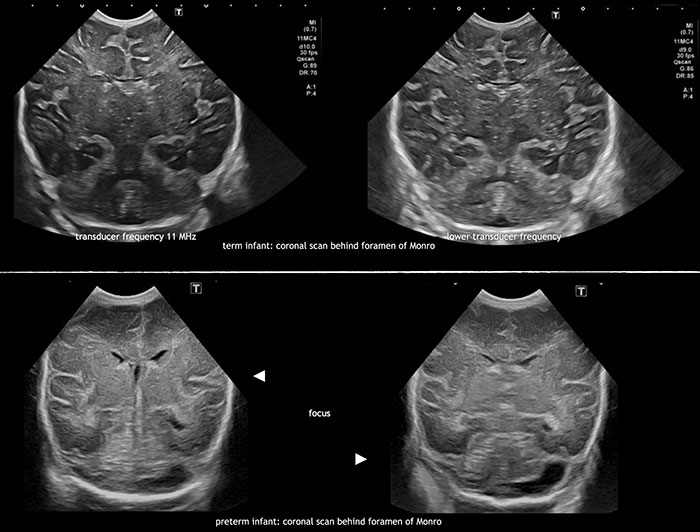
A cranial ultrasound will show any cysts or hollow places that have formed in the brain tissue. These indicate that damage due to periventricular leukomalacia damage has occurred.
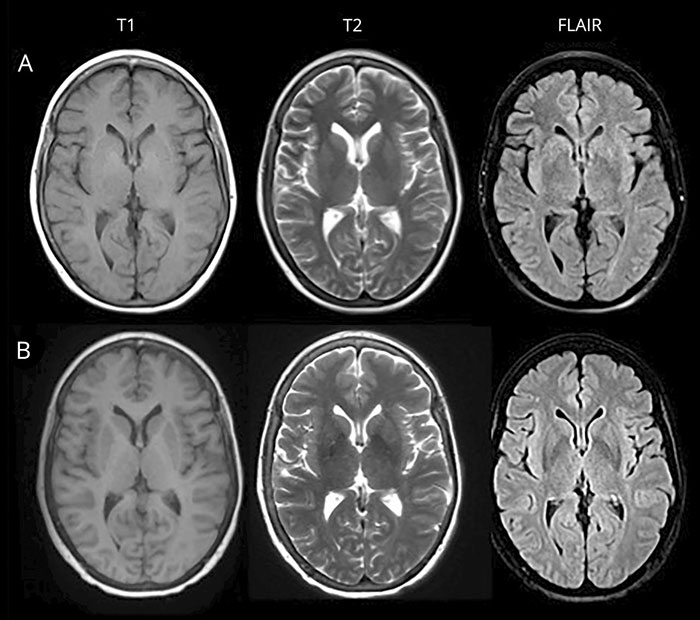
An MRI produces more detailed images of the brain’s internal structures. Doctors, including neonatologists and pediatricians, may order these immediately for newborns if they suspect PVL. But they can be done at any time to help doctors diagnose birth-related brain damage.
Early intervention is crucial to a child’s future, making early diagnosis important. Medical professionals ignore or overlook signs of brain damage like periventricular leukomalacia could be committing medical malpractice.
Treatment and Management of PVL
There’s no treatment for periventricular leukomalacia once it has occurred. All that can be done is to treat symptoms and provide supportive care.
Children who suffered from PVL will need regular medical screenings to determine the best ways to manage their symptoms. Doctors typically base management plans for PVL symptoms on several factors, including:
- The baby’s gestational age, medical history, and health
- The type and extent of PVL symptoms
- A baby’s tolerance for therapy, medical procedures, and medications
- The parents’ preferences and expectations
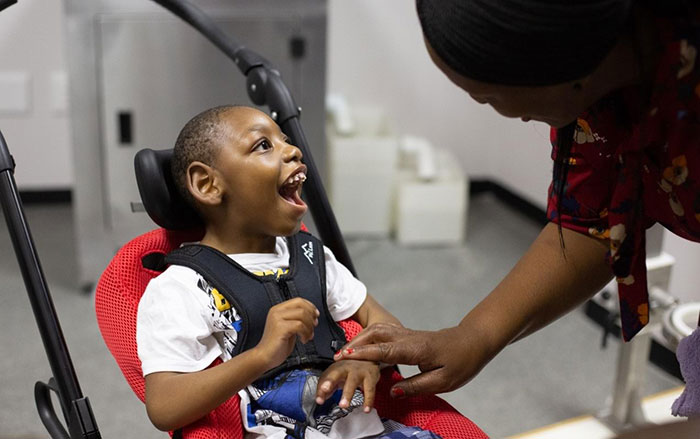
Babies with birth-related brain injuries like PVL and hypoxic-ischemic encephalopathy (HIE) might need special care like physical therapy, occupational therapy, and speech therapy.
Prognosis – What the Future Looks Like for Babies with PVL
Brain damage like periventricular leukomalacia (PVL) cannot be cured. PVL cannot even be treated. Parents and their children are looking at a lifetime of managing symptoms that vary widely in severity.
Children who suffered PVL are at risk for:
- cerebral palsy
- developmental delays
- coordination issues
- vision problems
- hearing impairment
- cognitive and learning disabilities

Babies often need physical therapy to overcome difficulties with early activities like sitting, crawling, and walking.
The medical team caring for a child with PVL might include the following:
- developmental pediatricians
- pediatric neurologists
- neonatologists
- occupational therapists
- physical therapists
- speech and hearing therapists
- in-home and outpatient caregivers
Monitoring and testing will be ongoing to identify emerging symptoms that need to be covered by the child’s management plan.
Medical care and necessary assistive equipment are costly. When doctors, nurses, midwives, and other caregivers fail to provide the standard of care, compensation might be available to pay these costs.
Where Medical Professionals Go Wrong
Periventricular leukomalacia can occur well before a baby is born. But doctors and other medical providers sometimes fail to follow appropriate standards, which can constitute medical malpractice. Medical malpractice causing PVL might occur during the pre-natal care, during the labor and delivery or even shortly after birth.
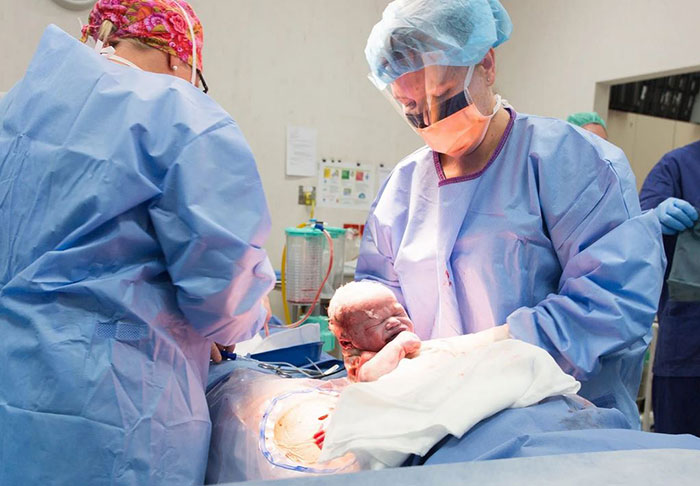
Some examples of medical errors that can cause periventricular leukomalacia include:
- Failed to identify or correct conditions that put mother and baby at risk for premature birth and labor complications
- Ignored or misread signs of fetal distress shown in electronic fetal monitoring results
- Failed to intervene during labor to prevent or minimize infant brain damage, including hypoxic-ischemic encephalopathy
- Delayed or failed to perform an emergency c-section
- Failing to treat an infection or prevent the spread of an infection from the mother to the baby
- Injured newborns by using forceps or vacuum extractors improperly
- Failing to provide timely or correct neonatal resuscitation or oxygen administration
- Providing in appropriate resuscitation or oxygen administration which results in hypocarbia
Doctors, nurses, hospital administration, and other healthcare providers also commit medical negligence or malpractice by failing to communicate with patients. They must advise mothers and other family members about medications, medical procedures, and alternative delivery methods. Failing to do so can be considered medical malpractice.
Is Your Child’s Periventricular Leukomalacia the Result of Medical Malpractice?
The parents of children who suffered birth-related brain injuries often want answers. They want to know what happened to harm their child’s brain. Were there signs of fetal distress that the doctors and nurses failed to recognize and/or failed to respond to in a timely manner? Did they receive all the information they needed to make informed decisions?
Our dedicated birth injury lawyers want to help you find those answers.
We diligently investigate the facts, including a detailed examination of the fetal heart rate monitoring strips and labor and delivery records. If this review shows the medical providers did not diagnose or respond to fetal distress, we hold responsible parties accountable by pursuing medical malpractice claims against them. The compensation our clients receive helps them pay for their child’s current and future medical treatment, assistive technology and equipment, attendant care, and the other expenses associated with caring for a child with brain injuries, seizure disorders, and cerebral palsy.
Sometimes families are afraid to talk to lawyers about their child’s case because they worry there is a fee. There is never a fee unless and until we make money recovery for our clients.
Why Should You Talk with the Knowledgeable Attorneys at Miller Weisbrod?
The only way to find out if you have a birth injury case is to talk to an attorney who understands birth injury.
At Miller Weisbrod, a team of committed professionals uses our detailed case review process to assess your potential claim. They start by learning more about you and your child. Then we gather medical records to determine what happened before, during, and after your delivery. We call in skilled medical experts who review your records and let us know if they think medical errors could have caused your child’s injuries.
If we feel medical malpractice was present, we meet with you to discuss how you can receive compensation from the medical professionals who made the errors.
At no point in our legal intake process will we ask you to pay anything. The medical review of your case and the consultation are free. We only receive payment when you do.
Contact Miller Weisbrod Olesky
National Birth Injury Law
Our National Birth Injury Attorneys, nurses, and support staff understand that parents of children with birth injuries feel overwhelmed. So, every client has the attention and support of a team of trained, compassionate professionals. But we don’t just offer compassion.
We offer a process to help you discover whether your child’s birth injury, HIE, cerebral palsy or brain injury at birth was caused by medical malpractice.
Call our offices today at (888) 987-0005 for experienced assistance in a free consultation.
Quick Links
Testimonials
- Lyric C. I feel like our voice was heard in a sense of what can possibly go wrong in a delivery and finding us answers. I feel with our settlement, we are now in a comfortable position to provide for our son.
- Lyssa L. They are not just people that say “hey let's get you money and let's go” The law firm was very thorough with us. It was awesome. I don't want to cry, because I think about and it's amazing that they were able to help me and that we were able to help my son and get the story out there.
- Jay C. Throughout the process, one thing was clear to us, the ultimate interest of our child was the utmost concern of Max and his team and as parents navigating a situation like that, that was refreshing to know we had them firmly on our side. I highly recommend them.
Popular Cities
- ★ Dallas Birth Injury
- ★ Houston Birth Injury
- ★ Atlanta Birth Injury
- ★ Chicago Birth Injury
- ★ Philadelphia Birth Injury
Locations
★ Dallas
11551 Forest Central Drive, Ste. 300
Dallas, TX 75243
★ Houston
12929 Gulf Freeway, Ste. 111
Houston, TX 77034