Cerebral Palsy Treatments
Treating Cerebral Palsy
Cerebral palsy is a group of disorders caused by brain injuries suffered before, during, or soon after birth. Complications during pregnancy, labor, and delivery can reduce the flow of oxygen and blood to the baby. Hypoxic-ischemic encephalopathy (HIE) can result, causing severe and permanent brain damage. HIE is a leading cause of cerebral palsy.

Symptoms of cerebral palsy vary widely from one person to the next. Cerebral palsy treatment plans depend on the type of cerebral palsy and the affected body functions.
The goal of cerebral palsy treatment is not to cure cerebral palsy – it is incurable. However, early intervention with the right medication, surgery, therapy, and other treatments can help children with CP develop to the fullest extent possible.
Medications for Cerebral Palsy Symptoms
Children with cerebral palsy may have muscle disorders, seizures, involuntary movements, and chronic pain. Doctors may use medication to treat and ease some of these symptoms.

For example, anti-spasmodic drugs help reduce muscle spasms, spasticity, and tight muscles. A child with these symptoms might be given one or more of the following medications:
- Baclofen
- benzodiazepines like diazepam
- lorazepam
- Dantrolene sodium (Dantrium and Revonto)
- Diazepam (Valium)
- Tizanidine or Flexeril (muscle spasms)
- Botulinum toxin (Botox injection)
- Intrathecal baclofen (by implantable pump)
Children with seizure disorders are commonly given anticonvulsant medications (also known as anti-seizure medications) like:
- Clonazepam/Klonopin (benzodiazepines)
- Dilantin (phenytoin)
- Tegretol (carba-mazepine)
Cerebral palsy often causes involuntary muscle movements and excessive drooling. Medical professionals often include anticholinergics in cerebral palsy treatment plans to handle these symptoms. Common anticholinergics include:
Anticholinergics are drugs that block the action of acetylcholine. Acetylcholine is a neurotransmitter, or a chemical messenger. It transfers signals between certain cells to affect how your body functions.
- benztropine mesylate
- Robinul
- Sinemet
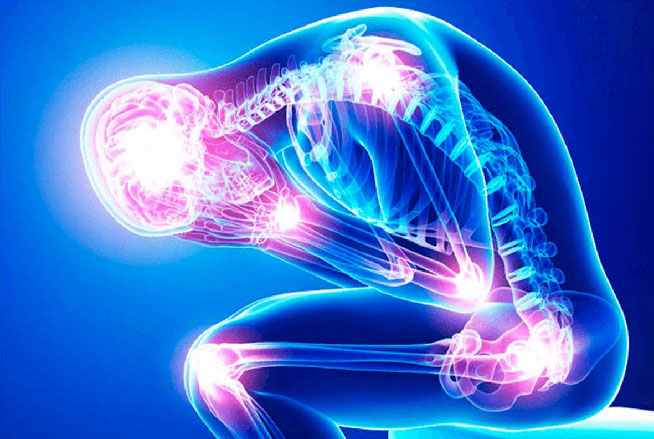
Finally, cerebral palsy often causes chronic pain and inflammation. That’s why pain management is an integral part of CP treatment plans. Steroids and nonsteroidal anti-inflammatory drugs may be prescribed to deal with inflammation and pain.
Other common medications included in cerebral palsy treatment include anti-depressants for people suffering from depression and, in recent years, medications containing cannabidiol (CBD).
Cerebral Palsy Treatment Can Include Surgery
Many symptoms of cerebral palsy involve muscle, bones, and joints that affect a child’s posture and mobility. Some children and adults benefit from surgery to address these issues and other conditions.

- Orthopedic surgeries: Orthopedic surgery is an essential part of managing cerebral palsy. When done correctly and at the right time, surgery on a child’s muscles, bones, and joints can significantly improve their quality of life. However, children’s abilities can worsen if done incorrectly or without support from rehabilitation and therapy.
- Selective dorsal rhizotomy: This type of cerebral palsy treatment can be an excellent option for qualified patients. During the surgery, a pediatric orthopedic surgeon separates specific nerves that transmit messages from muscles to the spinal cord (dorsal spinal roots). The surgical team then identifies which roots are causing the child’s spasticity. Abnormal roots are cut, which reduces spasticity.
- Hip Muscle Release: Whenever possible, nonsurgical treatments for hip abnormalities like subluxation and dislocation are usually recommended before surgery, which can be incredibly taxing on young patients. The first lines of treatment typically include physical therapy, orthotic devices, medications, and muscle injections.
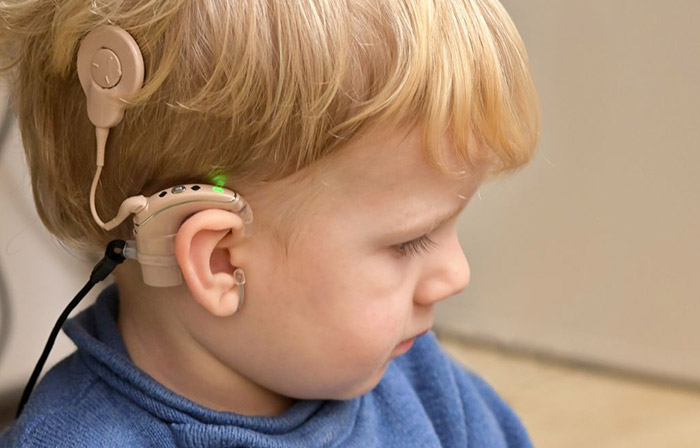
- Cochlear implants: Some children with cerebral palsy have hearing difficulties that might be improved with cochlear implants. During surgery, a small electronic device is inserted that improves quality. After surgery, the child needs rehabilitation and training to gain the most hearing ability
- Nasogastric and gastronomy tubes: Due to muscle weakness and poor coordination, many children with cerebral palsy have trouble eating and drinking. A child’s cerebral palsy treatment might include surgery to insert feeding tubes to improve their nutritional intake.
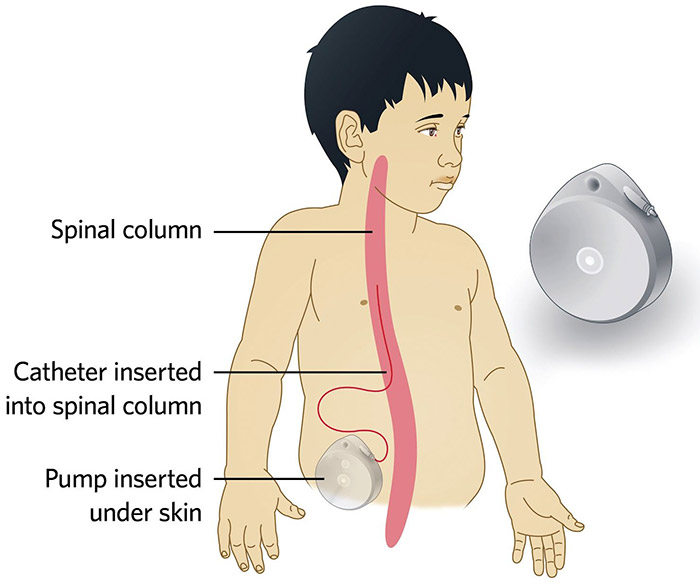
- Intrathecal baclofen pump: Intrathecal baclofen is a drug used to relax muscles. For a child with cerebral palsy, treatment with intrathecal baclofen can begin with an oral medication. However, sometimes doctors surgically place an intrathecal baclofen pump to deliver the medication to the child’s spine automatically.
Surgery helps with many CP symptoms. But some cerebral palsy treatment includes therapy that helps improve quality of life in other ways.
Treating Cerebral Palsy with Therapy
Cerebral palsy covers a wide range of medical conditions and disabilities, from muscle contracture to learning disabilities. So, cerebral palsy treatment plans usually include one or more of the following therapies:
Physical Therapy: A child’s physical therapy treatment will address their individual needs. Many children with CP have muscle and joint problems that affect their ability to stand, sit, and walk.
Activities and exercises are designed to improve a child’s current status and will change as the child develops. Therapists may use:
- Resistance bands and exercise balls
- Water exercises in a pool
- Pads and exercise mats
- Free weights and weight machines
- Stationary bikes and treadmills
- Sports equipment
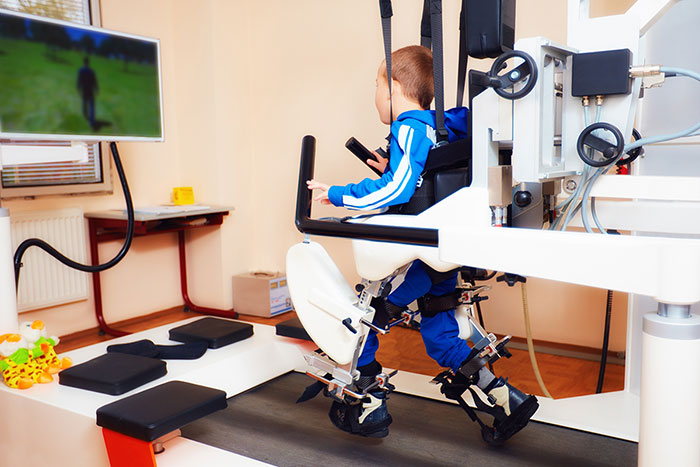
- Robotic devices
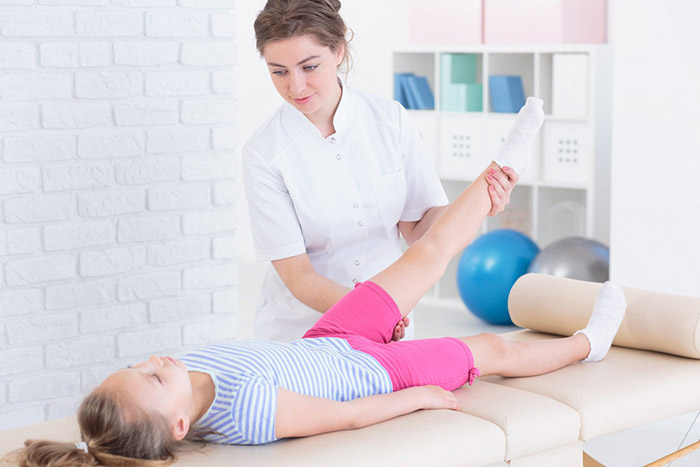
Much of this cerebral palsy treatment consists of physical exercises guided by the therapist. Some activities help children learn to use assistive devices, like walkers, braces (“orthotic devices” such as an ASO brace) and activity chairs.
Occupational therapy teaches children how to handle daily “jobs” or life activities. Specifically, activities help the child improve strength, muscle coordination and tone, hand-eye coordination, sensory processing, and visual perception.
During this type of cerebral palsy treatment, therapists may use:
- Computer-related devices
- Assistive communication devices
- Clothing fasteners like zipper pulls, buttons, and hooks
- Adaptive scissors
- Feeding utensils
- Tools commonly used for daily activities
Other types of therapy focus on disabilities related to specific senses.
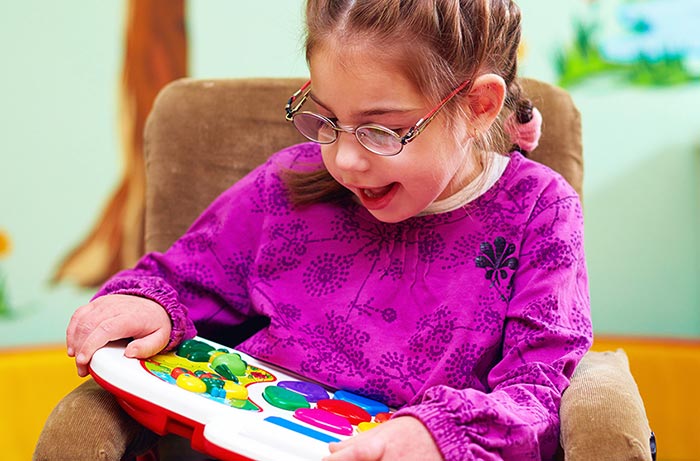
Speech and language therapy: Children with cerebral palsy often have trouble communicating because of muscle weakness and poor coordination. As part of cerebral palsy treatment plans, speech and language therapy can help children develop to their fullest potential.
Therapists will help children learn to speak more clearly, but also to use:
- Manual sign language
- Picture communication boards
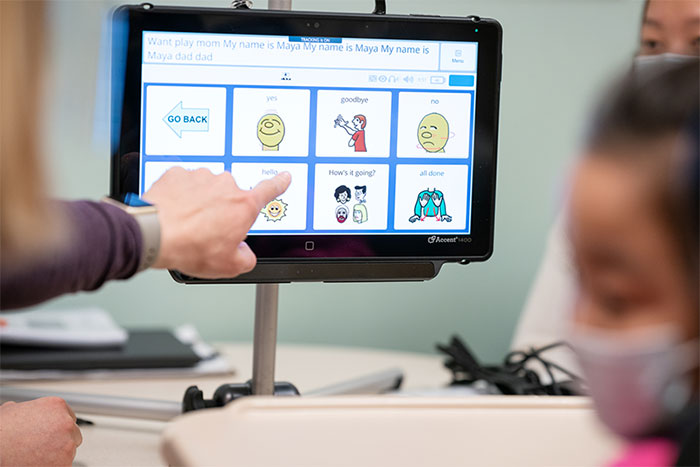
- Augmentative alternative communication devices
- Speech generating devices or voice output communication aids
This type of therapy can reduce the frustration children with cerebral palsy feel when unable to communicate even their most basic needs.
Recreational therapy: This type of therapy involves outdoor recreational activities like skiing, soccer, and therapeutic horseback riding. Indoor activities include music, dancing, and art. Recreational therapy can help children improve their emotional wellbeing and motor skills in addition to the usual health benefits associated with physical activity and exercise.
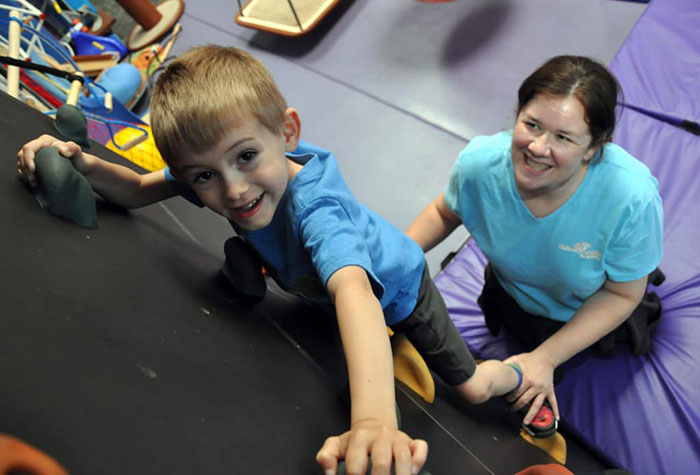
Hippotherapy: Cerebral palsy treatment can even include alternative therapies. Hippotherapy involves activities with horses, including riding. Feelings of accomplishment help with a child’s emotional health, while the horse’s gait often helps improve posture and overall physical functioning.
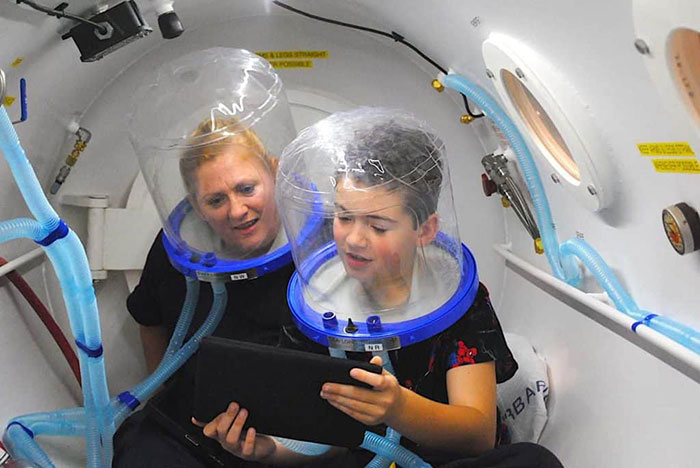
Hyperbaric oxygen therapy (HBOT): During this CP treatment, a child lies in a pressurized hyperbaric chamber receiving pure oxygen. Some studies indicate that children benefit physically from HBOT. However, the therapy is controversial as some doctors claim it is more harmful than helpful.
Children with cerebral palsy exhibit a wide range of symptoms and disabilities. Surgery, medication, and therapy can address specific needs. But cerebral palsy treatment often involves the use of special equipment.
Assistive Equipment and Technology for Cerebral Palsy
Cerebral palsy treatment includes any of a variety of devices, equipment, and technology. A child's needs depend on their symptoms and can be categorized by typical daily activities.
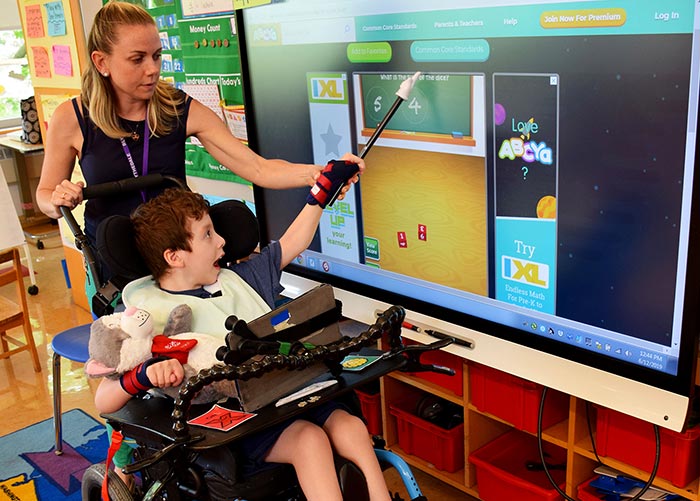
Mobility: Movement is difficult for most children with cerebral palsy. Doctors, nurses, and therapists may prescribe the following:
- Braces
- Orthotic shoes, custom shoes, and inserts
- Crutches and walkers
- Strollers, rolling walkers
- Wheelchairs and powered scooters
- Gait trainers
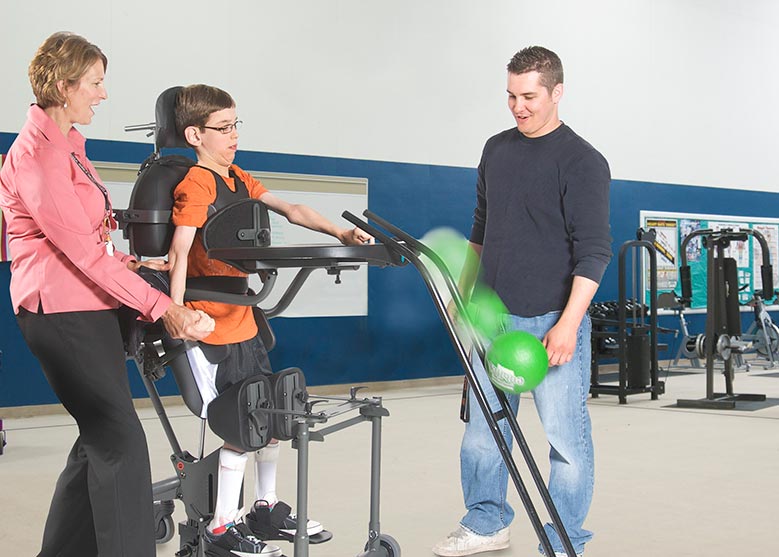
Posture: Even sitting and standing is difficult due to muscle weakness and contractures. Children might need equipment like:
- Ankle braces (ankle-foot orthoses (AFOs)
- Standers
- Custom car seats
- Custom headrests and assistive seating options for neck support, trunk support, and chest straps
- Ergonomic chairs
Communication: Poor muscle coordination and other symptoms of cerebral palsy can impact a child’s ability to talk and communicate. Speech and language therapists – as well as parents – may help improve communication through the use of:
- Computers and tablets
- Customized software
- Electronic communication boards
- Augmented assistive communication devices
- Eye-tracking technology
- Hearing aids and cochlear implants
Eating/Drinking: Getting proper nutrition is often problematic for children with cerebral palsy. Treatment for weak, poorly-coordinated muscles can include therapy to improve skills, surgery, and the use of special devices.
For example, some children may need to have feeding tubes (PEG or similar feeding devices) surgically placed. Children with surgically placed tubes need higher levels of attendant and nursing care in order to keep these tubes clean and functioning properly.
Others do well with specially-designed eating and drinking utensils. Children who also have posture problems may need feeding chairs.
Bathing/Dressing: Poor coordination, spasticity, contracture, and uncontrollable movements make bathing and dressing difficult. Parents and caregivers may need assistive devices to help lift older children into the bathtub. Special bathing tools can allow children with better coordination to bathe themselves.
As part of cerebral palsy treatment, occupational therapy often includes exercises to help children pull zippers and button their clothes. However, caregivers will need to do much of the work for some children.
Caregivers & Home Healthcare Workers for Families
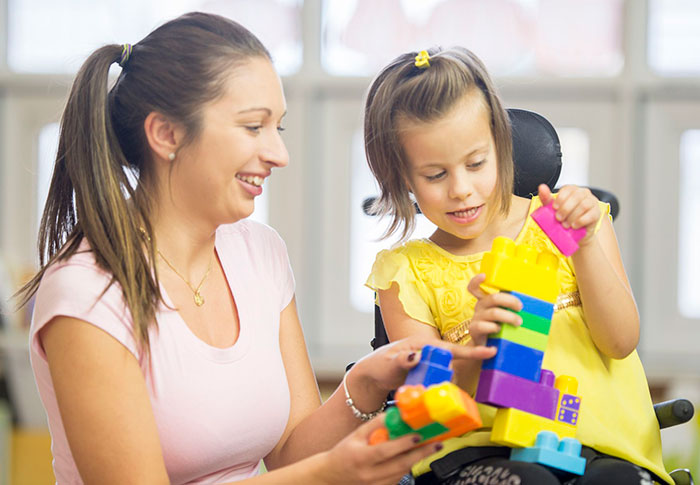
Many children with cerebral palsy need continuous assistance with the activities of daily living. The level of help required varies according to the child’s individual needs.
While parents are a child’s primary caregivers, they often need help from professional in-home caregivers like:
- Therapists for:
• Occupational therapy
• Respiratory therapy
• Speech and language therapy
• Physical therapy - Registered nurses: Families might have registered nurses come in to help administer medications
- Home health aides: Children with cerebral palsy may need help getting out of bed, dressing, going to the bathroom, bathing, grooming, using and maintaining assistive devices, and eating. Aides that help with this in-house can allow a child to continue living at home instead of moving to a residential facility.
In-home aides can also help the parents of a child with CP have a more quality “parent child” relationship rather than being consumed by the caregiving role that is required for these young victims. Home health care services (also often referred to as “attendant care”) are some of the most important services for a child with a severe CP symptoms. - Tutors and special education practitioners: Attending school might be difficult, if not impossible, for some children. But tutors can provide special, one-on-one attention while tailoring the curriculum to the child’s individual needs.
Cerebral palsy treatment may be needed because doctors, nurses, and other medical professionals breached their duty of care to your child. Signs of fetal distress and maternal distress must be treated quickly. Otherwise, children can sustain brain damage that can lead to cerebral palsy, cognitive disabilities, seizure disorders, and developmental delays.
If medical negligence caused your child’s birth injury, you might be entitled to compensation to pay for costly cerebral palsy treatments.
Does Your Child Need Cerebral Palsy Treatments Because of Medical Malpractice?
The parents of children who suffered birth injuries that caused cerebral palsy often want answers. They want to know what happened to harm their child’s brain. Were there signs of fetal distress that the doctors and nurses failed to recognize and/or failed to respond to in a timely manner? Was my child not treated correctly in the hours shortly after their birth (in the neonatal unit or ICU) causing their cerebral palsy? Is there a medical malpractice claim that can be made so money can be provided to pay for the care and services necessary for a child suffering from CP?
Our dedicated birth injury lawyers want to help you find those answers.
We diligently investigate the facts, including a detailed examination of the fetal heart rate monitoring strips and labor and delivery records as well as the records created shortly after the birth of your child.
Suppose this review shows the medical providers did not diagnose or respond to fetal distress or act appropriately shortly after the birth of your child. In that case, we hold responsible parties accountable by pursuing medical malpractice claims against them. The compensation our clients receive helps them pay for their child’s current and future medical treatment, assistive technology and equipment, attendant care, and the other expenses associated with caring for a child with brain injuries, seizure disorders, and cerebral palsy.
Sometimes families are afraid to talk to lawyers about their child’s case because they worry there is a fee. There is never a fee unless and until we make money recovery for our clients.
Why Should You Talk with the Knowledgeable Attorneys at Miller Weisbrod Olesky?
The only way to find out if you have a birth injury case is to talk to an attorney who understands birth injury.
At Miller Weisbrod Olesky, a team of committed professionals uses our detailed case review process to assess your potential claim. They start by learning more about you and your child. Then we gather medical records to determine what happened before, during, and after your delivery. We call in skilled medical experts who review your records and let us know if they think medical errors could have caused your child’s injuries.
If we feel medical malpractice was present, we meet with you to discuss how you can receive compensation from the medical professionals who made the errors.
At no point in our legal intake process will we ask you to pay anything. The medical review of your case and the consultation are free. We only receive payment when you do.
National Birth Injury Law
Our National Birth Injury Attorneys, nurses, and support staff understand that parents of children with birth injuries feel overwhelmed. So, every client has the attention and support of a team of trained, compassionate professionals. But we don’t just offer compassion.
We offer a process to help you discover whether your child’s birth injury, HIE, cerebral palsy or brain injury at birth was caused by medical malpractice.
Call our offices today at (888) 987-0005 for experienced assistance in a free consultation.
Quick Links
Testimonials
- Lyric C. I feel like our voice was heard in a sense of what can possibly go wrong in a delivery and finding us answers. I feel with our settlement, we are now in a comfortable position to provide for our son.
- Lyssa L. They are not just people that say “hey let's get you money and let's go” The law firm was very thorough with us. It was awesome. I don't want to cry, because I think about and it's amazing that they were able to help me and that we were able to help my son and get the story out there.
- Jay C. Throughout the process, one thing was clear to us, the ultimate interest of our child was the utmost concern of Max and his team and as parents navigating a situation like that, that was refreshing to know we had them firmly on our side. I highly recommend them.
Popular Cities
- ★ Dallas Birth Injury
- ★ Houston Birth Injury
- ★ Atlanta Birth Injury
- ★ Chicago Birth Injury
- ★ Philadelphia Birth Injury
Locations
★ Dallas
11551 Forest Central Drive, Ste. 300
Dallas, TX 75243
★ Houston
12929 Gulf Freeway, Ste. 111
Houston, TX 77034