Hip Muscle Release Surgery
Hip Muscle Release Surgery Treatments for Cerebral Palsy
Hip muscle release surgery is a common procedure for children and adults with cerebral palsy. It involves a physician 'releasing' or 'lengthening' muscles in the leg or hips. This alleviates chronic hip pain, improves function, and prevents full dislocation.

Hip subluxation and dislocation often occur in children with cerebral palsy (CP) due to hypertonic (extremely tense) muscles and tendons. These muscles and tendons pull the hip away from the socket rather than keeping it in place.
Additionally, children with CP usually have weaker muscles that are unable to support their bones and joints sufficiently. This puts them at an increased risk for hip subluxation and/or dislocation.
The early identification and appropriate treatment of hip subluxation in children with cerebral palsy is not just crucial. It's a matter of urgency and the key to improving long-term outcomes while also preventing further complications.
Cerebral Palsy Malpractice Attorneys
Our top rated cerebral palsy attorneys specialize in birth injury medical malpractice. We understand how medical mistakes during delivery can cause brain injuries that permanently impact a child’s life.
If your baby’s preventable birth injuries led to a cerebral palsy diagnosis, don’t hesitate to contact our firm. We can answer difficult legal and medical questions and investigate the facts on your behalf.
Free Legal Consultation
Cerebral Palsy Lawyers
(888) 987-0005Our Cerebral Palsy Lawyers are available to meet you in your home or the hospital.
Our vast network of medical experts and in-house nursing staff and nurse-attorneys gives us the edge over our competition. When we take your case, we assign you with not just an attorney but an entire medical team. This team includes attorneys, experienced nursing advocates, and seasoned medical experts.
We understand the extensive care your child requires to assist with their cerebral palsy symptoms. Your team is available to assist with any day-to-day treatment you or your child may need. This includes assistance with obtaining medical records, scheduling doctors’ appointments, providing transportation, and any other problems that may arise.
We offer all of this on a contingency fee basis. This means you will not pay any fees until after we win your case and secure a settlement. We have an unmatched track record of birth injury results that sets us apart from other birth injury law firms.

Recent Birth Injury Settlement:
Cerebral Palsy Birth Injury settlement against a hospital in which nurses and physicians failed to detect a uterine rupture during delivery causing an HIE event which caused cerebral palsy. Our dedicated cerebral palsy birth injury lawyers recovered $9,200,000 for the family to help with future medical expenses and developmental therapy.
What is Hip Subluxation and Dislocation?
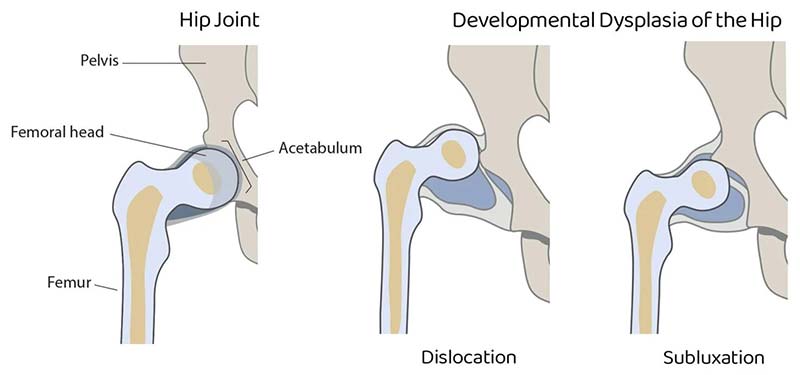
The hip is a ball and socket joint is a problem in which the hip partially dislocates. If left untreated, it can result in a complete dislocation and cause significant discomfort and difficulty with mobility.
The hip is a ball and socket joint, which in theory allowing the leg to move in many directions. The ball is head of the femur. The socket is the part of the pelvis that meets the upper end of the thigh bone. The ball moves freely in the socket, and the leg moves without pain when this joint works correctly.
“Subluxated” means that the ball is still partially in the socket but not in the center as it should. If this progresses, subluxation can cause the femur to pop completely out of the socket.
When the ball of the hip isn’t in the socket, the child will feel intense pain on their affected side. Researchers estimate about 15-20% of children with cerebral palsy experience hip displacement that progresses to hip dislocation.
How Does Cerebral Palsy Cause Hip Problems?
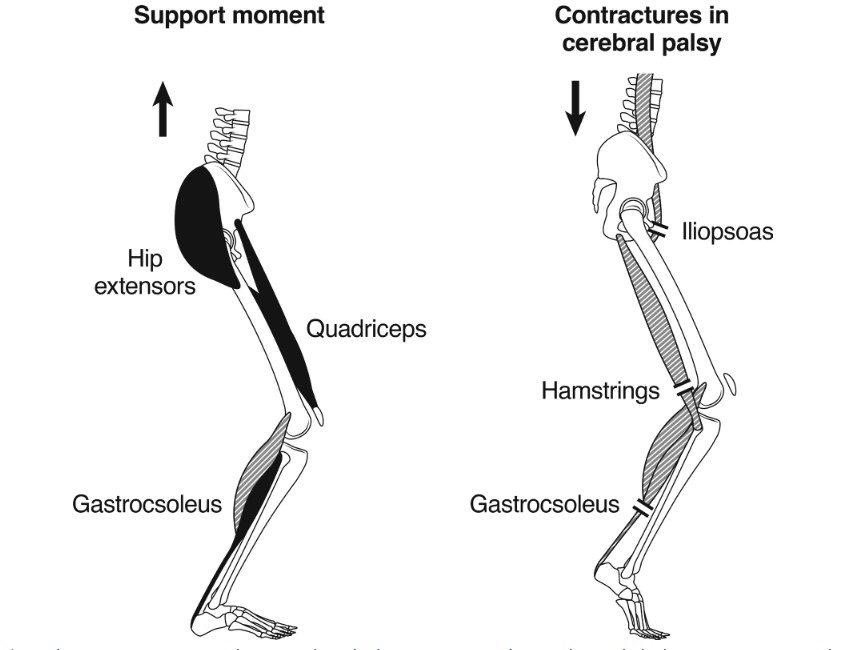
Hip problems in children with cerebral palsy most frequently stem from neurological damage causing involuntary and prolonged muscle contractions (spasticity). Spasticity around the hip places abnormal forces on the hip joint, pulling it from its proper placement in the socket.
Hip subluxation can also occur from issues with the shape of the socket or the femur. But in children with cerebral palsy, the more likely cause is muscles contracting around the hip.
Hip dislocation is more common than in children than adults because kids normally have more cartilage covering their hip socket. Cartilage is a flexible connective tissue that allows the bones to slide against each other. If the ball and socket aren't a perfect fit, too much cartilage can increase the risk of hip displacement.
What Are Signs of Hip Subluxation and Dislocation?

In children with cerebral palsy, subluxation and dislocation are not the same as a sudden hip dislocation after an injury. Symptoms like sharp pain may not immediately appear because the dislocation occurs gradually.
Additionally, changes in their hips can be more challenging to spot because cerebral palsy often causes rotational or gait abnormalities. Because of the high risk during early childhood, seeking early management is the key to preventing serious hip problems.
Some signs and symptoms that may indicate that the hip is coming out of the socket are:
- Hip pain or discomfort on the affected side (or both sides in some cases)
- Decreased range of motion (having trouble straightening hips, knees, and ankles)
- Noticeable differences in the two legs (one leg may appear shorter than the other)
- Difficulty with walking or standing
- Having difficulty maintaining balance
- Inability to sit comfortably
- Abnormal walking pattern or compromised posture
Hip dislocation is most frequent in children with cerebral palsy between ages 3-5 but can start developing from age 2. Doctors recommend regular check-ups from age 2 to spot changes or hip abnormalities, especially for children with spastic cerebral palsy.
If they detect hip subluxation, the child's doctor will work with therapists to determine the appropriate course of treatment. They may conclude that hip muscle release surgery is not necessary if they identify any less invasive preventative treatments.
It is especially critical to address hip problems in children with cerebral palsy before they develop early-onset arthritis. Preventing arthritis in children is particularly essential as they are not suitable candidates for arthritis-related procedures like joint replacement.
How to Prevent Hip Problems Before Surgery?
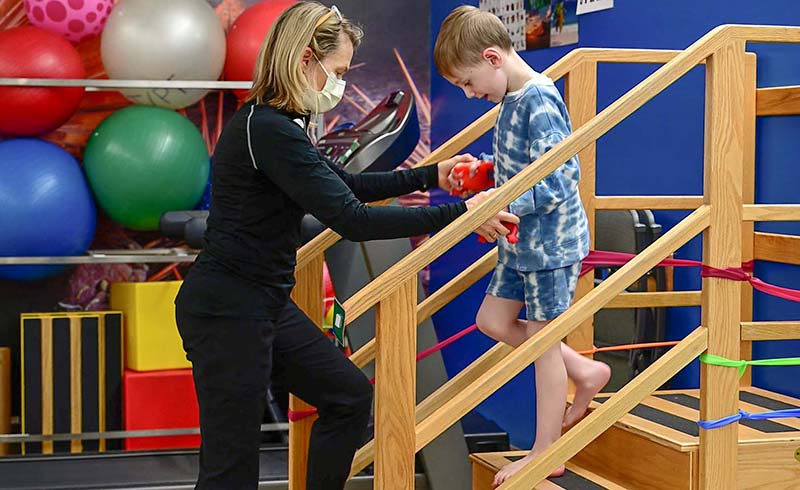
Medical procedures can be incredibly taxing on children with cerebral palsy. Whenever possible, doctors will recommend nonsurgical treatments for hip abnormalities like subluxation and dislocation before recommending surgery.
The first lines of treatment typically include closer evaluation, physical therapy, orthotic assistive equipment and devices, medications, and muscle injections.
In pinpointing the cause of a child's walking difficulties, the child will undergo a complete medical evaluation. This may include X-rays, advanced imaging like CT scans or MRI, and a motion analysis study.
A radiologist will review X-rays to see how much of the ball of the femur remains uncovered by the socket. Although monitoring the hip in this way cannot keep it from subluxation, it decreases the chance of complete hip dislocation. This ultimately prevents pain, permanent loss of motion, and future difficulties with positioning.
Physical therapy also plays a critical role in keeping the hip muscles as flexible as possible to help avoid contractures. Correcting abnormal movement patterns with physical therapy can keep the ball (femoral head) secure in the hip socket.
Doctors may recommend surgery if nonsurgical treatments are no longer managing symptoms or preventing the progression of the child's condition. A doctor must consider the child's age, physical limitations, level of discomfort, and severity of symptoms before making the decision.
When Does a Child Need Hip Muscle Release Surgery?
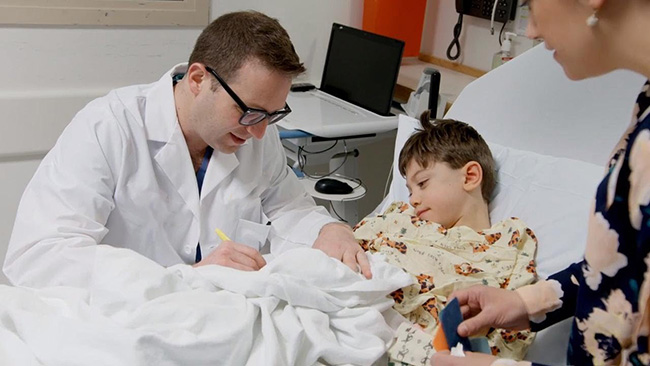
A doctor may recommend surgery if:
- There is a drastic change in how much socket covers the ball
- The socket only partially covers the femoral head
- The hip falls into an unfavorable position in the socket
Depending on the child's circumstances, muscle lengthening and tendon releasing can ease cerebral palsy symptoms and improve mobility.
Doctors may lengthen the following tendons/muscles with hip muscle release surgery:
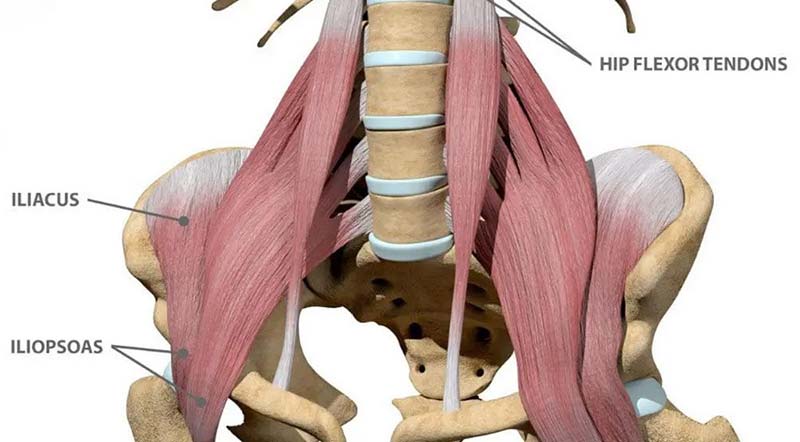
- The iliacus and psoas
- The tensor fascia lata and the iliotibial band
- The adductors and gracilis
- The hamstrings
- The gastrocnemius and soleus
Tendon releases and muscle lengthening should generally occur before a child's bones fully mature. The best age is typically between 6 and 10 years old.
Cerebral palsy affects children in different ways and to varying degrees; some children can walk (ambulatory) while others cannot (non-ambulatory).
Ambulatory children may struggle to move their muscles and joints correctly. They may also have trouble balancing and coordinating movements. Hip dislocation can be a detriment to walking for these children. The goal of surgery is to help them walk better and without pain.
For a child who cannot walk hip dislocation can hinder sitting balance, skin breakdown, and diapering. Surgery can help non-ambulatory children experience less pain while sitting or lying down.
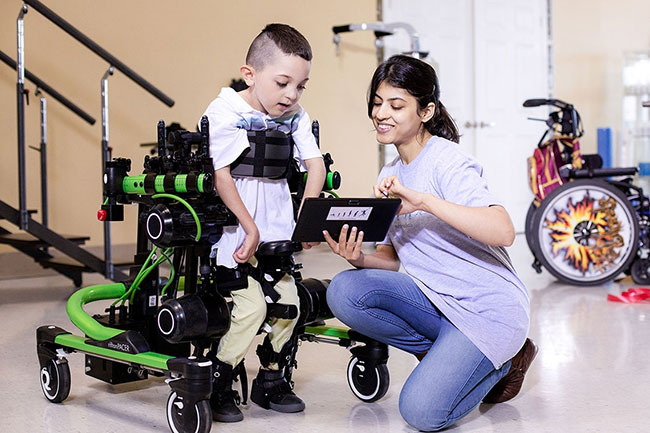
Surgery for hip subluxation in children with CP may include:
Muscle/Tendon Lengthening
Children with cerebral palsy may experience tightness in their muscles, which makes movements difficult and painful. Surgery can “lengthen” and “release” muscles, allowing the child to stretch, walk without pain, and move independently. Surgery can do the same for tendons (the connective tissue that attaches muscles to bones). Tendon lengthening and realigning bones (in the feet, legs, or hips) can decrease tension on the child’s bones and joints. This can improve their ability to walk and sit upright. This minimally invasive procedure involves a surgeon making a series of incisions in a muscle or tendon. The surgeon stretches out the muscle or tendon and then joins them together. If the child undergoes hamstring lengthening, they will likely use knee immobilizers during the recovery process. If the child undergoes gastrocnemius/soleus lengthening, they will instead use a cast or removable boot. Surgeons may use dissolvable sutures and small dressings if they operate on the child’s tendons.
Tenotomy/Myotomy
In most tendon release procedures, surgeons will lengthen a shortened or underdeveloped muscle-tendon unit to allow for more effortless movement. These procedures involve cutting or releasing tendons or muscles to relieve pain and tightness.
A doctor may recommend these procedures for those at risk of hip fractures or displacements. Following tenotomy or myotomy, a child may experience a range of benefits, including:
- Improved muscle function
- Reduced spasticity
- Increased control of the upper limbs
- Enhanced ability to grasp objects
Osteotomy Surgery
A doctor may recommend an osteotomy as a last resort if the child’s hip problems persist. This procedure involves a surgeon cutting and repositioning the hip bones at a better angle to fit within the socket.
A child’s recovery time will depend on the type of osteotomy they received (most commonly either femoral, pelvic, or tibial). For all types, the recovery process is long and typically requires wearing a spica cast from the hip down. The child will wear this cast for 4-8 weeks before starting physical therapy.
The outcomes for children with cerebral palsy who have a muscle and tendon transfer/lengthening surgery are typically very good. Nearly all children experience a noticeable improvement. A child who undergoes tendon release and muscle lengthening surgery will need physical therapy and lots of recovery time.
The exact regimen will differ depending on the procedures undertaken and other individual factors. However, most children have physical therapy for 6 to 12 weeks starting off gently with a gradual rise in intensity. These therapy sessions often include strengthening, stretching, and gait training exercises.
As part of the recovery process, the child may use immobilizers, casts, or removable boots for a short period. These devices keep them from moving the treated muscles or tendons. Braces and splints can also restrict unwanted movements caused by spastic cerebral palsy.
What Are the Benefits and Risks of Hip Muscle Release Surgery
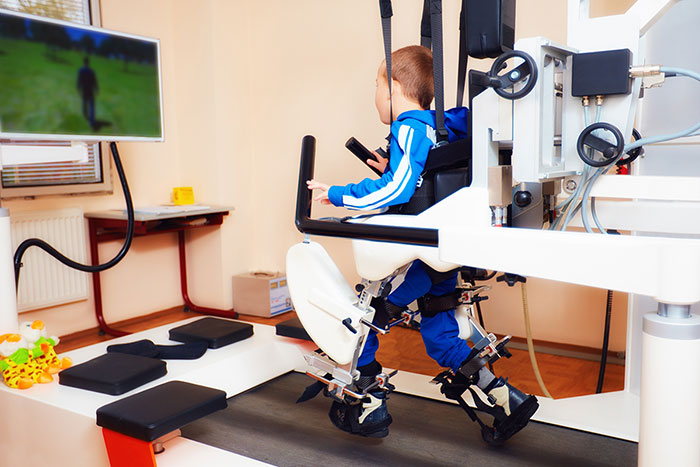
Muscle lengthening procedures could make walking easier for a child with cerebral palsy. Surgery might also help combat joint problems such as dislocation and improve a child's fine motor skills.
A tendon release for contracted or shortened muscles can increase mobility and allow the child to move more freely. In addition, the procedure may also relieve pain caused by contracting muscles.
Hip muscle release surgery for cerebral palsy can provide the following benefits:
- Increased mobility
- Pain relief
- Reduced stiffness
- Improved posture
- Realigned joints and bones
- Correction of foot or spine deformities
- Reduced hip relocations
- Improved coordination and balance
As with any surgery, there are potential risks. Tendon release and muscle lengthening can cause infection and bleeding. Additionally, general anesthesia errors during these surgeries can cause breathing difficulties in children.
Surgery will not be an option for every child with cerebral palsy. But when it makes sense for the child's well-being, parents and doctors must decide if the benefits outweigh the risks.
Did Medical Errors Worsen My Child’s Cerebral Palsy Symptoms?

Cerebral palsy will affect every physical aspect of a child’s life. Children with extreme hip subluxation and dislocation can benefit from surgery to restore their mobility and improve motor skills.
Treatments and therapies for cerebral palsy symptoms can be incredibly expensive and put families into difficult financial situations. No family should have to make the incredibly painful choice between paying for everyday bills and expenses or life-altering treatment.
Families may be entitled to financial compensation when their child’s cerebral palsy diagnosis stemmed from medical mistakes.
Errors during birth, such as delaying an emergency C-section or prolonging oxygen deprivation at birth, can cause irreversible brain injuries. This brain damage at birth can result in movement disorders that culminate in a cerebral palsy diagnosis during early childhood.
If a family believes medical negligence worsened a child’s brain damage at birth, legal support may be an option. A top rated cerebral palsy attorney can review the medical records and circumstances to assess whether a claim exists.
Families who have experienced the effects of brain injuries from negligent medical care deserve to know whether they were avoidable. Our cerebral palsy attorneys specializing in birth injury malpractice, helping families seek compensation when negligence causes lifelong conditions.
Our team will thoroughly investigate the facts, holding responsible parties accountable by pursuing medical malpractice claims.
What is the Statute of Limitations in a Birth Injury Case?

A statute of limitations (SOL) is a law that sets a time limit on how long an injured person has to file a lawsuit after an accident. It is essential to understand that statutes of limitations vary based on the case and the state where you file.
For instance, the deadline for birth injury claims is typically different from other claims, such as injury to private property.
Generally, the clock starts ticking on the date the injury occurred. However, there are exceptions to this rule. In some cases, the statute of limitations starts when a person discovers or reasonably should have discovered an injury. When dealing with government agencies, SOLs can become even more complex.
For example, if the party that injured you was:
- A federal employee
- Employed by a military hospital, Veterans Administration facility, or a federally funded medical entity
You may need to file a birth injury claim under the Federal Tort Claims Act (FTCA). In FTCA cases, claimants must go through certain administrative procedures before filing a lawsuit. In some states, you may have less time to give notice if:
- The negligent party was a local or state government hospital
- The doctors and medical providers are employees of a governmental entity
If you file your case outside of the statute of limitations, the court will typically dismiss it. This means you will not be eligible to recover compensation for you or your child’s injuries.
Determining when a statute of limitations begins on your case can be tricky. Our cerebral palsy attorneys specialize in birth injury medical malpractice and can tell you important cutoff dates in your state.
How Can Our Cerebral Palsy Attorneys Help?
Surgical procedures to alleviate cerebral palsy symptoms can be costly. A child with cerebral palsy requires ongoing treatments and therapies estimated to exceed approximately $1 million over their lifetime.
If you believe their conditions are the result of medical negligence or malpractice, you may be able to recover compensation. This compensation can cover the cost of medical procedures, therapies, assistive equipment and devices, and other cerebral palsy-related expenses.
A detailed expert review of the facts and circumstances of your pregnancy and your child's birth can reveal many things. Namely, it can determine whether a child’s cerebral palsy diagnosis and related symptoms were the result of medical malpractice.
Our Process
Our team of cerebral palsy attorneys specializes in birth injury medical malpractice and can help assess your potential cerebral palsy case. We use our detailed medical negligence case review process to take in your information and begin learning more.
We start by gathering information about your pregnancy by examining records to determine what happened during and after your delivery. This includes evaluating the fetal heart rate strips during labor and any action medical professionals took in the NICU.
We will call in skilled medical experts who review your records and provide insight into where medical professionals went wrong. If we feel medical negligence caused or worsened your baby’s cerebral palsy symptoms, we meet with you to discuss further.
At no point in our legal intake process will we ask you to pay anything. The medical review of your case and the consultation are free. We only receive payment once you do. The sooner you reach out, the sooner we can investigate your case and gather the evidence to support your claim.
We work on a contingency fee basis, meaning you will not pay any legal fees until we win your case. We do not purse any medical malpractice cases unless we fully believe we can win.
Contact us today to schedule your free consultation by calling our toll-free line at (888) 987-0005. You can also reach us by filling out our online request form.
National Birth Injury Law
Our National Birth Injury Attorneys, nurses, and support staff understand that parents of children with birth injuries feel overwhelmed. So, every client has the attention and support of a team of trained, compassionate professionals. But we don’t just offer compassion.
We offer a process to help you discover whether your child’s birth injury, HIE, cerebral palsy or brain injury at birth was caused by medical malpractice.
Call our offices today at (888) 987-0005 for experienced assistance in a free consultation.
Quick Links
Testimonials
- Lyric C. I feel like our voice was heard in a sense of what can possibly go wrong in a delivery and finding us answers. I feel with our settlement, we are now in a comfortable position to provide for our son.
- Lyssa L. They are not just people that say “hey let's get you money and let's go” The law firm was very thorough with us. It was awesome. I don't want to cry, because I think about and it's amazing that they were able to help me and that we were able to help my son and get the story out there.
- Jay C. Throughout the process, one thing was clear to us, the ultimate interest of our child was the utmost concern of Max and his team and as parents navigating a situation like that, that was refreshing to know we had them firmly on our side. I highly recommend them.
Popular Cities
- ★ Dallas Birth Injury
- ★ Houston Birth Injury
- ★ Atlanta Birth Injury
- ★ Chicago Birth Injury
- ★ Philadelphia Birth Injury
Locations
★ Dallas
11551 Forest Central Drive, Ste. 300
Dallas, TX 75243
★ Houston
12929 Gulf Freeway, Ste. 111
Houston, TX 77034