Which Part of the Brain is Damaged When a Child has Cerebral Palsy
Brain Damage and Cerebral Palsy
The “cerebral motor cortex” is generally the part of the brain that is damaged when a child has cerebral palsy. The cerebral motor cortex part of the brain controls and directs muscle movement. Damage to the cerebral motor cortex causes problems with the child’s movement, balance and posture, often resulting in cerebral palsy. This brain damage usually occurs when the baby suffers a hypoxic-ischemic encephalopathy (HIE) birth injury due to oxygen deprivation to the brain.
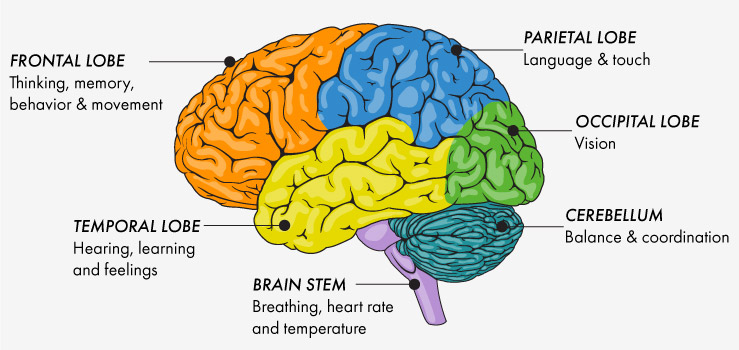
Another area of a brain injury can also cause cerebral palsy. When the brain’s “white matter”, which is the brain tissue surrounding the brain’s ventricles (cavities filled fluid), suffers a birth injury it can lead to cerebral palsy. In other cases, brain bleeds within the ventricles or within the baby’s skull but outside of the brain tissue may lead to cerebral palsy due to the surrounding damage.
How does Damage to the Cerebral Motor Cortex Cause Cerebral Palsy
The cerebral motor cortex is located in three different areas of the brain’s frontal lobe, which are called primary motor cortex, premotor cortex, and the supplementary motor cortex. Electrical stimulation (through brain waves) in these three areas of the motor cortex controls movement to various parts of the body. During pregnancy, labor or delivery or even shortly after birth, if the blood flow to any of these three areas of the brain is restricted then a lack of oxygen can cause what is known as “birth asphyxia”.
Severe or prolonged oxygen depletion from birth asphyxia may cause hypoxic-ischemic encephalopathy (HIE), which causes brain injury to the cerebral motor cortex. When an HIE injury occurs, the baby’s brain will compensate (make up) for the loss of oxygen for short periods. But when the lack of oxygen is prolonged or severe, the cerebral motor cortex can become badly damaged, if not completely destroyed. This may eventually lead to cerebral palsy.
Damage to the Brain’s White Matter
Sometimes hypoxic-ischemic encephalopathy (HIE) during the birthing process can cause damage to the brain’s white matter. Mild lack of oxygen (“hypoxia”) generally affects only the outer layer of the white matter of the brain (called the “superficial white matter”), but severe hypoxia can cause damage to the core areas deep inside the white matter. One of the most common areas of the brain injured due to hypoxic-ischemic encephalopathy is the “basal ganglia”.
The basal ganglia perform critical roles, such as motor control, motor learning, emotions, and executive functions. Severe white matter damage can cause cerebral palsy that results in spasticity (jerking movements of body parts), developmental delays, and intellectual impairment. White matter damage is clinically known as “periventricular leukomalacia (PVL)”, which shows up on imaging films like MRI’s as tiny holes in the white matter of the baby’s brain.
Damage to the Brain’s Ventricles
Oxygen depletion from birth asphyxia or hypoxia to the baby’s brain shortly before or just after childbirth may cause a birth injury inside the ventricles (cavities in the brain that are filled with cerebrospinal fluid). This type of brain injury is often accompanied by a brain bleed, which is clinically known as intraventricular hemorrhage (IVH). This type of brain damage may impair the child’s ability to control motor and cognitive functions, resulting in cerebral palsy.
Damage to the brain’s ventricles is a key risk factor for cerebral palsy and is commonly seen in premature babies. When the premature baby suffers from high blood pressure or respiratory distress syndrome (RDS), the risk of the occurrence of IVH is higher. This type of brain damage is often marked by swelling of the ventricles, which can also injure the surrounding brain tissue.
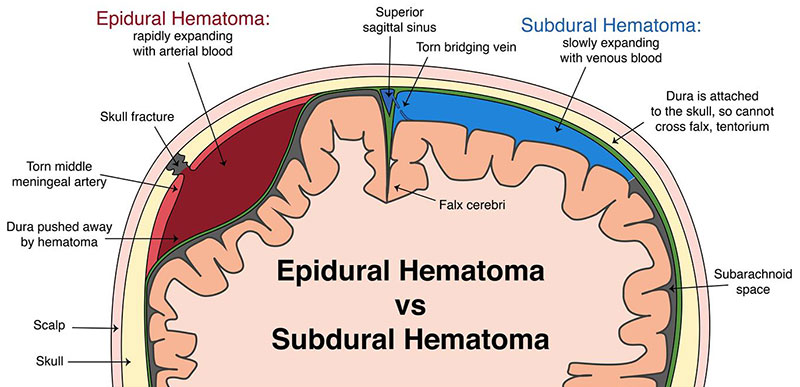
Damage to the Area between the Skull and the Brain
The baby’s brain has three meninges (protective membrane layers), which are present between the bony skull and the brain tissue. Damage to this area of the baby’s brain during pregnancy, labor or delivery may cause bleeding to occur between the membranes. This type of birth injury is clinically known as intracranial hemorrhage, which can cause seizures, developmental delays or cerebral palsy.
The three membranes of the brain are called the dura mater (outermost layer), arachnoid (middle layer), and pia mater (layer closest to the brain tissue.)
- Epidural Hemorrhage - When damage occurs between the skill and the outermost layer.
- Subdural Hemorrhage - When damage occurs between the outermost and middle layers.
- Subarachnoid Hemorrhage - When damage occurs between the middle and the last layer.
Any of these brain damage events due to oxygen deprivation can lead to cerebral palsy.
Is Your Child’s Birth Injury the Result of Medical Malpractice?
Parents whose children suffer birth injuries want and deserve answers as to whether mistakes by the doctors and nurses contributed to the injury. At Miller Weisbrod Olesky, our award-winning birth injury attorneys have represented families all over the United States in their time of need after a birth injury. We use our skills and expertise to obtain for you and your child a medical malpractice settlement that will help provide specialized medical therapy in order to maximize the quality of life and independence of your child throughout their life.
- Were there signs of birth injury or birth complications during the pregnancy, labor, and delivery process, or presence of risk factors, which were either not recognized or properly treated?
- During the labor and delivery, were there clear indications that the baby was suffering from fetal distress, but appropriate actions were not taken by the maternal fetal specialists, obstetrician or nurses?
- Was there a delay in diagnosis of a likely premature birth that led to later complications, including brain injury?
- Did the medical team fail to order a series of tests to diagnose this birth complication in a timely manner?
- Was the decision to perform a cesarean delivery delayed leading to birth trauma during vaginal delivery or labor?
- Did the neonatal resuscitation team fail to quickly begin important breathing support?
- Should brain cooling (also called “hypothermia therapy”) have been provided to your baby, but the doctors and nurses failed to perform the appropriate tests or ignored the results of the tests?
Our birth injury attorneys have recovered millions of dollars in settlements for families of children that have suffered a birth injury. At no point in our legal intake process will we ask you to pay anything. The medical review of your case and the consultation are free. We only receive payment when you do, no matter how long or tough your case is.
Registered Nurses and Nurse-Attorneys Are a Vital Part of Our Birth Injury Team…and Yours

Most birth injury law firms will employ one or two nurses to assist the review of cases and medical research. But Miller Weisbrod Olesky offers an unmatched number of nurses and nurse-attorney employees support to both the birth injury attorneys and our clients.
Our team of registered nursing staff and nurse-attorneys bring a deep level of medical and personal insight to every client’s case. Our nursing team includes both an experienced labor and delivery nurse as well as an ICU nurse. Working closely with the rest of the team, they investigate the reasons behind a birth injury and how medical professionals breached their standard of care.
Why Should You Talk with the Highly Capable Attorneys at Miller Weisbrod Olesky?
The only way to find out if you have a birth injury case is to talk to a lawyer experienced in birth injury lawsuits. It’s not uncommon that a birth related complication results in a preventable birth injury, including cerebral palsy, but it takes a detailed expert review by a birth injury attorney of the medical records from your child’s birth to determine if the birth injury was the result of medical malpractice.
At Miller Weisbrod Olesky, a team of committed lawyers, nurses and paralegals uses our detailed medical negligence case review process to assess your child’s potential birth injury case. We start by learning more about you and your child and the status of meeting/missing developmental milestones. Then we gather medical records to determine what happened before, during pregnancy. We call in documented and proven medical experts who review your records and let us know if they think medical errors could have caused your child’s injuries.
If we feel medical negligence caused or contributed to wrongful birth in your case, we meet with you to discuss how you can receive compensation from the medical professionals who made the errors. Our birth injury attorneys have recovered millions of dollars in settlements for families of children that have suffered a birth injury.
At no point in our legal intake process will we ask you to pay anything. The medical review of your case and the consultation are free. We only receive payment when you do no matter how long or tough your case is.
National Birth Injury Law
Our National Birth Injury Attorneys, nurses, and support staff understand that parents of children with birth injuries feel overwhelmed. So, every client has the attention and support of a team of trained, compassionate professionals. But we don’t just offer compassion.
We offer a process to help you discover whether your child’s birth injury, HIE, cerebral palsy or brain injury at birth was caused by medical malpractice.
Call our offices today at (888) 987-0005 for experienced assistance in a free consultation.
Quick Links
Testimonials
- Lyric C. I feel like our voice was heard in a sense of what can possibly go wrong in a delivery and finding us answers. I feel with our settlement, we are now in a comfortable position to provide for our son.
- Lyssa L. They are not just people that say “hey let's get you money and let's go” The law firm was very thorough with us. It was awesome. I don't want to cry, because I think about and it's amazing that they were able to help me and that we were able to help my son and get the story out there.
- Jay C. Throughout the process, one thing was clear to us, the ultimate interest of our child was the utmost concern of Max and his team and as parents navigating a situation like that, that was refreshing to know we had them firmly on our side. I highly recommend them.
Popular Cities
- ★ Dallas Birth Injury
- ★ Houston Birth Injury
- ★ Atlanta Birth Injury
- ★ Chicago Birth Injury
- ★ Philadelphia Birth Injury
Locations
★ Dallas
11551 Forest Central Drive, Ste. 300
Dallas, TX 75243
★ Houston
12929 Gulf Freeway, Ste. 111
Houston, TX 77034