Prolonged and Arrested Labor
Prolonged and Arrested Labor Complications
Birth Injuries Can Happen When Labor Goes Too Long
Labor is the process through which an expectant mother gives birth to her child. How long labor and delivery takes depends on several factors. First-time mothers (nulliparous) generally have a longer labor prior to delivery than someone who has had at least one other child (multiparous) – but not always. Sometimes women have prolonged and/or arrested labor.

What Is “Normal” Labor?
A woman’s labor begins when her uterus begins having consistent muscle contractions. Often, she will feel pain in her lower back as well. The expectant mom’s cervix becomes effaced (thinned) and dilated (opened). Contractions continue even after the cervix is fully effaced and dilated until they push the baby through the cervix and out the birth canal. Labor is divided into three stages:
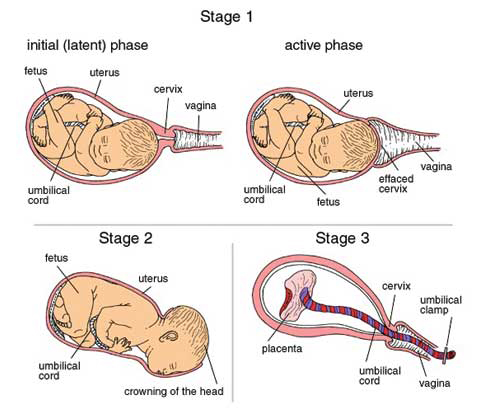
- Stage 1: This consists of two phases. The mother starts feeling light contractions during early labor, and her water may break. The second phase is active labor when her cervix begins dilating and contractions intensify.
- Stage 2: The mother’s cervix becomes fully dilated, and the baby is delivered at the end of this stage.
- Stage 3: The final stage involves the delivery of the placenta.
On average, labor lasts 12 to 18 hours for a woman having her first baby. Labor is typically shorter for women with previous births, falling between 8 to 10 hours.
But these time ranges are based on an average labor and delivery. At some point, labor may falter or fail to progress as expected. Either situation could harm the mother and baby unless doctors and nurses take appropriate action to protect them.
What Is “Prolonged” Labor?
Prolonged means labor is progressing more slowly than average. For most women, labor will be considered prolonged if their contractions have lasted more than 20 hours. Depending on other pregnancy-related factors, doctors may decide that labor is prolonged at 18 hours or as long as 24 hours.

If a woman is expecting more than one baby, doctors may consider labor that lasts more than 16 hours to be protracted labor.
Labor that takes more hours than average but is still progressing at least a little is prolonged. Arrested labor has some significant differences.
What Is “Arrested” Labor?
Arrested labor is also referred to as failure to progress. While prolonged labor means progress has slowed, arrested labor means that progress has ceased.
Standards for arrested labor and delivery may differ, but generally it means:
- No cervical changes for more than 4 hours if the mother’s contractions are adequate.
- No cervical changes for 6 or more hours when the mother’s contractions are not adequate.
Prolonged vs. Arrested Labor
Prolonged Labor
Labor is progressing too slowly
Labor
The process of childbirth

Arrested
Labor has ceased to progress
Medical professionals consider other factors when deciding whether they are dealing with normal labor, prolonged labor, or arrested labor.
Are there common signs and symptoms
of prolonged and arrested labor?
Obstetricians, maternal-fetal specialists, midwives, nurses, and other medical providers will look for other signs and symptoms of prolonged and arrested labor, including:
- The mother becomes exhausted, dehydrated, and distressed.
- Pressure on muscles and ligaments causes pain along the back and sides of the mother’s body.
- The mother’s muscles tire, and her contractions weaken.
- Exhaustion and dehydration cause the mother’s pulse rate to increase.
- The large intestines bloat and can be felt along both sides of the uterus.
- The mother’s uterus is tender and does not relax between her contractions.
- Going without food for prolonged labor can cause ketosis.
- If the mother’s membranes ruptured early in labor, the risk of infection increases as labor continues.
- Signs of fetal distress appear.
When a mother suffers due to prolonged and arrested labor, their babies are also at risk. The above conditions can also cause a reduction in oxygenated blood that could cause the baby to develop hypoxic-ischemic encephalopathy (HIE). This serious brain injury can be permanent, leading to lifelong consequences like cerebral palsy, seizure disorders, developmental delays, and cognitive disabilities.

Medical teams caring for laboring mothers – including doctors, nurses, and midwives – must closely observe for signs of fetal distress that can occur during arrested or prolonged labor. This is especially true when the mother is already at-risk for labor complications. These signs of fetal distress will usually appear on the fetal-monitoring strips.
What are some of the causes of prolonged and arrested labor?
Some causes may be apparent during pregnancy, while others appear during labor:
- Macrosomia and cephalopelvic disproportion: Large babies (more than 8 pounds) often are more difficult to deliver. Also, the baby could be too big to move through the mother’s birth canal.
- Fetal Presentation: It’s best for the baby to be head-down facing his mother’s back. Labor can become prolonged or arrested when the baby presents in other positions,
- Inefficient Contractions: The mother’s uterine contractions could be too weak to move the baby through the cervix and into the birth canal.
- Maternal Age and Health: Women over age 35 may be prone to prolonged or arrested labor. Maternal obesity also can present obstacles to a fast delivery.

When mothers arrive at the hospital to give birth, it’s crucial for medical staff to observe them closely. Typically, mothers and their babies are monitored throughout labor. Identifying the signs of maternal or fetal distress and addressing them immediately can prevent physical and emotional birth trauma. Failing to do so can cause life-threatening complications with life-long consequences.
Can prolonged or arrested labor hurt the mother and baby?
Both mother and baby face additional risks when labor takes too long or ceases to progress.
Mothers may:
- Become exhausted and dehydrated,
- Feel emotionally traumatized, leading to post-traumatic stress disorder (PTSD),
- Develop infections,
- Suffer physical trauma and injuries like vaginal wall tears,
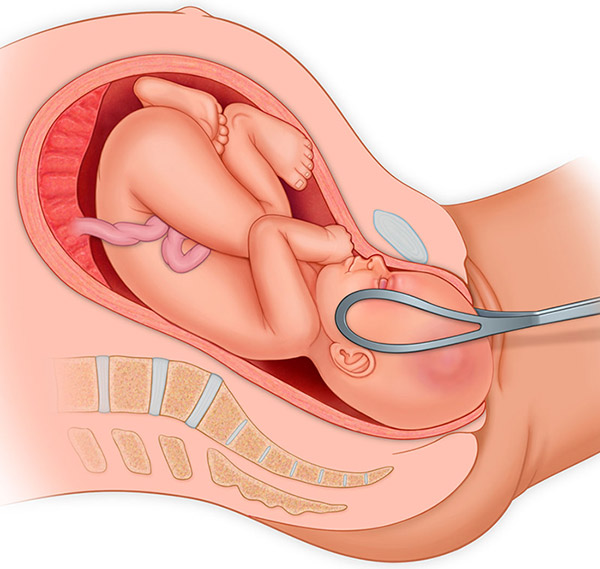
- Require assisted delivery through forceps, vacuum extractors, or an emergency C-section, and
- Be more prone to postpartum hemorrhage.
Babies may be injured by prolonged and arrested delivery due to:
- Decreased oxygen and reduced blood flow that leads to fetal distress.
- Fetal distress that causes brain injuries, including hypoxic-ischemic encephalopathy (HIE).
- HIE and other brain injuries can lead to cerebral palsy, seizure disorders, developmental delays, and cognitive disabilities.

Most of these complications can be minimized or eliminated with proper care from doctors and nurses.
How should medical professionals manage prolonged and arrested labor to prevent birth injuries?
Nurses and other medical staff can begin by taking vital signs as soon as the mother arrives. Typically, they will attach a fetal monitor that provides three important pieces of information:
- it records and measures the mother’s contractions
- it records and monitors the baby’s heart rate and
- it records and monitors the mother’s heart rate.
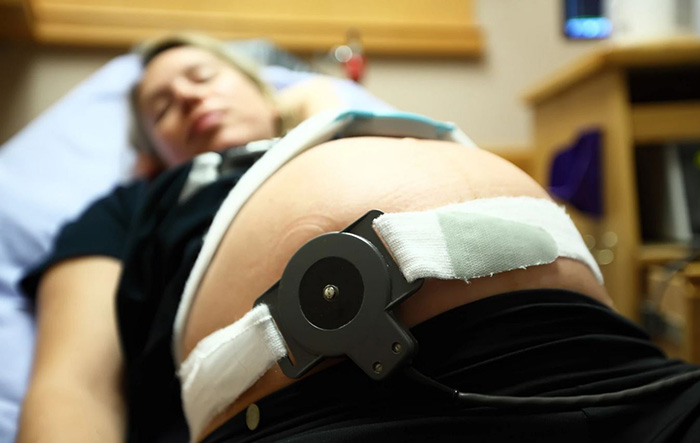
When there is prolonged or suspended labor the fetal heart monitoring interpretation is critical. Changes to the baby’s heartbeat can signify reduced oxygen and other critical conditions.
In order to address prolonged labor, obstetricians may attempt to speed a mother’s labor with drugs like Pitocin/Cytocin. This type of drug is often used to induce labor but can be used during labor also.
Also, doctors may apply drugs to soften a woman’s cervix. This can ease dilation and effacement, improving the baby’s ability to move through the cervix.
Doctors may consider using forceps or vacuum extractors if interventions fail to move labor to conclusion. An emergency C-section is the best way to deliver the baby quickly in some situations. When the baby shows signs of fetal distress that are not corrected quickly, an emergency C-section should be performed immediately to limit or prevent brain damage.

Is Your Child’s Birth Injury the Result of Medical Malpractice during Prolonged or Arrested Labor
The parents of children who suffered birth injuries often want answers. They want to know what happened to harm their child’s brain. Were there signs of fetal distress as a result of prolonged or arrested labor that the doctors and nurses failed to recognize and/or failed to respond to in a timely manner?
Our dedicated labor and delivery lawyers want to help you find those answers.
We diligently investigate the facts, including a detailed examination of the fetal heart rate monitoring strips and labor and delivery records. If this review shows the medical providers did not diagnose or respond to fetal distress, we hold responsible parties accountable by pursuing medical malpractice claims against them. The compensation our clients receive helps them pay for their child’s current and future medical treatment, assistive technology and equipment, attendant care, and the other expenses associated with caring for a child with brain injuries, seizure disorders, and cerebral palsy.
Sometimes families are afraid to talk to lawyers about their child’s case because they worry there is a fee. There is never a fee unless and until we make money recovery for our clients.

Why Should You Talk with the Knowledgeable Attorneys at Miller Weisbrod?
The only way to find out if you have a birth injury case is to talk to an attorney who understands birth injury.
At Miller Weisbrod, a team of committed professionals uses our detailed case review process to assess your potential claim. They start by learning more about you and your child. Then we gather medical records to determine what happened before, during, and after your delivery. We call in skilled medical experts who review your records and let us know if they think medical errors could have caused your child’s injuries.
If we feel medical malpractice was present, we meet with you to discuss how you can receive compensation from the medical professionals who made the errors.
At no point in our legal intake process will we ask you to pay anything. The medical review of your case and the consultation are free. We only receive payment when you do.
Contact Miller Weisbrod Olesky
National Birth Injury Law
Our National Birth Injury Attorneys, nurses, and support staff understand that parents of children with birth injuries feel overwhelmed. So, every client has the attention and support of a team of trained, compassionate professionals. But we don’t just offer compassion.
We offer a process to help you discover whether your child’s birth injury, HIE, cerebral palsy or brain injury at birth was caused by medical malpractice.
Call our offices today at (888) 987-0005 for experienced assistance in a free consultation.
Quick Links
Testimonials
- Lyric C. I feel like our voice was heard in a sense of what can possibly go wrong in a delivery and finding us answers. I feel with our settlement, we are now in a comfortable position to provide for our son.
- Lyssa L. They are not just people that say “hey let's get you money and let's go” The law firm was very thorough with us. It was awesome. I don't want to cry, because I think about and it's amazing that they were able to help me and that we were able to help my son and get the story out there.
- Jay C. Throughout the process, one thing was clear to us, the ultimate interest of our child was the utmost concern of Max and his team and as parents navigating a situation like that, that was refreshing to know we had them firmly on our side. I highly recommend them.
Popular Cities
- ★ Dallas Birth Injury
- ★ Houston Birth Injury
- ★ Atlanta Birth Injury
- ★ Chicago Birth Injury
- ★ Philadelphia Birth Injury
Locations
★ Dallas
11551 Forest Central Drive, Ste. 300
Dallas, TX 75243
★ Houston
12929 Gulf Freeway, Ste. 111
Houston, TX 77034