Cerebral Palsy Symptoms
Symptoms of Cerebral Palsy After Childbirth
Cerebral palsy is a complex neurological disorder that affects everyone differently. It is not just one condition, but rather a group of conditions that primarily affect a person’s posture and movement. Because cerebral palsy stems from brain damage at birth, it commonly affects cognitive functioning as well.

Some symptoms of cerebral palsy are present from infancy, while others won’t appear until the baby enters early childhood. These symptoms may change and develop as the child grows older.
Symptoms can range from mild to severe, depending on the cause and the location of the child’s brain injury. No two individuals with cerebral palsy will have an identical experience or the same symptoms.
The symptoms and complications of cerebral palsy will significantly alter a child’s life trajectory. They will likely need specialized treatments and therapies and may require assistive devices and equipment to complete every-day tasks.
Some children may even need surgical operations to treat spasticity and alleviate their chronic pain. These medical procedures may include selective dorsal rhizotomy, osteotomy surgery, and hip muscle release procedures.
These treatments can place both a financial and emotional strain on families. But when the child’s cerebral palsy diagnosis stems from preventable medical mistakes, these families may be eligible for financial compensation.
About Cerebral Palsy Treatments
Cerebral Palsy Malpractice Attorneys
Our top rated cerebral palsy attorneys specialize in birth injury medical malpractice. We understand how medical mistakes during delivery can cause brain injuries that permanently impact a child’s life.
If your baby’s preventable birth injuries led to a cerebral palsy diagnosis, don’t hesitate to contact our firm. We can answer difficult legal and medical questions and investigate the facts on your behalf.
Free Legal Consultation
Cerebral Palsy Lawyers
(888) 987-0005Our dedicated Cerebral Palsy Lawyers are available to meet you in your home or the hospital.
Our vast network of medical experts and in-house nursing staff and nurse-attorneys gives us the edge over our competition. When we take your case, we assign you with not just an attorney but an entire medical team. This team includes attorneys, experienced nursing advocates, and seasoned medical experts.
We understand the extensive care your child requires to assist with their cerebral palsy symptoms. Your team is available to assist with any day-to-day treatment you or your child may need. This includes assistance with obtaining medical records, scheduling doctors’ appointments, providing transportation, and any other problems that may arise.
We offer all of this on a contingency fee basis. This means you will not pay any fees until after we win your case and secure a settlement. Miller Weisbrod Olesky’s unmatched track record of birth injury results sets us apart from other birth injury law firms.

Recent Birth Injury Settlement:
Cerebral Palsy Birth Injury settlement against a hospital in which nurses and physicians failed to detect a uterine rupture during delivery causing an HIE event which caused cerebral palsy. Our dedicated cerebral palsy birth injury lawyers recovered $9,200,000 for the family to help with future medical expenses and developmental therapy.
What Are the Four Types of Cerebral Palsy?
Doctors will categorize a child’s cerebral palsy diagnosis into one of four main subgroups. Each type comes with its own symptoms that are unique to the affected area in the brain.
There are four main classifications of cerebral palsy include:
- Spastic Cerebral Palsy
- Dyskinetic Cerebral Palsy (Athetoid Cerebral Palsy)
- Ataxic Cerebral Palsy
- Mixed Cerebral Palsy
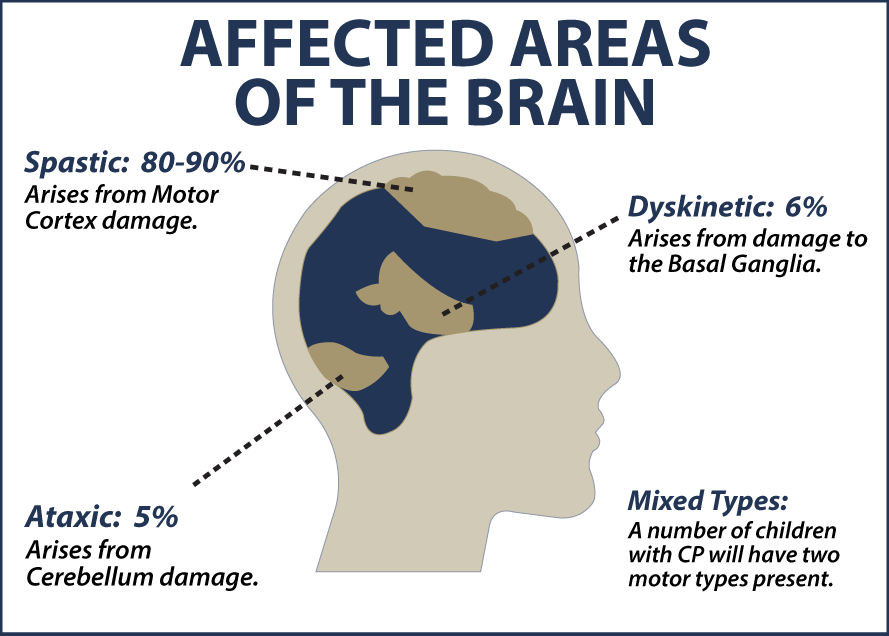
Spastic cerebral palsy is the most common form of cerebral palsy, accounting for nearly 80% of all cases. Children with spastic cerebral palsy may experience high muscle tone (hypertonia), uncontrollable movements, and paralysis in the arms or legs.
Fluctuations in muscle tone and unexpected muscle contractions (known as dystonia) are what characterize dyskinetic cerebral palsy. Sometimes called athetoid cerebral palsy, this is the second most common form of the disorder. Common symptoms of dyskinetic cerebral palsy include feeding issues, problems with posture, and jerky, twisting or writhing movements.
Ataxic cerebral palsy is a rarer type of the disorder that affects a child’s coordination, balance and depth perception. Common symptoms include vision impairments, speech impairments, and trouble walking.
Sometimes a birth injury affects multiple parts of the baby’s brain. This can cause overlapping symptoms from the different types of cerebral palsy. Doctors refer to this as mixed cerebral palsy, and it accounts for around 10-15% of all cases.
These subgroups of cerebral palsy can indicate which clusters of symptoms will be more visible and prevalent for the child. Parents and medical professionals must understand the child’s classification of cerebral palsy to easily identify the most beneficial treatment options.
What Are the Symptoms of Cerebral Palsy?
Most cerebral palsy symptoms relate to issues with movement and muscle tone. This is because brain damage at birth impacts the pathway for motor neurons to travel through the nervous system. If motor neurons cannot travel through the spinal cord and nervous system, they are unable to trigger muscle reflexes.
On this page, we will closely examine all the different symptoms a child may experience across the cerebral palsy spectrum.
How Does Cerebral Palsy Affect Muscle Tone?
One of the defining cerebral palsy symptoms is a reduced control over the muscles.
Our muscles are responsible for facilitating movement. Attached to the bones through tendons, muscles contain thousands of tiny fibers. These muscle fibers receive motor signals that make them contract and relax in tandem to pull the bones forward.
Muscles are in a constant state of tension to maintain posture, even when we don’t realize it. If you are sitting up right now reading this, your muscles are actively working to keep you sitting upright. This continuous state of tension, contraction, and resistance within the muscle fibers is our muscle tone.
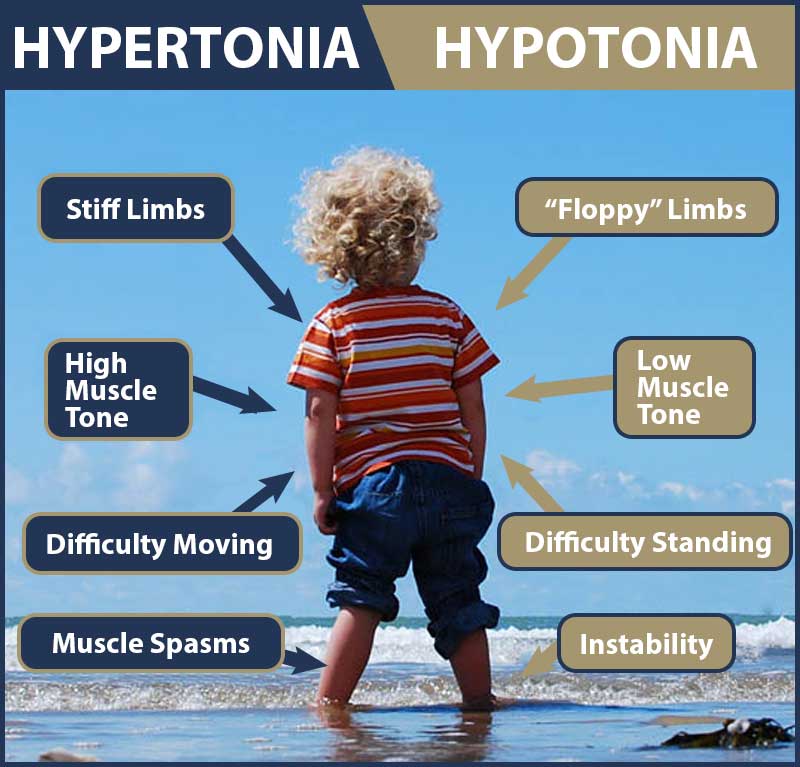
The brain injury that causes cerebral palsy disrupts the signals that direct the muscles on how to move. This can create unwanted and uncontrollable changes in muscle tone, making for irregular posture and involuntary movements like kicking, flailing, and twisting.
Spasticity
Spasticity refers to an abnormal muscle movement pattern where the muscles in the body randomly contract and tighten. It is a state of hypertonia where muscle tone increases, resulting in stiffness and difficulty moving. These contractions will often cause spasms (or “muscle cramps”) that add on to the child’s pain and discomfort.
Children with spastic cerebral palsy aren’t the only ones who will experience spasticity. Both dyskinetic and mixed cerebral palsy also commonly encompass some degree of spasticity as well.
Rigidity
Muscle rigidity occurs when a muscle or group of muscles contract and stay contracted for an extended period. It is an extreme form of hypertonia that is present in children with spastic, dyskinetic, and mixed types of cerebral palsy. Children experiencing muscle rigidity are usually unable to move and will likely feel varying degrees of pain and discomfort.
Dystonia
Similar to spasticity, dystonia is another type of hypertonic muscle problem where the muscles uncontrollably contract. However, with dystonia, the muscle contractions cause slow and repetitive twisting movements. These twisting and writhing movements can occur in the head, hands, and feet.

Babies with brain injuries commonly experience dystonia in the neck muscles, called cervical dystonia or infant torticollis. Babies with this type of dystonia will repeatedly twist and turn their head to one side. This can affect their posture and limit their range of motion, making it difficult to maintain a stable position.
Hypotonia
While hypertonia refers to too much muscle tone, hypotonia is the opposite issue of having too little muscle tone. Babies and children with hypotonia may appear overly “floppy” or “limp” and are usually unable to lift their head.
Severe cases of hypotonia may prevent children from meeting physical developmental milestones like sitting upright, crawling, or walking.
Cerebral Palsy and Paralysis
Injury to one side of the brain can cause paralysis on the opposite side of the body. This is because the nervous system pathways cross over in the brainstem. This means a child's sustains brain damage to the left lobes, it will affect the right side of their body.
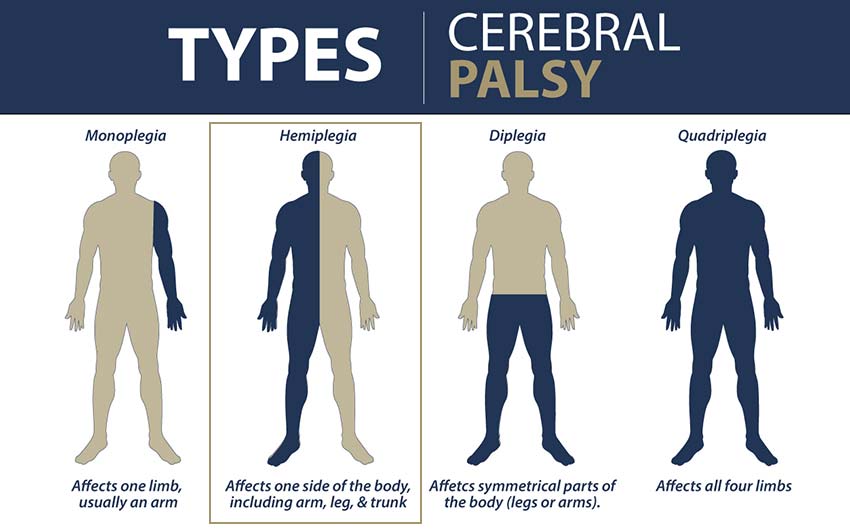
Cerebral palsy stems from a brain injury, many children experience some form of paralysis or loss of bodily control. This is most often a symptom for children with spastic cerebral palsy.
The three main forms of cerebral palsy paralysis include:
Diplegia
Spastic diplegia is one of three types of spastic cerebral palsy that causes paralysis in the legs. Diplegia can sometimes affect the arms as well, but to a lesser extent. The paralysis comes from unusually high muscle tone in the legs, causing the muscle fibers to randomly contract and spasm.
While some children with diplegia can walk using assistive mobility equipment, others are unable to walk at all. These children will likely need to use and operate powered wheelchairs to move around.
Hemiplegia
Spastic hemiplegia is a type of paralysis that affects an entire side of the body. This type of paralysis is the most prevalent form of cerebral palsy. It usually affects the child’s arm more than their leg.
Individuals with spastic hemiplegia often exhibit stiff, rigid movements, whereas those with flaccid hemiplegia experience weakness and loose, floppy muscles.
Spastic hemiplegia can lead to chronic muscle pain, difficulties walking, and limb deformities in severe cases. The severity and duration of hemiplegia symptoms varies significantly, depending on the cause and timing of the brain injury.
Quadriplegia
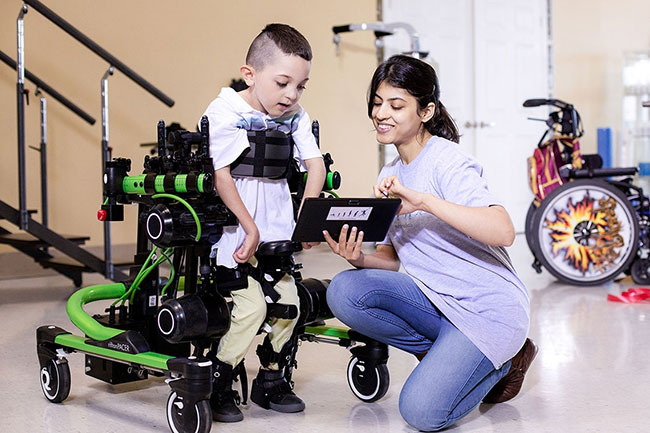
Quadriplegia is the most severe form of paralysis, meaning the child has no control over all four of their limbs. Children with this type of paralysis will depend entirely on assistive equipment and devices to move around.
Other Cerebral Palsy Related Movement Disorders
Many children with cerebral palsy experience a combination of movement disorders. These can affect multiple parts of the body, including the legs, feet, arms, throat, head, and neck.
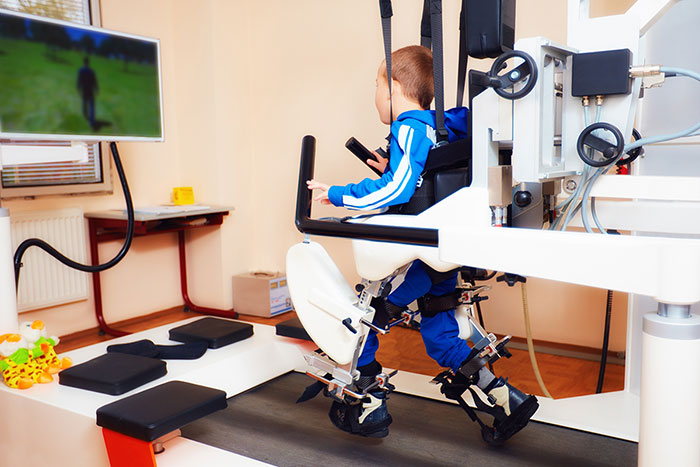
Other cerebral palsy symptoms relating to dysfunctional muscle movement include:
Delayed Reflexes
The disruption of brain signals to the body from cerebral palsy can sometimes result in a child’s delayed reflexes. Hyperreflexia refers to overresponsive bodily reflexes; this is a common symptom of other neurological conditions like amyotrophic lateral sclerosis (ALS).
Cerebral cortex damage or spinal cord injuries make it harder for the motor neurons to travel through the nervous system. This normally results in delayed reflexes to stimuli, but it can also cause reflexes without any visible trigger.
Abnormal Walking Patterns
For individuals with cerebral palsy who can walk, abnormal muscle tone may affect their gait (manner of walking). Examples of gait disturbances include:
- In-Toeing: Walking with the toes of the feet pointed inward.
- Out-Toeing: Walking with the toes of the feet pointed outward.
- Toe-Walking: Walking with an unevenly distributed amount of weight placed onto the toes.
- Limping: Walking with an unevenly distributed amount of weight placed onto one foot over the other.
- Scissor Gait: Walking with the legs crossing over each other with each step.
- Ataxic Gait: Walking with the feet placed far apart for better balance, causing staggered and clumsy movement
- Drop Foot: The inability to lift the toes and feet high enough to clear the ground, resulting in dragging.
Many children with abnormal walking patterns enroll in physical therapy to alleviate these issues and practice better form.
Tremors
Tremors are a type of movement disorder that cause parts of the child’s body to shake uncontrollably. It is a common symptom of ataxic cerebral palsy but can occur with other types as well. Tremors can affect all parts of the body, including a child’s voice.
Some types of anti-anxiety medications like Valium can momentarily alleviate tremor symptoms. However, there is currently no known cure for stopping them completely.
One of the newest treatments for cerebral palsy is injections of Botulinum toxin (Botox) to temporarily weaken muscle strain. This can successfully lessen the severity of a child’s tremors, though it is not a permanent fix.
Swallowing and Speech Disorders
Speech impairment is one of the most common symptoms for children with cerebral palsy. This is because speech requires a complex interaction between brain signals and muscle control to produce sounds and words.
This impairment can also impact the child’s breathing and swallowing, putting them at risk for respiratory and feeding issues.

Some children with severe chewing and swallowing disorders may need to receive nutrients through a surgically placed gastronomy tube (G-tube). Families also may consider helping the child use alternative communication devices to facilitate speech and express specific needs.
Seizures and Epilepsy
A seizure occurs from abnormal electrical signals firing within the brain, causing convulsions, lack of consciousness, and uncontrollable bodily movements. Epilepsy is a disorder that makes the brain more prone to these electrical signals misfiring.
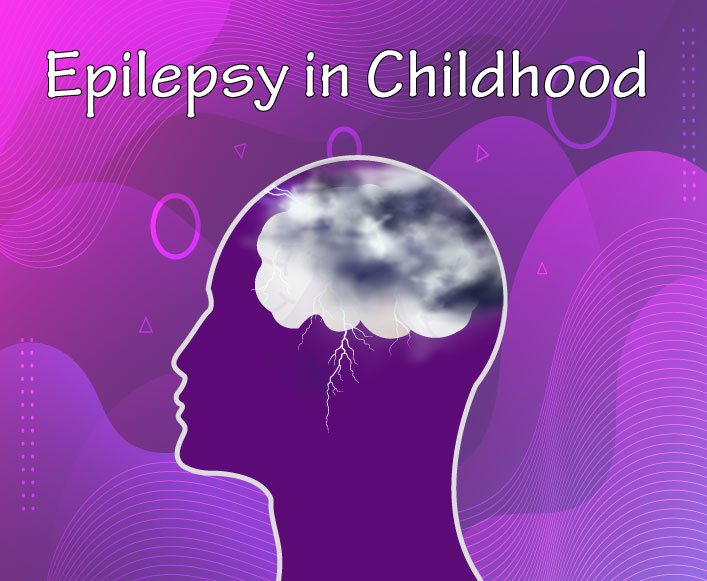
Seizures can range in type and severity. The main types of seizures that children with cerebral palsy experience include:
- Subtle Seizures: This is the most common type of neonatal seizure. As the name suggests, these seizures are subtle and often overlooked. The symptoms mimic common reactions and behaviors for children with cerebral palsy. This includes erratic eye movements, flailing or thrashing of the limbs, tongue protrusions and other oral movements.
- Clonic Seizures: These motor seizures typically result in rhythmic jerking movements. This may only affect the limbs or face, but symptoms can also extend to the diaphragm and axial muscles (mid-section). Clonic seizures may be hemi-convulsive (affecting one side of the body) or multifocal (coming from different parts of the brain).
- Myoclonic Seizures: These motor seizures are single, rapid, or repetitive arrhythmic jerks, affecting a limb, finger, or the entire body. Doctors observe these seizures most often in pre-term infants, which usually indicate a poor prognosis and a severe brain injury.
- Tonic Seizures: These seizures will manifest with continuous muscle contraction in the axial, limb, facial, or other muscles. They could be asymmetrical or symmetrical, generalized, focal, or multifocal.
- Infantile Spasms: These muscle spasms, marked by short jerking spells of extension or flexion, are relatively rare. They are quicker than tonic seizures but slower in comparison to myoclonic seizures.
Vision Impairments
Cortical visual impairment (CVI) or cortical blindness is a neurological disorder stemming from damage to the brain’s visual systems. It is the leading cause of permanent vision impairments in children. Children suffering from CVI usually have cerebral palsy and other developmental disabilities from birth injuries like hypoxic ischemic encephalopathy (HIE).

Another common symptom of cerebral palsy is eye muscle imbalances, meaning the eyes cannot focus on the same object. This is most common for children with ataxic cerebral palsy, affecting their coordination and depth perception.
Children with severe visual impairments may need assistive equipment and devices like glasses, eye tracking devices, and other tools.
Missed Developmental Milestones
A common indicator of cerebral palsy in young children is missing traditional developmental milestones during early childhood.
The parents might report that their child is not sitting up, standing, or communicating on the timeline they anticipated. The doctor may then notice physical symptoms, such as the child appearing too stiff or floppy.

By the child’s toddler years, failure to speak (or attempt making noises that mimic speech) can indicate a developmental delay.
Other indications of developmental delays include:
- a lack of emotion or awareness to external noises and stimuli
- limited movement or reactions
- failing to display control of fine motor skills like pinching, holding items, or brushing teeth
Early intervention is crucial for helping children with cerebral palsy who exhibit symptoms of developmental delays. Treatments, medical procedures, medications, and assistive technology can improve a child’s future and help them progress as far as possible.
Size Abnormalities
Babies born with brain damage are at a higher risk for size abnormalities, particularly to the head. When a child has a smaller-than-average skull size at birth, doctors may diagnose them with microcephaly.
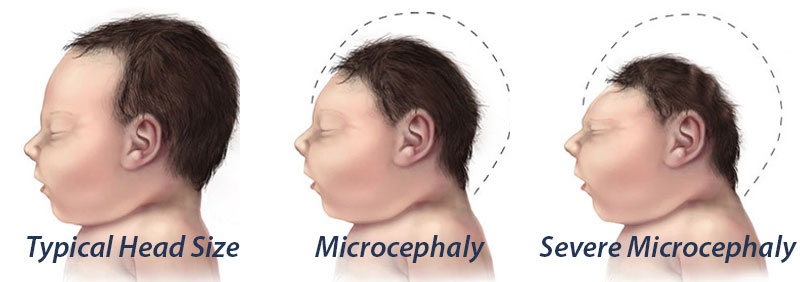
Microcephaly is a neurological condition that may occur during pregnancy when the baby’s brain does not develop properly. The abnormal brain development typically leads to delayed developmental milestones and seizures.
Research has shown a link between premature birth and cerebral palsy diagnoses.It is for this reason that many children with cerebral palsy have a low birth weight and smaller average size.
Some studies also suggest up to 15% of all babies born between 24 and 27 weeks of pregnancy may develop cerebral palsy.
To reduce the potential severity of future cerebral palsy conditions, healthcare providers must provide early preventative treatment for premature babies. This may include neonatal resuscitation for babies in respiratory distress or therapeutic hypothermia treatments following an HIE injury at birth.
Did Medical Mistakes Cause My Child’s Cerebral Palsy?

As illustrated above, a cerebral palsy diagnosis can stem from a multitude of birth complications that interact together. And parents deserve to know when preventable medical mistakes amplify the symptoms and complications of their child’s conditions.
Missing pregnancy complications, improperly monitoring fetal heart rates, or delaying C-sections can all lead to a baby’s preventable brain injury. If a family believes medical negligence worsened a child’s brain damage at birth, legal support may be an option. A specialized cerebral palsy attorney can review the medical records and circumstances to assess whether a claim exists.
Families who have experienced the effects of brain injuries from negligent medical care deserve to know whether they were avoidable. Our cerebral palsy attorneys specialize in birth injury medical malpractice, helping families seek compensation when negligence causes lifelong conditions.
Our team will thoroughly investigate the facts, holding responsible parties accountable by pursuing medical malpractice claims.
What is the Statute of Limitations in a Birth Injury Case?

A statute of limitations (SOL) is a law that sets a time limit on how long an injured person has to file a lawsuit after an accident. It is essential to understand that statutes of limitations vary based on the case and the state where you file. For instance, the deadline for birth injury claims is typically different from other claims, such as injury to private property.
Generally, the clock starts ticking on the date the injury occurred. However, there are exceptions to this rule. In some cases, the statute of limitations starts when a person discovers or reasonably should have discovered an injury. When dealing with government agencies, SOLs can become even more complex.
For example, if the party that injured you was:
- A federal employee
- Employed by a military hospital, Veterans Administration facility, or a federally funded medical entity
You may need to file a birth injury claim under the Federal Tort Claims Act (FTCA). In FTCA cases, claimants must go through certain administrative procedures before filing a lawsuit. In some states, you may have less time to give notice if:
- The negligent party was a local or state government hospital
- The doctors and medical providers are employees of a governmental entity
If you file your case outside of the statute of limitations, the court will typically dismiss it. This means you will not be eligible to recover compensation for you or your child’s injuries.
Determining when a statute of limitations begins on your case can be tricky. Our cerebral palsy attorneys specialize in birth injury medical malpractice and can tell you important cutoff dates in your state.
How Can Our Cerebral Palsy Attorneys Help?
A detailed expert review of the facts and circumstances of your pregnancy and your child's birth can reveal many things. Namely, it can determine whether a child’s cerebral palsy diagnosis and related symptoms were the result of medical malpractice.
Our Process
Our team of cerebral palsy attorneys specializes in birth injury medical malpractice and can help assess your potential cerebral palsy case. We use our detailed medical negligence case review process to take in your information and begin learning more.
We start by gathering information about your pregnancy by examining records to determine what happened during and after your delivery. This includes evaluating the fetal heart rate strips during labor and any action medical professionals took in the NICU.
We will call in skilled medical experts who review your records and provide insight into where medical professionals went wrong. If we feel medical negligence caused or worsened your baby’s cerebral palsy symptoms, we meet with you to discuss further.
At no point in our legal intake process will we ask you to pay anything. The medical review of your case and the consultation are free. We only receive payment once you do. The sooner you reach out, the sooner we can investigate your case and gather the evidence to support your claim.
We work on a contingency fee basis, meaning you will not pay any legal fees until we win your case. We do not purse any medical malpractice cases unless we fully believe we can win.
Contact us today to schedule your free consultation by calling our toll-free line at (888) 987-0005. You can also reach us by filling out our online request form.
National Birth Injury Law
Our National Birth Injury Attorneys, nurses, and support staff understand that parents of children with birth injuries feel overwhelmed. So, every client has the attention and support of a team of trained, compassionate professionals. But we don’t just offer compassion.
We offer a process to help you discover whether your child’s birth injury, HIE, cerebral palsy or brain injury at birth was caused by medical malpractice.
Call our offices today at (888) 987-0005 for experienced assistance in a free consultation.
Quick Links
Testimonials
- Lyric C. I feel like our voice was heard in a sense of what can possibly go wrong in a delivery and finding us answers. I feel with our settlement, we are now in a comfortable position to provide for our son.
- Lyssa L. They are not just people that say “hey let's get you money and let's go” The law firm was very thorough with us. It was awesome. I don't want to cry, because I think about and it's amazing that they were able to help me and that we were able to help my son and get the story out there.
- Jay C. Throughout the process, one thing was clear to us, the ultimate interest of our child was the utmost concern of Max and his team and as parents navigating a situation like that, that was refreshing to know we had them firmly on our side. I highly recommend them.
Popular Cities
- ★ Dallas Birth Injury
- ★ Houston Birth Injury
- ★ Atlanta Birth Injury
- ★ Chicago Birth Injury
- ★ Philadelphia Birth Injury
Locations
★ Dallas
11551 Forest Central Drive, Ste. 300
Dallas, TX 75243
★ Houston
12929 Gulf Freeway, Ste. 111
Houston, TX 77034