Baclofen Treatments
Baclofen Treatments for Muscle Spasms
Children with spastic cerebral palsy often experience painful muscle cramps and tightness throughout their body. Muscle relaxant medications like Baclofen can ease their symptoms.

Children with both mild and severe spasticity can use baclofen to improve their mobility and feel less stiff. Children with more flexibility and less discomfort often see better results in interventions like physical therapy. Baclofen treatments can also help children with cerebral palsy feel better as they move throughout the day.
Cerebral palsy symptoms like spasticity require ongoing medical treatment throughout childhood and beyond. The cost of medications, therapies, assistive equipment and devices, and surgeries can take a financial toll on families.
But when a child’s diagnosis traces back to medical mistakes or inaction at birth, families may be eligible for compensation.
If you believe medical negligence caused your child’s cerebral palsy, it is in your best interest to contact a top rated cerebral palsy attorney. Detailed medical records from pregnancy or labor can reveal glaring medical errors that prove a healthcare provider is liable. Our cerebral palsy attorneys and in-house experts are ready to take your call and further investigate your potential case.
Cerebral Palsy Malpractice Attorneys
Our top rated cerebral palsy attorneys specialize in birth injury medical malpractice. We understand how medical mistakes during delivery can cause brain injuries that permanently impact a child’s life.
If your baby’s preventable birth injuries led to a cerebral palsy diagnosis, don’t hesitate to contact our firm. We can answer difficult legal and medical questions and investigate the facts on your behalf.
Free Legal Consultation
Cerebral Palsy Lawyers
(888) 987-0005Our Cerebral Palsy Lawyers are available to meet you in your home or the hospital.
Our vast network of medical experts and in-house nursing staff and nurse-attorneys gives us the edge over our competition. When we take your case, we assign you with not just an attorney but an entire medical team. This team includes attorneys, experienced nursing advocates, and seasoned medical experts.
We understand the extensive care your child requires to assist with their cerebral palsy symptoms. Your team is available to assist with any day-to-day treatment you or your child may need. This includes assistance with obtaining medical records, scheduling doctors’ appointments, providing transportation, and any other problems that may arise.
We offer all of this on a contingency fee basis. This means you will not pay any fees until after we win your case and secure a settlement. We have an unmatched track record of birth injury results that sets us apart from other birth injury law firms.

Recent Birth Injury Settlement:
Cerebral Palsy Birth Injury settlement against a hospital in which nurses and physicians failed to detect a uterine rupture during delivery causing an HIE event which caused cerebral palsy. Our dedicated cerebral palsy birth injury lawyers recovered $9,200,000 for the family to help with future medical expenses and developmental therapy.
What is Baclofen?
Baclofen is a muscle relaxer medication given to children as a first-line treatment for birth injury induced spasticity.

What is Spasticity in Cerebral Palsy?
Spasticity is the most common movement disorder associated with cerebral palsy, impacting approximately 80% of people with the condition. It occurs when the brain sends disruptive nerve signals throughout the body that tell random muscles to contract. This results in stiffness, spasms, and overall discomfort in the affected areas (typically the arms or legs).
A child living with spastic cerebral palsy may experience decreased muscle stiffness, improved mobility, and increased comfort while taking baclofen. Doctors may also recommended it for other chronic conditions like multiple sclerosis (MS) or various spinal cord injuries.
There are many brands of baclofen, including Lioresal®, Kemstro®, Fleqsuvy®, Lyvispah®, Ozobax®, and Gablofen®. The medication is available only through prescription in the form of oral tablets, liquids, or via a surgically implanted pump.
Before prescribing baclofen, a doctor must clearly discuss its benefits and side effects with the child’s family.
How Do Baclofen Treatments Work in the Body?

Baclofen works to relax muscles by acting on brain receptors to reduce the excessive release of disruptive nerve signals.
Our bodies naturally produce a chemical called Gamma-aminobutyric acid (or GABA). GABA acts as the brain’s calming messenger; it can block certain signals from firing within the nervous system.
Brain injuries like cerebral palsy can stop GABA receptors from properly blocking overactive nerve impulses. This is how these signals get through to the muscles and cause spasticity.
Baclofen specifically binds to the GABA-B receptors in the brain. It stops these nerves from releasing the chemicals that would allow an electrical signal to reach a muscle.
Baclofen also helps the nerves in the spinal cord to release potassium. Potassium is a common electrolyte found in many healthy foods, but it also plays a critical role in nerve function.
Nerve cells become negatively charged as baclofen causes the potassium to release and leave. This negative charge helps them to be less responsive to abnormal signals.
In summary, baclofen activates multiple neurological and chemical processes that stop abnormal electrical signals from causing spasticity.
How is Baclofen Administered?
There are two major types of baclofen formulations: oral and intrathecal. Oral baclofen can come in the form of tablets, capsules, or a liquid solution. Doctors will typically prescribe the oral version of this medication in milder cases of spasticity.
Intrathecal baclofen comes directly from a pump that doctors surgically implant into the child’s body. A doctor may recommend this method when the child suffers from severe spasticity and oral medications have been unsuccessful.
Oral Baclofen Treatments
Oral baclofen is the most common route of administration for the medication.

A doctor may prescribe oral baclofen either in the form of a tablet or liquid. The medication is safe to take for infants over 1 month old.
A common starting dosage for children is 5 milligrams (mg) tablets three times per day. For the liquid solution form, a starting dosage is 5 milliliters (mL) for three times per day. Doctors may gradually move a child’s dosage up to between 40 mg/mL and 80 mg/mL per day.
Benefits of Oral Baclofen Treatments
Doctors prefer oral baclofen over the pump in young children because it is less invasive and requires no surgical implantation. Taking the medication at home also eliminates the need for frequent doctor visits or adjustments to the pump settings.
Additionally, oral baclofen lowers the risk of infection and device malfunction associated with surgical procedures. Surgically implanting, maintaining, and periodically refilling a pump can also be costly, making oral baclofen a more affordable option.
Oral Baclofen Side Effects
Although oral baclofen can be highly effective at controlling involuntary muscle spasms, there is potential for adverse side effects.
Some of the reported side effects from children who take baclofen for cerebral palsy include:
- Drowsiness
- Nausea
- Constipation
- Fatigue
- Weakness
- Constipation
- Headaches
Less common side effects of oral baclofen include breathing problems, chest pain, blurred vision, and seizures.
Intrathecal Baclofen Pump
When oral medications are not sufficient to control spasticity, intrathecal baclofen may be a good alternative.
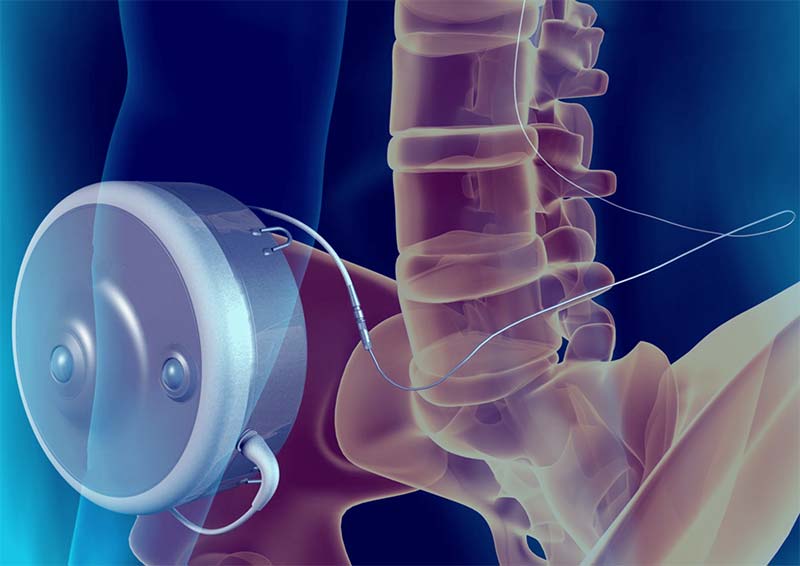
Intrathecal baclofen pumps are a specialized neurosurgical treatment option for severe spasticity that can provide a child with long-lasting relief. Doctors surgically place the pump underneath the child's skin around the abdomen area. The surgery lasts around two hours and requires children to weigh at least 32 pounds.
The pump has wireless programming to provide a continuous feed of baclofen into the fluid-filled area surrounding the spinal cord (intrathecal space). A catheter connected to the baclofen pump delivers the medication directly to the affected area through a thin, flexible tube.
A doctor must periodically refill the pump around every three to four weeks. Additionally, a doctor can adjust the dosage and timing of transfers based on the child’s individual needs. After about five years, doctors must remove the device and replace it with another surgery.
Benefits of Intrathecal Baclofen Pump
The pump approach is 1,000 times more potent than oral baclofen because the medication goes directly into the spinal fluid. This can make a big difference in symptom relief for children who have already tried oral baclofen medication.
With the pump, lower doses can be effective in improving spasticity without the adverse effects like fatigue or sedation.
Another benefit of the pump is that the administration of medication happens automatically. The child doesn't have to remember to take the oral medication at the same time every day. A doctor can even program the pump to release the dose matching their unique needs at the appropriate time.
Furthermore, since the medication does not enter the bloodstream, it won't interact with other medicines the child may take. This is ideal because children with cerebral palsy often take multiple medications for seizures or other related conditions.
Baclofen Pump Side Effects
Among the most common and serious side effects of Intrathecal baclofen pump therapy are:
- Loose muscles
- Upset stomach
- Dizziness
- Vomiting
- Sleepiness
Potential complications of baclofen pumps also include spinal fluid leaks during surgery or unwanted movement of the pump or catheter. There is also the risk of pump or catheter failure, which can lead to overdose or withdrawal symptoms.
Baclofen treatment, whether taken orally or through a pump, can greatly improve a child’s muscle stiffness and spasms. However, it is essential to speak with a specialized physician before deciding on the best treatment method for your child.
What Are the Benefits of Baclofen Treatments?
The nervous system consists of neurons, which communicate with one another through electrical currents called action potentials. An action potential will fire when the cell reaches a certain threshold, sending an electrical signal down the axon. By slowing down action potentials, baclofen prevents neurons from constantly telling muscles to contract, which ultimately prevents spasticity.

While baclofen’s effects are only temporary, it can give a child enough momentary relief to practice proper movement techniques. Children can take advantage of the temporary low muscle tone with intensive physical therapy.
Targeted therapeutic exercises will strengthen the neural connections in the brain for various movement patterns. It can also allow the child to develop more permanent muscle control and improved motor function.
Although cerebral palsy is not a progressive disorder, spasticity in children can worsen over time. Therefore, starting baclofen treatment early can prevent muscle deterioration over time and help the child avoid future surgical interventions.
Frequently Asked Questions with Baclofen Treatment

Is Baclofen a Pain Killer?
Baclofen is a skeletal muscle relaxant and does not belong in the opioid class of “painkiller” medications. However, the medication can relieve pain related to muscle stiffness, spasms, and tightness.
Prolonged usage or misuse of baclofen can lead to dependencies and withdrawals if someone stops using. If you believe you are suffering from addiction withdrawals of any prescription medication, please seek treatment from a medical professional.
Can Baclofen Make You Sleepy?
Yes, baclofen can induce side effects of sleepiness, drowsiness, and “brain fog.” This is because the medication acts as a depressant for the central nervous system by calming spinal cord nerve activity. This sedative effect is a common symptom of most muscle relaxants.
Does Baclofen Help Anxiety?
Baclofen is not a typical prescription medication for treating symptoms of anxiety. The FDA currently approves its use for treating spasticity for conditions like cerebral palsy, multiple sclerosis, and spinal cord injuries.
However, baclofen may have the capacity to treat other neurological conditions beyond spasticity. Researchers have studied its potential to ease post-traumatic stress disorder (PTSD) symptoms. Additionally, previous clinical trials have measured the medication’s effectiveness in reducing alcohol cravings.
Does Baclofen Make You Gain Weight?
While baclofen may induce weight gain in some individuals, it is not a universal side effect for all patients. The idea behind baclofen causing weight gain is that less spasticity means less muscle movement and energy burning. However, many other factors have a higher influence on a patient’s weight gain, including their age, metabolism, and activity levels.
How Long Does It Take for Baclofen to Kick In?
The time it takes for someone to feel baclofen’s effects will depend on its route of administration. Oral baclofen medication can travel through the bloodstream and begin relaxing muscles within an hour. An intrathecal baclofen pump can produce results even faster.
However, it often takes a few days for someone to feel the full effects of reduced muscle stiffness. It may take several days to weeks for a doctor to adjust the dosage to the appropriate level. The medicine works best when doctors gradually build up the dose over time.
Did Medical Malpractice Cause My Child’s Cerebral Palsy?

While Baclofen can offer serious relief from spasticity, children with cerebral palsy often have multiple conditions causing pain and discomfort. These conditions require interventions through medication, therapy, and sometimes even surgery.
Parents deserve to know when preventable medical mistakes amplify the complications of their child’s conditions.
There are several examples of medical negligence that can cause irreversible brain damage at birth:
- Failure to recognize and treat signs of maternal or fetal distress, such as lack of oxygen
- Improper use of forceps or a vacuum extractor
- Using excessive force during delivery
- Failure to schedule an emergency cesarean section (C-section)
- Delaying an emergency C-section past the point of safety
- Failure to treat pregnancy complications like preeclampsia, umbilical cord problems, maternal infections, or an abnormal fetal position
- Failure to administer the proper antibiotics or dosage to a mother with maternal infections before delivery
- Ignoring or misreading a fetal monitoring strip
- Failure to diagnose and treat preterm labor in a timely manner
- Failure to properly resuscitate a newborn after delivery
- Failure to treat jaundice and kernicterus
- Failure to detect a severe birth defect on a prenatal ultrasound
- Administering too high a dose of labor inducing medications like Pitocin and Cytotec
Failing to address these complications can result in a serious birth injury like cerebral palsy, resulting in symptoms like spasticity.
Families who have experienced the effects of brain injuries from negligent medical care deserve to know whether they were avoidable. Our cerebral palsy attorneys specialize in birth injury medical malpractice, helping families seek compensation when negligence causes lifelong conditions.
Our team will thoroughly investigate the facts, holding responsible parties accountable by pursuing medical malpractice claims.
What Is the Statute of Limitations in a Birth Injury Case?

A statute of limitations is a law that sets a time limit on how long an injured person has to file a lawsuit after an accident.
It is essential to understand that statutes of limitations vary based on the case and the state where you file. For instance, the deadline for birth injury claims is typically different from other claims, such as injury to private property.
Generally, the clock starts ticking on the date the injury occurred. However, there are exceptions to this rule. In some cases, the statute of limitations starts when a person discovers or reasonably should have discovered an injury. When dealing with government agencies, SOLs can become even more complex.
For example, if the party that injured you was:
- A federal employee
- Employed by a military hospital, Veterans Administration facility, or a federally funded medical entity
You may need to file a birth injury claim under the Federal Tort Claims Act (FTCA). In FTCA cases, claimants must go through certain administrative procedures before filing a lawsuit. In some states, you may have less time to give notice if:
- The negligent party was a local or state government hospital
- The doctors and medical providers are employees of a governmental entity
If you file your case outside of the statute of limitations, the court will typically dismiss it. This means you will not be eligible to recover compensation for you or your child’s injuries.
Determining when a statute of limitations begins on your case can be tricky. Our cerebral palsy attorneys specialize in birth injury medical malpractice and can tell you important cutoff dates in your state.
How Can Our Cerebral Palsy Attorneys Help?
Cerebral palsy treatments like baclofen can significantly improve a child’s everyday life by reducing pain and increasing mobility. A cerebral palsy lawyer can ease the financial burden of cerebral palsy treatments and help afford proper medical care.
However, it takes an expert review of the facts of your birth to determine whether medical professionals made preventable errors.
Our Process
Our team of cerebral palsy attorneys specializes in birth injury medical malpractice and can help assess your potential cerebral palsy case. We use our detailed medical negligence case review process to take in your information and begin learning more.
We start by gathering information about your pregnancy by examining records to determine what happened during and after your delivery. This includes evaluating the fetal heart rate strips during labor and any action medical professionals took in the NICU.
We will call in skilled medical experts who review your records and provide insight into where medical professionals went wrong. If we feel medical negligence caused or worsened your baby’s cerebral palsy symptoms, we meet with you to discuss further.
At no point in our legal intake process will we ask you to pay anything. The medical review of your case and the consultation are free. We only receive payment once you do. The sooner you reach out, the sooner we can investigate your case and gather the evidence to support your claim.
We work on a contingency fee basis, meaning you will not pay any legal fees until we win your case. We do not purse any medical malpractice cases unless we fully believe we can win.
Contact us today to schedule your free consultation by calling our toll-free line at 888-987-0005. You can also reach us by filling out our online request form.
National Birth Injury Law
Our National Birth Injury Attorneys, nurses, and support staff understand that parents of children with birth injuries feel overwhelmed. So, every client has the attention and support of a team of trained, compassionate professionals. But we don’t just offer compassion.
We offer a process to help you discover whether your child’s birth injury, HIE, cerebral palsy or brain injury at birth was caused by medical malpractice.
Call our offices today at (888) 987-0005 for experienced assistance in a free consultation.
Quick Links
Testimonials
- Lyric C. I feel like our voice was heard in a sense of what can possibly go wrong in a delivery and finding us answers. I feel with our settlement, we are now in a comfortable position to provide for our son.
- Lyssa L. They are not just people that say “hey let's get you money and let's go” The law firm was very thorough with us. It was awesome. I don't want to cry, because I think about and it's amazing that they were able to help me and that we were able to help my son and get the story out there.
- Jay C. Throughout the process, one thing was clear to us, the ultimate interest of our child was the utmost concern of Max and his team and as parents navigating a situation like that, that was refreshing to know we had them firmly on our side. I highly recommend them.
Popular Cities
- ★ Dallas Birth Injury
- ★ Houston Birth Injury
- ★ Atlanta Birth Injury
- ★ Chicago Birth Injury
- ★ Philadelphia Birth Injury
Locations
★ Dallas
11551 Forest Central Drive, Ste. 300
Dallas, TX 75243
★ Houston
12929 Gulf Freeway, Ste. 111
Houston, TX 77034