Osteotomy Surgery
Osteotomy Surgery For Cerebral Palsy
Some children with cerebral palsy are born with musculoskeletal deformities that limit their mobility and make it painful to move. Osteotomy surgery can improve these symptoms.
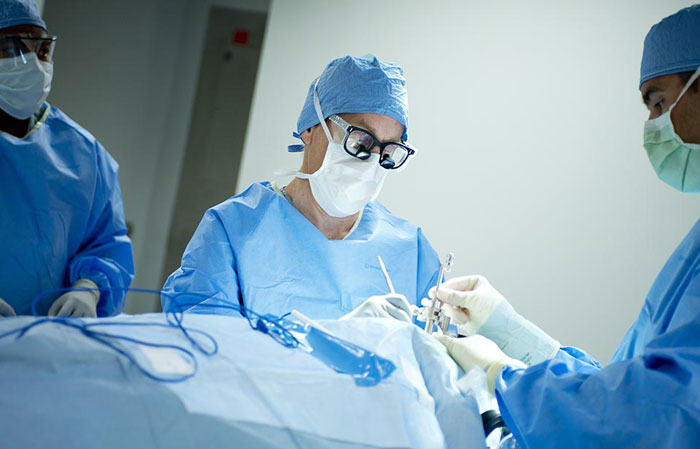
Osteotomy surgery can greatly improve a child’s quality of life by restoring their mobility and relieving chronic pain. However, like all medical procedures, doctors or surgeons risk causing further harm when they make avoidable medical mistakes. Errors during medical procedures, either while conducting them or failing to treat complications that arise afterward, it can constitute medical malpractice.
What is Osteotomy Surgery?
Osteotomy is a specialized kind of orthopedic surgery (surgery that focuses on the musculoskeletal system) where a surgeon cuts and reshapes a bone to help it fit better into a joint. The procedure is commonly performed on children with cerebral palsy whose bones are maligned by spastic muscles.
The goal of an osteotomy is to relieve abnormal tension from a child’s tightened muscles and reduce the strain on their joints. When done correctly, this will greatly improve the child’s ability to stand, walk, and move around.
It is a common cerebral palsy symptom to have muscles around the hips and knees that unevenly pull on the bones, causing them to partially dislocate from the joint (known as subluxations). This results in the legs being twisted and uncomfortably deforming the joints over time. If not corrected in early childhood, these subluxations can cause the joints to deteriorate and force the child to rely on assistive equipment such as walkers or wheelchairs for mobility.
Birth Injury Malpractice Attorneys
Our top-rated birth injury attorneys specialize in identifying how medical and surgical errors lead to severe birth injuries. If you or someone you know suffered from injuries after a mismanaged medical procedure, don’t hesitate to contact our firm. We can answer difficult legal and medical questions and investigate the facts on your behalf.
Free Legal Consultation
Birth Injury Lawyers
(888) 987-0005Our Birth Injury Lawyers are available to meet you in your home or the hospital.
Our vast network of medical experts and in-house nursing staff and nurse-attorneys gives us the edge over our competition. When we take your case, we assign you with an entire medical team. This team not only consists of attorneys but also nursing advocates and medical experts.
Your team is available to assist with any day-to-day treatment you or your child may need. This includes assistance with medical records, scheduling doctors’ appointments, providing transportation, and any other problems that may arise.
We offer all of this on a contingency fee basis. This means you will not pay any fees until after we win your case and secure a settlement. Miller Weisbrod Olesky’s unmatched track record of birth injury results sets us apart from other birth injury law firms.

Recent Birth Injury Settlement:
Birth Injury settlement against a hospital in which nurses and physicians failed to properly monitor the mother's blood pressure during delivery causing an HIE event resulting in neonatal seizures and cerebral palsy at birth. Our team of top-rated birth injury lawyers recovered $13,750,000 for the family to help with future medical expenses and developmental therapy.
What is Osteotomy Surgery?
Osteotomy is a specialized kind of orthopedic surgery, which is surgery where doctors operate on the musculoskeletal system. In an osteotomy procedure, the surgeon cuts and reshapes a bone to help it fit better into a joint. Children with cerebral palsy can greatly benefit from osteotomies as their bones are often maligned due to spastic muscles.
The goal of an osteotomy is to relieve abnormal tension from tightened muscles and reduce the strain on the joints. When successful, the procedure can greatly improve the child’s ability to stand, walk, and move around.
It is a common cerebral palsy symptom for muscles around the hips and knees to unevenly pull on the bones. When this happens for prolonged periods, it causes the bones to partially dislocate from the joint (known as subluxations). This causes the child’s legs to twist, which uncomfortably deforms their joints over time.
If doctors do not correct them in early childhood, these subluxations can cause the joints to deteriorate and give out. This then forces the child to rely entirely on assistive equipment such as walkers or wheelchairs for mobility.
Types of Osteotomy Surgeries
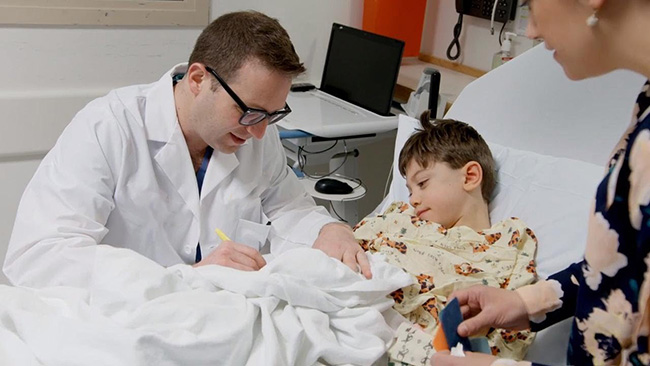
The specific type of osteotomy a child will need depends on which bones or muscle groups their spasticity has affected. Surgeons must carefully assess the child’s age, current capabilities, and the location of their misshapen bones. The most common types of osteotomies include:
Femoral Osteotomy
Also known as a varus de-rotational osteotomy (VDRO), a femoral osteotomy operates on the child’s femur (thigh) bone. The surgeon makes an incision near the hip and cuts the femur to reorient it. They insert metal plates and screws into the bone to hold it into its new fixed position for healing.
Femoral osteotomies are the most common type due to how often children with cerebral palsy have spastic hip muscles specifically. The procedure aims to correct hip subluxation and in-toeing (when the child’s feet point inward, affecting posture and gait).
Pelvic Osteotomy
Similar to a femoral osteotomy, a pelvic osteotomy also aims to correct hip subluxation. But instead of the femur, the surgeon cuts and reshapes the child’s pelvic (hip) bone to deepen their hip socket. If the hip socket is too shallow, the surgeon may decide to cut at the top of the hip bone. This is to better cover the head of the femur.
The surgeon may cut the bone differently for children who still have open growth plates (usually ages 8 and younger). In these cases, the surgeon cuts the bone above the socket to create a deeper cut. This is known as a Pemberton osteotomy procedure.
For older children whose growth plates have already closed, surgeons will stick to reorienting and adding bone around the socket.
A pelvic osteotomy can preserve the hip joint and socket, preventing children from needing a total hip replacement surgery.
Tibial Osteotomy
For some children with cerebral palsy, leg malignment stems from the tibia bone (shinbone) rather than the femur or pelvis. Misshapen tibia bones can cause in-toeing as well as chronic leg pain. To correct this, the surgeon may perform a tibial de-rotation osteotomy.
The surgeon cuts and rotates the shinbone so that the foot angles forward instead of inward. This reduces strain on knee and ankle joints whenever the child walks.
To determine the specific type of osteotomy a child needs, doctors must closely examine their hips and legs. They can do this using X-rays as well as observing their outward appearance, posture, and walking patterns. They must also consider the child’s age to determine how much flexibility they will have. Younger children have more flexibility due to open growth plates, meaning that early surgery has the best results.
For all types of the procedure, doctors will put the child to sleep using general anesthesia.
What Are the Benefits of Osteotomy Surgery?
A successful osteotomy surgery can bring significant improvements to a child’s gross motor function and physical comfort. Children with successful procedures can expect better alignment, improved walking, and overall reduced pain.
The reshaped bone allows the child to bear weight more evenly on their hips, knees, and ankles, greatly relieving pain. Osteotomies also reduce the risk of bone and muscle complications like arthritis later in life. This can allow the child to participate in more physical activities without the fear of overexertion on the joints.
The extent of benefits that come with osteotomy surgery will range depending on the child’s conditions. Factors include their classification of cerebral palsy, the severity of their cerebral palsy symptoms, and any other extenuating circumstances. Medical experts suggest the best results with the procedure are associated with strong recovery practices.
How to Recover After Osteotomy Surgery?

Recovery from osteotomy surgery is a continual process that can take multiple months and even up to a year. Femoral osteotomies, the most common type, require 3 to 4 days in the hospital. Pelvic osteotomies can take up to 7 days or sometimes longer when doctors perform combined osteotomies on both bones.
During this time, doctors and nurses should encourage recovery by helping the child engage in safe, gentle movements and repositioning. It’s important the child does not stay too inactive in the hospital bed so they can avoid feeling too stiff.
After release from the hospital, the child’s leg must stay immobilized to protect the new alignment. They will need to wear a cast that goes over the trunk and one or both legs. The child usually will need to stay in this cast (called a spica cast) for around 4 to 8 weeks. After that, the child eventually phases out of the cast by moving to a removable brace or splint.
During this recovery phase, the child will likely need to use walkers, crutches, or wheelchairs while the cast is on. The child can begin to gradually bear more weight on the foot or feet by around 2 months post-op. This is usually when doctors can confirm via X-ray imaging that the child’s bones are healing correctly.
Doctors and surgeons should inform the family of what this timeline should look like. They should provide instruction for aiding the child during recovery, including proper care tips for managing the spica cast. Some children will have a more personalized schedule going from partial to full weight-bearing after an osteotomy.
Physical Therapy
Following all osteotomy surgeries, physical therapy will play an instrumental role in the child’s recovery. A physical therapist can begin gentle treatment with exercises focusing on range of motion for the hips, knees, and ankles. The child works with the therapist during sessions to slowly regain muscle control and walking coordination.
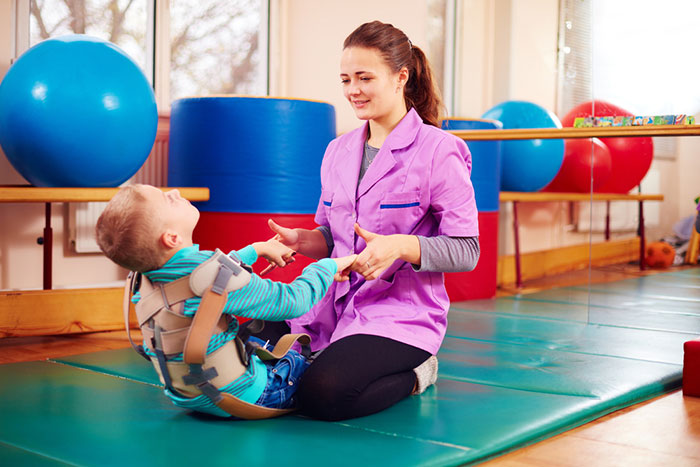
The level of physical therapy a child should receive will depend on their healing timeline. The first signs of bone healing are usually visible around 3 to 4 weeks after the procedure. However, the bone will likely not fully heal until around 2 to 3 months after the surgery. Full physical recovery, including reaching full capabilities of strength, flexibility, and walking independently, can take up to a year. During this time, doctors and therapists should watch for certain milestones in the child’s recovery. The first is often the ability to independently bend the knee and stand (if applicable) around 3 to 4 weeks. The following milestones include walking independently and then returning to regular activities such as going to school or gentle play.
Assistive Equipment and Devices
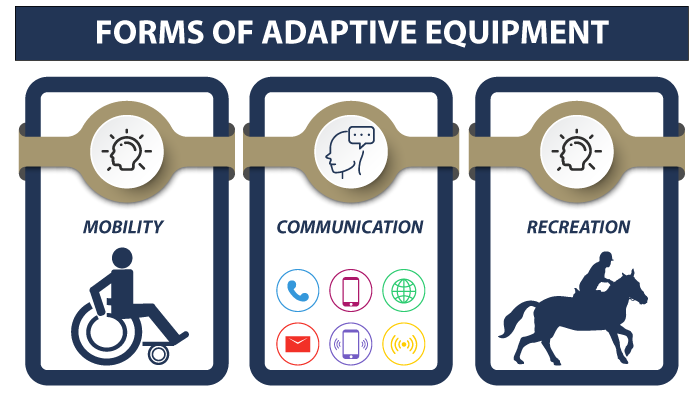
During the recovery period, children may use assistive equipment for mobility as they gradually bear more weight on their feet. These devices can include wheelchairs, power scooters, strollers, walking sticks, canes, gait trainers, crutches, braces, or orthotic boots.
Children who used assistive equipment before the osteotomy will sometimes improve so much that they no longer need those supports. Other children will continue to use them but have more comfortability and stronger functioning in doing so.
About Assistive Equipment & Devices
Each child’s timeline of recovering from osteotomy surgery will look slightly different. Though recovery can present multiple challenges, the long-term benefits and relief from pain make the procedure worth it.
Did Medical Malpractice Occur in My Child’s Medical Procedure or Treatment?
Osteotomy surgeries can bring great quality of life benefits to children with cerebral palsy. However, medical negligence can sometimes delay those benefits or cause new complications.
Sometimes an issue arises with the medical procedure itself. The surgeon may make insufficient cuts to the bone, or they may accidentally injure a nearby nerve or blood vessel. Or sometimes errors occur with not tightening the screws or plates enough, causing the bone segments to improperly shift.
Doctors can sometimes not recognize the child’s need for an osteotomy, delaying it until their growth plates have already fused. This leaves less room for recovery and improvement. Postoperative mistakes can also occur with:
- Failing to diagnose any resulting complications from the procedure
- Tightening the spica cast too tightly
- Neglecting to adjust the child’s rehabilitation plans
All these mistakes can lead to worsening symptoms, more joint pain, and an increased risk of future complications. If a family believes medical negligence caused or worsened a child’s injuries, legal support may be an option. A specialized birth injury attorney can review the medical records and circumstances to assess whether a claim exists.
Families who have experienced the effects of surgery complications deserve to know whether better medical care could have prevented them. Our top rated birth injury lawyers will help you find those answers and obtain the necessary funds to secure treatment.
Our team at Miller Weisbrod Olesky will thoroughly investigate the facts, holding responsible parties accountable by pursuing medical malpractice claims.
What is the Statute of Limitations in a Birth Injury Lawsuit?

A statute of limitations is a law that sets a time limit on how long an injured person has to file a lawsuit after an accident. It is essential to understand that statutes of limitations vary based on the case and the state where you file. For instance, the deadline for birth injury claims is typically different from other claims, such as injury to private property.
Generally, the clock starts ticking on the date the injury occurred. However, there are exceptions to this rule. In some cases, the statute of limitations starts when a person discovers or reasonably should have discovered an injury. When dealing with government agencies, SOLs can become even more complex.
For example, if the party that injured you was:
- A federal employee
- Employed by a military hospital, Veterans Administration facility, or a federally funded medical entity
You may need to file a birth injury claim under the Federal Tort Claims Act (FTCA). In FTCA cases, claimants must go through certain administrative procedures before filing a lawsuit.
In some states, you may have less time to give notice if:
- The negligent party was a local or state government hospital.
- The doctors and medical providers are employees of a governmental entity.
If you file your case outside of the statute of limitations, the court will typically dismiss it. This means you will not be eligible to recover compensation for you or your child’s injuries. Determining when a statute of limitations begins on your case can be tricky. If you are considering pursuing compensation for a birth injury, contact an attorney as soon as possible.
How Can Our Birth Injury Attorneys Help?
Birth injuries from medical procedures can severely delay a child’s recovery. It takes an expert review of the facts of an osteotomy procedure to determine whether medical professionals made preventable errors.
Our Process
At Miller Weisbrod Olesky, our team of committed birth injury attorneys, nurses and paraprofessionals works to answer these questions and seek compensation. We use our detailed medical negligence case review process to assess your potential birth injury case.
We start by learning more about your child by gathering records to determine what happened during and after the procedure. This includes a detailed review of the treatment doctors provided or failed to provide during and after the osteotomy.
We will call in skilled medical experts who review your records and provide insight into where medical professionals went wrong. If we feel medical negligence caused or worsened your child’s injuries, we meet with you to discuss further.
At no point in our legal intake process will we ask you to pay anything. The medical review of your case and the consultation are free. We only receive payment once you do. The sooner you reach out, the sooner we can investigate your case and gather the evidence to support your claim.
We work on a contingency fee basis, meaning you will not pay any legal fees until we win your case. We do not pursue any medical malpractice cases unless we fully believe we can win. Contact us today to schedule your free consultation by calling our toll-free line at (888) 987-0005. You can also reach us by filling out our online request form.
Contact National Birth Injury Lawyers
National Birth Injury Law
Our National Birth Injury Attorneys, nurses, and support staff understand that parents of children with birth injuries feel overwhelmed. So, every client has the attention and support of a team of trained, compassionate professionals. But we don’t just offer compassion.
We offer a process to help you discover whether your child’s birth injury, HIE, cerebral palsy or brain injury at birth was caused by medical malpractice.
Call our offices today at (888) 987-0005 for experienced assistance in a free consultation.
Quick Links
Testimonials
- Lyric C. I feel like our voice was heard in a sense of what can possibly go wrong in a delivery and finding us answers. I feel with our settlement, we are now in a comfortable position to provide for our son.
- Lyssa L. They are not just people that say “hey let's get you money and let's go” The law firm was very thorough with us. It was awesome. I don't want to cry, because I think about and it's amazing that they were able to help me and that we were able to help my son and get the story out there.
- Jay C. Throughout the process, one thing was clear to us, the ultimate interest of our child was the utmost concern of Max and his team and as parents navigating a situation like that, that was refreshing to know we had them firmly on our side. I highly recommend them.
Popular Cities
- ★ Dallas Birth Injury
- ★ Houston Birth Injury
- ★ Atlanta Birth Injury
- ★ Chicago Birth Injury
- ★ Philadelphia Birth Injury
Locations
★ Dallas
11551 Forest Central Drive, Ste. 300
Dallas, TX 75243
★ Houston
12929 Gulf Freeway, Ste. 111
Houston, TX 77034