Developmental Speech Milestones
Delayed Speech Milestones

A child’s first words are often one of the most highly anticipated developmental milestones. Parents eagerly await the day their baby is able to express themselves through their own speech. But sadly, that day may never come for some children when they experience brain damage at birth.
Speech and language development is a complex process involving precise coordination between the brain, muscles, and the nervous system. When a birth injury damages any of these body parts, babies may experience speech developmental milestone delays as a result.
According to the American Speech-Language-Hearing Association (ASHA), nearly 1 in 12 children suffer from speech impairment. This can happen when they experience hearing problems or congenital birth defects of the mouth like cleft palate. But many speech delays, however, stem from neurological injuries and brain damage from birth.
Babies with brain injuries like hypoxic ischemic encephalopathy (HIE), for example, have a far greater likelihood of having delayed speech. These kinds of injuries are usually rare, but they happen more often when doctors and delivery nurses make careless mistakes.
Speak to Our Developmental Delays Lawyers Today
Developmental delays (and especially speech delays) can leave children underprepared for the future and cause them to fall behind. Early intervention like speech therapy can improve their prospects, but not all families can afford or access these treatments.
Our firm helps families secure justice and financial compensation when their child’s disabilities are the result of medical errors. We hold negligent medical providers responsible so that you aren’t carrying the financial and emotional costs on your own.
Free Legal Consultation
Birth Injury Lawyers
(888) 987-0005Our Birth Injury Lawyers are available to meet you in your home or the hospital.
Our national birth injury legal team has been helping victims of birth injuries for over 40 years. In that time, we have built a vast network of experts and nine in-house nurses who assist on every case. Our experience, results, and team-based approach to our cases gives us the edge over the other national birth injury firms.
When we represent our clients, we begin helping right away from day one. Our clients receive not only attorneys, but an entire team of experts and nursing-patient advocates.
Your team will immediately assess your child’s current needs and begin using our resources to help them. We can help locate trusted specialists, schedule doctors’ appointments, obtain medical documentation, coordinate travel and lodging, and much more. We are also available around the clock to provide important case updates and answer all of your pressing questions.
Our national birth injury lawyers work for your family on a contingency fee basis. This means we offer help at no upfront cost, only charging attorneys’ fees on cases we win.
After securing a settlement or jury award, we will only charge a pre-agreed percentage outlined in an attorney-client retainer contract. Our top rated birth injury attorneys will only take on cases we know we can win.
Over the years, we have maintained an impressive track record of results that speaks for itself.

Recent Birth Injury Settlement:
Birth Injury settlement against a hospital in which nurses and physicians failed to properly monitor the mother's blood pressure during delivery causing an HIE event resulting in neonatal seizures and cerebral palsy at birth. Our team of top-rated birth injury lawyers recovered $13,750,000 for the family to help with future medical expenses and developmental therapy.
How Do Babies Develop Speech?

From the very first days of life, babies begin paying attention to the world around them. The sights, sounds, and smells of their environment slowly shape their brain development and emotional bonds.
Hearing plays an important role in every baby’s speech development. Babies learn words, expressions, pitch, and tone of conversation by listening to the voices around them. This usually includes their parents, family friends of parents, and extended family members.
Through encouragement and imitation, babies slowly begin babbling and copying sounds they hear. Over time, their brain creates mental frameworks that connect meaning to different words. They begin building up their vocabulary from one word to 10 words, to 50 words, to 1000 words and beyond. Through observation, repetition, and repeated practice, they learn how to string these words together into meaningful sentences.
At around age 5, most children will start school where they will learn to read, write, and use proper grammar.
In general, babies with parents who consistently socialize with them and speak around them tend to develop speech the quickest.
What Are Common Childhood Speech Impairments?
Different speech impairments from early childhood can significantly affect how a baby learns and develops their speech and language skills. The following neurological communication disorders can cause a child to miss key speech developmental milestones:
What Is Childhood Apraxia of Speech?
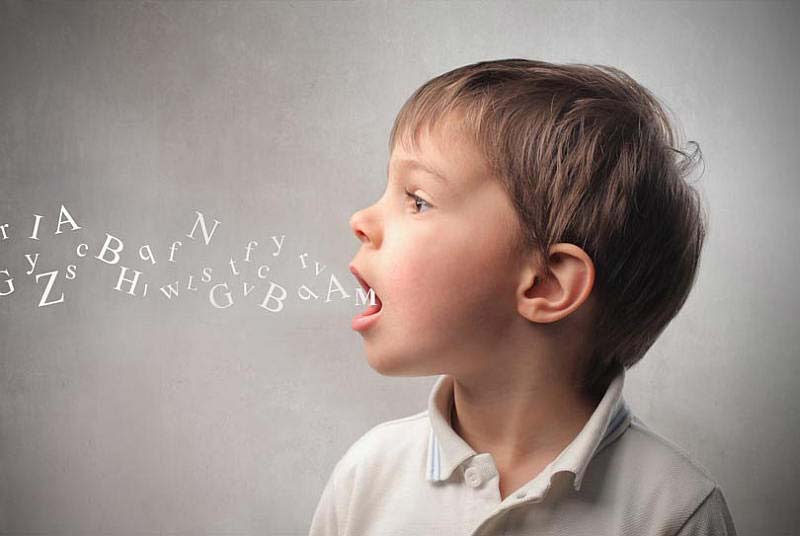
Apraxia is a type of speech impairment caused by neurological motor dysfunction. It occurs when the brain cannot properly formulate or send the correct sequence of signals to the correct muscles.
With apraxia, the child will know exactly what they are trying to say in their mind. The issue is that the brain has difficulty translating that message into the proper muscle movements needed to execute it.
These neurological difficulties can lead to limited speech, varied pronunciations of the same word, and trouble moving the mouth correctly.
What Is Childhood Aphasia?

Aphasia is a common language disorder that can affect people of any age. It occurs in children when they experience brain injuries that damage the neural pathways responsible for forming words together.
Children with aphasia may take long pauses before speaking, have trouble finding words, and frequently mispronounce sounds or misunderstand others. It is a disorder that can cause delays in not just speech, but also in reading, writing, and understanding others.
What Is Childhood Dysarthria?

Dysarthria is a type of speech disorder that happens because of muscle weakness in the throat, vocal cords, and jaw. This results in slurred, strained, and sometimes raspy or nasally speech that is difficult to understand. Dysarthria is a common symptom of cerebral palsy.
It’s important to understand that children with dysarthria know exactly what they want to say. The problem lies with their brain being unable to properly deliver signals to the muscles needed for speech.
Children with dysarthria can benefit from coordinated speech therapy exercises and using specialized communication devices to fill in the gaps.
A baby’s brain damage at birth can cause any of the above speech impairments and language disorders during childhood. Additional speech challenges can include articulation disorders like lisps or stuttering. These struggles can either present on their own or alongside one of the above diagnoses.
Children should receive screenings when they exhibit signs of these impairments (long pauses before speech, raspy or hoarse voice, etc.).
What Are Important Speech Developmental Milestones?
As your baby transitions from infancy to early childhood, you can expect to see them reach certain speech developmental milestones. Each child will develop speech on their own timeline, but tracking their development can be reassuring and helpful to see.
Noticing your child’s developmental delays early can help them get the intervention they need from a young and impressionable age.
What Are Infant Speech Milestones?

In their first year of life, it is perfectly normal for a baby to not say their first words yet. But even before they are speaking for themselves, infants will gain important skills leading up to real speech.
The following checklists outline the expected speech developmental milestones the baby will reach from birth to one year old:
What Are Toddler Speech Milestones?

By 13 to 18 months, your baby will have likely already said their first word. Many toddlers experience a “language explosion” or rapid development in speech skills between 1 and 3 years old. Children who do not continue to learn new words and skills during this time may be experiencing neurological speech impairments.
The following checklists outline the expected speech developmental milestones the baby will reach from birth to one year old:
What Are Early Childhood Speech Milestones?

Children ages 3 and older are typically speaking in full sentences at this point. While they may not use proper grammar or use every word correctly, they begin showing more confidence in their speech.
The following checklists outline the expected speech developmental milestones a child should reach from three to five years old:
What Neurological Disorders Cause Speech Problems?

Various childhood disorders and complications from brain injuries at birth can cause speech problems later in life. Among the most common neurological disorders to delay a child’s speech developmental milestones are:
Cerebral Palsy

Cerebral palsy is a group of physical conditions that arise from neurological impairment from birth or early childhood. It causes muscle weakness and a lack of muscle coordination throughout the body.
When cerebral palsy affects the speech muscles (tongue, vocal cords, larynx, and/or jaw), it can result in dysarthria. This can make the child’s speech come out unclear or unintelligible, leading to delays in speech development.
Hypoxic Ischemic Encephalopathy
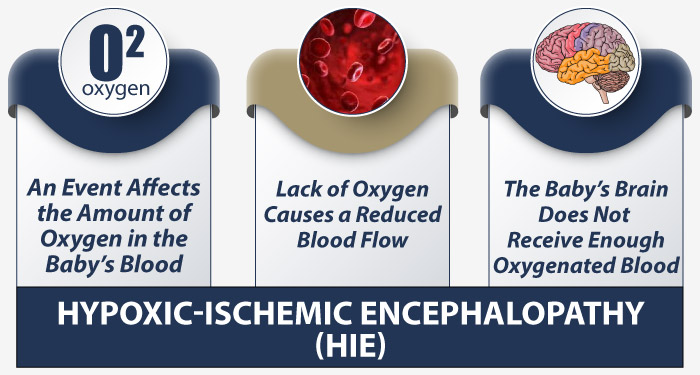
Hypoxic ischemic encephalopathy (or HIE) is the most common form of brain damage at birth. It occurs when the baby doesn’t receive an adequate amount of oxygen and/or blood during labor to support brain function.
HIE damage often harms areas of the brain responsible for motor control and communication. This can cause problems with word formation and language comprehension, ultimately leading to possible speech delays and language disorders.
Epilepsy
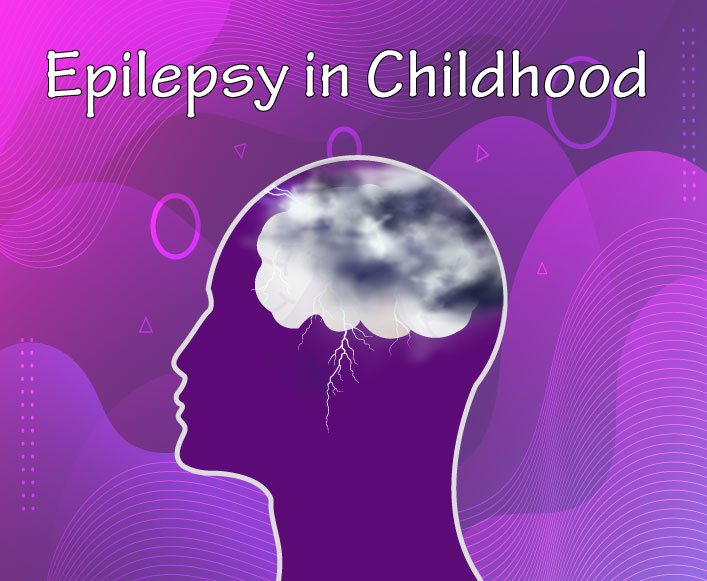
Epilepsy is a neurological disorder where the brain sends abnormal electrical signals at random times that trigger seizures.
The abnormal electrical activity associated with epilepsy can damage crucial neural connections necessary for developing speech and language. This most commonly causes aphasia, which impairs one’s ability to find and say the proper words.
A 2019 study found a link between pediatric seizures and language dysfunction such as aphasia and dysarthria.
Autism Spectrum Disorder

Autism is a neurodevelopmental disability with a wide range of effects on how people process information and perceive their environment. Child development experts agree that speech delays are often one of the earliest signs of autism.
Researchers believe that differences in language processing and social-communication differences contribute to this connection.
Understanding the connection between neurological function and speech development can make it easier to spot the signs of speech delays. If you believe your child is falling behind on critical speech developmental milestones, consider reaching out to your primary doctor. An early developmental screening can get them the help they need to manage and overcome their speech impairments.
How Are Speech Impairments Treated?

It’s important for children falling behind on their speech developmental milestones to receive treatment early. The American Academy of Pediatrics recommends children as early as 9 months old should receive screenings ensuring they’re on track.
When a specialist confirms your child’s speech impairment, there may be multiple treatment options available. Among the most impactful treatment strategies for children with speech delays include:
Speech Therapy

Working with a licensed speech therapist can help children strengthen both their confidence and their oral muscles.
The therapist will tailor specific exercises to the child’s age group, speaking challenges, and individual interests. While speech therapy cannot “cure” impairments like dysarthria or apraxia, it can help children to better manage their related symptoms.
Communication Devices
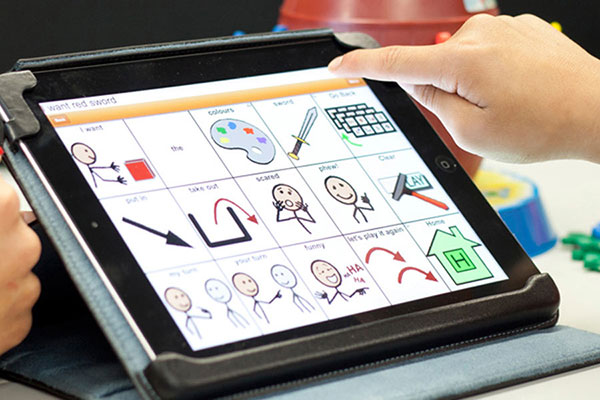
Children with severe speech and language difficulties may need assistive equipment and devices to communicate with others.
Communication devices such as mood boards and voice output communication aids help children share essential information with their caregivers. They can also make communication possible in social settings like at school or on the playground.
The sooner children receive treatment for their speech impairments, the greater their chances become for catching up with their peers. If you believe your child is missing speech developmental milestones for their age, discuss it with your primary care provider. Seeking treatment from an early age can help your child avoid other important developmental delays.
Did Medical Malpractice Cause My Child’s Speech Delays?

When children miss important speech developmental milestones, parents may feel like they’re the ones at fault. But the reality is that their speech issues can stem from events that happened before they were even born.
Neurological impairments often lead to problems in early childhood development. Obstetricians, delivery nurses, and midwives can put the baby’s neurological wellbeing at risk when they make avoidable delivery room errors.
Examples of Medical Mistakes That Lead to Speech Delays
Our dedicated birth injury lawyers have witnessed hundreds of cases where a child’s speech delays began with mistakes during birth. Examples of medical malpractice that can cause neurological brain damage and lead to developmental delays include:
- Missing the signs of birth defects or genetic abnormalities during prenatal testing appointments.
- Failing to treat pregnancy complications like preeclampsia or gestational diabetes, which can increase the risk for birth complications.
- Missing or failing to treat a maternal infection that develops into a neonatal infection.
- Failing to notice signs of fetal oxygen deprivation, such as concerning heart rate patterns on the fetal monitor.
- Needlessly delaying an emergency C-section delivery and prolonging a child’s hypoxia or anoxia.
If you believe your child is missing speech developmental milestones because of preventable injuries at birth, our attorneys can help. Our nationally recognized birth injury team will thoroughly investigate the facts and hold responsible medical providers accountable.
What Is the Statute of Limitations in a Birth Injury Case?

A statute of limitations (SOL) is a law that sets a time limit on how long an injured person has to file a lawsuit after an accident. It is essential to understand that statutes of limitations vary based on the case and the state where you file. For instance, the deadline for birth injury claims is typically different from other claims, such as injury to private property.
Generally, the clock starts ticking on the date the injury occurred. However, there are exceptions to this rule. In some cases, the statute of limitations starts when a person discovers or reasonably should have discovered an injury. When dealing with government agencies, SOLs can become even more complex.
For example, special rules may apply if you are pursuing a claim against:
- A federal employee
- Someone employed by a military hospital, Veterans Administration facility, or a federally funded medical entity
In these cases, you may need to file a birth injury claim under the Federal Tort Claims Act (FTCA). In FTCA cases, claimants must go through certain administrative procedures before filing a lawsuit. In some states, you may have less time to give notice if:
- The negligent party was a local or state government hospital
- The doctors and medical providers are employees of a governmental entity
If you file your case outside of the statute of limitations, the court will typically dismiss it. This means you will not be eligible to recover compensation for you or your child’s injuries.
Determining when a statute of limitations begins on your case can be tricky. If you are considering pursuing compensation for a birth injury, contact an attorney as soon as possible.
How Can Our Birth Injury Attorneys Help?
Each child grows at their own pace, but missing important developmental milestones can signal a larger underlying issue. If your baby is showing signs of significant speech impairments or delays, it’s worth further investigating the root cause.
Our national birth injury lawyers can prove when there’s a connection between your baby’s birth injuries and their developmental delays. We will fight on your family’s behalf to hold negligent healthcare providers accountable when they commit documented medical malpractice.
The compensation our clients receive helps them pay for their child’s current and future medical treatment, therapy, and assistive equipment. These treatments can support your child’s developmental growth and improve their overall quality of life.
Our Process
Our team of specialized birth injury attorneys, nurses and paraprofessionals is here to help your family seek justice and compensation. We use our detailed medical case review process to assess claims and hold negligent parties responsible.
We start by learning more about your pregnancy by gathering records to determine what happened during and after your delivery. We will determine whether healthcare professionals properly responded to your labor and delivery complications like prolonged labor or birth asphyxia.
We will consult with our network of medical experts who review your records and provide their professional opinion. If we feel medical negligence caused your baby’s speech impairments, then we will meet with you to discuss further. If you decide to hire us, we will waste no time filing your claim and building the case.
At no point in our legal intake process will we ask you to pay anything. The medical review of your case and the consultation are free. We will only charge a pre-agreed percentage outlined in the client-attorney retainer contract. We will never charge families unless we recover compensation for their child.
The sooner you reach out, the sooner we can investigate your case and gather evidence to support your claim. You can contact us today to schedule your free consultation by calling our toll-free line at (888) 987-0005. We are also reachable through filling out our online request form below.
National Birth Injury Law
Our National Birth Injury Attorneys, nurses, and support staff understand that parents of children with birth injuries feel overwhelmed. So, every client has the attention and support of a team of trained, compassionate professionals. But we don’t just offer compassion.
We offer a process to help you discover whether your child’s birth injury, HIE, cerebral palsy or brain injury at birth was caused by medical malpractice.
Call our offices today at (888) 987-0005 for experienced assistance in a free consultation.
Quick Links
Testimonials
- Lyric C. I feel like our voice was heard in a sense of what can possibly go wrong in a delivery and finding us answers. I feel with our settlement, we are now in a comfortable position to provide for our son.
- Lyssa L. They are not just people that say “hey let's get you money and let's go” The law firm was very thorough with us. It was awesome. I don't want to cry, because I think about and it's amazing that they were able to help me and that we were able to help my son and get the story out there.
- Jay C. Throughout the process, one thing was clear to us, the ultimate interest of our child was the utmost concern of Max and his team and as parents navigating a situation like that, that was refreshing to know we had them firmly on our side. I highly recommend them.
Popular Cities
- ★ Dallas Birth Injury
- ★ Houston Birth Injury
- ★ Atlanta Birth Injury
- ★ Chicago Birth Injury
- ★ Philadelphia Birth Injury
Locations
★ Dallas
11551 Forest Central Drive, Ste. 300
Dallas, TX 75243
★ Houston
12929 Gulf Freeway, Ste. 111
Houston, TX 77034