Military Medical Malpractice
Military Medical Malpractice Claims
Military Medical Malpractice, the FTCA, and Birth Injuries
Military service members’ duties often put them in danger of serious, life-threatening injuries. America’s service members and Veterans deserve the peace of knowing that they can seek care without fear. The care they or their family receive at military hospitals, Veterans Administration (VA) facilities, and fully federally-funded clinics should not put them at more risk of injury.
Sadly, military personnel and their children are often injured by military medical malpractice and medical negligence. Laws regarding suing the federal government leave them facing an uphill battle to be compensated for their injuries.

Pursuing medical malpractice claims against military or federally-funded clinics involves understanding and complying with complex laws, rules, and regulations. It all starts with the Federal Tort Claims Act (FTCA). If your baby is harmed during or shortly after birth in a military hospital or due to the care of doctors from a fully federally-funded clinic, you must follow the Federal Tort Claims Act. Otherwise, the case may be dismissed.
The FTCA and Medical Malpractice
Before the FTCA passed in 1946, the federal government escaped litigation through doctrine called sovereign immunity. This doctrine meant that people could not sue the federal government without its consent. And the federal government has jurisdiction over VA hospitals, military medical facilities, and federally-funded clinics. Suing doctors, nurses, and other medical providers or the institutions that employ them is suing the federal government.
Sovereign immunity, or crown immunity, is a legal doctrine whereby a sovereign or state cannot commit a legal wrong and is immune from civil suit or criminal prosecution, strictly speaking in modern texts in its own courts.
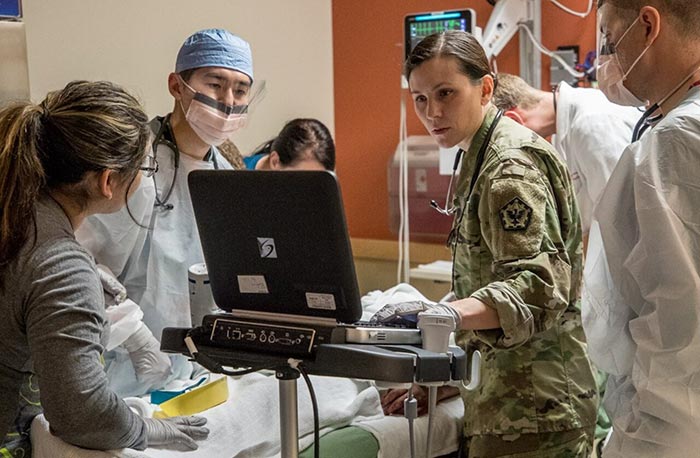
The FTCA gave at least some people the option to sue for injuries (torts). This opened the door for many victims injured at medical facilities – including children who suffered that have suffered a birth injury or birth trauma.
But there are limitations.
The Feres Doctrine and the National Defense Authorization Act (NDAA)
The United States Supreme Court decision in Feres v. United States is called the Feres Doctrine. Under this doctrine, active-duty members of the armed forces cannot sue the federal government under the FTCA no matter how badly they were harmed by the government’s negligence. For them, injuries caused by military medical malpractice occurred “in the line of duty”. Although recent reforms provided military victims of medical malpractice with the right to file an “administrative” remedy, they still do not enjoy the same right to pursue a lawsuit as members of the public do. The Feres Doctrine is still the law today for American service members, but NOT for their family members.

Under the FTCA, the following people can sue for military medical malpractice:
- Non-active military service members or their representatives and
- The service member’s dependents or spouses
Who can be sued under the FTCA according to the Feres Doctrine?

Military personnel’s spouses and children (including children suffering a birth injury) can file FTCA claims against most federal employees. These claims might end in litigation. Federal employees must have been engaged in duties within the scope of their jobs to be held accountable for medical negligence or malpractice.
However, some military medical facilities employ contractors (rather than employees) whom the FTCA does not cover. Instead, these contractors are liable for medical malpractice under regular state malpractice laws. Also, the FTCA contains a “foreign country” exemption that even extends to United States military bases located overseas. So if the birth injury or birth trauma to a baby before, during or shortly after birth occurs at a military hospital overseas, the malpractice claims may be pursued in the United States under the FTCA.

The National Defense Authorization Act for Fiscal Year 2020 (NDAA) provides a limited exception to the Feres Doctrine. Military personnel or their representatives can file claims for personal injury or death caused by certain military healthcare providers. But, as with the Feres Doctrine, there are limitations.
For example, the NDAA sets up an administrative procedure, not a method for filing lawsuits. Military medical malpractice claims made under the NDAA are handled as administrative matters with internal investigations and determinations. Injured military personnel must present their claim within two years of the event that caused the injury. The Department of Defense pays approved claims up to $100,000. Claims valued at more than $100,000 are reviewed by the Treasury Department before being paid.
Although you can be compensated if your claim is successful, your claim is not a lawsuit handled in a court of law. If the government disagrees with or denies your claim, it is not clear what, if anything, you can do about it.
The NDAA administrative procedure only applies to active military personnel and does not limit or affect the ability of spouses or children of military personnel from pursuing full compensation for birth injury malpractice or other medical malpractice claims/lawsuits.
Making a Birth Injury Claim Under the FTCA
Standard Form 95: Claim for Damage, Injury, or Death
Anyone eligible under the FTCA must file their military medical malpractice claim within two years of the date of injury. This includes the parents of children who suffer birth injuries. The deadline is called the statute of limitations or SOL.
The claim begins when the injured party completes and submits a Standard Form 95. The claimant must list the maximum value of their claim on this form. Getting this amount right is absolutely crucial because that is the maximum compensation they can receive, even if later medical treatment is needed or more serious disability is discovered.
Arriving at the maximum compensation is challenging, especially for parents who are submitting birth injury claims.
If a child suffers hypoxic-ischemic encephalopathy (HIE), a severe form of brain damage, future medical costs could be enormous. Consequences of birth injuries include cerebral palsy, seizure disorders, cognitive disabilities, and developmental delays. Their child may need costly surgeries, medications, therapies, caregivers, and special equipment for the rest of their lives.
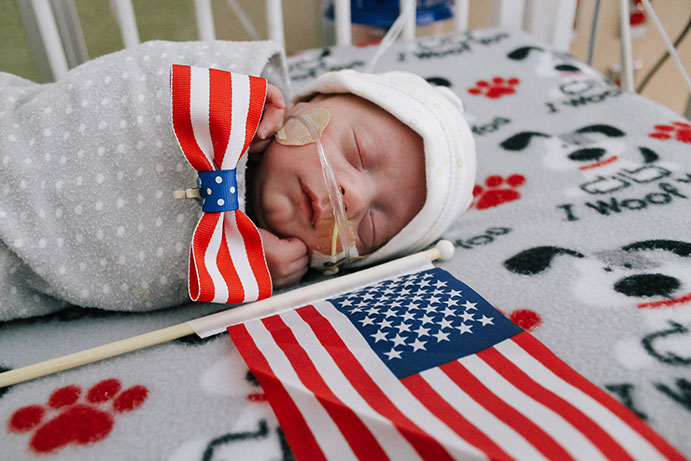
The Standard Form 95 is submitted to the medical facility where the injury occurred. The facility should investigate the claim. They can either:
- decide to pay the claim in full,
- settle the claim for less than the maximum requested amount,
- reject the claim entirely, or
- simply fail to respond within six months of the date the claim was submitted
If federal government denies/rejects the claim or fails to respond, the claimant can file a federal lawsuit alleging military medical malpractice. However, this lawsuit must be filed within six months of the rejection/denial of the claim.

Missing any statute of limitations deadlines or not requesting an adequate amount of compensation can be devastating. Due to the complexity of military medical malpractice claims filed under the FTCA, we strongly encourage you to talk to an experienced FTCA birth injury lawyer.
Did Military Medical Malpractice Cause Your Child’s Birth Injury?
The parents of children who suffered birth injuries often want answers. They want to know what happened to harm their child’s brain. Were there signs of fetal distress that the doctors and nurses failed to recognize and/or failed to respond to in a timely manner?
Our dedicated birth injury lawyers want to help you find those answers.
We diligently investigate the facts, including a detailed examination of the fetal heart rate monitoring strips and labor and delivery records. If this review shows the medical providers did not diagnose or respond to fetal distress, we hold responsible parties accountable by pursuing medical malpractice claims against them. The compensation our clients receive helps them pay for their child’s current and future medical treatment, assistive technology and equipment, attendant care, and the other expenses associated with caring for a child with brain injuries, seizure disorders, and cerebral palsy.
Sometimes families are afraid to talk to lawyers about their child’s case because they worry there is a fee. There is never a fee unless and until we make money recovery for our clients.
Why Should You Talk with the Knowledgeable Attorneys at Miller Weisbrod Olesky?
The only way to find out if you have a birth injury case is to talk to an attorney who understands birth injury.
At Miller Weisbrod Olesky, a team of committed professionals uses our detailed case review process to assess your potential claim. They start by learning more about you and your child. Then we gather medical records to determine what happened before, during, and after your delivery. We call in skilled medical experts who review your records and let us know if they think medical errors could have caused your child’s injuries.
If we feel medical malpractice was present, we meet with you to discuss how you can receive compensation from the medical professionals who made the errors.
At no point in our legal intake process will we ask you to pay anything. The medical review of your case and the consultation are free. We only receive payment when you do.
Contact Miller Weisbrod Olesky
National Birth Injury Law
Our National Birth Injury Attorneys, nurses, and support staff understand that parents of children with birth injuries feel overwhelmed. So, every client has the attention and support of a team of trained, compassionate professionals. But we don’t just offer compassion.
We offer a process to help you discover whether your child’s birth injury, HIE, cerebral palsy or brain injury at birth was caused by medical malpractice.
Call our offices today at (888) 987-0005 for experienced assistance in a free consultation.
Quick Links
Testimonials
- Lyric C. I feel like our voice was heard in a sense of what can possibly go wrong in a delivery and finding us answers. I feel with our settlement, we are now in a comfortable position to provide for our son.
- Lyssa L. They are not just people that say “hey let's get you money and let's go” The law firm was very thorough with us. It was awesome. I don't want to cry, because I think about and it's amazing that they were able to help me and that we were able to help my son and get the story out there.
- Jay C. Throughout the process, one thing was clear to us, the ultimate interest of our child was the utmost concern of Max and his team and as parents navigating a situation like that, that was refreshing to know we had them firmly on our side. I highly recommend them.
Popular Cities
- ★ Dallas Birth Injury
- ★ Houston Birth Injury
- ★ Atlanta Birth Injury
- ★ Chicago Birth Injury
- ★ Philadelphia Birth Injury
Locations
★ Dallas
11551 Forest Central Drive, Ste. 300
Dallas, TX 75243
★ Houston
12929 Gulf Freeway, Ste. 111
Houston, TX 77034