Birth Asphyxia
Perinatal Asphyxia During Pregnancy
Humans, like all other living things in the universe, are made up of cells. And even before we are born, our cells depend on oxygen to carry out the necessary functions of human life. In the womb, the unborn child receives oxygenated blood from the mother’s placenta. Traveling through the umbilical cord, the oxygen circulates through the fetus’s body and helps their cells grow and divide to build tissues, bones, and all vital organ structures.
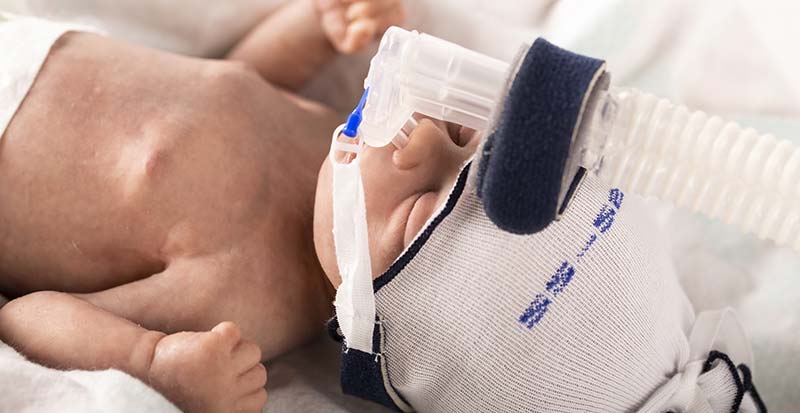
But when a blockage stops oxygenated blood from flowing to the brain, those cells begin to die. When this oxygen deprivation is missed or unnecessarily prolonged, even for just a minute or two, the unborn child becomes dangerously at risk for irreversible brain damage at birth.
Free Legal Consultation
Birth Complication Lawyers
(888) 987-0005Our Birth Injury Lawyers are available to meet you in your home or the hospital.
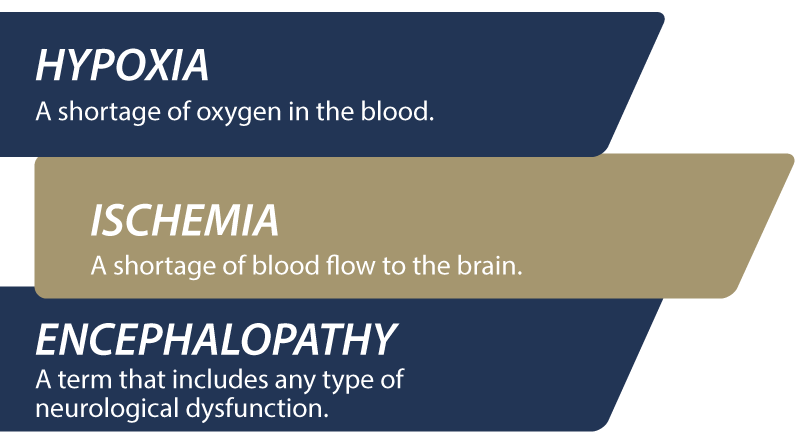
Birth asphyxia is among the most severe birth complications because of the irreparable harm it can cause to the brain. The most common type of brain injury that newborns suffer in the United States is called hypoxic-ischemic encephalopathy, or HIE.
Hypoxic indicates a lack of oxygen (hypoxia), where ischemic refers to a lack of blood flow (ischemia).
Encephalopathy is a medical term referring to dysfunction of the brain. HIE is a serious birth injury stemming from oxygen deprivation at birth, and it can cause issues with cognitive functioning, delayed developmental milestones, seizures and epilepsy, vision impairments, and the loss of control over motor function. HIE is the leading cause of cerebral palsy.
HIE, along with other injuries caused by birth asphyxia, are preventable in many cases with proper emergency medical care. When OB-GYNs, nurses, or any other medical professionals make critical errors like missing the signs of fetal distress or delaying an emergency C-section, they may be held liable for the child’s injuries with a medical malpractice claim.
Over the past three decades, the nationally recognized team of birth injury lawyers, registered nurses, and nurse-attorneys at Miller Weisbrod Olesky have established a proven track record of delivering justice for children and families across the United States who have suffered from all types of birth injuries.
We are prepared to meticulously investigate the circumstances of your case, gather crucial medical records, consult with top medical experts, and fight tirelessly to secure the compensation you deserve for your child's injury.
Our firm represents families and their children throughout the United States. You can contact us today to schedule your free legal consultation by calling our toll-free line at (888) 987-0005 or by filling out our online request form.
We work on a contingency fee basis, meaning you won't pay any legal fees unless we win your case. We only receive payment once you do.

Recent Birth Injury Settlement:
Birth Injury settlement against a hospital in which nurses and physicians failed to properly monitor the mother's blood pressure during delivery causing an HIE event resulting in neonatal seizures and cerebral palsy at birth. Our team of experienced birth injury lawyers recovered $13,750,000 for the family to help with future medical expenses and developmental therapy.
What is Birth Asphyxia?
Birth asphyxia (referred to clinically as perinatal asphyxia) is a labor and delivery complication where any type of blockage obstructs oxygen and blood from flowing to the baby’s brain.
This is considered a medical emergency; an adult human brain can only withstand a few minutes without oxygen before shutting down, and that window is even shorter for infants.
Within a very short time frame, birth asphyxia can lead to brain damage, loss of consciousness, or even death for the infant. Healthcare professionals in the delivery room must understand what birth asphyxia is, what it looks like, and how it happens.
What Does Birth Asphyxia Look Like?
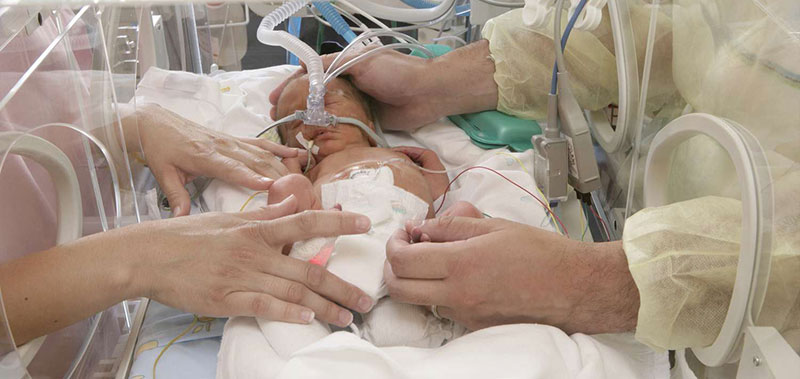
A child may show multiple symptoms of birth asphyxia after delivery: including:
- Pale or bluish skin color
- Weak pulse/heart rate (fetal bradycardia)
- Breathing difficulties, including signs of respiratory distress syndrome that require neonatal resuscitation
- Weak cry or no crying at all
- Low APGAR scores
- Low fetal movement or lethargy
- Fetal acidosis (excess acid in the blood)
- Neonatal seizures
But even before delivery, a baby may be suffering from birth asphyxia while still in the womb. It is critically important that doctors and nurses recognize and respond to the signs of birth asphyxia during labor and delivery.
Fetal heart rate monitoring can reveal low heart rates and decreased fetal movement, which are signs that the baby is in fetal distress. Fetal distress is often caused by oxygen deprivation and can be an indicator of birth asphyxia.
When doctors observe a baby in fetal distress and suspect birth asphyxia, it is a medical emergency that requires an immediate delivery to restore oxygen.
How Does Birth Asphyxia Occur?
A number of different complications can cause birth asphyxia, both during the mother’s pregnancy or later during childbirth.
The primary cause of asphyxia during pregnancy is complications with the placenta or the umbilical cord. The umbilical cord acts as the baby’s “lifeline” during pregnancy; all the blood, oxygen, and nutrients the fetus needs to thrive travel from the mother’s placenta to the baby through the umbilical cord.
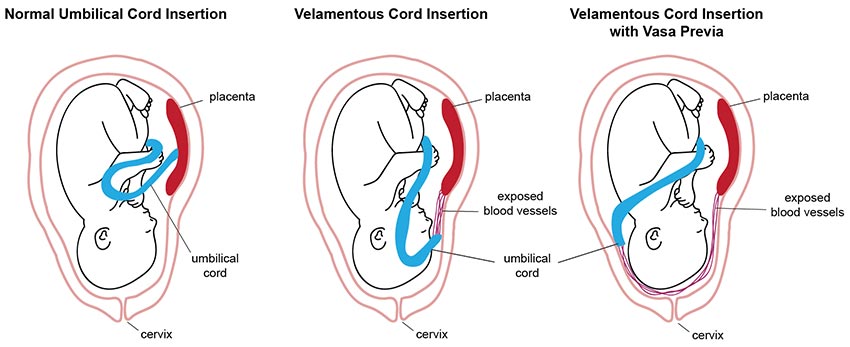
When the baby’s umbilical cord gets compressed or knotted, it can block the flow of those vital nutrients. Additionally, when the placenta prematurely detaches from the uterine wall (a placental abruption), it weakens its ability to provide oxygen and can become a catalyst for asphyxia.
Multiple labor and delivery complications can cause birth asphyxia as well. The most dangerous issues that can cut off the child’s oxygen include:
- Prolonged & Arrested Labor: Prolonged labor can stem from multiple issues, including fetal size abnormalities like macrosomia, an abnormal fetal position, or a mismatch between the baby’s head size and the mother’s pelvis size (cephalopelvic disproportion).
While in labor, a mother’s contractions temporarily restrict the baby’s access to blood and oxygen flow. This process is natural, but a baby can only go so long with diminished oxygenation before they become at risk for birth asphyxia. - Uterine Hyperstimulation: Uterine hyperstimulation occurs when the mother’s uterus contracts more frequently and/or more forcefully than is normal.
Just like in a prolonged labor, the contractions place excessive pressure on the fetus and the umbilical cord, constricting the blood vessels and reducing the flow of oxygen.
When this prolongs labor past the point of safety, the baby is at risk for birth asphyxia. - Shoulder Dystocia: Shoulder dystocia occurs when one or both of the baby’s shoulders become stuck behind the mother’s pubic bone in the pelvis. The head delivers, but the rest of their body remains lodged inside the birth canal.
Shoulder dystocia cuts off circulation to the baby’s head, increasing their risk for birth asphyxia and subsequent brain damage.
When any of these pregnancy complications prolong delivery past the point of safety, the baby will typically begin to show signs of fetal distress like abnormal heart rates and decreased movement.
This is a sign of birth asphyxia, and in these cases medical professionals must be prepared to artificially induce labor using medications like Pitocin and Cytotec or perform an emergency C-section delivery so the infant doesn’t die or become severely injured from the lack of oxygen.
What Other Risk Factors Increase the Chances of Birth Asphyxia?
If an expecting mother or her baby is flagged for any of the following pregnancy complications, her child may be at a heightened risk for birth asphyxia during labor and delivery:
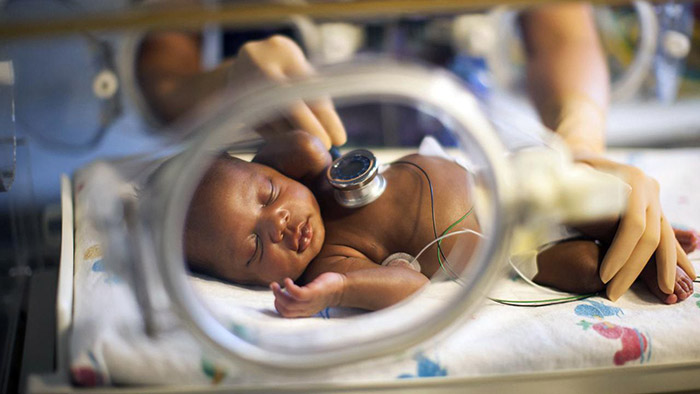
- Preeclampsia and other blood pressure abnormalities
- Placental complications, namely a placental abruption
- Umbilical cord problems, such as knots or compression
- Underdeveloped lungs due to prematurity
- Certain maternal infections during pregnancy like chorioamnionitis
- Oligohydramnios (low amniotic fluid)
- Meconium aspiration syndrome (MAS)
- Placental insufficiency in a post term pregnancy.
Medical professionals must have a plan in the event that any of these pregnancy complications cut off the baby’s oxygen supply. If necessary, they should be prepared to artificially induce labor or perform an emergency C-section delivery when these complications threaten the safety of vaginal birth.
What are the Complications of Birth Asphyxia?
Birth asphyxia can expose the baby to a variety of birth injuries, namely injuries to the brain. Complications can include:
- Hypoxic-Ischemic Encephalopathy (HIE): HIE is one of the most serious birth complications for newborns. It can occur as a complication of birth asphyxia when oxygenated blood is deprived from the baby’s brain for several minutes or more, causing brain cells to die off.
It is a permanent brain injury that can lead to a cerebral palsy diagnosis when the brain damage is shown to impair motor function. - Neonatal Strokes: Prolonged oxygen deprivation leads to a drop in cerebral blood flow. When birth asphyxia restricts blood flow to the baby’s brain, it can result in a perinatal or neonatal stroke. Strokes can range from brief (transient ischemic attacks) to prolonged (ischemic event) with varying symptoms and long-term effects.
- Developmental Delays: As a result of oxygen deprivation to the brain, birth asphyxia can play a part in delaying developmental milestones for the baby later in life.
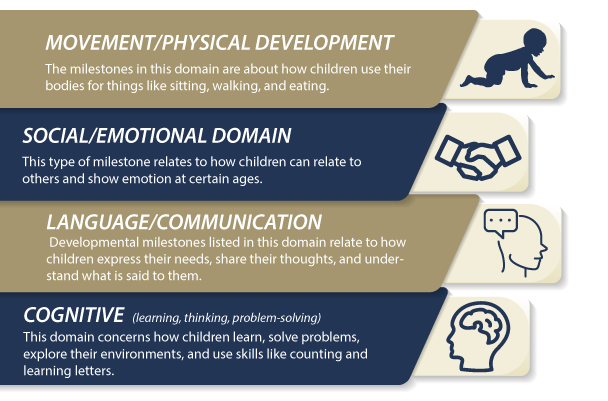
This can include delayed physical milestones (common with cerebral palsy diagnoses), social and emotional milestones, reduced cognitive functioning, and delayed language and communication skills. - Seizures and Epilepsy: Neonatal seizures and seizure disorders such as epilepsy can be onset from cases of oxygen deprivation at birth.
They are the result of abnormal electrical activity in the brain, with HIE being listed as the primary cause for nearly 50% of neonatal seizures in premature and full-term babies.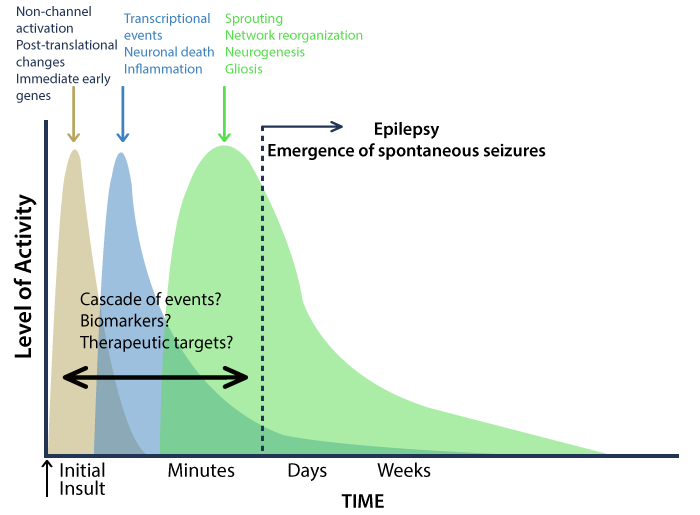
- Vision Impairments: Blindness and other visual impairments are another possible complication of asphyxia-induced brain damage. Normally, the eyes send electrical signals to the brain, and the brain interprets those signals as images.
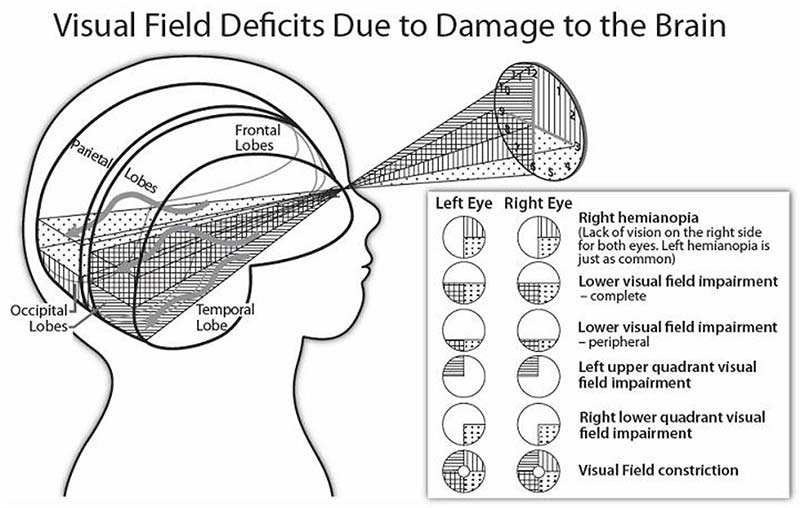
But when the nerve cells in the visual cortex are deprived of oxygen at delivery, it can cause cortical visual impairment (CVI), the most common cause of permanent visual impairment in children. - Additional Organ Damage: All organ systems in the body are interconnected; when birth asphyxia deprives the brain of oxygen, it can cause damage to other vital organs as well.
For the heart, asphyxia can cause lower blood pressure and even be a precursor for cardiac arrest. The lungs will also suffer from lower oxygen levels, leading to breathing difficulties at birth like respiratory distress syndrome (RDS).
Birth asphyxia can also make it more difficult for the liver to produce proteins that assist with blood clotting, which can lead to bleeding and other difficulties with the blood system like anemia and low platelet counts. - Death: The baby can only suffer from birth asphyxia for so long before it becomes fatal.
Can Birth Asphyxia Cause Cerebral Palsy?
Birth asphyxia can indirectly lead to a cerebral palsy diagnosis. Cerebral palsy stems from brain damage, particularly to the cerebral motor cortex. A prolonged cutoff of oxygen can cause neurons in the gray matter of the baby’s brain to shut off and die.
This can lead to diagnoses like hypoxic-ischemic encephalopathy at birth, which can lead to a cerebral palsy diagnosis later in childhood.
How Can Birth Asphyxia be Prevented?
Birth asphyxia can sometimes arise from unforeseen labor and delivery complications and therefore isn’t always “preventable.” However, there are always ways to treat the condition, which will depend on what is inherently causing the oxygen deprivation.
How Can Birth Asphyxia be Treated?

- Repositioning The Mother: When an expecting mother in labor is lying down flat on her back, the pressure of the baby and her uterus rests upon her abdominal aorta, which can compress blood circulation.
This in turn can reduce the blood flow to her placenta and increase the baby’s risk of hypoxia. It is believed that readjusting the mother to her left side can relieve some of this pressure and improve blood circulation. - Lowering Medication Dosages: When a mother is administered medications like Pitocin that induce labor, there is a risk for labor contractions becoming too frequent and forceful (uterine hyperstimulation).
When fetal heart rate decelerations are observed during these strong contractions, healthcare providers must turn down the dosage of these medications to decrease the pressure on the baby, the placenta, and the umbilical cord. - Starting Antibiotic Treatment: When a mother contracts an infection during pregnancy, it can impair oxygen delivery to the baby. This is commonly observed in cases of chorioamnionitis, an infection of the amniotic fluid that can occur from a premature rupturing of membranes (PROM).
When an infection is spotted, healthcare professionals must start antibiotic treatment as quick as possible to avoid further complications and passing the infection to the newborn. - Providing Supplemental Oxygen to the Mother: The baby receives all oxygen and nutrients from the mother’s body, so they will suffer by proxy when she lacks sufficient oxygen. For the wellbeing of both the mother and her child, healthcare providers must intervene in these cases to provide supplemental oxygen.
- Emergency C-Section Delivery: In extreme circumstances, the only way to restore oxygen supplies to the child is through an immediate delivery. The labor and delivery medical team must always be prepared to perform an emergency C-section delivery in these cases.
- Treatment After Birth: A baby who has undergone birth asphyxia during labor carries an extremely high risk for brain damage. However, there are treatments available that can improve the child’s prognosis.
One of the most common is therapeutic hypothermia, or “brain cooling” treatment. This involves using cooling chambers and devices to lower the baby’s internal temperature to around 92.3 degrees Fahrenheit for around 72 hours.
This is believed to reduce swelling and inflammation in the brain caused by HIE and has been proven to slow the progression of brain injuries caused by asphyxia.
For babies who are born with weak and shallow breathing, neonatal resuscitation may be a necessary treatment option. This is a type of respiratory therapy involving a variety of approaches to support babies in respiratory distress, including repositioning the child, doing chest compressions, and providing supplemental oxygen.
Different treatment methods for birth asphyxia will be required depending on the source of the blockage. In the most severe cases, like in cases of umbilical cord complications or placental abruptions, an emergency C-section delivery is needed.
Delaying it past the point of safety can result in brain injuries and be grounds for a medical malpractice lawsuit.
What Medical Errors Can Lead to Birth Asphyxia Injuries?

Multiple mistakes and lapses in action can needlessly worsen a child’s outlook following a birth asphyxia event during labor. Examples of medical negligence can include:
- Failing to respond to non-reassuring fetal heart rates.
- Not reducing the dosage of labor-inducing medications when it causes excessive uterine activity.
- Not prescribing sufficient medications like antibiotics when maternal infections like chorioamnionitis threaten a mother’s or child’s oxygen supply.
- Failing to provide supplemental oxygen to the mother when necessary.
- Using excessive force when using assistive delivery instruments like forceps and vacuum extractors.
- Delaying an emergency C-section delivery past the point of safety.
It’s important to note that it requires a detailed review of the specific facts and timeline of a mother’s birth and the action taken shortly after before making a definitive judgement as to whether medical malpractice played a factor in the child’s brain injury.
Did Birth Asphyxia Cause My Child's Birth Injury?
Birth asphyxia can cause permanent brain damage and other birth complications for neonates. When OB-GYNs and other healthcare professionals make preventable errors, such as missing the signs of fetal distress or delaying an emergency C-section, the risk of a birth injury like HIE dramatically increases.
If a family believes medical negligence caused or prolonged their child’s birth asphyxia, legal support may be an option. A knowledgeable birth injury attorney can review the medical records and circumstances to assess whether a claim exists.
Parents whose children suffer from the long term effects of birth asphyxia injuries like hypoxic-ischemic encephalopathy and cerebral palsy deserve to know whether it could have been prevented. Our dedicated birth injury lawyers want to help you find those answers and obtain the funds necessary to improve your child’s quality of life.
If your child has been diagnosed with an injury that traces back to asphyxia at birth, and you believe that it was caused in part by medical errors, our firm will thoroughly investigate the facts and hold the responsible medical providers accountable by pursuing medical malpractice claims against them.
Sometimes families are hesitant to reach out to a birth injury malpractice attorney or law firm. They may feel overwhelmed by their circumstances or are worried that a law firm will not be able to help them.
But the only way to find out if you have a case is to talk to an attorney who understands how birth injuries can lead to developmental delays and other complications that require long-lasting medical support and treatment.
What is the Statute of Limitations in a Birth Injury Lawsuit?

A statute of limitations (SOL) is a law that sets a time limit on how long an injured person has to file a lawsuit after an accident. It is essential to understand that statutes of limitations vary based on the type of case and the state where it is filed.
For instance, the deadline for birth injury claims is typically different from other claims, such as injury to personal property, fraud, contract disputes, and collection of debts.
Generally, the clock starts ticking on the date the injury occurred. However, there are exceptions to this rule, and in some cases, the statute of limitations starts when a person discovers or reasonably should have discovered an injury. When dealing with government agencies, SOLs can become even more complex.
For example, if the party that injured you was:
- A federal employee
- Employed by a military hospital, Veterans Administration facility, or a federally funded medical entity
You may need to file a birth injury claim under the Federal Tort Claims Act (FTCA). In FTCA cases, claimants must go through certain administrative procedures before filing a lawsuit.
In some states, if the negligent party was a local or state government hospital or the doctors and medical providers are employees of a governmental entity, the time period in which you must give "notice" may be shorter.
If your case is filed outside of the statute of limitations, it will typically be dismissed, and you will not be eligible to recover compensation for your injuries. Determining when a statute of limitations begins on your case can be tricky. If you're considering pursuing compensation for a birth injury, contacting an attorney as soon as possible is in your best interest.
How Can the Birth Injury Attorneys at Miller Weisbrod Olesky Help?

A child’s birth asphyxia is a very serious type of birth injury, but proper medical care can lessen its severity and sometimes prevent it altogether. However, it takes a detailed expert review of the facts and circumstances of your pregnancy and your child's birth to determine whether the injury was the result of medical malpractice.
Our Process
At Miller Weisbrod Olesky, a team of specialized birth injury attorneys, nurses and paraprofessionals uses our detailed medical negligence case review process to assess your potential birth injury case.
We start by learning more about you and your child and the status of meeting/missing developmental milestones. Then we gather medical records to determine what happened before, during, and after your delivery. We call in skilled medical experts who review your records and let us know if they think medical errors could have caused you or your child's injuries.
If we feel medical negligence caused or contributed to the child’s asphyxia-induced brain injury, we meet with you to discuss how you can receive compensation from the medical professionals who made the errors.
At no point in our legal intake process will we ask you to pay anything. The medical review of your case and the consultation are free. We only receive payment when you do. The sooner you reach out to us, the sooner we can begin investigating your case and gathering the evidence needed to support your claim.
We work on a contingency fee basis, meaning you won't pay any legal fees unless we win your case. Contact us today to schedule your free legal consultation by calling our toll-free line at (888) 987-0005 or by filling out our online request form.
National Birth Injury Law
Our National Birth Injury Attorneys, nurses, and support staff understand that parents of children with birth injuries feel overwhelmed. So, every client has the attention and support of a team of trained, compassionate professionals. But we don’t just offer compassion.
We offer a process to help you discover whether your child’s birth injury, HIE, cerebral palsy or brain injury at birth was caused by medical malpractice.
Call our offices today at (888) 987-0005 for experienced assistance in a free consultation.
Quick Links
Testimonials
- Lyric C. I feel like our voice was heard in a sense of what can possibly go wrong in a delivery and finding us answers. I feel with our settlement, we are now in a comfortable position to provide for our son.
- Lyssa L. They are not just people that say “hey let's get you money and let's go” The law firm was very thorough with us. It was awesome. I don't want to cry, because I think about and it's amazing that they were able to help me and that we were able to help my son and get the story out there.
- Jay C. Throughout the process, one thing was clear to us, the ultimate interest of our child was the utmost concern of Max and his team and as parents navigating a situation like that, that was refreshing to know we had them firmly on our side. I highly recommend them.
Popular Cities
- ★ Dallas Birth Injury
- ★ Houston Birth Injury
- ★ Atlanta Birth Injury
- ★ Chicago Birth Injury
- ★ Philadelphia Birth Injury
Locations
★ Dallas
11551 Forest Central Drive, Ste. 300
Dallas, TX 75243
★ Houston
12929 Gulf Freeway, Ste. 111
Houston, TX 77034