Dyskinetic Cerebral Palsy
Dyskinetic Cerebral Palsy
A child’s birth should be a joyous occasion. Unfortunately, medical negligencecan quickly turn the happiest day of a parent’s life into a nightmare. Permanent and preventable birth injuries like dyskinetic cerebral palsy can tragically alter a baby’s life before it even begins.

Children with dyskinetic cerebral palsy face a range of challenges, including developmental delays, involuntary movements, and problems with motor control. These challenges often require life-long treatment and therapies, which can place a heavy emotional and financial burden upon families.
All types of cerebral palsy typically stem from brain damage at birth or during early childhood. When medical professionals make negligent errors during labor and delivery, they increase the child’s risk for a permanent brain injury.
If you believe that better medical care could have prevented your child's dyskinetic cerebral palsy, it’s worth contacting an attorney. Our top rated cerebral palsy lawyers can help definitively answer whether your baby was a victim of medical malpractice.
Cerebral Palsy Malpractice Lawyers
Our top rated cerebral palsy attorneys specialize in identifying how medical mistakes during delivery can cause permanent brain injuries. If your baby suffered from birth injuries that led to a cerebral palsy diagnosis, don’t hesitate to contact our firm. We can answer difficult legal and medical questions and investigate the facts on your behalf.
Free Legal Consultation
Cerebral Palsy Lawyers
(888) 987-0005Our Cerebral Palsy Lawyers are available to meet you in your home or the hospital.
Our vast network of medical experts and in-house nursing staff and nurse-attorneys gives us the edge over our competition. When we take your case, we assign you with not just an attorney but an entire medical team. This team includes attorneys, experienced nursing advocates, and seasoned medical experts.
Your team is available to assist with any day-to-day treatment you or your child may need. This includes assistance with obtaining medical records, scheduling doctors’ appointments, providing transportation, and any other problems that may arise.
We offer all of this on a contingency fee basis. This means you will not pay any fees until after we win your case and secure a settlement. Our unmatched track record of birth injury results sets us apart from other birth injury law firms.
Recent Birth Injury Settlement:
Cerebral Palsy Birth Injury settlement against a hospital in which nurses and physicians failed to detect a uterine rupture during delivery causing an HIE event which caused cerebral palsy. Our dedicated cerebral palsy birth injury lawyers recovered $9,200,000 for the family to help with future medical expenses and developmental therapy.

What is Dyskinetic Cerebral Palsy?
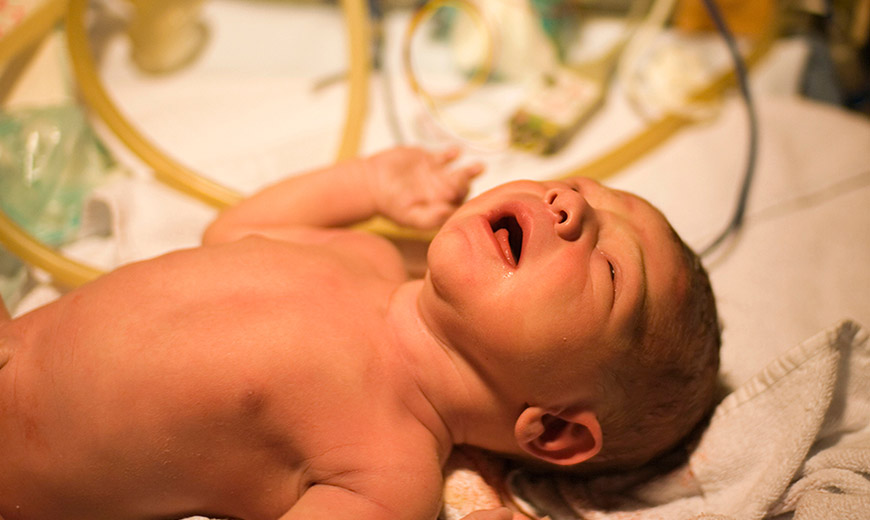
Dyskinetic cerebral palsy is the second most common form of cerebral palsy in children. It stems from brain injuries to the cerebellum or basal ganglia.
The basal ganglia part of the brain controls the signals for movement that travel to and from the spinal cord. The primary function of the cerebellum is controlling motor function and muscle tone. Injury to these two critical parts of the brain can cause a variety of movement disorders.
What Does Dyskinetic Cerebral Palsy Look Like?

Dyskinetic cerebral palsy manifests in a number of involuntary movement disorders. The three main types of movement disorders associated with the condition include:
Athetoid Cerebral Palsy
This type of movement disorder causes slow curling movements and twitching.
A child with Athetoid Cerebral Palsy may experience slow, involuntary twisting or writing in their hands, arms, feet, legs, and neck. Additional symptoms may include overly stiff or floppy muscles, facial muscle issues, and problems with eating, drinking, or talking.
Dystonia
The primary characteristic of this subtype of dyskinetic cerebral palsy is involuntary muscle contractions. Although these contractions can occur throughout the body, they most commonly occur in the hands and feet.
When the affected individual attempts a controlled movement, the muscle contractions cause slow and repetitive twisting and writhing. Some other signs of cervical dystonia include issues with posture and spurts of erratic and jerky movements. Symptoms may worsen when the child becomes upset, stressed, or emotional.
Chorea
Chorea refers to jerky, quick, and unpredictable movements that can appear almost rhythmic. In its mild form, a child might just appear as fidgety or clumsy. Children with more severe chorea can display wild and violent movements. Chorea can also impair a child’s speech and swallowing, which can sometimes require them to use feeding equipment like G-tubes.
Symptoms of Dyskinetic Cerebral Palsy can make it difficult for a child to walk, work with their hands, or sit still. Over a few hours or days, their muscle tone can fluctuate drastically and unpredictably between rigid and floppy.
What Causes Dyskinetic Cerebral Palsy?
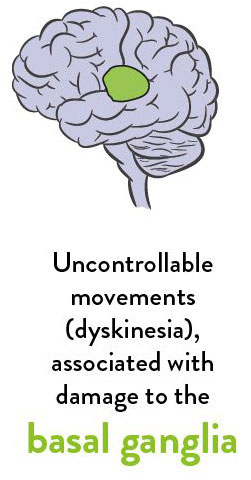
Damage to the basal ganglia or cerebellum can impair the brain's ability to send and receive messages from the muscles.
The result is an inability to coordinate and control movements. The signals become sporadic and cause irregular motor neuron firings, resulting in unplanned muscle contractions and movements.
Damage to the basal ganglia typically occurs primarily due to oxygen deprivation before birth. Just like adults, unborn babies’ brains depend on oxygenated blood flow to develop and function properly. Even just a few moments without oxygen can cause dangerously low levels in the tissues (hypoxia).
There are several reasons why a child may suffer from oxygen deprivation during labor and delivery. Some common medical mistakes that can lead to it include:
Failing to Respond to Fetal Distress

During labor, doctors use fetal heart rate monitoring equipment to measure the baby’s heart rate against the mother’s contractions. A low heart rate (fetal bradycardia) or rapid decelerations after contractions can indicate the baby isn’t getting enough oxygen.
Doctors, nurses, and all other present medical professionals must always keep a close eye on the fetal heart rate monitor. Failing to respond in time to a non-reassuring heart rate can increase the baby’s risk for brain damage at birth.
Delaying an Emergency C-section
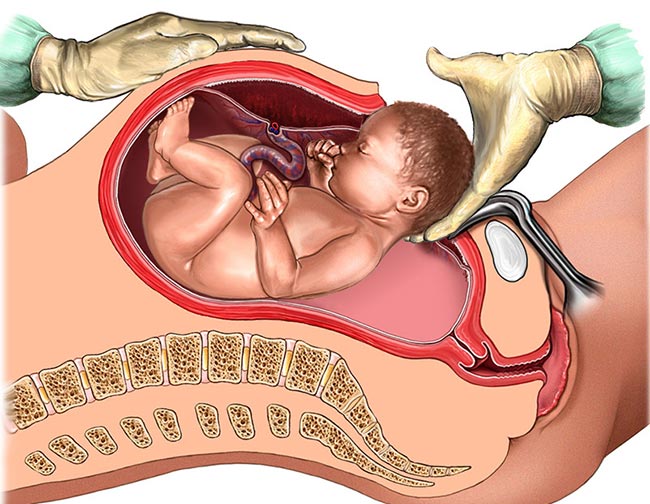
When fetal heart rates are especially concerning (known as a Category III heart rate), doctors must immediately deliver the baby. An emergency Cesarean section delivery is sometimes the quickest method for restoring the baby’s oxygen.
Medical professionals must not wait any longer than 30 minutes once they’ve decided to perform a C-section. When they needlessly delay this procedure, it increases the duration the baby goes without oxygen. This increases their risk for basal ganglia brain injuries that can lead to dyskinetic cerebral palsy later in childhood.
Overprescribing Labor-Inducing Medications

Doctors may prescribe labor-inducing medications like Pitocin and Cytotec when a mother has weak contractions or an arrested labor. These medications can effectively induce labor contractions, but too high of a dosage can be dangerous.
Overprescription of these medications can cause labor contractions that are too frequent (tachysystole) and too forceful (hyperstimulation). These overly intense contractions can restrict oxygenated blood flow past the point of safety. When they persist for too long, a baby may suffer from hypoxia and sustain a brain injury as a result.
Undiagnosed Maternal Infections

Maternal infections like Group B Strep or E. Coli can sometimes transfer to the baby during pregnancy via the placenta. A fetal or neonatal infection can pose a serious risk to the baby’s fragile immune system.
Infections like meningitis that affect the brain and the spinal cord can be especially dangerous. When doctors fail to diagnose or treat these infections, it can cause permanent brain damage at birth. Depending on the severity, it can even progress into sepsis and affect the entire body. This can increase the infant’s risk for death.
Missing an Umbilical Cord Complication

During pregnancy, oxygenated blood travels from the placenta to the baby through the umbilical cord. Any umbilical cord complication like a nuchal cord or cord compression can prevent oxygen from flowing as efficiently as possible.
When medical professionals fail to notice a problem with the umbilical cord, the baby may suffer from oxygen deprivation. This can ultimately lead to hypoxia, fetal distress, and potential brain damage if doctors don’t correct it in time.
Missing a Placental Complication
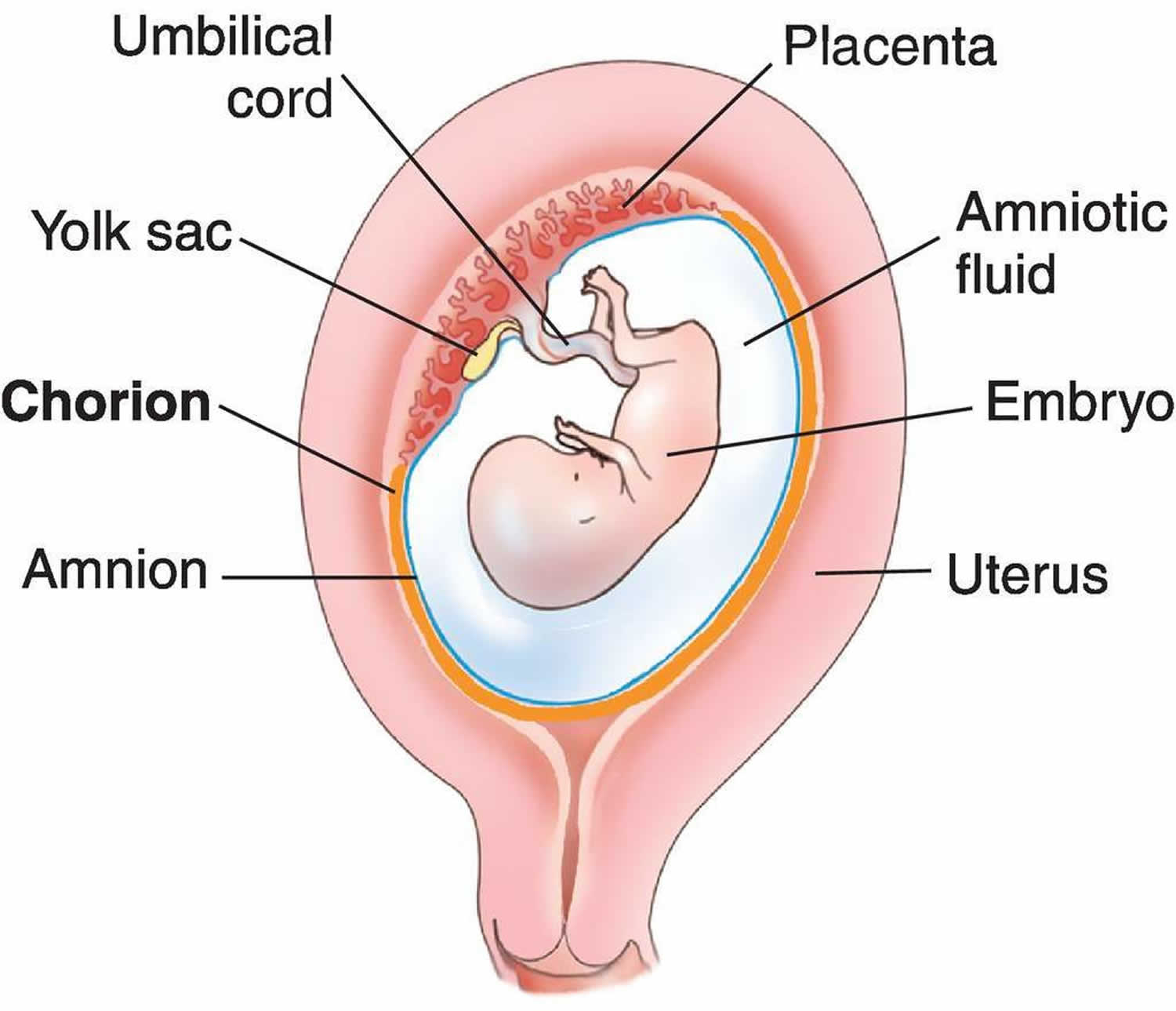
Similar to the umbilical cord, the mother’s placenta plays a critical role in fetal gas exchange. Any disruption to its functioning such as a placental abruption or placental insufficiency can threaten the baby’s oxygen supply.
When doctors miss these complications during labor and delivery, they put the baby at risk for injury. Birth asphyxia from a placental complication can lead to permanent brain injuries that serve as the catalyst for cerebral palsy.
Misusing Delivery Instruments
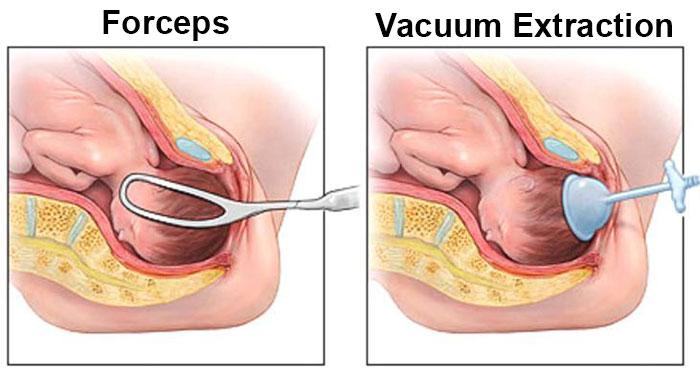
Doctors will sometimes use delivery instruments when a baby has difficulty exiting through the mother’s birth canal. Tools like forceps and vacuum extractors can successfully dislodge the baby, but they also come with considerable risks.
When doctors use excessive force with these instruments, they risk inflicting a birth-related head injury. These can include intracranial hemorrhages, cephalohematomas, skull fractures, or even brachial plexus injuries. Neonatal head injuries are a serious risk factor for brain damage and a potential cerebral palsy diagnosis later in childhood.
Determining the exact cause of dyskinetic cerebral palsy can be difficult at times. Our dedicated cerebral palsy attorneys will work with you to gain a better understanding of your child's condition. If we discover that medical negligence was to blame, we can help your family pursue a medical malpractice lawsuit. Parents of children with cerebral palsy deserve answers regarding the true origin of this serious medical condition affecting their child.
What Are The Signs of Dyskinetic Cerebral Palsy?
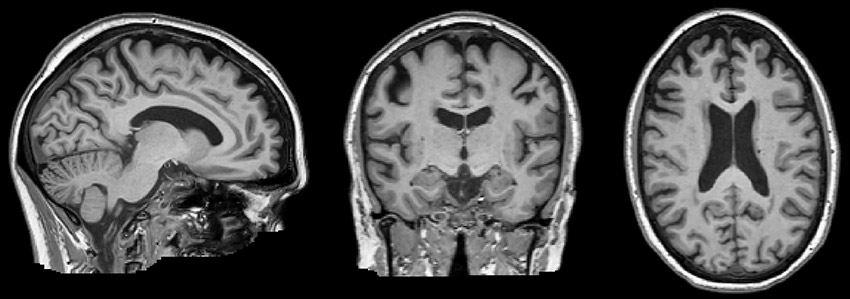
The distinguishing factor of dyskinetic cerebral palsy is damage to the basal ganglia. Doctors can confirm this using neuroimaging technology such as magnetic resonance imaging (MRI) scans or a computed tomography (CT) scan.
Before the scan, doctors may spot some physical signs at birth that could lead them to suspect neurological damage. The baby may have low APGAR scores with shallow breathing, low heart rates, floppy muscle tone, and limited reflexes.
Babies with dyskinetic cerebral palsy may have irregular twisting movements in their neck, known as cervical dystonia.

As the child gets older, they may fail to meet certain developmental milestones. Speech impairments like dysarthria can be a common sign of dyskinetic cerebral palsy.
A child may also struggle with gross motor skills like rolling over, sitting upright, or taking their first steps. It’s important for families to consult with their primary healthcare provider during milestone checkups if they suspect any issues.
How to Treat Dyskinetic Cerebral Palsy?
Although there is no cure for dyskinetic cerebral palsy, several treatment options can help manage symptoms and improve functional abilities. A child’s needs often vary widely in each case and depend upon the nature and extent of their brain damage.
In general, there are five main routes of treatment for cerebral palsy. These include:
Physical Therapy
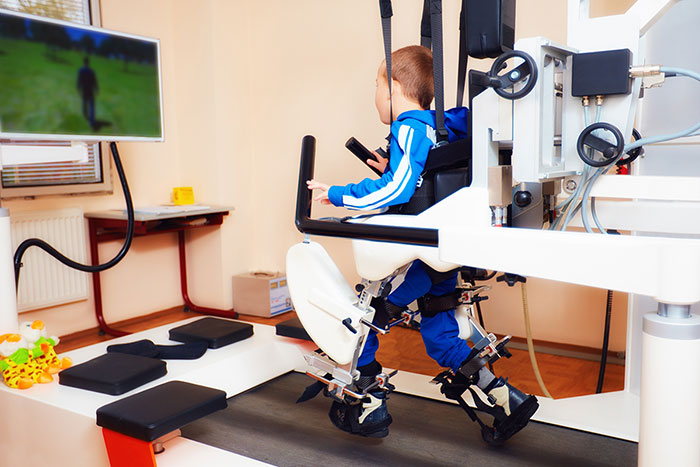
Physical therapy is often the first type of treatment doctors will prescribe to children with dyskinetic cerebral palsy. Exercises typically include flexibility, stretching, and range-of-motion (ROM) activities to improve the mobility of joints and soft tissues. Physical therapy can improve a child's overall gross motor function and lower the risk for any future complications.
Cerebral Palsy Physical Therapy
Occupational Therapy
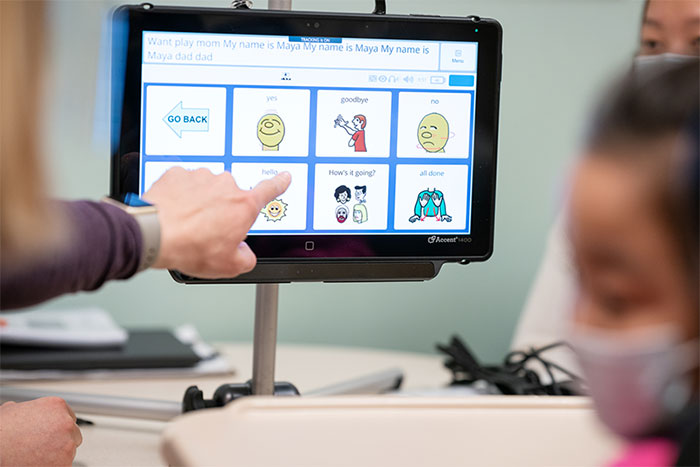
Occupational therapy aims to enhance a child's ability to function independently at home, school, work, and in public environments. Occupational therapists perform exercises to target certain muscles in the wrist, forearm, thumb, and upper body. For children with dyskinetic cerebral palsy, this treatment can help them train to overcome involuntary movements that hinder everyday tasks.
During this treatment, occupational therapists can also assess whether the child needs assistive equipment and devices. This can include adaptive scissors or special writing tools.
Cerebral Palsy Occupational Therapy
Speech Therapy

Children with dyskinetic cerebral palsy may drool and have difficulty swallowing or speaking. The objective of speech therapy is to improve a child’s oral movements by strengthening the muscles they use for speech.
Speech therapists have the child perform exercises incorporating assistive communication devices to help improve their motor and cognitive abilities. This form of therapy provides children with the tools to communicate their thoughts and socialize with others. It can also make chewing, breathing, and swallowing less difficult.
Medications

For a child with spastic cerebral palsy, medications such as Baclofen can help with relaxing muscles and controlling involuntary muscle spasms. Research studies suggest that Baclofen treatment can improve symptoms of athetosis, dystonia, and chorea for children with severe symptoms.
Anticholinergic (neurotransmitter blocking) medications like Trihexyphenidyl can reduce involuntary movements by binding to acetylcholine receptors. Doctors also prescribe the same medication to patients with Parkinson’s disease, which causes adjacent symptoms.
Doctors should always aim to prescribe medications that achieve the most effective results while having the fewest side effects.
Medical Procedures

Surgery and other medical procedures can greatly improve a child’s dyskinetic cerebral palsy symptoms. Newer treatments like Botox injections for cerebral palsy can improve muscle tone and reduce spasms.
It is a common cerebral palsy symptom for muscles around the hips and knees to unevenly pull on the bones. When this happens for prolonged periods, it causes the bones to partially dislocate from the joint (known as subluxations). This causes the child’s legs to twist, which uncomfortably deforms their joints over time.
Osteotomy surgery (bone-cutting procedure) can ease these symptoms. In an osteotomy procedure, the surgeon cuts and reshapes a bone to help it fit better into a joint. Children with cerebral palsy can greatly benefit from osteotomies as their bones are often maligned due to spastic muscles.
Each of these types of medical procedures can relieve children’s symptoms of dyskinetic cerebral palsy. But they can also cause further injuries and complications when medical professionals make negligent errors.
Newest Cerebral Palsy Treatments
What Birthing Mistakes Can Cause Dyskinetic Cerebral Palsy?
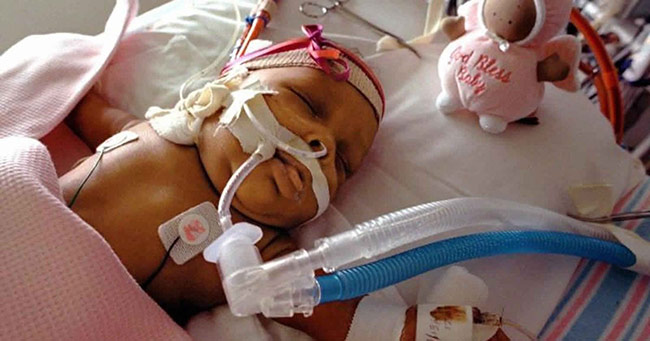
Dyskinetic cerebral palsy often results from the negligent mistakes or medical errors a doctor makes before, during, or after childbirth. Medical professionals should always adhere to the accepted standard of care. When they fail to meet that standard of care, it sometimes results in permanent birth injuries like cerebral palsy.
In some cases, a plaintiff may file birth injury lawsuits against multiple defendants. For instance, hospitals can be liable for dyskinetic cerebral palsy that resulted from medical malpractice.
Hospitals must have practices and policies in place to prevent expecting mothers and their babies from harm whenever possible. They are also responsible for providing a safe, sterile environment and hiring staff with appropriate medical training and licensing. If a staff member does not meet the requirements to practice, the hospital may be legally accountable.
Some examples of medical errors that may cause spastic cerebral palsy include:
- Failing to detect or treat fetal distress, such as lack of oxygen (hypoxia)
- Pulling with excessive force on a child's head, neck, shoulder, or arm
- Failing to treat jaundice at birth
- Improper handling of breech presentation
- Failing to detect or properly treat infections in the mother or child
- Putting off a necessary cesarean section (C-section) or not performing one at all
- Failing to recognize umbilical cord issues such as umbilical cord prolapse
- Improperly using delivery tools such as forceps or a vacuum extractor
- Failing to diagnose illnesses and potential health risks before or after birth
- Missing or ignoring signs of eclampsia or preeclampsia
- Failing to manage complications with the placenta
- Prescribing incorrect dosages of labor-inducing medications
- Failing to intervene during a prolonged or arrested labor
Did Medical Malpractice Cause My Child’s Cerebral Palsy?

Both improper action and also inaction during delivery can result in brain damage that potentially justifies a medical malpractice claim.
If a family believes medical negligence worsened a child’s brain damage at birth, legal support may be an option. A specialized cerebral palsy attorney can review the medical records and circumstances to assess whether a claim exists.
Families who have experienced the effects of brain injuries from negligent medical care deserve to know whether they were avoidable. Our top rated cerebral palsy lawyers will help you find those answers and obtain the necessary funds to secure treatment.
Our nationally recognized cerebral palsy team will thoroughly investigate the facts, holding responsible parties accountable by pursuing medical malpractice claims.
What is the Statute of Limitations in a Birth Injury Lawsuit?

A statute of limitations (SOL) is a law that sets a time limit on how long an injured person has to file a lawsuit after an accident. It is essential to understand that statutes of limitations vary based on the case and the state where you file. For instance, the deadline for birth injury claims is typically different from other claims, such as injury to private property.
Generally, the clock starts ticking on the date the injury occurred. However, there are exceptions to this rule. In some cases, the statute of limitations starts when a person discovers or reasonably should have discovered an injury. When dealing with government agencies, SOLs can become even more complex.
For example, if the party that injured you was:
- A federal employee
- Employed by a military hospital, Veterans Administration facility, or a federally funded medical entity
You may need to file a birth injury claim under the Federal Tort Claims Act (FTCA). In FTCA cases, claimants must go through certain administrative procedures before filing a lawsuit. In some states, you may have less time to give notice if:
- The negligent party was a local or state government hospital
- The doctors and medical providers are employees of a governmental entity
If you file your case outside of the statute of limitations, the court will typically dismiss it. This means you will not be eligible to recover compensation for you or your child’s injuries.
Determining when a statute of limitations begins on your case can be tricky. If you are considering pursuing compensation for a birth injury, contact a cerebral palsy attorney as soon as possible.
How Can Our Cerebral Palsy Attorneys Help?
A detailed expert review of the facts and circumstances of your pregnancy and your child's birth can reveal many things. Namely, it can determine whether a child’s dyskinetic cerebral palsy diagnosis and related complications were the result of medical malpractice.
Our Process
Our team of committed cerebral palsy attorneys, nurses and paraprofessionals works to answer these questions and seek compensation. We use our detailed medical negligence case review process to assess your potential cerebral palsy case.
We start by learning more about your pregnancy by gathering records to determine what happened during and after your delivery. This includes evaluating the fetal heart rate strips during labor and any action medical professionals took in the NICU.
We will call in skilled medical experts who review your records and provide insight into where medical professionals went wrong. If we feel medical negligence caused or worsened your baby’s brain damage, we meet with you to discuss further.
At no point in our legal intake process will we ask you to pay anything. The medical review of your case and the consultation are free. We only receive payment once you do. The sooner you reach out, the sooner we can investigate your case and gather the evidence to support your claim.
We work on a contingency fee basis, meaning you will not pay any legal fees until we win your case. We do not purse any medical malpractice cases unless we fully believe we can win.
Contact us today to schedule your free consultation by calling our toll-free line at (888) 987-0005. You can also reach us by filling out our online request form.
National Birth Injury Law
Our National Birth Injury Attorneys, nurses, and support staff understand that parents of children with birth injuries feel overwhelmed. So, every client has the attention and support of a team of trained, compassionate professionals. But we don’t just offer compassion.
We offer a process to help you discover whether your child’s birth injury, HIE, cerebral palsy or brain injury at birth was caused by medical malpractice.
Call our offices today at (888) 987-0005 for experienced assistance in a free consultation.
Quick Links
Testimonials
- Lyric C. I feel like our voice was heard in a sense of what can possibly go wrong in a delivery and finding us answers. I feel with our settlement, we are now in a comfortable position to provide for our son.
- Lyssa L. They are not just people that say “hey let's get you money and let's go” The law firm was very thorough with us. It was awesome. I don't want to cry, because I think about and it's amazing that they were able to help me and that we were able to help my son and get the story out there.
- Jay C. Throughout the process, one thing was clear to us, the ultimate interest of our child was the utmost concern of Max and his team and as parents navigating a situation like that, that was refreshing to know we had them firmly on our side. I highly recommend them.
Popular Cities
- ★ Dallas Birth Injury
- ★ Houston Birth Injury
- ★ Atlanta Birth Injury
- ★ Chicago Birth Injury
- ★ Philadelphia Birth Injury
Locations
★ Dallas
11551 Forest Central Drive, Ste. 300
Dallas, TX 75243
★ Houston
12929 Gulf Freeway, Ste. 111
Houston, TX 77034