Ataxic Cerebral Palsy
Ataxic Cerebral Palsy (CP)
Researchers estimate that about 1 in 345 children in the U.S. currently live with a cerebral palsy diagnosis. But not all cases of cerebral palsy are the same.

Ataxic cerebral palsy is the rarest type of cerebral palsy, making up only 5-10% of all cases. It stems from damage to the cerebellum region of the brain, impacting a child’s balance and muscle coordination.
Children with ataxic cerebral palsy often face life-long challenges with balance and coordination, speech impairments, slow eye movements, and more. These complications can require a lifetime of birth injury treatments and therapies to manage.
The CDC estimates around 85-90% of cerebral palsy cases occur from factors that were present either before or during birth. Unfortunately, birth injuries that cause cerebral palsy are sometimes the result of a doctor's or nurses’ preventable mistakes.
OB-GYNs, maternal fetal medicine specialists, nurses, midwives, and other healthcare providers have a duty to protect babies from harm. Breaching this duty (the “standard of care”) puts the baby at risk for permanent injuries that cause cerebral palsy symptoms. When medical negligence causes irreversible brain injuries, it constitutes medical malpractice.
Cerebral Palsy Malpractice Attorneys
Our top rated cerebral palsy attorneys specialize in identifying how medical mistakes during delivery can cause permanent brain injuries. If your baby’s preventable birth injuries led to an ataxic cerebral palsy diagnosis, don’t hesitate to contact our firm. We can answer difficult legal and medical questions and investigate the facts on your behalf.
Free Legal Consultation
Birth Injury Lawyers
(888) 987-0005Our Birth Injury Lawyers are available to meet you in your home or the hospital.
Our vast network of medical experts and in-house nursing staff and nurse-attorneys gives us the edge over our competition. When we take your case, we assign you with not just an attorney but an entire medical team. This team includes attorneys, experienced nursing advocates, and seasoned medical experts.
Your team is available to assist with any day-to-day treatment you or your child may need. This includes assistance with obtaining medical records, scheduling doctors’ appointments, providing transportation, and any other problems that may arise.
We offer all of this on a contingency fee basis. This means you will not pay any fees until after we win your case and secure a settlement. Miller Weisbrod Olesky’s unmatched track record of birth injury results sets us apart from other birth injury law firms.

Recent Birth Injury Settlement:
Cerebral Palsy Birth Injury settlement against a hospital in which nurses and physicians failed to detect a uterine rupture during delivery causing an HIE event which caused cerebral palsy. Our dedicated cerebral palsy birth injury lawyers recovered $9,200,000 for the family to help with future medical expenses and developmental therapy.
What is Ataxic Cerebral Palsy?
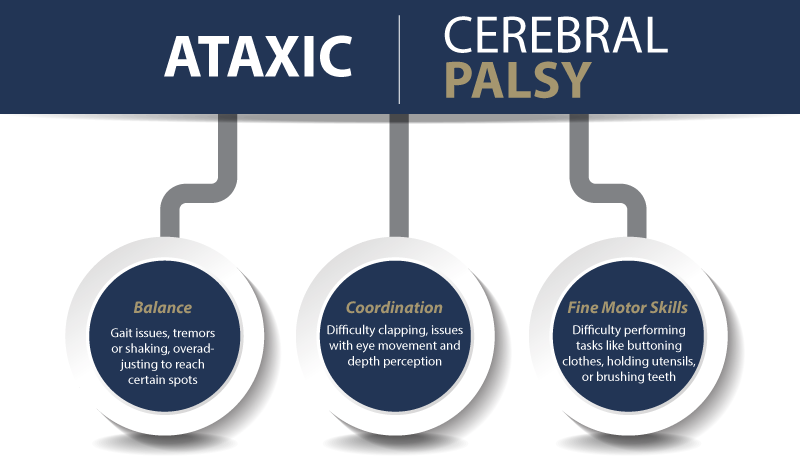
Ataxic cerebral palsy is a rare developmental disorder characterized by problems with balance and coordination. Ataxic comes from the word “ataxia” which simply means a lack of voluntary muscle coordination or order.
Doctors commonly associate this type of cerebral palsy with a lack of muscle tone, known as “hypotonia”.
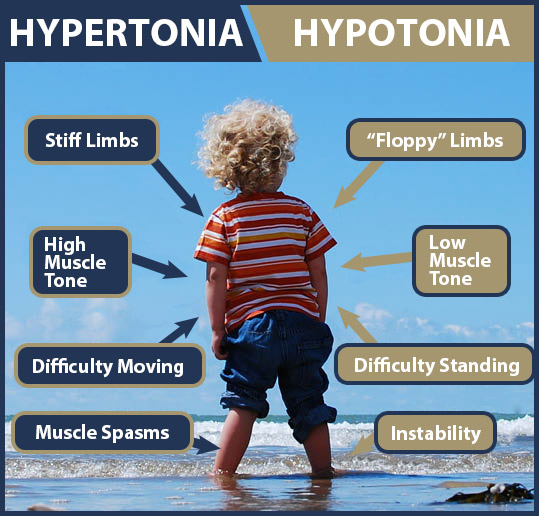
Children with ataxic cerebral palsy usually have trouble maintaining control over their bodily movements. They may also struggle with depth perception (the ability to judge how close or far away something is from them).
A child with ataxia may struggle especially with movements requiring gross motor function like walking, running or jumping. They may walk with a wide stance to keep from falling. They will also likely have difficulty grasping small objects like a pencil to write.
The severity of a child’s ataxic cerebral palsy symptoms will vary considerably with each case. Although the condition completely handicaps some children, others may only experience slightly diminished gross motor function. While ataxic cerebral palsy does not progress or worsen over time, some symptoms may change as the child gets older.
What Causes Ataxic Cerebral Palsy?

Ataxic cerebral palsy stems from a brain injury to a part of the brain called the cerebellum. The cerebellum, known informally as the brains “balance center,” controls coordination and fine-tuned movement commands for the body.
Cerebellum damage occurring before, during, or shortly after birth can make it impossible for a child to control their movements. It will also make it quite difficult to maintain balance in the arms and legs.
A majority of birth injuries leading to ataxic cerebral palsy are preventable. When medical professionals injure the baby during delivery or neglect to treat their birth complications, they may unnecessarily suffer.
Common mistakes include failing to treat an expecting mother's pregnancy complications and missing the signs of fetal distress during labor. These errors increase the risk for neonatal brain injuries like hypoxic ischemic encephalopathy (HIE). HIE is the most common cause of all types of cerebral palsy.
Most Common Causes of Ataxic Cerebral Palsy:
Failing to Respond to Fetal Distress

During labor, doctors use fetal heart rate monitoring equipment to measure the baby’s heart rate against the mother’s contractions. A low heart rate (fetal bradycardia) or rapid decelerations after contractions can indicate the baby isn’t getting enough oxygen.
A baby can only withstand oxygen deprivation for a few minutes before critical regions of the brain start shutting down.
Doctors, nurses, and all other present medical professionals must always keep a close eye on the fetal heart rate monitor. Failing to respond in time to a non-reassuring heart rate can increase the baby’s risk for brain damage at birth.
Delaying an Emergency C-section
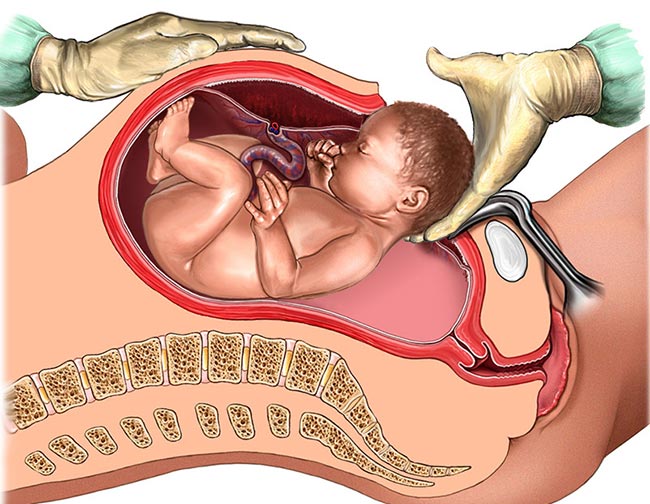
When fetal heart rates are especially concerning (known as a Category III heart rate), doctors must immediately deliver the baby. An emergency Cesarean section (C-section) delivery is sometimes the quickest method for restoring the baby’s oxygen.
Medical professionals must wait no longer than 30 minutes after they’ve decided to perform a C-section. When they needlessly delay this procedure, it increases the duration the baby goes without oxygen. This increases their risk for cerebellum brain injuries that can lead to ataxic cerebral palsy later in childhood.
Misuse of Labor-Inducing Medications

Doctors may use labor-inducing medications when a mother has weak contractions or an arrested labor. These medications can effectively induce labor contractions, but too high of a dosage can be dangerous.
The misuse of these medications can cause labor contractions that are too frequent (tachysystole) and too forceful (hyperstimulation). These overly intense contractions can restrict oxygenated blood flow past the point of safety. When they persist for too long, a baby may suffer from hypoxia and sustain a brain injury as a result.
About Labor-Inducing Medications
Undiagnosed Maternal Infections

Maternal infections like Group B Strep or E. Coli can sometimes transfer to the baby during pregnancy via the placenta. A fetal or neonatal infection can pose a serious risk to the baby’s fragile immune system.
Infections like meningitis that affect the brain and the spinal cord can be especially dangerous. When doctors fail to diagnose or treat these infections, it can cause permanent brain damage at birth.
Depending on the severity, it can even progress into sepsis and affect the entire body. This can increase the infant’s risk for death and permanent brain injuries that can lead to cerebral palsy.
Missing an Umbilical Cord Complication

During pregnancy, oxygenated blood travels from the placenta to the baby through the umbilical cord. Any complication like a nuchal cord or cord compression can prevent oxygen from flowing as efficiently as possible.
When medical professionals fail to notice a problem with the umbilical cord, the baby may suffer from oxygen deprivation. This can ultimately lead to hypoxia, fetal distress, and potential brain damage if doctors don’t correct it in time.
Missing a Placental Complication
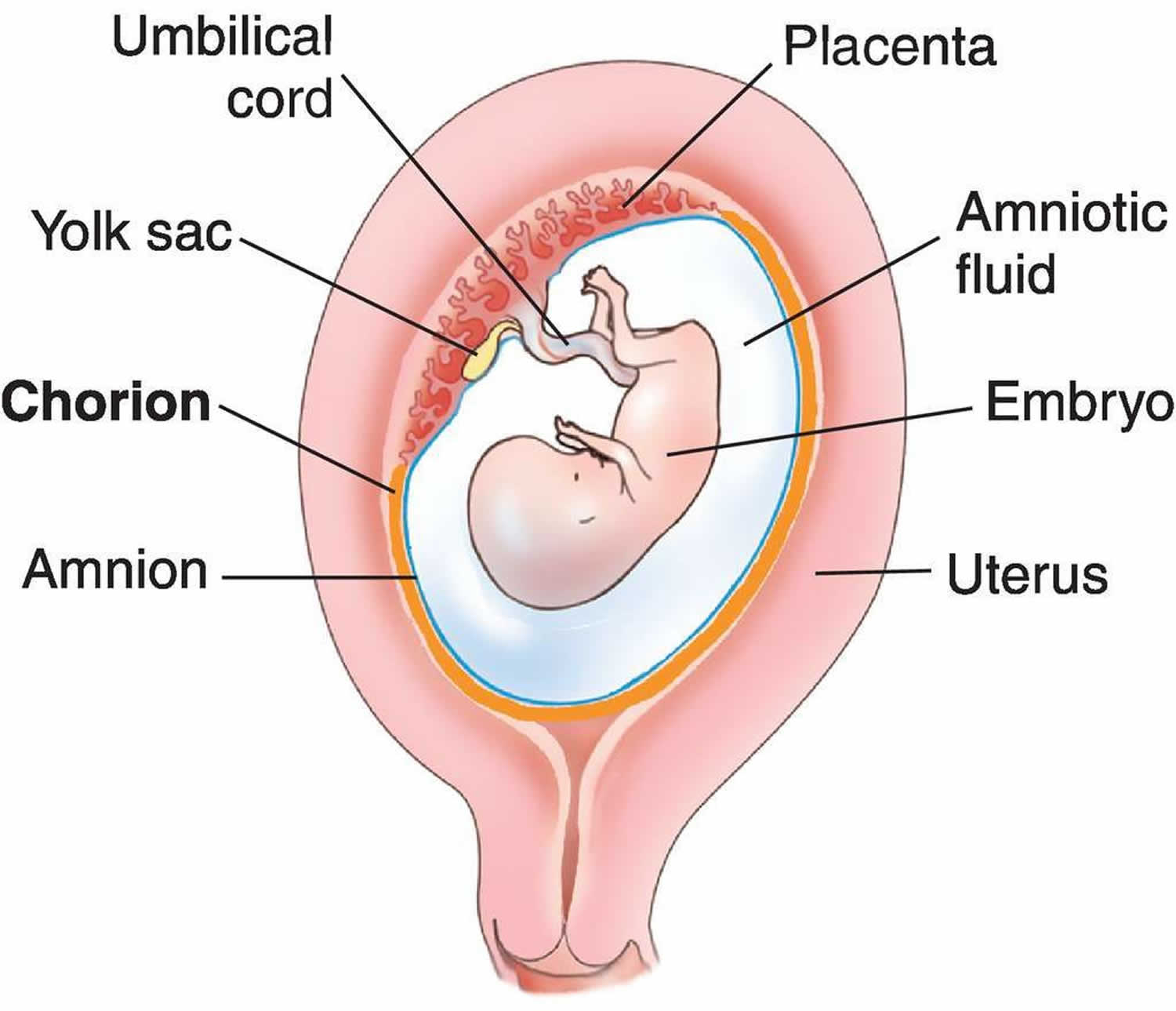
Similar to the umbilical cord, the mother’s placenta plays a critical role in fetal gas exchange. Any disruption to its functioning such as a placental abruption or placental insufficiency can threaten the baby’s oxygen supply.
When doctors miss these placental complications during labor and delivery, they put the baby at risk for injury. Birth asphyxia from a placental complication can lead to permanent brain injuries that serve as the catalyst for cerebral palsy.
Misusing Delivery Instruments
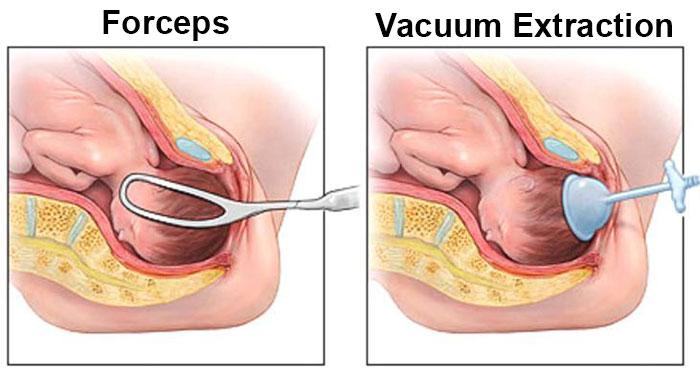
Doctors will sometimes use delivery instruments when a baby has difficulty exiting through the mother’s birth canal. Tools like forceps and vacuum extractors can successfully dislodge the baby, but they also come with considerable risks.
When doctors use excessive force with these instruments, they risk inflicting a birth-related head injury. These can include intracranial hemorrhages, cephalohematomas, skull fractures, or even brachial plexus injuries. Neonatal head injuries are a serious risk factor for brain damage and a potential cerebral palsy diagnosis later in childhood.
Head Trauma During Delivery
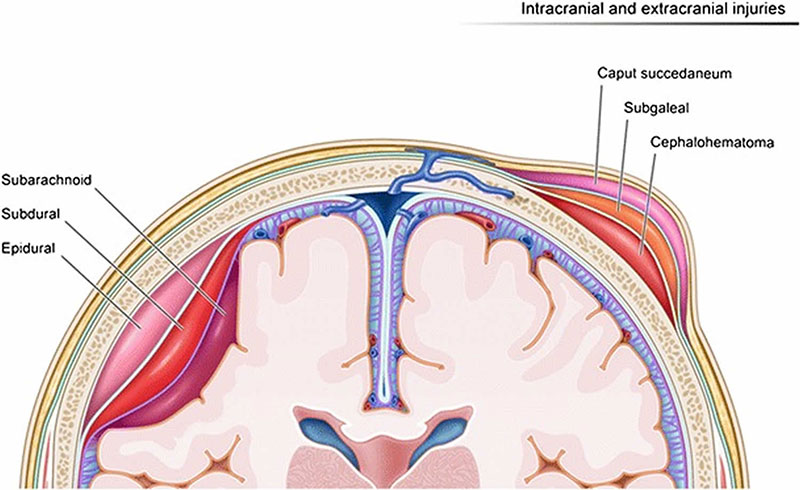
Beyond forceps and vacuum extractors, multiple other factors can cause a neonatal head injury.
A mother’s prolonged or arrested labor can expose a baby to prolonged uterine contractions, increasing their risk for cerebral compression. Extreme and excessive contractions from uterine hyperstimulation can also increase this risk. Other factors like abnormal fetal positioning or shoulder dystocia also commonly result in head injuries.
Common head injuries can include hydrocephalus, intracranial hemorrhages, cephalohematomas, caput succedaneum, skull fractures, or brachial plexus injuries. These can increase the baby’s risk for brain damage that will induce cerebral palsy symptoms later in childhood.
About Birth Related Head Injury
Failing to Catch Pregnancy Complications

Certain complications during a mother’s pregnancy can put her at high-risk for labor and delivery complications that will cause injuries.
Abnormal changes in blood pressure (preeclampsia) or blood clots during pregnancy can disrupt fetal blood flow. If doctors fail to treat these complications, the diminished oxygenated blood flow can affect the baby’s developing brain over time.
Other complications that can cause fetal brain injuries include intrauterine infections, placental complications, and umbilical cord problems.
Failing to Treat Birth Complications
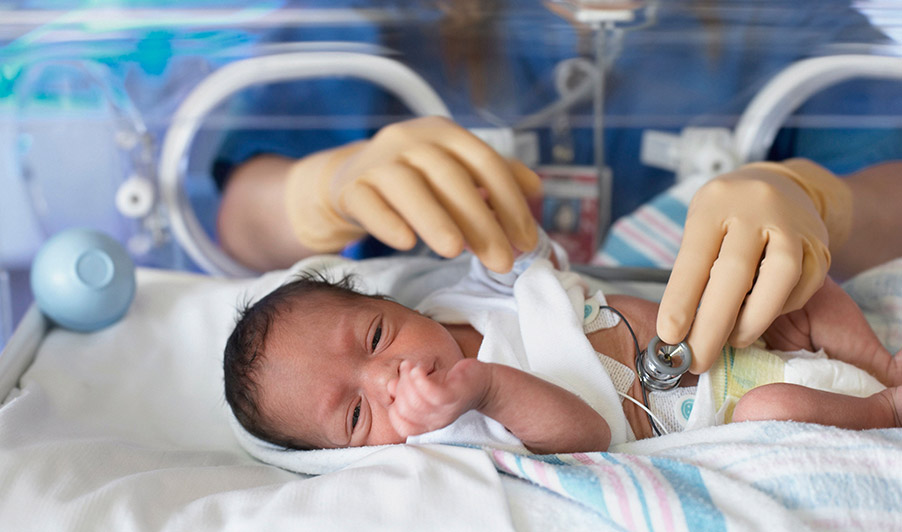
Like with complications during pregnancy and delivery, complications after birth can also pose a threat to the baby’s brain.
Failing to provide neonatal resuscitation to a baby with respiratory distress syndrome can prolong their oxygen deprivation and cause brain damage. Failing to catch additional complications like jaundice or hypoglycemia can also contribute to a child’s brain injuries after birth.
Medical professionals must closely monitor the baby after birth and transfer them to the neonatal intensive care unit when necessary.
Failing to Manage Premature Birth
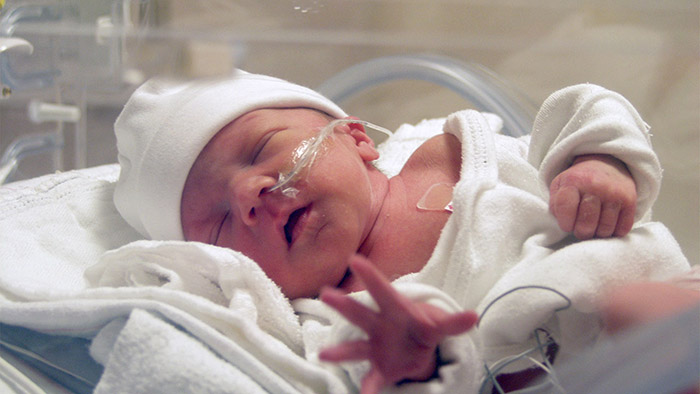
According to researchers, premature babies account for anywhere between 33% and 50% of all cases of cerebral palsy. A premature baby’s underdeveloped brain increases their risk of HIE, which is often an underlying cause of cerebral palsy.
In cases where doctors anticipate prematurity, they may prescribe medications like betamethasone to promote fetal organ development. After birth, magnesium sulfate treatments can provide additional neurological protection for an underdeveloped brain.
Failing to take extra precautions before, during, and after premature deliveries puts the baby at higher risk for brain injuries.
Determining the exact cause of ataxic cerebral palsy can be difficult at times. Our top rated cerebral palsy attorneys will work with you to gain a better understanding of your child's condition. If we discover that medical negligence was to blame, we can help your family pursue a medical malpractice lawsuit. Parents of children with cerebral palsy deserve answers regarding the true origin of this serious medical condition affecting their child.
What Are The Signs of Ataxic Cerebral Palsy?

From the moment the baby enters the world, doctors may begin to notice signs of brain damage at birth. While doctors do not diagnose cerebral palsy at birth, signs of brain dysfunction will come prior to an official diagnosis.
Low APGAR Scores
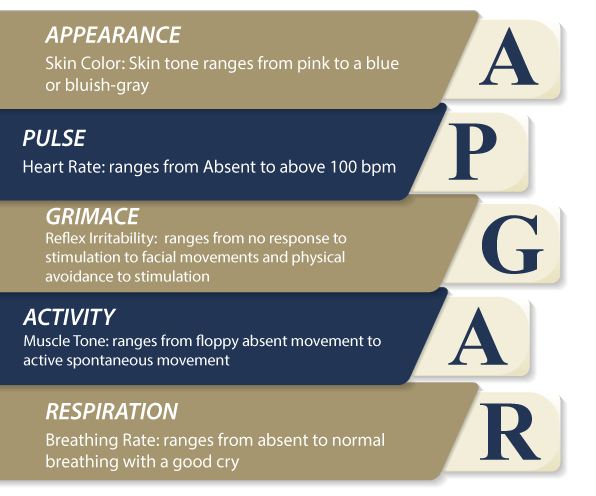
Every baby receives an APGAR score immediately upon delivery. The APGAR test is a system that evaluates a baby’s key physical characteristics like Appearance, Pulse, Grimace, Activity, and Respiration.
A child with brain damage to the cerebellum may score low in the Activity category of the APGAR test. They may appear overly floppy and fail to move at all on their own. They may also have a low pulse (suggesting bradycardia) and shallow breathing, which can indicate a need for neonatal resuscitation.
Neuroimaging

A baby with ataxic cerebral palsy will show brain injury patterns affecting the cerebellum at the base of the brain. Doctors can use several neuroimaging tools to detect these injuries.
The most common tool for newborn brain scanning is magnetic resonance imaging (MRI) scans. MRI scans take detailed and layered images to construct a 3-D visualization of the baby’s brain. Doctors prefer MRIs because they are incredibly accurate and do not expose the newborn to harmful ionizing radiation.
Other neuroimaging tools include computed tomography (CT) scans, electroencephalography (EEG) scans, and cranial ultrasounds.
Vision Impairments

Ataxic cerebral palsy will often cause abnormal eye movements and dysfunction for babies. Doctors and parents may notice that a baby still isn’t tracking movement with their eyes by two months. This can be a sign of vision impairment.
A key symptom of ataxic cerebral palsy is a lack of depth perception. As the baby ages and becomes more mobile, parents may notice signs of clumsiness like frequent stumbling, tripping, and falling. They may notice poor hand-eye coordination as the child reaches to grasp objects.
While not all vision impairments indicate ataxia, they can be the first sign of movement disorders like cerebral palsy. Vision problems, when coupled with other missing developmental milestones and movement issues, can necessitate further clinical evaluation.
Delayed Developmental Milestones

Children with ataxic cerebral palsy will have several delayed developmental milestones. A child’s struggles with coordination and balance will often translate into delays for crawling, sitting up straight, standing, and walking.
Ataxic cerebral palsy can also induce tremors or shaking that make it hard to carry out precise movements. In addition to issues with depth perception, this can result in a child reaching out for objects but missing them.
Doctors must carefully evaluate children during scheduled checkups after birth for signs and symptoms of irregular development. If they notice abnormalities in the child’s walking, speaking, vision, or any other capability, it may be a sign of cerebral palsy.
A late diagnosis of any type of cerebral palsy can delay a child’s necessary treatment and limit its overall effectiveness. It is important children with cerebral palsy get the care they need in a timely manner.
How to Treat Ataxic Cerebral Palsy?
Although there is no cure for ataxic cerebral palsy, several treatment options can help manage symptoms and improve functional abilities. A child’s needs often vary widely in each case and depend upon the nature and extent of their brain damage.
In general, there are five main routes of treatment for cerebral palsy. These include:
Physical Therapy
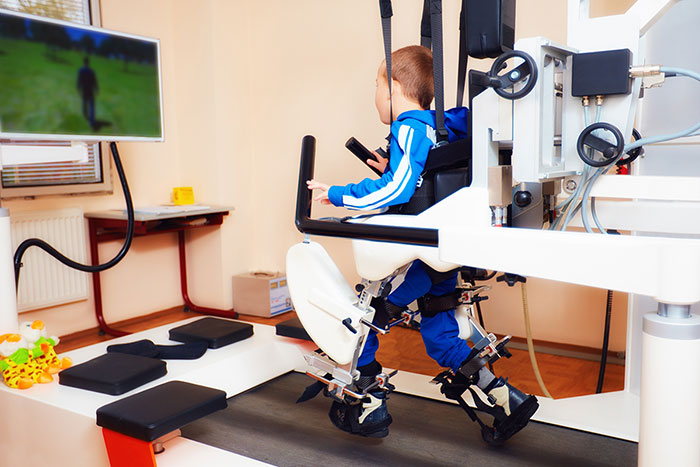
Physical therapy is often the first type of treatment doctors will prescribe to children with ataxic cerebral palsy. Exercises typically include flexibility, stretching, and range-of-motion (ROM) activities to improve the mobility of joints and soft tissues. Physical therapy can improve a child's overall gross motor function and lower the risk for any future complications.
Occupational Therapy
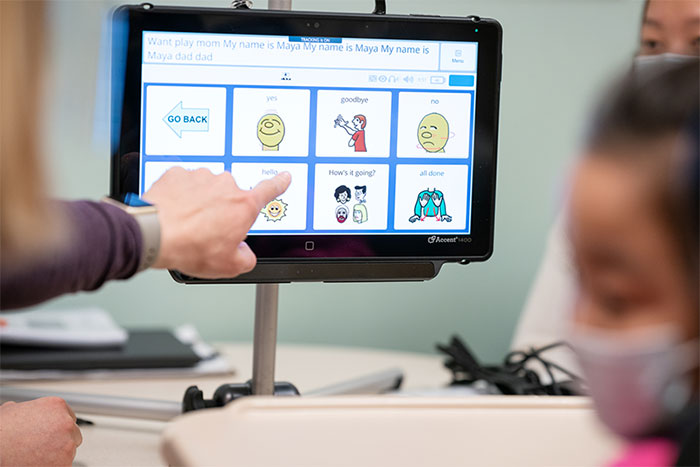
Occupational therapy aims to enhance a child's ability to function independently at home, school, work, and in public environments. Occupational therapists perform exercises to target certain muscles in the wrist, forearm, thumb, and upper body. For children with ataxic cerebral palsy, this treatment can help them train to overcome involuntary movements that hinder everyday tasks.
During this treatment, occupational therapists can also assess whether the child needs assistive equipment and devices. This can include adaptive scissors or special writing tools. For children with ataxic cerebral palsy, using walkers or canes can help fix their overly widened stance.
About Occupational Therapy for CP
Speech Therapy

Children with ataxic cerebral palsy may have difficulty swallowing or speaking. The objective of speech therapy is to improve a child’s oral movements by strengthening the muscles they use for speech.
Speech therapists have the child perform exercises incorporating assistive communication devices to help improve their motor and cognitive abilities. This form of therapy provides children with the tools to communicate their thoughts and socialize with others. It can also make chewing, breathing, and swallowing less difficult.
Medications

Children with ataxic cerebral palsy will usually have fewer difficulties with muscle spasticity. However, they may still benefit from medications that relax muscles and control involuntary muscle spasms.
Research studies suggest that Baclofen treatments can indirectly improve muscle coordination by reducing muscle spasticity and rigidity.
Anticholinergic (neurotransmitter blocking) medications like Trihexyphenidyl can reduce involuntary movements by binding to acetylcholine receptors. Doctors also prescribe the same medication to patients with Parkinson’s disease, which causes adjacent symptoms.
Doctors should always aim to prescribe medications that achieve the most effective results while having the fewest side effects.
Medical Procedures

Surgery and other medical procedures can greatly improve a child’s ataxic cerebral palsy symptoms. Newer treatments like Botox injections for cerebral palsy can improve muscle tone and reduce spasms.
It is a common cerebral palsy symptom for muscles around the hips and knees to unevenly pull on the bones. When this happens for prolonged periods, it causes the bones to partially dislocate from the joint (known as subluxations). This causes the child’s legs to twist, which uncomfortably deforms their joints over time.
Osteotomy surgery (bone-cutting procedure) can ease these symptoms. In an osteotomy procedure, the surgeon cuts and reshapes a bone to help it fit better into a joint. Children with cerebral palsy can greatly benefit from osteotomies as their bones often become maligned due to spastic muscles.
Each of these types of medical procedures can relieve children’s symptoms of ataxic cerebral palsy. But they can also cause further injuries and complications when medical professionals make negligent errors.
Newest Cerebral Palsy Treatments
A child benefits most from cerebral palsy treatment when it starts early and occurs consistently. But the cost of these treatments can place a financial barrier for families who cannot afford them.
Our top rated cerebral palsy attorneys can offer relief by holding responsible medical providers accountable for the cost. When we prove a child’s cerebral palsy resulted from medical mistakes at birth, we seek full and fair compensation. The earnings we recover help directly fund the treatment your child will need to maintain the highest possible quality of life.
About Cerebral Palsy Treatments
What Medical Mistakes Cause Ataxic Cerebral Palsy?
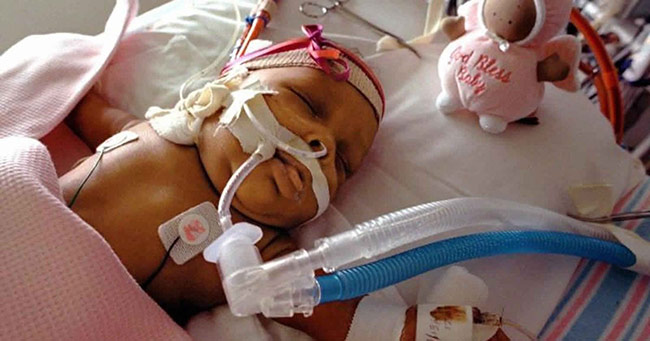
Ataxic cerebral palsy often results from the negligent mistakes or medical errors a doctor makes before, during, or after childbirth. Medical professionals should always adhere to the accepted standard of care. When they fail to meet that standard of care, it sometimes results in permanent birth injuries like cerebral palsy.
In some cases, a plaintiff may file birth injury lawsuits against multiple defendants. For instance, hospitals can be liable for ataxic cerebral palsy that resulted from medical malpractice.
Hospitals must have practices and policies in place to prevent expecting mothers and their babies from harm whenever possible. They are also responsible for providing a safe, sterile environment and hiring staff with appropriate medical training and licensing. If a staff member does not meet the requirements to practice, the hospital may be legally accountable.
Some examples of medical errors that may cause spastic cerebral palsy include:
- Failing to detect or treat fetal distress, such as lack of oxygen (hypoxia)
- Pulling with excessive force on a child's head, neck, shoulder, or arm
- Failing to treat jaundice at birth
- Improper handling of breech presentation
- Failing to detect or properly treat infections in the mother or child
- Putting off a necessary cesarean section (C-section) or not performing one at all
- Failing to recognize umbilical cord issues such as umbilical cord prolapse
- Improperly using delivery tools such as forceps or a vacuum extractor
- Failing to diagnose illnesses and potential health risks before or after birth
- Missing or ignoring signs of eclampsia or preeclampsia
- Failing to manage problems with the placenta
- Misusage of labor-inducing medications
- Failing to intervene during a prolonged or arrested labor
Did Medical Malpractice Cause My Child’s Cerebral Palsy?
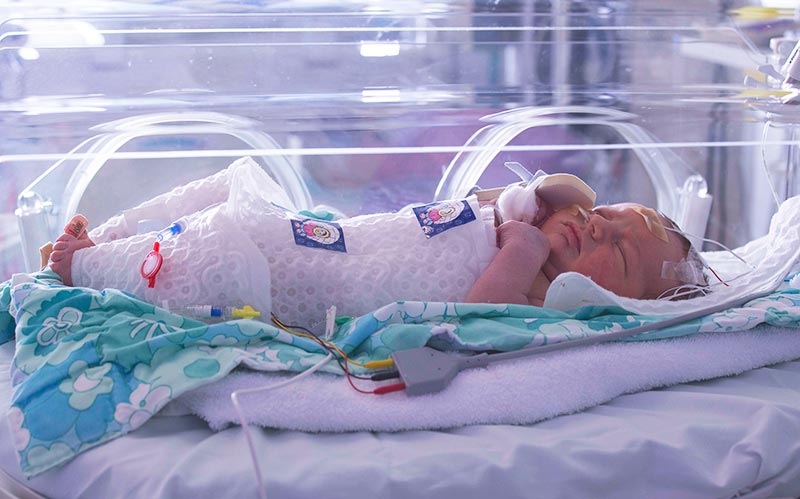
Both improper action and also inaction during delivery can result in brain damage that potentially justifies a medical malpractice claim.
If a family believes medical negligence worsened a child’s brain damage at birth, legal support may be an option. A specialized cerebral palsy attorney can review the medical records and circumstances to assess whether a claim exists.
Families who have experienced the effects of brain injuries from negligent medical care deserve to know whether they were avoidable. Our top rated cerebral palsy lawyers will help you find those answers and obtain the necessary funds to secure treatment.
Our team will thoroughly investigate the facts, holding responsible parties accountable by pursuing medical malpractice claims.
What is the Statute of Limitations in a Birth Injury Lawsuit?

A statute of limitations (SOL) is a law that sets a time limit on how long an injured person has to file a lawsuit after an accident. It is essential to understand that statutes of limitations vary based on the case and the state where you file. For instance, the deadline for birth injury claims is typically different from other claims, such as injury to private property.
Generally, the clock starts ticking on the date the injury occurred. However, there are exceptions to this rule. In some cases, the statute of limitations starts when a person discovers or reasonably should have discovered an injury. When dealing with government agencies, SOLs can become even more complex.
For example, if the party that injured you was:
- A federal employee
- Employed by a military hospital, Veterans Administration facility, or a federally funded medical entity
You may need to file a birth injury claim under the Federal Tort Claims Act (FTCA). In FTCA cases, claimants must go through certain administrative procedures before filing a lawsuit. In some states, you may have less time to give notice if:
- The negligent party was a local or state government hospital
- The doctors and medical providers are employees of a governmental entity
If you file your case outside of the statute of limitations, the court will typically dismiss it. This means you will not be eligible to recover compensation for you or your child’s injuries.
Determining when a statute of limitations begins on your case can be tricky. If you are considering pursuing compensation for a birth injury, contact an attorney as soon as possible.
How Can Our Cerebral Palsy Attorneys Help?
A detailed expert review of the facts and circumstances of your pregnancy and your child's birth can reveal many things. Namely, it can determine whether a child’s ataxic cerebral palsy diagnosis and related complications were the result of medical malpractice.
Our Process
Our team of committed attorneys, nurses and paraprofessionals works to answer these questions and seek compensation. We use our detailed medical negligence case review process to assess your potential cerebral palsy case.
We start by learning more about your pregnancy by gathering records to determine what happened during and after your delivery. This includes evaluating the fetal heart rate strips during labor and any action medical professionals took in the NICU.
We will call in skilled medical experts who review your records and provide insight into where medical professionals went wrong. If we feel medical negligence caused or worsened your baby’s brain damage, we meet with you to discuss further.
At no point in our legal intake process will we ask you to pay anything. The medical review of your case and the consultation are free. We only receive payment once you do. The sooner you reach out, the sooner we can investigate your case and gather the evidence to support your claim.
We work on a contingency fee basis, meaning you will not pay any legal fees until we win your case. We do not purse any medical malpractice cases unless we fully believe we can win.
Contact us today to schedule your free consultation by calling our toll-free line at (888) 987-0005. You can also reach us by filling out our online request form.
National Birth Injury Law
Our National Birth Injury Attorneys, nurses, and support staff understand that parents of children with birth injuries feel overwhelmed. So, every client has the attention and support of a team of trained, compassionate professionals. But we don’t just offer compassion.
We offer a process to help you discover whether your child’s birth injury, HIE, cerebral palsy or brain injury at birth was caused by medical malpractice.
Call our offices today at (888) 987-0005 for experienced assistance in a free consultation.
Quick Links
Testimonials
- Lyric C. I feel like our voice was heard in a sense of what can possibly go wrong in a delivery and finding us answers. I feel with our settlement, we are now in a comfortable position to provide for our son.
- Lyssa L. They are not just people that say “hey let's get you money and let's go” The law firm was very thorough with us. It was awesome. I don't want to cry, because I think about and it's amazing that they were able to help me and that we were able to help my son and get the story out there.
- Jay C. Throughout the process, one thing was clear to us, the ultimate interest of our child was the utmost concern of Max and his team and as parents navigating a situation like that, that was refreshing to know we had them firmly on our side. I highly recommend them.
Popular Cities
- ★ Dallas Birth Injury
- ★ Houston Birth Injury
- ★ Atlanta Birth Injury
- ★ Chicago Birth Injury
- ★ Philadelphia Birth Injury
Locations
★ Dallas
11551 Forest Central Drive, Ste. 300
Dallas, TX 75243
★ Houston
12929 Gulf Freeway, Ste. 111
Houston, TX 77034