Cervical Dystonia
Cervical Dystonia at Birth
Cervical dystonia is a disorder where the brain sends abnormal signals to the neck muscles. These signals cause painful, involuntary neck muscle contractions that make a baby's head to twist or turn to one side.

Researchers and medical experts still do not fully understand the exact cause of cervical dystonia. However, certain injuries at birth or medication errors can increase a newborn's risk of developing it.
Other types of neurological issues often accompany cervical dystonia. One of the most closely-related conditions is dyskinetic cerebral palsy, which can cause dystonia throughout the body. Children with cerebral palsy will likely have multiple movement disorders and complications that affect their mobility and comfort.
Babies with cervical dystonia may require extensive treatment and ongoing care for the rest of their life. Additionally, raising children with disabilities comes with various other indirect costs to provide them the highest possible quality of life.
The financial burden of cervical dystonia can be substantial. Families may face high costs related to medical care, physical therapy, treatments, and surgical interventions like selective rhizotomies.
A healthcare provider failing to uphold the standard of care during childbirth can cause permanent birth injuries. Families who feel the effects of these tragic injuries can sometimes hold providers accountable with a medical malpractice lawsuit.
Cerebral Palsy Malpractice Attorneys
Our top rated cerebral palsy attorneys specialize in birth injury medical malpractice. We understand how medical mistakes during delivery can cause brain injuries that permanently impact a child’s life.
If you believe your baby’s cerebral palsy symptoms were the result of avoidable mistakes, don’t hesitate to contact our firm. We can answer difficult legal and medical questions and investigate the facts on your behalf.
Free Legal Consultation
Cerebral Palsy Lawyers
(888) 987-0005Our Top Rated Cerebral Palsy Lawyers are available to meet you in your home or the hospital.
Our vast network of medical experts and in-house nursing staff and nurse-attorneys gives us the edge over our competition. When we take your case, we assign you with not just an attorney but an entire medical team. This team includes attorneys, experienced nursing advocates, and seasoned medical experts.
We understand the extensive care your child requires to assist with their cerebral palsy symptoms. Your team is available to assist with any day-to-day treatment you or your child may need. This includes assistance with obtaining medical records, scheduling doctors’ appointments, providing transportation, and any other problems that may arise.
We offer all of this on a contingency fee basis. This means you will not pay any fees until after we win your case and secure a settlement. Our unmatched track record of birth injury results sets us apart from other birth injury law firms.

Recent Birth Injury Settlement:
Cerebral Palsy Birth Injury settlement against a hospital in which nurses and physicians failed to detect a uterine rupture during delivery causing an HIE event which caused cerebral palsy. Our dedicated cerebral palsy birth injury lawyers recovered $9,200,000 for the family to help with future medical expenses and developmental therapy.
What Is Cervical Dystonia?

Cervical dystonia (or spasmodic torticollis) is a rare neurological disorder that causes painful, involuntary contractions of the neck muscles. It can also lead to abnormal posturing or awkward positioning of a body part.
“Cervical” refers to the cervical spine, which is the 7 bones in the neck stacking on top of the spine. “Dystonia” refers to involuntary and repetitive muscle contractions in the cervical spine that cause the awkward twisting and posturing. Dystonia is a common symptom of cerebral palsy.
Cervical dystonia is rare, affecting only around 60,000 people in the United States. While the condition can affect infants, it can also arise in developed adults as well. The National Organization for Rare Disorders finds women between 40 and 60 years old are a large cohort of cases.
Children suffering from cervical dystonia experience physical discomfort and often face social challenges due to their appearance and posture presentation.
The condition is more or less permanent with no known cure. However, a multi-based treatment approach can gradually reduce its severity and bring relief to children in chronic pain.
Types of Cervical Dystonia
Cervical dystonia has several subtypes based on the patterns and directions of the child’s head and neck movements.
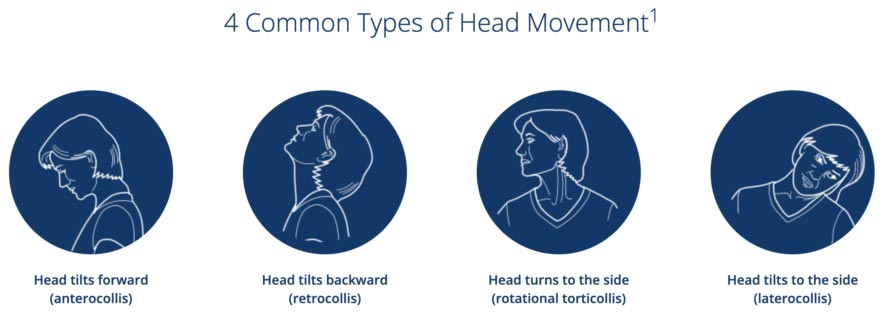
Doctors generally classify these subtypes as either primary dystonia or secondary dystonia. Secondary dystonia is the most prevalent form and linked to conditions like cerebral palsy. In contrast, the less-common primary dystonia is typically the result of a genetic disorder.
The four various forms of cervical dystonia include:
Torticollis
Torticollis is the most common type of dystonia. Babies with torticollis typically experience a twisting of the neck that turn the chin and nose toward one shoulder. Torticollis can force the baby into this fixed twisted position (tonic), or they may only twist sideways intermittently (clonic).
Laterocollis
Laterocollis is the second most common type of dystonia. It causes titling of the head to one side and the ear pulling down to the shoulder. Children with this form of cervical dystonia may also experience occasional head tremors.
Retrocollis
With retrocollis, the head tilts backward toward the spine with the neck extended. This positioning makes it difficult for the child to keep their head centered or turn to the opposite side.
Anterocollis
Anterocollis tilts the head forward, pulling the child down toward the chest. Individuals with this type of dystonia may struggle to coordinate the muscles necessary for swallowing. This increases their risk of choking and developing speech impairments.
Infants with anterocollis who cannot swallow on their own may require G-tube insertion so they can feed properly.
It is not uncommon for children with cervical dystonia to experience more than one form (combination type). For example, a child with torticollis may also exhibit symptoms of anterocollis.
Understanding the various forms of cervical dystonia can help healthcare providers develop more effective treatment and management strategies.
What Causes Cervical Dystonia?
Cervical dystonia is idiopathic, meaning it arises spontaneously with an unknown origin. Treatment for it typically focuses on managing symptoms rather than addressing underlying issues. But despite uncertainty regarding development, recent research suggests that basal ganglia damage may contribute to the cause.
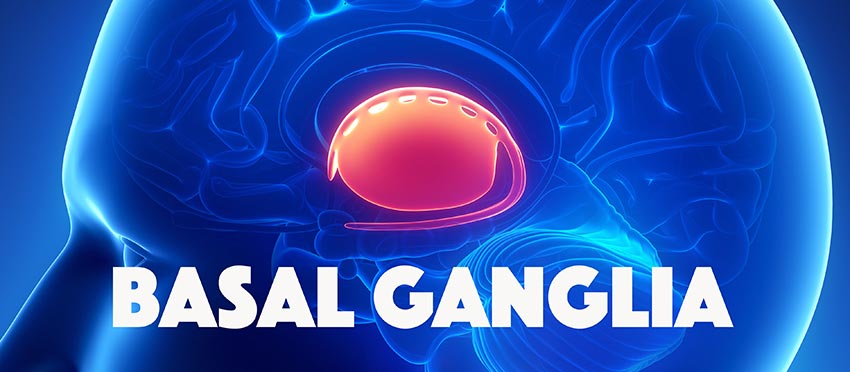
What is the Basal Ganglia?
The basal ganglia is a group of structures linked to the thalamus in the center of your brain. It controls the signals for movement that travel to and from the spinal cord.
Basal ganglia damage is a key factor in causing dyskinetic cerebral palsy. Researchers hypothesize that the same impairments that cause dyskinesia (difficulty performing movements) can cause dystonia in the neck.
Additionally, scientists have identified specific gene mutations associated with primary dystonia. Specifically, mutations in the CIZ1 gene sequence and the GNAL sequence show evidence for a correlation to the condition. This suggests that some individuals may have a genetic predisposition to cervical dystonia.
There are likely undiscovered genetic mutations which may also influence a baby’s odds for developing cervical dystonia. But it can also stem from various other factors, including:
- Congenital spine abnormalities
- Traumatic brain injuries or brain damage at birth
- Exposure to certain environmental toxins
- Brain lesions or abnormal growths
- Neonatal infections affecting the spine or brain, such as neonatal meningitis
Labor and delivery complications that restrict a baby’s oxygen supply can make factors like brain damage more likely. Infant cervical dystonia can also stem from a doctor who applies excessive force on the baby's head during delivery.
What Are Symptoms of Cervical Dystonia?
Cervical dystonia can present as a range of symptoms in infants that cause varying degrees of disability. While some infants exhibit few symptoms or mild discomfort, others suffer significant disability and chronic pain that requires ongoing treatment.
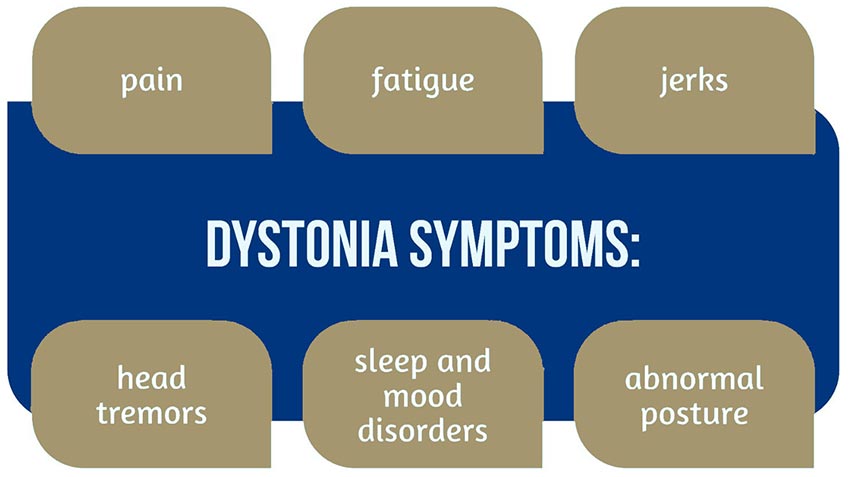
Although most cases develop gradually, some infants may experience a sudden onset of symptoms. In infants, one of the first signs of cervical dystonia is involuntary movement of the head and neck. This happens because of the over-activity from the affected muscles.
Involuntary muscle contractions can sometimes spread to other parts of the body, including the face, arms, jaws, and trunk.
Signs and symptoms a child who suffers from cervical dystonia may experience include:
- Twisting or tilting of the neck
- Head tilting or twisting to the sides
- Head tipping forward or backward
- Jerking or spastic head motions
- Elevation of the shoulder toward the ear
- Unusual neck muscle tightness
- Neck pain that extends down the shoulders
- Headaches
- Reluctance to turn the head during play or when called
- Hand or head tremors
- Uneven hair loss on one side of the head
- Delayed developmental milestones and impaired gross motor function
- Difficulty feeding from one breast or side of the bottle
- Numbness, weakness, and tingling in the hands, arms, feet, or legs
- The chin moving toward one shoulder or straight up and down
Recognizing cervical dystonia in babies can sometimes present challenges as they cannot verbalize their discomfort. However, signs often become evident shortly after birth. If parents notice signs of cervical dystonia in their baby, they should meet with a pediatrician as soon as possible.
How is Cervical Dystonia Diagnosed at Birth?
When parents suspect that their infant may have cervical dystonia, they may contact pediatricians, pediatric neurologists, or motor disorder specialists. A thorough examination typically includes:
- A detailed neurological assessment with neuroimaging tools
- A comprehensive physical examination to evaluate the infant's muscle tone and movement patterns.
- A review of the child's medical history to identify any relevant familial or developmental factors.

Additionally, a doctor may order diagnostic tests that include:
- MRI (magnetic resonance imaging) to scan for brain injuries
- EMG (electromyography) tests to measure electrical activity in skeletal muscles
- Genetic evaluations (if doctors suspect hereditary factors)
If diagnosed, a doctor will typically prescribe treatments based on the child's age, severity, and type of cervical dystonia. Early diagnosis is essential for effectively managing the condition and ensuring the best long-term outcomes.
Parents should keep a detailed record of their child's symptoms, including any patterns or changes they observe. This information can assist healthcare professionals in making an accurate diagnosis.
Treatment Options for Infant Cervical Dystonia
Currently, medical researchers are still searching for a cure to cervical dystonia. Approximately 10% of those affected will find their condition improves over time, but these improvements don’t always last.

The impact of cervical dystonia varies significantly between individuals. Some children can effectively control their symptoms while others struggle with a more debilitating form. Despite the challenges, current treatment options can allow individuals with cervical dystonia to lead more functional and comfortable lives.
Common treatments for alleviating symptoms of cervical dystonia may include:
Botulinum Toxin Injections

Botulinum Toxin (Botox) injections can temporarily paralyze certain neck muscles to reduce spasticity. The injections lower muscle spasms by blocking the neurotransmitter in the brain that causes muscle contractions. Doctors can administer Botox injections every few months as the results gradually wear off over time.
Botox injections are currently undergoing further research as treatment for children with spastic cerebral palsy. The medicine shows great potential to alleviate symptoms of any condition that induces random muscle contractions.
Baclofen Medication

Muscle relaxants and anticonvulsant medications can also manage children’s spasticity symptoms. Many different medications exist, but specialists commonly prescribe Baclofen for conditions that cause severe spasms and stiffness. Such conditions can include cerebral palsy, multiple sclerosis (MS), spinal cord injuries, and cervical dystonia.
Physical Therapy

A doctor may recommend physical, occupational, and speech therapy to help relax muscles while improving range of motion and communication. During physical therapy, specialists will incorporate strength training to improve muscle tone and overall strength.
Additionally, the child will practice exercises designed to enhance flexibility and mobility. For children with cervical dystonia, the specialist will target these exercises toward the neck, head, and shoulders.
Deep Brain Stimulation

Deep brain stimulation involves placing an electrode in the brain area to interrupt nerve signals causing neck spasms. Nearly 75-80% of patients with cervical dystonia respond to this treatment, though it can take 6-12 months to see results.
Rhizotomy Surgery
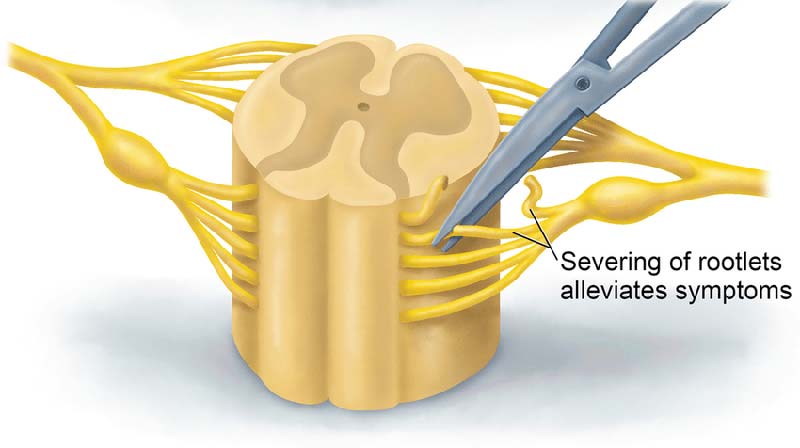
Surgeons can perform a rhizotomy to cut the offending nerves and muscles so they no longer send disruptive signals. In some cases, they may also consider surgical options like selective denervation. While the most common version is dorsal rhizotomy (lower spine), it is still a viable treatment option for cervical dystonia.
Children with cervical dystonia must receive treatment during their developmental years to prevent permanent posture problems and bone deformities. Addressing their symptoms early on can support optimal physical development and allow children to participate more in their daily activities.
Healthcare providers can create tailored treatment plans that address the child's unique needs. They must remember to continuously adapt these plans as the child ages and their needs change.
Did Doctors Cause My Child’s Cerebral Palsy Symptoms?
While various factors can contribute to infant cervical dystonia, medical negligence during childbirth is a common culprit. The consequences can be devastating when healthcare providers fail to adhere to established standards of care.

Understanding the specific ways medical malpractice can lead to cervical dystonia ensures that affected families can seek justice and compensation.
Examples of how medical malpractice can lead to infant cervical dystonia include:
- Failing to recognize and treat pregnancy complications like preeclampsia or gestational diabetes, increasing the risk of birth complications.
- Neglecting to take necessary precautions to ensure a safe delivery, such as not considering a Cesarean section (C-section) when appropriate.
- Using excessive force during delivery, either manually or with tools like forceps or vacuum extraction devices. This can injure the delicate structures in the infant's neck and spine and disrupt normal functioning of the nervous system.
- Delaying intervention in a case of shoulder dystocia, compromising the infant's oxygen supply and resulting in birth asphyxia.
- Applying excessive pressure on the brachial plexus nerves during complicated deliveries which disrupts the brain’s regular signals to the muscles. This can lead to abnormal muscle contractions and spasms.
- Failing to address signs of fetal distress promptly and allowing prolonged oxygen deprivation. This can lead to brain damage that affects areas responsible for motor control and coordination.
- Not promptly diagnosing or effectively treating maternal infections, triggering an inflammatory response and adversely affect fetal brain development.
- Prescribing medications like anti-psychotic drugs or medicines that block dopamine production during pregnancy can interfere with neurotransmitter balance. This can lead to abnormal motor function and coordination at birth.
When a medical professional makes these errors, the resulting harm can have lasting consequences. A top rated cerebral palsy lawyer can provide insight into the potential for pursuing compensation for these injuries.
Families who have experienced the effects of movement disorders from negligent medical care deserve to know whether they were avoidable. Our cerebral palsy attorneys specialize in birth injury medical malpractice, helping families seek compensation when negligence causes lifelong conditions.
Our team will thoroughly investigate the facts, holding responsible parties accountable by pursuing medical malpractice claims.
What is the Statute of Limitations in a Birth Injury Case?

Statutes of limitations (SOL) is a law that sets a time limit on how long an injured person has to file a lawsuit after an accident. It is essential to understand that statutes of limitations vary based on the case and the state where you file. For instance, the deadline for birth injury claims is typically different from other claims, such as injury to private property.
Generally, the clock starts ticking on the date the injury occurred. However, there are exceptions to this rule. In some cases, the statute of limitations starts when a person discovers or reasonably should have discovered an injury. When dealing with government agencies, SOLs can become even more complex.
For example, if the party that injured you was:
- A federal employee
- Employed by a military hospital, Veterans Administration facility, or a federally funded medical entity
You may need to file a birth injury claim under the Federal Tort Claims Act (FTCA). In FTCA cases, claimants must go through certain administrative procedures before filing a lawsuit. In some states, you may have less time to give notice if:
- The negligent party was a local or state government hospital
- The doctors and medical providers are employees of a governmental entity
If you file your case outside of the statute of limitations, the court will typically dismiss it. This means you will not be eligible to recover compensation for you or your child’s injuries.
Determining when a statute of limitations begins on your case can be tricky. Our cerebral palsy attorneys specialize in birth injury medical malpractice and can tell you important cutoff dates in your state.
How Can Our Cerebral Palsy Attorneys Help?
Dealing with your child’s cervical dystonia and distressing prognosis may feel overwhelming. In some cases, families can recover compensation for their child’s injuries to afford treatment costs. However, it takes an expert review of the facts of your birth to determine whether medical professionals made preventable errors.
Our Process
Our team of cerebral palsy attorneys specializes in birth injury medical malpractice and can help assess your potential cerebral palsy case. We use our detailed medical negligence case review process to take in your information and begin learning more.
We start by gathering information about your pregnancy by examining records to determine what happened during and after your delivery. This includes evaluating the fetal heart rate strips during labor and any action medical professionals took in the NICU.
We will call in skilled medical experts who review your records and provide insight into where medical professionals went wrong. If we feel medical negligence caused or worsened your baby’s cerebral palsy symptoms, we meet with you to discuss further.
At no point in our legal intake process will we ask you to pay anything. The medical review of your case and the consultation are free. We only receive payment once you do. The sooner you reach out, the sooner we can investigate your case and gather the evidence to support your claim.
We work on a contingency fee basis, meaning you will not pay any legal fees until we win your case. We do not purse any medical malpractice cases unless we fully believe we can win.
Contact us today to schedule your free consultation by calling our toll-free line at (888) 987-0005. You can also reach us by filling out our online request form.
National Birth Injury Law
Our National Birth Injury Attorneys, nurses, and support staff understand that parents of children with birth injuries feel overwhelmed. So, every client has the attention and support of a team of trained, compassionate professionals. But we don’t just offer compassion.
We offer a process to help you discover whether your child’s birth injury, HIE, cerebral palsy or brain injury at birth was caused by medical malpractice.
Call our offices today at (888) 987-0005 for experienced assistance in a free consultation.
Quick Links
Testimonials
- Lyric C. I feel like our voice was heard in a sense of what can possibly go wrong in a delivery and finding us answers. I feel with our settlement, we are now in a comfortable position to provide for our son.
- Lyssa L. They are not just people that say “hey let's get you money and let's go” The law firm was very thorough with us. It was awesome. I don't want to cry, because I think about and it's amazing that they were able to help me and that we were able to help my son and get the story out there.
- Jay C. Throughout the process, one thing was clear to us, the ultimate interest of our child was the utmost concern of Max and his team and as parents navigating a situation like that, that was refreshing to know we had them firmly on our side. I highly recommend them.
Popular Cities
- ★ Dallas Birth Injury
- ★ Houston Birth Injury
- ★ Atlanta Birth Injury
- ★ Chicago Birth Injury
- ★ Philadelphia Birth Injury
Locations
★ Dallas
11551 Forest Central Drive, Ste. 300
Dallas, TX 75243
★ Houston
12929 Gulf Freeway, Ste. 111
Houston, TX 77034