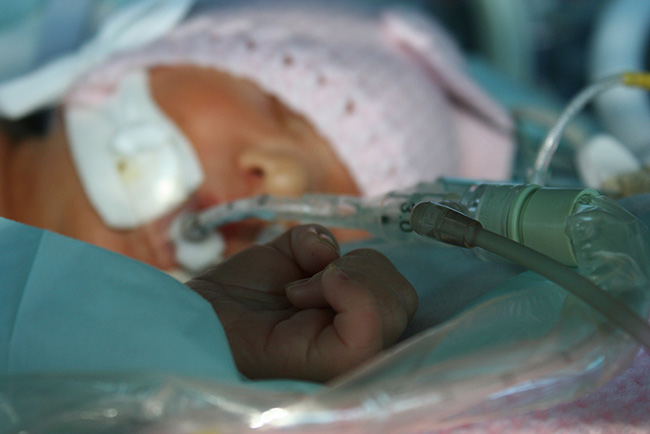
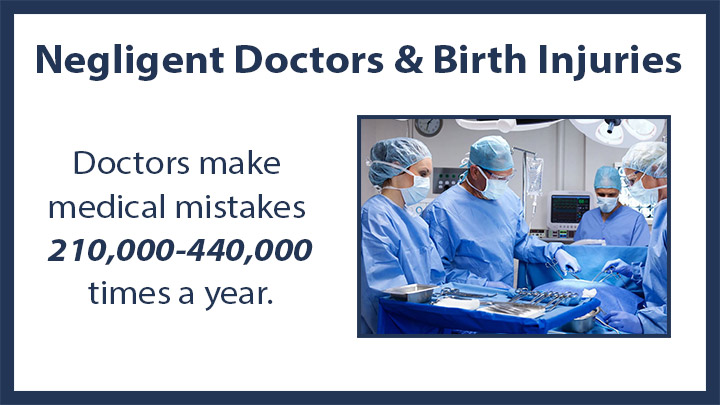
When a doctor or other healthcare professional makes costly mistakes in the delivery room, the lives of a pregnant mother and her child may be forever altered. If you or your baby were the victim of a delivery room error, it is crucial that you reach out to a Birth Injury Lawyer as soon as possible. The Birth Injury Attorneys at Miller Weisbrod Olesky have a long history of successful results handling birth injury cases Nationwide.
Soon-to-be parents anticipate the arrival of their baby with tremendous excitement; unfortunately, for some families, that excitement can quickly turn to grief if their newborn or an expecting mother suffers an injury due to the negligence of a delivery room doctor, labor and delivery nurse or other healthcare professional. At each stage of labor and during delivery, doctors like obstetricians, nurses, and other medical providers must be prepared to promptly address birth complications.
When the hospital staff make mistakes that jeopardize the health of a mother or her baby, it can be emotionally and financially devastating for the family. At Miller Weisbrod Olesky, our top rated birth injury lawyers are committed to helping families take legal action against negligent doctors, hospitals, and other healthcare professionals. We have handled a wide variety of birth injury malpractice cases and are equipped to navigate the specific needs of your case.
Common Delivery Room Errors
During labor and delivery, obstetricians, maternal-fetal medicine specialists and nurses have a responsibility to constantly monitor a mother and her child and respond to any issues or complications in a timely manner.
When problems arise, hospital staff, doctors, or other healthcare professionals must ensure the safety of a pregnant mother and her baby by making quick and accurate decisions. Sadly, there are cases when accidents happen in the delivery room that can lead to preventable injuries.
Delivering babies requires a high level of care and precision. For this reason, before healthcare professionals are allowed to take part in this process, they must undergo years of extensive formal education and training.
The possibility of negligent injuries sustained by a childbearing woman may be several times higher than that sustained by a newborn; however, newborn injuries are usually much more severe.
In the same study, the Hospital Trainer Association found that 60% of studied deaths from preeclampsia could have been prevented had it not been for the failure of doctors and other medical staff to control blood pressure or recognize other emergencies.
Recent Birth Injury Settlement:
Birth Injury settlement against a hospital in which nurses and physicians failed to properly monitor the mother's blood pressure during delivery causing an HIE event resulting in neonatal seizures and cerebral palsy at birth. Our national birth injury lawyers recovered $13,750,000 for the family to help with future medical expenses and developmental therapy.
Birth Injuries Caused by Delivery Room Errors
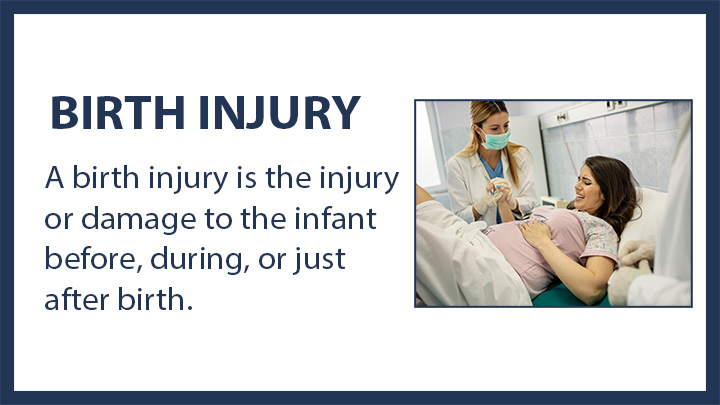
Birth injuries can occur any time before, during, or shortly after a baby is born. Some examples of injuries a mother might suffer as a result of mistakes made by negligent healthcare professionals during labor or delivery include:
Preeclampsia: a complication of pregnancy that occurs when a pregnant woman develops high blood pressure. When a doctor (like an obstetrician or maternal-fetal medicine doctor (MFM) ) fails to diagnose and treat preeclampsia in a timely manner, it can cause severe cognitive problems in the mother or potentially result in cerebral palsy.
Failure to Respond to Fetal Distress: A mother’s body supplies nutrients and oxygen to their baby before they’re born. Contractions temporarily block the amount of oxygen being transmitted to the baby. Long-term oxygen deprivation can cause a baby to go into fetal distress. Babies can suffer a birth injury, including cerebral palsy and hypoxic-ischemic encephalopathy (HIE), as a result of fetal distress. If signs of fetal distress are present and doctors (including obstetricians and maternal-fetal medicine specialists), midwives, nurses, and other people caring for the mother fail to recognize them and deliver prompt treatment, the damage can be catastrophic.
Prolonged Labor: Labor that lasts for many hours without progress is considered prolonged labor. Typically, a woman’s labor is considered prolonged if contractions last more than 20 hours for first-time mothers and 14 hours for mothers who have previously given birth. When a mother suffers due to prolonged labor, the baby may experience oxygen deprivation, which could cause the baby to develop Hypoxic-Ischemic Encephalopathy (HIE).
Neonatal brain damage caused by HIE can lead to cerebral palsy, developmental delays, epilepsy, and issues with cognitive function. Given these potential repercussions, it is imperative for doctors and other staff caring for the mother to monitor the mother and her child to look for signs of fetal distress.
When a mother arrives at the hospital, nurses and other medical staff members should start by checking her vital signs and attaching a fetal monitor to the scalp of the fetus. Next, they should monitor the time and strength of contractions and conduct an ultrasound to determine the fetus’ size and position.
Delayed C-section: The leading cause of malpractice-related birth injury is delayed C-sections or failure to schedule a C-section. An emergency C-section should be performed immediately when the baby begins to show signs of fetal distress that are not corrected quickly. Failing to properly monitor for fetal compromise and perform a C-section when necessary put the baby at risk of developing HIE. The brain damage caused by HIE can result in developmental delays, cerebral palsy, intellectual disabilities, and produce seizures.
Improper use of Anesthesia: when doctors and nurses fail to properly monitor a mother's blood pressure, heart rate, and oxygen levels after administering anesthesia this may cause a drop in the baby’s heartrate and lead to a lack of oxygen also known as hypoxia (decreased oxygen) or anoxia (complete lack of oxygen)
Delays in Recognizing a Uterine Rupture: a uterine rupture is an obstetric emergency which will cause significant blood loss, putting the lives of a mother and her child at risk. When a doctor fails to perform surgery in a timely manner to stop the bleeding, it can result in serious injuries or even be fatal for the baby, the mother, or both. As soon as a medical professional suspect’s uterine rupture, they should stabilize the mother immediately, deliver the baby as quickly as possible, and repair the torn uterus when the baby is successfully delivered.
Healthcare professionals trained in labor and delivery are legally responsible for protecting their patients and keeping them safe. Their failure to uphold an expected standard of care can result in serious injury to the baby or a pregnant mother. Some birth injuries may be mild, like bruising, while others can be devastating and cause permanent injury.
Common Birth Injuries Sustained by Newborns
Cerebral Palsy: Damage to a baby's brain during the birthing process is the most common cause of cerebral palsy. Medical errors that can cause cerebral palsy include failing to respond to fetal distress, failing to detect issues with the umbilical cord, and failing to detect fetal hypoxia (oxygen deprivation).
Hypoxic Ischemic Encephalopathy (HIE): A baby may develop HIE if their brain doesn't receive enough oxygen or blood flow during pregnancy, labor, delivery, or in the postnatal period. Some examples of medical mistakes that may result in HIE include errors in fetal heart rate monitoring and improper use of labor-inducing drugs like Pitocin.
Caput Succedaneum: This condition results from pressure to the head during a difficult labor or delivery process in which a doctor uses birth-aiding tools like forceps or vacuum extractors. In some cases, when a doctor is trying to dislodge the infant, they may use too much force with a vacuum or forceps and impact the baby's skull, causing severe swelling. Typically, the swelling is temporary and has no lasting impact. However, there are cases where severe swelling does not subside and may result in permanent brain injuries.
Shoulder Dystocia: this birth injury occurs when a baby's head comes out during vaginal delivery, but their shoulder becomes caught on the mother's public bone. To dislodge the baby's shoulder, medical professionals must take the necessary steps by performing certain maneuvers or interventions to resolve the issue during delivery. Complications from shoulder dystocia can cause permanent disfigurement, Erb's palsy, or brachial plexus injuries.
Spinal Cord Injuries: When an infant experiences excessive force during labor and delivery, it may result in spinal cord damage. Depending on what section of the spine is affected, this type of birth injury can lead to paraplegia or quadriplegia. A spinal cord injury may occur due to excessive strain being put on a child's neck if a doctor forcefully pulls on their neck or inappropriately uses tools to dislodge the child from the birth canal. When damage to the spine before birth is undiagnosed, it may also result in a spinal cord injury during delivery.
Erb's Palsy: also referred to as brachial plexus palsy, this condition often occurs due to excessive stretching or pulling on the baby's head, shoulder, neck, or limbs during delivery, causing the nerves to stretch or tear. For example, a doctor or midwife might try to release a larger baby or a baby in a breech position by pulling too hard on their arms, injuring the nerves in their shoulders and neck.
If an injury to the mother or her baby occurs before, during, or after delivery, the victim's family may be able to pursue a claim for negligence against the doctor, hospital, or other attending healthcare professional. Our team of skilled Birth Injury Lawyers at Miller Weisbrod Olesky are prepared to review your case and help you determine the damages you may be able to secure to cover medical expenses, treatment, and other lifelong costs associated with you or your child's injuries.
4 P's of Labor and Delivery Problems
Birth is a complex and delicate event that requires all Four Aspects of the Birth Process (power, passenger, passage, and psyche) to work together in synchronicity to achieve a successful delivery.
Four Main Components of the Birth Process
Power: The strength of uterine contractions and additional efforts for pushing. Contradictions leading to normal progress must be strong and regular enough to dilate the cervix and aid the descending fetus.
On the flip side, if contractions are too weak or not regular enough, a medical professional may recommend a labor-inducing drug like Pitocin to increase the strength and frequency the contractions and help the mother push the fetus through her pelvis. Careful electronic fetal monitoring is required when contraction inducing drugs are administered.
Passage: The passage an infant takes during labor through the maternal pelvis. The top opening of the pelvis (the pelvic inlet) is the part the baby's head first enters through.
The lower border of the pelvis (the pelvic outlet) is where the infant's head exits the mom. For the child to maneuver comfortably through the pelvis, these dimensions must be sized sufficiently and adequately assessed by a medical professional during labor.
Passenger: The fetus, placenta, and assessment of the size, position, and relationship of the fetal parts to one another. The baby must be positioned properly to make it through the pelvis unharmed.
If the baby is mal-positioned, the baby will have trouble fitting through the passageway, and a doctor may recommend a C-section. Doctors and other healthcare professionals are responsible for remaining aware of any underlying conditions that may lead to concerns with the labor progress.
Psyche: The mother's emotional state during labor. If the mother is afraid, feels unsafe, or unsupported, it can affect the progress of labor. For some mothers, the level of stress and underlying anxiety during the process is so intense that a medical professional may recommend avoiding a vaginal birth and scheduling a C-section.
When a mother is in a good emotional state and has adequate support during labor, the other 3 Ps will sync up, and the mother will have a greater chance of experiencing a peaceful delivery. It is crucial to remember that babies are strongly intuitive, and a mother whose psyche is healthy and strong will lend itself to a good birth and a baby's sense of safety outside of the womb.
For a baby to be delivered into the world in the way they are intended, all four P's must work properly and in concert with one another. A mother's movement, position, the support of her healthcare providers, and medical intervention can influence the four P's and any issues that may arise during labor.
Additionally, a medical provider's negligence may affect any part of this process. Some examples that can result in adverse outcomes for both the mother and the baby include inadequate monitoring of fetal distress, improper use of delivery tools, or mismanagement of the birthing process.
Who Can Be Held Responsible After a Birth Injury?
In the healthcare of a pregnant woman and her child, many people play a pivotal role and have a responsibility to uphold an acceptable standard of care when treating and guiding their patients.
Understanding who can be held responsible requires the expertise and assistance of a skilled legal professional who will conduct a thorough investigation of the circumstances surrounding the birth injury.
The following are some of the people and/or facilities who can be held responsible for committing negligence in medical practice:
Obstetricians
Other obstetric professionals
Anesthesiologists
Pediatricians, including pediatric neurologists
Midwives
Nurses
Labor and delivery nurses
Neonatal nurses and aids
Neonatologists
Respiratory therapists
Hospitals
Hospital administrators
Other hospital staff members
Maternal-fetal medicine specialists
Laboratory staff
Although the attending physician is typically the first person considered in a medical malpractice lawsuit, nurses, physician assistants, and other hospital staff members may also share in the liability for having caused or contributed to your or your child's injuries.
Additionally, the responsible healthcare professional's employer, including clinics or hospitals, might be held vicariously liable for the actions of its employees. For example, a hospital may be held vicariously liable if they fail to make reasonable inquiries into an applicant's education, training, or licensing or do not investigate the credentials of an attending physician before allowing them to treat patients.
Entire healthcare systems may also be found responsible if their systems policies fall below the standard expected by law. Hospitals can be directly liable for their own negligence if they fail to maintain proper medical records, employ improper policies, or do not ensure that there are always enough nurses or support personnel on hand to maintain quality care for all patients.
Types of Negligence in a Birth Injury Case
Although there are inherent risks associated with labor and delivery, doctors and other medical professionals responsible for facilitating this process are obligated to perform their duties according to an expected and acceptable standard of care.
When medical professionals fail to take reasonable steps to avoid preventable injuries, the injured party may have legal grounds to pursue a medical malpractice lawsuit against them. Birth injury lawsuits are notoriously complex and involve a range of challenging legal and medical issues.
Did the attending obstetrician, neonatologist, pediatrician, or nursing staff behave negligently or recklessly?
Did a birth injury result from that negligence or substandard care?
Although each birth injury case is unique, and there is a wide range of individual circumstances behind birth injury malpractice lawsuits, in terms of evaluating whether a birth injury was caused by the failure of a medical professional to meet their duty of care, the injured victim will have to present evidence that proves the existence of the following legal elements.
The duty of care: The plaintiff (injured child represented by their parent or guardian) must establish that a provider-patient relationship existed at the time of the birth injury. Once this is established, the defendant (the doctor or other healthcare professional) is expected to uphold an acceptable standard of care while they treat the patient.
Breach of the standard of care: The next element that the plaintiff must establish is that the healthcare provider was negligent and delivered care that fell below what would have reasonably been expected from a reasonable provider in the same field and under similar circumstances or failed to deliver the reasonable care under the circumstances.
Causation: The plaintiff must present evidence showing the negligent care they received from the defendant was the cause or contributing cause of their child's birth injuries. This is typically accomplished with evidence such as expert testimony, medical records, and eyewitness statements.
Damages: The final element the plaintiff must show is that the defendant's negligence caused them to suffer compensable damages, including the birth injury itself. Some examples of damages might include the cost of physical therapy, injury-related medical expenses, emotional trauma, and mental anguish. A medical malpractice attorney will work with medical experts and investigators to gather key pieces of evidence and build a strong case of liability on your behalf.
When navigating the complicated process of proving negligence in a birth injury medical malpractice case, it is essential that you reach out to a birth injury lawyer with extensive experience handling cases involving birth injuries to mothers and their babies. The birth injury legal team at Miller Weisbrod Olesky is prepared to aggressively pursue the compensation you are entitled to receive and represent your best interests in court if necessary.
Evidence Needed to Prove Birth Injury
Substantiating the cause of a birth injury will depend on many different types of evidence, witness statements, and testimony from medical and financial experts. To file a successful medical malpractice claim, you should contact a knowledgeable birth injury lawyer who can compile the following evidence on your behalf.
Medical records for the mother and the child (including records of the baby's birth injury and any subsequent care)
Medical bills for the cost of any injury-related treatment
Hospital orders, policies, and records
Employment records (doctors, nurses, and other medical staff)
Physician, nursing, and operative notes
Lab tests and any lab imaging work
Past complaints filed against the defendant
Witness testimony from anyone involved in the delivery
Expert testimony from various medical professionals (obstetricians, nurses, anesthesiologists, financial experts, etc.)
Collecting this type of evidence can help paint a picture of your labor and delivery and show how medical errors contributed to you or your child's injuries. If you or your child have suffered from a birth injury, your attorney will review the facts of your case to determine whether you may be able to fulfill the elements of malpractice and file a successful claim.
Types of Damages Available in a Birth Injury Claim
Birth injuries often lead to immense emotional stress and financial strain for victims and their families. Unfortunately, many families are not prepared for the cost of long-term care associated with a birth injury. If you or your child suffered a birth injury that resulted from a preventable medical mistake, you may be eligible to pursue financial compensation to help cover the cost of current and future expenses.
The cost of mobility aids (wheelchairs, crutches, and walkers)
Costs associated with a caregiver or home nurses
The cost of medications, surgeries, or other specialist treatment
Non-economic Damages
These damages focus on the emotional and mental strain of the birth injury and the impact that it's had on the victim's daily life.
Physical pain endured by a mother or her child
Emotional or mental anguish
Loss of consortium
Loss of enjoyment of life
Disfigurement and scarring
Post-traumatic stress disorder (PTSD)
Permanent disabilities
Medical Malpractice Statute of Limitations
The statute of limitations is a law that strictly limits the time a plaintiff (injured victim) has to file a medical malpractice lawsuit and seek compensation for harm or injuries. It is essential to keep in mind that the statute of limitations varies by state and the type of lawsuit you're filing. Additionally, certain exceptions to the statute of limitations should be considered.
One such exception is the discovery rule, which prevents that statute of limitations from running until the plaintiff discovers or should have discovered through reasonable diligence that they sustained an injury. Every second counts if you're considering legal action against a negligent medical professional or hospital.
Consulting with a qualified birth injury attorney as soon as possible who can advise you on what the limitations period is on your claim can help you avoid missing your chance to recover compensation for your injuries and losses.
Were You or Your Family Harmed by Mistakes Made During Labor and Delivery?
If you or your baby were victims of medical errors made during labor or delivery, do not hesitate to reach out to a skilled birth injury attorney who can help protect your legal rights and fight for the justice you deserve. At Miller Weisbrod Olesky, our team of birth injury malpractice lawyers, registered nurses, and nurse attorneys have years of experience handling birth injury claims and are dedicated to representing you and your child to the best of our ability.
Our nationally recognized birth injury attorneys have earned a reputation for providing aggressive representation to birth injury victims and an impressive record of successful outcomes to prove it. We recognize the challenges that victims of a birth injury and their families face, which is why we proudly go the extra mile to protect families in their times of need and seek compensation to provide them with a more peaceful life moving forward.
Have questions about your case? Find out how our birth injury lawyers can help by scheduling a free case review. Contact us today by calling our toll-free number at 888.987.0005 or filling out the online form below.
Free Birth Injury Lawsuit Consultation
National Birth Injury Law
Our National Birth Injury Attorneys, nurses, and support staff understand that parents of children with birth injuries feel overwhelmed. So, every client has the attention and support of a team of trained, compassionate professionals. But we don’t just offer compassion.
Lyric C. I feel like our voice was heard in a sense of what can possibly go wrong in a delivery and finding us answers. I feel with our settlement, we are now in a comfortable position to provide for our son.
Lyssa L. They are not just people that say “hey let's get you money and let's go” The law firm was very thorough with us. It was awesome. I don't want to cry, because I think about and it's amazing that they were able to help me and that we were able to help my son and get the story out there.
Jay C. Throughout the process, one thing was clear to us, the ultimate interest of our child was the utmost concern of Max and his team and as parents navigating a situation like that, that was refreshing to know we had them firmly on our side. I highly recommend them.