Does Cerebral Palsy Affect Intelligence
Does Cerebral Palsy Affect Intelligence?
Cerebral palsy is the most common childhood physical disability. 60% of children with cerebral palsy (CP) have normal or average to above-average intelligence.
Yet, the condition is still challenging for most of us to understand. It’s a common misconception that all cerebral palsy cases are the same. Each child’s symptoms, treatment options, and cognitive functions can look very different.

Cognitive function in a child with cerebral palsy (CP) is dependent on the nature and severity of their brain injury. In some cases of CP, only the child’s motor functioning will be impaired.
About 30 to 40 percent of children with cerebral palsy will have cognitive impairments of varying severity. Children with severe cerebral palsy, which is generally defined by severe learning disability combined with an inability to walk, often have a greater chance of having impaired cognitive functions.
What is Cerebral Palsy?
Cerebral palsy (CP) is an umbrella term that covers a group of non-progressive, but usually changing, motor loss or impairment. Gross motor functioning is only possible with electrical signals that are sent through the body’s central nervous system. Cerebral palsy disrupts these signals.
Cerebral palsy is caused by a brain injury or abnormal brain development before, during, or immediately after birth. Body movements are affected by the ensuing brain damage, including:
- Muscle tone
- Posture
- Muscle coordination and control
- Reflexes
- Balance
- Fine, gross, and oral motor functions
The impaired muscle movement throughout the body may result in the inability for a child to walk independently, speak clearly, or control facial expressions. The type of cerebral palsy can determine what motor functions are likely to be affected.
The brain damage that results from the brain injury is likely to impact cognitive function as well. The extent and nature of cognitive impairment depend on several factors, such as where the brain injury occurred and its severity.
What Causes Cerebral Palsy?
All cases of cerebral palsy stem from either underdeveloped brains or brain injuries. These injuries often happen at birth, but brain damage can occur during early childhood as well.
Severe neonatal infections like meningitis or a high fever during childhood years can damage the baby’s developing brain. This can sometimes happen at birth as the result of an uncaught or insufficiently-treated maternal infection transferring to the baby.
Head injuries at birth are another common cause of cerebral palsy. Injuries like an intracranial hemorrhage (brain bleed) and other outcomes of head trauma can cause irreversible injury to the child’s brain.

Other common causes at birth include neonatal strokes, seizures, and prolonged oxygen deprivation (birth asphyxia) during labor and delivery.
Some cerebral palsy cases stem from genetic mutations and other factors like prematurity. These factors fall outside of a medical professional’s control. However, birth injuries are a leading cause of cerebral palsy. Medical malpractice increases the risk of preventable injuries causing irreversible brain damage at birth.

Cerebral Palsy Malpractice Attorneys
Our top rated cerebral palsy lawyers specialize in birth injury medical malpractice. We understand how medical mistakes during delivery can cause brain injuries that permanently impact a child’s life.
If your baby’s preventable birth injuries led to a cerebral palsy diagnosis, don’t hesitate to contact our firm. We can answer difficult legal and medical questions and investigate the facts on your behalf.
Free Legal Consultation
Cerebral Palsy Lawyers
(888) 987-0005Our Cerebral Palsy Lawyers are available to meet you in your home or the hospital.
What Our Cerebral Palsy Lawyers Do
Our vast network of medical experts and in-house nursing staff and nurse-attorneys gives us the edge over our competition. When we take your case, we assign you with not just an attorney but an entire medical team. This team includes birth injury attorneys, experienced nursing advocates, and seasoned medical experts.
We understand the extensive care your child needs to assist with their cerebral palsy symptoms. Your team is available to assist with any day-to-day treatment you or your child may need. This includes assistance with obtaining medical records, scheduling doctors’ appointments, providing transportation, and any other problems that may arise.
We offer all of this on a contingency fee basis. This means you will not pay any fees until after we win your case and secure a settlement. We have an unmatched track record of birth injury results that sets us apart from other birth injury law firms.

Recent Birth Injury Settlement:
Cerebral Palsy Birth Injury settlement against a hospital in which nurses and physicians failed to detect a uterine rupture during delivery causing an HIE event which caused cerebral palsy. Our dedicated cerebral palsy birth injury lawyers recovered $9,200,000 for the family to help with future medical expenses and developmental therapy.
What Is Cognitive Functioning?
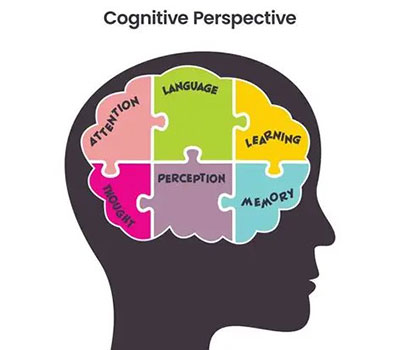
Cognition is the ability to use one’s mental processes to accurately perceive, learn, reason, and understand the world around us. Cognitive functioning also includes the performance of awareness, judgement, intuition, memory, and language capabilities.
These abilities allow us to communicate, build relationships, achieve goals, solve problems, and more. A child’s cerebral palsy (CP) may affect both their physical and cognitive functioning. However, not every child with CP will have impaired cognition.
What Causes Cognitive Impairments in Children with Cerebral Palsy?
Cerebral palsy (CP) is essentially caused by damage to the brain following a hypoxic brain injury. The type of brain injury and its severity greatly affect cognitive capabilities.
Certain conditions or circumstances that occur in the fetal stages of development or at birth can cause cognitive impairments, including:
- Lack of oxygen during labor (birth asphyxia)
- Preterm complications
- Neonatal infections
- Brain hemorrhage
- Congenital hypothyroidism
- Maternal infections
- Genetic abnormalities
- Chromosomal abnormalities
- Neonatal strokes or seizures
Children with cerebral palsy who have cognitive impairments are likely born with the condition. As with many aspects of having a child with CP, cognitive impairment requires management. Neglecting therapies and early interventions that attempt to extend cognitive functions is detrimental to the long-term well-being of your child.
Cognitive Functioning Versus Gross Motor Skills

A common misconception about cerebral palsy (CP) is that an individual’s physical abilities are directly related to their cognitive abilities.
Due to the disruptive nature that CP has on sending brain signals to the rest of the body, gross motor skills are affected. As a result, a child may be unable to walk on their own, speak clearly, or control facial expressions.
Studies find that, while there is a correlation between cognitive ability and motor learning ability, the two variables have no absolute correspondence. Despite restrictions in movement, speech, and muscle control, many children with cerebral palsy have normal cognitive function.
Possible Brain Functions Affected by Cognitive Impairment
Brain damage that leads to cerebral palsy can affect areas of the brain responsible for cognitive functioning. The severity and location of the brain damage impact the degree of cognitive impairment.
Some of the brain’s functions that may be impacted by cognitive impairment include:
- Attention span
- Decision-making
- Comprehension
- Language skills
- Learning
- Memory
- Processing emotions and feelings
- Problem-solving
- Recognition
- Speech proficiency
Possible Motor Skills Affected by Cerebral Palsy

The Gross Motor Function Classification System (GMFCS) is a set of guidelines for categorizing a child’s physical capability level. Parents and healthcare providers answer a set of questions about the child’s abilities to see what level matches their skills.
Gross motor function refers to using large muscle groups together to perform movements like walking, standing, running, or bending over. This is different from fine motor function, which involves engaging smaller muscles for more precise movements.
Gross motor skills that can be affected by cerebral palsy include:
- Movement
- Posture
- Balance
- Speech
- Eating
- Sleeping
- Learning
How Is Intelligence Measured?
Measuring cognitive function in children with motor impairments is not straightforward. Intelligence testing in children with severe speech and motor impairments can result in an underestimation or assumption of their Intelligence Quotient (IQ).
The benchmark that determines a child’s intellectual impairment is if they have an IQ of 70 or less. Even in children who can perform the tasks of a standardized test of intelligence, great care must go into the interpretation of the results.
Many factors, such as the degree of brain damage, can influence the level of cognitive capability in an individual with cerebral palsy. Variability of cognitive functioning emphasizes the importance of individual assessment.
Adaptive tests that can be used in determining the cognitive abilities of a child with cerebral palsy include:
Peabody Picture Vocabulary Test
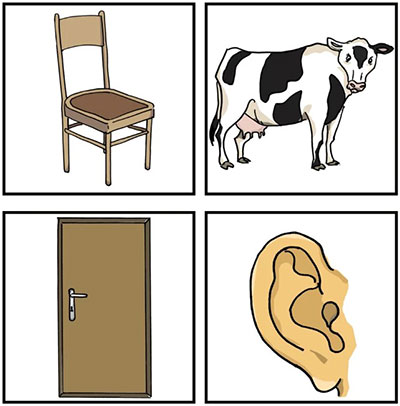
The Peabody Picture Vocabulary Test (PPVT) is a standardized assessment tool designed to measure the understanding of spoken words through picture selection. Test-takers are required to select images that correspond to vocabulary terms that are presented verbally.
The PPVT measures an individual’s verbal comprehension and language development. Based on the results, any possible speech and language disorders can be evaluated.
Test-takers of the PPVT are primarily aged 2 years and older and are presented with a series of 228 items designed to assess receptive vocabulary. The examinee selects from a set of four images per stimulus word.
For children with cerebral palsy who have speech or language impairments, this assessment ensures an efficient and standardized measurement of vocabulary knowledge. This test also accommodates for age, with different sets of words and pictures for different age groups.
Test for Reception of Grammar
The Test for Reception of Grammar (TROG-2) is an assessment designed to identify difficulties in grammar comprehension. A series of sentences are presented to the examinee who then must interpret them correctly to show their understanding of sentence structure and grammar rules.
The TROG-2 consists of 80 items divided into 4 sections that target different grammatical constructs. Similarly to the Peabody Picture Vocabulary Test, the examinee must select an image that correctly represents the sentence’s meaning.
This exam is suitable for individuals from the age of 4 and onward. The result of the assessment effectively differentiates between receptive language difficulties and other cognitive impairments.
Raven’s Progressive Matrices
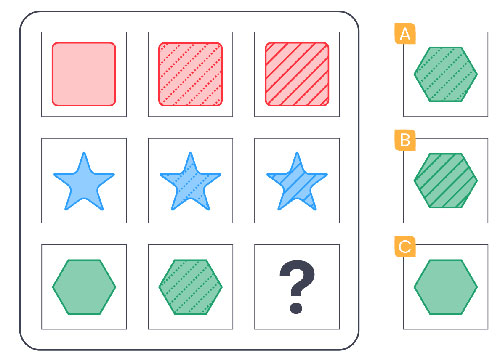
Raven’s Progressive Matrices (RPM) is a nonverbal test of reasoning. A series of visual puzzles are presented that the test-taker must complete. The test isolates the capacity to perceive relationships among abstract figures and make reason out of patterns.
This assessment is regarded as one of the purest measures of general cognitive ability. The puzzles have no language, no arithmetic, and do not rely on acquired knowledge. Anyone of any age and speech capability can take this test.
There are three versions of RPM for different age groups and intelligence levels. One is for children (CPM), another is for the general population (SPM), and the third is for above-average adults (APM). The results of an RPM test are highly reliable and are a great tool for neuropsychological assessment.
What Are the Types of Cerebral Palsy?
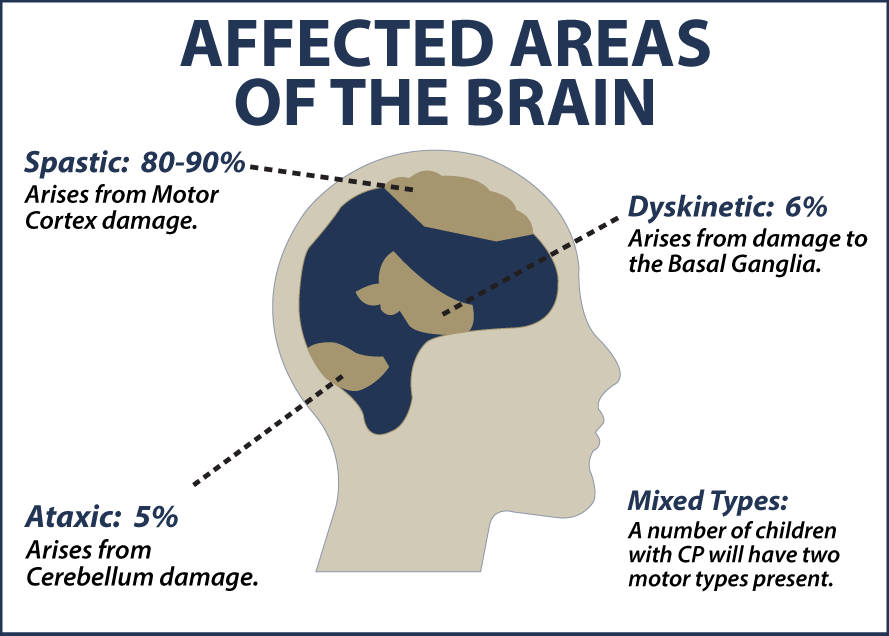
When a child receives a cerebral palsy diagnosis, their doctor will classify it as one of three main subtypes. A child’s cerebral palsy classification and related symptoms will vary based on the part of the brain injured at birth.
There are many cerebral palsy classifications, and some types have a greater risk of cognitive impairment than others. The most common classifications include:
Spastic Cerebral Palsy
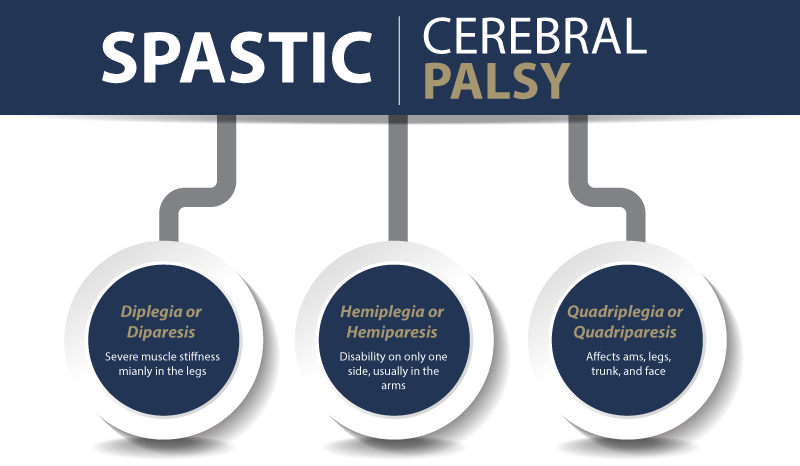
Spastic cerebral palsy is the most common type of cerebral palsy, appearing in roughly 80% of cases. It stems from damage to the motor cortex, which controls movement in the brain.
As the name implies, muscle spasticity characterizes this subtype. Children with spastic CP experience severe muscle stiffness that primarily affects the arms and legs.
In some cases, this stiffness only occurs on one side of the body (known as spastic hemiplegia). In more severe cases, it can affect all four external limbs (known as quadriplegia) and make autonomous mobility impossible.
Cognition Statistics of Spastic Cerebral Palsy
- Spastic Hemiplegia Cerebral Palsy: Between 81% to 89% of individuals with spastic hemiplegia have normal cognitive functions, which are typically defined by an IQ score greater than 70. However, about one-third have specific learning impairments. These include impairments in visual-spatial cognition, acquisition of visual imagery, and executive functioning.
- Spastic Diplegia Cerebral Palsy: 67% to 78% of individuals with diplegia are reported to have an IQ greater than 70. However, the brain injury that caused the diplegia can affect this range.
For instance, periventricular leukomalacia (PVL) affects the brain connectivity in the temporal-parietal cortex. This area of the brain is a major sensory processing hub. Damage to this cortex can lead to visual-perceptual impairment. - Spastic Quadriplegia Cerebral Palsy: Up to 90% to 100% of individuals with quadriplegia are reported to have an IQ of less than 70. However, this may represent an overestimate of impairment due to inaccessibility of formal testing for quadriplegic children.
In one study, 20% had an IQ higher than 85. Severe motor impairments can mask cognitive abilities, so documenting the capabilities of quadriplegic children requires adapted testing.
Dyskinetic Cerebral Palsy
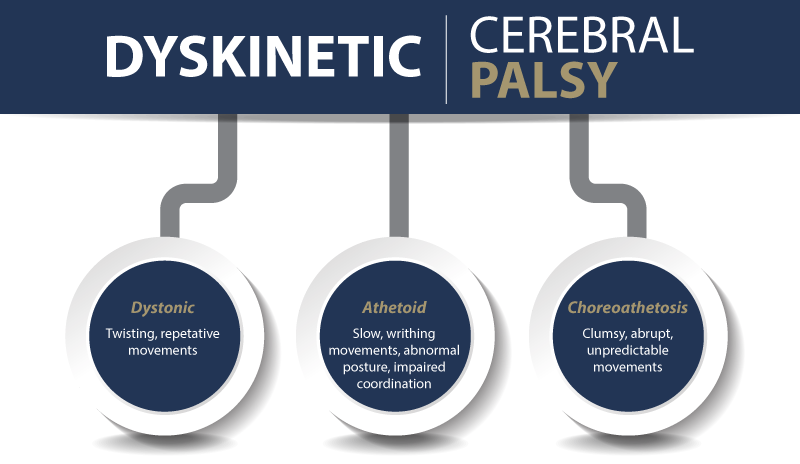
Dyskinetic cerebral palsy is the second most common form of cerebral palsy. It stems from basal ganglia injuries and thalamus damage in newborns.
Similar to spastic CP, dyskinetic CP causes several movement disorders caused by involuntary muscle contractions and spasms. Children with this subtype may either experience slow, continuous writhing movements (athetosis) or rapid jerky movements (chorea).
A child’s muscle tone may range from stiff to floppy with dyskinetic CP. This can impair movement and cause painful cramping sensations.
Standardized test scores of non-verbal reasoning and verbal comprehension varies greatly in individuals with dyskinetic CP. About 50% to 60% are reported to have an IQ less than 70. However, this varies between as low as 25% and as many as 70% to 80%.
Children with dyskinetic CP can have normal cognition even with severe motor impairments. While studies involving only dyskinetic CP individuals are rare, they show that language, memory, visual perception, and executive functions can often be normal for their age.
Ataxic Cerebral Palsy
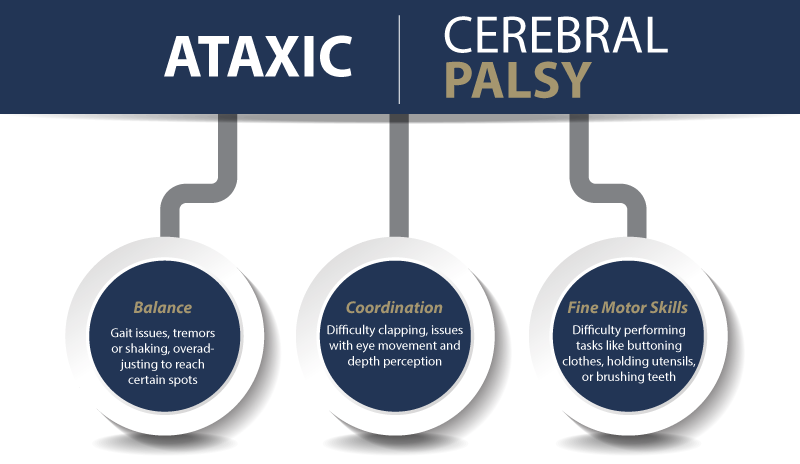
Ataxic cerebral palsy is the rarest subtype, occurring in less than 5% of all cases. It stems from damage to the cerebellum, which helps coordinate voluntary movements, posture, and balance.
Children with this form of CP struggle with maintaining balance and coordination. They may have issues with depth perception or walking straight. Their movements might seem disorganized and jerky to other people.
About 42% to 67% of individuals with ataxic CP are reported to have an IQ of less than 70. However, studies focused solely on this group are very limited. This can likely be attributed to the rarity of this subtype.
Mixed Cerebral Palsy
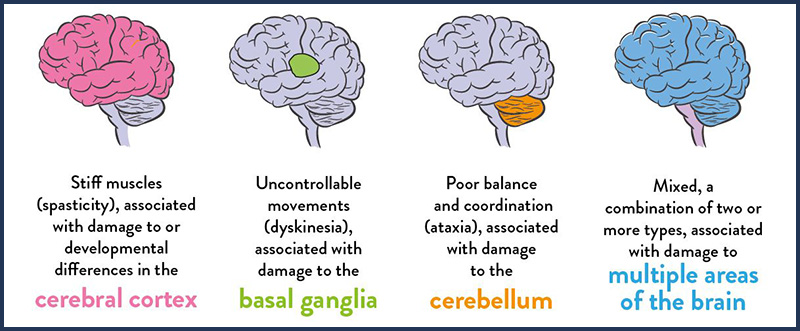
Mixed cerebral palsy is the diagnosis for when children experience overlapping cerebral palsy symptoms from different subtypes. Typically, this means that a more severe brain injury has occurred, causing damage to several parts of the brain.
Most mixed CP cases are a combination of spastic and dyskinetic subtypes. Researchers estimate that around 10-15% of all cerebral palsy diagnoses are mixed types.
What Are the Signs of Cognitive Impairment?
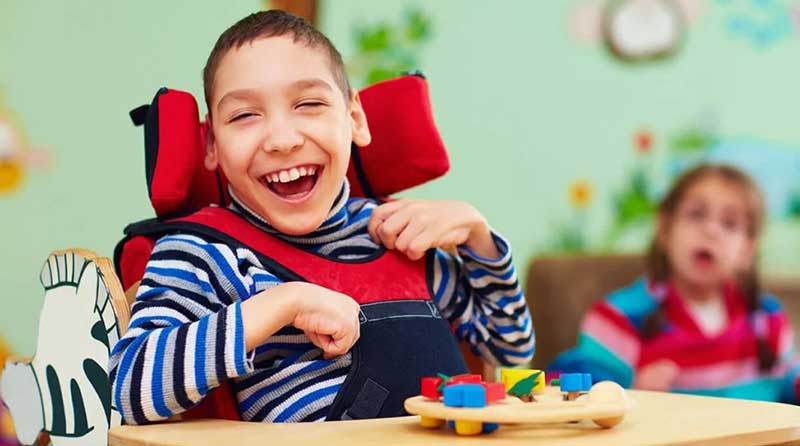
Cognitive impairment can be difficult to detect, especially in young children. One of the best ways to identify if your child is struggling with cognitive functioning is to observe them closely.
Even infants should respond to external stimuli like sound and touch. If a child is unresponsive to external conditions, or if they fail to meet developmental benchmarks, a consultation with a physician is imperative.
Other signs that a child may have a cognitive impairment include:
- Delayed language development
- Difficulty learning and focusing
- Outbursts of tempter
- Trouble interacting with others
- Aversion to physical touch
- Issues with sensory stimulation
- Depression or anxiety
- Inability to recognize and/or react to noise
- Trouble speaking and responding to others
- Issues with information processing
- Shortened memory span
Identifying cognitive impairments in a timely manner is crucial. The sooner a child can begin working with therapists and physicians on early intervention therapies, the better.
What Therapies Can Help Manage Cognitive Impairment?

Cognitive dysfunction cannot be reversed, but abilities can be optimized. Through the right set of therapies and interventions, a child can learn how to work and function within their limits.
Every case of cerebral palsy accompanied by cognitive impairment will require different resources. The nature and severity of the child’s condition will determine what is needed to expand their abilities.
Through partnerships with medical professionals and educators, parents can devise a tailored plan for the needs of their child. This plan will consider the results from completed cognitive tests and evaluations to address what therapies are needed.
There are many medical professionals that may be involved in a plan to optimize a child’s cognitive functioning, including:
- Physical therapists
- Occupational therapists
- Speech and language pathologists
- Special education teachers
- Physicians
- Psychologists
- Behavioral therapists
- Neurologists
Cognitive therapies can help children develop solutions for the day to day obstacles they face.
A speech and language pathologist can help with verbal and non-verbal communication, allowing the child to better express their needs and wants. A behavioral therapist can help a child who has trouble expressing or regulating their emotions.
Enhancing communication, problem-solving, and learning skills can improve the quality of life for a child with cerebral palsy and cognitive dysfunction.
Augmentative Communication (AAC) Devices
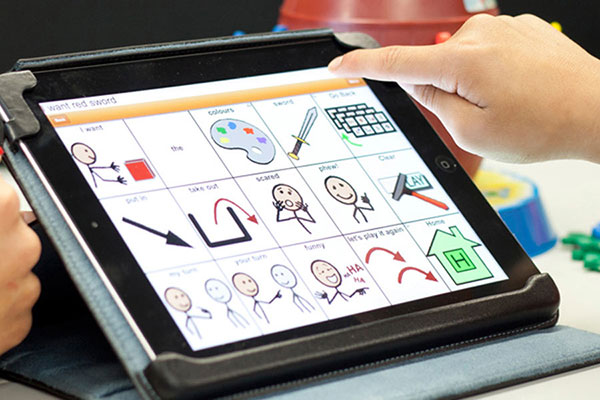
Some children with cerebral palsy have physical impairments that make communication difficult. However, cognitive impairment accompanied with speech restrictions can create an even more frustrating circumstance for the child.
Depending on the child’s strengths, professionals will use different methods to communicate. This includes using images along with words to create associations between the two.
In some cases, augmentative communication is a solution for enhancing communication skills. This can range from using speech-generating devices to using body and sign language.
An AAC is any tool that helps an individual express themselves including all augmentative and alternative communication devices. For example, facial expressions, hand gestures, pictorial communication, and writing or typing would all constitute different types of AAC on the most basic levels.
Augmentative and alternative communication can be aided or unaided. Unaided AAC includes all types of non-verbal communication that takes place without the involvement of assistive devices or technology. Historical basic examples include making faces, waving hands, or using sign language.

With technological advances, Aided AAC now includes communication that involves the use of assistive equipment or technology. Examples include communication boards, speech generating devices, hearing devices, and software based devices.
Did Medical Negligence Cause My Child’s Cerebral Palsy?

A cerebral palsy diagnosis can stem from a multitude of birth complications that interact to cause brain damage. But no matter the source, parents deserve to know when preventable medical mistakes amplify the complications of their child’s conditions.
Missing pregnancy complications, improperly monitoring fetal heart rates, or delaying C-sections can all lead to a baby’s preventable brain injury. If a family believes medical negligence worsened a child’s brain damage at birth, legal support may be an option. A cerebral palsy lawyer can review the medical records and circumstances to assess whether a claim exists.
Families who have experienced the effects of brain injuries from negligent medical care deserve to know whether they were avoidable. Our cerebral palsy attorneys specialize in birth injury medical negligence, helping families seek compensation when negligence causes lifelong conditions.
Our team will thoroughly investigate the facts, holding responsible parties accountable by pursuing medical malpractice claims.
What Is the Statute of Limitations in a Birth Injury Lawsuit?

A statute of limitations (SOL) is a law that sets a time limit on how long an injured person has to file a lawsuit after an accident.
It is essential to understand that statutes of limitations vary based on the case and the state where you file. For instance, the deadline for birth injury claims is typically different from other claims, such as injury to private property.
Generally, the clock starts ticking on the date the injury occurred. However, there are exceptions to this rule. In some cases, the statute of limitations starts when a person discovers or reasonably should have discovered an injury. When dealing with government agencies, SOLs can become even more complex.
For example, if the party that injured you was:
- A federal employee
- Employed by a military hospital, Veterans Administration facility, or a federally funded medical entity
Birth Injury Claim Under Federal Tort Claims Act (FTCA)
You may need to file a birth injury claim under the Federal Tort Claims Act (FTCA). In FTCA cases, claimants must go through certain administrative procedures before filing a lawsuit. In some states, you may have less time to give notice if:
- The negligent party was a local or state government hospital.
- The doctors and medical providers are employees of a governmental entity.
If you file your case outside of the statute of limitations, the court will typically dismiss it. This means you will not be eligible to recover compensation for you or your child’s injuries.
Determining when a statute of limitations begins on your case can be tricky. Our cerebral palsy attorneys specializing in birth injuries and can tell you important cutoff dates in your state.
How Can Our Cerebral Palsy Attorneys Help?
A detailed expert review of the facts and circumstances of your pregnancy and your child's birth can reveal many things. Namely, it can determine whether a child’s cerebral palsy diagnosis and related symptoms were the result of medical malpractice.
*Not all cerebral palsy is caused by medical negligence during birth — some may stem from genetic factors, prenatal issues unrelated to care, prematurity, or unknown causes. Our National Cerebral Palsy Lawyers offer free case evaluations with a medical expert to determine whether negligence played a role in your child's birth injury.
Our Process
Our team of cerebral palsy attorneys specialize in birth injury malpractice and can help assess your potential cerebral palsy case. We use our detailed medical negligence case review process to take in your information and begin learning more.
We start by gathering information about your pregnancy by examining records to determine what happened during and after your delivery. This includes evaluating the fetal heart rate strips during labor and any action medical professionals took in the NICU.
We will call in skilled medical experts who review your records and provide insight into where medical professionals went wrong. If we feel medical negligence caused or worsened your baby’s cerebral palsy symptoms, we meet with you to discuss further.
At no point in our legal intake process will we ask you to pay anything. The medical review of your case and the consultation are free. We only receive payment once you do. The sooner you reach out, the sooner we can investigate your case and gather evidence to support your claim.
We work on a contingency fee basis, meaning you will not pay any legal fees until we win your case. We do not pursue any medical malpractice cases unless we fully believe we can win.
Contact us today to schedule your free consultation by calling our toll-free line at (888) 987-0005. You can also reach us by filling out our online request form.
National Birth Injury Law
Our National Birth Injury Attorneys, nurses, and support staff understand that parents of children with birth injuries feel overwhelmed. So, every client has the attention and support of a team of trained, compassionate professionals. But we don’t just offer compassion.
We offer a process to help you discover whether your child’s birth injury, HIE, cerebral palsy or brain injury at birth was caused by medical malpractice.
Call our offices today at (888) 987-0005 for experienced assistance in a free consultation.
Quick Links
Testimonials
- Lyric C. I feel like our voice was heard in a sense of what can possibly go wrong in a delivery and finding us answers. I feel with our settlement, we are now in a comfortable position to provide for our son.
- Lyssa L. They are not just people that say “hey let's get you money and let's go” The law firm was very thorough with us. It was awesome. I don't want to cry, because I think about and it's amazing that they were able to help me and that we were able to help my son and get the story out there.
- Jay C. Throughout the process, one thing was clear to us, the ultimate interest of our child was the utmost concern of Max and his team and as parents navigating a situation like that, that was refreshing to know we had them firmly on our side. I highly recommend them.
Popular Cities
- ★ Dallas Birth Injury
- ★ Houston Birth Injury
- ★ Atlanta Birth Injury
- ★ Chicago Birth Injury
- ★ Philadelphia Birth Injury
Locations
★ Dallas
11551 Forest Central Drive, Ste. 300
Dallas, TX 75243
★ Houston
12929 Gulf Freeway, Ste. 111
Houston, TX 77034