Craniosacral Therapy
What is Craniosacral Therapy?
Craniosacral Therapy (CST) is a gentle and hands-on method that is believed to help release tension and compression in the bones of the head and the lower back. The non-invasive manipulation of the bones and surrounding tissues in an infant’s skull and sacrum (bone in lower back) can aid in the healing process of a birth related head injury.
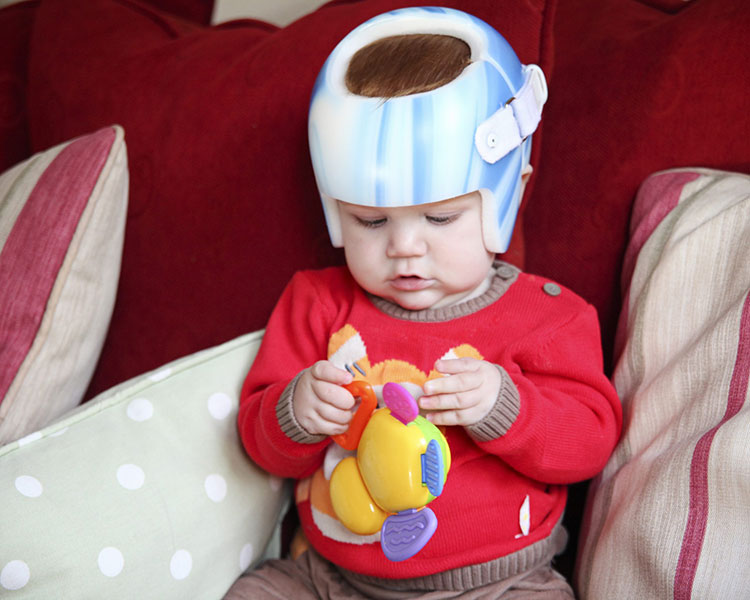
Birth related head injuries can be very dangerous and even fatal in some cases. These birth injuries become more tragic for families when they happen at the hands of a trusted medical professional’s negligence.
Most birth related head traumas are minor and occur naturally during labor and delivery. However, some head injuries, including brain injuries and skull injuries, can significantly alter a baby’s life trajectory. Craniosacral therapy (CST) is a method used in attempt to alleviate the pain and tension associated with some newborn head injuries.
What Is the Craniosacral System?
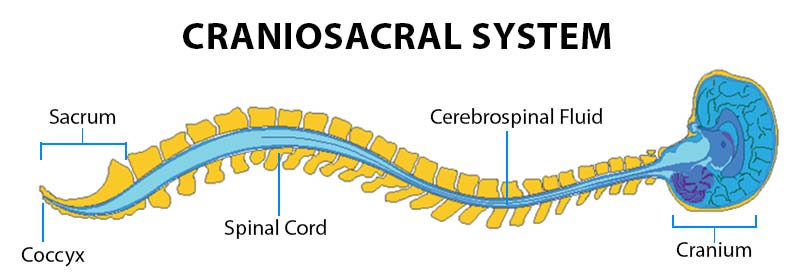
The craniosacral system is the membrane system that surrounds the central nervous system and connects the cranium to the sacrum. The craniosacral system includes:
- The cranium
- The sacrum and coccyx
- The meninges
- Cerebrospinal fluid
- The structures involved in the production and re-uptake of cerebrospinal fluid
Craniosacral therapy (CST) targets fascia in the body to release tension and compression. The fascia is a body-wide connective tissue network that holds your organs, glands, nerves, muscles, blood vessels, brain, and spinal cord. The goal of CST is to improve body functions by releasing stored tension in any tissues influencing the craniosacral system.
What Happens During Craniosacral Therapy?
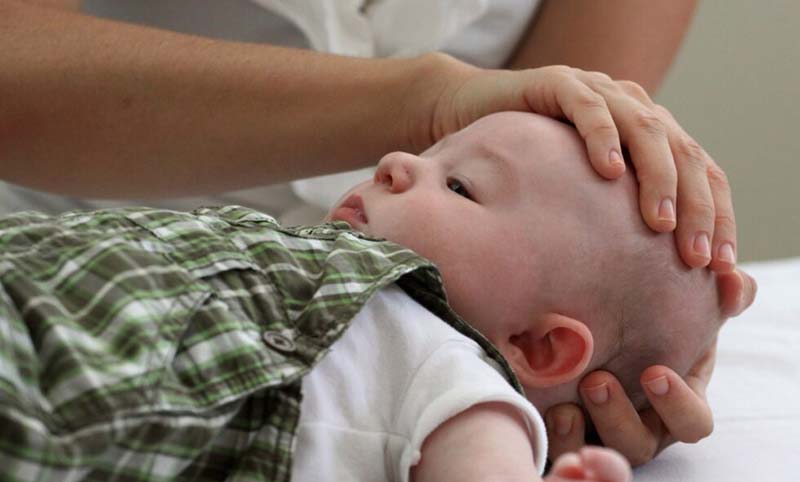
A craniosacral therapy session is essentially a medical massage. The child is placed on a special pediatric massage table or on the parent’s lap. The therapist may allow the baby to move, crawl, or play with toys during the treatment.
Once the baby is relaxed and calm, the practitioner massages very specific areas and bones in the baby’s body. With about 5 grams of pressure (the weight of a nickel), the therapist targets the baby’s skull, temples, jaw, and lower back.
During the massage, any restrictions in movement will be identified by listening to the subtle rhythms and pulsations of the craniosacral system. This is achieved by monitoring the changes in pressure of the wave-like motions of the cerebrospinal fluid.
The therapist’s aim is to correct any dysfunction in the movement of cerebrospinal fluid. These corrections are thought to facilitate and elicit the body’s own healing mechanisms.
A study on the effectiveness of CST challenges the assumption that movement in cranial structures creates rhythmic movements of cerebrospinal fluid from the cranium to the sacrum. The study concludes that CST is not clinically proven to be effective in treating various disorders.
What Conditions Does Craniosacral Therapy Attempt to Treat?
Craniosacral therapy (CST) can be used to treat many conditions caused by birth related head traumas such as plagiocephaly (flattening of the head). CST is thought to treat non-injury related conditions as well, including:
- Colic
- Digestive issues (excessive gas, bloating, belching, constipation)
- Torticollis (muscle spasms in neck cause head to twist to one side)
- Gastroesophageal Reflux (GER)
- Poor sleep
- Developmental delays
- Feeding or oral motor problems
The Exception to Craniosacral Therapy: Craniosynostosis
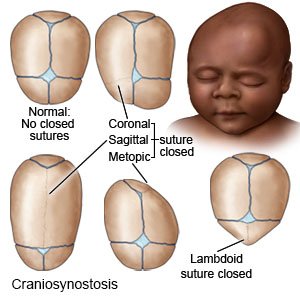
There are a few signs, like cerebral swelling or recent head traumas, that should deter the use of craniosacral therapy (CST) as a treatment option for your child. However, craniosynostosis will not respond to CST due to increased intracranial pressure.
Craniosynostosis is a condition marked by the bones in a baby’s skull fusing together before the brain can fully form. In some cases, the brain may not have enough room to grow and result in excessive pressure inside the skull.
Increased intracranial pressure can lead to vision impairments, sleep apnea, eating problems, or impairment of mental development. Craniosynostosis affects 1 in 2,500 live births and typically requires surgery.
What Causes Head Injuries and Trauma During Childbirth?
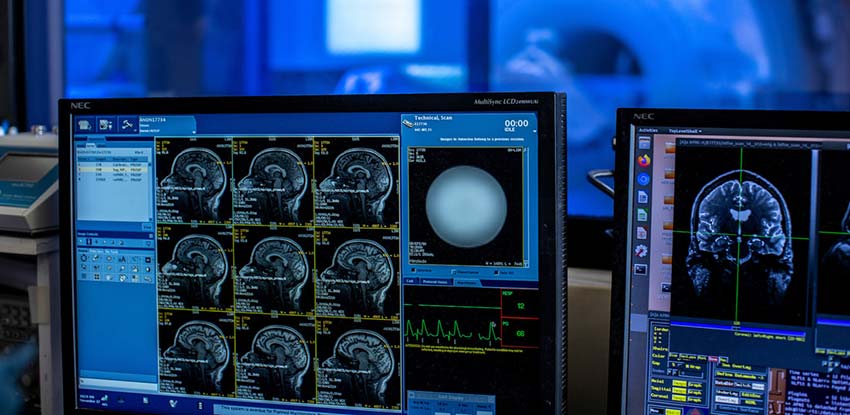
Head injuries can significantly alter a baby’s life trajectory. Injuries like hypoxic-ischemic encephalopathy (HIE) can permanently affect the child’s motor control, delay cognitive functioning and other developmental milestones. HIE can also cause complications like seizures and vision impairments.
Brain damage at birth is the leading cause of cerebral palsy. Injuries to the baby’s head and brain can involve a variety of internal and external factors. The top causes for head injuries include:
Birth Trauma
A baby suffers from birth trauma when they sustain any physical injury to their body during the birthing process. When OB-GYNs or other medical professionals use excessive force during delivery, they increase the baby’s risk for head injuries and other injuries as well.
Birth Asphyxia
Prolonged hypoxia during delivery can result in birth asphyxia, or extreme oxygen deprivation to the brain. This causes nerve and brain cells to die off, leaving permanent damage to the brain and resulting in lifelong injuries like HIE and cerebral palsy.
Misuse of Forceps & Vacuum Extractors
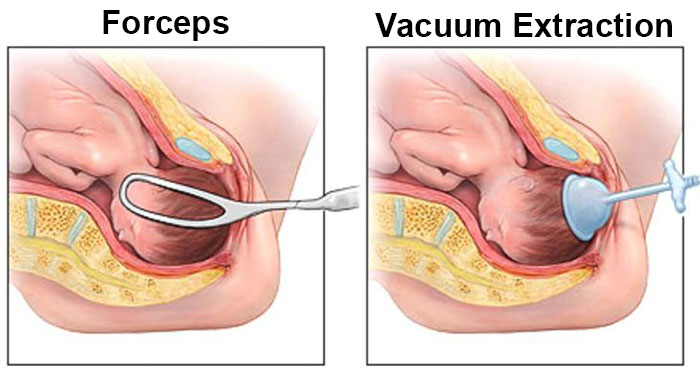
Forceps and vacuum extractors are two types of birth-assistive devices that can help ease a baby out through their mother’s birth canal. When excessive force is used, these tools can cause lesions, scrapes, and fractures to the baby’s head, even risking injury to their brain.
Forceful Contractions
When a mother experiences frequent or abnormally forceful contractions from uterine hyperstimulation or tachysystole, it can deprive the baby of oxygen in the womb and place excessive force upon their head and brain. Additionally, a prolonged or arrested labor can have the same effects on a child and is equally dangerous for the same reasons.
Healthcare providers must be aware of these risks and be prepared to address them during labor and delivery. If necessary, they must be ready to artificially induce labor by using medications like Pitocin and Cytotec or be equipped to perform an emergency C-section delivery.
What Are Common Birth Related Head Injuries?
Brain Injuries
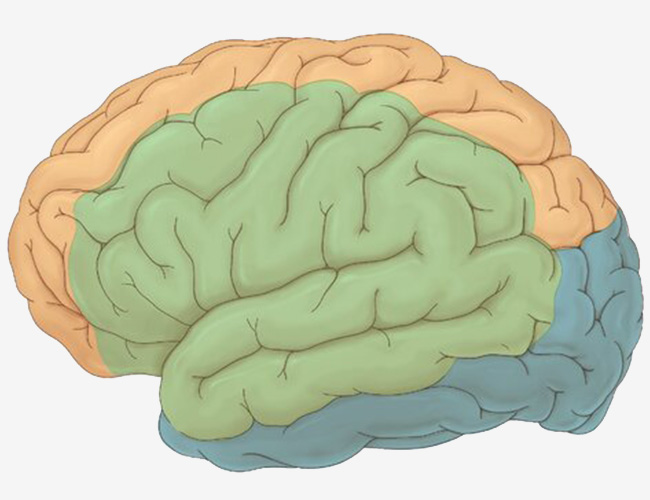
Brain injuries are among the most serious types of head injuries because of the brain’s role in controlling and directing the rest of the body’s activities and processes. They occur most commonly from one of two scenarios: oxygen deprivation and birth trauma to the head.
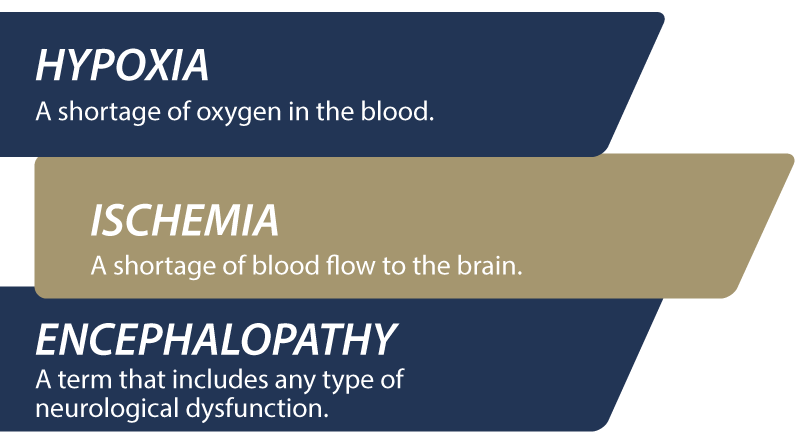
Hypoxic-ischemic encephalopathy (HIE) is the most common and severe birth related brain injury caused by oxygen deprivation. HIE occurs when a baby suffers from birth asphyxia, which causes their heart rate to drop and display signs of fetal distress.
Blood flow to the baby’s brain is reduced (ischemia), meaning the baby isn’t receiving enough oxygenated blood to survive.
Another type of brain injury that can be caused by oxygen deprivation is periventricular leukomalacia (PVL), an injury to the areas near or around the brain’s ventricles that contain cerebrospinal fluid.
PVL affects parts of the brain known as “white matter,” which is responsible for transmitting messages between nerve cells and the spinal cord. A PVL injury will mirror similar symptoms of other brain injuries and can also be a risk factor for cerebral palsy.
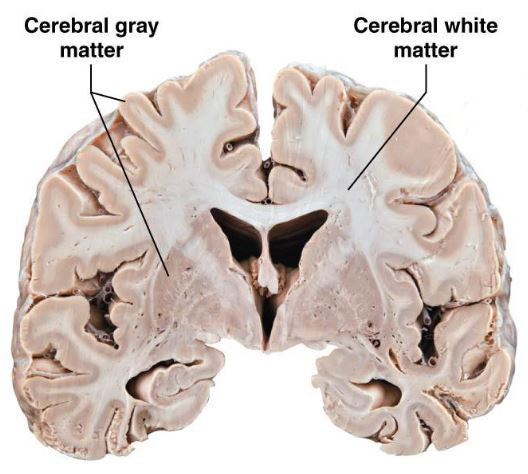
Brain injuries caused by birth trauma can include skull fractures and intracranial hemorrhages. These types of injuries may require different treatment approaches, but they can also threaten the child’s long-term wellbeing with risks for seizures, delayed developmental milestones, and loss of motor control.
Doctors, nurses, and all other medical professionals must thoroughly assess a child during delivery and at birth for brain injuries, including assigning an APGAR score. If they suspect brain damage has occurred, they must promptly begin treatment like brain cooling and admit the baby into the neonatal intensive care unit (NICU).
Skull Fractures
Skull fractures can be caused by trauma experienced during a difficult delivery or by the misuse of tools like forceps and vacuum extractors.
Minor skull fractures can heal on their own, but depressed skull fractures run the risk of puncturing brain tissue and causing life-threatening complications like brain bleeds or cephalohematoma. In these instances, surgery may be necessary to avoid brain damage.
Untreated skull fractures can be dangerous and have lifelong consequences for the child, including seizure disorders and cognitive developmental delays. Craniosacral therapy (CST) should typically be avoided within the first 6 to 8 weeks of a skull fracture.
Cerebral Compression & Head Molding
Cerebral compression is a type of injury that can happen when the baby's head is subjected to excessive pressure during labor and delivery. During labor, this pressure is often related to the mother's uterine muscles engaging in a pattern of contraction and relaxation that help push the baby through the birth canal.
As the baby passes through the birth canal, a certain amount of cerebral compression is normal. However, when there is excessive pressure on a newborn's head, it may result in irreparable brain damage from decreased blood and oxygen supply (hypoxia) in the brain.
The bones of a newborn baby's skull are soft and flexible, with gaps between the bony plates called cranial sutures. Two particularly large gaps are the front and back fontanelles, which are the spaces between the five major bones in a newborn baby's skull that have not yet fused together. These areas are more flexible than in the skull of an adult because they need to shift around to accommodate passage through the birth canal.
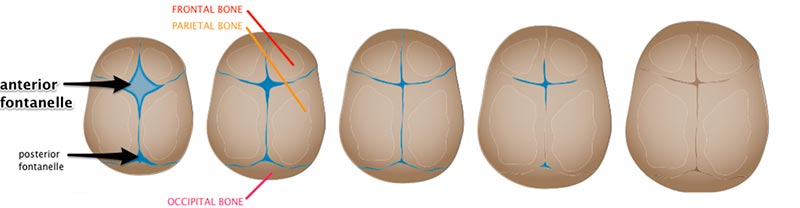
When a baby is born in a head-first position, excessive pressure from uterine contractions that are too strong or frequent may cause the head to mold into an oblong shape. Head molding is the term used to describe this abnormal head shape.
It is the responsibility of physicians, OB-GYNs, and other medical professionals to ensure labor and delivery is a safe process and that the baby does not suffer any neurological injuries from cerebral compression.
Doctors are extensively trained to reduce the risk of infant injury during birth by detecting, carefully monitoring, and diagnosing any potential complications or abnormalities that may arise during childbirth.
Intracranial Hemorrhage
A neonatal intracranial hemorrhage (ICH) or brain bleed is a birth injury that may occur during childbirth, resulting in bleeding inside the baby’s brain. In this birth complication, the tearing of blood vessels within the baby’s brain causes the blood to spread to other parts of the brain tissue.
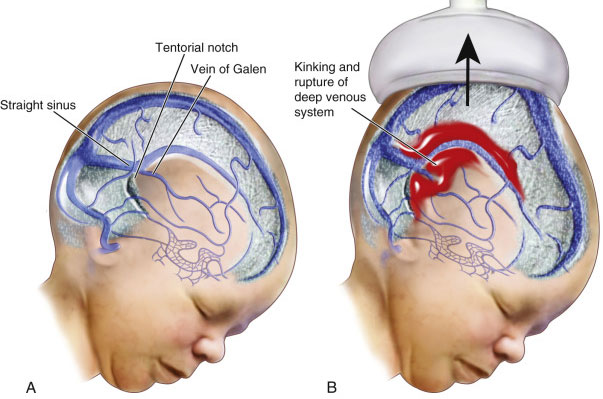
Babies who have suffered hypoxic-ischemic encephalopathy (HIE) around the time of birth are likely to have intracranial hemorrhages. This puts the baby at an increased risk of cerebral palsy. Long-term complications may include hemiplegia (paralysis in one side of the body), ataxia (loss of muscle control), developmental delays, and cerebral palsy.
The medical provider should be alert to the presence of risk factors for neonatal intracranial hemorrhage. Preparations should be made ahead of time for an emergency cesarean section to minimize the risk of hemorrhaging and other birth injuries.
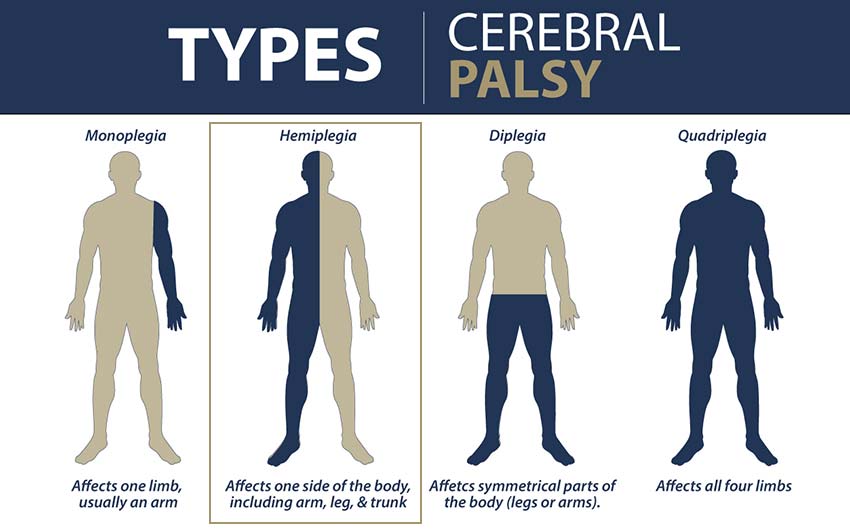
When a serious intracranial hemorrhage (grade 3 or grade 4) is suspected, the baby should be immediately moved to the NICU. Most neonatal intracranial hemorrhages are non-progressive, but may result in permanent physical and mental impairments, including cerebral palsy. Long-term physical, occupational, and speech therapies as well as the use of assistive equipment and devices may be necessary to help the child adapt to lifelong disabilities.
Cephalohematoma
Cephalohematoma is a birth complication involving buildup of blood from broken or damaged vessels (hemorrhage) that may occur between the baby’s skull and outer layer of skin during the birth process.

The most common site of cephalohematoma is the parietal bone area (bone forming a part of the top and side of the head.) With that said, this condition can develop over any of the cranial bones. No specific diagnostic tests are available, but medical providers can confirm a diagnosis based on the characteristic bulge appearing on the baby’s head.
In some cases, additional neuroimaging tests, such as x-rays, ultrasound, and CT scans may be ordered to evaluate for potential skull fractures or any other complications underneath the skull, which could affect the baby’s brain.
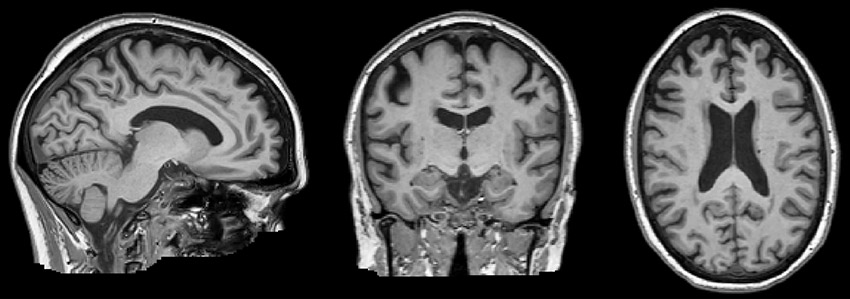
Newborn cephalohematoma usually resolves without requiring any significant medical intervention. But in any case, close monitoring is always required to make sure the condition doesn’t worsen.
In some instances, the medical provider may try to aspirate or drain the blood from the injury site, but this treatment approach is generally not recommended. Drainage along with antibiotic medication treatment may be necessary if an abscess or infection has occurred in the affected area. Management of infection in babies with cephalohematoma is critically important because there is a risk of the brain becoming infected with meningitis, which is a medical emergency.
Caput Succedaneum
Caput succedaneum is a birth complication involving localized swelling or edema that may be present on the newborn’s head after a vaginal delivery. The edema (swelling due to excess fluid trapped under the baby’s scalp) is usually benign resulting from the compression and pressure on the baby’s head as they pass through the birth canal.
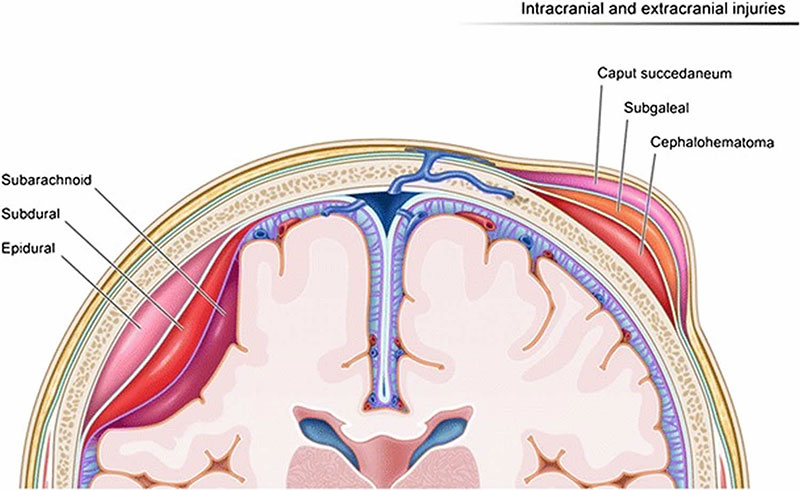
A key symptom of caput succedaneum is a soft, puffy, and swollen spot (typically 1-2 cm deep) primarily on the part of the head which first went through the birth canal.
The condition is sometimes caused by a premature rupture of membranes (PROM). When the amniotic sac is unable to support the head of the fetus due to rupture of membranes, it will cause more pressure on the head from the pelvic bones and fluid build-up may occur under the baby’s scalp.
Most caput succedaneum cases will self-resolve within 48 hours. Attempting to drain the fluid from the baby’s scalp can cause infections, so it should be avoided. All babies diagnosed with caput succedaneum should be monitored for the risk of newborn jaundice. Bruising of the skin over the swollen area may lead to increased bilirubin levels in the blood, which may cause neonatal jaundice or make it worse.
In addition to this, caput succedaneum is also a key indicator to show that the baby when through a stressful and difficult delivery and that their head was subjected to considerable external pressure at the time of birth. This should alert the medical provider to the possibility of a more serious brain injury, such as hypoxic-ischemic encephalopathy (HIE) resulting from oxygen deprivation, which can lead to cerebral palsy.
Hydrocephalus
Hydrocephalus, or "water on the brain," is a medical condition that occurs when there is an excessive buildup of Cerebrospinal Fluid (CSF) in the brain. Although this fluid is a normal and necessary part of the brain's functioning, if there is a blockage flow, a lack of absorption, or overproduction of this fluid, it can lead to increased pressure on a baby's brain, expand their skull bones, and cause brain damage of varying severity.

While each baby may experience hydrocephalus symptoms differently, here are some of the most common signs and symptoms include:
- An unusually large head or bulging fontanelles (soft spot between the bones)
- Bulging eyes and an inability to look up when facing forward
- Fixed downward gaze
- Poor appetite
- Seizures
- Fussiness and excessive irritability
- Swollen scalp veins
With prompt diagnosis and treatment, mild cases of hydrocephalus can have little to no lasting effects. However, in other more severe cases, untreated hydrocephalus can result in lifelong brain injury or even be fatal.
The goal of hydrocephalus treatment is to reduce pressure on the brain by draining the excess buildup of cerebral spinal fluid. Occasionally, medications may be prescribed to draw off the extra CSF.
If a doctor does not begin treatment promptly and compression on the brain lasts too long, the increased pressure can cause damage. Treatment for hydrocephalus will depend on the child's symptoms, age, general health, the cause of the hydrocephalus, and how severe their condition is.
What Are the Risks of Craniosacral Therapy?
Craniosacral therapy (CST) is generally considered a low-risk treatment. The gentle, noninvasive nature of the therapy produces very minimal risks and side effects. Some possible symptoms following a CST session include:
- Dizziness
- Sleepiness
- Lightheadedness
- Mild discomfort
While there is no single national license for CST in the U.S., certain protocols and safety standards are expected in craniosacral therapy sessions. This includes using only about 5 grams of pressure during various massage techniques.
If you notice that your child’s injury is worse or accompanied by new symptoms that were not present before the therapy, medical negligence may be the cause.
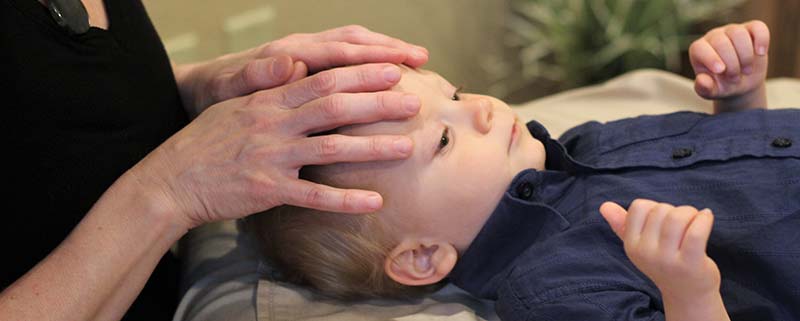
Excessive pressure on a newborn’s skull or spine may worsen a previous birth injury or cause a new injury. If you believe your CST practitioner was negligent and resulted in further injury to your child, you may be eligible for a medical malpractice lawsuit.
Our trusted birth injury malpractice attorneys will review your case through our detailed medical negligence case review process. If we feel medical negligence caused or contributed to the child’s head or brain injury, we meet with you to discuss how you can receive compensation from the medical professionals who made the errors.
What Are the Benefits of Craniosacral Therapy?
There is a debate among medical professionals about the effectiveness of craniosacral therapy (CST) and whether it is truly beneficial in treating medical conditions in infants.
CST is considered a complementary and alternative medicine. A study on the effectiveness of CST finds that there is no sound evidence of the therapy improving any conditions.
However, there are reported positive side effects of CST, including:
- Pain relief
- Relaxation
- Improved behavior
- Improved feeding
- More restful sleep
Is Craniosacral Therapy Right for Your Baby?
Craniosacral therapy (CST) is generally considered a safe practice that can improve the tension and compression caused by a birth related head injury. A recent head or brain injury should not be treated with CST.
There are other contraindications that should elicit caution in choosing CST, including:
- Increased intracranial pressure
- Cerebral aneurysm
- Spina bifida
- Recent brain injury
- Cerebrospinal fluid leak or buildup
- Blood clots
- Recent concussion
- Cerebral swelling
- Recent skull fracture (within 6-8 weeks)
Whether craniosacral therapy (CST) is right for your child largely depends on their injury and conditions. The best practice is to speak with a trusted medical practitioner about the needs of your baby and whether CST can help.
What Medical Mistakes Cause Head Injuries During Craniosacral Therapy?

Craniosacral therapy (CST) sessions are meant to encourage healing through gentle, noninvasive movements to release stored tension in the body. However, a negligent practitioner that misrepresents their qualifications or uses improper techniques may worsen or cause further injury.
When these mistakes cause a preventable head injury to the baby’s head, it can be grounds for a medical malpractice lawsuit. Examples of negligence during a CST session include:
- Excessive pressure that exceeds ~5 grams of pressure (the weight of a nickel) may create new or worsening head injuries.
- Improper administration of craniosacral therapy techniques that result in injury
- Failing to recognize signs of distress during the session
- Any other medical mistake or form of negligence that unknowingly causes a traumatic birth injury to the baby’s head
It’s important to note that it requires a detailed review of the specific facts and timeline of the craniosacral therapy session(s) before making a decision as to whether medical malpractice played a factor in the child’s head injury.
Commonly Asked Questions About Craniosacral Therapy
Who Performs Craniosacral Therapy?
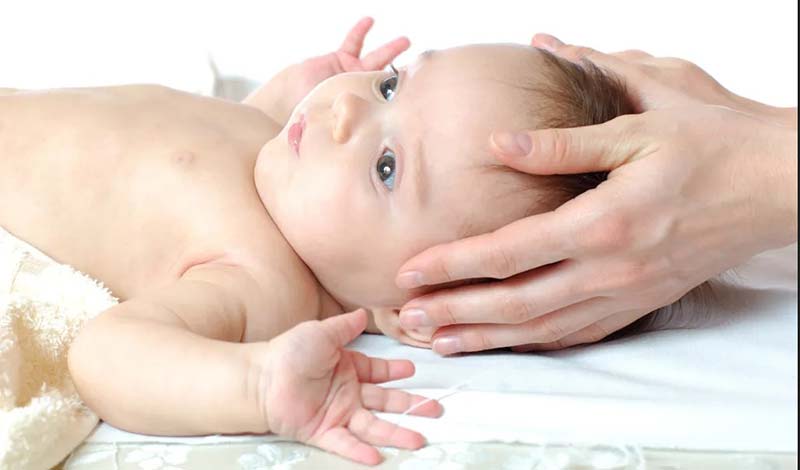
Healthcare providers and therapists who perform craniosacral therapy (CST) may include:
- Pediatricians
- Chiropractors
- A Doctor of Osteopathic Medicine (DO)
- Physical therapists
- Occupational therapists
- Licensed massage therapists
It is important to confirm that your specialist is certified in the practice craniosacral therapy. Even if a medical professional offers their craniosacral therapy services, they must be properly trained and certified to use CST techniques.
There are a few notable organizations in the U.S. who offer training and certifications for craniosacral therapy, such as the Biodynamic Craniosacral Therapy Association of North America (BCTA/NA). The BCTA/NA requires a 700-hour, 50-day training program to become CST certified.
Is Craniosacral Therapy Painful for Babies?
A craniosacral therapy (CST) session led by a certified CST provider should be a comfortable and relaxing experience for your baby. The gentle hand massages on various areas of the body should feel relieving for infants with stored tension.
However, if a practitioner uses excessive pressure or improper techniques, an injury may ensue. This constitutes medical malpractice.
Is Craniosacral Therapy Effective?
There are arguments that craniosacral therapy lacks concrete evidence in improving conditions that affect the craniosacral system and is therefore ineffective. However, many people report positive changes in their babies following a CST appointment.
Research in CST is ongoing to determine how effective the therapy is in treating different medical conditions. Regardless, the session should at least create a relaxing experience for your baby.
Was My Child’s Head Injury Preventable?
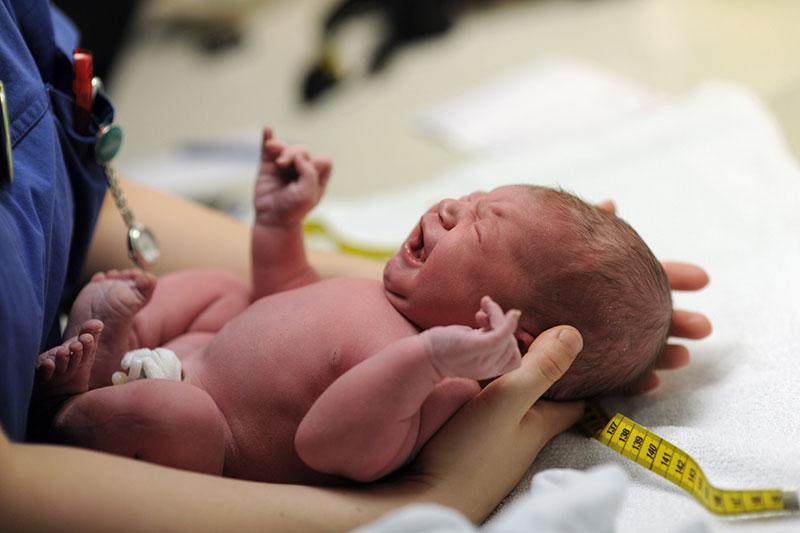
Head and brain injuries at birth can be preventable in most cases with proper medical care. Medical negligence, such as using excessive force during a craniosacral therapy session, can cause an irreparable injury to your child that could have been avoided.
If a family believes medical negligence caused or worsened their child’s head injuries, legal support may be an option. A knowledgeable medical malpractice attorney can review the medical records and circumstances to assess whether a claim exists.
Parents whose children suffer from the long term effects of birth injuries deserve to know whether they could have been prevented. Our dedicated birth injury malpractice lawyers want to help you find those answers and obtain the funds necessary to improve your child’s quality of life.
If your child has been diagnosed with a head injury or is suffering from a related birth complication, and you believe that it was caused in part by medical errors, our firm will thoroughly investigate the facts and hold the responsible medical providers accountable by pursuing medical malpractice claims against them.
Sometimes families are hesitant to reach out to a medical malpractice attorney or law firm. They may feel overwhelmed by their circumstances or are worried that a law firm will not be able to help them.
But the only way to find out if you have a case is to talk to an attorney who understands how birth injuries can lead to developmental delays and other complications that require long-lasting medical support and treatment.
How Can the Birth Injury Attorneys at Miller Weisbrod Olesky Help?

A child’s head injuries can be prevented in many cases, but it takes a detailed expert review of the facts and circumstances of your child's birth and subsequent medical care to determine whether the injury was the result of medical malpractice.
At Miller Weisbrod Olesky, a team of specialized medical malpractice attorneys, nurses and paraprofessionals uses our detailed medical negligence case review process to assess your potential birth injury case.
Our Process
We start by learning more about you and your child and the status of meeting/missing developmental milestones. Then we gather medical records to determine what happened before, during, and after your delivery.
We call in skilled medical experts who review your records and let us know if they think medical errors could have caused you or your child's injuries.
If we feel medical negligence caused or contributed to the child’s head or brain injury, we meet with you to discuss how you can receive compensation from the medical professionals who made the errors.
At no point in our legal intake process will we ask you to pay anything. The medical review of your case and the consultation are free. We only receive payment when you do. The sooner you reach out to us, the sooner we can begin investigating your case and gathering the evidence needed to support your claim.
We work on a contingency fee basis, meaning you won't pay any legal fees unless we win your case. Contact us today to schedule your free legal consultation by calling our toll-free line at (888) 987-0005 or by filling out our online request form.
National Birth Injury Law
Our National Birth Injury Attorneys, nurses, and support staff understand that parents of children with birth injuries feel overwhelmed. So, every client has the attention and support of a team of trained, compassionate professionals. But we don’t just offer compassion.
We offer a process to help you discover whether your child’s birth injury, HIE, cerebral palsy or brain injury at birth was caused by medical malpractice.
Call our offices today at (888) 987-0005 for experienced assistance in a free consultation.
Quick Links
Testimonials
- Lyric C. I feel like our voice was heard in a sense of what can possibly go wrong in a delivery and finding us answers. I feel with our settlement, we are now in a comfortable position to provide for our son.
- Lyssa L. They are not just people that say “hey let's get you money and let's go” The law firm was very thorough with us. It was awesome. I don't want to cry, because I think about and it's amazing that they were able to help me and that we were able to help my son and get the story out there.
- Jay C. Throughout the process, one thing was clear to us, the ultimate interest of our child was the utmost concern of Max and his team and as parents navigating a situation like that, that was refreshing to know we had them firmly on our side. I highly recommend them.
Popular Cities
- ★ Dallas Birth Injury
- ★ Houston Birth Injury
- ★ Atlanta Birth Injury
- ★ Chicago Birth Injury
- ★ Philadelphia Birth Injury
Locations
★ Dallas
11551 Forest Central Drive, Ste. 300
Dallas, TX 75243
★ Houston
12929 Gulf Freeway, Ste. 111
Houston, TX 77034