HIE Related Conditions
What Conditions Are Associated with HIE?
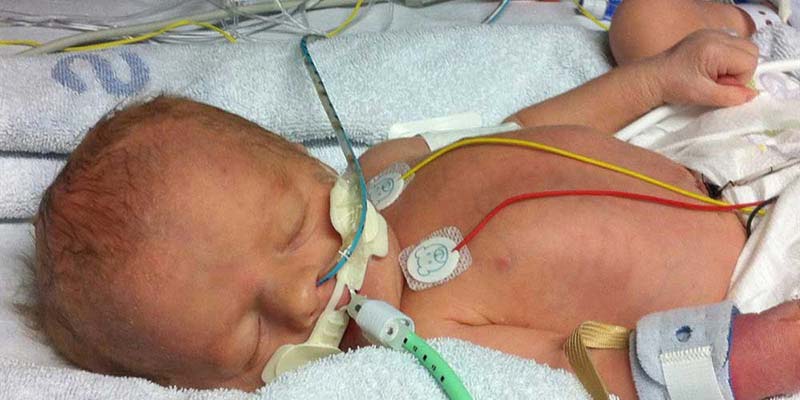
Babies with Hypoxic Ischemic Encephalopathy (HIE) typically develop other conditions resulting from brain damage. This includes cognitive deficits, developmental delays, and serious disabilities like cerebral palsy. Their families face long-term and even lifetime consequences, including costly medical treatments, therapies, assistive devices and technology, and caregivers.
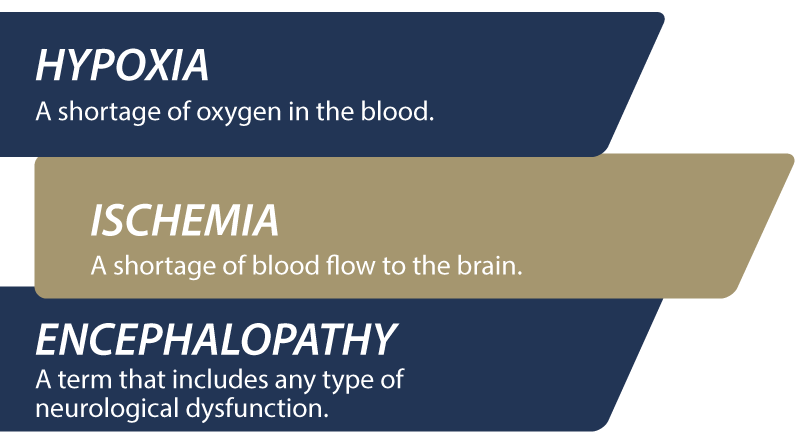
Hypoxic-Ischemic Encephalopathy is a brain injury caused by reduced oxygen in the blood and decreased blood flow to the brain. A restricted supply of oxygen to the brain can cause severe, permanent brain damage.
HIE is sometimes preventable. Doctors, nurses, midwives, and other medical staff should be aware of risk factors. Careful fetal monitoring and timely intervention could prevent or minimize brain damage for some infants. Failing to do so is medical malpractice.
Developmental Delays

In severe cases of brain damage, cognitive and developmental impairments are common. HIE can affect critical parts of the brain, including damage to the:
- Cerebral cortex (information processing),
- Cerebellum (movement coordination, balance, posture, and fine motor skills),
- Hippocampus (memory and learning),
- Basal ganglia (movement regulation), and
- Thalmus (relays sensory information to cerebral cortex).
After the initial hypoxic event, damaged cells are vulnerable even after oxygen and blood flow regulate. A secondary drop in the brain’s energy supply can cause more cell death and create a greater risk for cognitive and developmental delays. HIE can damage different brain regions depending on the:
- Severity of oxygen loss,
- Timespan of oxygen deprivation, and
- Timeliness of treatment after the initial hypoxic event
Developmental delays are common among children with HIE. Damage to parts of the brain responsible for motor skills, speech, language, memory, and more may not be noticeable until they get older.
Monitoring developmental milestones is a good way to identify if your child has delays. These milestones consist of your child’s:
- Movement/Physical Development
- Social/Emotional Domain
- Language/Communication
- Cognitive Abilities
Cognition is the ability to use one’s mental processes to accurately perceive, learn, reason, and understand the world around us. One study identifies more than 30% of children with HIE that require special educational services between 6 and 7 years old.
HIE infants treated with therapeutic hypothermia have lower rates of moderate to severe cognitive impairment.
Cerebral Palsy

All cases of cerebral palsy stem from underdeveloped brains or brain injuries. Hypoxic-ischemic encephalopathy begins with a lack of oxygen to the brain (asphyxia). Reduced oxygen and blood flow to the brain can damage regions of the brain associated with motor skills and may result in cerebral palsy.
HIE does not always cause cerebral palsy; however, it is among the leading causes. Depending on the severity of HIE and how quickly it is treated, subsequent symptoms can vary greatly.
Seizure Disorders

Seizures are often an important indicator that oxygen deprivation occurred during the labor and delivery process. HIE triggers a chain reaction that reduces the energy generation activity in the brain due to oxygen deprivation. This can result in neonatal seizures and overstimulation of the brain impulses.
Five primary types of neonatal seizures include:
- Subtle seizures (most common type)
- Clonic seizures (marked by rhythmic jerks)
- Myoclonic seizures (single, rapid, or repetitive arrhythmic jerks)
- Tonic seizures (continuous muscle contraction)
- Repetitive non-paroxysmal behaviors
Hypoxic-ischemic encephalopathy accounts for nearly 50% of neonatal seizures in both premature and full-term babies. In some cases of HIE, seizure disorders can be a recurring symptom.
Intracranial Hemorrhages
Babies who have suffered hypoxic-ischemic encephalopathy (HIE) around the time of birth are likely to have a brain bleed. A neonatal intracranial hemorrhage (ICH) is a birth complication where the tearing of blood vessels within the baby’s brain causes the blood to spread to other parts of the brain tissue.
Long-term complications from ICHs may include hemiplegia (paralysis on one side of the body), ataxia (loss of muscle control), developmental delays, and cerebral palsy. Neonatal ICH can be classified according to the location of the brain bleed.
The amount of bleeding and the location where it occurs will determine the extent of brain damage the baby may suffer. Major types of brain bleeds in babies include:
- Cerebral Hemorrhage
- Subarachnoid Hemorrhage
- Intraventricular Hemorrhage
- Subdural Hemorrhage
Negligent use of forceps or vacuum extraction during an assisted vaginal delivery, failure to diagnose or treat umbilical cord complications, failure to react to fetal distress during labor or delivery, or incorrect handling of breech baby during delivery could be other forms of medical negligence leading to the baby’s brain bleeds.
Other Birth Complications
Brain damage can affect many functions in the body. Developmental delays and long-term disabilities may not be apparent immediately after the hypoxic-ischemic encephalopathy event. Other injuries, conditions, and/or disabilities may occur following HIE, including:
- Fetal Stroke
- Epilepsy
- Hearing Delays
- Vision Delays
- Speech and Language Disorders
- Respiratory Conditions
- Pain
- Nutritional Concerns
- Behavioral Challenges
Why Is Brain Cooling an Important HIE Treatment?
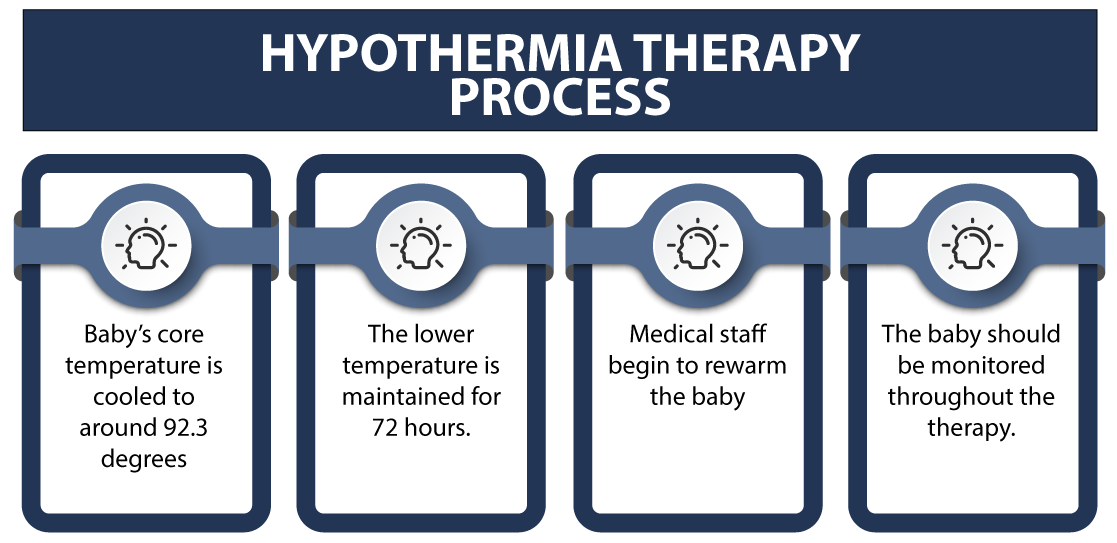
Brain injuries can progress in the first hours and days of a newborn’s life. However, a specialized treatment called therapeutic hypothermia can stop that progression and possibly minimize brain damage for some babies.
The therapy involves cooling the baby’s core temperature to around 92.3 degrees Fahrenheit. After 72 hours, medical staff begin to gradually rewarm the baby while simultaneously monitoring the baby’s vital signs. Cooling or rewarming too quickly can harm the baby’s brain and other organs.
Hypothermia therapy must be done correctly and at the proper time to minimize brain damage. The optimal window of time is up to 6 hours after birth but could begin earlier. In some cases, failing to provide this treatment could worsen the baby’s brain injury, causing lifelong disabilities or death.
At each stage of the process from delivery to initiating treatment, medical professionals must observe, analyze, diagnose, and provide proper treatment. Failure at any level can cause long-term consequences to babies and their families.
Medical negligence or malpractice could occur when doctors, nurses, hospitals, and other providers:
- Fail to inform parents that their child needs or is having brain cooling treatment
- Do not recognize the need for therapeutic hypothermia treatment
- Incorrectly perform the treatment
Therapeutic hypothermia can reduce brain damage for some babies with hypoxic-ischemic encephalopathy. However, when treatment is done incorrectly or not given at all, infants and their families face a lifetime dealing with cognitive disabilities or cerebral palsy.
What Other Options are Available for HIE Treatment?
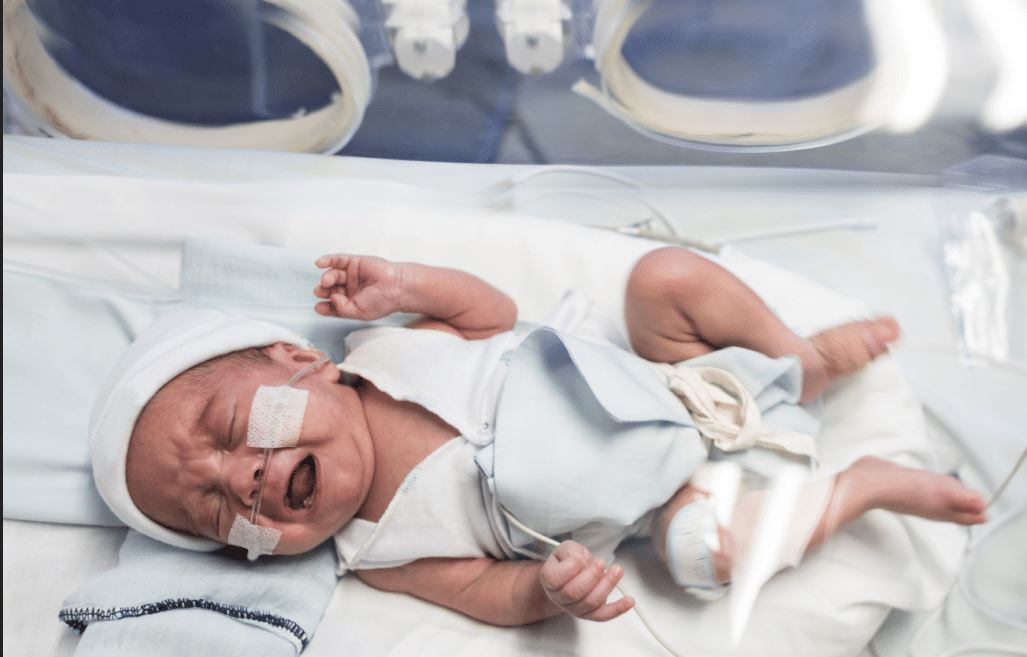
Hypoxic-ischemic encephalopathy causes permanent, irreversible brain damage. Treatments for HIE oftentimes can only improve symptoms. Depending on the severity of brain damage, treatment options include:
- Extracorporeal Membrane Oxygenation (ECMO) Therapy - Large plastic tubes are inserted into the baby’s large blood vessels to provide direct access to the heart. The ECMO machine adds oxygen to the blood and is pumped back through the body.
This type of HIE treatment can provide oxygen to help restore function to some damaged organs. However, the brain damage that has already occurred is irreversible. There is a high risk of intracranial hemorrhage associated with ECMO treatment, and parents should be fully informed before consenting to this therapy. - Neonatal resuscitation or mechanical ventilation for respiratory problems
- Medication to address organ damage and blood pressure problems
Most infants with HIE develop other serious conditions like cerebral palsy and seizure disorders. These babies and their families must deal with lifelong cognitive disabilities, learning disorders, and developmental delays. Such conditions require costly medications, surgeries, physical therapy, assistive equipment, and paid caregivers.
How Can HIE Prevented?
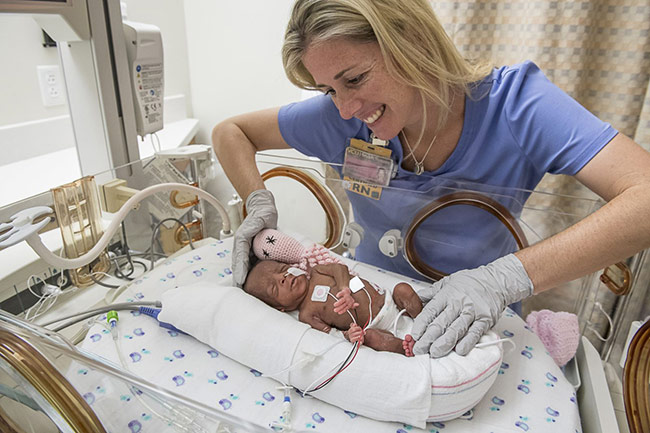
Sometimes hypoxic-ischemic encephalopathy was preventable. When medical negligence and malpractice cause HIE, treatment should be covered by the responsible parties.
The best way to prevent hypoxic-ischemic encephalopathy (HIE) is by preventing asphyxia from occurring. It’s not always possible to do that, but medical professionals might minimize the damage by:
- Prenatal care and testing
- Delaying premature births
- Monitor signs of fetal distress
- React quickly when fetal distress is detected
- Proper diagnosis and treatment of neonatal encephalopathy
Sometimes brain damage from HIE is preventable. However, careful monitoring, close communication among medical professionals, and swift action are necessary. When medical staff fail to meet their standard of care for patients, they can be held accountable for medical negligence and malpractice.
Is Your Child’s Brain Injury the Result of Medical Malpractice?

A hypoxic-ischemic encephalopathy diagnosis can stem from a multitude of birth complications that cause brain damage. But no matter what the source is, parents deserve to know when preventable medical mistakes amplify the complications of their child’s condition.
Missing signs of fetal distress, improperly treating HIE, or failing to diagnose HIE can all lead to a baby’s preventable birth injury. If a family believes medical negligence worsened a child’s brain damage at birth, legal support may be an option. An HIE Injury lawyer can review the medical records and circumstances to assess whether a claim exists.
Families who have experienced the effects of brain injuries from negligent medical care deserve to know whether they were avoidable. Our HIE Birth Injury attorneys specialize in birth injury medical malpractice, helping families seek compensation when negligence causes lifelong conditions.
Our team will thoroughly investigate the facts, holding responsible parties accountable by pursuing medical malpractice claims.

Birth Injury settlement against a hospital in which nurses and physicians failed to properly monitor the mother's blood pressure during delivery causing an HIE event resulting in neonatal seizures and cerebral palsy at birth. Our team of experienced birth injury lawyers recovered $13,750,000 for the family to help with future medical expenses and developmental therapy.
What Is the Statute of Limitations in a Birth Injury Lawsuit?

A statute of limitations (SOL) is a law that sets a time limit on how long an injured person has to file a lawsuit after an accident. It is essential to understand that statutes of limitations vary based on the case and the state where you file. For instance, the deadline for birth injury claims is typically different from other claims, such as injury to private property.
Generally, the clock starts ticking on the date the injury occurred. However, there are exceptions to this rule. In some cases, the statute of limitations starts when a person discovers or reasonably should have discovered an injury. When dealing with government agencies, SOLs can become even more complex.
For example, if the party that injured you was:
- A federal employee
- Employed by a military hospital, Veterans Administration facility, or a federally funded medical entity
Birth Injury Claim Under Federal Tort Claims Act (FTCA)
You may need to file a birth injury claim under the Federal Tort Claims Act (FTCA). In FTCA cases, claimants must go through certain administrative procedures before filing a lawsuit. In some states, you may have less time to give notice if:
- The negligent party was a local or state government hospital.
- The doctors and medical providers are employees of a governmental entity.
If you file your case outside of the statute of limitations, the court will typically dismiss it. This means you will not be eligible to recover compensation for you or your child’s injuries.
Determining when a statute of limitations begins on your case can be tricky. If you are considering pursuing compensation, contact a birth injury attorney as soon as possible.
Why Should You Talk with the Knowledgeable Attorneys at Miller Weisbrod Oleksy?

At Miller Weisbrod Olesky, our team of committed HIE birth injury attorneys, nurses and paraprofessionals works to answer these questions and seek compensation. We use our detailed medical negligence case review process to assess your potential hypoxic-ischemic encephalopathy case.
Our Process
We start by learning more about you and your child and the status of meeting/missing developmental milestones. We then gather medical records to determine what happened before, during, and after the HIE event.
This includes a detailed review of the treatment doctors provided, or the treatment doctors failed to provide. Failing to administer hypothermia therapy can count as medical malpractice when it leads to avoidable future diagnoses like cerebral palsy.
We will call in skilled medical experts who review your records and provide insight into where medical professionals went wrong. If we feel medical negligence caused or contributed to your child’s hypoxic-ischemic encephalopathy, we meet with you to discuss.
At no point in our legal intake process will we ask you to pay anything. The medical review of your case and the consultation are free. We only receive payment when you do. The sooner you reach out, the sooner we can investigate your case and gather the evidence to support your claim.
We work on a contingency fee basis, meaning you won't pay any legal fees unless we win your case. Contact us today to schedule your free consultation by calling our toll-free line at (888) 987-0005. You can also reach us by filling out our online request form.
National Birth Injury Law
Our National Birth Injury Attorneys, nurses, and support staff understand that parents of children with birth injuries feel overwhelmed. So, every client has the attention and support of a team of trained, compassionate professionals. But we don’t just offer compassion.
We offer a process to help you discover whether your child’s birth injury, HIE, cerebral palsy or brain injury at birth was caused by medical malpractice.
Call our offices today at (888) 987-0005 for experienced assistance in a free consultation.
Quick Links
Testimonials
- Lyric C. I feel like our voice was heard in a sense of what can possibly go wrong in a delivery and finding us answers. I feel with our settlement, we are now in a comfortable position to provide for our son.
- Lyssa L. They are not just people that say “hey let's get you money and let's go” The law firm was very thorough with us. It was awesome. I don't want to cry, because I think about and it's amazing that they were able to help me and that we were able to help my son and get the story out there.
- Jay C. Throughout the process, one thing was clear to us, the ultimate interest of our child was the utmost concern of Max and his team and as parents navigating a situation like that, that was refreshing to know we had them firmly on our side. I highly recommend them.
Popular Cities
- ★ Dallas Birth Injury
- ★ Houston Birth Injury
- ★ Atlanta Birth Injury
- ★ Chicago Birth Injury
- ★ Philadelphia Birth Injury
Locations
★ Dallas
11551 Forest Central Drive, Ste. 300
Dallas, TX 75243
★ Houston
12929 Gulf Freeway, Ste. 111
Houston, TX 77034