Washington HIE Birth Injury Lawyers
HIE Birth Injury Attorneys in Washington
Many parents will list their child’s birth among the happiest moments in their lifetime. Nothing should take away from that unmatched feeling of excitement and anticipation as they wait for their newborn to arrive.
As parents, we want the best for our children and hope to see them live long, fulfilling lives. But a devastating HIE Birth Injury can completely alter the course of a baby’s life before it ever truly begins.
Doctors and delivery nurses bring more than 80,000 babies into the world each year in Washington State. Most of these newborns will go on to lead lives free of disability, but other babies won’t be so fortunate.
A hypoxic ischemic encephalopathy diagnosis means a child has suffered from critical brain damage at birth. This injury can have irreversible consequences for the child’s capabilities and limitations later in life.
Most children with HIE birth injuries need extensive intervention care from their early childhood years. Their related complications from the initial brain injury can require many years of therapies, medical procedures, and specialized care plans.
Healthcare providers may try to claim that your child’s injuries were unavoidable, but the truth isn’t always so simple. In reality, critical delivery room errors can make the difference between a healthy, able-bodied infant and one with permanent disabilities.
Some medical mistakes are clear, like using unnecessary force or prescribing the wrong medication dosage. But other mistakes can be harder to spot, like waiting too long to intervene after a delivery complication arises.
No matter how small the mistake, our Washington HIE Birth Injury Lawyers will leave no stone unturned to discover it. We will hold negligent medical providers accountable for their mistakes by pursuing HIE medical malpractice claims against them.
Contact Our Washington HIE Injury Attorneys Today
No one can possibly prepare for learning that their child will never live a normal life. This heartbreaking news can leave parents feeling anxious, overwhelmed, and unsure of what the future may hold for their family.
But in these scary and uncertain moments, our Washington HIE Birth Injury Lawyers are here to assist you.
Free Legal Consultation
Washington HIE Birth Injury Lawyers
(888) 987-0005
Our Washington HIE Birth Injury Lawyers are available to meet you in your home or the hospital.
Seattle | Tacoma | Vancouver | Spokane
Our nationally recognized HIE birth injury team has been helping birth injury victims seek justice for over four decades. We will pursue full and fair compensation for your family to afford life-changing HIE treatments that improves your child’s wellbeing.
Our advanced nursing and medical research division sets us apart from other birth injury firms. Where other firms may employ one or two experienced nurses to assist with cases, we have an entire team.
We use our team’s skills and extensive knowledge in each and every case. Our clients meet and speak directly with not only attorneys, but also nursing staff, nursing advocates, and leading medical experts.
Our team will help answer important legal and medical questions, providing timely updates on the status of your case. We will also assist with scheduling doctors’ checkups, ordering medical documents, providing transportation and lodging, and much more. Our goal is to provide help today, not just after the settlement check clears.
We will not charge a single fee for any of our services while your case is still open. We only charge a pre-agreed attorney’s fee from your settlement or jury award after successfully winning your case. Our Washington HIE Birth Injury Lawyers never charge clients out-of-pocket and only receive payment after your family does.
We are proud to display a long list of legal victories and results that speak for themselves.
Washington State HIE Injury Settlement

A first-time expecting mother experienced a particularly difficult birth at a Midwife Birthing Center in Kirkland, Washington. After having contractions very close together, midwives ignored the mother’s desperate pleas to transfer her to a hospital. 8 hours into labor, she began pushing and her baby’s shoulders became stuck in the birth canal. The baby lost all access to oxygenated blood for over 4 minutes.
When the baby finally made it through, they were not breathing and needed neonatal resuscitation. Emergency services transferred them to a local hospital for therapeutic hypothermia, where neurologists diagnosed moderate to severe HIE. Our Washington HIE Birth Injury Lawyers secured a $4,700,000 settlement for the family to afford early intervention treatments and therapies.
What Are HIE Brain Injuries?
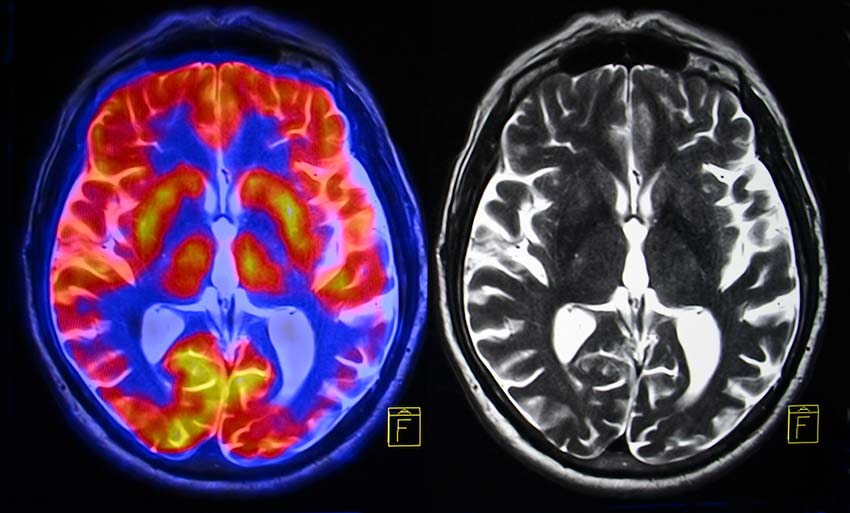
An HIE brain injury occurs when the baby’s brain cells lack enough oxygen to function and produce energy. The damage can happen during pregnancy, during labor and delivery, or shortly during or after birth.
HIE is shorthand abbreviation for hypoxic ischemic encephalopathy:
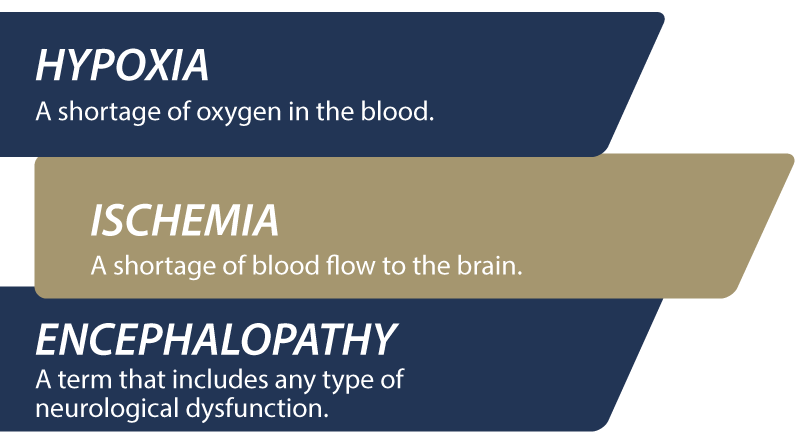
- Hypoxic means hypoxia, or having insufficient oxygen in the tissues
- Ischemic means ischemia, or a lack of blood flow to a body part
- Encephalopathy refers to any damage, disease, or injury to the brain
HIE brain damage is the number one cause of cerebral palsy in children. Cerebral palsy is a group of neurological disorders that disrupt the brain signals required for muscle movement. This can lead to children diagnosed with HIE being paralyzed, having muscle spasms, coordination problems, uncontrollable jerking movements, and more.
In addition, studies show newborn HIE injuries as a leading cause of neonatal mortality and morbidity worldwide.
How Many HIE Birth Injuries Happen in Washington Each Year?
Luckily, very few babies will suffer from an HIE injury at birth. Experts agree that overall HIE incidence in the United States sits somewhere near 1.7 in every 1000 births. By applying that rate to state live birth data, we can predict around 141 newborn HIE cases in Washington each year.
How Does an HIE Brain Injury Develop?
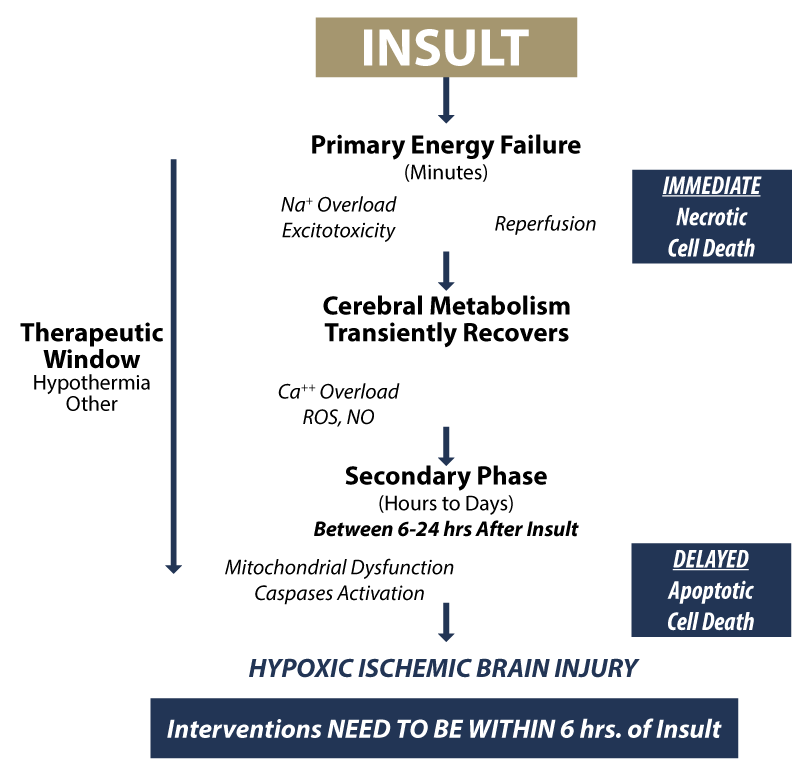
Most people believe that HIE brain damage starts and ends with a disruption in oxygenated blood flow. What they may not realize is that a second, more dangerous wave of damage occurs once oxygenated blood flow returns.
The following timeline explains how a child’s HIE Birth Injury actually occurs over two stages:
Stage 1: Hypoxic-Ischemic Insult
Hypoxic-Ischemic Event: The issues begin whenever a complication stops oxygenated blood from getting into the baby’s brain cells. Depending on the complication, this either happens really quickly (acute-profound hypoxic event) or slowly over time (partial-prolonged hypoxic event). Both acute and prolonged hypoxia have the power to cause brain injuries, just at different speeds.
Cellular Shutdown & Initial Injury: The baby’s brain cells begin shutting down, triggering massive inflammation in the brain tissue. As it continues to swell, lesions begin forming on the thalamus and basal ganglia brain regions. This trauma accounts for the primary HIE damage.
Stage 2: Oxygen Reperfusion Injury
0-6 Hours After Injury: After birth, oxygen returns as the baby begins to breathe through their own lungs. Doctors call this the latent phase, or brief recovery period where they can treat the initial injury with therapeutic interventions. Neonatal brain cooling in particular has strong medical backing for successfully reducing brain swelling within 6 hours after birth.
Oxygen Reperfusion & Secondary Injury: The newborn’s body mistakes the inflammation in the brain for an infection as oxygen returns. In response, the immune system releases toxic chemicals called free radicals or reactive oxygen species. As these toxins circulate through the brain tissue in search of infection, they inadvertently end up damaging surrounding brain cells. Experts say this second wave of injury (oxygen reperfusion injury) can actually be more damaging than the initial hypoxic-ischemic insult.
What Causes HIE Birth Injuries?
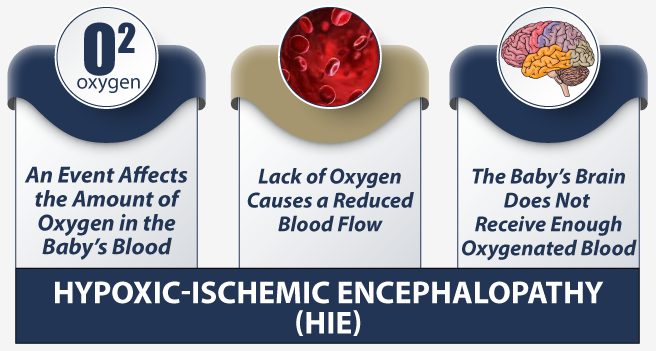
As its name suggests, the main causes of hypoxic ischemic encephalopathy are fetal hypoxia and ischemia.
Oxygen is the vital resource our cells use to produce energy. The brain alone consumes over 20% of all bodily energy by adulthood. Our brains need even more energy before birth to advance fetal development, making adequate oxygenation even more crucial for babies.
Without enough oxygen and steady blood flow, the unborn baby’s brain cells start failing. Unlike other cells, brain cells (neurons) do not easily regenerate after they die. This is why widespread brain cell damage at birth can have lasting impacts throughout childhood and even into adulthood.
Doctors, nurses, and all other medical professionals in the delivery room must carefully watch for signs of fetal oxygen deprivation. Even short periods without oxygen can permanently impair brain function.
What Increases the Risk for HIE Birth Injuries?

A child can experience hypoxia and ischemia that lead to HIE for a variety of different reasons. While not all complications will guarantee an HIE injury at birth, they will substantially elevate the baby’s risk.
The following complications are risk factors our Washington HIE Birth Injury Lawyers have seen directly contribute to an HIE diagnosis:
Placental Complications
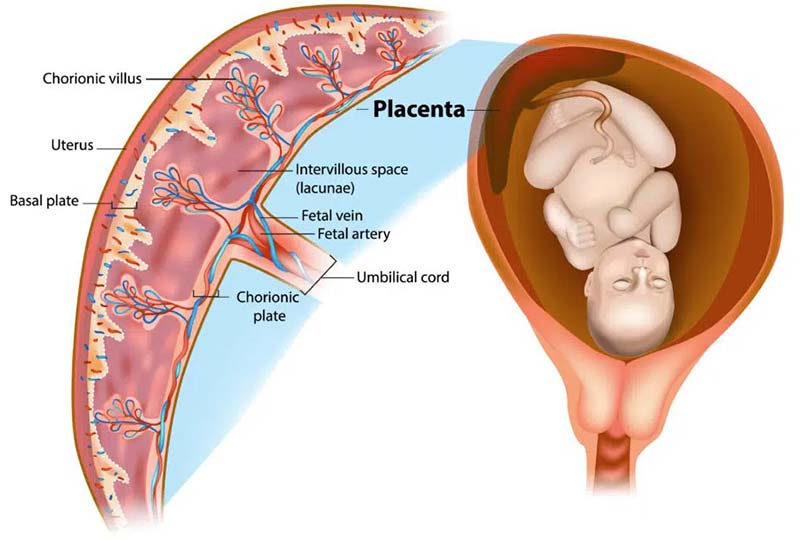
All mothers grow a temporary organ inside their uterus during pregnancy known as the placenta. As the child grows inside her womb, the placenta filters out waste and delivers critical oxygen, blood flow, and nutrients.
Placental complications during pregnancy or labor can stop adequate levels of these nutrients from getting to the baby. This can stunt their growth and increase the risk of hypoxia and ischemia if they lose access to oxygenated blood.
Umbilical Cord Problems
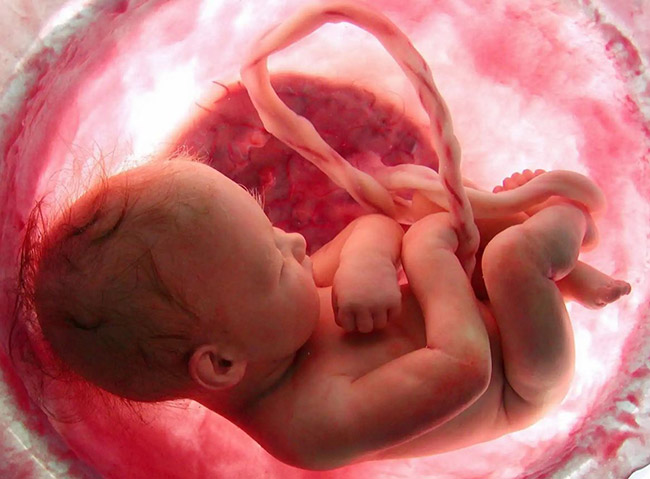
The umbilical cord is what connects the baby to the placenta during gestation. It is how oxygenated blood and nutrients travel into the baby’s system.
Knots, kinks, or cord compression can block these critical nutrients from ever reaching the baby’s brain. In severe cases, this blockage can result in neonatal ischemia and hypoxia and increase the risk for an HIE injury.
If doctors cannot quickly fix an umbilical cord problem, an emergency C-section may be necessary to avoid severe perinatal asphyxiation.
Maternal Hypertensive Disorders

To support placental blood flow to her baby, the mother’s body increases its blood volume by almost 50% during pregnancy. This causes her heart to pump harder, putting excess strain on her blood vessels. For this reason, expecting mothers are more vulnerable to developing hypertensive disorders like preeclampsia during pregnancy.
Preeclampsia is a condition causing high blood pressure and narrowing of the mother’s blood vessels. Without proper monitoring and intervention, it can dangerously restrict placental blood flow and increase the baby’s risk for ischemia.
According to 2024 data, roughly 11.8 percent of Washington mothers experienced hypertension during pregnancy.
Placental Blood Clots

To prepare for blood loss during delivery, the mother’s body creates higher levels of blood-clotting proteins like fibrinogen and proconvertin. This, alongside additional factors like increased pressure on the pelvic veins, will increase her risk for forming blood clots.
Blood clots (especially within the placenta) can block oxygenated blood from travelling to the baby. This will put them at a higher risk for hypoxia and ischemia which can lead to HIE brain damage.
Maternal Infections
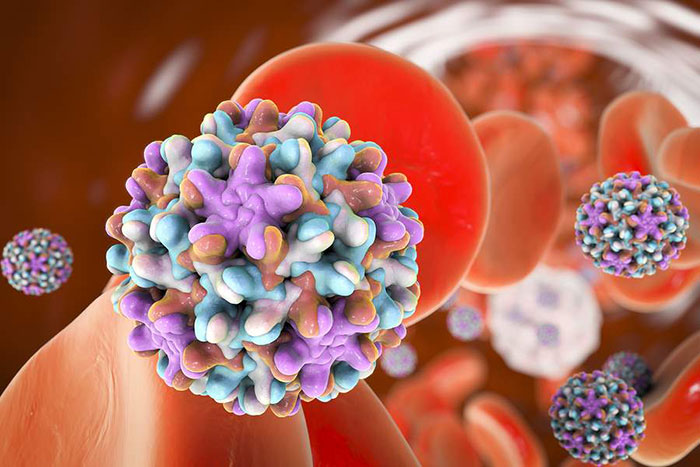
If a mother has present infections in her system, she can easily transfer it to the baby.
Contracting a fetal or neonatal infection like group b strep or chorioamnionitis can easily trigger widespread bodily inflammation. This inflammation will interfere with oxygen delivery to the baby’s brain, increasing their chances of experiencing hypoxia or ischemia.
Additionally, infections often result in fever. A higher internal temperature increases oxygen demand and lowers the baby’s tolerance to labor, increasing their risk for oxygen deprivation.
Failure to Progress

Labor contractions will naturally constrict placental blood and oxygen flow as the uterus pushes the baby out. This process is natural; the baby typically restores their oxygen reserves in between contractions as the placenta “recharges.”
But labor surpassing 18 hours or stopping altogether can become dangerous. The longer the baby remains in this state of stress, the more likely they will experience dangerous oxygen deprivation. Medical professionals should intervene when labor fails to progress to save the child from increased risks of HIE brain injuries.
Labor Inducing Medication Misuse

Doctors may deem it necessary to prescribe labor inducing medications when the mother’s delivery stalls or fails to start. But medications like Pitocin and Cytotec can induce too strong of contractions that tightly constrict placental blood flow.
Too high of a dosage can cause labor contractions which are too frequent and overly powerful. This labor complication (called uterine hyperstimulation) can leave the baby without time to restore their oxygen supply in between contractions. This can increase their risk of blood and oxygen deprivation that leads to permanent HIE damage.
Uterine Rupture
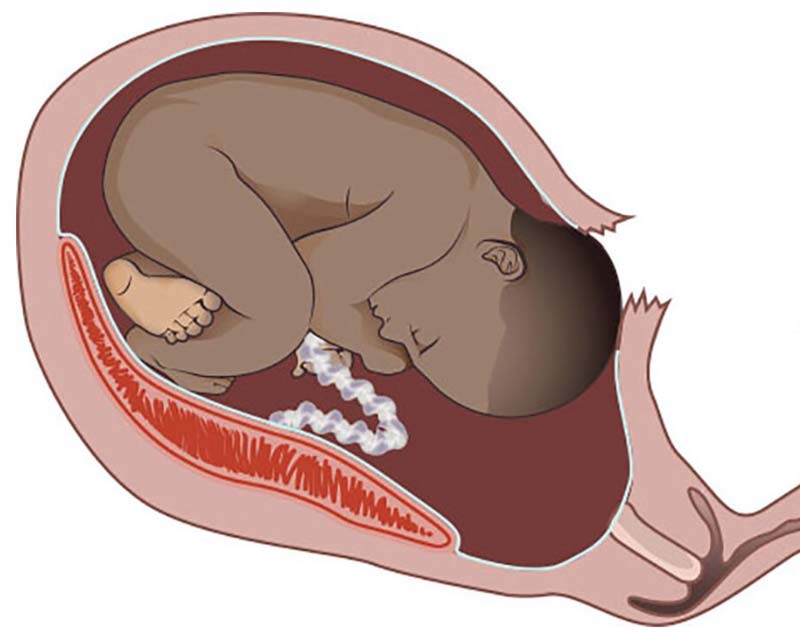
A uterine rupture is a life-threatening labor and delivery complication where the mother’s uterine lining begins to split open. This can sever the connection between the baby and the placenta, abruptly cutting off all oxygen flow during labor. A uterine rupture will greatly increase a baby’s risk for HIE injuries and a mother’s risk for mortality.
Shoulder Dystocia
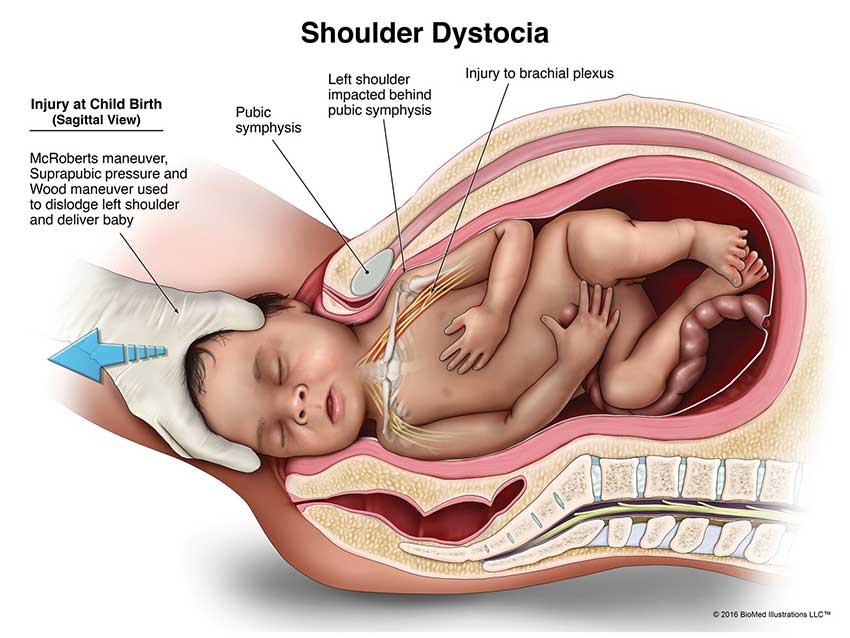
Shoulder dystocia happens when the baby’s head exits the birth canal, but their shoulders remain lodged inside. The longer their shoulders remain lodged behind the mother’s pubic bone, the greater their risk is for birth asphyxia. Prolonged cases of shoulder dystocia can cut off blood circulation to the baby’s head and potentially cause HIE damage.
Neonatal Cranial Injuries

Newborn head injuries can cause trauma to their growing brain tissue. This results in inflammation restricting essential blood flow to their brain. If severe enough, birth trauma to the head can disrupt cerebral perfusion enough to cause HIE brain injuries.
Head injuries that can inflict this kind of permanent damage include skull fractures, intracranial hemorrhages, or cephalohematoma. These injuries happen more often during difficult deliveries or when medical professionals misuse delivery instruments like forceps and vacuum extractors.
Preterm Birth

A premature birth usually does not give a baby’s internal organs enough time to fully develop. Underdeveloped brains and/or blood vessels will make a baby less capable of managing restricted oxygen flow. This will increase their vulnerability to brain injuries like HIE if they experience a hypoxic-ischemic event during labor.
Doctors and delivery nurses can lower a baby’s risk by taking preventative action and quickly intervening when labor complications occur. This starts with proper identification of potential risks during prenatal testing and conducting continued monitoring up until delivery. When they fail to manage risk factors, our Washington HIE Birth Injury Lawyers can hold them accountable.
What Are the Signs of HIE Brain Damage?
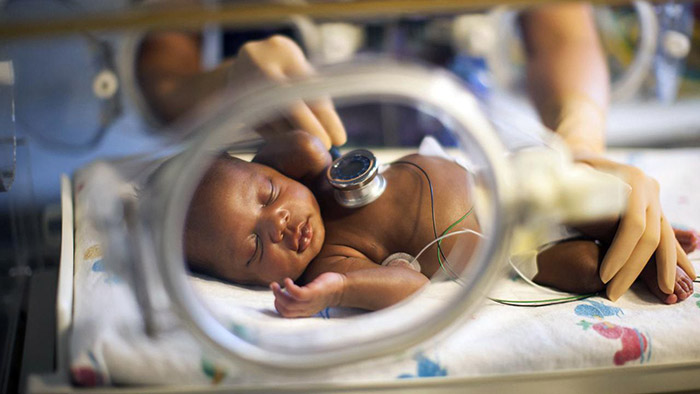
A baby who suffers from severe oxygen deprivation during labor will show numerous signs at birth as a result. During cases, our Washington HIE Birth Injury Lawyers will investigate whether healthcare providers responded adequately to the following HIE symptoms:
Non-Reassuring Heart Rate Patterns

Shortly before birth, medical providers will use electronic devices to monitor the baby’s heart rate. Fetal heart rate monitoring can alert healthcare professionals to when the baby is under stress or has low oxygen levels.
During pregnancy and during labor, they should closely watch for the following non-reassuring patterns:
- Late heart rate decelerations after a contraction
- Minimal to no change (variability) in heart rate over several minutes
- Baseline heart rates under 100 beats per minute (suggesting fetal bradycardia)
- Baseline heart rates over 160 beats per minute (suggesting fetal tachycardia)
Doctors and nurses must carefully monitor the baby’s heartbeat to know when intervention is necessary. Intervening can range from adjusting the mother’s position and providing additional fluids to performing an emergency c-section delivery.
Acidosis at Birth
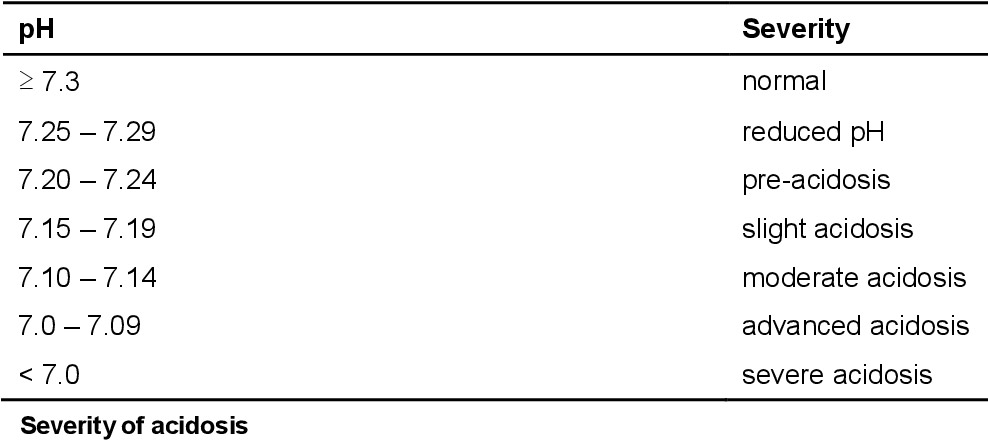
Less oxygen in the baby’s cells causes them to release excess amounts of lactic acid when producing energy. Over time, the lactic acid buildup will lower the baby’s blood pH to dangerously acidic levels.
A blood pH below 7.20 at birth almost always indicates that the baby underwent oxygen deprivation during labor. Research supports severe fetal acidosis being a key symptom of HIE injuries in neonates.
Neonatal Seizures
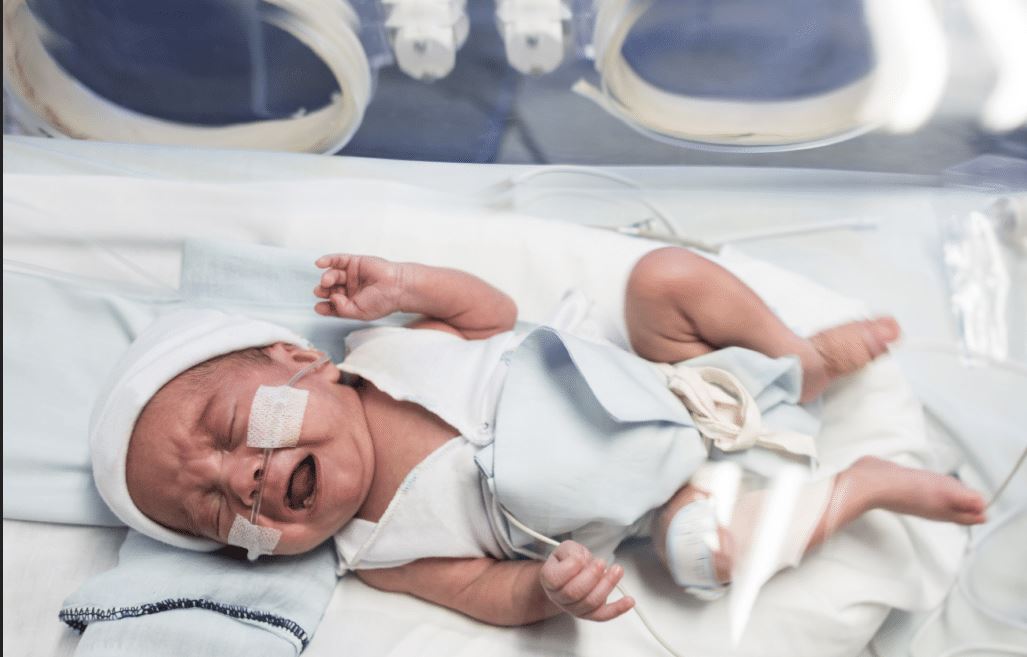
Prolonged hypoxia and ischemia can trigger abnormal electrical signals in the brain, which causes neurons to fire uncontrollably. Because neurons direct muscle movement, this attack can result in uncontrollable convulsions, rhythmic eye movements, and pauses in breathing.
Neonatal seizures can be life-threatening and require quick administration of medications and further monitoring in the neonatal intensive care unit.
Weak Physical Appearance
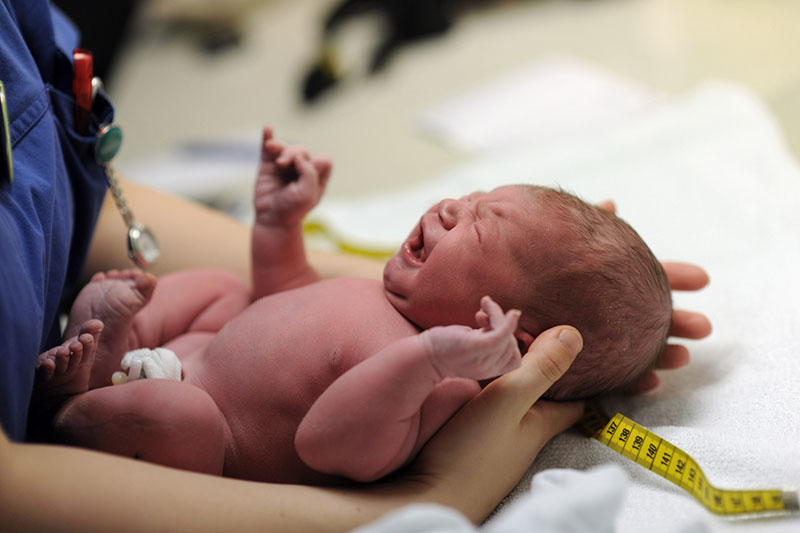
The baby’s physical appearance at birth can give medical providers insight into their wellbeing. While they’re usually not enough to diagnose, the following neonatal characteristics are often the first signs of an HIE injury:
- Weak pulse (fetal bradycardia)
- Shallow breathing or absent breathing (requiring neonatal resuscitation)
- Blueish tint around the lips or face
- Little to no movement
- Poor reflexes
- Floppy, weak muscle tone (hypotonia)
- Arched back
A newborn with more than one of these characteristics will likely need further support in the neonatal intensive care unit. Medical professionals must not ignore these signs as they can indicate a severe birth complication.
When a child undergoes a birth injury as severe as hypoxic ischemic encephalopathy, recognizing the early signs is critical. Doctors and delivery nurses cannot afford to miss the symptoms of HIE and delay early intervention treatments. If their preventable delays contributed to a worse brain injury, our Washington HIE Birth Injury Lawyers can hold them accountable.
How Is HIE Brain Damage Diagnosed?
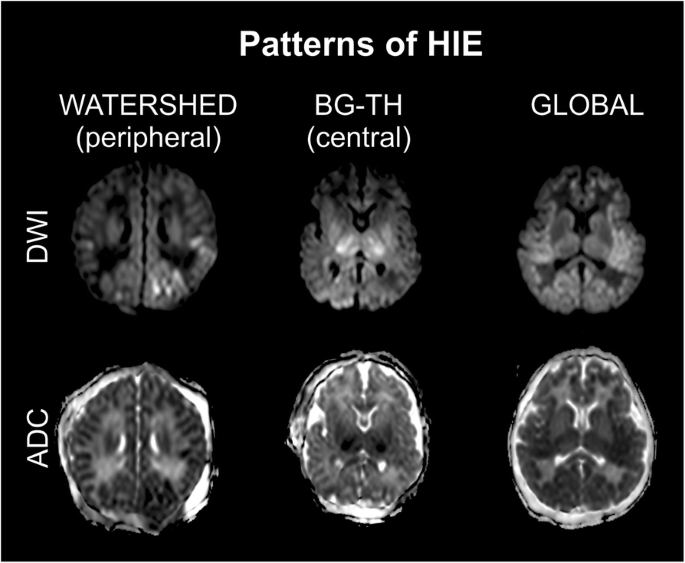
Physical symptoms of HIE like fetal distress or poor appearance are not enough on their own to officially diagnose it. Instead, doctors must also use a combination of the following assessments and diagnostic tools to confirm significant HIE brain damage:
HIE Brain Imaging Scans

Neuroimaging scans are the most definitive method for diagnosing HIE birth injuries because they reveal symptoms that are otherwise invisible.
The most common neonatal brain imaging test is Magnetic Resonance Imaging (MRI) scanning. These tests are highly accurate and are completely non-invasive for the baby.
Electroencephalogram (EEG) testing is another critical test that measures the brain’s electrical activity. It can help healthcare providers detect abnormal signals and patterns that align with brain damage.
When used together, these tests help medical professionals determine the precise location and severity of a baby’s HIE injury.
Timing is critical when diagnosing an HIE brain injury baby. Missing the signs of a potential hypoxic-ischemic event can delay treatment that would have prevented permanent damage. If you suspect doctors failed to properly diagnose your baby in time, consider contacting a Washington HIE Birth Injury Lawyer.
Umbilical Cord Blood pH Testing

Low pH balance in newborn umbilical cord blood can reveal when they underwent hypoxia and subsequent fetal acidosis during labor.
An umbilical cord blood gas test can measure the pH level and base deficit within the baby’s blood. Low pH levels and high base deficits indicate that the baby did not receive enough oxygen during delivery.
Results with a pH below 7.18 should push medical professionals to conduct further testing for brain injuries.
APGAR Evaluation
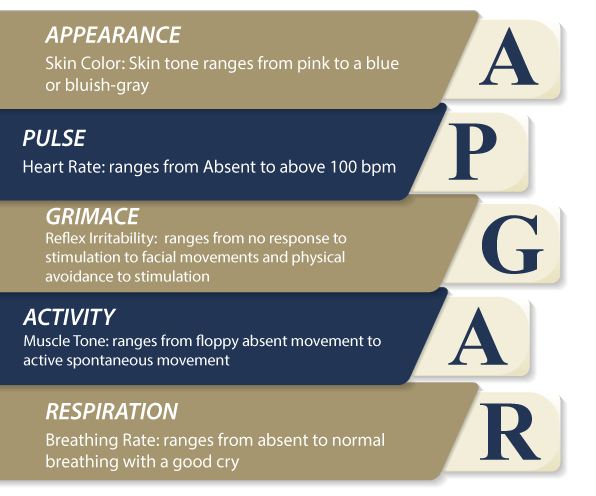
APGAR is an acronym for five important physical characteristics at birth: Appearance, Pulse, Grimace, Activity, and Respiration. Medical professionals will assess these qualities and assign a score for each one ranging from 0-2.
Everyone receives an APGAR score at birth to evaluate whether they need further medical intervention. Babies with HIE birth injuries will usually score low in all APGAR categories, particularly in the respiration and pulse sections. Doctors often use the APGAR score as a benchmark for determining whether the baby needs further testing for brain damage.
Sarnat Evaluation
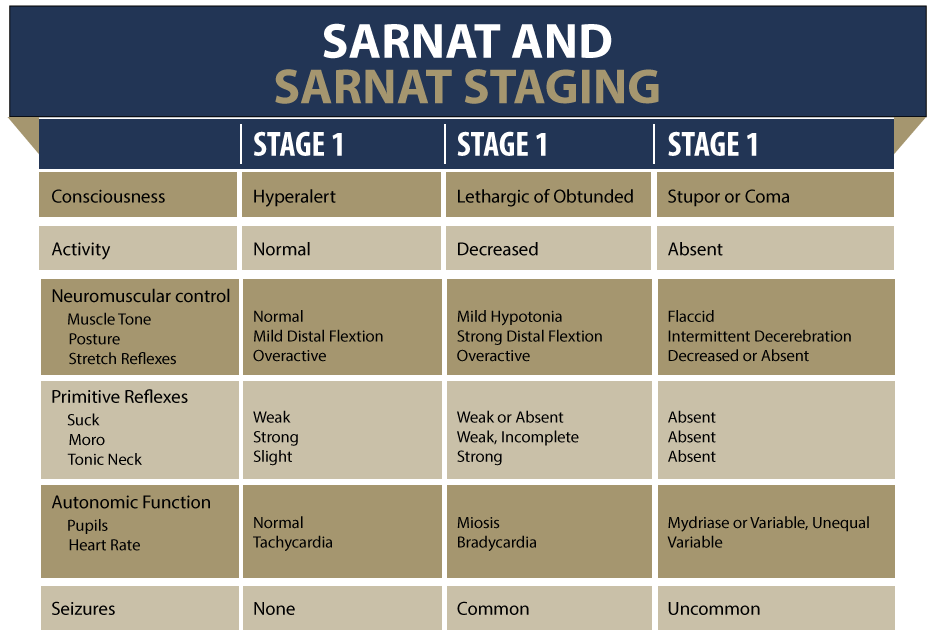
Like the APGAR test, the Sarnat exam has healthcare providers measuring specific neonatal characteristics. However, these categories are more aligned with symptoms of HIE, such as neuromuscular control levels and the presence of seizures.
What Are the Stages of HIE?
The Sarnat scale classifies a baby’s HIE injury into three stages of severity based on the clinical provider’s observations:
- Stage I (Mild): the HIE injury has caused minimal damage that likely won’t cause long-term complications or severe cognitive impairment.
- Stage II (Moderate): the HIE injury is significant and will require further intervention like neonatal cooling therapy. Long-term complications are possible but not a guarantee.
- Stage III (Severe): the HIE injury is substantial and will critically impair the child’s capabilities in life. Immediate intervention is absolutely critical to minimize the injury’s future impact.
What Complications Can Arise from HIE Birth Injuries?
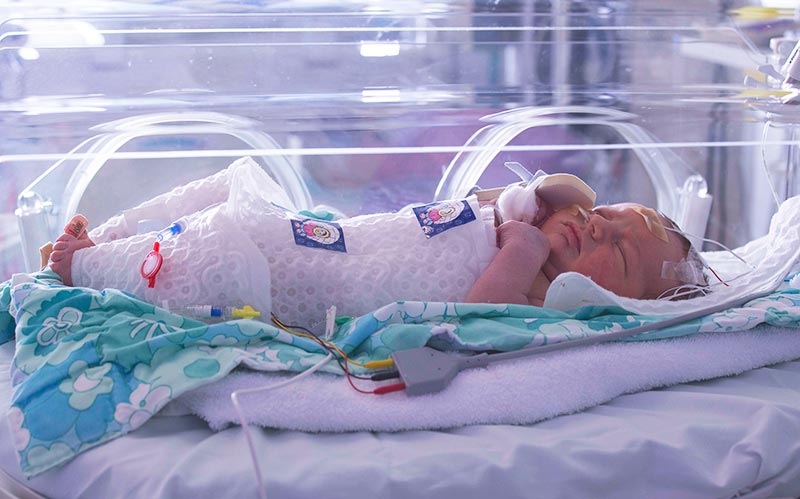
The complications of an HIE Birth Injury can follow the newborn throughout childhood and even into adulthood. Some of the most life-altering disabilities that our Washington HIE Birth Injury Lawyers see in our clients include:
Epilepsy Disorders
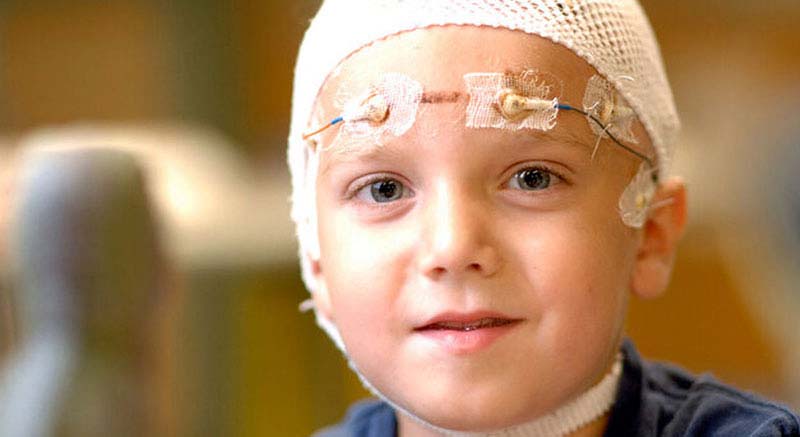
Epilepsy is a neurological disorder where abnormal electrical activity in the brain causes unpredictable and recurring seizures. Babies with severe HIE brain injuries at birth have a higher risk for developing this condition.
According to the National Epilepsy Foundation, over 75,000 people in Washington State live with the condition.
Sensory Processing Problems

The brain is how we process all sensory input from the world around us. But HIE brain damage can destroy the neural pathways and sensory receptors needed to control this information. This commonly results in complications like hearing loss and vision impairments.
Children may also experience a hypersensitivity to stimuli like light, loud noises, or feeling different textures. This can cause irritation to certain clothing, foods, and other items.
Delayed Developmental Milestones

As babies get older, they begin to show physical, emotional, and social signs of development. These developmental milestones include first words, first steps, and other markers of growth that parents look forward to celebrating.
However, babies with HIE injuries can develop skills on a slower timeline or never develop them at all. Their brain injury can prevent motor signals from firing and allowing the muscle coordination to sit up, stand, or walk.
Other common missed milestones include social and emotional delays, speech impairments, or the lack of speech altogether. The child may also struggle to control their emotions or interact with other kids their age.
Cerebral Palsy
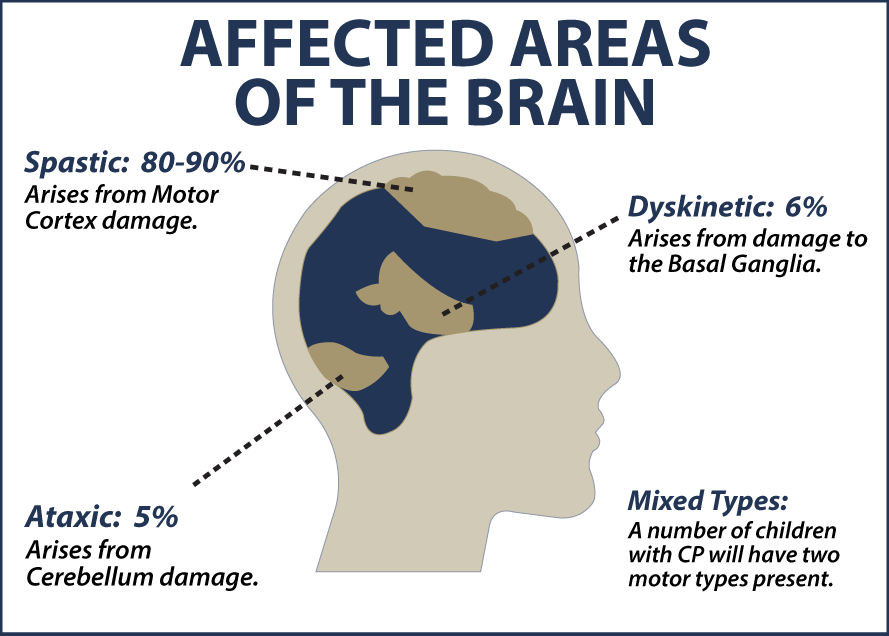
HIE brain injuries are the leading cause of cerebral palsy worldwide. Cerebral palsy is a group of neurological disorders that can affect muscle movement, tone, coordination, speech, vision, hearing, and cognition.
Children with cerebral palsy often feel chronic pain from uncontrollable muscle spasms. Their spasticity may result in paralysis or jerky, involuntary movements. Swallowing disorders and speech impairments like dysarthria or dysphagia are also common with a cerebral palsy diagnosis.
Doctors usually wait until the child’s first year or two of life to diagnose cerebral palsy. But symptoms like developmental delays and feeding problems can appear before then. Medical professionals should carefully monitor children with HIE for any emerging symptoms of cerebral palsy to ensure timely treatment.
Do HIE Birth Injuries Affect Life Expectancy?
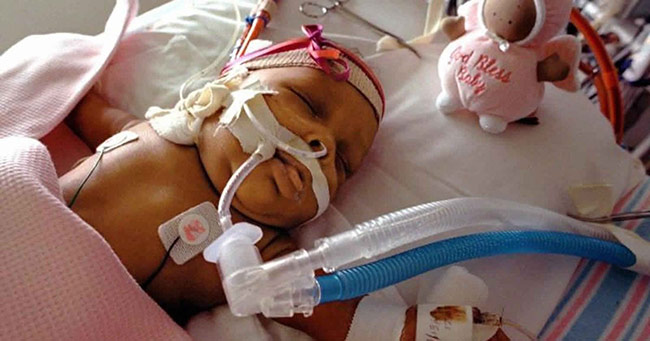
Yes, HIE birth injuries can affect a child’s life expectancy.
Stage 3 HIE brain injuries account for roughly 23% of worldwide neonatal deaths. Of the infants who do survive, up to 40% will experience long-term complications like epilepsy, developmental delays, and cerebral palsy.
But while they may face challenges, children with severe HIE symptoms typically maintain a normal life expectancy with ongoing treatment. Children with mild cases usually face no long-term disabilities and live a full life with minimal to no additional treatment.
How to Treat an HIE Birth Injury?
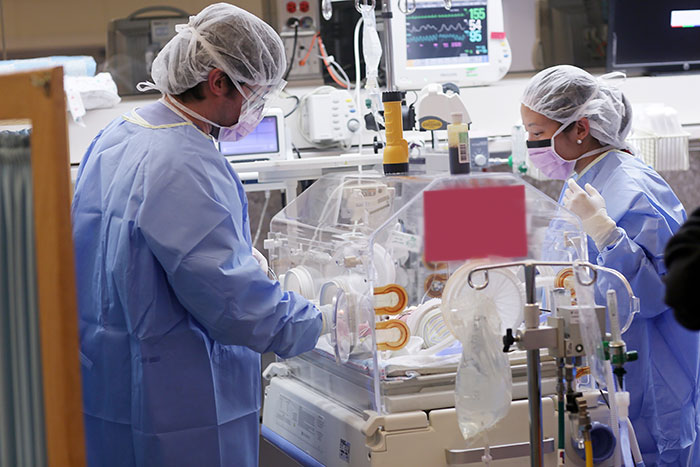
While HIE brain injuries are generally incurable, providing treatment immediately after birth can reduce the injury’s severity. Starting HIE treatments from an early age will also decrease the child’s risk for developing long-term complications like immobility.
HIE Birth Injury Neonatal Treatments
HIE treatment administered during the “latent phase” after birth has shown evidence for reversing brain inflammation and lessening reperfusion damage. For the best neonatal outcomes, our Washington HIE Birth Injury Lawyers recommend that medical providers use the following treatment strategies:
Brain Cooling Therapy
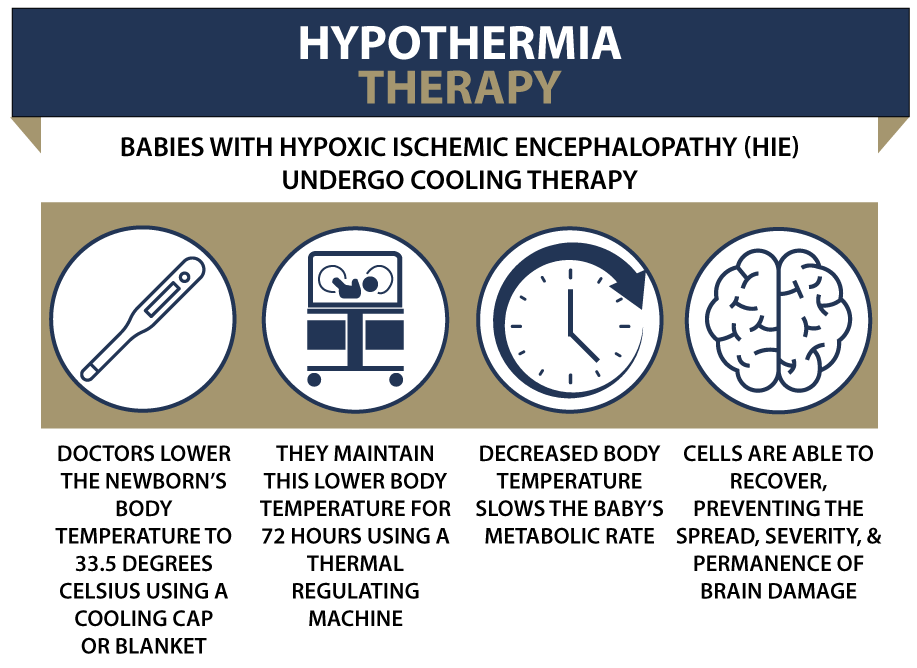
Therapeutic hypothermia is the first (and often most effective) HIE injury treatment that medical professionals can provide.
Medical professionals will place the baby inside a thermal regulating machine set to keep their internal temperature at 92.3° Fahrenheit. The baby will stay in this cooling machine for roughly 72 hours before medical professionals slowly begin rewarming them.
The main idea behind therapeutic hypothermia is to lower the baby’s internal body temperature to reduce the baby’s metabolic rate. This lowers inflammation and prevents a secondary wave of tissue damage after birth by making the brain less oxygen dependent.
Not all children will be ideal candidates for cooling; premature babies or babies with low birth weights may not qualify. If the baby does qualify, healthcare providers need to start the cooling process within six hours of birth. Waiting too long can reduce the treatment’s effectiveness as oxygen reperfusion injury will have already set in.
Supplemental Oxygen Therapy
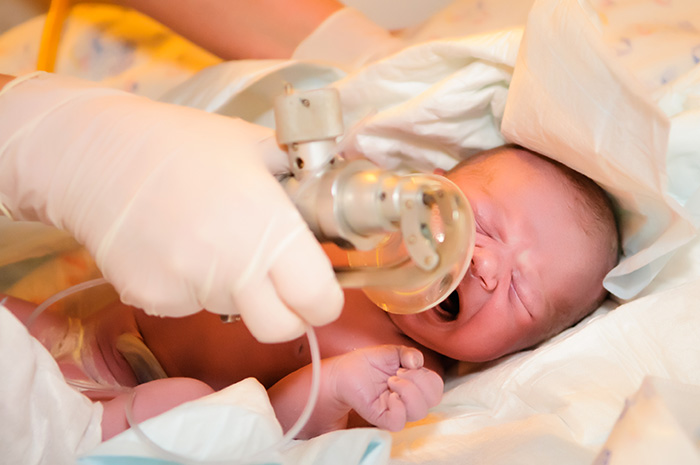
Almost all babies with moderate to severe HIE injuries have breathing difficulties at birth. Doctors and delivery nurses must often provide neonatal resuscitation to restore the baby’s oxygen flow and prevent further brain damage.
If the baby is breathing but has low blood oxygen levels (hypoxemia), medical professionals may need to administer supplemental oxygen. They do this primarily with non-invasive tubes called nasal cannulas or with an assisted ventilation machine in extreme cases.
Seizure Management & Prevention
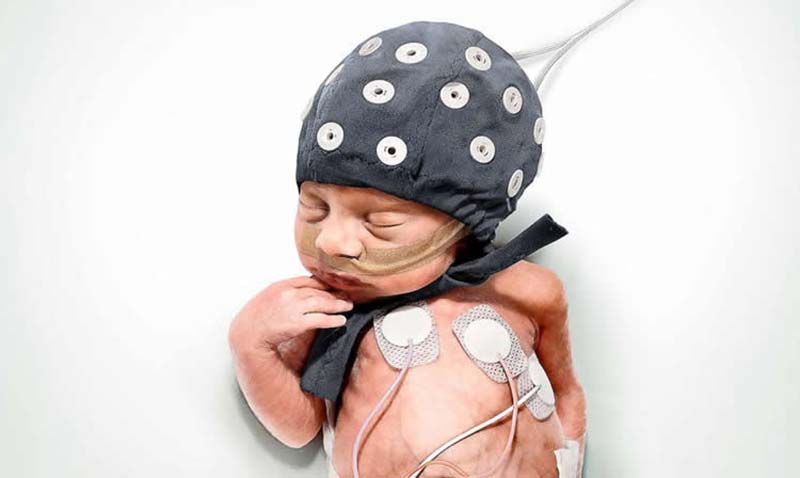
Nearly 60% of HIE brain injury babies have seizures after birth. These episodes can interrupt breathing and pose a high risk to the baby’s life. Medical professionals should consider administering preventative antiseizure medications to babies with HIE, even without witnessing evidence of clinical seizures.
Additionally, they should keep a watchful eye over electrical activity in the baby’s brain. Continued monitoring with an EEG machine after birth will immediately alert healthcare providers of any seizure activity.
Childhood HIE Birth Injury Treatments

The only period where it’s possible to reverse the effects of HIE on the brain is immediately after birth. And even with this treatment, the child will likely still feel mild effects and complications.
By early childhood, healthcare providers will shift their focus from reversing the brain damage to managing its related symptoms. Early intervention services and specialized follow-up care are incredibly beneficial in treating HIE complications and preventing further harm.
Physical Therapy
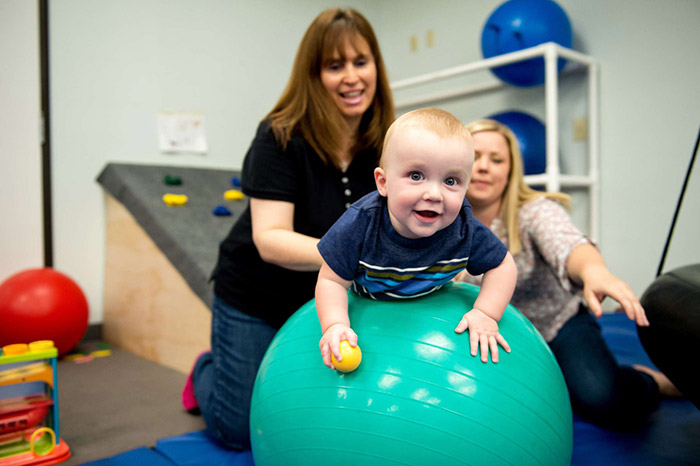
An HIE brain injured baby will likely have motor impairments that cause muscle weakness, stiffness, or floppiness throughout childhood. This can hinder their ability to move freely, which prevents them from performing basic tasks and participating in certain activities.
In physical therapy, the child will practice targeted exercises that aim to improve their muscle strength, balance, and coordination. While each child’s exercises will differ based on their needs, the end goal to improve range of motion remains consistent. Starting physical therapy from a young age can help children avoid wearing down inactive muscle groups and prevent muscle contractures.
Occupational Therapy

Occupational therapy focuses on practicing everyday tasks and skills that a child needs for daily living. This can include things like tying shoes, using eating utensils, and fine motor skills like pinching, clipping, buttoning, and cutting. Over time, the goal of practicing these tasks is to help children with HIE develop a greater sense of independence.
Speech Therapy

HIE in newborns can affect the muscles needed to properly eat, speak, or swallow. Speech therapy can help a child with neurological speech impairments practice targeted exercises to improve their abilities.
Over time, a speech therapist can boost confidence and social independence for children with HIE by improving their speaking skills.
Adaptive Equipment & Communication Devices
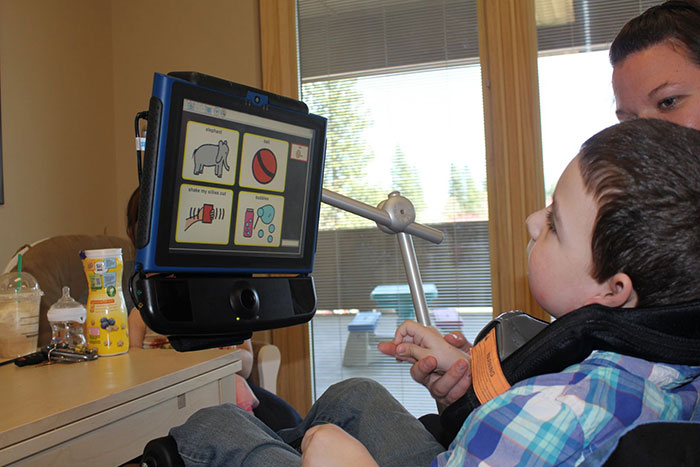
Because newborn HIE injuries affect the brain, some children will experience mobility issues like muscle weakness, hypotonia, and paralysis. This can prevent children from performing everyday tasks like travelling, communicating, or even lying down on their own.
Assistive equipment and devices like wheelchairs, walkers, and adaptive furniture can make it easier for these children to move around. Home modifications like exterior ramps and roll-in showers can make activities around the house more accessible.
If their HIE brain injury causes speech impairments, some children may even utilize adaptive communication devices for interacting with others.
Washington State PAVE Organization

Washington State Partnerships for Action, Voices for Empowerment (PAVE) is a state-based non-profit serving children and families with developmental disabilities. Their website hosts an extensive archive of articles and trainings with information on navigating life and parenthood with disabled children.
Families can fill out the online support form for one-to-one assistance with a trained care advocate. They can help with healthcare and schooling referrals, developmental screenings, or connecting families with additional resources.
What Is the Cure to HIE?

There is currently no known cure to completely reverse the effects of a child’s HIE Birth Injury. Once the 6-hour “latent phase” passes after birth, the damage has set in and cannot fully heal.
However, treatment during the latent phase (most notably therapeutic hypothermia cooling) can reduce the severity of inflammation and neuron degeneration. When done early enough, this can lower severe Stage 3 cases of HIE down to a milder Stage 1 case.
Additionally, early intervention treatments like physical therapy, occupational therapy, and speech therapy can help a child better manage their symptoms. The earlier the child enrolls in these programs, the lower their risk will be of experiencing long-term complications.
Did Medical Malpractice Cause My Child’s HIE Birth Injury?

For the expecting mother, childbirth can feel like a blur. She may not immediately notice or remember how doctors and delivery nurses responded to her labor complications. But if their delivery room errors cause an HIE injury, her baby’s pain will serve as a heartbreaking, life-long reminder.
Delivery Room Errors Causing HIE Birth Injuries
Any mistake that needlessly prolongs a baby’s oxygen deprivation during labor can result in HIE brain damage. Of the cases we’ve seen, these medical mistakes are the ones our Washington HIE Birth Injury Lawyers find most often:
- Failure to properly monitor and manage the mother’s high blood pressure
- Failure to monitor fetal heart rates and intervene when tracings are abnormal
- Missing placental problems, such as placental insufficiency, placenta previa, or an abruption
- Missing umbilical cord problems, such as nuchal cord or cord compression
- Failing to sufficiently treat maternal infections like group b strep or chorioamnionitis
- Failure to intervene when the mother has a prolonged or arrested labor
- Delaying an emergency C-section when the baby has no access to oxygen
- Administering labor inducing medications and failing to adjust the dosage when complications occur
- The use of excessive force with delivery instruments like forceps and vacuum extractors
- Failure to conduct proper neuroimaging tests or umbilical cord blood gas testing after birth to confirm a case of HIE
- Failure to start therapeutic hypothermia treatment after an HIE Birth Injury
- Downplaying the extent of a child’s HIE Birth Injury to their parents and family
It can be challenging to know if any of these instances of medical malpractice occurred during your delivery. But if you have even slight suspicions that healthcare providers acted improperly, we urge you to speak with an attorney.
Contacting a Washington HIE Birth Injury Lawyer can help you uncover evidence needed to hold these negligent medical professionals accountable. We can help you file an HIE medical malpractice lawsuit and pursue full and fair compensation for your baby’s injuries.
How Long Do You Have to File a Washington HIE Birth Injury Case?

A statute of limitations (SOL) sets a time limit on how long an injured person has to file a lawsuit.
Statutes of limitations vary based on the type of case and the state in which you filed it. For instance, the deadline for birth injury claims typically differs from other claims like fraud, contract disputes, and debt collection.
Washington State Medical Malpractice Statute of Limitations
RCW 4.16.350 – Action for Injuries Resulting from Health Care or Related Services
For adults, the statute of limitations in medical malpractice lawsuits is generally 3 years from the date of the negligence. In some cases, a claimant may file past three years if the effects of medical malpractice are not immediately visible. However, the court will dismiss claims made 8 years after the fact, regardless of when the claimant discovered the injury.
The statute of limitations is slightly different for children. In these cases, families have until the child’s 19th birthday to file a birth injury lawsuit on their behalf.
Generally, the clock starts ticking on the date the injury occurred. However, there are exceptions to this rule. Some states (including Washington) have something called the discovery rule. This means the statute of limitations starts after a person discovers or should have reasonably discovered an injury.
Depending on who you’re suing, you may need to file your claim under the Federal Tort Claims Act (FTCA). In FTCA cases, claimants must go through certain administrative procedures before filing a lawsuit. The time period in which you must give "notice" may be shorter in some cases. Examples include if the negligent party was a local or state government hospital, or if the doctors are government employees.
The court will typically dismiss your case if you file it outside the statute of limitations. However, certain exceptions exist to the rules when the injured party is a child. Determining when a statute of limitations begins and ends can be tricky. If you're considering pursuing compensation for a birth injury, contact a Washington HIE Birth Injury Lawyer as soon as possible.
How Can Our Washington HIE Birth Injury Attorneys Help?

Families of children with HIE birth injuries have a long road to recovery ahead of them. While it can feel overwhelming, our Washington HIE Birth Injury Lawyers want to help in any way we can.
We specialize in securing large settlements and court awards for victims of HIE related medical malpractice. We help set up special needs trusts to pay for life-changing medical care and expenses like:
- HIE treatments, specialists’ appointments, medical procedures, and developmental therapies to treat HIE complications
- Assistive equipment like mobility aids, communication devices, and home modifications
- Medications to treat related conditions like seizures or involuntary muscle spasms
- In-home caregivers and medical attendants who can provide around-the-clock care
Our Process
Our dedicated Washington HIE Birth Injury Lawyers will use our extensive case review process to assess your claim.
Our intake team will first reach out to learn more about what happened. We’ll ask important factual questions and begin gathering information on dates, times, and locations.
If we believe you have a case, we’ll begin gathering medical records like fetal heart rate strips to support your claims. We will compare these records to
We consult with experienced medical experts like pediatric neurologists, radiologists, and neonatologists. They will review your records to determine whether medical errors could have contributed to your newborn's HIE birth injury. If we make a recovery, we will move forward with an official HIE Birth Injury medical malpractice lawsuit.
At no point will you need to pay any fees during the legal intake or litigation process. Our dedicated nursing and medical research division will conduct a comprehensive review of your case for free.
Our contingency fee policy means that we only charge attorney fees on cases we win. You will never have to pay out of pocket; we charge a pre-agreed fee outlined in our attorney-client retainer contract. We do not take on any HIE Birth Injury cases unless we fully know we will win.
Our Washington HIE Birth Injury Lawyers handle cases in major cities like Seattle, Tacoma, Vancouver, Spokane, and more. You can contact us today to schedule your free consultation by calling our toll-free line at (888) 987-0005. You can also reach out by filling out our online request form.
National Birth Injury Law
Our National Birth Injury Attorneys, nurses, and support staff understand that parents of children with birth injuries feel overwhelmed. So, every client has the attention and support of a team of trained, compassionate professionals. But we don’t just offer compassion.
We offer a process to help you discover whether your child’s birth injury, HIE, cerebral palsy or brain injury at birth was caused by medical malpractice.
Call our offices today at (888) 987-0005 for experienced assistance in a free consultation.
Quick Links
Testimonials
- Lyric C. I feel like our voice was heard in a sense of what can possibly go wrong in a delivery and finding us answers. I feel with our settlement, we are now in a comfortable position to provide for our son.
- Lyssa L. They are not just people that say “hey let's get you money and let's go” The law firm was very thorough with us. It was awesome. I don't want to cry, because I think about and it's amazing that they were able to help me and that we were able to help my son and get the story out there.
- Jay C. Throughout the process, one thing was clear to us, the ultimate interest of our child was the utmost concern of Max and his team and as parents navigating a situation like that, that was refreshing to know we had them firmly on our side. I highly recommend them.
Popular Cities
- ★ Dallas Birth Injury
- ★ Houston Birth Injury
- ★ Atlanta Birth Injury
- ★ Chicago Birth Injury
- ★ Philadelphia Birth Injury
Locations
★ Dallas
11551 Forest Central Drive, Ste. 300
Dallas, TX 75243
★ Houston
12929 Gulf Freeway, Ste. 111
Houston, TX 77034