Texas HIE Birth Injury Lawyers
HIE Birth Injury Attorneys in Texas
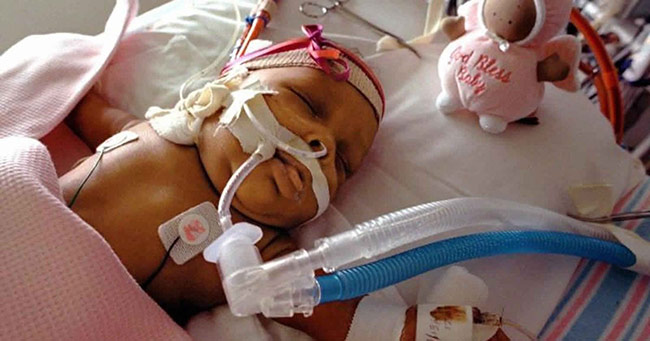
No parent ever expects it to be their child who suffers from permanent brain injuries at birth. But with roughly 380,000 babies born each year in Texas, this nightmare will inevitably become a reality for some families.
The most common form of brain damage at birth is hypoxic ischemic encephalopathy, or HIE. This injury stems from oxygen deprivation before or shortly after birth, and it can leave a child with lifelong complications.
Some HIE injuries are unavoidable, even with proper medical care. But many cases are unfortunately the result of inadequate monitoring and delayed emergency responses from doctors and delivery nurses.
A baby can lose access to oxygenated blood for many reasons, especially during a difficult labor. Everyone in the delivery room needs to prepare for this. They must carefully monitor fetal heart rates and recognize abnormal patterns that indicate a problem. They are responsible for identifying and responding to labor and delivery complications that could jeopardize fetal oxygen flow.
When medical professionals fail to uphold this standard of care, devastating injuries can occur. If you suspect your child suffered permanent brain damage because of medical negligence, please know that legal help is available. A Texas HIE Birth Injury Lawyer can take your call today to assess the strength of your potential medical malpractice claim.
Speak With a Top Rated HIE Injury Lawyer Today
Our Texas HIE Injury lawyers are devoted to helping families seek compensation when medical negligence causes life-long complications.
Free Legal Consultation
Texas HIE Birth Injury Lawyers
(214) 987-0005
Our Texas HIE Birth Injury Lawyers are available to meet you in your home or the hospital.
Dallas | Houston | Austin | San Antonio
We understand how HIE brain injuries lead to a lifetime of treatments, medications, therapies, appointments with specialists, and physical limitations.
Children with HIE need specialized medical care to achieve the highest quality of life. This care can be very expensive, putting an unfair emotional and financial burden upon parents. We want your child to access this care without forcing your family to make sacrifices to survive.
When you hire our firm, you get more than just an attorney on your side. We assign an entire team of attorneys, nursing advocates, and seasoned medical experts to each and every case. Your team will help you with your case-related needs, but our help doesn’t stop there. We also provide:
- Answers to complex legal and medical questions you may have
- Assistance with scheduling doctors’ appointments
- Help with obtaining medical records
- Transportation to and from meetings and appointments
- Other services for your family’s day-to-day needs when problems arise
We offer these services to your family on a contingency fee basis. This means you owe zero costs upfront, and you owe nothing at all if we don’t win your case. If we win your case, we will only ever charge an agreed-upon percentage outlined in an attorney-client retainer contract. We only receive payment once you do.
The Texas HIE Birth Injury Lawyers at our firm have an unmatched track record of legal victories that speaks for itself.
Texas HIE Injury Settlement

In a recent case, nurses and physicians from West Texas failed to monitor the mother's blood pressure during delivery. This neglect allowed her blood pressure to drop to dangerous levels, restricting the baby’s oxygen supply. This triggered an HIE event during delivery that led to neonatal seizures and required medical professionals to provide neonatal resuscitation. Our team of Texas HIE injury lawyers recovered $13,750,000 to help the family with future medical expenses and developmental therapy.
What is an HIE Birth Injury?
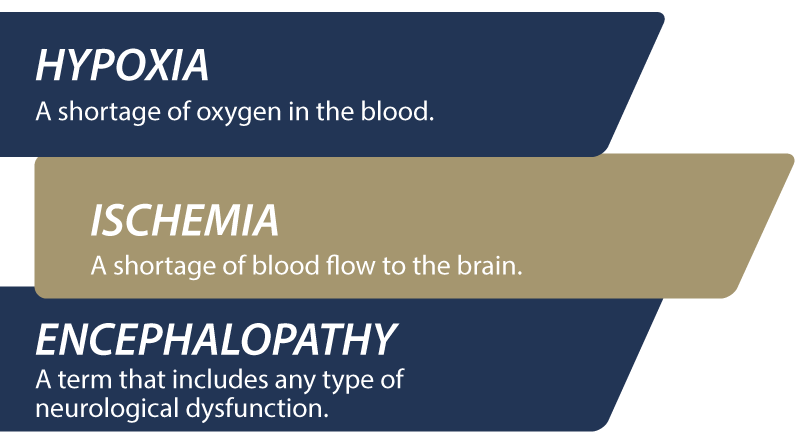
Hypoxic ischemic encephalopathy (or HIE, for short) is a type of neonatal brain injury. It occurs when the baby’s brain doesn’t get the amount of oxygen and blood flow it needs.
- Hypoxic refers to hypoxia, or the state of not having enough oxygen.
- Ischemic refers to neonatal ischemia, or not having sufficient blood flow. Hypoxia and ischemia often go hand-in-hand together because oxygen travels primarily through the blood. A baby suffering from ischemia will almost always experience hypoxia at the same time as a result.
- Encephalopathy is a general medical term referring to the effects of a brain injury.
HIE is the most common form of neonatal brain damage and the leading cause of cerebral palsy. Children with moderate to severe HIE often endure cognitive disabilities and developmental delays. According to studies, the condition is still one of the leading causes of neonatal mortality and morbidity.
How Common are HIE Birth Injuries in Texas?
Despite being the most common brain injury at birth, HIE is still an uncommon condition. Recent studies suggest the incidence rate is around 1.7 in every 1000 births in the United States. Using public state birth rate data, we can estimate that over 600 newborns in Texas will develop HIE each year.
How Does an HIE Injury Develop?
HIE happens in two main stages. The following timeline explains how an initial dip in oxygenated blood flow can progress into permanent injury:
Stage 1: Hypoxic-Ischemic Insult
Hypoxic-Ischemic Event: Some event during pregnancy or delivery restricts the baby’s access to oxygenated blood. This can happen abruptly (known as acute profound hypoxia) or over a period of time (known as partial prolonged hypoxia).
Cellular Shutdown & Initial Injury: After enough time without sufficient oxygen, brain cells begin to shut down. Cell death leads to rapid swelling in the baby’s brain tissue. Lesions may begin to form on the baby’s basal ganglia and thalamus.
Stage 2: Oxygen Reperfusion Injury
0-6 Hours After Injury: Doctors call this period the latent phase, where oxygenated blood flow returns to the brain. This small period of recovery is the best time for therapeutic interventions like neonatal cooling.
Oxygen Reperfusion & Secondary Injury: The reintroduction of oxygen causes the baby’s cells to produce high levels of toxins. These toxins (called free radicals or reactive oxygen species) circulate through the brain tissue, causing a second wave of injury. This secondary damage is typically more severe than the initial insult.
What Causes HIE in Newborns?
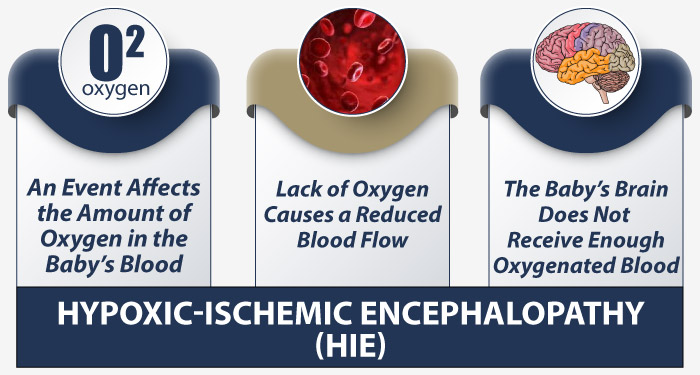
All cases of HIE stem from a blockage in oxygenated blood to the brain.
Our cells depend on oxygen to produce energy. Brain cells need even more oxygen due to their high metabolic rate. In fact, the brain consumes over one fifth of the body’s energy to maintain steady neuroactivity.
When the body falls short in delivering this high oxygen demand, brain cells begin to shut down. Even short periods without oxygen can permanently impair brain function.
What Are Risk Factors for HIE Injuries?
While hypoxia and ischemia are the sole cause of HIE, it can happen for many different reasons. There are several identifiable risk factors during pregnancy and delivery that can all potentially disrupt oxygenated blood flow.
The following complications are risk factors that our Texas HIE Birth Injury Lawyers commonly see contributing to a baby’s brain damage:
Placental Complications
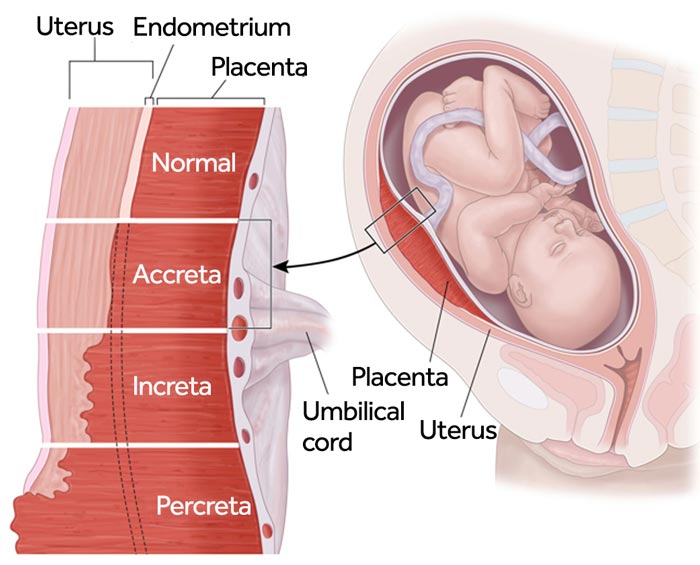
Babies receive blood, oxygen, and nutrients in the womb from their mother’s placenta. Placental complications during pregnancy or labor can affect this crucial exchange.
Placental insufficiency during pregnancy can gradually reduce a child’s oxygen supply over an extended period of time. This can deplete the baby’s energy reserves and lead to an HIE injury at birth.
If the placenta prematurely detaches from the uterine lining before labor (placental abruption), it may no longer be functional. This medical emergency can quickly reduce the flow of oxygenated blood and lead to HIE birth injuries within several minutes.
Other placental issues that can potentially cause HIE include placenta previa and vasa previa. Both of these problems can complicate vaginal delivery and also increase a baby’s risk for oxygen deprivation during labor.
Umbilical Cord Complications
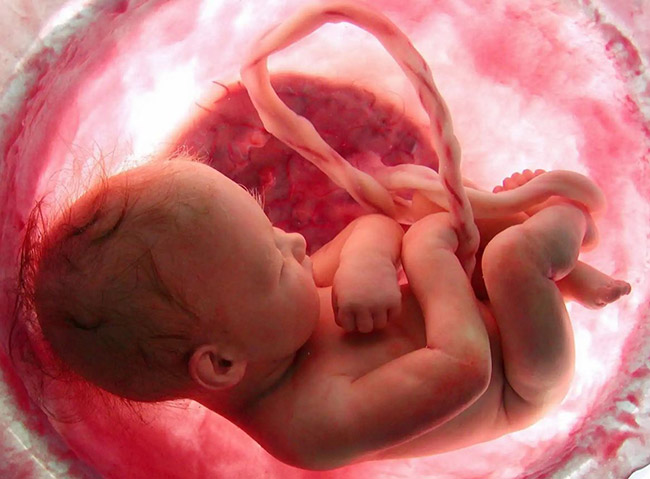
All oxygenated blood flows from the placenta to the baby through the umbilical cord. Different umbilical cord problems during pregnancy or during labor can block critical nutrients from reaching the baby’s brain.
Knots in the cord or loops wrapped around the baby’s neck (nuchal cord) can pose minor risks to blood flow. However, more serious complications include cord compression and cord prolapse.
Umbilical cord compression occurs when the baby’s body presses against the cord inside the womb, often restricting blood flow. Umbilical cord prolapses are an even more dangerous type of compression where the cord delivers before the baby does. As the baby attempts to exit the birth canal, they squeeze against the cord and restrict oxygen flow almost entirely.
Serious complications like cord prolapse or multiple nuchal cord loops can require an emergency C-section to avoid severe perinatal hypoxia.
Blood Pressure Issues

An expecting mother’s body increases blood volume by nearly 50% to support blood flow to the placenta and her baby. Her heart pumps harder because of this, which is why many women develop hypertensive disorders like preeclampsia during pregnancy.
Preeclampsia is a condition causing high blood pressure and narrowing of the mother’s blood vessels. When left unmonitored, it can reduce placental blood flow over time and put the baby at risk for ischemia.
Blood Clots During Pregnancy

Pregnancy causes the expecting mother’s body to produce higher amounts of blood-clotting proteins like fibrinogen in preparation for delivery. This, along with other factors like increased pressure on the pelvic veins, increases her risk for developing blood clots.
Clotting, particularly within the placenta, can block the passage of oxygenated blood from travelling to the baby. This puts them at a higher risk for hypoxia and ischemia, which can lead to HIE over a prolonged period.
Maternal Infections
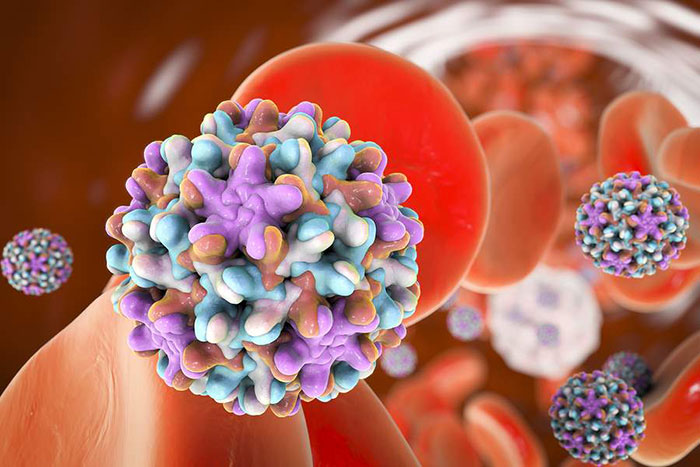
Maternal infections like group b strep or chorioamnionitis can easily transfer to the baby in utero. If the child contracts a fetal or neonatal infection from their mother, it can trigger widespread bodily inflammation. This inflammation can restrict oxygen delivery to the baby’s brain and increase the risk of injuries like HIE.
Additionally, maternal infections can result in fever for both the mother and her baby. This higher internal temperature increases oxygen demand and lowers the baby’s tolerance to labor, increasing their risk for oxygen deprivation.
Prolonged Labor

A mother’s uterine contractions during labor naturally restrict placental blood and oxygen flow to the baby. The baby can withstand short periods of reduced oxygenation during labor. However, it can take a toll on their brain function if the labor surpasses 18 hours or stops progressing altogether.
Labor Inducing Medications
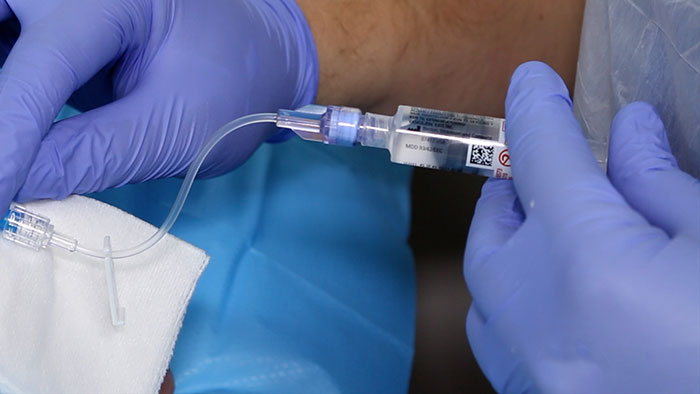
Medications like Pitocin and Cytotec can induce contractions that more tightly constrict placental blood flow. Doctors will typically prescribe these medications to mothers with weak contractions or when contractions fail to begin at all.
However, too high of a dosage can result in contractions that are too frequent and overly powerful. This labor complication (known as uterine hyperstimulation) can dangerously restrict fetal oxygenation and increase the baby’s risk of an HIE injury.
Uterine Rupture

A uterine rupture is a dangerous labor complication where one or more layers of the uterine lining begin to tear. This will abruptly cease all oxygenated blood flow to the baby, which greatly increases the risk of an HIE injury.
Shoulder Dystocia
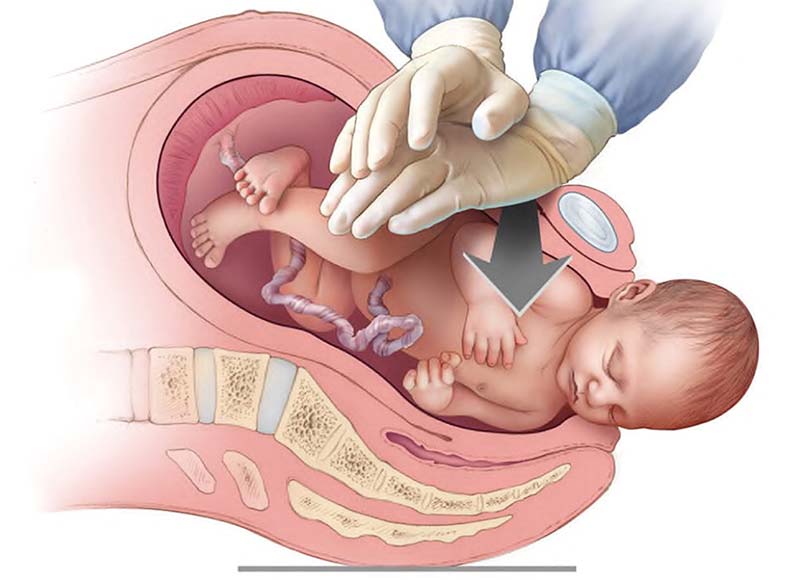
Shoulder dystocia occurs when the child’s head delivers, but their shoulders get stuck behind the mother’s pubic bone. The longer the baby remains lodged in the birth canal, the greater their risk becomes for birth asphyxia. Prolonged cases of shoulder dystocia can cut off blood circulation to the baby’s head and potentially cause brain damage.
Birth Related Head Injuries
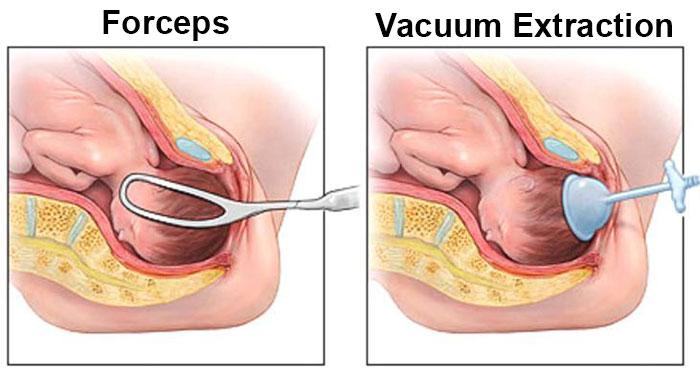
Difficult deliveries or misusing forceps and vacuum extractors can cause injury to a baby’s head during birth. This can physically damage their brain tissue, causing intracranial hemorrhages and inflammation that restrict essential blood flow to their brain. When severe enough, birth trauma to the head can disrupt cerebral perfusion enough to result in an HIE injury.
Premature Birth
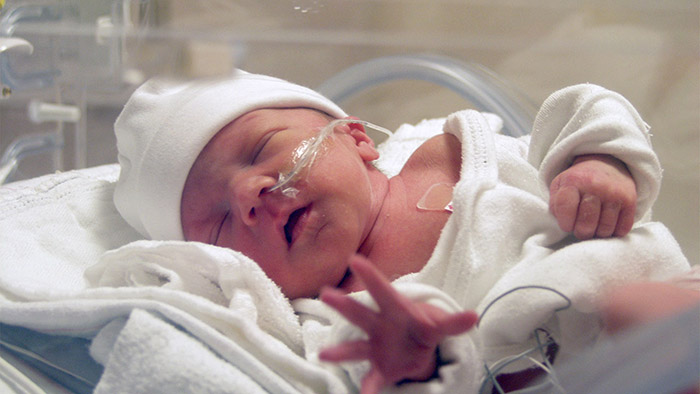
Premature birth usually means the newborn’s organs have not had enough time to fully develop. Having an underdeveloped brain and/or blood vessels can make the baby less capable of managing a restricted oxygen supply. This increases their vulnerability for sustaining brain injuries like HIE.
Any of these risk factors can lead to a child’s hypoxia and ischemia during pregnancy or during labor. Medical professionals must stay alert to these risks and react quickly before they cause permanent damage. When they fail to take proper action, our Texas HIE Birth Injury Lawyers will step in and hold them accountable.
What Are the Signs of an HIE Birth Injury?
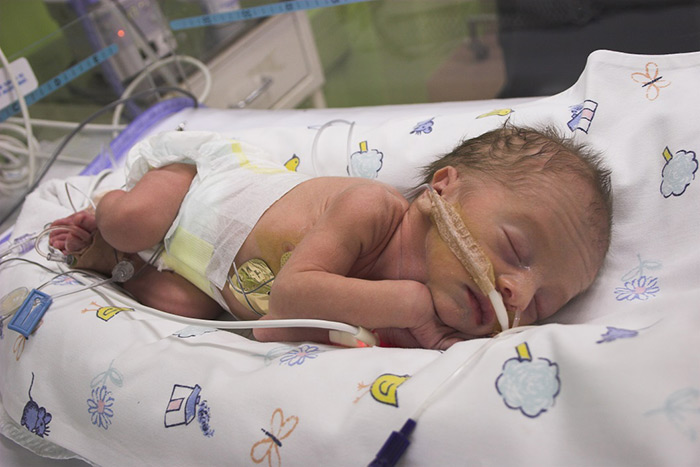
Newborns with brain injuries like HIE will display signs of oxygen deprivation even before they’re born. During cases, our Texas HIE Birth Injury Lawyers will investigate whether medical professionals properly recognized and responded to the following symptoms:
Non-reassuring Fetal Heart Rates
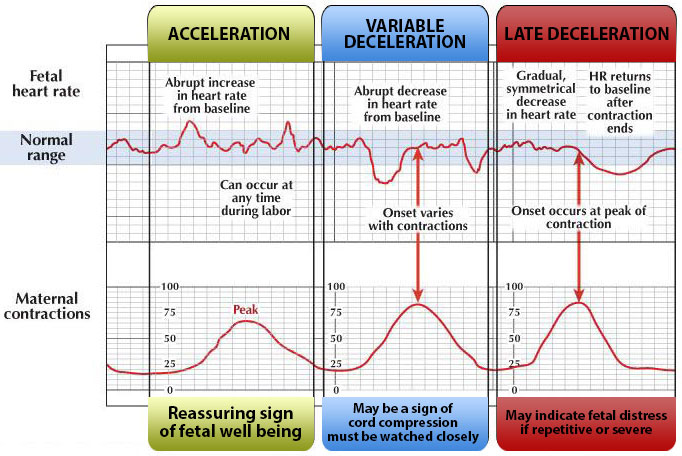
Fetal heart rate patterns during pregnancy or delivery can indicate when a baby isn’t receiving enough oxygen. Concerning patterns that indicate fetal distress can include late decelerations, minimal to no variability, and a baseline rate under 100bpm.
Non-reassuring fetal heart rates are often the first sign of a hypoxic event. Doctors and nurses should carefully monitor the baby’s heartbeat so they can know when to intervene with an emergency c-section delivery.
Poor Physical Appearance at Birth
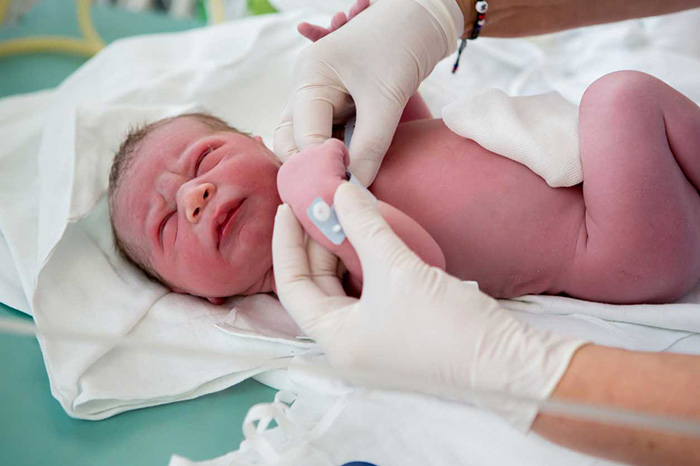
Medical professionals should carefully examine the baby’s appearance upon delivery. Signs of an HIE injury or other brain damage at birth can include:
- The baby not breathing at birth
- Irregular heartbeat (fetal bradycardia)
- Blueish tint around their lips and face
- Fatigue
- Floppy, weak muscle tone (hypotonia)
- Arched back
- Poor reflexes
- Loss of consciousness
A newborn showing more than one of these symptoms should indicate the need for further treatment to healthcare providers.
Neonatal Seizures
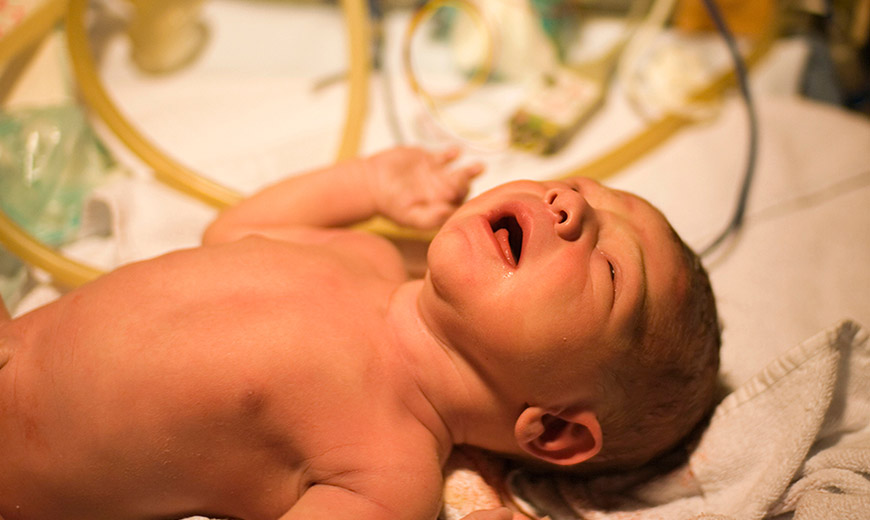
An HIE Birth injury can cause the brain to send abnormal electrical signals that cause neurons to fire uncontrollably. This results in neonatal seizures, marked by uncontrollable convulsions, rhythmic eye movements, and pauses in breathing.
Fetal Acidosis
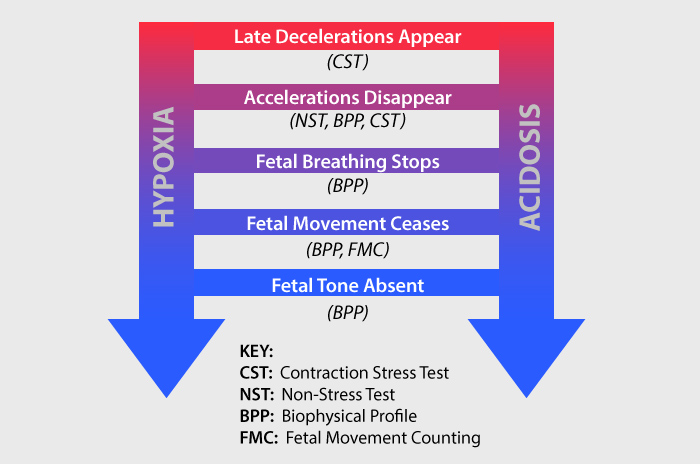
When a baby suffers from fetal hypoxia, the lack of oxygen in their circulation will make their blood more acidic. If a baby’s blood pH is below 7.20, it indicates that they underwent oxygen deprivation before birth. Research supports severe fetal acidosis being a key symptom of HIE Birth injuries in neonates.
When medical professionals fail to recognize the signs of an HIE injury, it can delay a timely diagnosis and treatment. Our Texas HIE Birth Injury Lawyers can identify when a healthcare provider’s delayed action worsened your child’s brain damage at birth.
How Do Doctors Diagnose an HIE Birth Injury?
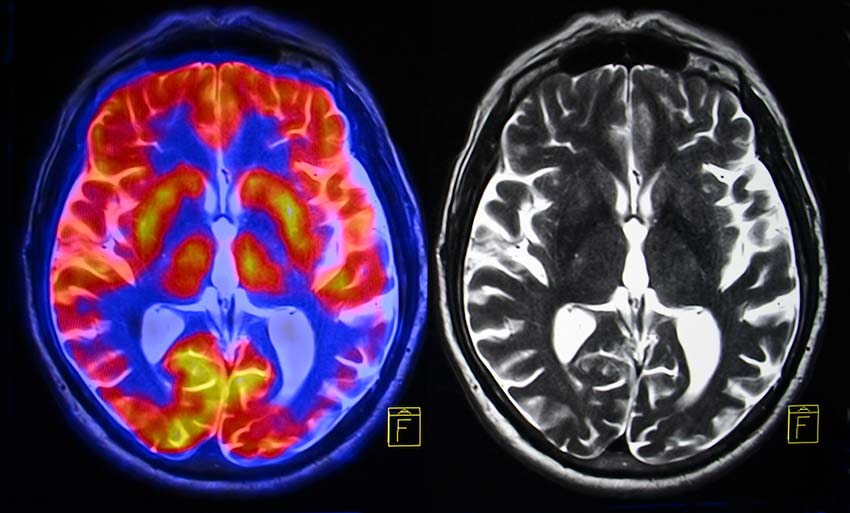
Medical professionals use a combination of physical signs and diagnostic tests to accurately detect HIE injuries. The following tests and guides are the most common tools for assessing the extent of a baby’s HIE brain damage:
APGAR Scoring
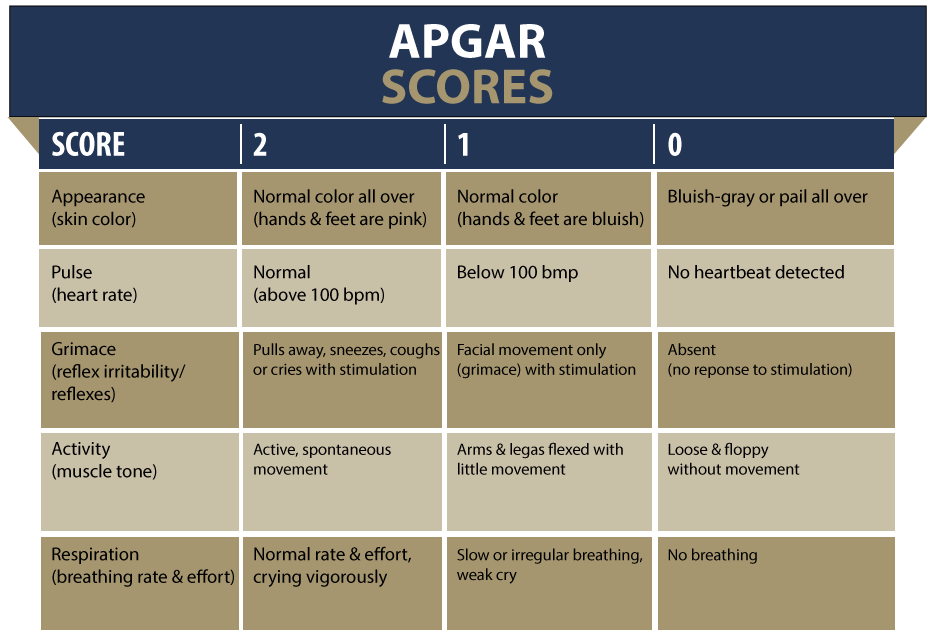
The APGAR test is a routine assessment of a newborn’s physical characteristics upon birth. Healthcare providers assign a score from 0-2 across five separate categories.
All babies receive an APGAR score at birth to evaluate whether they need further medical intervention. Babies with HIE injuries will score low in all categories, particularly in the respiration and pulse categories. Doctors often use the APGAR score as the first indicator that the baby needs further testing for brain damage.
SARNAT Staging
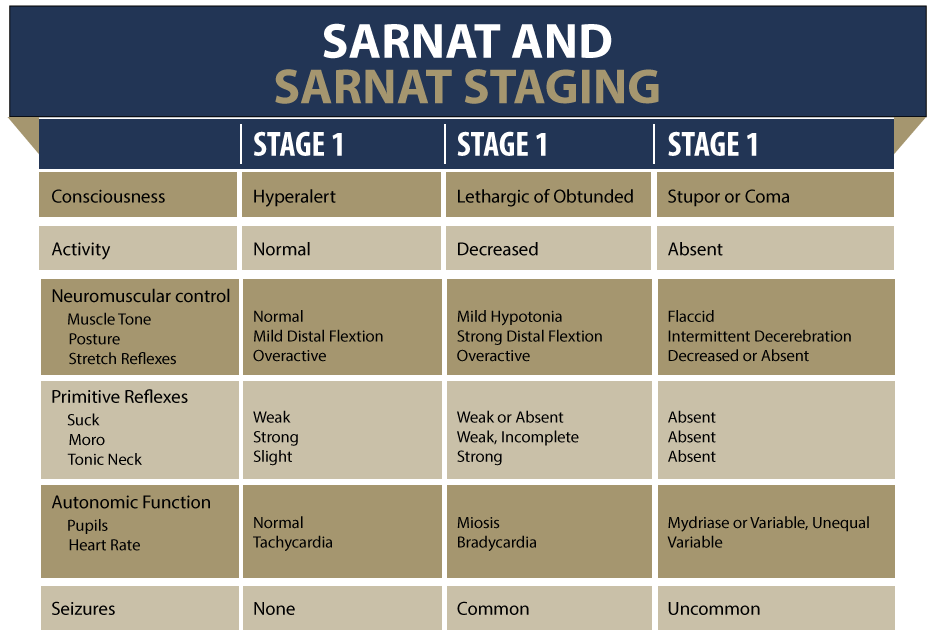
The SARNAT exam is similar to the APGAR test, but it has a more specific focus on characteristics of neonatal brain injuries. Healthcare providers evaluate the baby using a set of criteria aligning with common HIE symptoms like seizures and muscle tone.
What Are the Stages of HIE?
Medical professionals use the SARNAT scale to classify the baby’s HIE injury stage:
- Stage I (Mild): the newborn’s HIE injuries are minimal and aren’t likely to have lasting effects on their life
- Stage II (Moderate): the newborn shows signs of significant injury from HIE and will require further treatment
- Stage III (Severe): the newborn has sustained serious HIE injuries that will significantly impact their development and capabilities
Umbilical Cord Blood Gas Analysis
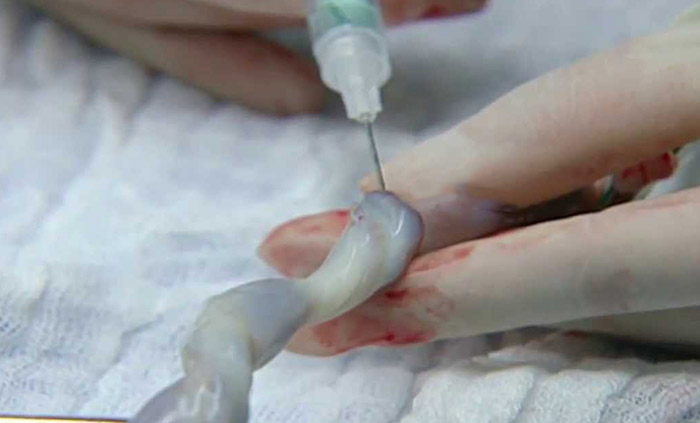
When a baby undergoes severe oxygen deprivation during birth, there will be markers of it in their blood. An umbilical cord blood gas test can measure the pH level and base deficit within the baby’s blood. Low pH levels and high base deficits indicate fetal acidosis, which occurs when the baby doesn’t receive enough oxygen.
Blood gas tests that come back positive for acidosis should push medical professionals to conduct further testing. When a baby exhibits signs of acidemia during birth, their healthcare providers should always check for potential brain injuries.
Neuroimaging Scans
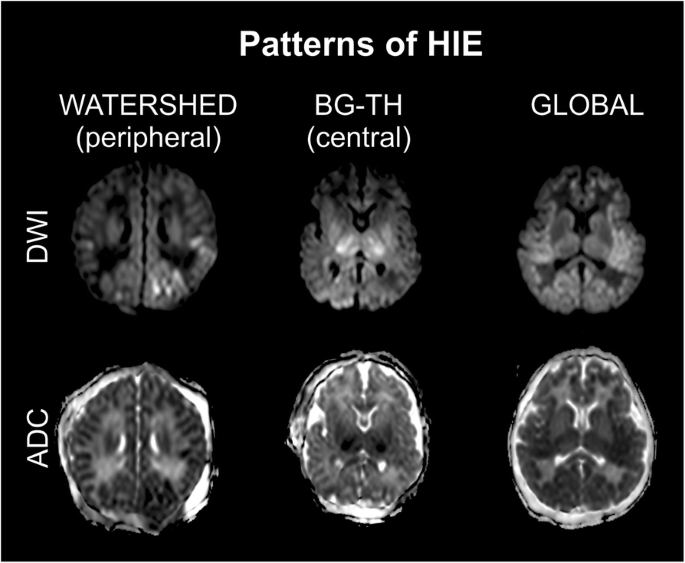
Neuroimaging scans are the most definitive method for detecting neonatal HIE Birth injuries. The most common exam for neonates is Magnetic Resonance Imaging (MRI) testing due to its high accuracy and non-invasive nature. Electroencephalogram (EEG) testing measures the brain’s electrical activity and can also be helpful in detecting abnormal signals caused by HIE.
These tests can help medical professionals determine the precise location, severity, and long-term complications of a baby’s HIE injury.
A timely diagnosis is crucial for treating any form of brain injury. Doctors and nurses must never delay ordering or performing these tests when there is evidence of a potential hypoxic-ischemic event. If you feel that medical professionals needlessly delayed your child’s HIE diagnosis, consider contacting a Texas HIE Birth Injury Lawyer.
What Are the Complications of HIE?
Depending on the severity of the initial injury, HIE can leave a child with life-altering complications and disabilities. Some of the most common ones include:
Epilepsy
Babies who experience severe HIE injuries at birth have the highest risk for developing epilepsy during childhood. This is a condition where abnormal electrical activity in the brain causes recurring seizures. According to the National Epilepsy Foundation, nearly 300,000 Texans suffer from epilepsy.
Sensory Impairments
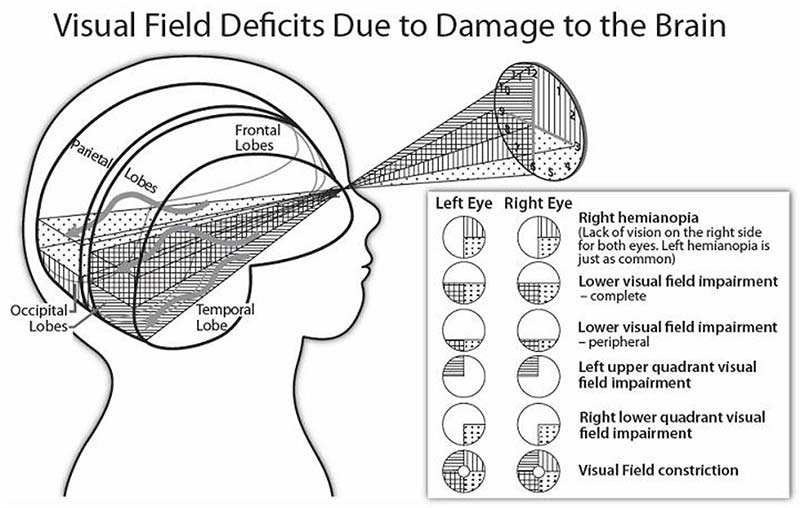
The brain is responsible for controlling, processing, and interpreting sensory output. When children experience an HIE injury at birth, it can cause critical damage to their neural pathways and sensory receptors.
The most common sensory damage from HIE injuries is hearing loss and vision impairments.
Developmental Delays

Children who suffer from an HIE injury at birth typically have delayed developmental milestones. These delays commonly affect the child’s gross motor function, including their ability to sit up, roll over, stand, or walk. Speech impairments or the lack of speech altogether can be another common complication of the neurological damage HIE causes.
The child may also display social and emotional delays with difficulties controlling their emotions or hesitating to interact with others.
Cerebral Palsy

HIE brain injuries are the leading cause of cerebral palsy in children. Cerebral palsy is a group of neurological disorders affecting muscle movement, tone, coordination, speech, vision, hearing, and cognitive abilities.
Children with cerebral palsy often feel chronic pain from uncontrollable muscle spasms. Their spasticity may result in paralysis or jerky, involuntary movements. Swallowing disorders and speech impairments like dysarthria or dysphagia are common with a cerebral palsy diagnosis.
Doctors typically won’t diagnose a child with cerebral palsy until their first year or two of life. But symptoms like developmental delays and feeding problems can appear before then. Medical professionals should carefully monitor a child who has experienced an HIE injury for any emerging symptoms of cerebral palsy.
What is the Life Expectancy of a Baby with HIE?
Mild and even moderate cases of HIE do not usually affect a child’s life expectancy. However, severe HIE injuries that progress into cerebral palsy can shorten life expectancy. Conditions like epilepsy, hemiplegia, or other debilitating cerebral palsy symptoms can wear down a child’s body faster.
But with proper treatment and intervention, most children who survive an HIE injury will have a regular life expectancy.
How Are HIE Birth Injuries Treated?
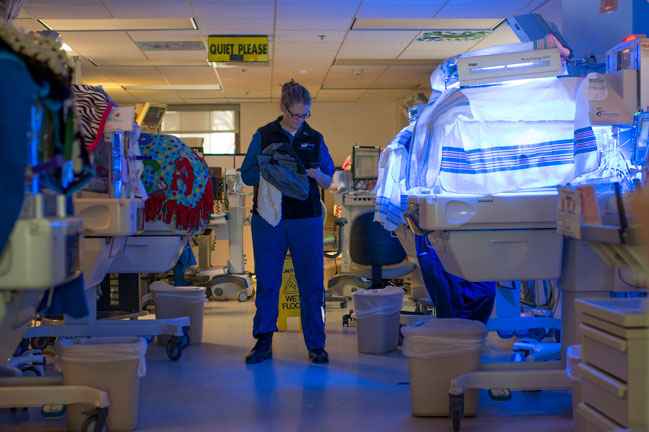
All injuries to the brain come with the risk of causing irreversible damage. However, healthcare providers can begin employing treatment strategies for babies with HIE almost immediately after birth. Quick HIE treatments can reduce its severity and help children avoid lifelong complications.
HIE Injury Treatments After Birth
The period right after birth is the most critical window for reducing the long-term effects of HIE. Depending on the newborn’s status, doctors and nurses will begin any of the following treatments as quickly as possible:
Therapeutic Hypothermia
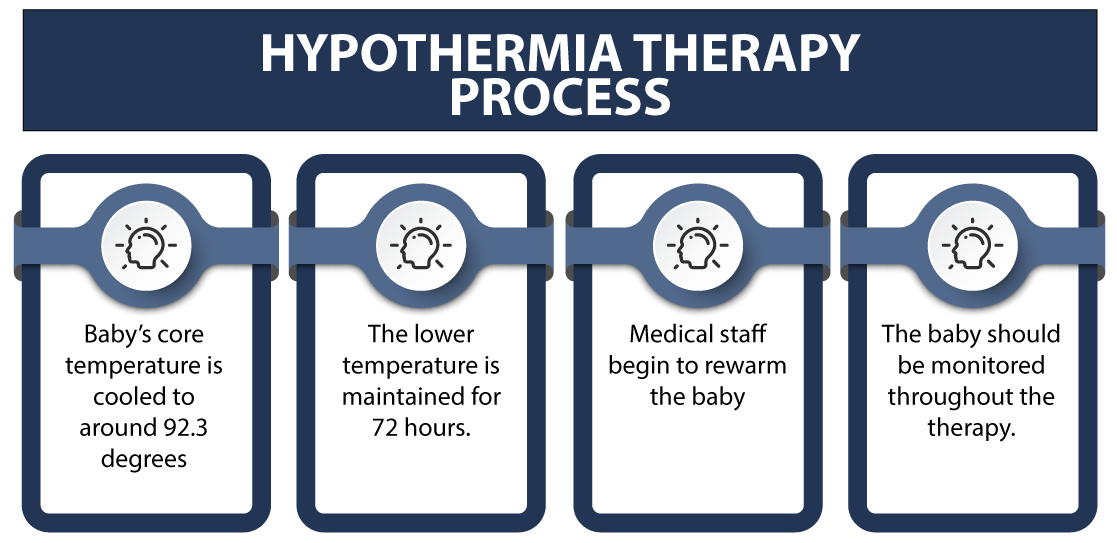
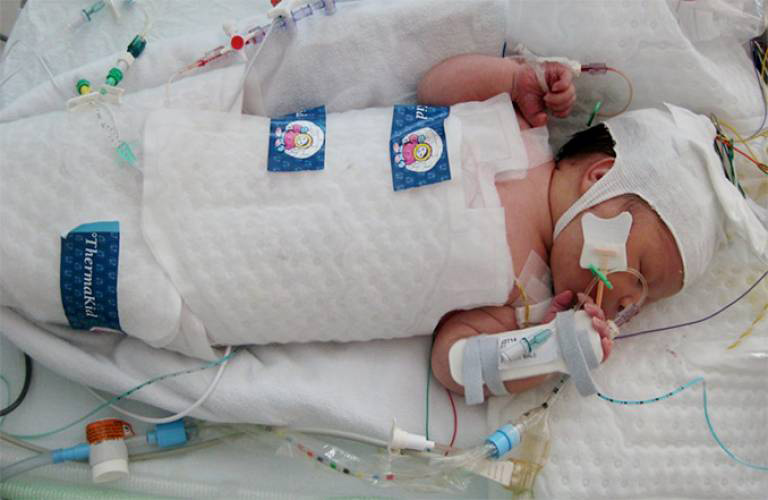
Therapeutic hypothermia (also known as neonatal brain cooling) is the most effective treatment for minimizing an HIE injury’s effects. The process involves manually lowering the baby’s internal temperature to around 92.3 degrees Fahrenheit. Healthcare providers will use thermal regulating machines to maintain the baby’s temperature for roughly 72 hours.
It is important that the cooling process begins within six hours after birth. Waiting too long can reduce the effectiveness of the treatment and lead to more moderate and severe HIE injuries.
Antiseizure Medications & EEG Monitoring
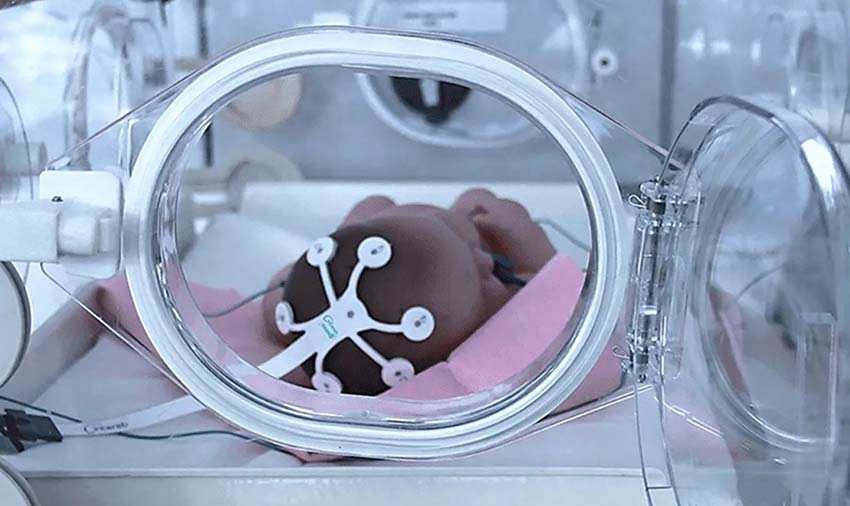
Doctors should prescribe anticonvulsant medications to babies experiencing seizures as a result of their HIE Birth Injury. They can use continued EEG monitoring to track any abnormal electrical signals from the brain after birth.
Research studies suggest that up to 60% of HIE Birth Injury victims will experience seizures as a side effect. Doctors and nurses can mitigate the risk of seizures by administering preventative medications and conducting increased monitoring.
Supplemental oxygen treatment
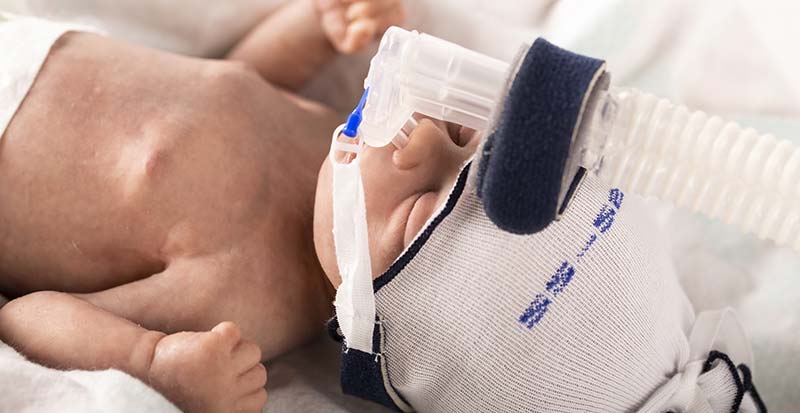
Children who have suffered severe HIE birth injuries may not be breathing after delivery. Medical professionals may need to perform neonatal resuscitation to restore oxygen flow and save their life.
Babies with shallow breathing and a weak pulse may require supplemental oxygen treatment through an assisted ventilation machine.
HIE Birth Injury Treatments During Childhood

Once the baby reaches childhood years, reversing or reducing brain damage from HIE is no longer feasible. Treatment strategies tend to shift more toward managing existing symptoms affecting the child. Proven effective treatment methods can include:
Physical Therapy

Brain injuries often come with a wide range of movement issues. Many children who suffered an HIE birth injury have stiff muscles and less control over their range of motion. Physical therapy can help them practice targeted exercises to improve flexibility and overcome immobility problems.
About Physical Therapy Treatments
Occupational Therapy

Occupational therapy helps children practice performing everyday tasks and activities. This can include activities like writing, coloring, holding utensils, brushing teeth, hair brushing, or putting on clothes. Continued practice helps children with HIE to develop their fine motor skills and gain more independence.
About Occupational Therapy Treatments
Speech Therapy

An HIE injury can cause neurological speech impairments that give children difficulties with eating, swallowing, and speaking. A speech therapist can help them practice swallowing techniques, tongue placement, and articulation therapy to improve their skills. Speech therapy can help a child with HIE feel more socially confident and independent by effectively improving their communication skills.
About Speech Therapy Treatments
Assistive Equipment & Devices
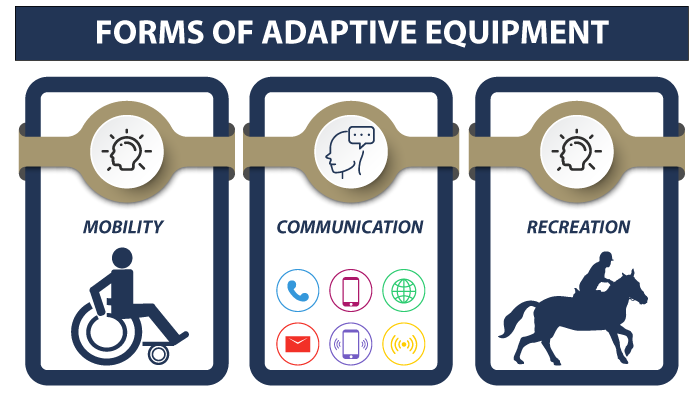
Many children with HIE injuries have cerebral palsy symptoms that impair their ability to move and communicate. They may rely on assistive equipment and devices like wheelchairs, walkers, car seats, and adaptive furniture for more comfort. If their symptoms impact their ability to speak, they may benefit from using communication devices to interact with others.
Texas Early Intervention Programs

Early Childhood Intervention - Texas HHS
Texas families of children with disabilities aged 0-36 months can enroll in multiple early childhood intervention services and benefits. The program offers free in-home evaluations, individualized family service plans, nutritional services, educational planning, and more.
Families can visit the Texas Health and Human Services site for more available resources and how to enroll.
Can a HIE Birth Injury Be Cured?
No, HIE injuries are not curable. A child with moderate to severe HIE at birth will likely experience complications requiring regular HIE treatment and intervention.
However, children with mild cases of HIE may avoid long-term disabilities, especially if they receive early intervention like neonatal cooling.
Did Medical Malpractice Cause My Child’s HIE Birth Injury?

Many cases of hypoxic ischemic encephalopathy are preventable. Doctors, nurses, and other medical professionals in the delivery room can be legally liable for a child’s injuries when they:
- Fail to properly monitor the mother’s blood pressure during delivery
- Fail to carefully monitor fetal heart rates
- Miss a placental complication or umbilical cord problem
- Miss or fail to treat a maternal infection
- Fail to intervene during a prolonged labor
- Delaying an emergency C-section, prolonging oxygen deprivation
- Administer too high a dosage of labor inducing medications or fail to quickly turn down the dosage
- Use excessive force with delivery instruments like forceps and vacuum extractors
- Fail to conduct proper neuroimaging tests or umbilical cord blood gas testing
- Fail to start neonatal cooling treatment after an HIE injury
- Downplay the extent of a child’s HIE birth injury
Finding out your child has irreversible brain injury is devastating for any parent. But the news that their injuries were preventable can be even harder to bear.
Over the years, our Texas HIE Birth Injury Lawyers have had to deliver this tragic news to many families. It never gets easier, but uncovering medical malpractice is the first step in securing justice and compensation for these families.
If you believe your child suffered from preventable brain damage at birth, our Texas HIE Birth Injury Lawyers can help. We will hold negligent medical providers responsible and pursue the maximum amount of recoverable financial compensation for your family.
What is the Statute of Limitations for a Texas HIE Birth Injury Case?

The statute of limitations limits the time frame during which an injured victim can file a viable medical malpractice claim.
Chapter 74 of the Civil Practices & Remedies Code for Texas
For adults, the statute of limitations in medical malpractice lawsuits is generally 2 years from the date of negligence. For children, the statute of limitations is slightly different. Parents may file for past medical expenses while the child is a minor up to 2 years after the negligence. But, for future medical expenses, loss of earnings and non-economic damages, the family must file before the child turns 14.
Generally, the clock starts ticking on the date the injury occurred. However, there are exceptions to this rule. In some cases, the statute of limitations starts when a person discovers or reasonably should have discovered an injury.
You may need to file a birth injury claim under the Federal Tort Claims Act (FTCA). In FTCA cases, claimants must go through certain administrative procedures before filing a lawsuit. The time period in which you must give "notice" may be shorter in some cases. Examples include if the negligent party was a local or state government hospital, or if the doctors are government employees.
The court will typically dismiss your case if you file it outside the statute of limitations. However, certain exceptions exist to the rules when the injured party is a child. Determining when a statute of limitations begins on your case can be tricky.
If you're considering pursuing compensation for an HIE-related birth injury, contact an attorney as soon as possible. Speaking with a Texas HIE Birth Injury Lawyer can clear up any confusion you may have related to filing.
How Can Our Texas HIE Birth Injury Attorneys Help?

Parents of children with HIE injuries are usually desperate for answers. They want to know how their child sustained injuries, why it happened, and if anyone could have prevented it. Our Texas HIE Birth Injury Lawyers help find the answer to those questions and more.
We can recover life-changing financial compensation to help families afford:
- Medical treatments and therapies
- Assistive equipment like wheelchairs, modified vehicles, and home modifications
- Medications to treat related conditions like seizures or muscle spasms
- In-home caregivers and medical attendants
Our Process
Our team of committed HIE Birth Injury Lawyers in Texas use a detailed case review process to assess your potential claim.
We start by learning more about you and your child. We will gather medical records to determine what happened before, during, and after your delivery. We investigate things like fetal heart rate strips, medications administered during labor, and how quickly healthcare providers started hypothermia therapy.
We call in skilled medical experts who review your records and let us know if they think medical errors could have caused your child’s injuries. If we make a recovery, we will work to hold responsible parties accountable in an HIE birth injury medical malpractice lawsuit.
At no point in our legal intake process will we ask you to pay anything. The medical review of your case and the consultation are free. We only receive payment once you do. The sooner you reach out, the sooner we can investigate your case and gather evidence to support your claim.
Our Texas HIE Birth Injury Lawyers will work for you on a contingency fee basis. This means you will not pay a single legal fee until after we win your case. We do not pursue any medical malpractice cases unless we fully believe we can win.
Contact us today to schedule your free consultation by calling our toll-free line at (888) 987-0005. You can also reach us by filling out our online request form.

National Birth Injury Law
Our National Birth Injury Attorneys, nurses, and support staff understand that parents of children with birth injuries feel overwhelmed. So, every client has the attention and support of a team of trained, compassionate professionals. But we don’t just offer compassion.
We offer a process to help you discover whether your child’s birth injury, HIE, cerebral palsy or brain injury at birth was caused by medical malpractice.
Call our offices today at (888) 987-0005 for experienced assistance in a free consultation.
Quick Links
Testimonials
- Lyric C. I feel like our voice was heard in a sense of what can possibly go wrong in a delivery and finding us answers. I feel with our settlement, we are now in a comfortable position to provide for our son.
- Lyssa L. They are not just people that say “hey let's get you money and let's go” The law firm was very thorough with us. It was awesome. I don't want to cry, because I think about and it's amazing that they were able to help me and that we were able to help my son and get the story out there.
- Jay C. Throughout the process, one thing was clear to us, the ultimate interest of our child was the utmost concern of Max and his team and as parents navigating a situation like that, that was refreshing to know we had them firmly on our side. I highly recommend them.
Popular Cities
- ★ Dallas Birth Injury
- ★ Houston Birth Injury
- ★ Atlanta Birth Injury
- ★ Chicago Birth Injury
- ★ Philadelphia Birth Injury
Locations
★ Dallas
11551 Forest Central Drive, Ste. 300
Dallas, TX 75243
★ Houston
12929 Gulf Freeway, Ste. 111
Houston, TX 77034