Fetal Acidosis
Acidosis Resulting in Fetal Acidemia
In the first one to two weeks after conception, an organ called placenta will begin to form in the uterus. This organ will continue to develop throughout the mother’s pregnancy. The placenta facilitates fetal respiratory gas exchange and removes waste products and carbon dioxide from the fetus.
This exchange of gases for the fetus depends on the following factors:
- Placental transfer
- Uterine blood supply
- Maternal blood gas concentration levels
- Fetal gas transport.
When a disruption occurs in any of these mechanisms, the baby may experience hypoxia and/or anoxia (oxygen deprivation). Prolonged hypoxia (inadequate oxygen) or anoxia (complete lack of oxygen) can make it impossible to properly expel carbon monoxide. When this happens and the baby’s carbon monoxide levels rise too high, fetal acidosis can occur.
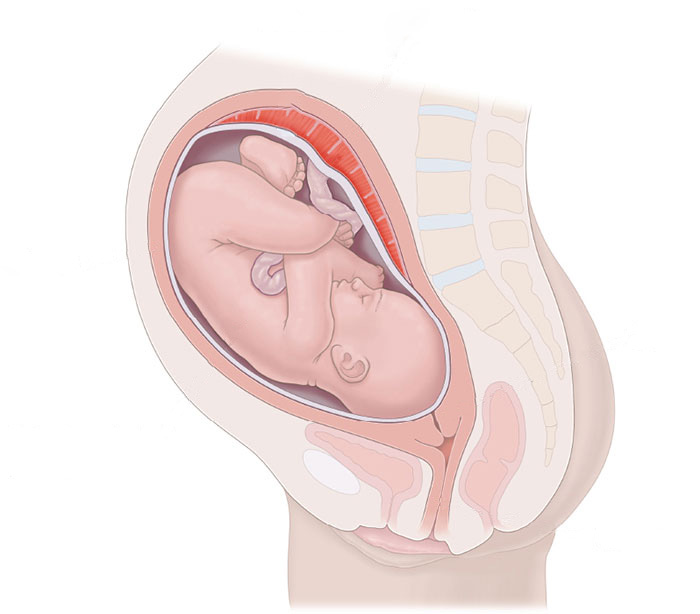
When doctors fail to respond to birth asphyxia fast enough, fetal acidosis can occur and result in severe long-term consequences. This includes hypoxic-ischemic encephalopathy (HIE), cerebral palsy, or even fetal death.
Research remains unclear about where the damage to the brain tissue stems from in cases of fetal acidosis. Researchers believe it either occurs due to the lack of cell energy or as a secondary effect of cell poisoning. Either way, the risk of fetal acidosis increases when doctors fail to carefully monitor the baby during labor and delivery.
Birth Injury Malpractice Attorneys
Our top rated birth injury attorneys specialize in identifying how medical errors during delivery lead to severe birth injuries. If you or someone you know suffered from complications during labor and delivery, don’t hesitate to contact our firm. We can answer difficult legal and medical questions and investigate the facts on your behalf.
Free Legal Consultation
Birth Injury Lawyers
(888) 987-0005Our Birth Injury Lawyers are available to meet you in your home or the hospital.
Our vast network of medical experts and in-house nursing staff and nurse-attorneys gives us the edge over our competition. When we take your case, we assign you with an entire medical team. This team not only consists of attorneys but also nursing advocates and medical experts.
Your team is available to assist with any day-to-day treatment you or your child may need. This includes assistance with medical records, scheduling doctors’ appointments, providing transportation, and any other problems that may arise.
We offer all of this on a contingency fee basis. This means you will not pay any fees until after we win your case and secure a settlement. Miller Weisbrod Olesky’s unmatched track record of birth injury results sets us apart from other birth injury law firms.

Recent Birth Injury Settlement:
Birth Injury settlement against a hospital in which nurses and physicians failed to properly monitor the mother's blood pressure during delivery causing an HIE event resulting in neonatal seizures and cerebral palsy at birth. Our team of top-rated birth injury lawyers recovered $13,750,000 for the family to help with future medical expenses and developmental therapy.
What is Fetal Acidosis?
Fetal acidosis refers to abnormally high concentration of acid and hydrogen ions in the unborn baby’s blood. This makes the blood more “acid” like and is usually the result of the lack of oxygen. Because hydrogen is acidic, this makes the baby’s blood pH lower and essentially poisons their blood, tissues and their brain.
“Acidosis” simply means there are toxic levels of chemicals in the blood that can cause cell damage to the brain. It can also impact other critical organs and be the result of cell damage that has already occurred. Babies who suffer from brain injuries like hypoxic-ischemic encephalopathy (HIE) typically have evidence of “fetal acidosis” at birth.
Fetal Acidemia Vs. Fetal Acidosis
Fetal acidosis and fetal acidemia are related, but the two terms are not interchangeable.
Fetal acidosis refers to the actual process of excess acids building up within the baby’s tissues and fluids. Fetal acidemia is the end result of acidosis. It refers to the baby’s physical state of having a dangerously low blood pH after experiencing acidosis.
Fetal acidosis can either be metabolic or respiratory. Fetal metabolic acidosis occurs when the fetus doesn’t have enough oxygen to break down lactic acid buildup in their muscles. Fetal respiratory acidosis happens when the baby has a surplus of carbon dioxide (which is acidic). It typically occurs because the umbilical cord is not effectively removing the excess carbon dioxide from the baby’s blood.
Both metabolic and respiratory acidosis result in fetal acidemia when the buildup is substantial enough to affect the baby’s pH levels. Any fetal pH measurement below 7.20 is too acidic and can indicate that the baby isn’t receiving enough oxygen.
What Causes Fetal Acidosis?
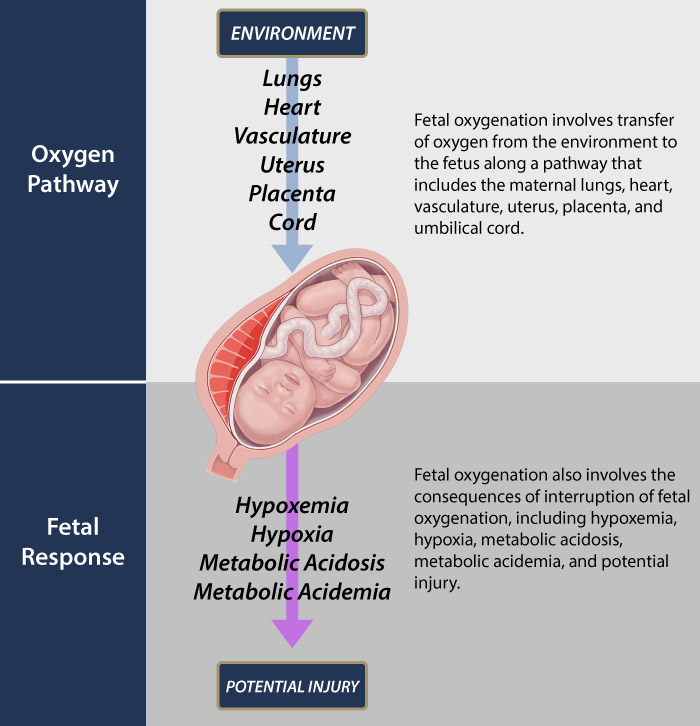
Doctors often categorize the causes of fetal acidosis into three classes: fetal causes, placental causes, and maternal causes.
The consequences of fetal acidosis vary in duration and severity depending on fetal conditions prior to the insult. Doctors classify severity as Acute (occurring within a number of minutes) or Chronic (spanning over an hour or multiple hours).
When fetal acidosis occurs primarily due to a lack of oxygen, it is respiratory acidosis. When the predominant cause is an increase in the levels of lactic acid, it is metabolic acidosis. Acute fetal acidosis is usually respiratory in the initial stages. If oxygenation does not improve soon, metabolic acidosis will rapidly follow.
Classification of fetal acidosis causes is as follows:
Acute Fetal Acidosis
Acute acidosis occurs when hypoxia or anoxia occurs over minutes or more often hours. The common causes include:
- Maternal: Epidural anesthesia, vasovagal shock, and maternal hemorrhage are some reasons that may cut down maternal blood supply. This will result in low oxygen deliveries to the uterus.
Prolonged uterine contractions may also interrupt the blood flow to the uterus, causing hypoxia and fetal acidosis. - Placental: Complications like a placental abruption can disrupt utero-placental circulation. This condition may develop when the placenta separates partially or completely from the intra-uterine wall prior to delivery.
This can block or reduce the baby’s oxygen supply and cause heavy maternal bleeding. Additionally, if a uterine rupture can cause profound anoxia due to the inability to exchange oxygen and carbon dioxide. - Fetal: Umbilical cord complications can interrupt blood flow to the fetus from the placenta. A number of cord complications can occur during labor and delivery such as compression or nuchal cord.
Cord complications can compromise its ability to deliver oxygen and nutrients to the baby, causing fetal hypoxia, and potentially fetal acidosis. Any causes of fetal distress that appear on the electronic fetal monitoring equipment can also cause acute fetal acidosis.
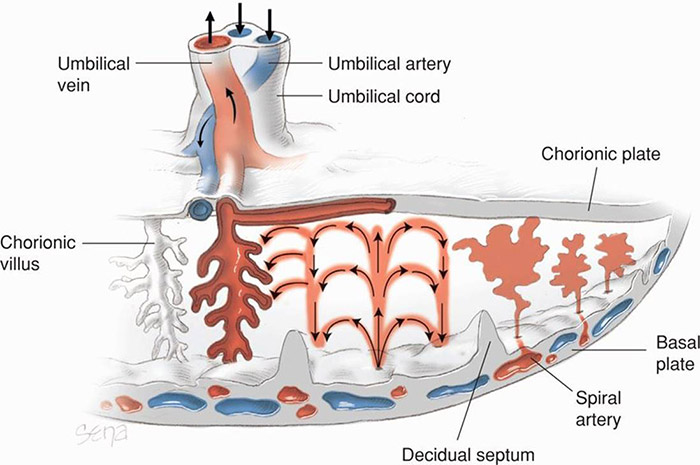
Chronic Fetal Acidosis
Cases of chronic fetal acidosis can build up over the course of days or even weeks. The common causes include:
- Maternal: Chronic fetal acidosis may occur due to a number of maternal causes, such as:
(a) Severe cardiac or respiratory illness that contributes to low maternal blood oxygenation;
(b) Maternal connective tissue diseases like (systemic lupus erythematosus (SLE)) may reduce blood flow to the placenta;
(c) Preeclampsia (hypertension or high blood pressure disorder that usually begins after 20 weeks of pregnancy). - Placental: Impairment of placental oxygen transfer to the fetus can lead to fetal hypoxia and chronic fetal acidosis. Doctors should carefully monitor pregnancies where the mother has placental insufficiency or related pregnancy complications like Intrauterine growth restriction (IUGR).
- Fetal: Conditions related to the fetus may sometimes cause chronic fetal acidosis, even when placental function is normal. Fetal bradycardia, major structural cardiac abnormalities, and fetal anemia can all lead to chronic acidosis in unborn babies. Other blood disorders like rhesus (Rh) disease and alpha thalassemia can also contribute to chronic acidosis.
Medical professionals should anticipate all causes of acute and chronic fetal acidosis so they know when to test for it. They must stay vigilant during high-risk pregnancies and during labor and delivery for any signs that may arise.
What Are the Signs of Fetal Acidosis?
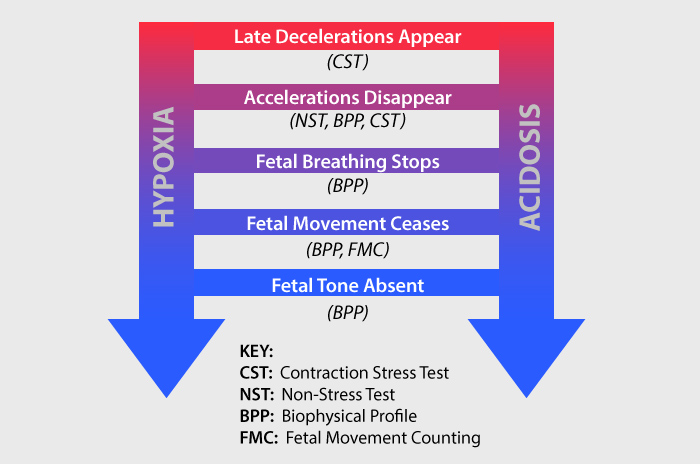
To make a timely intervention, medical providers should look for the indicators of fetal acidosis during labor and delivery:
Signs of Acidosis Before Birth
- Prolonged or arrested labor
- Fetal Bradycardia, late decelerations, absent or minimal variability on fetal monitoring strips
- Fetal distress revealed by abnormal heart rhythms appearing on the fetal heart rate monitor
- Vaginal bleeding
- Preeclampsia or maternal hypertension (high blood pressure)
- Abnormal maternal weight gain
- Abnormal results from contraction stress testing (CST) or nonstress testing (NST)
- Abnormal biophysical profile (BPP) readings (ultrasound and NST performed in the third trimester)
- Abnormal amniotic fluid index or AFI (quantitative estimate of amniotic fluid)
Signs of Acidosis After Birth
- Low APGAR score
- Respiratory distress indicated by rapid breathing, grunting sounds when breathing, chest retractions, abnormal color of the toes, fingers, and lips
- Impairment in oral motor functions, such as difficulty in swallowing, sucking, or latching onto the mother’s breast
- Weakness or fatigue indicated by minimal or lethargic body movements
- Feeble crying or no crying
- Difficulty waking up from sleep
- Meconium aspiration syndrome (breathing a mixture of amniotic fluid and meconium into the baby’s lungs)
- Low pH levels in the umbilical cord blood
- Negative base-excess results
Not all of these signs are exclusive to a fetal acidosis diagnosis. However, they all typically indicate the baby will need at least some form of interventive care after birth. If doctors are unsure if baby is experiencing fetal acidosis, they should perform umbilical cord blood gas testing to confirm.
How to Diagnose Fetal Acidosis?
Not all cases of fetal acidosis are visibly apparent. Medical professionals must always conduct bloodwork after birth to determine if a baby is suffering from acidosis.
This bloodwork is the baby's “blood gas” results. The blood gas test measures several things in the blood:
- The pH levels of the blood
- The base excess of the blood
- PO2 which is the oxygen in the cord gas
- PCO2 which is the carbon dioxide in the cord gas
Two important metrics to determine if the baby suffered from fetal acidosis are the pH levels and base excess results.
pH Levels
The unit to measure the acid levels in the baby’s cord blood is pH (potential of Hydrogen). The pH scale ranges from 0-12, with 7 being the neutral middle point. Levels lower than 7 are acidic, whereas levels above 7 are “basic” or “alkaline.” A normal pH range for a baby’s blood ranges around 7.18-7.45.
Doctors take umbilical cord blood samples just after delivery to determine pH levels in the baby’s blood and tissue. These results can help doctors determine whether or not a baby has suffered from hypoxia during the delivery process. Additionally, these tests can help to determine at what point in the delivery process the baby suffered oxygen deprivation.
Base Excess Results
The base excess results can also help determine whether fetal hypoxia occurred and the severity of the child’s fetal acidosis.
A normal base excess result ranges from 0 to 8. When the baby’s blood is acidic, their base excess result will be a negative number. As the severity of the acidosis grows, the base excess result becomes larger negative number.
Medical professionals perform blood gas tests drawing from the blood vessels in the umbilical cord. There are two types of blood vessels in the cord: an artery and a vein. The blood gas results may differ depending upon which blood vessel medical professionals draw the sample from.
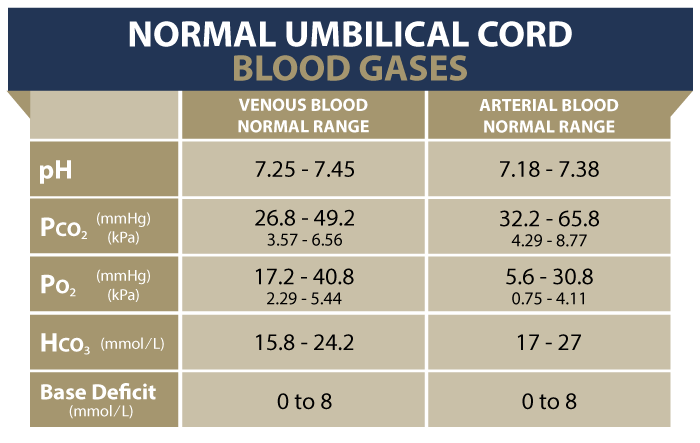
Babies from high-risk pregnancies who suffer labor and delivery complications are more likely to experience fetal acidosis. A key distinction medical providers should make is whether the fetal acidosis resulted from acute hypoxia or from chronic hypoxia. The difference in umbilical vein and artery gases can provide insights into this.
When hypoxia is chronic and occurs before labor, the umbilical vein and artery values are often both abnormal. This can frequently occur due to placental complications like uteroplacental insufficiency. On the other hand, when the underlying cause is fetal bradycardia or acute umbilical cord compression, the fetal hypoxia and acidosis will primarily occur in the umbilical artery, usually resulting in a significant difference between the vein and artery values.
Umbilical Cord Blood Gas Testing Mistakes

Arterial blood gas samples from the baby’s umbilical cord provides valuable information on their levels of oxygenation and blood acidity. But common medical errors can result in misinterpretations or unreliable results.
It is critical to know from which source (vein or artery) the medical providers draw the blood gas. Sometimes they mistakenly switch the results or accidentally draw from the wrong blood vessel.
Analyzing both types of umbilical cord gas is an important measure for determining the baby’s metabolic acidosis condition at birth. Healthcare professionals have a duty to run these tests when they suspect acidosis. Failing to do so can count as medical malpractice when signs are present.
Doctors should not use blood gas lab results as an isolated measure to predict HIE injury. The medical team should combine the clinical results with other potential abnormal findings, such as:
- low APGAR scores
- Non-reassuring fetal heart patterns
- Needing neonatal resuscitation at birth
- Findings from MRI neuroimaging
A comprehensive evaluation may serve as a strong indicator for neonatal seizures, vision impairments, speech impairments, and other neurological consequences.
What Are the Consequences of Fetal Acidosis?
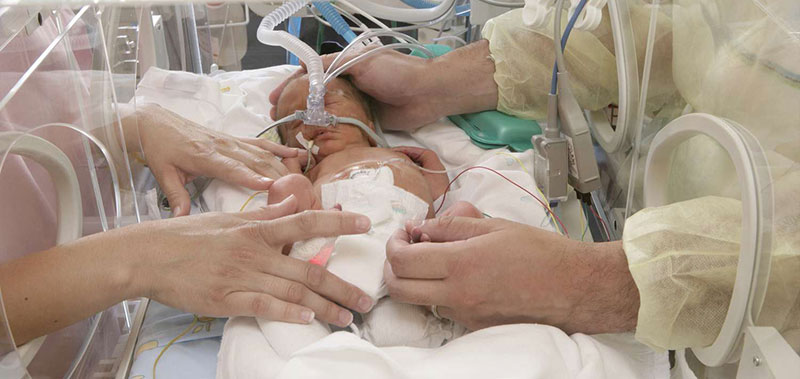
Fetal acidosis can cause one or more of the following complications in babies:
- Hypoxic-ischemic encephalopathy (HIE)
- Cerebral palsy
- Seizure disorders or epilepsy
- Developmental delays
- Paralysis
- Periventricular leukomalacia (white matter brain tissue injury in babies)
Research is ongoing about whether these adverse neonatal outcomes occur primarily due to fetal hypoxia or fetal acidosis. What researchers know for sure is that whether the condition is acute or chronic drastically affects the severity of outcome. Babies exposed to chronic fetal hypoxia and acidosis will have a significantly higher risk of long term disabilities.
Significant fetal acidosis indicates severe intrapartum hypoxia, which comes with an increased risk of hypoxic-ischemic encephalopathy (HIE). Babies with moderate to severe HIE may have to live with cerebral palsy or other permanent and severe neurological deficits. HIE is a major cause of cerebral palsy and infant death.
How to Prevent Fetal Acidosis

Healthcare professionals should look for signs on the electronic fetal monitoring strips during labor when deciding whether to intervene.
Sometimes supplemental oxygen, adjusting the mother’s position, or fluid replacement do not improve the signs of fetal distress. In these cases, doctors must perform an emergency c-section to immediately deliver the baby.
When a baby’s umbilical cord blood gas tests reveal acidosis, the neonatal nurses and neonatology physicians must conduct further evaluation. They should decide if the baby needs hypothermia therapy or cooling to minimize any brain damage at birth.
Babies with certain blood gas levels of acidosis must receive cooling therapy. The only exception is when certain concurrent conditions cause the risks of the therapy to outweigh the well-documented benefits.
Did Medical Malpractice Cause My Child’s Fetal Acidosis?

Fetal acidosis can cause brain injuries like HIE and other adverse neurological outcomes that will forever alter a child’s life. Birth injury negligence, like delaying a C-section amid fetal distress or delaying therapeutic hypothermia after birth, increases the baby’s risk.
If a family believes medical negligence caused or worsened a child’s fetal acidemia, legal support may be an option. A specialized birth injury attorney can review the medical records and circumstances to assess whether a claim exists.
Families who have experienced the effects of brain injuries from negligent medical care deserve to know whether they were avoidable. Our top rated birth injury lawyers will help you find those answers and obtain the necessary funds to secure treatment.
Our nationally available team will thoroughly investigate the facts, holding responsible parties accountable by pursuing medical malpractice claims.
What is the Statute of Limitations in a Birth Injury Lawsuit?

A statute of limitations (SOL) is a law that sets a time limit on how long an injured person has to file a lawsuit after an accident. It is essential to understand that statutes of limitations vary based on the case and the state where you file. For instance, the deadline for birth injury claims is typically different from other claims, such as injury to private property.
Generally, the clock starts ticking on the date the injury occurred. However, there are exceptions to this rule. In some cases, the statute of limitations starts when a person discovers or reasonably should have discovered an injury. When dealing with government agencies, SOLs can become even more complex.
For example, if the party that injured you was:
- A federal employee
- Employed by a military hospital, Veterans Administration facility, or a federally funded medical entity
You may need to file a birth injury claim under the Federal Tort Claims Act (FTCA). In FTCA cases, claimants must go through certain administrative procedures before filing a lawsuit. In some states, you may have less time to give notice if:
- The negligent party was a local or state government hospital.
- The doctors and medical providers are employees of a governmental entity.
If you file your case outside of the statute of limitations, the court will typically dismiss it. This means you will not be eligible to recover compensation for you or your child’s injuries.
Determining when a statute of limitations begins on your case can be tricky. If you are considering pursuing compensation for a birth injury, contact an attorney as soon as possible.
How Can Our National Birth Injury Attorneys Help?

Doctors can sometimes prevent fetal acidemia by taking quick action in response to non-reassuring fetal heart rates. However, it takes an expert review of the facts of your birth to determine whether medical professionals made preventable errors.
Our Process
Our team of committed birth injury attorneys, nurses and paraprofessionals works to answer these questions and seek compensation. We use our detailed medical negligence case review process to assess your potential birth injury case.
We start by learning more about your pregnancy by gathering records to determine what happened during and after your delivery. This includes evaluating the fetal heart rate strips during labor and umbilical cord arterial blood gas testing procedures after birth.
We will call in skilled medical experts who review your records and provide insight into where medical professionals went wrong. If we feel medical negligence caused or worsened your baby’s acidosis, we meet with you to discuss further.
At no point in our legal intake process will we ask you to pay anything. The medical review of your case and the consultation are free. We only receive payment once you do. The sooner you reach out, the sooner we can investigate your case and gather the evidence to support your claim.
We work on a contingency fee basis, meaning you will not pay any legal fees until we win your case. We do not purse any medical malpractice cases unless we fully believe we can win.
Contact us today to schedule your free consultation by calling our toll-free line at (888) 987-0005. You can also reach us by filling out our online request form.
National Birth Injury Law
Our National Birth Injury Attorneys, nurses, and support staff understand that parents of children with birth injuries feel overwhelmed. So, every client has the attention and support of a team of trained, compassionate professionals. But we don’t just offer compassion.
We offer a process to help you discover whether your child’s birth injury, HIE, cerebral palsy or brain injury at birth was caused by medical malpractice.
Call our offices today at (888) 987-0005 for experienced assistance in a free consultation.
Quick Links
Testimonials
- Lyric C. I feel like our voice was heard in a sense of what can possibly go wrong in a delivery and finding us answers. I feel with our settlement, we are now in a comfortable position to provide for our son.
- Lyssa L. They are not just people that say “hey let's get you money and let's go” The law firm was very thorough with us. It was awesome. I don't want to cry, because I think about and it's amazing that they were able to help me and that we were able to help my son and get the story out there.
- Jay C. Throughout the process, one thing was clear to us, the ultimate interest of our child was the utmost concern of Max and his team and as parents navigating a situation like that, that was refreshing to know we had them firmly on our side. I highly recommend them.
Popular Cities
- ★ Dallas Birth Injury
- ★ Houston Birth Injury
- ★ Atlanta Birth Injury
- ★ Chicago Birth Injury
- ★ Philadelphia Birth Injury
Locations
★ Dallas
11551 Forest Central Drive, Ste. 300
Dallas, TX 75243
★ Houston
12929 Gulf Freeway, Ste. 111
Houston, TX 77034