Anemia In Infants
What is Perinatal Anemia?
Perinatal anemia in babies (low blood count around the time of birth) is a birth complication that occurs when the red blood cells start getting destroyed faster than they are produced, or the bone marrow stops producing enough red blood cells. When a baby has anemia, it means their red blood cells (RBCs) are malfunctioning or the body’s RBC levels are critically low.
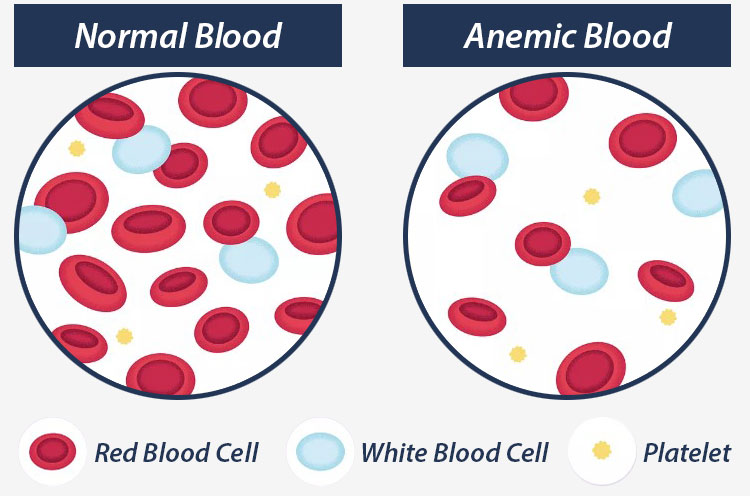
RBCs are responsible for transporting purified oxygen from the lungs to other vital organs, including the brain. When anemia in a baby is severe or left undiagnosed or untreated, it may cause birth injury leading to brain damage (potentially resulting in cerebral palsy), kidney damage, and other organ failures.
When anemia occurs in very premature babies (less than 32 weeks of gestational age), the condition is known as anemia of prematurity. It’s marked by a more severe drop in the RBC count, posing serious health risks to the baby.
Medical providers like obstetricians and labor and delivery nurses should be able to diagnose perinatal anemia quickly and provide timely and proper medical management. Failure to do so may cause birth injury or birth complications, or even endanger the baby’s life. When a baby suffers injuries or complications resulting from anemia mismanagement, it may constitute medical malpractice/medical negligence.
Potential Consequences of Anemia in Infants
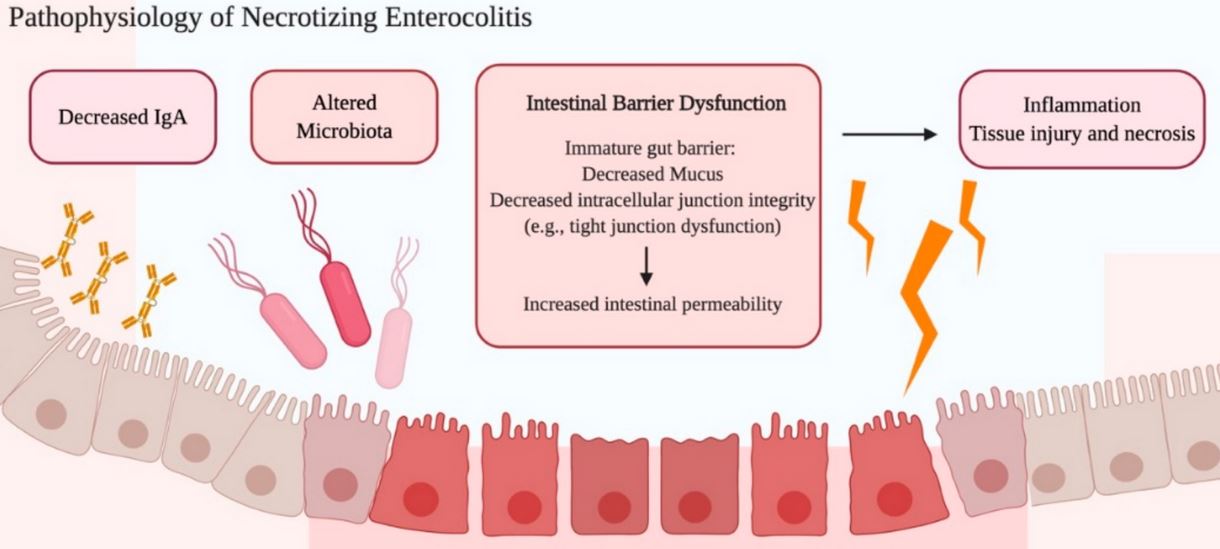
Anemia in babies is associated with reduced tissue oxygenation (flow of oxygen to the vital organs), which may contribute to brain damage (potentially leading to cerebral palsy) or other serious complications, such as necrotizing enterocolitis (NEC) as serious intestinal injury. When a large amount of blood loss occurs rapidly anemia is often a consequence and the baby may become severely ill, with a fluctuating heart rate, shallow breathing, low blood pressure, and develop shock.
Rapid breakdown of red blood cells in the baby may also increase the bilirubin levels. Bilirubin is a yellow pigment generated during normal RBC breakdown. The baby may appear yellow and develop jaundice. If severe jaundice remains untreated, it may cause a serious complication called kernicterus, which can eventually lead to birth complications.
Anemia in Infants Associated with Cerebral Palsy
According to researchers, perinatal (referring to the time period before birth including labor) anemia can be one of the underlying causes of moderate or severe birth asphyxia. This may lead to fetal distress that is a leading cause of hypoxic-ischemic encephalopathy (HIE), which can often lead to cerebral palsy.
Excessive loss of blood due to perinatal anemia results in low concentrations of initial hemoglobin (Hb). Research has shown that this is a significant risk factor for an abnormal neurodevelopment outcome (NDO) in babies with severe anemia and birth asphyxia.
Based on the available data, researchers have hypothesized that low levels of hemoglobin in preterm, near-term as well as term babies with birth asphyxia have a negative effect on the motor and cognitive development of the baby around 2 or 3 years of age and may be a contributing factor for cerebral palsy.
Diagnosing Anemia in Infants
Diagnosing Anemia Before Birth
It may be possible to diagnose fetal anemia prior to birth with a prenatal ultrasound. When the anemia in the fetus is severe, an ultrasound scan can detect the signs of hydrops fetalis (fetal hydrops). This is a serious condition in which abnormal fluid collection occurs in the baby’s body, leading to stress on the heart and other vital organs.
To determine the risk of anemia for the in-utero baby, obstetricians and maternal-fetal medicine specialists can use an ultrasound Doppler test to measure the peak systolic activity (speed of the blood flow) in the middle cerebral artery (MCA – one of the fetal brain blood vessels). When the in-utero baby has anemia, the blood to the brain will flow at a rapid rate. This non-invasive test poses no risk to the baby because it is done by ultrasound.
Diagnosing Anemia After Birth

When perinatal anemia is suspected, the medical provider should be able to diagnose it with a blood test after birth. Blood tests will usually measure the following parameters in the baby:
- Hemoglobin (Hb): This is the essential protein in red blood cells that transports oxygen in the circulation.
- Hematocrit: This indicates what percentage of the baby’s blood is made up of red blood cells (RBCs).
- Reticulocytes: This shows what percentage of RBCs in the blood are immature (indicating how many new cells are getting created).
Supportive Diagnostic Approaches
In addition to the blood tests and fetal ultrasound, the diagnostic approach should include a physical examination of the baby and a review of medical history (fetal, maternal, and familial) during the pregnancy, labor and delivery, and the postpartum phase.
- A review of familial medical history can identify any family members or relatives with chronic anemia, which could be risk factor for anemia in the baby due to genetic causes.
- A review of maternal (the mother’s) medical history should reveal potential clues of fetal anemia, such as chronic anemia in the expectant mother, bleeding disorders, vaginal bleeding, maternal infections, and medication use. In addition, maternal lab tests, such as hemogram, antibody screening, and blood type may provide valuable information for diagnosing fetal anemia.
- A review of the anemic baby’s history should include information related to age, gestational age at birth, birth weight, sex, ventilator support, history of infections, transfusions, and medications.
- A physical exam of the anemic baby should verify feeding difficulties, reduced activity, and dyspenea (shortness of breath) at rest. The medical provider should also conduct a skin examination to look for pallor, which is a sign of jaundice.
It is critical that medical providers like doctors and nurses take all of these steps in order to timely and correctly diagnose anemia. A delay in diagnosis can lead to serious birth complications and be a basis for a birth injury medical malpractice lawsuit.
Causes of Anemia in Infants
Anemia in babies may occur primarily due to the following causes:
Excessive Loss of Blood – Contributing Factors:
- Placenta previa (placenta covers a part of the cervix)
- Placental abruption (placental separates from the uterine wall)
- Internal hemorrhaging
- Twin-twin transfusion (in-utero blood exchange between twins)
- Birth trauma
Rapid Destruction of Red Blood Cells – Contributing Factors:
- Maternal infection
- Rh incompatibility (mother’s blood type of Rh negative and the fetus blood type is Rh positive)
- Certain types of drugs
- Nutritional deficiencies
- Genetic reasons
Faulty or Insufficient RBC Production – Contributing Factors:
- Bone marrow disorders
- Vitamin or other nutritional deficiencies
- Anemia of prematurity (lower percentage of RBCs in the blood)
Symptoms of Anemia in Infants
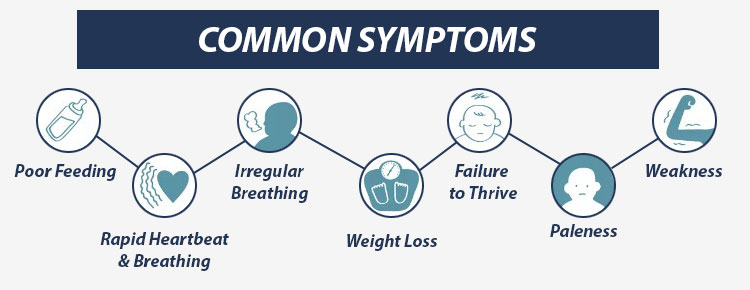
In general, a baby with anemia will show some or all of the following signs:
- Lack of movement
- Irritability
- Feeding difficulties
- Low blood pressure
- Insufficient urine output
- Respiratory problems
- Acidosis (too much acid in the body fluids)
- Pale skin and eyes
- Abnormal heart rate (slower or faster than normal)
Medical providers are trained to realize that there are times when anemic babies do not show many or all the clinical signs of anemia. Therefore, these doctors and nurses must look carefully beyond the “classic” presentation of anemia to make sure they do not miss a timely diagnosis.
Treating Anemia in Infants
If during labor and delivery, the newborn baby has experienced a large amount of blood loss, the medical provider should treat with fluids given intravenously (through the vein), and follow it with a blood transfusion.
In case of severe neonatal anemia, a blood transfusion may be necessary. But in this case, an exchange transfusion may be a better technique because it will both increase the red blood cell count and reduce the bilirubin levels. In an exchange transfusion, the medical provider gradually removes a small amount of blood from the baby and replaces it with an equal volume of fresh donor blood. Anemic babies with jaundice may also require phototherapy to help reduce the bilirubin levels.
Is Your Child’s Birth Injury the Result of Medical Malpractice?
Parents whose children suffer birth injuries from perinatal anemia related birth trauma or birth complications want and deserve answers as to the cause of their child’s birth injury and whether mistakes by the doctors and nurses contributed to the injury.
- Were there signs of anemia during the pregnancy, labor, and delivery process, or presence of risk factors, which were either not recognized or properly treated?
- Was the pregnancy not handled as a high risk pregnancy despite clear signs and risk factors?
- During the labor and delivery, were there clear indications that the baby was suffering from fetal distress, but appropriate actions were not taken by the obstetrician or nurses?
- Was there a delay in diagnosis of perinatal anemia that led to later complications, including brain injury?
- Did the medical team fail to order a series of tests to diagnose this birth complication in a timely manner?
- Was the decision to perform a cesarean delivery delayed leading to birth trauma during vaginal delivery or labor?
- Did the neonatal resuscitation team fail to quickly begin important breathing support?
- Should brain cooling (also called “hypothermia therapy”) have been provided to your baby, but the doctors and nurses failed to perform the appropriate tests or ignored the results of the tests?
Our national birth injury attorneys have extensive experience in this and all areas of birth injury medical malpractice. The lawyers and nurses at Miller Weisbrod Olesky will help you determine if mistakes of the medical providers caused a birth injury to your child, including Hypoxic-Ischemic Encephalopathy (HIE) or cerebral palsy.
Our award-winning birth injury attorneys represent families all over the United States in their time of need after a wrongful birth. We use our skills and expertise to obtain for you and your child a medical malpractice settlement that will help provide specialized medical therapy in order to maximize the quality of life and independence of your child throughout their life.
Sometimes families are reluctant to contact a medical malpractice lawyer. It’s also not uncommon for parents to feel overwhelmed by the responsibilities they encounter in caring for their injured child and worried that they will not be able to help out in a lawsuit involving their child’s birth injury. Our birth injury attorneys and nursing staff will address these hesitations and concerns, so you can focus on your child and maximizing their care.
Registered Nurses and Nurse-Attorneys Are a Vital Part of Our Birth Injury Team…and Yours

Most birth injury law firms will employ one or two nurses to assist the review of cases and medical research. But Miller Weisbrod Olesky offers an unmatched number of nurses and nurse-attorney employees support to both the birth injury attorneys and our clients.
Our team of registered nursing staff and nurse-attorneys bring a deep level of medical and personal insight to every client’s case. Our nursing team includes both an experienced labor and delivery nurse as well as an ICU nurse. Working closely with the rest of the team, they investigate the reasons behind a birth injury and how medical professionals breached their standard of care.
Why Should You Talk with the Highly Capable Attorneys at Miller Weisbrod Olesky?
The only way to find out if you have a birth injury case is to talk to a lawyer experienced in birth injury lawsuits. It’s not uncommon that a birth related complication results in a preventable birth injury, including cerebral palsy, but it takes a detailed expert review by a birth injury attorney of the medical records from your child’s birth to determine if the birth injury was the result of medical malpractice.
At Miller Weisbrod Olesky, a team of committed lawyers, nurses and paralegals uses our detailed medical negligence case review process to assess your child’s potential birth injury case. We start by learning more about you and your child and the status of meeting/missing developmental milestones. Then we gather medical records to determine what happened before, during pregnancy. We call in documented and proven medical experts who review your records and let us know if they think medical errors could have caused your child’s injuries.
If we feel medical negligence caused or contributed to wrongful birth in your case, we meet with you to discuss how you can receive compensation from the medical professionals who made the errors. Our birth injury attorneys have recovered millions of dollars in settlements for families of children that have suffered a birth injury.
At no point in our legal intake process will we ask you to pay anything. The medical review of your case and the consultation are free. We only receive payment when you do no matter how long or tough your case is.
Contact Our Birth Injury Lawyers
National Birth Injury Law
Our National Birth Injury Attorneys, nurses, and support staff understand that parents of children with birth injuries feel overwhelmed. So, every client has the attention and support of a team of trained, compassionate professionals. But we don’t just offer compassion.
We offer a process to help you discover whether your child’s birth injury, HIE, cerebral palsy or brain injury at birth was caused by medical malpractice.
Call our offices today at (888) 987-0005 for experienced assistance in a free consultation.
Quick Links
Testimonials
- Lyric C. I feel like our voice was heard in a sense of what can possibly go wrong in a delivery and finding us answers. I feel with our settlement, we are now in a comfortable position to provide for our son.
- Lyssa L. They are not just people that say “hey let's get you money and let's go” The law firm was very thorough with us. It was awesome. I don't want to cry, because I think about and it's amazing that they were able to help me and that we were able to help my son and get the story out there.
- Jay C. Throughout the process, one thing was clear to us, the ultimate interest of our child was the utmost concern of Max and his team and as parents navigating a situation like that, that was refreshing to know we had them firmly on our side. I highly recommend them.
Popular Cities
- ★ Dallas Birth Injury
- ★ Houston Birth Injury
- ★ Atlanta Birth Injury
- ★ Chicago Birth Injury
- ★ Philadelphia Birth Injury
Locations
★ Dallas
11551 Forest Central Drive, Ste. 300
Dallas, TX 75243
★ Houston
12929 Gulf Freeway, Ste. 111
Houston, TX 77034