Cholestasis
Intrahepatic Cholestasis of Pregnancy (ICP)
Intrahepatic cholestasis of pregnancy (ICP) is a rare liver condition during pregnancy. It can cause severe birth complications for expecting mothers and their developing babies.
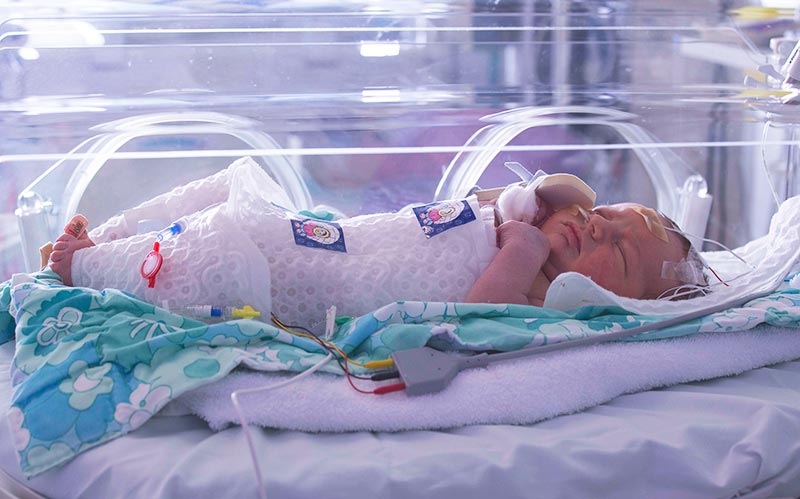
One of the most pressing complications is the risk for premature birth (delivery before 37 weeks gestation). Preterm babies are often born with underdeveloped lungs, brains, immune systems, and digestive systems. This exposes them to serious birth injures like cerebral palsy, hypoxic ischemic encephalopathy, and respiratory distress syndrome.
A mother may deliver her baby early for many different reasons, but pregnancy complications like ICP only increase that risk. Doctors and other healthcare providers must respond with urgency when they catch signs of liver dysfunction in expecting mothers. Careful monitoring and responding quickly can sometimes prevent preterm delivery and other complications.
When a doctor fails to diagnose or provide care for cholestasis of pregnancy, they may be liable for medical negligence. If you or your child has complications due to cholestasis during pregnancy, it may be worth investigating further. An experienced birth injury attorney can help families discover when medical malpractice caused or contributed to preventable complications at birth.
Birth Injury Malpractice Attorneys
Our birth injury lawyers help families seek justice and compensation for preventable injuries to mothers or their babies during childbirth. If you or your baby suffered preventable harm from mismanaged labor and delivery complications, don’t hesitate to contact our firm. We can answer difficult legal and medical questions and investigate the facts on your behalf.
Free Legal Consultation
Birth Injury Lawyers
(888) 987-0005Our Birth Injury Lawyers are available to meet you in your home or the hospital.
Our vast network of medical experts and in-house nursing staff and nurse-attorneys gives us the edge over our competition. When we take your case, we assign you with not just an attorney but an entire medical team. This team includes attorneys, experienced nursing advocates, and seasoned medical experts.
Your team is available to assist with any day-to-day treatment you or your child may need. This includes assistance with obtaining medical records, scheduling doctors’ appointments, providing transportation, and any other problems that may arise.
We offer all of this on a contingency fee basis. This means you will not pay any fees until after we win your case and secure a settlement. Our firm’s unmatched track record of birth injury results sets us apart from other birth injury law firms.

Recent Birth Injury Settlement:
Birth Injury settlement against a hospital in which nurses and physicians failed to properly monitor the mother's blood pressure during delivery causing an HIE event resulting in neonatal seizures and cerebral palsy at birth. Our team of top-rated birth injury lawyers recovered $13,750,000 for the family to help with future medical expenses and developmental therapy.
What is Cholestasis of Pregnancy?
Cholestasis of pregnancy (ICP or just “cholestasis”) is a liver disease that affects waste disposal in the body. It occurs when pregnancy hormones disrupt the flow of bile acids in the gallbladder.
What Is Bile?
Bile is a yellowish liquid substance in the liver that helps digestion. It contains primarily water mixed with bile salts, bilirubin, cholesterol, and various fats and proteins. The gallbladder releases bile into the small intestines to break down fats and excrete waste.
Bile that piles up in the liver can spill over into the bloodstream, leading to serious problems for the baby. Once bile acids reach a certain level, it can cause itching or yellowing of the skin, eyes, and mucous membranes.
ICP affects around 1-2 out of every 1000 pregnancies. While the condition is rare, it is still the most common liver disease in pregnancy.
Is Cholestasis of Pregnancy an Emergency?
Cholestasis of pregnancy is rarely life-threatening for the mother. In fact, the condition typically goes away within a few days after delivery.
However, severe or improperly managed cases can present legitimate risks to the baby. In the womb, ICP increases a baby’s risk for meconium aspiration syndrome, fetal distress, and stillbirth. Upon birth, they can suffer from breathing difficulties, jaundice and kernicterus, and other complications of fetal distress like HIE.
Cholestasis of pregnancy does not necessarily guarantee these complications. An expecting mother can have ICP and still deliver a healthy baby free of any injuries. However, it is still in her best interest to consult with her primary healthcare provider.
What Causes Cholestasis of Pregnancy?

Cholestasis of pregnancy stems from liver dysfunction. Increased hormone production during pregnancy (namely estrogen and progesterone) can block the liver from properly transporting bile to the gallbladder.
But other outside factors can contribute to ICP as well. Maternal infections like hepatitis or sepsis can cause widespread inflammation in the liver that worsen waste buildup. Other foreign materials in the body like tumors, cysts, or gallstones can also contribute.
Research indicates that ICP also has a significant genetic component. Researchers and scientists have linked key genes like ABCB4 to the disease, suggesting a hereditary factor. Having even one copy of a risk variant can increase an expecting mother’s risk for developing ICP.
Ultimately, a variety of natural hormonal shifts, genetic variations, and underlying complications factor into a mother’s ICP diagnosis.
Signs and Symptoms of Cholestasis
Signs of cholestasis typically appear in the second or third trimester as hormone production reaches its peak. Symptoms can range from mild to severe.

The most common symptom of ICP is a severe itching sensation (also known as Pruritus). The itching is a result of bile building up in the liver and entering the bloodstream.
The itching will be most noticeable on the mother’s hands and feet, but it can spread throughout her body. Most expecting mothers report worse itching during nighttime.
Some other common cholestasis of pregnancy symptoms include:
- Dark urine or light-colored stool
- Loss of appetite
- Nausea
- Fatigue
- Pain in the upper right area of your stomach
- Jaundice (a condition that makes your skin and eyes look yellow)
Many of these signs occur naturally with pregnancy. Symptoms like abdominal pain, nausea, and fatigue do not necessarily guarantee the mother has ICP. However, when severe itching accompanies these symptoms, it may be a sign the mother needs further testing.
Medical professionals should listen carefully to what the mother reports feeling during prenatal testing appointments. If she reports chronic and unbearable itching and has any risk factors, she should undergo further testing.
What are Complications of Cholestasis?
Cholestasis of pregnancy poses a higher risk to the developing baby than it does to the expecting mother. Severe or untreated cases can lead to multiple life-threatening complications for the baby before birth.
A missed or improperly managed case of ICP can result in the following complications:
Placental Insufficiency
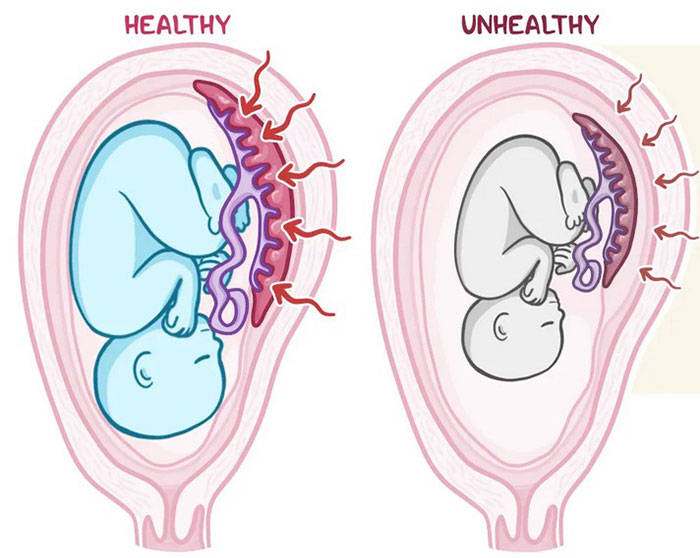
High bile acids can constrict blood levels in the mother’s placenta. This can reduce blood flow and limit the baby’s nutrient supply, which places further stress on them.
Fetal Distress
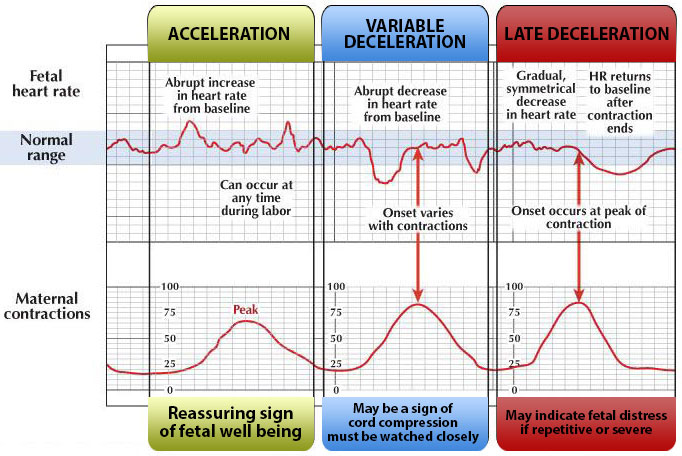
Extremely high levels of bile acids in the mother’s blood can cross the placental barrier. When this happens, it places additional stress upon the baby’s liver and heart.
A mother’s high bile acid concentrations also restrict placental blood flow, forcing the baby’s heart to work harder. Over time, this can lead to oxygen deprivation and cause non-reassuring fetal heart rates. Prolonged periods of fetal distress can put the baby at risk for hypoxic brain injuries like HIE.
Meconium aspiration
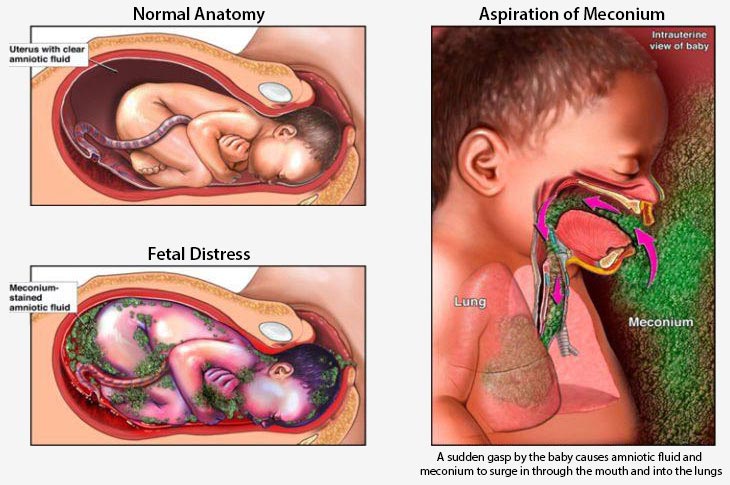
Fetal distress from bile acid buildup can relax the baby’s bowels and intestines. This can allow them to pass their first stool in utero.
This stool (called meconium) can stain the amniotic fluid and make it toxic to breathe in. As the distressed baby gasps for air, the meconium-stained amniotic fluid enters their lungs. This blocks their airways during delivery and increases the risk for birth asphyxia and neonatal resuscitation at birth.
Preterm Birth
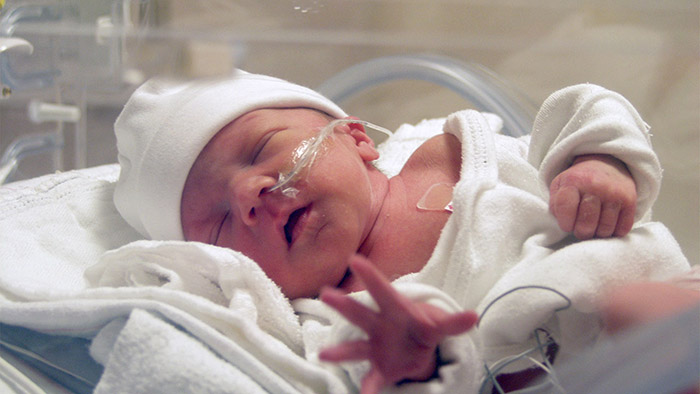
Increased levels of bile acids can make the mother’s uterus more receptive to oxytocin, the hormone that triggers labor contractions. When coupled with other complications like fetal distress and placental insufficiency, sometimes the safest option is delivering the baby early.
But while preterm birth can be unavoidable, it still increases the baby’s risk for birth complications.
Respiratory Distress Syndrome
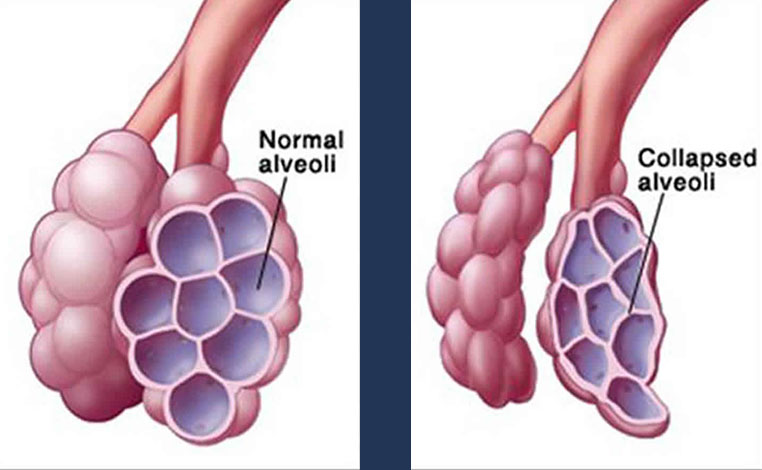
Premature babies often have underdeveloped organ systems. For example, their lungs may lack surfactant, a liquid compound that helps air sacs inflate.
Without surfactant, the air sacs in the lungs (called alveoli) stick together and collapse. This can block the baby’s airway and put them into respiratory distress at birth.
Jaundice
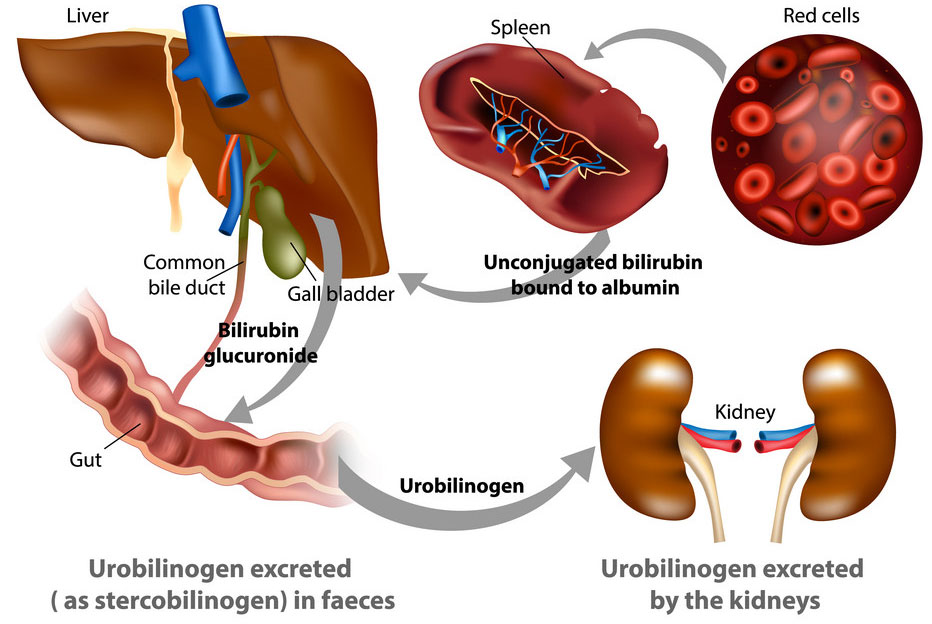
Babies with mothers who have cholestasis have a higher exposure to bile acids. This exposure can interfere with their ability to break down bilirubin as a newborn.
An accumulation of bilirubin can turn the baby’s skin to a yellowish pigment and put their health at risk. Extreme levels of bilirubin can cross the baby’s blood-brain barrier and lead to potential brain damage called kernicterus.
Postpartum Hemorrhage

Cholestasis of pregnancy can deprive the mother of sufficient vitamins and nutrients. Severe cases can cause vitamin K deficiency, which can impair proper blood clotting.
A mother’s uterine blood vessels may not properly contract after birth if she’s deficient in vitamin K. This can increase her risk for postpartum hemorrhaging and severe blood loss.
Stillbirth

In the most severe cases, ICP can place too much stress on the baby and result in their fetal demise. Careful fetal heart rate monitoring and quick response times to fetal distress during labor can prevent these tragic outcomes.
Why Does Cholestasis Cause Stillbirth?
Cholestasis of pregnancy can lead to stillbirth by preventing oxygen and blood flow from reaching the baby. The bile buildup constricts placental blood vessels and can even cross over the placental barrier. This puts the baby in a state of hypoxia (low oxygen in the tissues) which can quickly become fatal.
Doctors and other medical professionals must carefully monitor fetal heart rates in all deliveries. Fetal heart rates can reveal a lack of oxygen and fetal distress that requires an urgent response.
Medical providers have a responsibility to take steps to prevent complications from cholestasis of pregnancy. When a baby’s preventable complications stem from a healthcare provider’s negligent action or lack of action, it constitutes medical malpractice.
How Is Cholestasis Diagnosed?

A healthcare provider can run several tests during prenatal testing appointments to confirm a case of ICP.
A serum bile acid test can measure the level of bile acids in the mother’s bloodstream. The test measures bile levels in micromoles (µmol) per liter (L) of blood. A normal range rests between 0-10 µmol/L. An expecting mother with over 10 µmol/L of bile acids is likely to have ICP.
Enzyme tests can also measure elevated liver enzymes and high bile acid concentrations. Alanine Aminotransferase (ALT) and Aspartate Aminotransferase (AST) tests can reveal high enzyme counts in the bloodstream that point to ICP.
Doctors may also order an ultrasound to assess the mother’s liver and bile ducts. They can also conduct a prothrombin time test to see how long it takes her blood to clot. This can reveal any vitamin K deficiencies that may appear as a byproduct of liver dysfunction.
While diagnosing ICP is rather straightforward, the condition often goes undiagnosed due to how common its symptoms are. It can also be easy to overlook the condition when the mother has other pregnancy complications like preeclampsia.
It’s important for healthcare providers to listen to an expecting mother when she reports severe itching during pregnancy. They must also thoroughly review her medical history for risk factors that could increase the likelihood of liver problems.
How is Cholestasis Treated?

Healthcare providers can manage a mother’s ICP with a mix of close monitoring, medications, and strategic planning for labor.
An expecting mother with a confirmed case of ICP will undergo more frequent prenatal checkups during the third trimester. Medical professionals may conduct nonstress testing (NST) to confirm the baby’s heart rate is responding normally. For a more detailed picture of the baby’s vitals, they may conduct a biophysical profile test.
To manage the mother’s bile levels, doctors will often prescribe a medication called ursodeoxycholic acid (UDCA). The medication typically comes in the form of capsules or tablets and can improve liver function over time.
To address the mother’s constant itching, healthcare providers will usually recommend a steroid-free anti-itch topical. They may also recommend several natural remedies such as warm baths or loose-fitting clothing.
When to Induce Labor with Cholestasis

When prescribed medications fail to improve the mother’s liver function, her healthcare provider may discuss inducing labor.
Waiting until a baby comes to term can become dangerous for expecting mothers with ICP. High bile acid levels at the end of pregnancy are toxic and significantly increase the risk for stillbirth. Doctors can sometimes avoid complications like fetal distress and meconium aspiration syndrome by inducing labor around 37-38 weeks.
The exact time to induce labor will depend on the mother’s individual bile acid levels and any underlying complications.
Did Doctors Miss My Pregnancy Complication?

Missing pregnancy complications like ICP can lead to dangerous premature birth and birth complications like jaundice.
Healthcare professionals must closely monitor an expecting mother, especially during the third trimester. If they begin notice a yellowish skin pigment or reports of severe itching and nausea, they should investigate further.
Careful monitoring and medications to treat liver diseases can lower a mother’s bile levels and protect her baby. A medical professional may be liable for medical negligence if they neglect signs of ICP. Examples of medical negligence that can endanger the mother’s pregnancy include:
- Failing to obtain and assess a mother’s medical history during prenatal testing check-ups, leading to missed risk factors
- Failing to conduct necessary blood testing or bile acid testing when symptoms of ICP appear
- Failing to manage the condition with preventative measures or treatment like liver disease medications
- Failing to intervene amid fetal complications like meconium aspiration syndrome or fetal distress
If you believe mismanagement of cholestasis harmed you or your baby, contact one of our birth injury attorneys. We can help you determine the strength of your case and explain your legal rights and options.
Families who have experienced the effects of birth injuries from negligent medical care deserve to know whether they were avoidable. Our top rated birth injury lawyers help you seek justice and compensation for preventable injuries by proving medical negligence occurred. We handle medical malpractice cases involving birth injuries to babies and for mothers injured from mismanaged pregnancy complications.
What is the Statute of Limitations in a Birth Injury Case?

A statute of limitations (SOL) is a law that sets a time limit on how long an injured person has to file a lawsuit after an accident.
It is essential to understand that statutes of limitations vary based on the case and the state where you file. For instance, the deadline for birth injury claims is typically different from other claims, such as injury to private property.
Generally, the clock starts ticking on the date the injury occurred. However, there are exceptions to this rule. In some cases, the statute of limitations starts when a person discovers or reasonably should have discovered an injury. When dealing with government agencies, SOLs can become even more complex.
For example, if the party that injured you was:
- A federal employee
- Employed by a military hospital, Veterans Administration facility, or a federally funded medical entity
You may need to file a birth injury claim under the Federal Tort Claims Act (FTCA). In FTCA cases, claimants must go through certain administrative procedures before filing a lawsuit. In some states, you may have less time to give notice if:
- The negligent party was a local or state government hospital
- The doctors and medical providers are employees of a governmental entity
If you file your case outside of the statute of limitations, the court will typically dismiss it. This means you will not be eligible to recover compensation for you or your child’s injuries.
Determining when a statute of limitations begins on your case can be tricky. Our nationwide birth injury lawyers can help inform you of all the important filing cutoff dates in your state. We will help your family seek justice and compensation for preventable injuries to you or your baby.
How Can Our Birth Injury Attorneys Help?

In most cases, doctors can avoid adverse neonatal outcomes resulting from intrahepatic cholestasis of pregnancy. However, it takes an expert review of the facts of your birth to determine whether medical professionals made preventable errors.
Our Process
Our team of committed attorneys, nurses and paraprofessionals works to answer these questions and seek compensation. We use our detailed medical negligence case review process to assess your potential birth injury case.
We start by learning more about your pregnancy by gathering records to determine what happened before and during your delivery. This includes evaluating prenatal testing procedures and any preventative action taken to prevent preterm birth.
We will call in skilled medical experts who review your records and provide insight into where medical professionals went wrong. If we feel medical negligence caused your baby’s birth complications, we contact you to discuss further. We will help your family seek justice and compensation for preventable injuries by proving medical negligence occurred.
At no point in our legal intake process will we ask you to pay anything. The medical review of your case and the consultation are free. We only receive payment once you do. The sooner you reach out, the sooner we can investigate your case and gather the evidence to support your claim.
We work on a contingency fee basis, meaning you will not pay any legal fees until we win your case. We do not purse any medical malpractice cases unless we fully believe we can win.
Contact us today to schedule your free consultation by calling our toll-free line at (888) 987-0005. You can also reach us by filling out our online request form.
National Birth Injury Law
Our National Birth Injury Attorneys, nurses, and support staff understand that parents of children with birth injuries feel overwhelmed. So, every client has the attention and support of a team of trained, compassionate professionals. But we don’t just offer compassion.
We offer a process to help you discover whether your child’s birth injury, HIE, cerebral palsy or brain injury at birth was caused by medical malpractice.
Call our offices today at (888) 987-0005 for experienced assistance in a free consultation.
Quick Links
Testimonials
- Lyric C. I feel like our voice was heard in a sense of what can possibly go wrong in a delivery and finding us answers. I feel with our settlement, we are now in a comfortable position to provide for our son.
- Lyssa L. They are not just people that say “hey let's get you money and let's go” The law firm was very thorough with us. It was awesome. I don't want to cry, because I think about and it's amazing that they were able to help me and that we were able to help my son and get the story out there.
- Jay C. Throughout the process, one thing was clear to us, the ultimate interest of our child was the utmost concern of Max and his team and as parents navigating a situation like that, that was refreshing to know we had them firmly on our side. I highly recommend them.
Popular Cities
- ★ Dallas Birth Injury
- ★ Houston Birth Injury
- ★ Atlanta Birth Injury
- ★ Chicago Birth Injury
- ★ Philadelphia Birth Injury
Locations
★ Dallas
11551 Forest Central Drive, Ste. 300
Dallas, TX 75243
★ Houston
12929 Gulf Freeway, Ste. 111
Houston, TX 77034