Birth Trauma Lawyers
What It Is Birth Trauma?
Birth trauma often is caused by medical negligence or medical malpractice. But families faced with injured newborns may not know this is what happened to their children or the reason their baby suffered birth trauma.

It’s important to understand birth trauma and how it is caused. Some families may find they need to discuss their baby’s injuries with a birth trauma attorney to learn the truth.
What is a Traumatic Birth Injury?
Birth trauma has been described as injuries caused by mechanical forces like compression or traction that injure the baby during labor and delivery. The term “birth trauma” is often used interchangeably with “birth injury”. On this page, we will be using “birth trauma” to describe injuries caused by mechanical forces like compression and traction.
- “Compression” includes the intrauterine pressure the baby faces during its mother’s contractions. Babies can be injured during labor and delivery if contractions are too strong, last too long, or occur over an extended time during prolonged labor. In some cases, body parts like the brain or umbilical cord can be overly compressed or injured. This compression reduces the flow of blood (“ischemia”) and oxygen (“hypoxia”) to the unborn baby or even causes a hemorrhage or stroke. Forceps and vacuum extractors can also bring about compression injuries.
- “Traction” refers to pulling on part of the baby’s body, usually done with forceps or vacuum extractors.
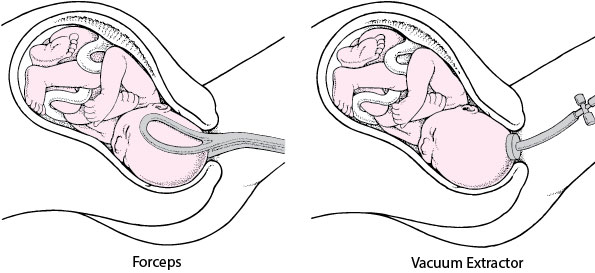
Doctors, nurses, and other medical professionals must be aware of the different types of birth trauma and how to avoid allowing or causing birth trauma. When they fail, babies can receive catastrophic injuries with lifelong consequences.
Your birth trauma lawyer can explain in greater detail how medical negligence and medical malpractice caused your baby’s injuries.
Types of Birth Trauma Injuries
During the labor and delivery process, babies can suffer several kinds of injuries due to birth trauma.
Head Injuries: This is the most common birth-trauma-related injury. Minor head injuries like lacerations, minor bruising, and scratches often heal quickly unless they become infected. More serious injuries include brain swelling and intracranial hemorrhages (brain bleeds) like the following:
- Cephalhematoma
- Subgaleal hemorrhage
- Subarachnoid hemorrhage
- Subdural hemorrhage
- Epidural hematoma
- Intraventricular hemorrhage
- Intraparenchymal hemorrhage
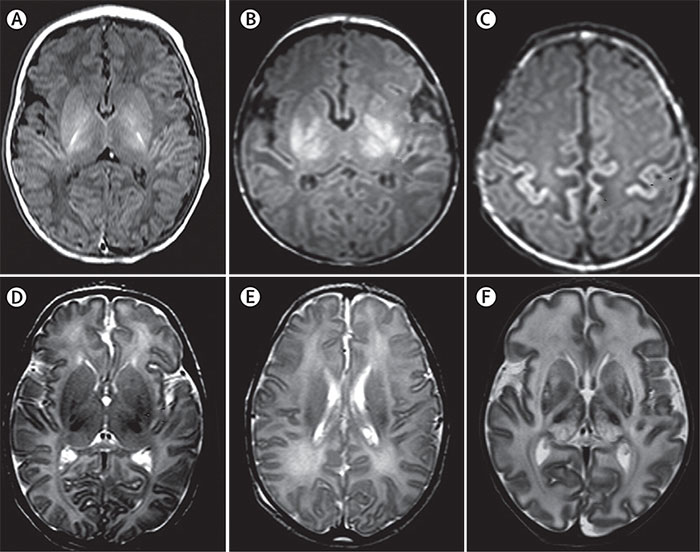
Hypoxic and Ischemic Injuries: Birth trauma that affects the brain or skull can also cause hypoxic-ischemic encephalopathy (HIE). This severe brain disorder is caused by oxygen deprivation (hypoxia or asphyxia) and reduced blood flow (ischemia) to the baby.
The mother’s contractions compress a baby’s skull during labor and delivery. Some molding or shaping of the skull is normal, but excessive or prolonged pressure can damage the brain.
The baby’s umbilical cord likewise can become compressed. Sometimes, this happens to the point that oxygen and blood flow decreases or stops entirely. Generally, such hypoxic or ischemic injury shows up in the fetal heart monitoring results.
Several conditions can cause hypoxia and ischemia, including:
- Excessive head compression during contractions
- Umbilical cord complications, including prolapsed or compressed
- Prolonged labor when contractions continue for an abnormally long period of time
- Uterine Tachysystole (hyperstimulation), which is often caused by misuse of drugs.
- Physical birth trauma through misuse of vacuum extractors and forceps.
Injuries from birth trauma are often caused by medical negligence or malpractice. Babies born with hypoxic-ischemic encephalopathy (HIE) injuries face serious consequences like cerebral palsy, developmental delays, cognitive disorders, and seizure disorders.
Nerve Damage: This type of injury can be caused by excessive compression or stretching of nerves. Facial nerve damage caused by forceps often resolves itself with little treatment. Other forms of nerve damage include:
- Brachial plexus damage that weakens or paralyzes arms or hands.
- Phrenic nerve damage affects a baby’s ability to breathe.
- Spinal cord nerve damage can result in paralysis or death.
- Radial nerves, sciatic nerves, and obturator nerves can also be damaged during labor and delivery.
Babies with any type of nerve damage from birth trauma often require therapy, medication, and surgery.

The most common brachial plexus injury is Erb’s paralysis or Erb’s palsy, which involves the upper nerves of the plexus. Palsy means muscle weakness or paralysis involving partial or complete loss of motor function. In the case of Erb’s palsy, the weakness or paralysis involves the shoulder and arm.
A baby with Erb’s palsy might be treated with physical therapy and medication at first. After six months of age, infants might have surgeries, including:
- Repairing damaged nerves through grafts, nerve transfers, and nerve decompression.
- Replacing damaged tissue with healthy muscles or tendons transferred from other parts of the body.
Bone Injuries: Babies are sometimes born with broken bones due to birth trauma during delivery. The clavicle is the most common bone that breaks, and it usually heals with little treatment. Other bones susceptible to breakage include:
- humerus (upper arm),
- femur (large leg bone),
- facial fracture (especially around the eyes), and
- skull fractures.
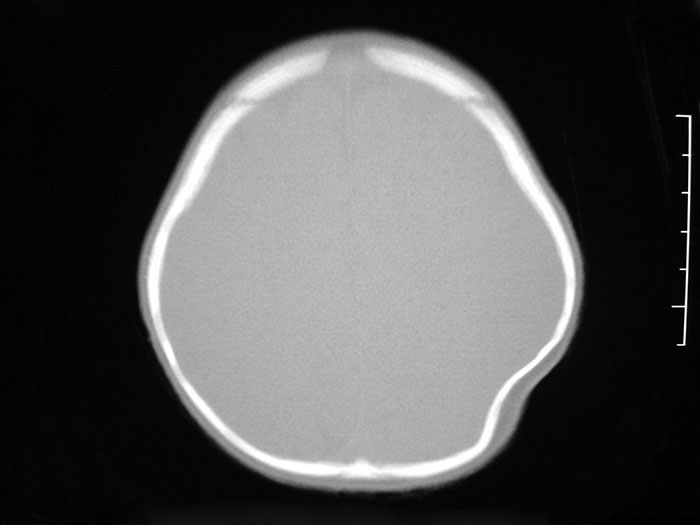
Skull fractures are the most likely to cause long-term damage to the newborn. Broken bones, especially depressed skull fractures, have been linked to hypoxic-ischemic encephalopathy (HIE). Babies with HIE have a greater chance of having cerebral palsy, seizure disorders, cognitive disabilities, and developmental delays.
Birth trauma attorneys investigate birth-related injuries to determine whether medical malpractice is involved. In such cases, families may be entitled to compensation to cover their child’s injuries and future medical costs.
How Are Birth Trauma Injuries Treated?
How doctors and nurses treat birth trauma injury depends entirely on the type of injury and its severity.
Newborns who suffered birth trauma during labor and delivery might need:
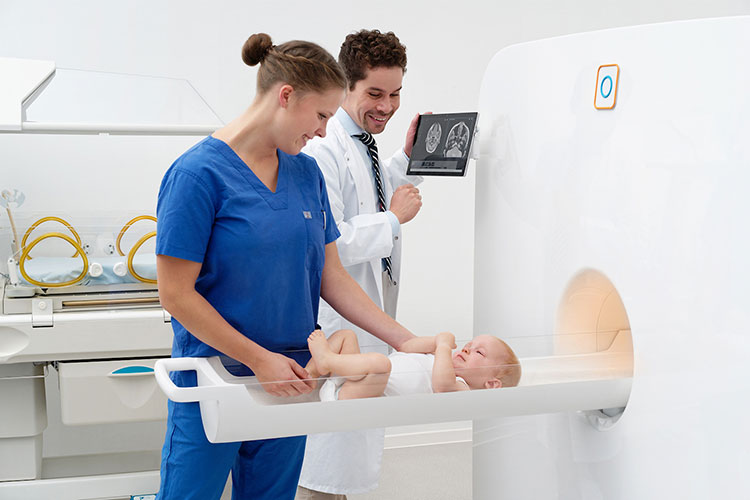
- X-rays, ultrasounds, MRIs, and other tests
- Splits, casts, or braces
- Pain medication
- Antibiotics to fight infection
- Therapy to improve physical and mental quality of life
Children who develop cerebral palsy or have cognitive disabilities usually need caregivers, special education, therapy, surgeries, and other costly treatments throughout their lives.
What are the Risk Factors of Birth Trauma?
Some mothers and babies are more at risk for birth trauma than others. In some cases, women could be more likely to have injured babies if any of the following apply:
- Maternal obesity, diabetes, heart disease, and other serious medical conditions
- Cephalopelvic disproportion where the baby is too large for the mother’s pelvis
- Macrosomia (a very large baby)
- Abnormal fetal presentation (breech, transverse, face, or brow presentation)
- Fetal distress as shown by abnormal fetal heartbeats
- Prolonged or harmful contractions, sometimes due to Misuse of labor inducing medications, including tetanic contractions (contractions that last longer than one minute) and tachysystole (excessively frequent contractions—more than 5 in any 10 minute period).
- Forceps or vacuum extraction used to deliver the baby
- Emergency C-section or failure to perform one when necessary
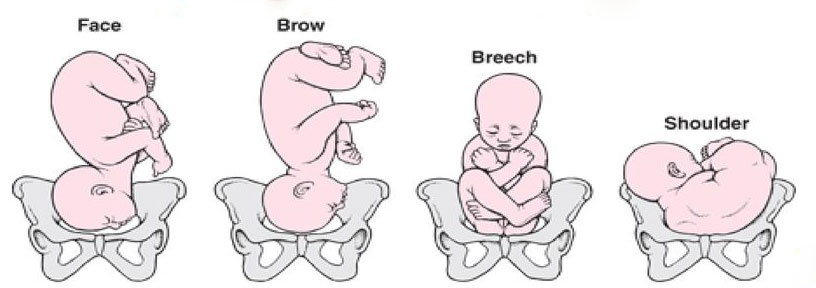
It’s particularly crucial for doctors, nurses, and other medical workers to recognize newborns with injuries that could lead to neurological problems. Babies who suffer from compression injuries can often have a severe brain injury called hypoxic-ischemic encephalopathy (HIE) or suffer from cerebral palsy due to birth trauma.
Babies with injuries caused by birth trauma typically stay in the hospital longer and require greater care. One way to prevent or minimize damage is for doctors and other medical professionals to recognize and manage high-risk pregnancies.
Doctors, nurses, midwives, and even hospital administrators have a duty to provide patients with the correct standard of care. When they fail to do so, they have committed medical malpractice.
Common Birth Trauma Questions
The most common questions parents and caregivers have about birth trauma leading to birth injuries.
A traumatic birth can cause both short-term and long-term physical, neurological, and emotional effects on a baby.
Immediate Physical and Behavioral Signs
- Physical injuries: Bruising, swelling, fractures (such as the collarbone), or nerve damage (like brachial plexus injuries in the shoulder and arm).
- Feeding struggles: Trouble latching, a weak sucking reflex, or a refusal to feed due to pain or early stress.
- Sleep disruption: Difficulty settling, waking frequently, or an inability to establish normal sleep-wake cycles.
- High stress reactivity: Excessive crying, a heightened startle reflex, or arching the back when held.
Long-Term Developmental Impacts
- Motor delays: Slow progress in rolling over, crawling, walking, or using fine motor skills due to nerve or brain stress.
- Cognitive and learning challenges: Slower processing speeds, attention difficulties, or short-term memory problems linked to oxygen deprivation or mild brain trauma.
- Emotional regulation: Increased risk of anxiety, sensory processing issues, or difficulty self-soothing as the child grows.
Physical traumatic birth injuries to a newborn happen in about 6 to 29 out of every 1,000 live births (roughly 0.6% to 2.9%) in the United States.
Physical Birth Injuries to the Newborn
- Overall Frequency: Approximately 0.6% to 3% of all births involve some form of physical neonatal trauma.
- Most Common Types: Nearly 80% of these recorded injuries are minor scalp injuries (such as caput succedaneum or bruising) or minor clavicle (collarbone) fractures that heal quickly on their own.
- Severe Cases: Serious or permanent physical trauma—such as brachial plexus nerve damage or hypoxic-ischemic encephalopathy (brain injury from reduced oxygen)—occurs in a much smaller fraction of deliveries.
Whether birth trauma-related injuries go away depends entirely on the type and severity of the physical or emotional condition. While some minor injuries resolve completely on their own, others can persist long-term without proper treatment.
Temporary vs. Permanent Conditions
- Temporary Issues: Minor bruises, swelling, caput succedaneum (scalp swelling), and mild soft-tissue marks on newborns usually vanish within days or weeks. Mild nerve stretching (like temporary brachial palsy) often heals within a few months with movement and therapy.
- Long-Lasting or Permanent Issues: Severe nerve tearing, major bone fractures, or significant oxygen deprivation can lead to lifelong challenges, developmental delays, or chronic physical pain.
- Emotional and Psychological Trauma: Post-traumatic stress disorder (PTSD), anxiety, chronic pelvic floor pain, or depression experienced by the mother do not simply disappear with time and often require targeted professional support to heal.
Is Your Child’s Birth Injury the Result of Medical Malpractice?
The parents of children who suffered birth injuries often want answers. They want to know what happened to harm their child.
- Did doctors and nurses fail to recognize and respond to birth trauma in a timely manner?
- Did your baby’s doctor order brain scans for no apparent reason?
- Did the doctors and medical team fail to use forceps or vacuum extractors properly, causing your baby to suffer a birth trauma injury?
- Was there prolonged labor that allowed excessive compression of your baby that led to HIE or cerebral palsy?
- Is it possible that your infant’s injuries could have been prevented?
Our dedicated birth injury lawyers want to help you find those answers.
Our Birth Trauma Lawyers, available nationwide, diligently investigate the facts, including a detailed examination of the fetal heart rate monitoring strips and labor and delivery records.
Suppose this review shows the medical providers did not recognize and prevent birth trauma or negligently caused the birth trauma to occur. In that case, we hold the responsible parties accountable by pursuing medical malpractice claims against them.
The compensation our clients receive helps them pay for their child’s current and future medical treatment, assistive technology and equipment, attendant care, and the other expenses associated with caring for a child with brain injuries, seizure disorders, and cerebral palsy.
Sometimes families are afraid to talk to lawyers about their child’s case because they worry there is a fee. There is never a fee unless and until we make money recovery for our clients.

Why Should You Talk with the Knowledgeable Attorneys at Miller Weisbrod Olesky?
The only way to find out if you have a birth injury case is to talk to an attorney who understands birth injury.
At Miller Weisbrod Olesky, a team of committed professionals uses our detailed case review process to assess your potential claim. They start by learning more about you and your child. Then we gather medical records to determine what happened before, during, and after your delivery. We call in skilled medical experts who review your records and let us know if they think medical errors could have caused your child’s injuries.
If we feel medical malpractice was present, we meet with you to discuss how you can receive compensation from the medical professionals who made the errors.
At no point in our legal intake process will we ask you to pay anything. The medical review of your case and the consultation are free. We only receive payment when you do.
National Birth Injury Law
Our National Birth Injury Attorneys, nurses, and support staff understand that parents of children with birth injuries feel overwhelmed. So, every client has the attention and support of a team of trained, compassionate professionals. But we don’t just offer compassion.
We offer a process to help you discover whether your child’s birth injury, HIE, cerebral palsy or brain injury at birth was caused by medical malpractice.
Call our offices today at (888) 987-0005 for experienced assistance in a free consultation.
Quick Links
Testimonials
- Lyric C. I feel like our voice was heard in a sense of what can possibly go wrong in a delivery and finding us answers. I feel with our settlement, we are now in a comfortable position to provide for our son.
- Lyssa L. They are not just people that say “hey let's get you money and let's go” The law firm was very thorough with us. It was awesome. I don't want to cry, because I think about and it's amazing that they were able to help me and that we were able to help my son and get the story out there.
- Jay C. Throughout the process, one thing was clear to us, the ultimate interest of our child was the utmost concern of Max and his team and as parents navigating a situation like that, that was refreshing to know we had them firmly on our side. I highly recommend them.
Popular Cities
- ★ Dallas Birth Injury
- ★ Houston Birth Injury
- ★ Atlanta Birth Injury
- ★ Chicago Birth Injury
- ★ Philadelphia Birth Injury
Locations
★ Dallas
11551 Forest Central Drive, Ste. 300
Dallas, TX 75243
★ Houston
12929 Gulf Freeway, Ste. 111
Houston, TX 77034