Over 10,000 babies are born each year in Austin to families who hope for good health and prosperity. Most of these babies will come home from the hospital without any issues. However, other families will face an unthinkable reality: witnessing their child’s birth injury, brain damage, or untimely death.
No family imagines their baby will be the one to suffer from permanent injuries and complications at birth. But even though severe injuries and deaths are rare, the risk increases dramatically when medical professionals make careless mistakes.
Birth Injury Malpractice
OB-GYNs, maternal fetal medicine specialists, nurses, midwives, and other healthcare providers have a duty to protect their patients from harm. When this duty (known as the “standard of care”) is breached and leads to preventable injuries, it constitutes medical malpractice.
We are committed to ensuring your child receives the best possible care and support. We will fight tirelessly to obtain justice on your behalf by holding all negligent parties accountable for their mistakes.
Free Legal Consultation Birth Injury Lawyer in Austin (888) 987-0005
Our Birth Injury Lawyers are available to meet you in your home or the hospital.
If you live in Austin or our other service areas, we are available to analyze the facts of your case. We do this all at no upfront cost to you.
When you contact our law firm, we begin gathering important medical records and consulting with our large network of medical experts. We use our comprehensive legal review process to determine exactly how and why the birth injury or wrongful death occurred. If we determine you have a case, we meet with you to discuss the next steps toward compensation.
At no point in our legal intake and lawsuit process will you have to pay any attorneys’ fees or expenses. The medical review of your case and the legal consultation are free. We only receive payment once you do.
Recent Birth Injury Settlement:
Birth Injury settlement against a hospital in which nurses and physicians failed to properly monitor the mother's blood pressure during delivery causing an HIE event resulting in neonatal seizures and cerebral palsy at birth. Our team of experienced birth injury lawyers recovered $13,750,000 for the family to help with future medical expenses and developmental therapy.
Every birth injury firm is eager to prove they are capable of handling big cases with multi-million dollar payouts. Miller Weisbrod Olesky has been taking on high-profile medical malpractice cases for over 30 years, and our results and achievements speak for themselves.
Specialized Birth Injury Lawyers
Our team of specialized birth injury attorneys combine years of legal experience with a personal dedication to their each of their clients. Partners Clay Miller and Les Weisbrod are board-certified trial lawyers with years of experience litigating cases with multi-million dollar verdicts and settlements.
While partner David Olesky originally practiced medical malpractice defense, he has now spent years pursuing justice for birth injury victims.
In 1989, firm founder Les Weisbrod co-founded the Birth Trauma Litigation Group (BTLG), a nationally recognized organization committed to training other lawyers on how to best manage and win birth injury lawsuits. Members of the BTLG meet multiple times each year, with medical doctors also attending to present and educate attorneys across the country.
Today, BTLG is the leading educational and information-sharing group for attorneys dedicated to representing children and their families dealing with life-altering birth injuries.
Les Weisbrod and the rest of our team remain committed to being the leading national birth injury law firm by training attorneys in the latest medical knowledge on the causes and long-term treatment of birth injuries.
Dedicated Nurse-Attorney Liaisons
Unlike other firms, Miller Weisbrod Olesky gets our clients the care they need today, not just after their case ends. Birth injury litigation can take time; it can sometimes take years before a family receives compensation to cover medical costs.
But we understand that a child’s injuries and needs can’t just go on hold. That’s why our robust team of registered nurses and nurse-attorneys in the office who are assigned to each case.
Our nursing staff also lends their expertise to each case, analyzing and investigating the reasons behind each child’s birth injury. They work alongside our birth injury attorneys to pinpoint where and how medical professionals breached their standard of care.
Our collaboration between knowledgeable legal professionals and experienced medical experts is what gives our firm the edge needed to succeed.
Sometimes people are hesitant to contact a birth injury malpractice attorney. Parents may feel overwhelmed by their circumstances and worry that a law firm won’t be able to help them.
If you live in Austin, Texas or any of our other service areas, don’t hesitate to see if you have a case. You can contact us today through our toll-free line at (888) 987-0005 or through our online request form. We work on a contingency fee basis, meaning you won't pay any legal fees unless we win your case.
What Are Common Medical Mistakes Leading to Birth Injuries?
A baby’s heart rate during pregnancy and during delivery reveals critical information about their wellbeing. It must be carefully monitored during labor and delivery and in the time leading up to it.
Fetal Heart Rate Monitoring
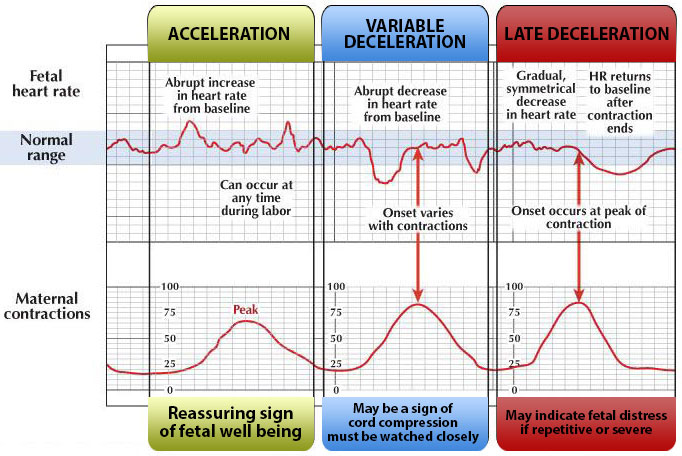
A healthy fetal heart rate rests between 110 and 160 beats per minute (bpm) with moderate variability and expected accelerations in response to the mother’s uterine contractions.
A non-reassuring fetal heart rate (known informally as fetal distress) is one with too much variability, absent variability (flatlining), or continual late decelerations after a mother’s contractions peak. These are all signs that the baby doesn’t have enough oxygen, which is medically referred to as hypoxia.
A baby can only go without oxygen for an extremely short window. Within minutes of oxygen deprivation, brain cells begin to die off and organ failure can occur. A baby in fetal distress has a heightened risk for birth asphyxia, brain injuries, and other unfavorable outcomes.
Examples of critical mistakes with fetal heart rate monitoring include:
Failing to carefully monitor a baby’s non-reassuring heart rate at all.
Misinterpreting the results of the monitoring strip.
Failing to take appropriate action after seeing the baby’s alarming heart rate status.
These errors can all prolong a baby’s oxygen deprivation and lead to injuries that would constitute a medical malpractice claim.
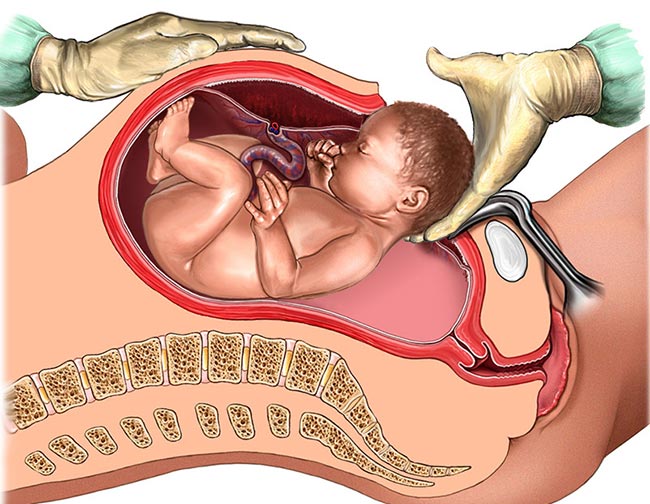
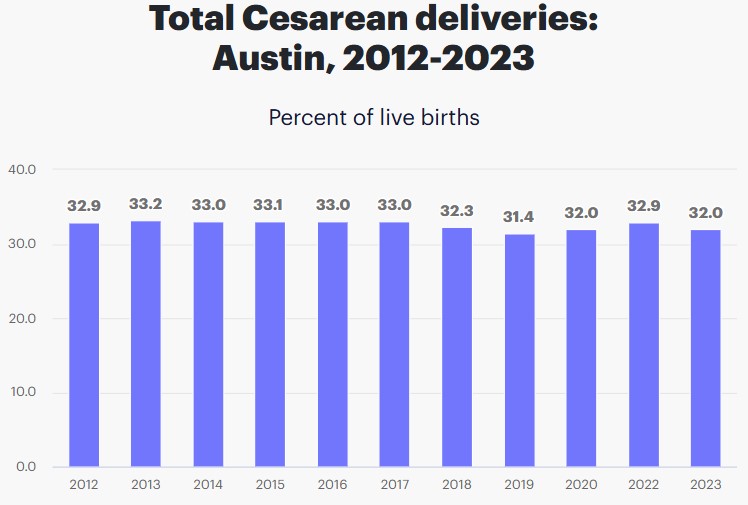
A cesarean section delivery (C-section) is a medical procedure where doctors cut into the mother’s abdomen and uterus to deliver the baby. C-sections carry multiple risks, but it can become necessary when doctors deem vaginal birth to be even more risky.
Many different pregnancy complications can make vaginal birth unsafe and necessitate a C-section delivery. Conditions like macrosomia or cephalopelvic disproportion may indicate the baby is too large to fit through the mother’s birth canal. Or sometimes the baby is in an abnormal fetal position that makes it unsafe to deliver. For example, the baby’s feet may be pointed out toward the cervix (known as breech position).
The American College of Obstetricians and Gynecologists (ACOG) recommends that the interval between the decision and initiation of the C-section should be no more than 30 minutes. But ACOG also recognizes that some C-sections must be performed faster, depending upon the emergency conditions.
Examples of emergency conditions that would require a faster C-section include a uterine rupture, a placental abruption, or a severe lack of oxygen in the baby (acute birth asphyxia). When these labor and delivery complications occur, doctors do not have 30 minutes to spare debating on whether or not to perform the procedure.
Doctors must understand the urgency required in the delivery room when it becomes evident the mother will need a C-section. It is critical they begin operating as soon as the decision is called and that the tools are available. Preventable delays can cause birth injuries and qualify as medical malpractice.
Many things can be abnormal in an expecting mother’s pregnancy, from umbilical cord problems to placental complications. Every mother’s experience will be different, so it’s important she receives proper observation from licensed healthcare providers during prenatal testing.
Maternity Care Deserts
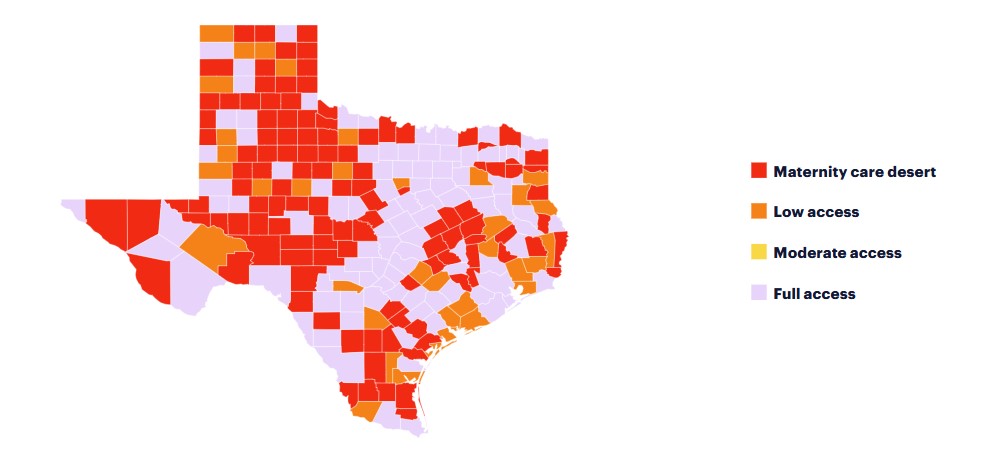
While Travis County is fortunate to have full access to maternity care centers and hospitals, the less populated surrounding counties like Bastrop and Caldwell County are classified as “maternity care deserts” where access to maternal care is either severely limited or nonexistent.
Common examples of medical malpractice during prenatal care include:
Failing to test for abnormalities when a mother displays physical symptoms
Improperly conducting ultrasounds or misinterpreting their results
Failing to schedule appropriate follow-up appointments throughout the mother’s pregnancy
Improper prescription and administration of medications during pregnancy
Failing to detect fetal distress during the third trimester
When an expecting mother’s labor becomes prolonged or arrested, it can have dangerous outcomes. For the safety of both her and her baby, doctors may decide to prescribe and administer labor-inducing medications to help ease the delivery process along.
Sometimes doctors wrongly prescribe labor-inducing medications despite the mother displaying signs suggesting its usage will lead to complications. Other times, doctors may prescribe too high of a dosage, fail to monitor its effects, or fail to properly intervene.
Medical mistakes during labor and delivery can cause severe brain damage at birth that can impair a child’s physical and cognitive functioning for the rest of their life.
What Is Hypoxic-Ischemic Encephalopathy?
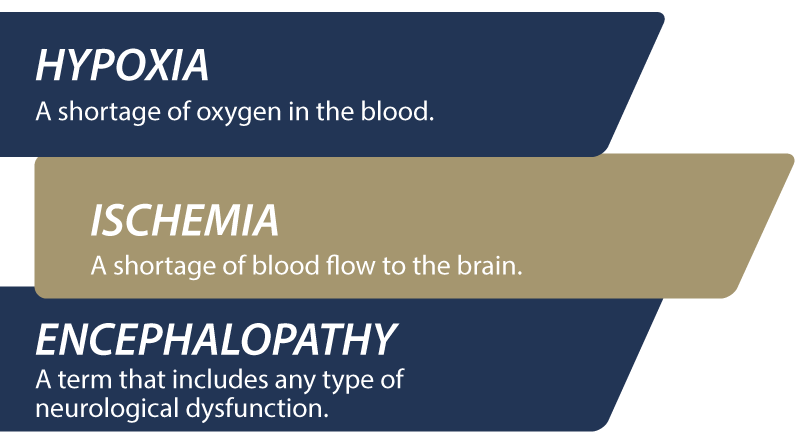
The most common brain injury caused by these mistakes is hypoxic ischemic encephalopathy (commonly shortened to HIE). HIE is an injury that occurs when the baby’s brain does not receive sufficient levels of oxygen (hypoxia) or blood flow (ischemia).
The primary concern with HIE is that it is often a precursor to a cerebral palsy diagnosis later in childhood. Cerebral palsy is not a “one-size-fits-all” diagnosis. This is because it isn’t just one condition, but rather a group of neurological conditions that can affect a person’s movement, posture, balance, speaking, swallowing, and cognitive functioning.
Children with cerebral palsy often have varying levels of gross motor function control. Some children are able to walk with minimal assistance, while others will require assistive equipment such as walkers or wheelchairs for mobility. Other children may require communication devices to interact with others.
The attorneys, nurses, and supporting staff of Miller Weisbrod Olesky understand that parents of children with birth injuries feel overwhelmed. This is why we strive to ensure every client has the full attention and support of our trained, compassionate team of professionals.
We don’t just offer compassion: we offer a comprehensive process to help you discover whether your child’s birth injury, HIE, cerebral palsy or brain injury was caused by a medical error.
Here is a simplified step-by-step guide to the legal process once you contact our firm:
Step 1: Intake
During your first contact with the firm, you will speak with one of our birth injury-trained intake team members. Each intake specialist you speak with is either a nurse or someone who works closely with our legal nursing team. They will ask specific questions to gather all relevant facts regarding your child’s birth and any concerns you may have.
We won’t ask you to tell us what you think was done wrong; that is for us to discover. Otherwise, please feel free to tell us everything you feel and know.
Step 2: Gathering Documents
If we decide to further investigate your case, you must sign medical authorizations to gather documents to support your claim.
It usually takes six to eight weeks to retrieve medical records. As soon as they arrive, our nurse consultants and nurse-attorneys thoroughly review them. Firm partners, various birth injury attorneys, and our entire legal nurse and legal nurse-attorney team all attend this meeting.
It’s important to note that looking further into medical records does not always mean we will be taking the case.
Step 3: Consulting With Medical Experts
When consulting experts, we decide whether the medical records support a potential medical negligence or malpractice lawsuit. If they do, we begin working with medical experts necessary to pursue a birth trauma or wrongful death lawsuit.
These experts include obstetricians, neonatologists, pediatric neurologists, pediatric radiologists, nursing experts, life care planners, and economists. In some states, we must get official written reports back from these experts before filing a lawsuit.
This entire medical record review process may take as long as six months to complete. We use this time preparing to manage all potential issues that may arise after the experts have reached their conclusions.
Step 4: Case Review with An Attorney
If we decide to take your case, you will meet with a professional birth injury attorney and other team members. The attorney will walk you through our findings, what the medical experts found, and how the litigation process will work.
Step 5: Attorney Contract/Retainer Process
Once we have decided to take your case and have thoroughly reviewed it with our birth injury attorneys. We will reach out to have you sign our firm-attorney contract that officially hires us to represent you. You will also sign medical authorizations so we can gather additional medical records covering:
Follow-up visits with pediatricians and other specialists
Once again, you will not pay any attorneys’ fees or expenses during this process. You will never owe a fee or reimbursement of expenses unless we make a successful recovery for you and your child. We believe in taking care of our clients during each step of this process. Please know that we are here to listen and help during the entire journey from case review all the way to a potential lawsuit.
What Does Compensation Look Like in a Birth Injury Lawsuit?
Injured parties can receive compensation for their damages through a successful medical malpractice claim. But what can be considered as “damage”?
Medical malpractice cases generally involve claims for three kinds of damages:
Economic Damages
This type of damage is tangible. Plaintiffs will have bills, invoices, and records to show how much they spent on things like medical care, prescriptions, therapy, and equipment. Medical malpractice attorneys will work with highly qualified experts to create life care plans.
These plans map out a birth injured baby’s medical and attendant care for the entire life expectancy, as well as a plan of how to pay for these expenses.
Many plaintiffs include loss of earnings or earnings capacity as another economic damage in their claim. If someone’s earnings or earnings potential is negatively affected because of a doctor’s mistake, a medical malpractice attorney can recover lost wages and lost earning capacity through a lawsuit.
Non-Economic Damages
Damages like pain and suffering exist but are not as quantifiable as economic losses. Plaintiffs might not have receipts about some of the suffering caused by medical malpractice, but it still deserves compensation. Non-economic damages also include pain, emotional/mental anguish, loss of enjoyment of life, physical impairment, disability, disfigurement, and loss of companionship.
Punitive Damages
Punitive damages are considered as ‘punishment’ for the wrongdoer’s actions. They can also be a way to deter or discourage defendants from engaging in the same type of conduct in the future.
Compensation for punitive damages is less common than for economic and non-economic losses. In fact, some states do not allow them to be awarded at all.
Qualified medical malpractice attorneys will know each state’s peculiar laws regarding the availability of and limitations on punitive damages.
A knowledgeable birth injury attorney can help explain what types of damages are potentially available to claim in your child’s lawsuit. Available damage claims will depend on the circumstances of each case.
How Long Do You Have To File A Birth Injury Malpractice Lawsuit in Austin, Texas?
A statute of limitations (SOL) is a law that sets a time limit on how long an injured person has to file a lawsuit after an accident. It is essential to understand that statutes of limitations vary based on the type of case and the state where it is filed. For instance, the deadline for birth injury claims is typically different from other claims, such as injury to personal property, fraud, contract disputes, and debt collection.
Texas Civil Practice and Remedies Code Chapter 74.251
For adults, the statute of limitations in a Texas medical malpractice lawsuit is generally 2 years from the date of the negligence. For children, the statute of limitations is slightly different. For the medical expenses the child can occur up until the age of 18 this is a claim that belongs to the parents and a birth injury lawsuit must be brought within 2 years of the date of the negligence.
But, for all future medical expenses, loss of earnings and non-economic damages (pain and suffering, mental anguish, physical impairment/disability and disfigurement) of the child the birth injury lawsuit must be filed no later than the day the child turns 14.
Generally, the clock starts ticking on the date the injury occurred. However, there are exceptions to this rule, and in some cases, the statute of limitations starts when a person discovers or reasonably should have discovered an injury.
You may need to file a birth injury claim under the Federal Tort Claims Act (FTCA). In FTCA cases, claimants must go through certain administrative procedures before filing a lawsuit. In some states, if the negligent party was a local or state government hospital or the doctors and medical providers are employees of a governmental entity, the time period in which you must give "notice" may be shorter.
If your case is filed outside of the statute of limitations, it will typically be dismissed, and you will not be eligible to recover compensation for your injuries. However, there are certain exceptions to statute of limitations rules when the injured party is a child. Determining when a statute of limitations begins on your case can be tricky. If you're considering pursuing compensation for a birth injury, you should contact an attorney as soon as possible.
How Can Our Birth Injury Attorneys Help?
It takes a detailed expert review of the facts and circumstances of a mother’s pregnancy and her child's birth to determine whether any injuries sustained were the result of medical malpractice.
Our mission to help the victims of birth injury negligence by pursuing medical malpractice claims against responsible parties and securing the compensation that your family deserves. We know better than most how expensive birth injury treatment can get, and we have witnessed firsthand the financial strain that lifelong medical bills place on families.
We are committed to not only securing funds to pay for this treatment, but additionally helping along the way to schedule important doctor’s appointments, treatments and therapies, and transportation to and from these appointments.
When you hire Miller Weisbrod Olesky to represent you and your child, you become a part of a strong team of support. We are dedicated to helping you feel less alone and overwhelmed during the legal process and are available to assist your family throughout your case.
We do not charge any fees unless we win your case. The legal consultation and case review process are free of charge. We handle cases against major hospitals around Austin, including surrounding cities like Round Rock, Georgetown, Pflugerville, Leander, and Cedar Park. Contact us today by calling our toll-free line at (888) 987-0005 or by filling out our online request form.
Based out of Austin, Texas Parent to Parent (TxP2P) is a non-profit organization specifically committed to helping families of children with disabilities by connecting parents together to “address the powerful emotions, new responsibilities, stress and isolation that parents and families face in caring for a child with special health care needs.”
The group was founded in 2001 and hosts a variety of different resources on its website, from training videos to mentorship programs where parents can speak to other parents and connect.
An affiliate of the Texas Education Agency (TEA), SPEDTex is an organization created to help families of children with special healthcare needs navigate their child’s access to education. Their website can help both families and educators understand the rights outlined in the Individuals with Disabilities Education Act (IDEA) and facilitate the process of getting approved Individualized Educational Plans (IEPs) and 504 Plans.
The SPEDTex website also has featured resources to help parents learn how to address school challenges and participate in focus groups discussing their child’s experiences with the Texas special education system.
Compiled by the Texas Health and Human Services agency, this interactive map highlights verified support groups for families of children who have suffered a brain injury. The map features over 50 different support groups across the state with detailed information on meeting times, locations, and contact information.
Originally founded in 1938 as the National Foundation for Infantile Paralysis, March of Dimes is a non-profit organization committed to publishing maternal and fetal healthcare data, fundraising for lifesaving research, and advocating for stronger maternity care across the nation.
The March of Dimes website features a wide variety of research, public health data reports, and links to donate and find support in your area.
Taking advantage of the above resources can be extremely helpful if you have a child or care for a child who has suffered a traumatic birth injury. These resources include specialized treatment programs, support groups for parents, educational materials on managing and coping with birth injuries, and access to medical professionals who specialize in treating such injuries.
When you feel overwhelmed or worried about your child’s future and their daily challenges, joining a community support organization and talking to others about what you may be going through can make you feel less alone.
National Birth Injury Law
Our National Birth Injury Attorneys, nurses, and support staff understand that parents of children with birth injuries feel overwhelmed. So, every client has the attention and support of a team of trained, compassionate professionals. But we don’t just offer compassion.
Lyric C. I feel like our voice was heard in a sense of what can possibly go wrong in a delivery and finding us answers. I feel with our settlement, we are now in a comfortable position to provide for our son.
Lyssa L. They are not just people that say “hey let's get you money and let's go” The law firm was very thorough with us. It was awesome. I don't want to cry, because I think about and it's amazing that they were able to help me and that we were able to help my son and get the story out there.
Jay C. Throughout the process, one thing was clear to us, the ultimate interest of our child was the utmost concern of Max and his team and as parents navigating a situation like that, that was refreshing to know we had them firmly on our side. I highly recommend them.