Hyperemesis Gravidarum
Hyperemesis Gravidarum During Pregnancy
There are many symptoms a mother may experience during pregnancy, such as light spotting, morning sickness, and fatigue. Expecting mothers should always talk to a medical professional if they have concerns about any symptoms they're experiencing and make sure they receive appropriate care. One of these pregnancy complications that may require medical attention is called Hyperemesis Gravidarum (HG).

Nausea and vomiting during early pregnancy, also called morning sickness, is a common condition that affects approximately 80% of all pregnant women. Morning sickness usually starts as early as the sixth week of pregnancy and peaks by the ninth week. Hyperemesis Gravidarum is an extreme form of morning sickness that affects roughly 1 to 3 in every 100 expectant mothers. Although hyperemesis is uncommon, in severe cases, debilitating symptoms of HG, like frequent vomiting, could lead to complications like preterm birth.
If doctors fail to diagnose HG or treat complications of Hyperemesis Gravidarum in a timely manner, it can be harmful to both the mother and the baby. At Miller Weisbrod Olesky, our nationally-recognized birth injury malpractice firm has successfully represented birth injury victims and their families who have suffered harm due to the negligent management of a high-risk pregnancy. We can help you understand whether negligent medical care during your high-risk pregnancy is to blame for your child's birth injury.
Recent Birth Injury Settlement:
Birth Injury settlement against a hospital in which nurses and physicians failed to properly monitor the mother's blood pressure during delivery causing an HIE event resulting in neonatal seizures and cerebral palsy at birth. Our national birth injury lawyers recovered $13,750,000 for the family to help with future medical expenses and developmental therapy.

What is Hyperemesis Gravidarum?
Morning sickness becomes hyperemesis gravidarum when nausea and vomiting intensify and continue past the first trimester. Most women typically experience relief from HG symptoms between 14 and 20 weeks of pregnancy. Severe nausea and vomiting can begin between 4 and 8 weeks of pregnancy. In some cases, symptoms may last throughout the entire pregnancy. Although the exact cause of hyperemesis gravidarum is unknown, it is thought to be the result of high levels of pregnancy hormones.
Difference Between Morning Sickness and Hyperemesis Gravidarum?
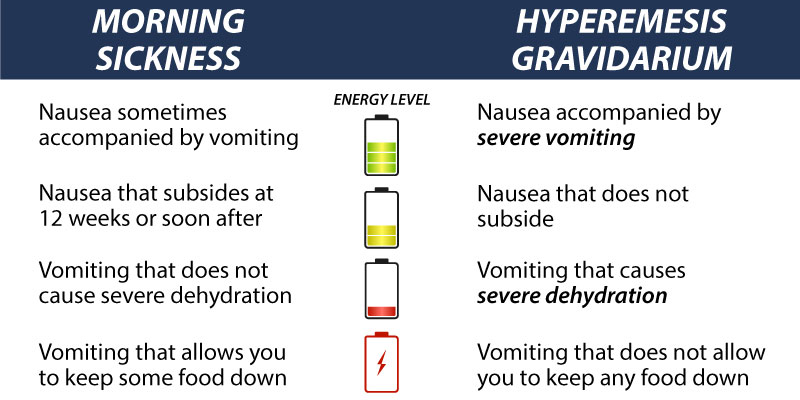
Morning sickness is not as severe as hyperemesis gravidarum and may only cause occasional vomiting and nausea. Symptoms of morning sickness tend to subside after 12 weeks of pregnancy and don't cause dehydration or weight loss. Hyperemesis gravidarum symptoms often last longer than morning sickness and cause pregnant mothers to vomit several times per day. If a mother becomes dehydrated from vomiting several times a day, she may need treatment in a hospital with IV fluids. Mothers who experience extreme weight loss because they are unable to keep food down may need nutritional treatment by nasogastric feeding to restore lost nutrients.
What Causes Hyperemesis Gravidarum?
Healthcare providers don't know precisely what causes hyperemesis gravidarum; however, changing hormone levels in a pregnant woman's body might be to blame. Specifically, when levels of a hormone released by the placenta called human chorionic gonadotropin (HCG) are at their highest (typically around ten weeks) pregnant women often experience the most severe symptoms. Estrogen is another hormone that may cause pregnant women to feel nauseous or vomit more frequently.
Hyperemesis Gravidarum Symptoms
Symptoms of Hyperemesis Gravidarum can impair a pregnant mother's ability to do everyday activities. These symptoms usually begin around six weeks of pregnancy and extend past the first trimester.

A woman who has HG may experience the following symptoms:
- Severe nausea and vomiting
- Dehydration (as it progresses, it can cause tachycardia and hypotension)
- Losing 5% or more of pre-pregnancy weight
- Jaundice (yellowing of the skin)
- Headaches
- Constipation
- Feeling dizzy or lightheaded
- Low blood pressure
- Producing more saliva
- Fatigue
- Fainting or weakness
- Aversion to food or inability to keep food down
- Depression and anxiety
- Decreased urination
Less Common Symptoms
- Rapid heart rate
- Low blood pressure
- Dry skin or loss of skin elasticity
- Confusion
Mothers with hyperemesis during pregnancy will typically vomit multiple times a day and often experience relief from symptoms at around 20 weeks of pregnancy. Symptoms may look like other health conditions which is why you should always see your healthcare provider for a diagnosis. While there is no way to prevent this condition, there are ways to treat symptoms of HG.
Mothers experiencing severe symptoms of HG are at an increased risk of serious birth complications like Wernicke's Encephalopathy (WE) and may require admission to the hospital and treatment with medication. If you're experiencing severe nausea and vomiting, it is essential to see your doctor or midwife as soon as possible.
Hyperemesis Gravidarum Risk Factors
Some pregnant mothers are at an increased risk of getting hyperemesis gravidarum. Women with the following conditions tend to have HG at higher rates.
- Young mothers
- Women who are pregnant for the first time
- Women experiencing extreme emotional stress
- Women who are overweight
- Women having a multiple pregnancy (twins or more)
- Women with high levels of pregnancy hormones
- Women with a history of motion sickness or migraine headaches
- Women who had HG in a prior pregnancy or whose mother had HG
- Women who are having a girl
Hyperemesis gravidarum occurs most commonly in those who are pregnant with multiples or have a family history of the condition. While HG cannot be prevented, fortunately, there are effective treatment options for managing symptoms.
Diagnosing and Treating Hyperemesis Gravidarum
Early diagnosis of HG can decrease the severity of symptoms and prevent adverse maternal and fetal outcomes. If your healthcare provider suspects hyperemesis gravidarum based on symptoms, they will review your medical history and perform a physical exam, where they will check your weight.
To check for dehydration, your doctor might order blood and urine tests. For mother's carrying more than one fetus or who are showing signs of gestational trophoblastic disease, a medical professional may use an obstetrical ultrasound to diagnose HG and rule out other causes of nausea and vomiting.
The treatment options a medical professional may recommend will depend on the severity of your symptoms. The best thing you can do for hyperemesis gravidarum is to follow your doctor's advice and stick to your treatment plan.
Some examples of recommended hyperemesis gravidarum treatments for mild cases of HP include:
- Lifestyle and dietary changes: This may include resting more frequently or eating dry foods like crackers to help with nausea and vomiting. Your provider may recommend limiting greasy or spicy foods that make you feel more nauseous.
- Taking medications for nausea and vomiting: Over-the-counter (OTC) medications like pyridoxine (vitamin B6) and doxylamine (Unisom®) may reduce nausea associated with HG. If those options are ineffective, your provider may recommend an antihistamine (diphenhydramine).
- Avoiding activities that make you feel nauseous: Try avoiding certain activities like riding in a car that may make you feel nauseous or dizzy.
Recommend treatments for moderate to severe hyperemesis gravidarum:
- Intravenous fluids (IV): Rehydration with IV fluids is essential in treating severe cases of hyperemesis. Using an IV in your arm, your provider will deliver fluids and nutrients to replenish lost fluids and fix problems with electrolyte imbalances.
- Tube feeding: In relieving nausea and vomiting, nasogastric tube feeding is a safe and effective option to provide nutrition to mothers who has trouble keeping food down due to persistent vomiting.
- Prescription medication: When over-the-counter medications are ineffective at treating nausea and vomiting your provider may recommend prescription medications. There are several prescription medications, like promethazine and metoclopramide, that can relieve nausea and vomiting. Typically, however, your provider will start by giving you a prescription that combines pyridoxine and doxylamine.
The goal of treating hyperemesis gravidarum is to address gastroesophageal reflux and relieve symptoms of HG to prevent premature labor and delivery. You should avoid attempting to self-medicate because some medications may be harmful to fetal development. It is crucial to consult with a doctor about possible treatment options if you're experiencing debilitating symptoms of HG. In severe cases, a pregnant mother may need to be brought to the hospital, where she can receive IV treatment.
Dealing With Hyperemesis During Pregnancy?
Pregnant women with hyperemesis gravidarum can mitigate symptoms by avoiding certain foods and drinking plenty of fluids when symptoms decrease. If nausea and vomiting become so severe that you are unable to keep food or water down, you may need to go to the hospital for IV therapy.

Here are some tips for managing your HG during pregnancy:
- Eat smaller, more frequent meals.
- Have high-protein snacks and avoid spicy or high-fat foods.
- Avoid trying home remedies without talking to your doctor.
- Eat crackers or toast for breakfast if you're feeling nauseous.
- Avoid eating before going to bed.
- Seek treatment from a healthcare provider if you're symptoms are getting worse.
- Avoid food, smells, or activities that aggravate the condition.
- Try resting as much as possible.
- Keep hydrated or speak to your healthcare provider about IV treatment if you can't keep drinks down.
- Be sure to check in with your doctor regularly.
- Drink ginger or peppermint tea to provide temporary relief.
Women experiencing anxiety or depression because of HG may require counseling. Call your doctor right away or go to your local emergency department if you're vomiting more than three times a day and have trouble keeping food or fluids down. You should also schedule an appointment with your doctor if you lose more than two pounds, urinate less frequently, or feel fatigued or confused.
How Does Hyperemesis Harm the Baby?
When a medical professional carefully monitors a pregnant mother and provides her with proper treatment, the baby will usually born with normal outcomes. However, in more severe cases where delayed treatment of vomiting causes dehydration, it can cause the baby to be born at a lower birth weight.
Severe cases of HG that are not treated appropriately can lead to the following birth complications for the baby:
- Premature labor
- Low amniotic fluid
- Neural tube defects
- Birth defects (spinal cord and brain)
- Low production of breast milk
Wernicke's encephalopathy syndrome is a rare neurological complication of HG that causes damage to the brain's thalamus and hypothalamus. This neurological disorder is caused by a lack of vitamin B1 (thiamine). Women with hyperemesis gravidarum who experience severe vomiting may have a thiamine deficiency. If WE is not treated early, children with this syndrome may experience balance problems, have difficulty walking, feel confused, or be disoriented.
Mothers with hyperemesis gravidarum during pregnancy may experience some health issues like electrolyte imbalances, depression, and have trouble completing daily tasks. Hyperemesis gravidarum puts pregnant mothers at an increased risk of having a preterm delivery, preeclampsia, and eclampsia.
Preeclampsia is a severe condition that develops during pregnancy and is often associated with persistent high blood pressure, too much protein in the urine, and severe swelling. For babies, preeclampsia can affect their growth and cause them to be born prematurely. Eclampsia is a complication of preeclampsia that causes seizures during pregnancy. This is a serious complication of pregnancy that can also affect fetal growth and lead to premature birth.
Medical Negligence and High-Risk Pregnancy
Healthcare providers should conduct regular prenatal assessments to evaluate a pregnant mother's and her newborn's health. These tests are crucial to identifying potential fetal risks and pregnancy complications. Doctors and other medical professionals may need to intervene with proper treatment if the results are concerning.
In high-risk pregnancies, doctors often recommend more frequent testing because careful surveillance can provide sufficient time for medical intervention if needed. Early recognition of hyperemesis gravidarum as a high-risk pregnancy can mitigate potential risks for both the mother and the baby.
Here are some common types of medical negligence that occur during high-risk pregnancies:
- A doctor fails to screen and manage a high-risk pregnancy.
- A doctor fails to diagnose signs of a high-risk pregnancy.
- A doctor fails to conduct the appropriate prenatal testing.
- A doctor fails to respond to signs of fetal distress.
- A doctor fails to order or delays in ordering an emergency C-section.
- A doctor fails to promptly intervene when necessary.
- A doctor fails to obtain informed consent from the patient.
In cases where a doctor does not have experience managing a high-risk pregnancy, they should refer their patient to a maternal-fetal specialist who is familiar with these types of pregnancies. If doctors and other medical staff fail to diagnose or properly manage a high-risk pregnancy, they may be held accountable if they cause a mother or her child to sustain a preventable birth injury.
When a healthcare provider's negligent actions cause injuries to an infant, the baby may suffer life-long consequences, such as:
Complications of high-risk pregnancies can lead to premature birth and also put the mother's life at risk. Doctors and other healthcare providers have an obligation to provide pregnant mothers with the appropriate standard of care during pregnancy, labor, and delivery. When that duty of care is breached and causes a mother or her baby harm, the doctor could be found responsible for medical negligence.
To succeed in filing a claim for a birth-related injury, one must establish the following four elements of medical malpractice:
- Duty: Once a doctor-patient relationship has been established, a doctor, nurse, or other healthcare professional owes a duty to provide a mother and child with the appropriate standard of medical care.
- Breach: A breach of duty occurs when a medical professional or healthcare facility fails to provide a patient with the accepted standard of care
- Causation: To establish a medical malpractice claim, the claimant (injured party) must show that the doctor's breach of duty was directly responsible for causing a birth-related injury.
- Damages: The claimant must demonstrate how the injury led to financial and non-financial losses.
In a medical malpractice suit, doctors are not the only healthcare professionals who may be liable for negligent acts. Hospitals, nurses, and any other party responsible for a birth injury may also be named in a birth injury claim.

The following are some examples of the medical providers or facilities that can be held liable for committing malpractice:
- Pediatricians, including pediatric neurologists
- Obstetricians
- Other obstetric professionals
- Anesthesiologists
- Labor and delivery nurses
- Midwives
- Maternal-fetal medicine specialists
- Nurses
- Neonatal nurses and aids
- Hospitals and medical facilities
- Hospital administrators
- Other hospital staff
- Neonatologists or pediatricians providing neonatal care
- Respiratory therapists
- Laboratory staff
The hospital or medical facility where you were treated may also be held vicariously liable for the negligent actions of its employees. For instance, a hospital may face liability if one of its doctors employed full-time misdiagnoses a patient while working within the scope of employment. A hospital may also be held directly liable for a patient injury if they fail to train, supervise, or terminate an incompetent employee.
If your doctor failed to diagnose or treat symptoms of HG and either you or your baby was injured, you should consider taking legal action to help you cover medical treatment costs and other injury-related losses. Keep in mind proving that a doctor's violation of the standard of care caused you or your child's birth injury can be difficult. A skilled birth injury lawyer will need to gather evidence to prove a doctor's negligence and build a strong case on your behalf.
Evidence Need to Prove Liability in Birth Injury Cases
Birth injury claims can be difficult to prove due to the substantial amount of evidence needed to support a successful case. An experienced medical malpractice attorney can collect evidence to show proof that a healthcare provider or hospital was responsible for causing harm to you or your newborn.

These are some examples of evidence your lawyer will need to present to prove your birth injury:
- The mother and infant's medical records
- Testimony from anyone who witnessed the delivery (obstetricians, nurses, etc.)
- The healthcare provider's employment and disciplinary records
- Photographs or video footage
- Documentation of the child's current and future medical expenses
- Statements from medical experts
- Medical records of the infant’s follow-up care
- Journal entries detailing the child's challenges, pain, and emotional distress
- Receipts and bills for any medical treatment
- Income statements
- The hospital, doctor, or nurse's notes
- The medical professional's employment and disciplinary record
- Complaints brought against the doctor from previous patients or medical personnel
- Hospital records, policies, and regulations
- Medical records detailing the administration of any medication
By proving a healthcare provider's negligence caused a birth injury, families can recover damages that can provide essential financial support through a medical malpractice lawsuit. If you're considering filing a medical malpractice lawsuit against a negligent medical professional, contact an attorney with the knowledge and resources to negotiate with the at-fault parties insurance company or lawyer and ensure you have the best chance at a successful outcome.
Damages in Birth Injury Cases
Compensatory damages awarded in birth injury cases are intended to reimburse the injured party for medical treatment costs and other losses they've experienced due to a healthcare provider or hospital's negligence. These damages are divided into two categories called economic and non-economic damages. Economic damages represent actual financial losses you suffered because of a birth injury. Non-economic damages are meant to compensate you for subjective, non-monetary losses like emotional distress and loss of companionship.
The following are some examples of damages that can be recovered in a birth injury lawsuit:
Economic Damages
- Medical expenses (including past and future costs)
- Costs associated with special education
- Lost income or wages (parents)
- Home or vehicle modification expenses
- Therapy costs (physical, speech, and occupational)
- Loss of future earning capacity
- Home nursing and caregiver expenses
- The cost of surgery, medication, and other specialist treatment
- Assistive devices and mobility aid expenses
Non-Economic Damages
- Physical pain and suffering
- Emotional distress
- Mental anguish
- Disabilities and disfigurement
- Loss of enjoyment of life
- Loss of consortium
- Loss of companionship
- Anxiety, depression, or post-traumatic stress disorder (PTSD)
Punitive or exemplary damages may be awarded in truly egregious cases where the doctor or other healthcare provider engaged in especially negligent or reckless acts. Unlike compensatory damages, punitive damages are meant to punish the at-fault party for their behavior and deter others from committing similar acts in the future. Talk to a knowledgeable birth injury lawyer who can explain what factors may affect the potential value of your settlement and help you calculate all of your claimable damages.
Birth Injury Statute of Limitations
The statute of limitations is a law that establishes a certain time within which a birth injury victim can legally sue a negligent medical professional or hospital for compensation. The amount of time you have to file will depend on the state you live in and the type of case you're filing.
Additionally, the discovery rule provides an exception to the statute of limitations by extending the deadline for filing a birth injury lawsuit. Under the statute of limitations, the clock typically starts ticking on the date you were injured. The discovery rule allows victims of medical malpractice to file a birth injury claim from the date the injury was discovered or should have reasonably been discovered. A medical negligence attorney can assess the details of your case and ensure your claim is filed before the deadline.
Get the Help You Need from Our Compassionate Birth Injury Attorneys

At Miller Weisbrod Olesky, our supportive team of Birth Injury Lawyers, registered nurses, and nurse attorneys put our knowledge, skills, and passionate commitment to justice to work for you. Our birth injury lawyers have successfully represented victims of medical malpractice and their families in over 20 states.
We have a history of obtaining successful results and recovering multi-million settlements for our clients. If you or your child suffered an injury and you believe a healthcare professional's negligence is to blame, call us today to learn more about your legal options and see how we can help. To set up your free consultation, contact us toll-free at (888) 987-0005 or fill out our convenient online form.
National Birth Injury Law
Our National Birth Injury Attorneys, nurses, and support staff understand that parents of children with birth injuries feel overwhelmed. So, every client has the attention and support of a team of trained, compassionate professionals. But we don’t just offer compassion.
We offer a process to help you discover whether your child’s birth injury, HIE, cerebral palsy or brain injury at birth was caused by medical malpractice.
Call our offices today at (888) 987-0005 for experienced assistance in a free consultation.
Quick Links
Testimonials
- Lyric C. I feel like our voice was heard in a sense of what can possibly go wrong in a delivery and finding us answers. I feel with our settlement, we are now in a comfortable position to provide for our son.
- Lyssa L. They are not just people that say “hey let's get you money and let's go” The law firm was very thorough with us. It was awesome. I don't want to cry, because I think about and it's amazing that they were able to help me and that we were able to help my son and get the story out there.
- Jay C. Throughout the process, one thing was clear to us, the ultimate interest of our child was the utmost concern of Max and his team and as parents navigating a situation like that, that was refreshing to know we had them firmly on our side. I highly recommend them.
Popular Cities
- ★ Dallas Birth Injury
- ★ Houston Birth Injury
- ★ Atlanta Birth Injury
- ★ Chicago Birth Injury
- ★ Philadelphia Birth Injury
Locations
★ Dallas
11551 Forest Central Drive, Ste. 300
Dallas, TX 75243
★ Houston
12929 Gulf Freeway, Ste. 111
Houston, TX 77034