Premature Rupture of Membranes
What is Premature Rupture of Membranes (PROM)?
Premature rupture of membranes (PROM) is a medical condition that occurs after 37 weeks of gestation and before labor begins.
When the amniotic sac holding the amniotic fluid and the baby ruptures, commonly known as “water breaking,” rupture of membranes (ROM) usually prompts the onset of labor.
What is PPROM?
When PROM occurs before 37 weeks of pregnancy, it is termed as PPROM or Preterm Premature Rupture of Members.
When ROM occurs along with or after the onset of labor prior to 37 weeks, it is termed as SPROM or spontaneous preterm rupture of membranes. When ROM at any stage persists for longer than 24 hours before the onset of labor, it is termed as prolonged ROM.
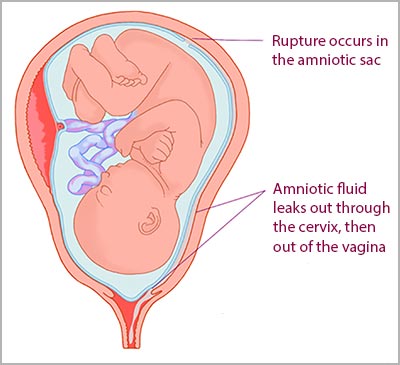
PROM requires medical intervention and fetal heart rate monitoring. Loss of the protective amniotic sac layer puts the baby at an increased risk of birth complications, such as infections like Group B strep, umbilical cord compression/umbilical cord prolapse or breathing difficulties as a result of prematurity.
If birth complications are not addressed and either prevented or timely treated, a baby could suffer a brain injury including hypoxic-ischemic encephalopathy (HIE) which can lead to cerebral palsy, neonatal encephalopathy (associated with multi-organ dysfunction), PVL or periventricular leukomalacia (white matter damage in the brain).
PROM occurs in approximately 8% of pregnancies. The earlier the water breaks, the greater are the health risks for the mother and the baby. An emergency cesarean section is usually advised in cases of PROM and PPROM.
What Is the Difference Between PROM and PPROM?
PROM can be caused by various factors including infections, cervical incompetence, or multiple pregnancies (twins or triplets). PROM occurs after 37 weeks of gestation and has a lower risk of complications compared to PPROM.
The primary concern of PROM is the risk of infection. The amniotic sac provides a protective barrier for the baby. Without it, bacteria can enter the uterus and cause infection.
Preterm premature rupture of membranes (PPROM) is more complicated for both the mother and baby. It occurs before 37 weeks gestation and may require immediate delivery to prevent further issues.
Respiratory distress syndrome (RDS), sepsis, and neurological problems can occur for the baby. Women with PPROM may experience vaginal bleeding or contractions, which are less common with PROM.
What Are The Causes of PROM/PPROM?

At full-term the water breaking (rupture of the membranes) is a normal part of labor and delivery.
The science behind membrane rupture is as the mother labors or prepares to labor the activation of enzymes, programmed cell death and mechanical forces trigger the rupture of membranes.
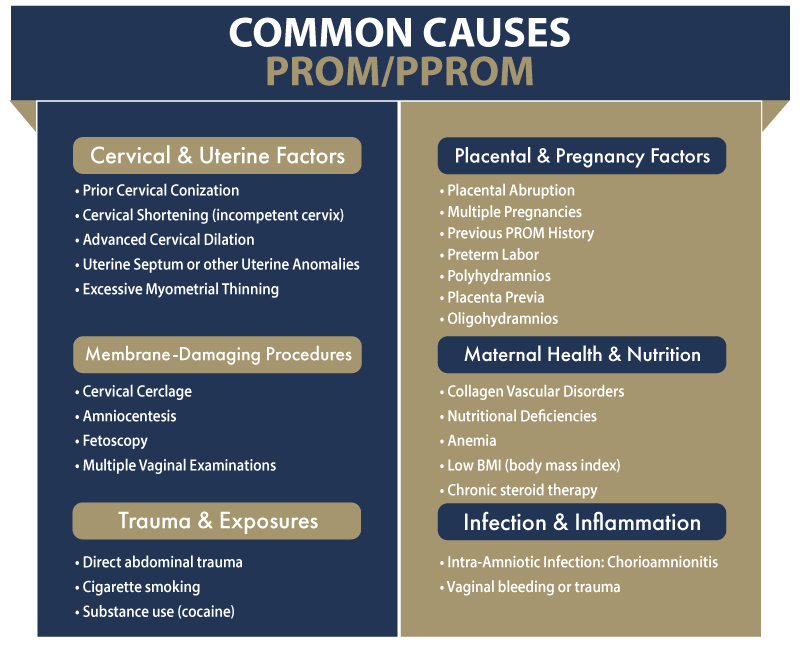
According to researchers, PROM probably occurs because of these same mechanisms and pathways, but with their premature activation. Risk factors of PROM may include:
How are Birth Injuries Associated with Premature Rupture of Membranes (PROM)?
Premature rupture of membranes (PROM) can cause fetal distress and other birth complications because the fetus is without the protective layer of amniotic fluid.
Most of these birth complications may lead to cerebral palsy in babies if not diagnosed and treated appropriately.
With vigilant fetal heart rate monitoring, ultrasound exams, blood tests, proactive administration of antibiotics and imaging tests, obstetricians and labor and delivery nurses can detect fetal distress early and perform a
timely cesarean section to minimize the risk of complications.
Premature Birth
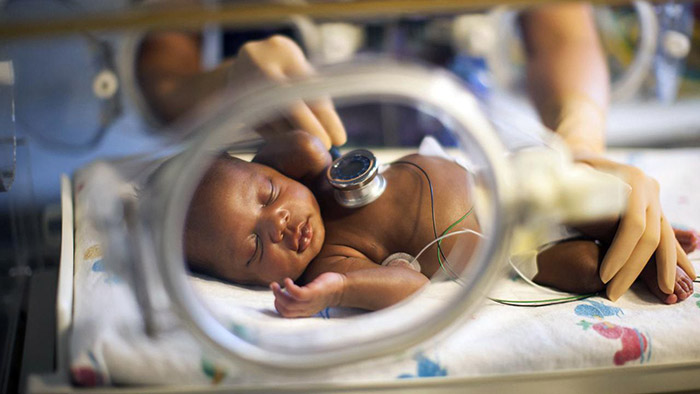
In the US, about 11% of all babies are born prematurely. PROM is the underlying cause of about 3 to 4% of these premature births. Preterm birth can contribute to various secondary birth complications, such as hypoxia or birth asphyxia, which may eventually lead to cerebral palsy.
When PROM occurs with a preterm baby (before 37 weeks) one of the main considerations of the medical team must be whether or not the baby’s lungs are adequately developed for a safe delivery.
This will usually depend upon how premature the baby is when the premature rupture of the membranes occurs.
Doctor and nurses have antenatal steroids, such as dexamethasone and betamethasone that can be given to the mother so her baby’s lungs develop more quickly when PROM occurs.
Prolapsed Umbilical Cord and Umbilical Cord Compression
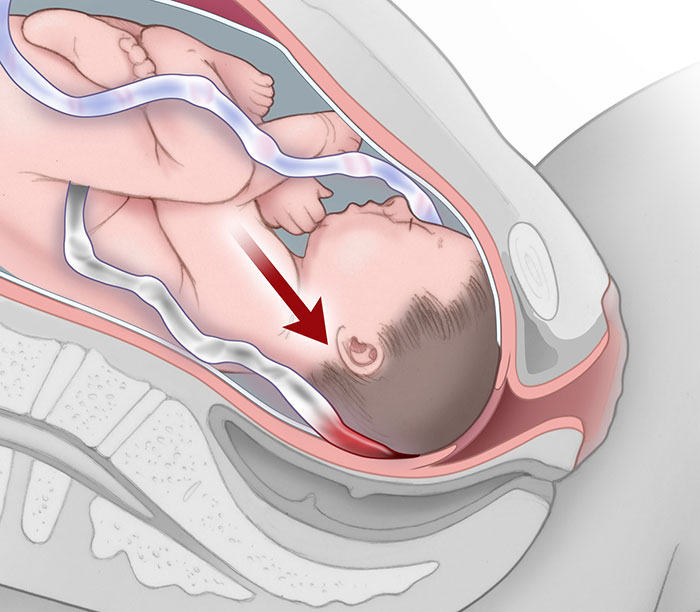
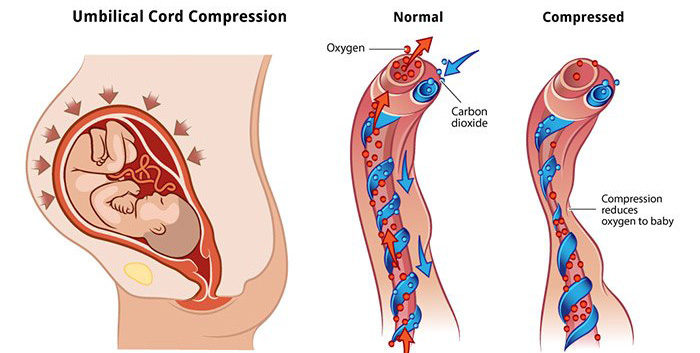
PROM is one of the common causes of umbilical cord prolapse. In this condition, the cord slips into the birth canal before the baby’s descent.
Umbilical cord compression can then occur if the baby gets trapped against the cord as they descend into the birth canal.
Cord compression can reduce or even cut off the baby’s oxygen flow, posing the risk of hypoxic-ischemic encephalopathy (HIE), which may lead to cerebral palsy.
Maternal Infections

Infection is one of the most common complications associated with PROM for the baby and the mother.
The amniotic fluid following PROM is exposed to any infection that the mother has because the protective barrier of the membranes has been lost.
As a result the risk of infections, such as Group B Streptococcus, chorioamnionitis, bacterial vaginosis, urinary tract infection (UTI), and herpes simplex virus (HSV).
Obstetricians and nurses should almost always administer antibiotics when the premature rupture of the membranes occur to prevent any known or even unknown infection from occurring.
Abnormal Fetal Position and Presentation
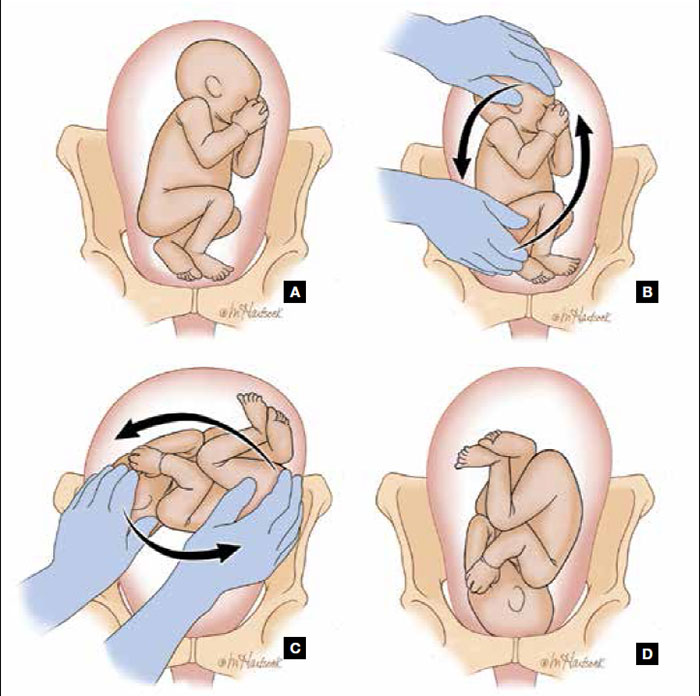
PROM often results in a change of the fetal position and presentation. For instance, breech presentation can occur where the baby’s feet or buttocks or both move to so that they are positioned to come out first during birth.
This may prompt the use of delivery assistance devices (such as forceps and vacuum extractors), increasing the baby’s risk of birth injury.
When a breech baby is suspected after a PROM, the medical providers must be prepared to perform an emergency c-section if there is prolonged or arrested labor or if the electronic fetal monitoring strips show continuing fetal distress is occurring.
Respiratory Distress Syndrome
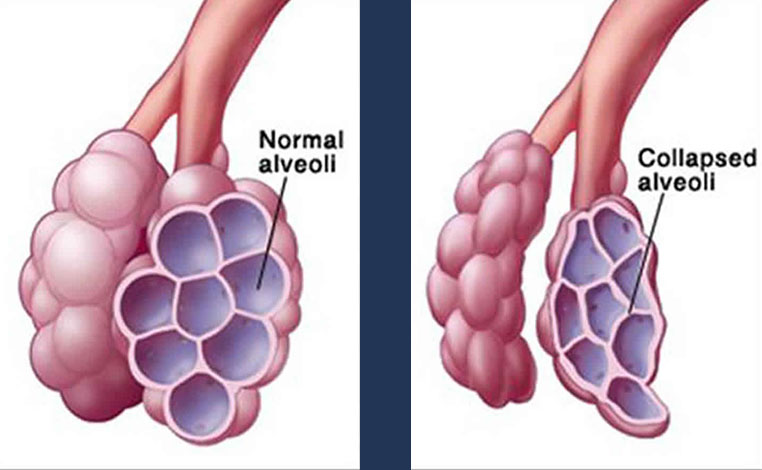
Following PPROM (preterm PROM), about 10 to 40% of the babies will develop respiratory distress syndrome (RDS). This acute morbidity occurs because the baby’s lungs are under-developed (pulmonary hypoplasia) and may not produce sufficient surfactant to keep them from collapsing.
RDS can cause oxygen deprivation in the brain, increasing the baby’s risk of cardiac complications, HIE, and cerebral palsy.
Necrotizing Enterocolitis (NEC)
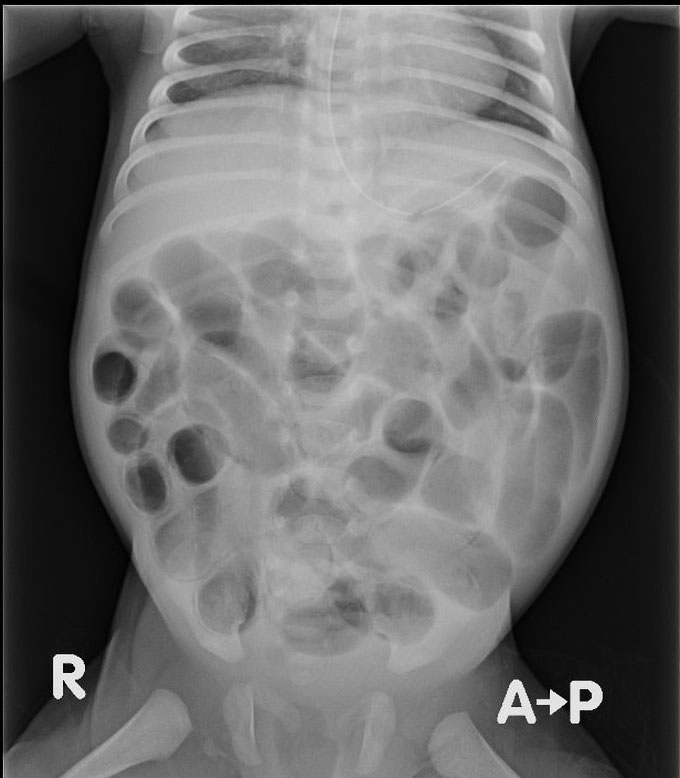
PROM is a risk factor for necrotizing enterocolitis (NEC), which is a severe gastrointestinal complication affecting many preterm babies.
The intestinal tissue becomes inflamed in NEC and begins to die.
Intestinal strictures (narrowing of the intestines) or abdominal infections due to perforations in the intestine are potentially life-threatening consequences of NEC.
Connection between PROM and Cerebral Palsy
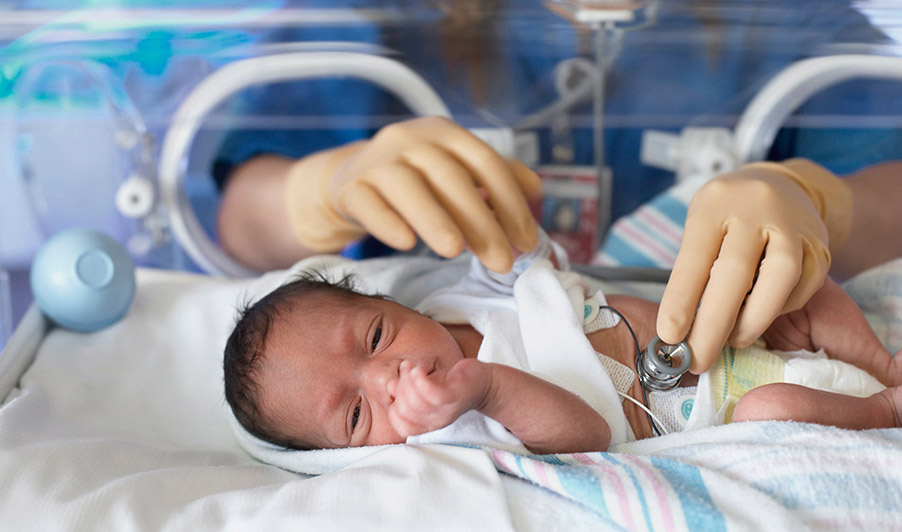
Researchers conducted a retrospective cohort study of pregnancies complicated by PPROM (preterm PROM) and SPROM (spontaneous PROM) with delivery before 34 weeks of gestation.
The study cohort consisted of 168 babies who underwent neurologic follow-up. The researchers identified 26 cases of cerebral palsy.
Factors related to cerebral palsy were identified as:
- Lower gestational age at PROM
- Longer latency (interval between PROM and labor)
- Chorioamnionitis related inflammation of the umbilical cord tissue
Researchers concluded that gestational age in PPROM and SPROM is significantly associated with cerebral palsy. The moment the rupture of membranes occurs in preterm PROM and spontaneous PROM, a process leading to brain damage may get triggered, which eventually causes cerebral palsy.
As a result, doctors and nurses must be very aggressive in providing care and treatment to minimize the birth complications that can cause cerebral palsy following a PPROM.
Can a Baby Survive PPROM?
A baby can survive PPROM, but there are many factors at play that affect the survival rate. Studies on PPROM survival do not always count the same stages of pregnancy and birth. This makes it difficult to offer one answer.
The survival of the fetus depends on factors such as how early PPROM occurs, gestational age at delivery, how long the pregnancy lasts, whether infection or other birth complications develop, and more.
When PPROM occurs early in gestation and low amniotic fluid (Oligohydramnios) continues for a prolonged period, lung development can be negatively impacted. Not every fetus exposed early to PPROM has the same respiratory outcome, but some may develop pulmonary hypoplasia.
Pulmonary hypoplasia is a congenital condition where a baby's lungs fail to develop adequately in the womb, resulting in small, underdeveloped lungs with fewer air sacs (alveoli) and blood vessels
If PPROM occurs during the previable period (between 22 and 25 weeks of pregnancy), a fetus can survive with life-supporting medical help. However, there is a higher risk of disability, severe medical problems, and death.
The outcomes of previable PPROM vary based on gestational age, individual circumstances, fetal development, the level of neonatal care available, and hospital practices.
Fetal Complications of PPROM
- Umbilical cord prolapse/umbilical cord compression
- Premature birth with possible challenges such as:
★ Breathing
★ Feeding and growing
★ Temperature regulation
★ Infection
★ Long-term development
★ Vision and hearing - Neonatal sepsis
- Stillbirth or death
- Fetal growth restriction
- Impaired lung development
Maternal Complications of PPROM
- Chorioamnionitis (infection of amniotic fluid and membranes)
- Sepsis
- Placental abruption (placenta separates from wall of uterus prior to delivery)
- Hemorrhage
When to Seek Care For PPROM
Signs of ruptured membranes include a sudden gush of vaginal fluid, fluid that is clear, pale, pink-tinged, or otherwise concerning, and continuous leaking of fluid.
If you believe your water broke, or suspect a preterm premature rupture of membranes, seek your healthcare provider for evaluation.
Other Signs and Symptoms of PPROM
- Foul-smelling or concerning vaginal fluid
- Chills
- Fever or temperature changes
- Maternal or fetal heart rate changes
- Cramping or contractions
Diagnosing Premature Rupture of the Membranes (PROM/PPROM)
PROM and PPROM are primarily a clinical diagnosis. When an expectant mother reports watery vaginal discharge or leaking, the medical provider should confirm it with a sterile speculum exam (speculum is a device to look inside the vagina to observe the cervix).
This minimally invasive diagnosis relies on the medical provider’s ability to determine three clinical signs on speculum examination:
- Fluid leakage from the cervical os (opening to the uterus) or visible pooling of fluid in the posterior fornix (larger recess behind the cervix)
- Nitrazine Test (which is a lab test) to detect the alkaline pH balance of the cervico-vaginal discharge (confirmed if the fluid turns nitrazine paper from yellow to blue)
- Fern Test to microscopically examine the cervico-vaginal discharge on drying to identify a “fern-like” pattern, indicative of PROM.


An ultrasound may also be used to detect evidence of oligohydramnios (low amniotic fluid volume).
This alone will not confirm a PROM diagnosis, but may be used as supportive evidence to indicate it in a clinical setting.
What is the Significance of an Early PROM/PPROM Diagnosis?
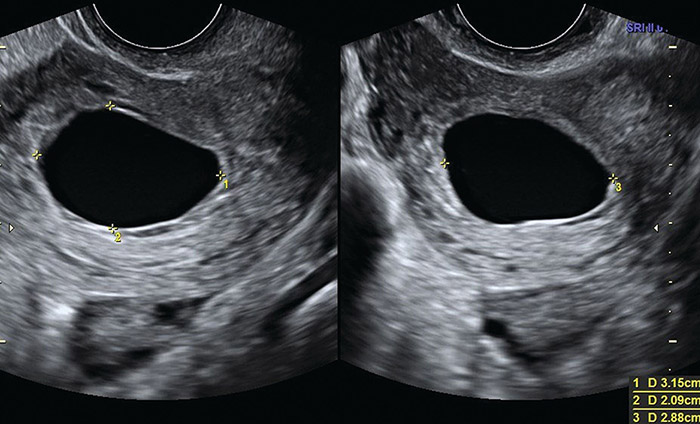
Accurate and timely preterm PROM diagnosis enables the medical team to make obstetric interventions appropriate to the gestational age of the baby.
This can minimize the risk of severe complications, such as infections (neonatal sepsis or chorioamnionitis) and umbilical cord prolapse, while optimizing the perinatal outcomes.
How Does Gestational Age Affect a PROM Diagnoses?
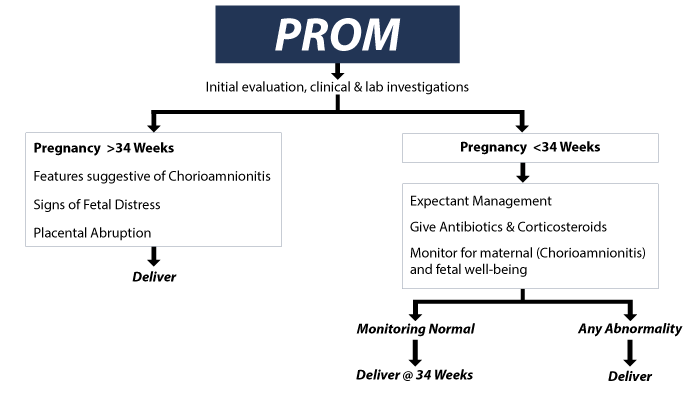
Doctors and nurses will manage the baby and expectant mother differently based upon the gestational age of the baby.
This is primarily based upon the baby’s lung maturity at various stages of development. The closer to term, the more likely the baby’s lungs are going to be developed allowing a quicker delivery from time of PROM.
Gestational Ages and PROM/PPROM
When PROM is diagnosed at 37 weeks of gestation or later, continuous fetal heart rate monitoring should be performed. Induction of labor methods (such as Pitocin infusion) should be commenced, or a cesarean section should be performed if it was planned. In case of Pitocin, the medical team should be prepared for a prolonged latent period of cervical dilation.
An emergency c-section should be performed if signs of fetal distress are detected during the monitoring. Antibiotic prophylaxis for Group B Streptococcus (GBS) should be administered when PROM lasts for more than 18 to 24 hours (regardless of the clinical GBS status).
When a diagnosis of preterm PROM (PPROM) is made at 34 to 36 weeks of gestation, the medical team should be prepared to perform an emergency cesarean section or use labor induction methods (vaginal delivery is not contraindicated with preterm PROM).
The goal should be to avoid prolonging the pregnancy. Corticosteroids, for speeding up the maturity of the lungs, are contraindicated at this stage, but the medical provider should prescribe antibiotics as a precaution (“prophylactically”) to eliminate the risk of maternal infections, such as Group B Streptococcus.
When PPROM is diagnosed at 32 to 33 weeks of gestation, prolonging pregnancy should be avoided if the baby’s pulmonary maturity (lung development) is documented. Conservative management to prolong pregnancy in this situation unnecessarily increases the risk of umbilical cord compression, maternal amnionitis, and neonatal infection.
Medical providers should carefully weigh the risk of respiratory distress syndrome (RDS) associated with premature delivery against the risks of cord accidents and neonatal sepsis, which are associated with pregnancy prolongation in this condition.
Antibiotics and corticosteroids should be administered and a cesarean section within 48 hours or at 34 weeks should be considered in consultation with a PPROM specialist and a neonatologist.
At this stage, the goal of the medical provider should be to try and prolong the pregnancy up to 34 weeks. At the same time, the medical team should inform the patient and her caregivers that some patients may deliver within 7 days of PPROM.
Continuous fetal heart monitoring and other forms of fetal surveillance, such as biophysical profile and non-stress testing should be performed when preterm PROM is diagnosed before 32 weeks of gestation.
Delaying labor should be discontinued if non-reassuring fetal heart rate patterns (fetal distress) are observed in electronic fetal monitoring, or placental abruption, chorioamnionitis or other birth complications has occurred.
A Multi-Disciplinary Team Approach Can Improve Outcomes
Immediate medical attention is vital when premature rupture of membranes occurs. Correct assessment of gestational age and accurate diagnosis are critical for appropriate patient management.
The expectant mother should be carefully monitored for signs of infection. Continuous fetal heart rate monitoring should be performed to identify signs of fetal distress.
A team approach is always helpful and necessary to improve outcomes. The obstetrician should dictate patient management, a nurse should monitor the mother and the baby, and a pediatric team should be informed about the patient status so that they can prepare for the baby’s delivery.
The anesthesia team should be informed in case obstetric anesthesia or a cesarean section is required.
Is Your Child’s Birth Injury the Result of Medical Malpractice?

Parents whose children suffer from PROM related birth injury or complications want and deserve answers as to the cause of their child’s injury and whether mistakes by the doctors and nurses contributed to the injury.
- Were there signs of premature rupture of membranes during the pregnancy, or presence of risk factors such as a history of PROM, maternal infection, or vaginal bleeding which were either not recognized or properly treated?
- Did the medical team fail to provide precautionary antibiotics after premature rupture of the membranes occurred?
- Did an umbilical cord prolapse occur that was preventable or did the doctors and nurses fail to react to the prolapse in a timely manner?
- Was the decision to perform a cesarean delivery delayed despite the known birth complications due to PROM were occurring?
- During the labor and delivery, were there clear indications that the baby was suffering from fetal distress, but appropriate actions were not taken by the obstetrician or nurses?
- Did the neonatal resuscitation team delay in providing critical breathing support after birth?
- Were serious neonatal conditions like fetal hypoxia, hypoglycemia, or jaundice missed or treated incorrectly?
Experienced Birth Injury Lawyers
Sometimes families are reluctant to contact a medical malpractice lawyer. It’s also not uncommon for parents to feel overwhelmed by the responsibilities they encounter in caring for their injured child and worried that they will not be able to help out in a lawsuit involving their child’s birth injury or complication.
Our National Birth Injury Lawyers will help determine if mistakes of the medical providers caused a birth injury to your child, including Hypoxic-Ischemic Encephalopathy (HIE) or cerebral palsy.
Our hard working and successful birth injury attorneys have represented families all over the United States in their time of need after a birth injury.
We use our experience and expertise to obtain for you and your child a medical malpractice settlement that will help provide specialized medical therapy in order to maximize the quality of life and independence of your child throughout their life.
Registered Nurses and Nurse-Attorneys Are a Vital Part of Our Birth Injury Team

Most birth injury law firms will employ one or two nurses to assist the review of cases and medical research.
Miller Weisbrod Olesky offers an unmatched number of nurses and nurse-attorney employees support to both the birth injury attorneys and our clients.
Our team of registered nursing staff and nurse-attorneys bring a deep level of medical and personal insight to every client’s case.
Our nursing team includes both an experienced labor and delivery nurse as well as an ICU nurse. Working closely with the rest of the team, they investigate the reasons behind a birth injury and how medical professionals breached their standard of care.
Speak With The Knowledgeable Attorneys at Miller Weisbrod Olesky

The only way to find out if you have a birth injury case is to talk to a lawyer experienced in birth injury lawsuits.
It’s not uncommon that a birth related complication results in a preventable birth injury, leading cerebral palsy, but it takes a detailed expert review by a birth injury attorney of the medical records from your child’s birth to determine if the birth injury was the result of medical malpractice.
At Miller Weisbrod Olesky, a team of committed lawyers, nurses and paralegals uses our detailed medical negligence case review process to assess your child’s potential birth injury case.
Our Process
We start by learning more about you and your child and the status of meeting/missing developmental milestones. Then we gather medical records to determine what happened before, during, and after your delivery.
We call in skilled medical experts who review your records and let us know if they think medical errors could have caused your child’s injuries.
If we feel medical negligence caused or contributed to your child’s injuries, we meet with you to discuss how you can receive compensation from the medical professionals who made the errors.
Our birth injury attorneys have recovered millions of dollars in settlements for families of children that have suffered a birth injury.
At no point in our legal intake process will we ask you to pay anything. The medical review of your case and the consultation are free. We only receive payment when you do.
Contact us today to schedule your free consultation by calling our toll-free line at (888) 987-0005. You can also reach us by filling out our online request form.
National Birth Injury Law
Our National Birth Injury Attorneys, nurses, and support staff understand that parents of children with birth injuries feel overwhelmed. So, every client has the attention and support of a team of trained, compassionate professionals. But we don’t just offer compassion.
We offer a process to help you discover whether your child’s birth injury, HIE, cerebral palsy or brain injury at birth was caused by medical malpractice.
Call our offices today at (888) 987-0005 for experienced assistance in a free consultation.
Quick Links
Testimonials
- Lyric C. I feel like our voice was heard in a sense of what can possibly go wrong in a delivery and finding us answers. I feel with our settlement, we are now in a comfortable position to provide for our son.
- Lyssa L. They are not just people that say “hey let's get you money and let's go” The law firm was very thorough with us. It was awesome. I don't want to cry, because I think about and it's amazing that they were able to help me and that we were able to help my son and get the story out there.
- Jay C. Throughout the process, one thing was clear to us, the ultimate interest of our child was the utmost concern of Max and his team and as parents navigating a situation like that, that was refreshing to know we had them firmly on our side. I highly recommend them.
Popular Cities
- ★ Dallas Birth Injury
- ★ Houston Birth Injury
- ★ Atlanta Birth Injury
- ★ Chicago Birth Injury
- ★ Philadelphia Birth Injury
Locations
★ Dallas
11551 Forest Central Drive, Ste. 300
Dallas, TX 75243
★ Houston
12929 Gulf Freeway, Ste. 111
Houston, TX 77034