Polyhydramnios
What Is Polyhydramnios?
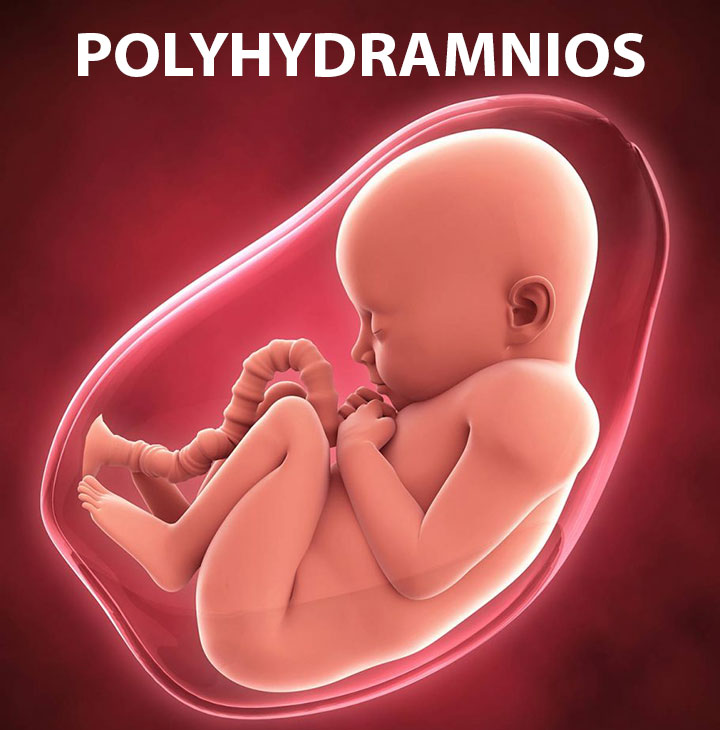
Polyhydramnios is a pregnancy complication in which an excessive volume of amniotic fluid accumulates around the baby, increasing the risks of birth complications and birth injuries.
Polyhydramnios can cause birth complications, such as premature birth, umbilical cord prolapse, premature rupture of membranes (PROM), and breech presentation.
In severe cases, especially if polyhydramnios is left undiagnosed or untreated, it can cause hypoxic-ischemic encephalopathy (HIE), which may lead to cerebral palsy.
Mild vs. Severe Polyhydramnios
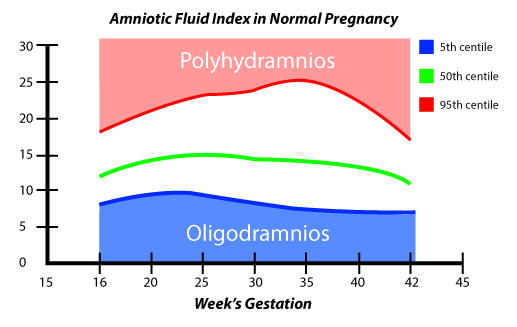
Polyhydramnios is classified as “mild” when the build-up of excess amniotic fluid is relatively small and the amniotic fluid index (AFI) ranges between 8-11 cm.
AFI is the sum of the vertical diameter of the deepest pocket in the four quadrants of the uterus. When the AFI value is found between 12 and 15 cm, it is clinically termed as “moderate” polyhydramnios.
Milder cases of polyhydramnios usually first occur during the third trimester, but the condition may sometimes develop in the second trimester – as early as 16 or 17 weeks of gestation. Severity of polyhydramnios is generally higher when it occurs early in the pregnancy.
When the AFI value ranges exceed 16 cm, it’s defined as severe polyhydramnios. The higher the volume of excess amniotic fluid, the greater is the severity of polyhydramnios.
Higher volume indicates greater severity because it causes the uterus to swell excessively, creating too much pressure both within the uterus and on the external wall.
Possible Maternal Symptoms
- Abdominal pain or discomfort
- Persistent heartburn
- Maternal shortness of breath (respiratory distress)
- Chronic swelling in the legs, feet, and ankles
- Swelling in the vulvar region
- Difficult in urination
- Constipation
Diagnosing Polyhydramnios
In addition to the physical symptoms, the medical provider should be alert to clinical symptoms that may be present and can be detected on examination.
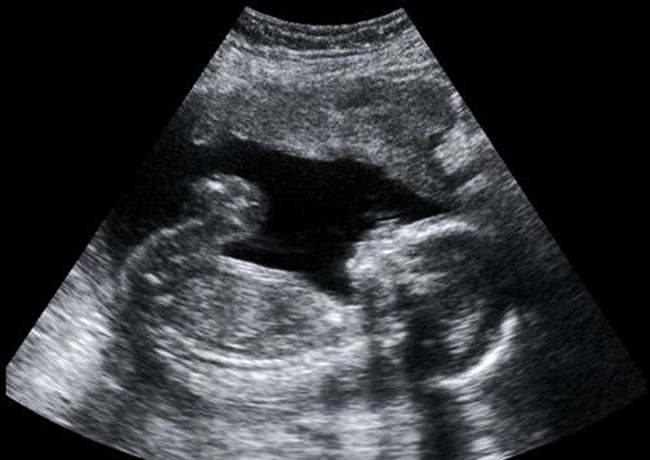
An ultrasound exam can provide an accurate measurement of the volume of amniotic fluid. The volume may be measured as amniotic fluid index (AFI) or as maximum vertical pocket (MPV). MPV measures the single deepest vertical pocket of amniotic fluid in the uterus.
Other tests that can help diagnose polyhydramnios include:
- Glucose Challenge Test: If the expectant mother has gestational diabetes, the risk of polyhydramnios is higher. Therefore, the results of this test should be correlated with other findings to diagnose polyhydramnios.
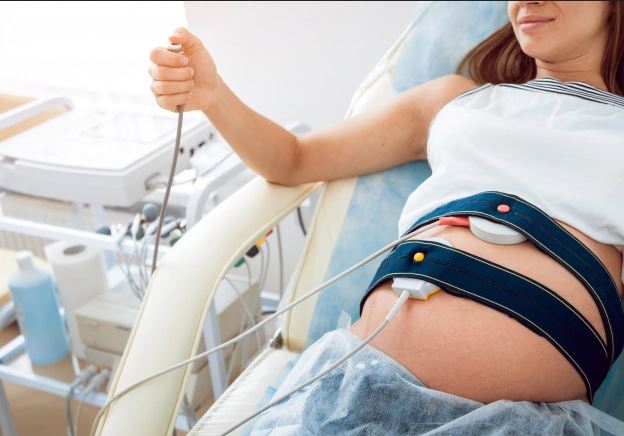
- Fetal heart rate monitoring: When polyhydramnios is suspected, FHR monitoring must be performed to assess the rate and rhythm of the baby’s heartbeat to evaluate if the baby is experiencing fetal distress.
- Doppler Ultrasound: This test will help the medical provider evaluate and study the blood flow patterns in the umbilical cord, placenta, uterus, and parts of the baby’s body. Abnormal circulation may indicate polyhydramnios, if correlated with other findings.
- Biophysical Profile (BPP): This test usually combines an ultrasound with nonstress test to provide more information about the baby’s movement, breathing and tone. It can also help assess the uterine volume of amniotic fluid.
- Nonstress Test (NST): Closer monitoring of the baby is necessary when polyhydramnios is suspected. This non-invasive test will help the medical provider evaluate how the baby’s heart rate changes or responds when the baby moves or experiences stimulation.
- Blood Tests: Maternal infections, such as Group Strep B and certain viral infections may be the cause of polyhydramnios in some cases. Therefore, when this condition is suspected, blood tests to diagnose maternal infections should be performed.
- Amniocentesis: If polyhydramnios is strongly suspected, the medical provider may decide to assess the baby for fetal anemia (insufficient red blood cells), which can cause polyhydramnios. This may require amniocentesis or direct fetal blood sampling. Rh-factor is also a special type of fetal anemia, which can lead to polyhydramnios.
Polyhydramnios Prognosis
In mild, moderate, and severe cases, the duration of pregnancy may be monitored more closely. More frequent doctor appointments and more ultrasounds are likely to be required.
During labor, the baby’s heart rate will be evaluated to measure fetal distress levels. Beyond passing a large amount of amniotic fluid, delivery is not much different than someone without polyhydramnios except in extreme cases.
In cases of early detection, diagnosis, and successful treatment, the prognosis for the fetus is excellent. Even in cases where the baby has anomalies or conditions that lead to premature birth, the prognosis is good. However, these babies may require more extensive medical care.
Birth Complications From Polyhydramnios
Birth complications for a baby with severe polyhydramnios may include:
- Premature rupture of membranes (PROM)
- Premature birth
- Placental abruption (placenta separates from the uterine wall before delivery)
- Umbilical cord prolapse (the cord drops into the vagina through the open cervix before the baby enters the birth canal)
- Abnormal Fetal Position (unusual position of the baby in the womb (such as breech or transverse)
- Fetal macrosomia (baby’s size is abnormally large for their gestational age)
All of these potential birth complications of severe polyhydramnios increase the baby’s risk of birth injuries, such as hypoxic-ischemic encephalopathy (HIE), which can lead to cerebral palsy.
Polyhydramnios and Gestation Age
Gestation is the period between conception and birth when a fetus develops in the uterus.
Gestational age may be an indicator of polyhydramnios. If your uterus measures larger than expected for your gestational age, your doctor may suspect excess amniotic fluid.
How Do You Treat Polyhydramnios?
Treatment depends on severity and the underlying condition causing it. Polyhydramnios is generally not treated in mild cases or late gestation. Increased monitoring is likely to ensure the condition does not worsen.
In severe cases, treatment may be needed. This may involve treating the underlying condition (like gestational diabetes or baby’s heart rate) causing polyhydramnios.
Other treatment options include:
- Inducing labor before the due date (usually between 37 and 39 weeks gestation)
- Draining excess amniotic fluid (carries risk of complications)
- Medication that reduces the amount of urine produced by fetus
- Bed rest to delay preterm labor
When to Seek Care For Polyhydramnios?
Many cases of polyhydramnios have no symptoms or may overlap with other conditions. If you experience abdominal pain, amniotic fluid leakage, shortness of breath, reduced fetal movement, or abdominal enlargement, contact your care provider.
Routine prenatal testing appointments to your obstetrician-gynecologist (OB/GYN) are important to monitor pregnancy and diagnose possible conditions early.
How To Manage Polyhydramnios
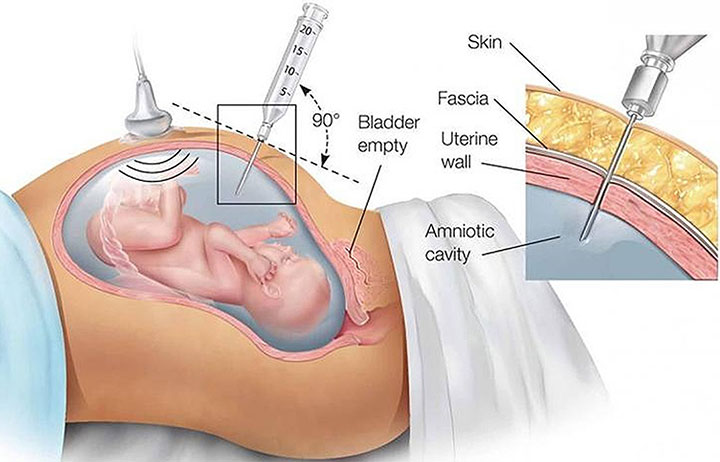
When severe polyhydramnios is diagnosed, the medical provider should consider a procedure called amnioreduction depending upon when in the pregnancy this occurs.
This procedure may be performed using vacuum assisted devices, such as vacuum bottles or tubing, or even manually.
Depending on the clinical status, performing a amnioreduction varying volumes of excessive amniotic fluid may be removed at specific rates using needles of 18 or 20 gauge.
Even after the procedure, the medical team should continue to monitor the condition because polyhydramnios may recur after amnioreduction.
The medical provider may decide to administer Indomethacin, an oral medication, which can help reduce the amniotic fluid volume as well as fetal urine output. This treatment should not be prescribed beyond 31 weeks of gestation.
Close fetal heart rate monitoring is essential when the expectant mother is on Indomethacin treatment.
Indomethacin is a prescription nonsteroidal anti-inflammatory drug (NSAID) used to reduce pain, swelling, and joint stiffness.
The potential risks of fetal complications with this medication should be carefully balanced against the potential benefits before the treatment is prescribed.
Researchers have highlighted the increased risks of vaginal delivery and labor complications in cases of mild, moderate, or severe polyhydramnios.
Therefore, medical providers should be prepared for the significant likelihood of a planned or emergency cesarean section in these cases.
Planning for the newborn’s care with a neonatologist is equally important, including possible admission to the neonatal intensive care unit (NICU) in all cases of polyhydramnios.
Common Questions Regarding Polyhydramnios
Can a Baby Survive Polyhydramnios?
Most people do not experience pregnancy complications from too much amniotic fluid and deliver a healthy baby. If diabetes is the underlying condition causing polyhydramnios, the fetus may grow too large for vaginal delivery.
There is an increased risk that the fetus is in an abnormal position during delivery, which may also require a cesarean section. Severe cases may lead to premature birth, but the goal is to all gestation to reach full age.
What Is the Main Cause of Polyhydramnios?
For most people with polyhydramnios, the cause is unknown. However, some moderate to severe cases may be caused by:
- Maternal diabetes
- Twin To Twin Transfusion Syndrome (TTTS)
- Birth Complications with fetal heart rate
- Birth defects or congenital disabilities
- Mismatched blood types (i.e. mother is Rh-negative and the fetus is Rh-positive)
- Fetal infections
Is Polyhydramnios Considered A High-Risk Pregnancy?
In most cases, polyhydramnios does not cause high-risk pregnancies.
However, birth complications in severe cases may include premature birth, placental abruption, fetal malposition, umbilical cord prolapse, and excess fetal growth. Some complications may require an emergency cesarean section.
Do You Deliver Early with Polyhydramnios?
In severe cases of polyhydramnios, preterm labor is a risk factor that can lead to premature birth. Preterm labor can be induced through various mechanisms such as Premature Rupture of Membranes (PROM), cervical changes, uterine distension, and intrauterine infection.
It is unlikely to experience these birth complications with polyhydramnios, but it is important to monitor your condition closely with your healthcare professional.
Is Your Child’s Birth Complication the Result of Medical Malpractice?

Parents whose children suffer from polyhydramnios related birth injuries or birth complications want and deserve answers as to cause of their child’s injury and whether mistakes by the doctors and nurses contributed to the injury.
- Were there signs of polyhydramnios during the pregnancy, labor, and delivery process, or presence of risk factors, which were either not recognized or properly treated?
- Did the medical team fail to order a series of tests to diagnose polyhydramnios in a timely manner?
- Was the decision to perform a cesarean delivery delayed?
- During the labor and delivery, were there clear indications that their baby was suffering from fetal distress, but appropriate actions were not taken by the obstetrician or nurses?
- Did the neonatal resuscitation team delay in providing important breathing support after birth?
- Were serious neonatal conditions like hypoglycemia or jaundice missed or treated incorrectly?
- Should brain cooling (also called “hypothermia therapy”) have been offered to your baby, but the doctors and nurses failed to perform the appropriate tests or ignored the results of the tests?
The experienced birth injury lawyers at Miller Weisbrod Olesky will help you determine if mistakes of the medical providers caused a birth injury to your child, including Hypoxic-Ischemic Encephalopathy (HIE) or cerebral palsy.
Our birth injury attorneys have represented families across the United States in their time of need. We use our experience and expertise to obtain your child and your family a medical malpractice settlement that will help provide specialized medical therapy to maximize the quality of life and independence of your child throughout their life.
Sometimes families are reluctant to contact a medical malpractice lawyer. It’s also not uncommon for parents to feel overwhelmed by the responsibilities they encounter in caring for their injured child and worried that they will not be able to help out in a lawsuit involving their child’s birth injury.
Our birth injury attorneys and nursing staff will address these hesitations and concerns, so you can focus on your child and maximizing their care.
Dedicated Registered Nurses and Nurse-Attorney Advocates

Most birth injury law firms will employ one or two nurses to assist the review of cases and medical research. But Miller Weisbrod Olesky offers an unmatched number of nurses and nurse-attorney employees support to both the birth injury attorneys and our clients.
Our team of registered nursing staff and nurse-attorneys bring a deep level of medical and personal insight to every client’s case. Our nursing team includes both an experienced labor and delivery nurse as well as an ICU nurse. Working closely with the rest of the team, they investigate the reasons behind a birth injury and how medical professionals breached their standard of care.
Contact The Birth Injury Attorneys at Miller Weisbrod Olesky

The only way to find out if you have a birth injury case is to talk to a lawyer experienced in birth injury lawsuits. It’s not uncommon that a birth related complication results in a preventable birth injury, including cerebral palsy.
It takes a detailed expert review by a birth injury attorney of the medical records from your child’s birth to determine if the birth injury was the result of medical malpractice.
Our Process
At Miller Weisbrod Olesky, a team of committed lawyers, nurses and paralegals uses our detailed medical negligence case review process to assess your child’s potential birth injury case.
We start by learning more about you and your child and the status of meeting/missing developmental milestones. Then we gather medical records to determine what happened before, during, and after your delivery. We call in skilled medical experts who review your records and let us know if they think medical errors could have caused your child’s injuries.
If our team feels medical negligence caused or contributed to your child’s injuries, we meet with you to discuss how you can receive compensation from the medical professionals who made the errors.
Our birth injury attorneys have recovered millions of dollars in settlements for families of children that have suffered a birth injury.
At no point in our legal intake process will we ask you to pay anything. The medical review of your case and the consultation are free. We only receive payment when you do.
Contact us today to schedule your free consultation by calling our toll-free line at (888) 987-0005. You can also reach us by filling out our online request form.
National Birth Injury Law
Our National Birth Injury Attorneys, nurses, and support staff understand that parents of children with birth injuries feel overwhelmed. So, every client has the attention and support of a team of trained, compassionate professionals. But we don’t just offer compassion.
We offer a process to help you discover whether your child’s birth injury, HIE, cerebral palsy or brain injury at birth was caused by medical malpractice.
Call our offices today at (888) 987-0005 for experienced assistance in a free consultation.
Quick Links
Testimonials
- Lyric C. I feel like our voice was heard in a sense of what can possibly go wrong in a delivery and finding us answers. I feel with our settlement, we are now in a comfortable position to provide for our son.
- Lyssa L. They are not just people that say “hey let's get you money and let's go” The law firm was very thorough with us. It was awesome. I don't want to cry, because I think about and it's amazing that they were able to help me and that we were able to help my son and get the story out there.
- Jay C. Throughout the process, one thing was clear to us, the ultimate interest of our child was the utmost concern of Max and his team and as parents navigating a situation like that, that was refreshing to know we had them firmly on our side. I highly recommend them.
Popular Cities
- ★ Dallas Birth Injury
- ★ Houston Birth Injury
- ★ Atlanta Birth Injury
- ★ Chicago Birth Injury
- ★ Philadelphia Birth Injury
Locations
★ Dallas
11551 Forest Central Drive, Ste. 300
Dallas, TX 75243
★ Houston
12929 Gulf Freeway, Ste. 111
Houston, TX 77034