Nonstress Tests During Pregnancy
Prenatal Nonstress Tests
Prenatal testing is critical during a mother’s pregnancy. If doctors suspect any abnormalities, early intervention during prenatal checkups gives the mother the best chances for a safe delivery. Prenatal nonstress tests (NST) can offer valuable insight into fetal wellbeing without using invasive methods.
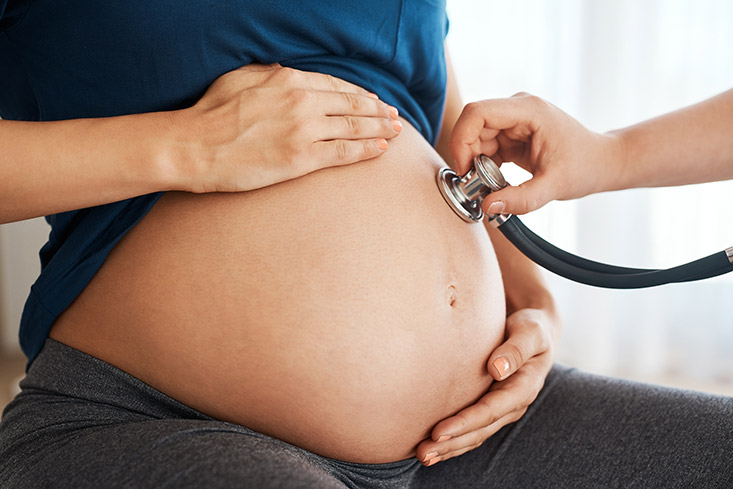
Prenatal nonstress tests measure fetal heart rates during pregnancy and can alert healthcare providers to any signs of fetal distress. When they return abnormal results, it can reveal larger pregnancy complications such as an umbilical cord problem or placental complication.
When doctors don’t discover complications until delivery, it can delay emergency intervention and result in birth injuries or even death. OB-GYNs, nurses, and all other healthcare professionals must do everything they can to avoid these outcomes. When they fail to detect complications early enough through improper testing procedures, it may constitute medical malpractice.
Birth Injury Malpractice Attorneys
Our top rated birth injury attorneys specialize in identifying how prenatal testing errors lead to severe birth injuries. If you or someone you know suffered from the effects of uncaught complications, don’t hesitate to contact our firm. We can answer difficult legal and medical questions and investigate the facts on your behalf.
Free Legal Consultation
Birth Injury Lawyers
(888) 987-0005Our Birth Injury Lawyers are available to meet you in your home or the hospital.
Our vast network of medical experts and in-house nursing staff and nurse-attorneys gives us the edge over our competition. When we take your case, we assign you with an entire medical team. This team not only consists of attorneys but also nursing advocates and medical experts.
Your team is available to assist with any day-to-day treatment you or your child may need. This includes assistance with medical records, scheduling doctors’ appointments, providing transportation, and any other problems that may arise.
We offer all of this on a contingency fee basis. This means you will not pay any fees until after we win your case and secure a settlement. Miller Weisbrod Olesky’s unmatched track record of birth injury results sets us apart from other birth injury law firms.

Recent Birth Injury Settlement:
Birth Injury settlement against a hospital in which nurses and physicians failed to properly monitor the mother's blood pressure during delivery causing an HIE event resulting in neonatal seizures and cerebral palsy at birth. Our team of top-rated birth injury lawyers recovered $13,750,000 for the family to help with future medical expenses and developmental therapy.
What is a Prenatal Nonstress Test?
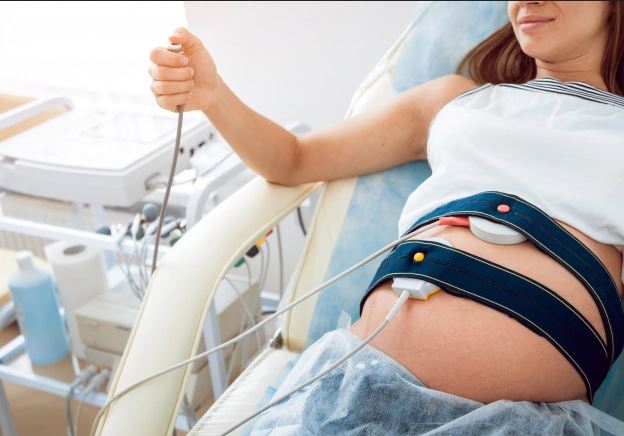
A nonstress test (NST) is a prenatal screening exam that monitors fetal movement and records any changes in their heart rate. Medical professionals perform them during the third trimester of pregnancy, typically between 32 and 36 weeks gestation.
The test is “nonstress” because it places no additional stress on the mother or her baby. The test only measures natural changes in the baby’s heart rate in response to its own movements.
This differs from other tests where doctors will attempt to force a fetal heart rate acceleration. They typically do this by administering very small doses of labor-inducing medications that trigger minor uterine contractions. These contractions are strong enough to get a reaction out of the baby without fully inducing labor.
A prenatal nonstress test requires no preparation from the mother’s side, and the procedure does not carry any risks to it. It will take a minimum of 30 minutes to complete.
How Does a Prenatal Nonstress Test Work?
The nonstress test procedure is fairly straightforward. The mother lies down on the examination table while the healthcare provider wraps two elastic belt sensors around her abdomen. One sensor monitors the mother’s contractions (including contractions she cannot feel), while the other sensor monitors the baby’s heartbeat.
The sensors record this information for roughly 30 minutes, at which point the provider will remove the belts. The results will be immediately available for the healthcare provider to analyze and share with the mother.
How to Read a Prenatal Nonstress Test
A prenatal nonstress test is either reactive or nonreactive. When the results are reactive, it means that the baby’s heart rate responded as expected by increasing during a contraction. This is the desired result because it indicates that the baby has a sufficient supply of oxygen.
When the result is nonreactive, it means the baby’s heart rate did not increase appropriately in response to contractions. While it doesn’t necessarily guarantee an issue, it does merit further testing to be sure the baby is healthy.
Why Do Doctors Order Prenatal Nonstress Tests?

Medical professionals do not conduct prenatal nonstress tests for every expecting mother. The test is typically a precautionary measure when the mother has any underlying pregnancy complications or chronic health conditions. The doctor may also order one if the mother reports a change in fetal movement.
Some examples of cases where a medical provider may order a nonstress test include:
Post Term Pregnancy

Complications can arise if a mother’s pregnancy extends past her due date (usually over 40 weeks). Issues like uteroplacental insufficiency can threaten the baby’s oxygen supply and lead to prolonged perinatal hypoxia. Medical professionals may order a nonstress test to ensure the baby isn’t showing signs of fetal distress.
High Risk Pregnancy

Doctors may classify a mother’s pregnancy as high risk when she has pregnancy complications like gestational diabetes or preeclampsia. Medical professionals may order her a nonstress test out of elevated concern for the baby’s wellbeing.
Low Fetal Movement

It can be cause for concern when the mother reports not feeling her baby moving, kicking, or repositioning. Low fetal movement can indicate complications like nuchal cord, abnormal fetal positioning, or even fetal demise (stillbirth).
Intrauterine Growth Restriction
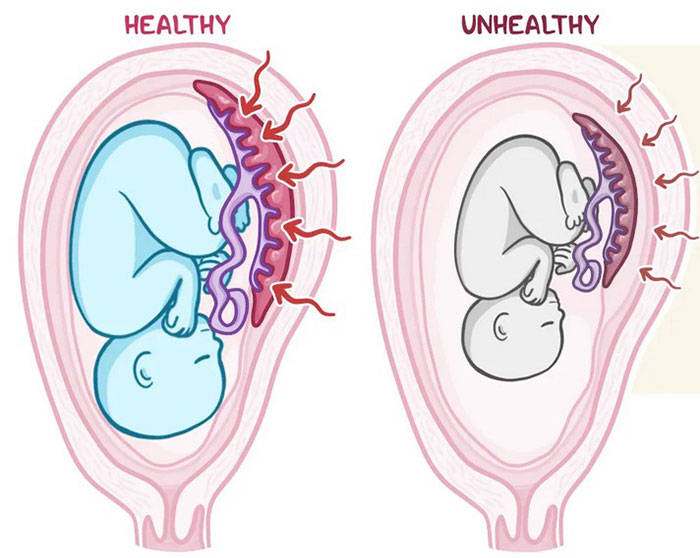
When the baby measures small for gestational age, it can indicate that they aren’t receiving enough oxygen or nutrients. This can sometimes stem from placental complications or umbilical cord problems. The doctor may order a nonstress test earlier in the mother’s pregnancy to monitor the baby’s development as labor approaches.
Expecting Multiples
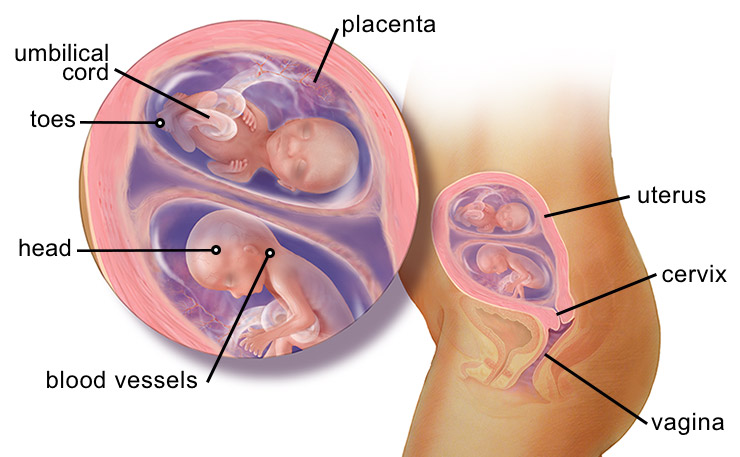
If the mother is expecting twins or multiples, the babies have a higher chance for experiencing fetal distress. A nonstress test can help to monitor fetal heart rates for the multiples and ensure they are all healthy.
About Labor Complications with Twins
Rh or ABO Incompatibility
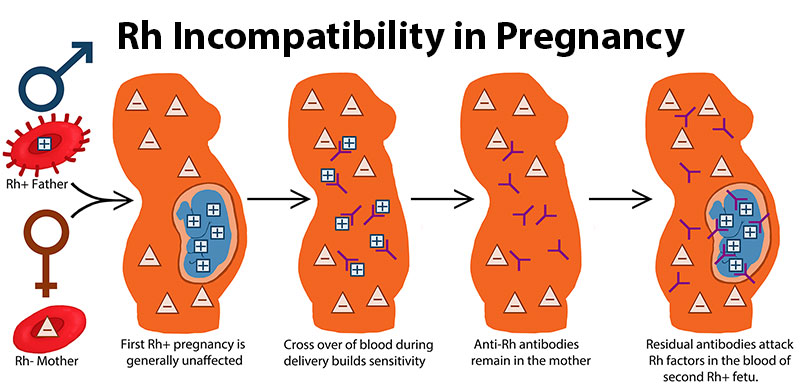
When the mother is Rh negative, it means her red blood cells lack the RhD protein. It does not always guarantee that her baby will be Rh negative, however.
If the baby is Rh positive, the mother’s body will make antibodies against the baby’s blood. Similar issues can arise if the mother’s blood type differs from her baby’s. Both scenarios can cause serious complications like anemia or jaundice.
Medical professionals may follow up with a nonstress test if they notice an incompatibility between Rh or blood type.
Amniotic Fluid Complications
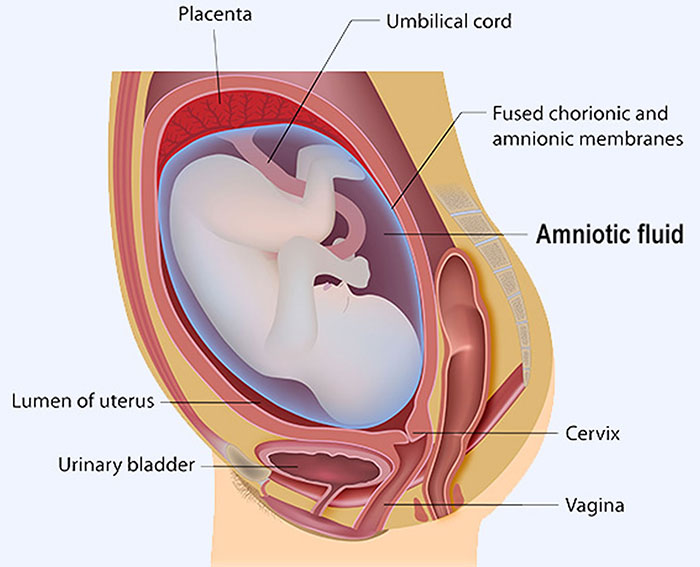
Too much or too little amniotic fluid inside the womb can cause issues for the baby. Both polyhydramnios and oligohydramnios can disrupt fetal development and increase a baby’s risk for umbilical cord problems like compression. When the mother’s amniotic fluid index is too high (polyhydramnios) or too low (oligohydramnios), her provider may follow up with nonstress testing.

All medical professionals involved in prenatal testing have a responsibility to assess the full picture of a mother’s pregnancy. This means screening her for any of the above complications and ordering the appropriate tests to monitor fetal health.
Failing to order a prenatal nonstress test despite risk factors for risk of fetal distress and oxygen deprivation can lead to preventable complications. When improper or incomplete prenatal testing results in birth injuries, a valid medical malpractice claim may exist.
What Happens After a Prenatal Nonstress Test?
The next steps after a nonstress test during pregnancy should depend on the results. Reactive results (meaning the baby’s heart rate increased or responded as expected) warrant no further intervention. The mother’s doctor will discharge her and may request follow-up testing in the weeks leading up to delivery.
However, nonreactive results (meaning the baby’s heart rate did not react at least twice within 20 minutes) require additional testing. A baby can show nonreactive results for more reasons outside of oxygen deprivation. For example, they could be asleep during the examination.

The healthcare provider may try getting a reaction out of a nonreactive baby using a vibrating buzzer or another tool.
If the result remains nonreactive, the provider will order additional testing. This may include a contraction stress test, where the mother takes a medication stimulating small contractions that won’t induce labor. These contractions will be slightly stronger and are more likely to get a response from the baby’s heart rate.
The medical provider may also conduct a biophysical profile. This is an examination that combines a nonstress test with an ultrasound to analyze the baby beyond just their heart rate.
These tests can further support a doctor’s suspicions of an underlying pregnancy complication. If the complication is depriving the baby of necessary nutrients and sufficient oxygen levels, they may discuss expediting delivery.
In some situations, the mother may need a C-section that same day if her providers believe the baby is hypoxic. This is only if they believe it is unsafe for the mother to carry to term.
What Issues Can Arise from Oxygen Deprivation?
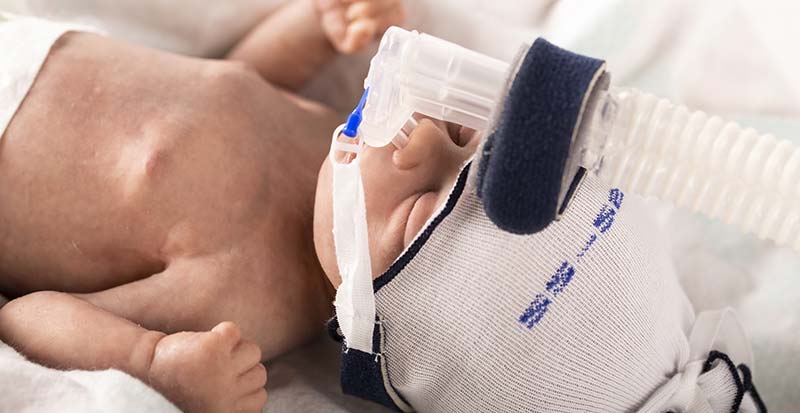
Fetal hypoxia occurs when the baby’s organs and tissues receive diminished levels of oxygenation. This can progress into a complete cutoff of oxygen from the brain, known as anoxia.
The brain and heart depend heavily on oxygen during pregnancy so they can circulate it to the other critical organs. Because oxygen travels primarily through the blood, a cutoff of blood flow (ischemia) can also lead to birth asphyxia.
Going without oxygenated blood for a prolonged period can kill off brain cells, resulting in serious brain injuries at birth. The most common brain damage at birth is hypoxic ischemic encephalopathy (HIE), an injury stemming from prolonged hypoxia and ischemia.
HIE can cause a ranging number of birth complications and disorders throughout childhood. This can include seizures and epilepsy, vision impairments, speech impairments, lack of control over gross motor function and delayed developmental milestones. HIE is the leading cause of cerebral palsy in young children.
Medical professionals can prevent brain injuries like HIE when they catch fetal distress and oxygen deprivation early enough. Tools like the nonstress test can be invaluable to preventing a wide variety of birth injuries and even deaths.
Did Doctors Mismanage My Pregnancy Complication?
Proper prenatal testing is the best predictor of fetal and maternal outcomes. It is important for healthcare providers to screen the mother for any complications using every available tool at their disposal. This includes performing prenatal nonstress tests when applicable.
Birth injury negligence includes failing to properly monitor the baby before birth and missing signs of non-reassuring fetal heart rates. When this inaction leads to preventable birth injuries or deaths, it can constitute medical malpractice.
If a family believes medical negligence caused or worsened a child’s injuries, legal support may be an option. A specialized birth injury attorney can review the medical records and circumstances to assess whether a claim exists.
Families who have experienced the effects of missed complications deserve to know whether better medical care could have prevented them. Our top rated birth injury lawyers will help you find those answers and obtain the necessary funds to secure treatment.
Our dedicated birth injury team will thoroughly investigate the facts, holding responsible parties accountable by pursuing medical malpractice claims.
Birth Injury Malpractice: Statute of Limitations

A statute of limitations is a law that sets a time limit on how long an injured person has to file a lawsuit after an accident. It is essential to understand that statutes of limitations vary based on the case and the state where you file. For instance, the deadline for birth injury claims is typically different from other claims, such as injury to private property.
Generally, the clock starts ticking on the date the injury occurred. However, there are exceptions to this rule. In some cases, the statute of limitations starts when a person discovers or reasonably should have discovered an injury. When dealing with government agencies, SOLs can become even more complex.
For example, if the party that injured you was:
- A federal employee
- Employed by a military hospital, Veterans Administration facility, or a federally funded medical entity
You may need to file a birth injury claim under the Federal Tort Claims Act (FTCA). In FTCA cases, claimants must go through certain administrative procedures before filing a lawsuit. In some states, you may have less time to give notice if:
- The negligent party was a local or state government hospital.
- The doctors and medical providers are employees of a governmental entity.
If you file your case outside of the statute of limitations, the court will typically dismiss it. This means you will not be eligible to recover compensation for you or your child’s injuries.
Determining when a statute of limitations begins on your case can be tricky. If you are considering pursuing compensation for a birth injury, contact an attorney as soon as possible.
How Can Our Birth Injury Attorneys Help?
Improper pregnancy screening procedures can be the first step in causing a child’s life-altering birth injury. It takes an expert review of the facts of your pregnancy to determine whether medical professionals made preventable errors.
Our Process
Our team of committed birth injury attorneys, nurses and paraprofessionals works to answer these questions and seek compensation. We use our detailed medical negligence case review process to assess your potential birth injury case.
We start by learning more about your pregnancy by gathering records to determine what happened during and after your delivery. This includes a detailed review of the treatment doctors provided or failed to provide during scheduled prenatal testing checkups.
We will call in skilled medical experts who review your records and provide insight into where medical professionals went wrong. If we feel medical negligence caused or worsened you or your child’s injuries, we meet with you to discuss further.
At no point in our legal intake process will we ask you to pay anything. The medical review of your case and the consultation are free. We only receive payment once you do. The sooner you reach out, the sooner we can investigate your case and gather the evidence to support your claim.
We work on a contingency fee basis, meaning you will not pay any legal fees until we win your case. We do not purse any medical malpractice cases unless we fully believe we can win.
Contact us today to schedule your free consultation by calling our toll-free line at (888) 987-0005. You can also reach us by filling out our online request form.
National Birth Injury Law
Our National Birth Injury Attorneys, nurses, and support staff understand that parents of children with birth injuries feel overwhelmed. So, every client has the attention and support of a team of trained, compassionate professionals. But we don’t just offer compassion.
We offer a process to help you discover whether your child’s birth injury, HIE, cerebral palsy or brain injury at birth was caused by medical malpractice.
Call our offices today at (888) 987-0005 for experienced assistance in a free consultation.
Quick Links
Testimonials
- Lyric C. I feel like our voice was heard in a sense of what can possibly go wrong in a delivery and finding us answers. I feel with our settlement, we are now in a comfortable position to provide for our son.
- Lyssa L. They are not just people that say “hey let's get you money and let's go” The law firm was very thorough with us. It was awesome. I don't want to cry, because I think about and it's amazing that they were able to help me and that we were able to help my son and get the story out there.
- Jay C. Throughout the process, one thing was clear to us, the ultimate interest of our child was the utmost concern of Max and his team and as parents navigating a situation like that, that was refreshing to know we had them firmly on our side. I highly recommend them.
Popular Cities
- ★ Dallas Birth Injury
- ★ Houston Birth Injury
- ★ Atlanta Birth Injury
- ★ Chicago Birth Injury
- ★ Philadelphia Birth Injury
Locations
★ Dallas
11551 Forest Central Drive, Ste. 300
Dallas, TX 75243
★ Houston
12929 Gulf Freeway, Ste. 111
Houston, TX 77034