Birth Complications Leading to Wrongful Death of an Infant
It’s many expecting parents’ greatest fear: the death of their newborn child. While losing an infant is unimaginably traumatic, it only becomes more devastating with the knowledge that it could have been prevented.
The birth injury attorneys at Miller Weisbrod Olesky have decades of experience representing families who lost their children too soon from medical mistakes. For over 30 years, we have a proven track record of court victories against parties found liable for medical malpractice.
Our Birth Injury Lawyers are available to meet you in your home or the hospital.
We know that no amount of money or damages recovered can bring your baby back, but we aim to seek justice and hold any responsible hospitals, nurses, and doctors accountable in the hopes that it can, at the very least, give your family some semblance of closure.
Recent Infant Wrongful Death Verdict:
Infant Wrongful Death verdict against an Ohio State Hospital area hospital in which nurses and physicians failed to detect a uterine rupture during delivery causing fetal distress resulting in death of their child.
A child’s death is legally considered “wrongful” if it was preventable, meaning that negligence or medical malpractice caused the fatality. Not all infant death is wrongful; some newborns naturally pass away from unpreventable birth defects or birth complications.
But medical errors can sometimes cause or exacerbate these complications, resulting in a fatal birth injury.
What Are the Most Common Causes of Infant Wrongful Death?
Wrongful neonatal death most frequently occurs with a mismanaged labor and delivery complication or from neonatal errors. This is because doctors and healthcare professionals have more time to address and prepare for birth complications that they catch during pregnancy. When the mother is actively in labor, however, complications require more urgency and come with a higher risk of injury and death for her and her baby.
When a baby is born with complications, there is a standard of care that doctors like neonatologists and neonatal nurses must adhere to in reacting to these known complications at birth. If a breach in this standard of care leads to the child's death, it qualifies as medical malpractice and may be grounds for a wrongful death lawsuit.
The following types of mismanaged birth injuries are the most frequent causes of wrongful death for neonates:
Birth asphyxia is a condition where the child’s oxygen supply is disrupted or cut off, restricting oxygen and blood flow to their brain, lungs, and other vital organs. It can result in severe birth injuries like hypoxic-ischemic encephalopathy (HIE), a type of brain injury associated with developmental delays and physical disabilities. HIE is the leading cause of cerebral palsy.
There is an extremely short window for how long a baby can withstand oxygen deprivation before facing serious complications. Asphyxia can be detected during labor using fetal heart rate monitoring technology, where healthcare providers can identify if the baby is showing signs of fetal distress or bradycardia (low heart rate). According to researchers, anoxic (complete lack of oxygen) injuries are responsible for the death of as many as six out of 10 premature and full-term babies, as well as for a similar number of neonatal deaths.
In the event of birth asphyxia during labor, doctors may need to conduct an emergency c-section procedure to minimize damage to the child’s brain. This decision must be made with very little delay as each passing second without oxygen only decreases the baby’s chances of survival.
A baby suffers from “birth trauma” when they sustain any physical injury to their body during the birthing process. Mechanical forces like compression or traction during delivery can damage the baby’s nerve tissue, muscle tissue, or vital organs, resulting in a birth injury.
Some forms of birth trauma are serious but not fatal, such as leg and arm bone fractures. Other injuries can be more fatal, including:
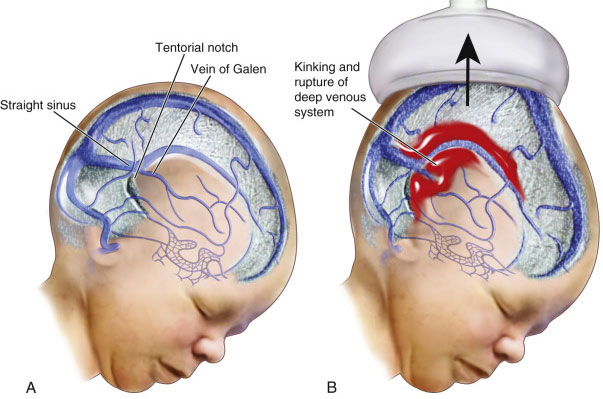
Brain Bleeds: An intracranial hemorrhage (also known as a brain bleed) occurs when the baby experiences head trauma that results in the rupturing of blood vessels in their brain. This bleeding can spread to other parts of the brain tissue, causing severe brain damage or even death.
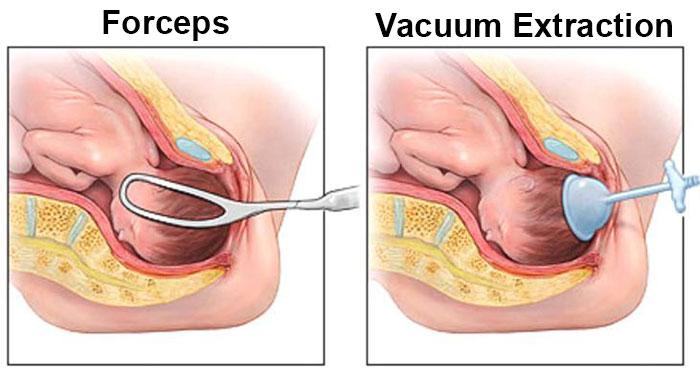
During an assisted delivery, excessive pressure on the baby’s head resulting from improper use of the forceps or vacuum extractor can lead to head trauma and brain bleeds. Poor delivery techniques, such as excessive twisting or overuse of force while pulling the baby’s head may also cause intracranial hemorrhage in the baby.
Other possible causes of brain bleeds include premature birth (blood vessels are underdeveloped and more fragile in premature babies), abnormal fetal positioning such as breech position, or certain developmental defects such as macrosomia or cephalopelvic disproportion (mismatch between the size of the fetal head and the maternal pelvis).
Preparations should be made ahead of time for an emergency cesarean section to minimize the risk of an intracranial hemorrhage and other birth injuries. In high risk pregnancies, medical interventions should be used to prevent early preterm birth and ensure safe delivery of the premature baby.
Skull fractures have the potential to cause brain bleeds if they are poorly treated. The symptoms can be delayed and sometimes take a couple of weeks to appear. This greatly increases the newborn’s risk of death.
The improper use of the forceps or vacuum extractors during an assisted delivery can lead to skull fractures as it places excessive pressure on the baby’s head. Poor delivery techniques, such as excessive twisting or overuse of force while pulling the baby’s head may also cause an intracranial hemorrhage in the baby.
Some skull fractures are mild and can heal on their own. But moderate and severe fractures require surgery and possibly further medical intervention over time. It is the responsibility of doctors and healthcare professionals to know the difference and recognize when to further treat an infant’s skull fracture.
Spinal Cord Injuries: Neonatal spinal cord injury is a birth complication that may occur when the medical providers strain the baby’s neck by twisting, pulling, or using assistive devices to remove them from the birth canal. Additionally, a spinal cord injury during delivery can sometimes be caused from undiagnosed damage that occurred before birth.
A spinal cord injury at birth disrupts the nerve connections between the baby’s brain and the rest of the body, typically resulting in catastrophic long-term consequences, such as limb weakness or paralysis, respiratory complications, or even the baby’s death.
The prognosis of spinal cord injury at birth is poor (meaning the rate of death and long-term disability is high). Therefore, early diagnosis and proper treatment is critical to prevent further neural damage or even a fatality. The medical provider should be able to recognize the symptoms of a spinal cord injury during delivery and should be able to differentiate the symptoms from neuromuscular diseases, hypoxic-ischemic encephalopathy (HIE), and a brachial plexus injury.
A mother may require a C-section delivery for multiple reasons. In most cases, C-sections are done to protect the mother or the baby, or both.
Delayed C-sections are a leading cause of birth injuries. Once a mother’s doctors or nurses realize there are life-threatening complications like fetal distress, they must get the baby out as quickly as possible. When doctors and nurses unreasonably delay or fail to perform C-sections, babies can end up with lifelong disabilities or may not even survive.
The National Library of Medicine recommends that emergency C-sections start within 30 minutes from the time the decision is made until the first incision. But ACOG recognizes that some C-sections must be performed faster depending upon the emergency condition. If medical professionals delay the procedure for too long and it leads to the baby’s death, it counts as medical malpractice.
Missed Diagnoses and Medication Errors
Families place trust in their primary healthcare providers to catch any issues or complications during a mother’s pregnancy. They also trust that healthcare providers will administer the proper treatment and medications for such complications.
Unfortunately, doctors, nurses, and other healthcare providers can make mistakes, miss the signs of a serious complication, or provide incorrect or insufficient treatment options. In some cases, these errors can result in the infant’s death.
Some specific scenarios of medical errors causing neonatal death include:
Some medical mistakes happen shortly after birth during treatment (or the lack thereof) in the neonatal intensive care unit (NICU). Babies born with birth complications or injuries often require extra attention afterward to ensure that they will have a fair chance at life.
Some injuries and complications are so severe that the baby naturally passes away from them in the NICU. In these cases, there is sometimes nothing that neonatal healthcare providers can do to prevent these fatalities.
However, in some unfortunate cases, preventable medical errors worsen the child’s conditions and cause their premature passing. Some examples of these errors include:
Failing to admit an at-risk infant to the neonatal intensive care unit, leading to worsening complications and death.
Failing to provide adequate breathing treatment to babies in respiratory distress, leading to asphyxia and death.
Missed or delayed diagnosis of a critical brain injury that results in the baby’s death.
It’s important to note that it requires a detailed review of the specific facts and timeline of a mother’s birth before making a definitive judgement as to whether medical malpractice played a factor in the child’s death.
What Compensation is Available Through an Infant Wrongful Death Lawsuit?
The available damages that can be recovered in an infant wrongful death lawsuit will vary, depending on different state laws and the unique circumstances of a family’s case. Generally, a family can sue for financial losses, including the medical, funeral, and burial expenses that come with the death of a child. They may also be able to sue for lost wages from the time taken off from work after their child’s death.
In addition, parents may be able to recover certain non-economic damages such as mental anguish and emotional distress. Compensation for “loss of companionship” may also be considered in infant wrongful death lawsuits for the loss of love, support, and care that parents would have received had their child still been alive.
Was My Newborn’s Death Preventable?
Parents who have endured the devastating loss of their newborn deserve to know whether it could have been prevented with better treatment. Our dedicated birth injury lawyers want to help you find those answers.
If a family believes medical negligence contributed to their child’s death, legal support may be an option. A knowledgeable birth injury attorney can review the medical records and circumstances to assess whether a claim exists. Miller Weisbrod Olesky will thoroughly investigate the facts and hold the responsible medical providers accountable by pursuing medical malpractice claims against them.
Sometimes, families are hesitant to reach out to a birth injury malpractice attorney or law firm. Parents might feel overwhelmed by their circumstances and worry that a law firm won’t be able to help. But the only way to find out if you have a case is to talk to an attorney who is familiar with how medical errors can cause infant wrongful death.
What is the Statute of Limitations in a Wrongful Death Lawsuit?
A statute of limitations (SOL) is a law that sets a time limit on how long an injured person has to file a lawsuit after an accident. It is essential to understand that statutes of limitations vary based on the type of case and the state where it is filed. For instance, the deadline for birth injury claims is typically different from other claims, such as injury to personal property, fraud, contract disputes, and collection of debts.
Generally, the clock starts ticking on the date the injury occurred. However, there are exceptions to this rule, and in some cases, the statute of limitations starts when a person discovers or reasonably should have discovered an injury. When dealing with government agencies, SOLs can become even more complex.
For example, if the party that injured you was:
A federal employee
Employed by a military hospital, Veterans Administration facility, or a federally funded medical entity
You may need to file a birth injury claim under the Federal Tort Claims Act (FTCA). In FTCA cases, claimants must go through certain administrative procedures before filing a lawsuit. In some states, if the negligent party was a local or state government hospital or the doctors and medical providers are employees of a governmental entity, the time period in which you must give "notice" may be shorter.
If your case is filed outside of the statute of limitations, it will typically be dismissed, and you will not be eligible to recover compensation for your injuries. Determining when a statute of limitations begins on your case can be tricky. If you're considering pursuing compensation for a birth injury, contacting an attorney as soon as possible is in your best interest.
How The Birth Injury Attorneys at Miller Weisbrod Olesky Can Help
It takes a detailed expert review of the facts and circumstances of your child's birth and death to determine whether their untimely passing came as the result of medical malpractice.
At Miller Weisbrod Olesky, a team of committed attorneys, nurses and paraprofessionals uses our detailed medical negligence case review process to assess your potential birth injury case. We start by learning more about you and your child and the status of meeting/missing developmental milestones. Then we gather medical records to determine what happened before, during, and after your delivery. We call in skilled medical experts who review your records and let us know if they think medical errors could have caused your child's injuries.
If we feel medical negligence caused or contributed to your child's death, we meet with you to discuss how you can receive compensation from the medical professionals who made the errors.
At no point in our legal intake process will we ask you to pay anything. The medical review of your case and the consultation are free. We only receive payment when you do. The sooner you reach out to us, the sooner we can begin investigating your case and gathering the evidence needed to support your claim.
We work on a contingency fee basis, meaning you won't pay any legal fees unless we win your case. Contact us today to schedule your free consultation by calling our toll-free line at (888) 987-0005 or by filling out our online request form.
Contact Miller Weisbrod Olesky
National Birth Injury Law
Our National Birth Injury Attorneys, nurses, and support staff understand that parents of children with birth injuries feel overwhelmed. So, every client has the attention and support of a team of trained, compassionate professionals. But we don’t just offer compassion.
Lyric C. I feel like our voice was heard in a sense of what can possibly go wrong in a delivery and finding us answers. I feel with our settlement, we are now in a comfortable position to provide for our son.
Lyssa L. They are not just people that say “hey let's get you money and let's go” The law firm was very thorough with us. It was awesome. I don't want to cry, because I think about and it's amazing that they were able to help me and that we were able to help my son and get the story out there.
Jay C. Throughout the process, one thing was clear to us, the ultimate interest of our child was the utmost concern of Max and his team and as parents navigating a situation like that, that was refreshing to know we had them firmly on our side. I highly recommend them.