Uterine Tachysystole
Uterine Tachysystole During Labor
Too frequent and excessive contractions during labor can cause severe birth injuries for both the mother and her newborn.

A mother experiences uterine tachysystole if her labor contractions occur more than five times within 10 minutes. Each labor contraction squeezes the blood vessels in the uterus, temporarily restricting oxygenated blood flow.
This process is natural; a baby can withstand a certain degree of diminished oxygenation during labor. However, when uterine tachysystole causes contractions to occur too frequently, they can lead to dangerous levels of oxygen deprivation.
When a baby does not get enough oxygen during delivery, it can result in permanent brain damage at birth. Brain injuries like hypoxic ischemic encephalopathy (HIE) and periventricular leukomalacia (PVL) can disrupt motor function and cause developmental delays. Brain damage at birth is the leading cause of cerebral palsy in young children.
Uterine tachysystole is a common side effect of labor inducing medications such as Pitocin or Cytotec. Overprescribing them can cause the uterus to contract too frequently and not have sufficient time to replenish placental blood flow.
Healthcare professionals sometimes overprescribe these medications or fail to identify and treat the mother’s symptoms. They may also neglect to detect fetal distress by not closely monitoring fetal heart rate tracings. When these mistakes result in preventable injuries like a uterine rupture or HIE, it can count as medical malpractice.
Birth Injury Malpractice Attorneys
Our top rated birth injury attorneys specialize in identifying how mismanaged labor and delivery complications lead to severe brain injuries. If you or your baby suffered preventable harm from mismanaged uterine tachysystole, don’t hesitate to contact our firm. We can answer difficult legal and medical questions and investigate the facts on your behalf.
Free Legal Consultation
Birth Injury Lawyers
(888) 987-0005Our Birth Injury Lawyers are available to meet you in your home or the hospital.
Our vast network of medical experts and in-house nursing staff and nurse-attorneys gives us the edge over our competition. When we take your case, we assign you with not just an attorney but an entire medical team. This team includes attorneys, experienced nursing advocates, and seasoned medical experts.
Your team is available to assist with any day-to-day treatment you or your child may need. This includes assistance with obtaining medical records, scheduling doctors’ appointments, providing transportation, and any other problems that may arise.
We offer all of this on a contingency fee basis. This means you will not pay any fees until after we win your case and secure a settlement. Our unmatched track record of birth injury results sets us apart from other birth injury law firms.

Recent Birth Injury Settlement:
Birth Injury settlement against a hospital in which nurses and physicians failed to properly monitor the mother's blood pressure during delivery causing an HIE event resulting in neonatal seizures and cerebral palsy at birth. Our team of top-rated birth injury lawyers recovered $13,750,000 for the family to help with future medical expenses and developmental therapy.
What is Uterine Tachysystole?

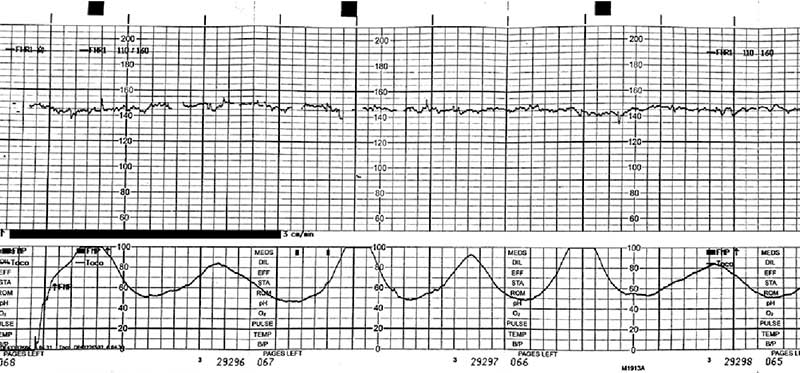
Typical labor contractions occur every 3-4 minutes. More than five contractions in 10 minutes may restrict oxygen rich blood flow and harm the fetus. If a laboring mother has more than five contractions in 10 minutes, she is suffering from uterine tachysystole.
During pregnancy, the umbilical cord provides the fetus with oxygen and other nutrients from the placenta. But during labor contractions, the oxygenated blood flowing in and out of the placenta begins to slow or stop entirely.
The placenta "recharges" between labor contractions and supplies the infant with life-giving blood and oxygen. During that recovery time, the fetus replenishes its oxygen supply and purges waste.
But the placenta can never recharge if the mother has no time between her contractions. This is how tachysystole causes oxygen deprivation and birth asphyxia, which in turn leads to fetal hypoxia and brain damage.
Uterine Hyperstimulation Vs. Tachysystole
Uterine hyperstimulation or "hypertonic uterine dysfunction" occurs whenever there is any increase in uterine activity associated with an irregular fetal heart rate. Conversely, uterine tachysystole describes a mother experiencing five or more contractions within 10 minutes for two consecutive 10-minute periods.
Uterine tachysystole is just one symptom of hyperstimulation, referring to the excessive frequency of contractions. But hyperstimulation considers other characteristics of labor contractions, such as how intense they feel and how long each contraction persists.
How Common is Uterine Tachysystole?
Uterine tachysystole is a fairly common labor and delivery complication, especially when doctors prescribe medications to induce labor.
A 2016 cohort study analyzed the prevalence of uterine tachysystole in a sample population of over 8000 expecting mothers. They found 11% of laboring mothers who didn't receive labor-stimulating medicine had at least one episode of uterine tachysystole. However, after administering labor-inducing medications, approximately 24% of women experienced uterine tachysystole.
Other studies estimate the prevalence of tachysystole to be as high as 40%, though the real percentage is likely lower. Incidence can depend on the mother’s underlying risk factors, sensitivity to medications, and the type of medication she receives.
What Causes Uterine Tachysystole?

The naturally-produced hormone oxytocin stimulates uterine contractions in childbirth and boosts prostaglandins. The mother's body produces periodic bursts of oxytocin to produce contractions and ultimately push the fetus through the birth canal. Gradually, increasing bursts of oxytocin cause contractions to become longer, stronger, and closer together until the mother finally gives birth.
Some mothers who experience weak contractions or prolonged labor may need labor-inducing medications to stimulate contractions. But these medications produce different contractions from those that a woman would naturally produce in labor. These contractions can last longer, have a higher intensity, or occur too frequently.
Overprescription of labor-inducing medications is the number one cause of uterine tachysystole. But sometimes other factors may contribute to the risk, including:
Placental Abruption
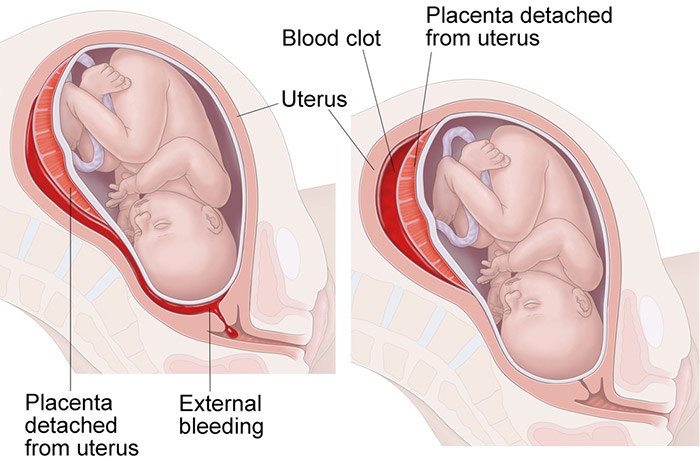
Placental Abruption is a serious condition where the placenta separates from the wall of the uterus before delivery. For an expecting mother, a placental abruption can cause blood clotting problems, kidney failure, and dangerous postpartum hemorrhaging. For the baby, the condition can lead to fetal asphyxia and require an emergency c-section.
Depending on when they occur, placental abruptions may cause premature labor contractions or require a premature delivery. This sometimes forces doctors to prescribe labor-inducing medications that increase the mother’s risk for tachysystole.
Preeclampsia
During pregnancy, some women have high blood pressure, also called hypertension. Hypertension can put the mother at risk for pregnancy complications like preeclampsia and eclampsia.
When preeclampsia occurs during pregnancy, a doctor may advise the mother to deliver early. This typically requires a healthcare professional to start labor artificially with labor-inducing medications. Administering too much medication can increase the mother’s risk for tachysystole.
Preeclampsia may cause unplanned preterm birth and affect the arteries carrying blood to the placenta, leading to slow fetal growth.
Maternal Dehydration
Staying hydrated during pregnancy is vital to maintaining amniotic fluids and helping the baby grow. When an expecting mother is dehydrated, it can cause premature contractions, preterm delivery, or decreased placental blood flow.
Dehydration during pregnancy can cause the mother's blood volume to decrease while subsequently increasing oxytocin levels. High levels of oxytocin can cause the uterus to contract too frequently and cause health problems for the baby.
Chorioamnionitis

Chorioamnionitis is a bacterial maternal infection that causes inflammation of the membranes and amniotic fluid surrounding the fetus. The infection can induce uterine contractions via the release of endotoxins and exotoxins.
This increase in uterine activity can deprive the fetus of oxygen and lead to serious adverse effects like HIE.
OB-GYNs, nurses, midwives, or other medical staff are responsible for closely monitoring a mother and her baby, especially during labor. They must quickly respond to any of the above risk factors or signs of fetal distress to avoid preventable injuries. When a doctor or other healthcare professional fails to respond appropriately to tachysystole, they may be liable for medical negligence.
What Are Signs of Uterine Tachysystole?

The contractions a mother will experience in early labor tend to be less painful, shorter, and more spaced apart. Contractions will begin to last longer, become more painful, and occur closer together as labor progresses.
According to the American Congress of Obstetricians and Gynecologists, even as labor intensifies, most contractions last under 90 seconds. A mother may be experiencing symptoms of uterine tachysystole if her contractions are excessively frequent during labor and delivery.
Doctors will diagnose a mother with tachysystole if she experiences over five contractions in 10 minutes. Additional signs may include reports of intense pain during early labor or non-reassuring fetal heart rates on the monitor.
What Are The Consequences of Uterine Tachysystole?
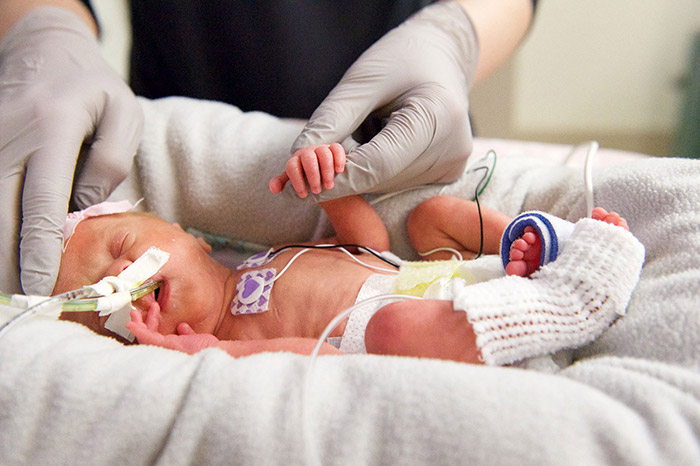
A steady supply of oxygen is crucial for the development and well-being of a fetus. When an expecting mother is experiencing uterine tachysystole, the baby loses that steady supply. Prolonged periods of oxygen deprivation can lead to multiple complications for both the mother and her baby.
Examples of primary risks from uterine tachysystole include:
Fetal Heart Rate Changes
A normal fetal heart rate is between 110 and 160 beats per minute. The baby's heart rate may change in response to excessive uterine contractions. An irregular fetal heart rate may indicate that the fetus is not getting enough oxygen or is experiencing another issue.
Hypoxia (oxygen deficiency)
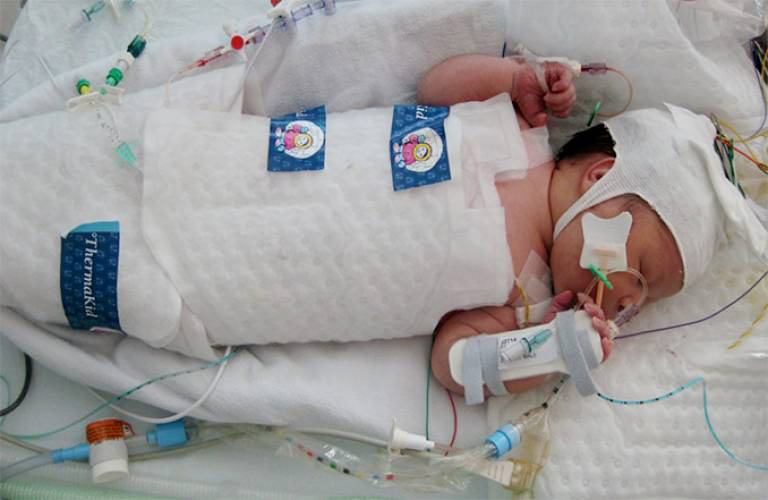
Prolonged uterine tachysystole increases the baby's chance of experiencing fetal hypoxia. Insufficient oxygen in the tissues may negatively impact fetal growth and increase the risk for developmental delays and intellectual disabilities.
Fetal Acidosis
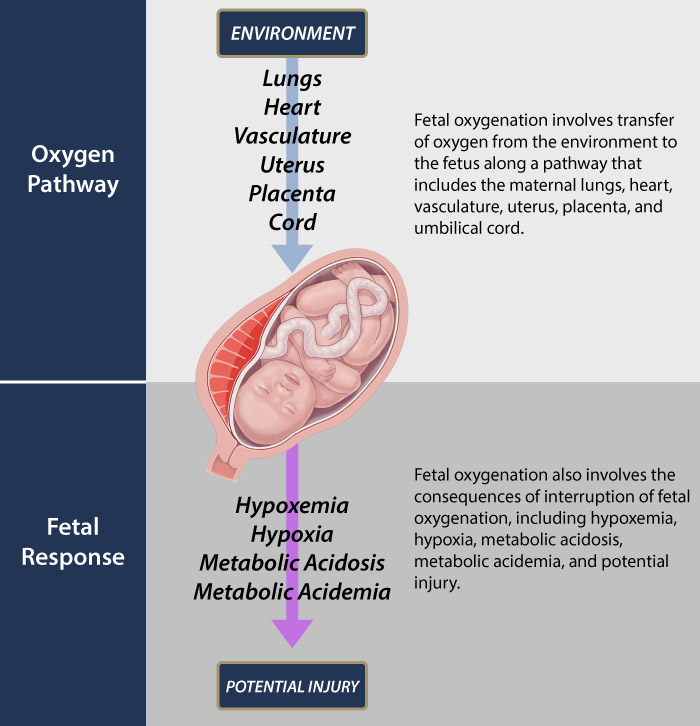
Perinatal asphyxia can result in too high of a concentration of carbon dioxide in the baby’s blood. This causes the baby's blood to become too acidic. A high level of acidity in the baby's blood can lead to lifelong disabilities like epilepsy or even cause death.
Ischemia (inadequate blood supply)
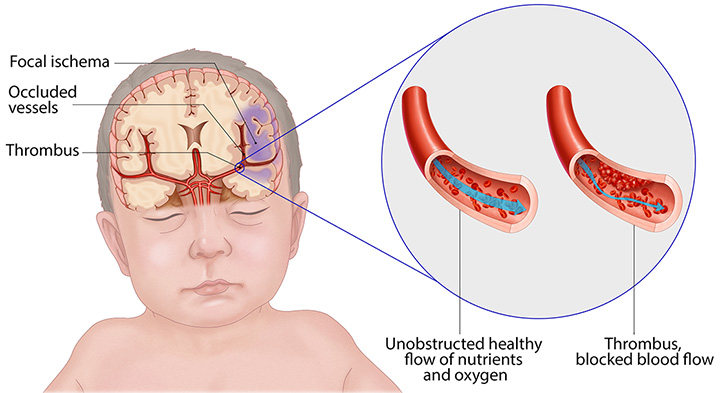
Excessive uterine contractions may interrupt maternal blood flow to the placenta. Perinatal ischemia occurs from the lack of oxygen that disrupts blood flow to the baby's brain. This can cause a baby to experience developmental delays, trigger seizures, and lead to complications like cerebral palsy.
Premature Birth
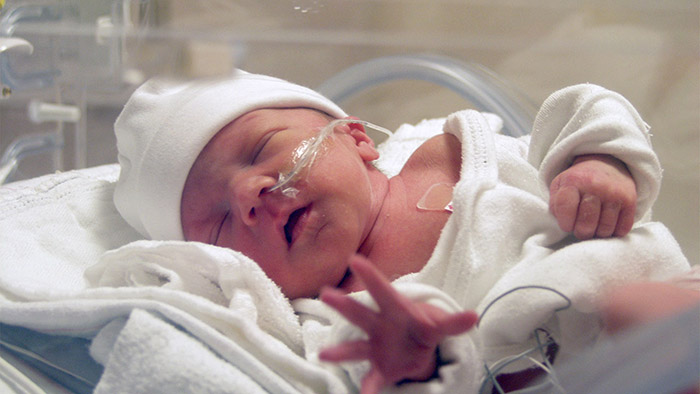
Uterine tachysystole can cause the cervix to rapidly dilate and efface, which may result in premature or preterm birth. A baby born too early may have difficulty breathing, trouble feeding, and suffer from long-term conditions like cerebral palsy.
Uterine Rupture

Severe cases of tachysystole can cause the uterine wall to tear or rupture. This sometimes results in the fetus spilling out from the womb and into the mother's abdomen.
Uterine rupture is a severe medical emergency that presents life-threatening risks for the mother and her child. Some of these risks include postpartum hemorrhaging, maternal mortality, and neonatal brain damage due to lack of oxygen.
Emergency C-Section
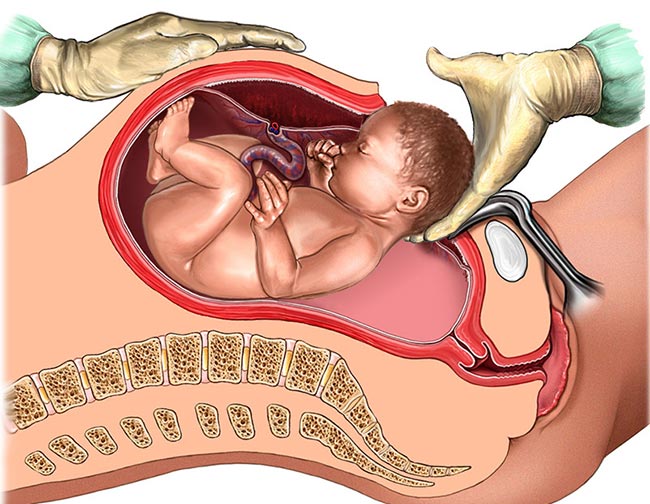
Uterine tachysystole can cause dangerous labor and delivery complications like fetal distress or uterine ruptures. These types of complications necessitate immediate delivery of the baby for the best chances of survival. Doctors may decide to perform an emergency C-section to minimize the risk of fetal hypoxia or maternal mortality.
Postpartum Hemorrhage

Frequent or prolonged uterine contractions may lead to complications like uterine ruptures or placental abruptions. These complications can cause severe maternal blood loss that can put the mother’s life in danger.
Neonatal Brain Injuries
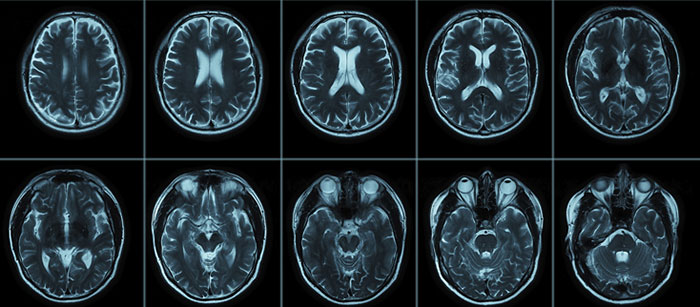
Excessive uterine activity may cause oxygen deprivation that results in an infant developing irreversible brain injuries. This can lead to conditions like:
- Hypoxic ischemic encephalopathy: a brain injury that happens when the baby's brain does not get enough oxygen or blood flow
- Cerebral palsy: a disorder caused by damage to the fetal or infant brain. Cerebral palsy affects a child's ability to move and maintain balance and posture
- Seizure Disorders: abnormal electrical activity in the brain that can stem from prolonged oxygen deprivation at birth
- Developmental and intellectual delays: impaired capabilities in gross motor function that can occur from underdeveloped or damaged brains
Medical professionals can avoid these devastating outcomes by responding quickly to signs of tachysystole and resulting fetal distress. Failing to adjust the dosage of labor-inducing medications or delaying an emergency C-section can both count as medical malpractice.
How to Treat Uterine Tachysystole?

Doctors and other healthcare providers must carefully monitor a mother's condition when administering medications like Pitocin or Cytotec.
When signs of tachysystole and fetal distress are present, doctors should lower the dosage or stop administration of Pitocin entirely. A physician may also provide supplemental oxygen, increase IV fluids, or adjust the mother to a left lateral position.
The mother's contractions may sometimes become dangerous and lead to prolonged fetal distress, placental abruption, or uterine rupture. In these cases, it may be necessary for a doctor to perform an emergency C-section.
Babies born to mothers who experienced uterine tachysystole are twice as likely to need further treatment after birth. Children who suffer from birth asphyxia may need treatment to reduce the severity of their brain damage. Treatment may include assisted ventilation or therapeutic hypothermia cooling.
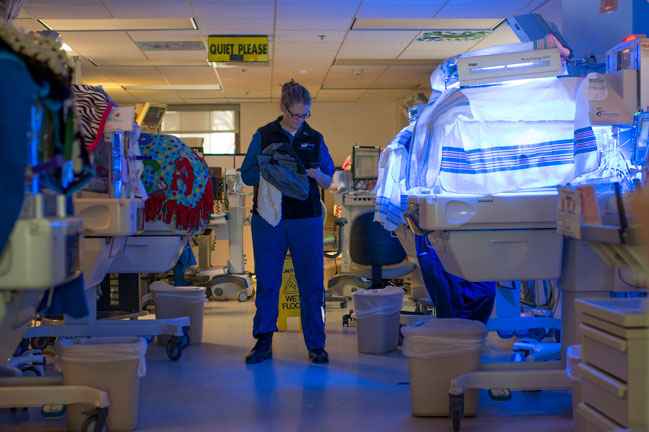
Doctors should conduct thorough neuroimaging tests when they suspect a child suffered a brain injury during birth. Understanding which parts of the brain received damage can help providers to better plan treatment for the baby’s future.
Did Medical Professionals Mismanage My Delivery?

Medical professionals may sometimes breach the professional standard of care when responding to a mother’s case of uterine tachysystole.
- The healthcare provider failed to consider risk factors before administering medications to induce labor
- The healthcare provider administered an excessive dose of Pitocin or continued to administer it over an extended period.
- The healthcare provider failed to monitor the mother and her baby adequately during labor.
- The healthcare provider failed to perform an emergency C-section on a mother who suffered a uterine rupture or fetal distress.
- The healthcare provider failed to provide initial treatment for tachysystole (giving oxygen, adjusting her position, or increasing her IV fluids)
- The healthcare provider failed to intervene despite non-reassuring fetal heart rates
If you believe the mismanagement of uterine tachysystole harmed you or your baby, contact one of our top rated birth injury attorneys. We can help you determine the strength of your case and explain your legal rights and options.
Families who have experienced the effects of birth injuries from negligent medical care deserve to know whether they were avoidable. Our birth injury lawyers will help you find those answers and obtain the necessary funds to secure treatment.
Our specialized birth injury team will thoroughly investigate the facts, holding responsible parties accountable by pursuing medical malpractice claims.
What is the Statute of Limitations in a Birth Injury Lawsuit?

A statute of limitations (SOL) is a law that sets a time limit on how long an injured person has to file a lawsuit after an accident. It is essential to understand that statutes of limitations vary based on the case and the state where you file. For instance, the deadline for birth injury claims is typically different from other claims, such as injury to private property.
Generally, the clock starts ticking on the date the injury occurred. However, there are exceptions to this rule. In some cases, the statute of limitations starts when a person discovers or reasonably should have discovered an injury. When dealing with government agencies, SOLs can become even more complex.
For example, if the party that injured you was:
- A federal employee
- Employed by a military hospital, Veterans Administration facility, or a federally funded medical entity
You may need to file a birth injury claim under the Federal Tort Claims Act (FTCA). In FTCA cases, claimants must go through certain administrative procedures before filing a lawsuit. In some states, you may have less time to give notice if:
- The negligent party was a local or state government hospital
- The doctors and medical providers are employees of a governmental entity
If you file your case outside of the statute of limitations, the court will typically dismiss it. This means you will not be eligible to recover compensation for you or your child’s injuries.
Determining when a statute of limitations begins on your case can be tricky. If you are considering pursuing compensation for a birth injury, contact an attorney as soon as possible.
How Can Our Birth Injury Attorneys Help?
Most cases of uterine tachysystole are manageable without causing permanent harm to the mother or her baby. However, it takes an expert review of the facts of your birth to determine whether medical professionals made preventable errors.
Our Process
Our nationally recognized team of committed attorneys, nurses and paraprofessionals works to answer these questions and seek compensation. We use our detailed medical negligence case review process to assess your potential birth injury case.
We start by learning more about your pregnancy by gathering records to determine what happened during and after your delivery. This includes evaluating the fetal heart rate strips during labor and the time it took to perform an emergency C-section.
We will call in skilled medical experts who review your records and provide insight into where medical professionals went wrong. If we feel medical negligence caused your postpartum injuries or your baby’s brain injuries, we contact you to discuss further.
At no point in our legal intake process will we ask you to pay anything. The medical review of your case and the consultation are free. We only receive payment once you do. The sooner you reach out, the sooner we can investigate your case and gather the evidence to support your claim.
We work on a contingency fee basis, meaning you will not pay any legal fees until we win your case. We do not purse any medical malpractice cases unless we fully believe we can win.
Contact us today to schedule your free consultation by calling our toll-free line at (888) 987-0005. You can also reach us by filling out our online request form.
National Birth Injury Law
Our National Birth Injury Attorneys, nurses, and support staff understand that parents of children with birth injuries feel overwhelmed. So, every client has the attention and support of a team of trained, compassionate professionals. But we don’t just offer compassion.
We offer a process to help you discover whether your child’s birth injury, HIE, cerebral palsy or brain injury at birth was caused by medical malpractice.
Call our offices today at (888) 987-0005 for experienced assistance in a free consultation.
Quick Links
Testimonials
- Lyric C. I feel like our voice was heard in a sense of what can possibly go wrong in a delivery and finding us answers. I feel with our settlement, we are now in a comfortable position to provide for our son.
- Lyssa L. They are not just people that say “hey let's get you money and let's go” The law firm was very thorough with us. It was awesome. I don't want to cry, because I think about and it's amazing that they were able to help me and that we were able to help my son and get the story out there.
- Jay C. Throughout the process, one thing was clear to us, the ultimate interest of our child was the utmost concern of Max and his team and as parents navigating a situation like that, that was refreshing to know we had them firmly on our side. I highly recommend them.
Popular Cities
- ★ Dallas Birth Injury
- ★ Houston Birth Injury
- ★ Atlanta Birth Injury
- ★ Chicago Birth Injury
- ★ Philadelphia Birth Injury
Locations
★ Dallas
11551 Forest Central Drive, Ste. 300
Dallas, TX 75243
★ Houston
12929 Gulf Freeway, Ste. 111
Houston, TX 77034