Postpartum Hemorrhage
Postpartum Hemorrhage During Delivery
A mother’s body undergoes incredible stress throughout the labor and delivery of her child. Sometimes, certain birth complications or medical errors can injure her, leading to severe bleeding after childbirth. This is known as a postpartum hemorrhage, and it is the leading cause of maternal mortality worldwide.
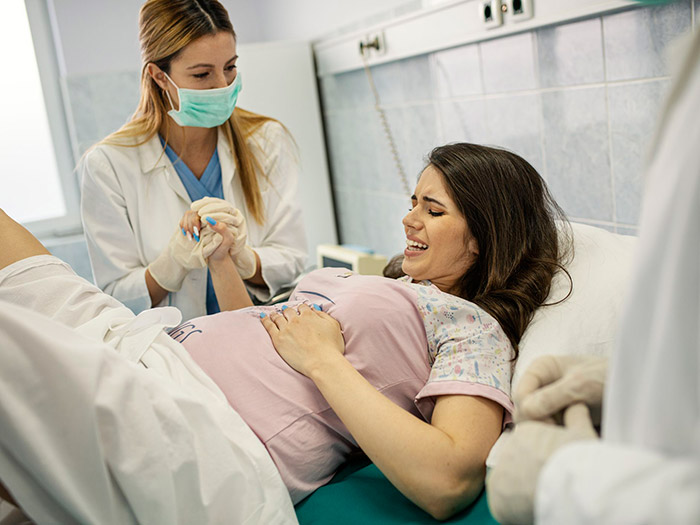
A mother’s postpartum hemorrhage can be painful and even life-threatening. Her best chance at survival and recovery comes when medical professionals swiftly identify excessive bleeding and begin treatment.
Delayed or improper treatment of a postpartum hemorrhage is medical malpractice if the mother doesn’t survive or sustains long-lasting injuries.
Birth Injury Malpractice Attorneys
Our nationally recognized birth injury attorneys specialize in identifying mismanaged labor and delivery complications. If you or someone you know suffered from the effects of a postpartum hemorrhage, don’t hesitate to contact our firm. We can answer difficult legal and medical questions and investigate the facts on your behalf.
Our vast network of medical experts and in-house nursing staff and nurse-attorneys gives us the edge over our competition. When we take your case, we assign you with an entire medical team. This team not only consists of attorneys but also nursing advocates and medical experts.
Your team is available to assist with any day-to-day treatment you or your child may need. This includes assistance with medical records, scheduling doctors’ appointments, providing transportation, and any other problems that may arise.
We offer all of this on a contingency fee basis. This means you will not pay any fees until after we win your case and secure a settlement. Miller Weisbrod Olesky’s unmatched track record of birth injury results sets us apart from other birth injury law firms.

Recent Birth Injury Settlement:
Birth Injury settlement against a hospital in which nurses and physicians failed to properly monitor the mother's blood pressure during delivery causing an HIE event resulting in neonatal seizures and cerebral palsy at birth. Our team of top-rated birth injury lawyers recovered $13,750,000 for the family to help with future medical expenses and developmental therapy.
What Is a Postpartum Hemorrhage?

A postpartum hemorrhage refers to severe vaginal bleeding after childbirth. “Postpartum” refers to the period after giving birth, and a “hemorrhage” is any form of bleeding from damaged blood vessels.
Doctors expect minimal to moderate bleeding after the mother’s delivery. However, losing over a liter (33 fluid ounces) of blood is abnormal and grounds for immediate medical intervention. Doctors should identify postpartum hemorrhage when the mother’s vaginal bleeding is heavy, persistent, and uncontrollable.
What Are the Types of Postpartum Hemorrhage?
There are two types of postpartum hemorrhage: primary and secondary.
Primary Postpartum Hemorrhage
Primary Postpartum Hemorrhage happens immediately after delivery or within the first 24 hours of delivering.
Secondary Postpartum Hemorrhage
Secondary or late postpartum hemorrhage can occur up to 12 weeks following the mother’s delivery.
Most postpartum hemorrhages are primary, occurring immediately after delivery.
What Causes Postpartum Hemorrhage?
Postpartum hemorrhage can have a couple of different causes. Medical researchers refer to the most common causes of postpartum hemorrhaging as The 4 “T”s. The 4 “T”s include:
Tone
The lack of muscle tone in the uterus (known as uterine atony) is the most common cause of postpartum hemorrhage. Uterine atony occurs when the uterus fails to properly contract after birth; it accounts for 70% of postpartum hemorrhage cases.
A mother’s labor contractions are important for more reasons than just pushing the baby out. They also help to compress and constrict open blood vessels to prevent excessive blood loss after delivering.
Without sufficient contractions, the ruptured blood vessels in the mother’s uterus remain exposed and risk hemorrhaging.
Birth Trauma
Birth trauma during labor can also result in a mother’s postpartum hemorrhage.
Certain fetal complications can increase the risk of tears or lacerations to the mother’s birth canal during delivery. This includes abnormalities like macrosomia (larger-than-average baby) or cephalopelvic disproportion (when the baby’s head is larger than the mother’s pelvis).
A doctor’s use of excessive force during delivery can also result in trauma and excessive bleeding for the mother. This sometimes occurs through their improper use of delivery instruments like forceps and vacuum extractors to deliver the baby. It can also include mistakes like using fundal pressure in cases of shoulder dystocia.
One of the most common traumatic maternal injuries leading to postpartum hemorrhaging is a uterine rupture.

Whether resulting from medical errors or occurring naturally, uterine ruptures put the mother at substantial risk for excessive bleeding. Doctors must intervene immediately when they suspect or identify a mother’s uterus to be torn, ripped, or fully ruptured.
Tissue
Retained placental tissue after delivery is another cause of postpartum hemorrhages. When the mother’s body retains placental fragments, membranes, and tissue in her uterus, it can prevent sufficient uterine contractions.
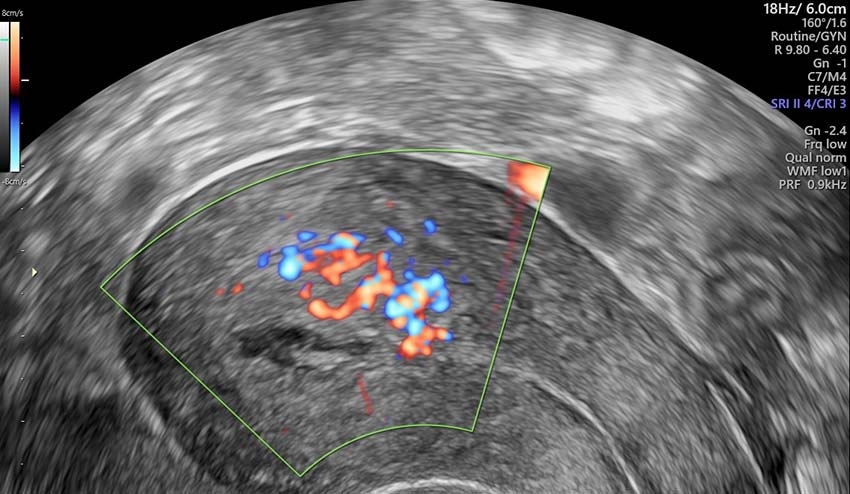
A retained placenta occurs when the placenta either fully or partially fails to detach from the uterine lining. Continued attachment to the uterine wall prevents the uterus from contracting fully, leaving exposed and open blood vessels. If the tissue remains trapped inside the mother’s uterus, it can lead to uterine atony and prolonged hemorrhaging.
Thrombin
Issues with coagulation (the thickening of blood to prevent bleeding) can contribute to a mother’s postpartum hemorrhage.
Thrombin is an enzyme that plays a key role in producing fibrin, the protein that creates blood clots. Issues with coagulation (called “coagulopathy”) can disrupt the natural blood-clotting process and increase the mother’s risk of excessive bleeding.
What Are the Risk Factors for Postpartum Hemorrhage?
Certain conditions and complications can raise a mother’s risk for experiencing a postpartum hemorrhage. Such complications include:
Emergency C-Section Delivery
Postpartum hemorrhaging is significantly more prevalent in mothers who undergo an emergency C-section procedure. The trauma from surgically cutting into her uterus typically results in around double the blood loss of a vaginal birth.
Furthermore, previous C-sections can affect the mother’s uterine tone and increase her risk for uterine atony in future deliveries.
Placental Complications
A number of different placental complications can increase a mother’s risk for hemorrhaging postpartum. Complications like placenta previa can increase the likelihood of placental abruptions, which come with severe blood loss.
Additionally, complications like placenta accreta can increase the risk of retained products of conception. This can affect post-labor contractions and consequently result in hemorrhaging.
HELLP Syndrome
HELLP Syndrome is a rare but dangerous medical condition that affects a small percentage of expecting mothers during pregnancy. It is more common in pregnancies where the mother experiences preeclampsia.
Mothers with HELLP Syndrome have lower red blood cell counts and lower platelet counts, which are responsible for blood clotting. Because of this, mothers diagnosed with the condition are at a higher risk for uncontrollable bleeding and postpartum hemorrhaging.
Maternal Obesity
Medical experts classify any expecting mother with a body mass index (BMI) over 30 as obese. Mothers with obesity are at a higher risk for related complications like preeclampsia, gestational diabetes, and fetal macrosomia.
These types of complications can all contribute to labor and delivery complications that threaten the mother’s safety during delivery.
About Obesity-Related Birth Injuries
Precipitous Labor
A precipitous labor occurs when the mother gives birth in under three hours after her water breaks.
The contractions a mother undergoes during precipitous labor can be so forceful that they damage the uterine lining. If this happens, it can cause severe internal bleeding and postpartum hemorrhage. Perineal tears and vaginal lacerations can also contribute to heavy bleeding after a mother’s rapid labor.
Prolonged or Arrested Labor
On the opposite end of the spectrum, prolonged and arrested labor can also increase a mother’s risk for postpartum hemorrhage.
Mothers who experience a prolonged or arrested labor are more likely to require emergency C-section deliveries. They are also more likely to need delivery instruments like forceps and vacuum extractors to help push the baby out. Both types of procedures can increase the mother’s risk for bleeding.
About Prolonged and Arrested Labor
Pregnancy Complications
In addition to the listed risk factors, different pregnancy complications can contribute to a mother’s risk for postpartum hemorrhaging. Some of these complications include:
- Vasa Previa
- Chorioamnionitis
- Polyhydramnios
- Twin pregnancy
- Macrosomia and Cephalopelvic Disproportion
Medical professionals must carefully monitor a mother for these risks during prenatal testing appointments. Failing to identify them can unnecessarily complicate her delivery and increase the risk for hemorrhaging and other injuries.
What Are the Signs of a Postpartum Hemorrhage?

When a mother is hemorrhaging postpartum, she will often display other signs beyond just considerable blood loss. Some key symptoms that doctors should watch for when they suspect a postpartum hemorrhage include:
- The mother’s increased heart rate (tachycardia)
- Pale and/or clammy skin
- Pain and/or swelling near the mother’s vaginal area, perineal area, or C-section incision.
- A significant decrease in the mother’s red blood cell count
- Any reported dizziness, blurred vision, or faintness
- The mother’s loss of consciousness
In cases of secondary postpartum hemorrhage, the mother may not experience these symptoms until after leaving the hospital. This underscores the importance of scheduled follow-up antenatal visits. Doctors should carefully monitor the mother during these appointments for any signs of postpartum hemorrhaging and other complications after birth.
Postpartum Hemorrhage Causing Anemia
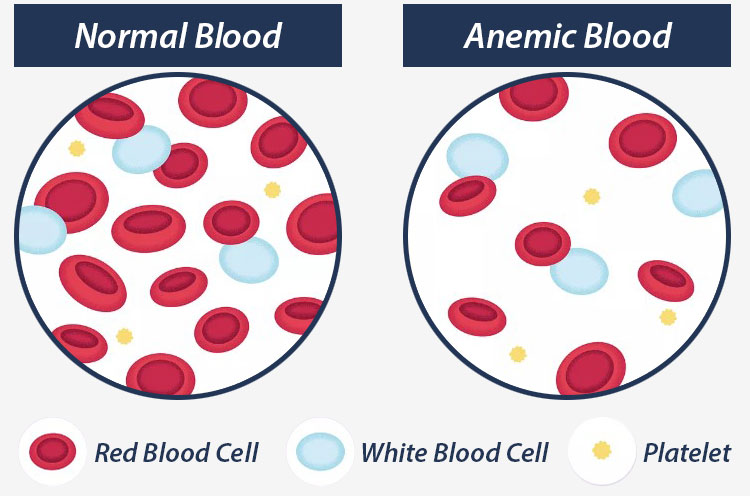
When a large amount of blood loss occurs rapidly, anemia is often a consequence.
Anemia after postpartum hemorrhage can destroy the mother’s remaining red blood cells faster than her body can replace them. This can result in a mother’s depleted energy, increased heart strain and hypertension, and increased risk for stroke.
How to Diagnose a Postpartum Hemorrhage?
In some cases, doctors will be able to immediately identify a mother’s postpartum hemorrhage through visual and physical examination.
When treating any type of bleeding postpartum, medical professionals should keep track of the number or weight of blood-soaked sponges. Weighing or keeping count of these pads/sponges can help them estimate just how much blood the mother has lost.
Beyond physical examination, doctors may use imaging tools such as ultrasounds to examine the mother’s uterus and internal organs. This can help them detect any retained placental tissue or uterine rupturing.
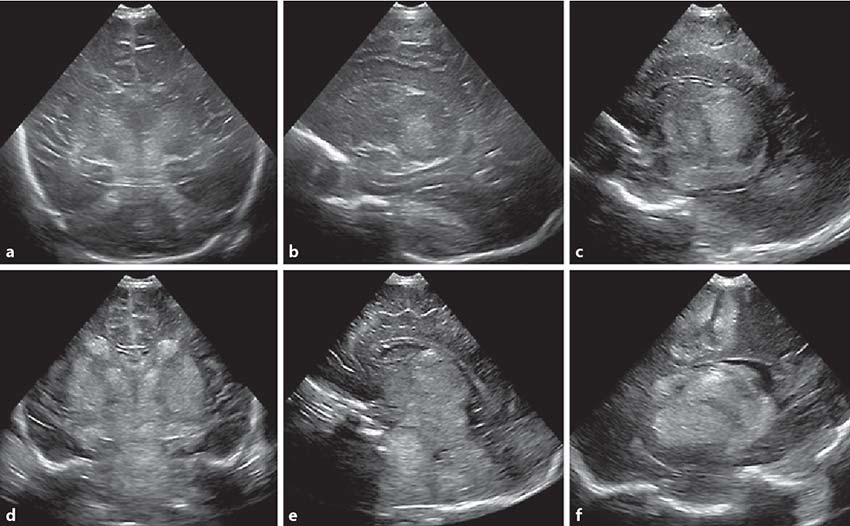
Other testing procedures may include pelvic examinations or hematocrit blood tests to measure the mother’s red blood cell count.
Doctors should also continue to monitor the mother’s vital signs after birth, such as her blood pressure and heart rate. Elevated heart rate and/or low blood pressure can be indicators of substantial blood loss.
How to Treat a Postpartum Hemorrhage?
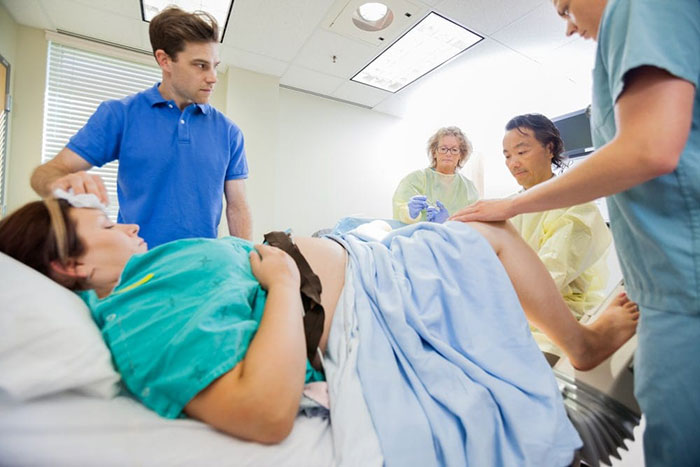
A mother’s postpartum hemorrhage is a medical emergency requiring immediate treatment. Doctors must do everything they can to stop the bleeding, including:
Using Labor-Inducing Medications
Administering labor-inducing medications like Pitocin or Cytotec can treat cases of uterine atony and help the uterus to fully contract.
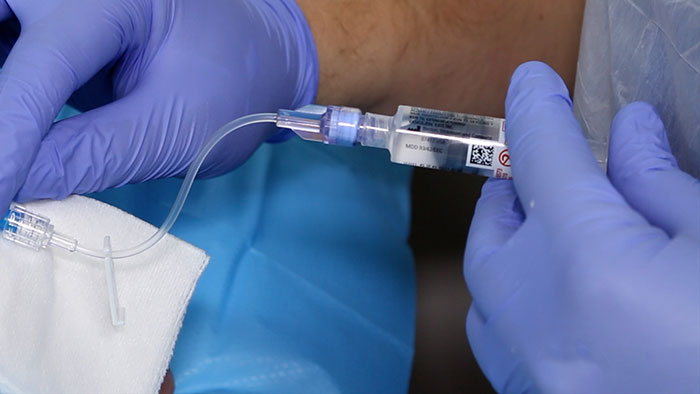
While doctors typically prescribe them during prolonged and arrested labors, these medications can help blood vessels fully constrict after delivery. They can also help the mother pass any remaining placental tissue or material stuck inside of her uterus after birth.
Dilation and Curettage Procedures
When a mother has remaining placental tissue intact after birth, doctors will sometimes need to manually scrape it out. They sometimes do this with a procedure called dilation and curettage.
The procedure involves doctors using medication to further dilate (open) the mother’s cervix. Then, a medical professional uses an instrument called a curette to scrape or suction any remaining tissue.
Doctors perform dilation and curettage to control heavy bleeding or to treat miscarriages, such as a blighted ovum miscarriage.
Other Medical Procedures
Depending on the severity of the mother’s postpartum hemorrhage, doctors may perform a variety of medical procedures to intervene. These procedures can include:
- Blood Transfusions: If the mother has already sustained life-threatening blood loss, doctors may perform a blood transfusion.
- Laparotomy: If doctors cannot identify the source of the mother’s bleeding, they may perform a laparotomy to analyze her organs.
- Hysterectomy: In extreme cases of uterine rupture, doctors may have no choice other than to surgically remove the mother’s uterus.
Medical professionals must employ all methods and intervention strategies necessary to prevent the mother’s life-threatening blood loss. Delayed treatment can increase her maternal mortality risk.
Postpartum Hemorrhage Follow-Up Treatment
After doctors perform any critical life-saving intervention methods, they may take smaller steps to ensure the mother’s safe recovery. These treatments may include:
- IV fluids to prevent dehydration and risk of fainting.
- Supplemental oxygen therapy via a ventilator.
- Supplements rich in iron to combat the risk of anemia.
- Prescribing iron-rich supplements to promote hemoglobin and red blood cell production.
- Stitching and repairing any uterine, vaginal, or perineal tearing.
How to Prevent Postpartum Hemorrhaging?

The best prevention method for a postpartum hemorrhage comes with early identification of high-risk pregnancy complications. During routine prenatal testing check-ups, healthcare providers should thoroughly assess a mother’s medical history and identify any abnormalities.
If the mother’s body mass index classifies her as obese, her risk for complications like preeclampsia and HELLP Syndrome increases. When doctors identify these complications early, they can prepare and prescribe medication in advance to treat any resulting symptoms.
Prenatal testing can also reveal fetal complications like macrosomia, cephalopelvic disproportion, and abnormal fetal position and presentation. Discovering these complications early can help doctors to plan for labor ahead of time. Knowing the risks, they may opt to schedule a planned C-section delivery rather than attempting vaginal birth and risking trauma.
Did Doctors Mismanage My Labor and Delivery Complications?

Medical research estimates that 1 to 5 out of every hundred mothers will suffer from a postpartum hemorrhage. Birth injury negligence, such as delaying treatment or failing to monitor for retained products of conception, can be life-threatening.
If a family believes medical negligence contributed to a mother’s postpartum injuries or death, legal support may be an option. A specialized birth injury attorney can review the medical records and circumstances to assess whether a claim exists.
Families who have experienced the effects of birth injuries deserve to know whether better medical care could have prevented them. Our top-rated birth injury lawyers will help you find those answers and obtain the necessary funds to secure treatment.
Our team at Miller Weisbrod Olesky will thoroughly investigate the facts, holding responsible parties accountable by pursuing medical malpractice claims.
What Is the Statute of Limitations in a Birth Injury Lawsuit?

A statute of limitations (SOL) is a law that sets a time limit on how long an injured person has to file a lawsuit after an accident. It is essential to understand that statutes of limitations vary based on the case and the state where you file. For instance, the deadline for birth injury claims is typically different from other claims, such as injury to private property.
Generally, the clock starts ticking on the date the injury occurred. However, there are exceptions to this rule. In some cases, the statute of limitations starts when a person discovers or reasonably should have discovered an injury. When dealing with government agencies, SOLs can become even more complex.
For example, if the party that injured you was:
- A federal employee
- Employed by a military hospital, Veterans Administration facility, or a federally funded medical entity
You may need to file a birth injury claim under the Federal Tort Claims Act (FTCA). In FTCA cases, claimants must go through certain administrative procedures before filing a lawsuit. In some states, you may have less time to give notice if:
- The negligent party was a local or state government hospital.
- The doctors and medical providers are employees of a governmental entity.
If you file your case outside of the statute of limitations, the court will typically dismiss it. This means you will not be eligible to recover compensation for you or your child’s injuries. Determining when a statute of limitations begins on your case can be tricky. If you are considering pursuing compensation for a birth injury, contact an attorney as soon as possible.
How Can Our Birth Injury Attorneys Help You?
Labor and delivery complications are not always preventable, but medical errors are. It takes an expert review of the facts of your birth to determine whether medical professionals mismanaged your postpartum hemorrhage.
At Miller Weisbrod Olesky, our team of committed birth injury attorneys, nurses and paraprofessionals works to answer these questions and seek compensation. We use our detailed medical negligence case review process to assess your potential birth injury case.
We start by learning more about your pregnancy by gathering records to determine what happened during and after your delivery. This includes a detailed review of the treatment doctors provided or failed to provide after labor.
We will call in skilled medical experts who review your records and provide insight into where medical professionals went wrong. If we feel medical negligence caused or worsened your postpartum injuries, we meet with you to discuss further.
At no point in our legal intake process will we ask you to pay anything. The medical review of your case and the consultation are free. We only receive payment once you do. The sooner you reach out, the sooner we can investigate your case and gather the evidence to support your claim.
We work on a contingency fee basis, meaning you will not pay any legal fees until we win your case. We do not purse any medical malpractice cases unless we fully believe we can win. Contact us today to schedule your free consultation by calling our toll-free line at (888) 987-0005. You can also reach us by filling out our online request form.
National Birth Injury Law
Our National Birth Injury Attorneys, nurses, and support staff understand that parents of children with birth injuries feel overwhelmed. So, every client has the attention and support of a team of trained, compassionate professionals. But we don’t just offer compassion.
We offer a process to help you discover whether your child’s birth injury, HIE, cerebral palsy or brain injury at birth was caused by medical malpractice.
Call our offices today at (888) 987-0005 for experienced assistance in a free consultation.
Quick Links
Testimonials
- Lyric C. I feel like our voice was heard in a sense of what can possibly go wrong in a delivery and finding us answers. I feel with our settlement, we are now in a comfortable position to provide for our son.
- Lyssa L. They are not just people that say “hey let's get you money and let's go” The law firm was very thorough with us. It was awesome. I don't want to cry, because I think about and it's amazing that they were able to help me and that we were able to help my son and get the story out there.
- Jay C. Throughout the process, one thing was clear to us, the ultimate interest of our child was the utmost concern of Max and his team and as parents navigating a situation like that, that was refreshing to know we had them firmly on our side. I highly recommend them.
Popular Cities
- ★ Dallas Birth Injury
- ★ Houston Birth Injury
- ★ Atlanta Birth Injury
- ★ Chicago Birth Injury
- ★ Philadelphia Birth Injury
Locations
★ Dallas
11551 Forest Central Drive, Ste. 300
Dallas, TX 75243
★ Houston
12929 Gulf Freeway, Ste. 111
Houston, TX 77034