Cortical Visual Impairment
What is Cortical Visual Impairment (CVI)?

Cortical/Cerebral Visual Impairment (CVI) is a neurodevelopmental visual disorder that stems from brain damage at birth. It differs from other vision impairments because the eyes themselves are intact and healthy.
Rather than an issue with the eyes themselves, the brain’s occipital lobes and posterior visual pathways are unable to process visual information. While the child can technically see fine, their brain struggles to interpret what it’s looking at.
Children with CVI will often struggle to recognize faces, locate objects, or track movement. It will also be easier for them to get overstimulated in crowded environments. However, early intervention can help your child learn and navigate the world around them.
Babies can develop CVI when they experience seizures or other abnormal brain activity around the time of birth. It can also happen when they suffer from brain injuries like hypoxic ischemic encephalopathy (HIE) or periventricular leukomalacia (PVL). These kinds of injuries are primarily the result of oxygen deprivation during birth.
While many brain injuries at birth can happen because of pregnancy complications or problems during labor and delivery, medical errors can greatly increase the risk of brain damage.
When doctors, nurses, and other healthcare providers make preventable medical mistakes or miss signs of fetal distress, this is called medical malpractice.
What Causes Cortical Visual Impairment?
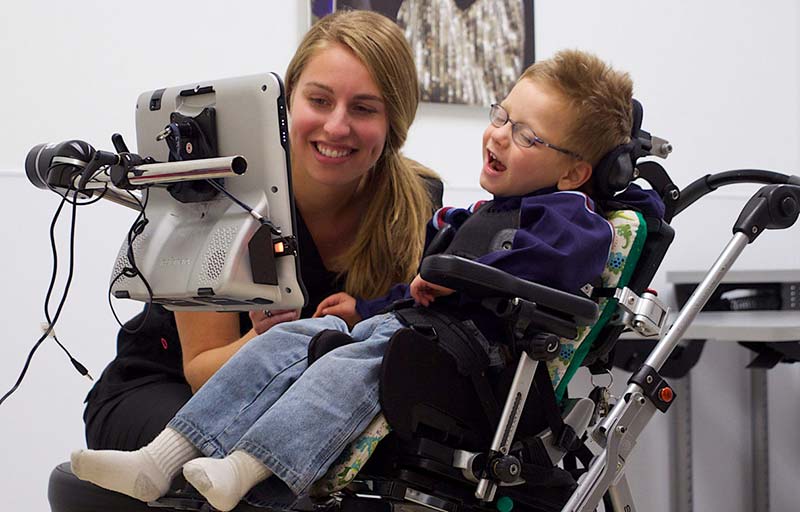
Cortical visual impairment (CVI) is the most common cause of visual impairment in children. There are many reasons why CVI can occur, and it often co-occurs with other conditions.
Most commonly, brain injuries that occur before, during, or shortly after birth cause CVI. The damage caused by brain and birth injuries can affect areas of the brain that process visual cues, including:
- Temporal Lobe: Responsible for recognition of what you see, like objects or faces.
- Occipital Lobe: Processes what you see
- Parietal Lobe: Helps you understand where things are in relation to you and how they move
The most common cause of CVI is a lack of oxygen to the brain, which is called hypoxic-ischemic encephalopathy (HIE). When oxygen is blocked from flowing to the brain, those cells begin to die. Even just a minute or two of oxygen deprivation can cause dangerous, irreversible brain damage at birth.
Hypoxic-Ischemic Encephalopathy (HIE)
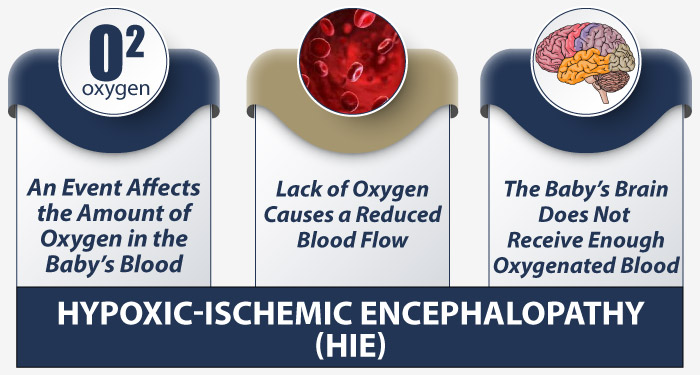
Hypoxic-Ischemic Encephalopathy (HIE) is a brain injury caused by reduced oxygen in the blood and decreased blood flow to the brain. This usually occurs around the time a baby is born. However, HIE can occur at any time during a woman’s pregnancy, labor and delivery, or after the baby is born.
- Hypoxic – means there’s a shortage of oxygen in the blood
- Ischemic - means the blood flow is reduced
- Encephalopathy – means disease, damage, or malfunction of the brain
Along with an increased risk of CVI, babies with HIE often have cognitive deficits, developmental delays, and serious disabilities like cerebral palsy. Their families face long-term and even lifetime consequences, including costly medical treatments, therapies, assistive devices and technology, and caregivers.
Common complications that may cause HIE include:
- Birth Asphyxia
- Umbilical Cord Problems
- Placental Complications
- Prolonged & Arrested Labor
- Uterine Hyperstimulation
- Abnormal Fetal Positions & Size Abnormalities
- High-Risk Pregnancies
HIE is sometimes preventable. Doctors, nurses, midwives, and other medical staff should be aware of risk factors. Careful fetal monitoring and timely intervention could prevent or minimize brain damage for some infants. Failing to do so is medical malpractice.
Neonatal Seizures
Neonatal seizures or neonatal convulsions are epileptic fits that may occur during the first four weeks after birth (which is called the neonatal period). The first week after birth is particularly the most vulnerable for developing seizures.
Seizures during this time are often an important indicator that fetal distress and oxygen deprivation during the labor and delivery process. Newborn babies that suffer neonatal seizures are at high risk of brain injuries such as hypoxic-ischemic encephalopathy (HIE) and cerebral palsy.
Neonatal seizures are the result of abnormal electrical activity in the brain usually caused by damage or injury to one or more areas of the brain, such as areas responsible for visual processing. Seizures are often a sign that the baby suffered fetal distress or birth trauma during the labor and delivery process or shortly after birth.
Neonatal Hydrocephalus

Hydrocephalus, or "water on the brain," is a medical condition that occurs when there is an excessive build-up of Cerebrospinal Fluid (CSF) in the brain. This fluid is a normal and necessary part of the brain's functioning. However, if there is a blockage flow, a lack of absorption, or overproduction of this fluid, it can lead to increased pressure on a baby's brain, expand their skull bones, and cause brain damage of varying severity.
Hydrocephalus happens in 1 to 2 babies out of every 1,000 births and most often occurs due to trauma to a baby's head during labor and delivery. The effects of hydrocephalus vary from child to child. Around half of children born with this condition have intelligence or cognitive issues. Other young victims of hydrocephalus suffer from complications like CVI and may face years of speech, occupational, and physical therapy.
Intracranial Hemorrhage

A neonatal intracranial hemorrhage (ICH) or brain bleed is a birth injury that can occur during childbirth, resulting in bleeding inside the baby’s brain. In this birth complication, the tearing of blood vessels within the baby’s brain causes the blood to spread to other parts of the brain tissue.
Intracranial hemorrhage is a leading cause of unfavorable neurological outcomes in infants, including CVI. Initial symptoms may be subtle, and the medical team assisting with the labor and delivery should be trained to detect, prevent, and minimize brain bleeds.
Babies who have suffered hypoxic-ischemic encephalopathy (HIE) around the time of birth are likely to have intracranial hemorrhages. Both HIE and/or ICH put the baby at an increased risk of cerebral palsy. Long-term complications may include cortical visual impairment (CVI), hemiplegia (paralysis in one side of the body), ataxia (loss of muscle control), and developmental delays.
Premature Birth
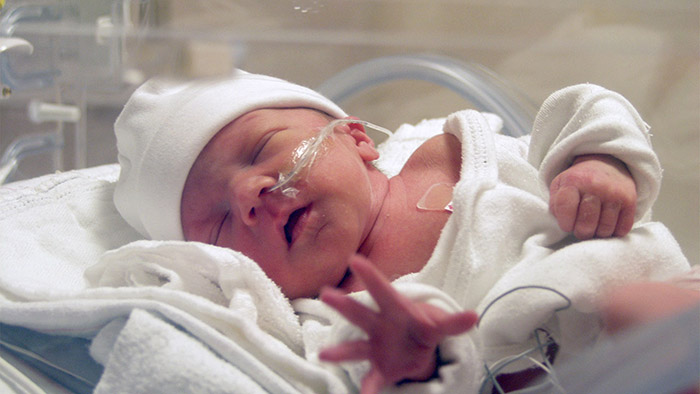
Babies who are born prematurely or preterm have a greater chance of developing cortical visual impairment (CVI). The final weeks of pregnancy are vital for the full development of the baby’s brain and are at higher risk of birth injuries, especially hypoxic-ischemic encephalopathy (HIE) and cerebral palsy.
While all babies born before the completion of 37 weeks of pregnancy are at a risk of health problems, the likelihood significantly increases when the preterm birth occurs before 34 weeks gestation. Damage to the brain’s white matter, a condition called periventricular leukomalacia, is common in preterm infants and can increase the risk of CVI as well.
According to researchers preventive as well as therapeutic measures have been well-studied for the underlying causes of breathing problems, like respiratory distress syndrome, in premature babies. Timely and correct implementation of neonatal resuscitation measures can reduce the chances of a brain injury from a hypoxic or anoxic event.
Neonatal Infections
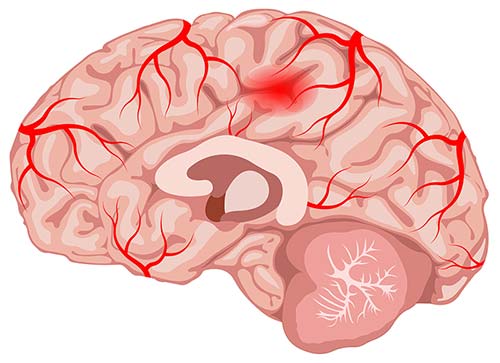
Encephalitis is an infection that causes inflammation of the brain tissue. It is typically caused by a different bacterial or viral infection in the body. Encephalitis can have catastrophic effects for both newborns and people of all ages due to its impact on the brain.
Newborns infected with encephalitis can first exhibit flu-like symptoms, but then more serious symptoms will begin to develop, including:
- Swelling of the head
- Body stiffness
- Loss of vision or hearing
- Seizures
- Loss of consciousness (coma)
Cases of neonatal encephalitis have been linked to lifelong neurological disorders such as cortical visual impairment, hypoxic-ischemic encephalopathy, and cerebral palsy. Immediate treatment is required to prevent permanent brain injury and developmental delays.
Neonatal Meningitis is an infection of the thin membranous outer covering of the brain and spinal cord. It is typically caused by another bacterial infection like Group B Strep or E. coli.
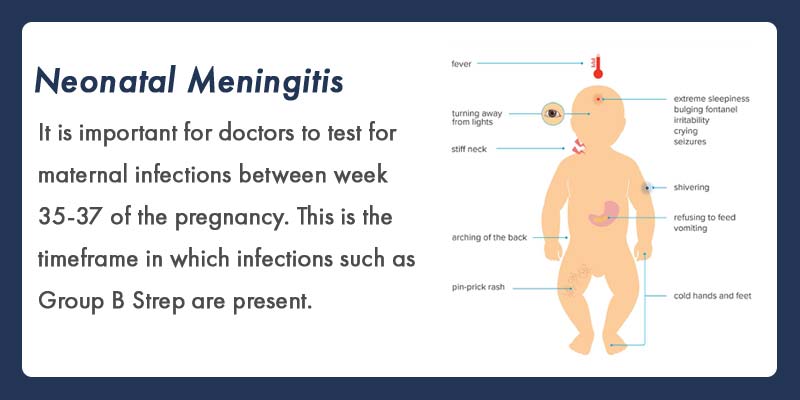
According to the National Meningitis Association, there are approximately 1,000 cases of meningitis annually, 80% of which affect infants. While meningitis affects people in all age groups, babies with less developed immune systems are particularly susceptible to developing this condition. A premature birth or low birth weight may also contribute to a newborn’s risk of infection.
When left untreated, neonatal meningitis may cause infants to lose their hearing and suffer from:
Medical professionals must provide optimal prenatal care to ensure a healthy delivery, especially during the third trimester. If a doctor fails to recognize and treat the infection promptly, an infected newborn will often require treatment in a neonatal intensive care unit (NICU). Resulting birth injuries from undiagnosed or untreated meningitis can affect a child's quality of life, including an onset of cortical visual impairment.
What Are the Symptoms of Cortical Visual Impairment?
Depending on the extent of damage to parts of the brain responsible for visual processing, symptoms can range from mild to severe. Symptoms can also vary based on your child’s age and how early treatment intervention started.
Perkins School for the Blind identified 16 visual behaviors in children with CVI, including:
Appearance and Movement of the Eyes
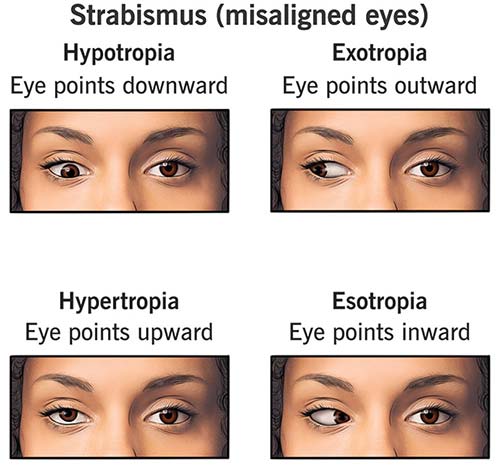
Most children with CVI may have noticeable eye abnormalities, such as eye misalignment (strabismus). One eye may point inward, upward, downward, or outward while the other eye is pointed in a different direction.
The alignment of the eyes may change depending on their environment or tasks. Misalignment may be more pronounced when a child is sick, overwhelmed, or fatigued. The eyes may have difficulty with physical movement, such as difficulty fixating on an object, rhythmic eye movements (nystagmus), and distinct eye use preferences.
Light-Gazing or Light Aversion (Photophobia)
Some children with CVI are drawn to sources of light and will stare at lamps, bright screens, or out of windows on a sunny day. Others are very sensitive to light and avoid sources of bright light.
Visual Attention and Recognition
Visual attention is the ability to look at an object and focus on it in an environment. Sustaining visual attention on objects, filtering through visual clutter, and controlling where you want to look can be difficult or nearly impossible for a child with CVI.
Visual attention is necessary for visual recognition, which is the ability to perceive a person, place, or thing and know what it is. Prior knowledge and linking the visual stimuli to stored memories of the perceived item is necessary for visual recognition.
Sometimes, a child with CVI cannot recognize something because they cannot see it well and/or have no prior knowledge of the object, person, or place.
Visual Latency (Delay)
Visual latency means there is a delay between when stimuli are presented and when the child visually responds. Their brain takes longer to process visual information, whether it be a few seconds of delay or several minutes. Visual latency includes responding slowly to facial expressions, hand gestures, and other social cues.
Difficulty with Recognition

Children with CVI usually have difficulties recognizing places, objects, and faces, especially in cluttered or busy spaces.
Additionally, familiar objects that are seen in day to day life are more likely to be recognized compared to new objects, places, and people.
Abnormal Visual Reflexes
The automatic reflex of blinking or flinching when something goes into your eye may be absent, delayed, or atypical in children with CVI.
Response to Movement

An object in motion may attract more visual attention than stationary objects. However, this can be overwhelming for children in environments that have a lot of movement.
Some children with CVI may have an inability to process fast-moving objects and need a slower motion to support visual recognition. Others prefer static objects because objects that are in motion can be disorienting and distressing.
Visual Field Preferences and Distance Viewing Difficulties
Depending on the damage to the brain, children with CVI may have visual field deficits, including vision loss in a specific visual field or increased attention in a specific field of vision.
Some individuals may prefer to look at things through a certain part of their vision, such as through their right side peripheral vision. Others may have trouble with their lower visual field and need objects slanted or higher in their line of sight.
Some children with CVI may experience difficulties with visual function at close or far range. However, this is different from the common near- or far- sightedness problems people experience and cannot be fully fixed with glasses or contacts alone.
Difficulty with Visual Clutter
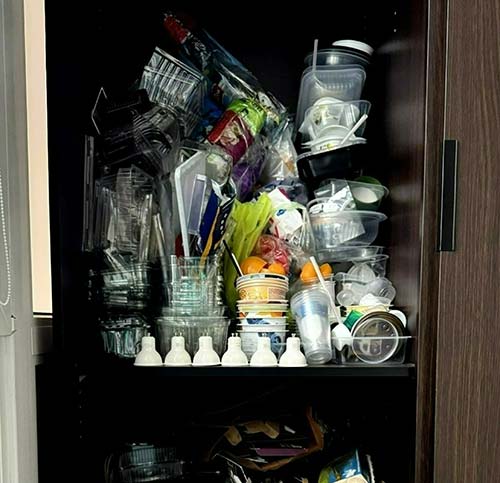
Busy streets, crowded rooms, objects against patterned backgrounds, and cluttered surfaces can overwhelm a child with CVI.
The amount of visual information, especially if objects are moving fast (like cars on a highway), can be too much to process. Instead, simple and uncluttered spaces are typically better for visual processing.
Visual Motor Skill Impairment
Difficulty with accurately reaching and placing items while maintaining visual attention is a common symptom of CVI. Rather than relying on hand-eye coordination, an individual with CVI may rely on hearing or touch to find/place an object.
Color Preferences

Color can draw more attention to an object when it is highly saturated or presented with contrast. Some children with CVI may rely on color to identify objects, especially in clutter or at a distance.
Additionally, color can be a useful tool in understanding and learning about the world. Color-coded things can assist in visual attention, recognition, and organization.
How is Cortical Visual Impairment Diagnosed?
Unfortunately, there is no single test or diagnostic criteria for cortical visual impairment (CVI). Some of the symptoms of CVI overlap with other conditions and often co-occur with cerebral palsy, autism, and/or developmental delays, making an accurate CVI diagnosis difficult.
If you suspect your child has CVI, finding a doctor who can evaluate CVI symptoms is important for an accurate diagnosis. Without the proper diagnosis, your child may not get the interventions, services, and supportive care that they need.

An eye exam is the first step to assessing issues with your child’s vision. In the examination, the eye doctor should look for abnormalities in the optic nerves, identify eye misalignment, and may suggest additional tests for field of vision and visual acuity. However, an eye doctor is only assessing the health of the eyes, not the brain.
If an ophthalmologist doesn’t find any problems with the eyes themselves, a neurologist may need to do imaging tests like an MRI. Whether working with an ophthalmologist, neuro-ophthalmologist, or optometrist, it is important to share your child’s medical history.
Did your child suffer from a birth injury that caused brain damage? Was your child born prematurely? Answers to these questions can help medical providers make an accurate CVI diagnosis. Additionally, medical providers should also observe how your child’s vision is used in daily life. Any abnormalities should be identified and reported.
A CVI diagnosis can take time, which can be frustrating for the child and family. While waiting for a cortical visual impairment diagnosis, parents can request educational assessments in school to get accommodations for their child’s learning. Adapting your home or an environment to be less visually overwhelming can help as well.
What Are the Complications of Cortical Visual Impairment?

One of the most prominent complications of cortical visual impairment (CVI) is chronic visual fatigue. Visual fatigue may be experienced differently depending on the individual, but almost every case of CVI is accompanied by this complication.
Children with CVI do not visually process the world around them the same way as their sighted peers. Crowded, cluttered places can exhaust a child with its constant moving stimuli.
Focusing on an object or completing visual tasks can be physically draining. Some symptoms of visual fatigue in children with CVI include:
- Closing eyes or looking away
- Resting head in hands or putting their head down
- Falling asleep
- Pushing items out of view or running away
Living with CVI can impact many aspects of life, such as difficulty completing daily tasks, that can limit independent living. Children with CVI may develop learning disabilities that affect how they read, write, and do math. They may also experience developmental delays that affect speech, motor skills, and cognition, which can cause difficulties with socialization and communication.
CVI can be frustrating for a child. People with visual impairments can experience an increased risk of mental health struggles like stress, anxiety, and emotional wellbeing. The everyday fatigue and overwhelm of being unable to make sense of visual information can cause intense psychological distress.
Overall mobility is more challenging for children with CVI. Those with CVI are at a higher risk of falling, especially in places that are not easily navigated. Additional health problems are common as well, with one panel of adults with CVI reporting that living with the condition is a “full body experience.” Children with CVI may experience:
- Nausea
- Migraines
- Chronic stress
- Decreased daily energy
- Feelings of isolation
Is Cortical Visual Impairment Common?
Cortical visual impairment (CVI) is the leading cause of pediatric congenital (present at birth) visual impairment and may affect 1 in 30 children. A recent study found that nearly 180,000 children in the United States have CVI, but less than 20% have a formal diagnosis.
The prevalence of CVI is on the rise in part due to the increased survival rates of infants with neurological damage at birth. Although CVI is common, it remains greatly undetected and undiagnosed, partly because of the poor understanding of the condition’s neurophysiology.
If you believe your child has CVI, it is important to advocate for their diagnosis. With an accurate diagnosis of CVI, children have a better chance of receiving accessible education, vision services, and adapted daily environments.
Cortical Visual Impairment Management & Treatment
Cortical visual impairment (CVI) has no cure, but there are many ways to manage symptoms and improve quality of life. Every child with CVI will have a different level of visual impairment and require interventions unique to them. Obtaining the services of trained and experienced teachers is paramount for a child’s education and development.
Adaptive Learning
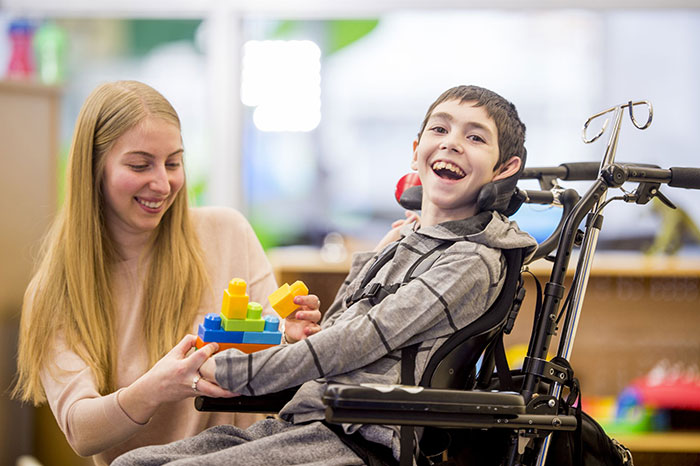
Trained educators can assess the strengths and weaknesses of your child’s ability to learn. Adapted academic environments, materials, and tasks to fit the needs of your child can reduce visual fatigue and increase access to learning. Other valuable accommodations to a learning environment include:
- Dim lighting
- Large, colorful, moving, or high-contrast learning materials
- Leveraging other sensory strengths for learning, such as tactiles or auditory learning
- Having a teacher wear a bright clothing item to help with recognition
- Avoiding vision tasks when your child is overwhelmed or fatigued
- Create simple environments with limited visual clutter, reduced noise, and reduced sensory information
Expanded Core Curriculum
Expanded Core Curriculum (ECC) is a specialized instruction of life skill development for children with visual impairments and multiple disabilities. The goal of ECC is to compensate for the decreased opportunities that children with CVI have for learning by observing others. There are nine components of ECC that assist in skill development and learning:
- Assistive technology to enhance communication, access, and learning
- Compensatory skills to access core curriculum
- Career education
- Independent living skills, such as personal hygiene, food preparation, and household tasks
- Recreation and leisure exploration and development of life-long skills
- Orientation and mobility instruction for independent and safe navigation of their environments
- Sensory efficiency to optimize abilities using the five senses
- Self-determination, such as problem-solving, decision-making, and personal advocacy
- Social interaction skills, such as awareness of facial expressions, body language, and personal space
Individualized Education Program (IEP)

Under the Individuals with Disabilities Act (IDEA) of 1975, children with disabilities have free appropriate public education that fit their unique requirements. This act provides resources like Individualized Family Service Plans (IFSPs), which outlines early intervention services needed for children under age 3.
However, CIV can be difficult to diagnose before the age of 3, so families can start with an Individualized Education Program (IEP) instead. An IEP is designed for one student with the goal of providing quality, individualized education for children with disabilities.
The written IEP plan details annual goals, special education and service needs, and the extent to which the child participates with their non-disabled peers. The IEP also includes the child’s modifications for state and district-wide assessments, their academic performance, and transition services for when their graduation is near.
The goal of an IEP is to provide a child with every resource they need in a detailed, well-planned manner. When a young child receives personalized education and therapies that target a specific deficit, the brain can rewire itself. This is called neuroplasticity and involves the brain’s ability to adapt to challenges and absorb information.
Consistent practice using cognitive and motor skills through early interventions can stimulate adaptive changes in the brain. Neglecting early intervention services can be detrimental to a child’s long-term development.
Therapeutic Interventions
Along with academic accommodation and adapted environments, children with cortical visual impairment (CVI) can benefit from multi-disciplinary therapies.
Speech and Language Therapy

Birth injured children with speech impairments will almost always benefit from speech pathology – a specialized form of therapy to help a child develop the most appropriate and functional communication skills and improve their ability to feed competently.
A qualified Speech-Language Pathologist (SLP) will utilize several proven strategies to help a child learn to communicate effectively, while also working with them to prevent feeding and swallowing disorders. Apart from the SLP, trained nurses, nutritionists, lactation consultants, occupational therapists, physical therapists, and physicians will often be a part of the collaborative team focusing on speech pathology.
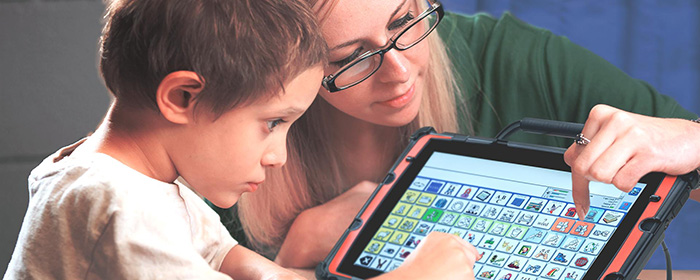
A certified speech language pathologist can help promote communication between a child and the parents or caregivers even when there is little or no verbal speech. This could include vocalizations (pre-language skills), gestures, manual sign language, communication boards, and voice output devices.
Specific speech-language therapy exercises can be designed for toddlers and children to improve their ability to communicate and express themselves independently.
Occupational Therapy

Occupational therapy for children that are diagnosed with cortical visual impairment (CVI) or other birth injuries is aimed at promoting rehabilitation and quality of life improvements by focusing on daily life activities with support from trained occupational therapists (OTs) and therapy assistants.
A child’s activities, such as self-care, work/school skills, and play are referred to as activities of daily living (ADLs). An occupational therapist carries out a comprehensive evaluation to identify issues that interfere with your child’s ability to perform these skills or tasks. Common issues that can be targeted in children with CVI include poor eye-hand coordination and lack of visual perceptual skills.
Based on their professional evaluation, the pediatric occupational therapist will recommend an occupational therapy plan to enable your child to participate as independently and actively as possible in all types of ADLs. The occupational therapy is child-directed and may also involve the use of assistive or adaptive equipment to increase the child’s independence. The earlier an occupational therapy program starts, the more effective may be its lifelong results for a child with CIV.
What Conditions Co-Occur with Cortical Visual Impairment (CVI)?
Brain damage at birth caused by oxygen deprivation, brain injuries, or infection can affect functions responsible for motor skills, speech, and intellect. Depending on the severity and location of brain damage, other conditions may co-occur with cortical visual impairment (CVI).
Conditions like cerebral palsy and autism spectrum disorder (ASD) can have overlapping symptoms with CVI, so it is important to make distinctions between different conditions. An accurate diagnosis of CVI is crucial for providing appropriate support and timely intervention.
CVI & Cerebral Palsy
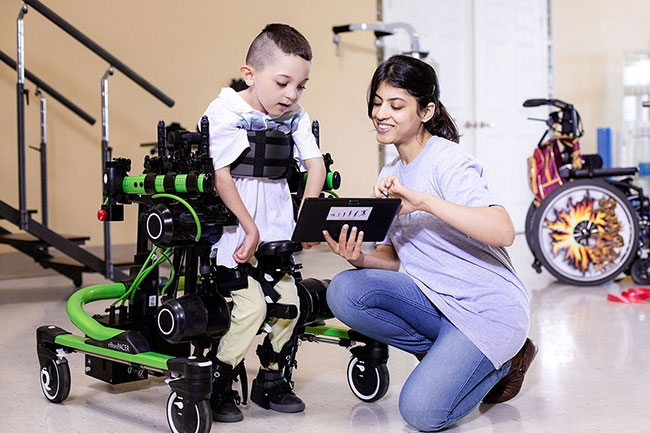
Cerebral palsy (CP) and CVI are both caused by brain damage and commonly co-occur. The spectrum of visual impairment in children with CP can range depending on the severity and location of damage, however, 70% of children with CP also have CVI.
Cerebral palsy is an umbrella term that covers a group of non-progressive, but usually changing, motor loss or impairment. CP is the most common physical disability in childhood.
Gross motor functioning is only possible with electrical signals that are sent through the body’s central nervous system. Cerebral palsy disrupts these signals. Similarly, CVI is marked by disruptions to the brain’s occipital lobes and posterior visual pathways for processing visual information.
Cerebral palsy is caused by a brain injury or abnormal brain development before, during, or immediately after birth. Body movements are affected by the ensuing brain damage, including:
- Muscle tone
- Posture
- Muscle coordination and control
- Reflexes
- Balance
- Fine, gross, and oral motor functions
The impaired muscle movement throughout the body may result in the inability for a child to walk independently, speak clearly, or control eye movements. The type of cerebral palsy can determine what motor functions are likely to be affected.
Visually guided movement of the upper and lower limbs is commonly impaired in children with CVI and may be exacerbated in cases of co-occurring cerebral palsy. Rather than relying on hand-eye coordination, children with CVI and CP may adapt by using hearing or touch to locate or place objects.
Developmental Delays

Babies who suffer from birth injuries have a higher chance for delayed developmental milestones later in life. Brain damage at birth can cause permanent complications like hypoxic ischemic encephalopathy (HIE), cerebral palsy, and intellectual disabilities.
Developmental milestones are significant events, skills, or accomplishments that children learn as they age. Parents and pediatricians can use them as reassurance that the baby is growing up normally without issues.
It’s true that children sometimes progress at slightly different rates. One nine-month-old might be walking while another is just starting to crawl. However, a baby or child who misses several milestones is cause for concern.
With some conditions – like cortical visual impairment – early intervention is crucial. Therapies, academic accommodations, adapted environments, and assistive technology can improve a child’s future and help them progress as far as possible.
Learning Disabilities

Learning disabilities affect a child’s ability to think, learn, process, and apply information. Difficulty with spelling, reading, math, memory, direction-following, and attention span are possible symptoms of a child’s learning disability.
Brain damage can significantly affect areas of the brain responsible for cognitive functioning. The severity and location of the brain damage impacts the degree of cognitive impairment and disordered learning.
A learning disability does not necessarily affect nor define an individual’s intelligence. It simply means that their brain processes certain information differently than what is considered normal. Learning disabilities include:
- Dyslexia: affects the ability to read, write, and spell correctly
- Dysgraphia: impairment of written expression marked by difficulties in grammar, punctuation accuracy, spelling accuracy, and clarity of written expression.
- Dyscalculia: affects an individual’s comprehension of mathematical-related concepts
Autism Spectrum Disorder (ASD)

About 1 in 30 children with cortical visual impairment (CVI) are affected by autism spectrum disorder (ASD). ASD is a developmental disability caused by differences in the brain and can often result from complications at birth.
According to the CDC, ASD affects social communication and interaction skills. Signs and symptoms of ASD include:
- Avoided eye contact
- Lack of facial expressions
- Restricted or repetitive behaviors or interests
- Delayed language skills
- Delayed cognitive or learning skills
- Unusual eating and sleeping habits
- Lack of fear or excessive fear
This is not an exhaustive list of signs and symptoms. If you suspect your child with CVI also has ASD, early intervention can help significantly. A trained physician and team of healthcare providers can assess your child for ASD and create a plan for any therapies or treatments needed.
Was Your Child’s Cortical Visual Impairment Caused by Medical Malpractice?

Parents whose children suffer from cortical visual impairment (CVI) want and deserve answers as to whether mistakes by the doctors and nurses contributed to the brain injury. Our top rated birth injury attorneys have represented families all over the United States in their time of need after a birth injury.
We use our skills and expertise to obtain for you and your child a medical malpractice settlement that will help provide specialized medical therapy to maximize the quality of life and independence of your child throughout their life.
Our National birth injury attorneys have recovered millions of dollars in settlements for families of children that have suffered a birth injury. At no point in our legal intake process will we ask you to pay anything. The medical review of your case and the consultation are free. We only receive payment when you do, no matter how long or tough your case is.
What Is the Statute of Limitations in a Birth Injury Lawsuit?

A statute of limitations (SOL) is a law that sets a time limit on how long an injured person has to file a lawsuit after an accident.
It is essential to understand that statutes of limitations vary based on the case and the state where you file. For instance, the deadline for birth injury claims is typically different from other claims, such as injury to private property.
Generally, the clock starts ticking on the date the injury occurred. However, there are exceptions to this rule. In some cases, the statute of limitations starts when a person discovers or reasonably should have discovered an injury. When dealing with government agencies, SOLs can become even more complex.
For example, if the party that injured you was:
- A federal employee
- Employed by a military hospital, Veterans Administration facility, or a federally funded medical entity
Birth Injury Claim Under Federal Tort Claims Act (FTCA)
You may need to file a birth injury claim under the Federal Tort Claims Act (FTCA). In FTCA cases, claimants must go through certain administrative procedures before filing a lawsuit. In some states, you may have less time to give notice if:
- The negligent party was a local or state government hospital.
- The doctors and medical providers are employees of a governmental entity.
If you file your case outside of the statute of limitations, the court will typically dismiss it. This means you will not be eligible to recover compensation for you or your child’s injuries.
Determining when a statute of limitations begins on your case can be tricky. If you are considering pursuing compensation, contact a birth injury attorney as soon as possible.
How Can Our Birth Injury Attorneys Help?

Birth injuries that cause CVI are not always preventable, but medical errors are. It takes an expert review of the facts of your birth to determine whether medical professionals mismanaged your child’s delivery.
Our Process
Our team of committed birth injury attorneys, nurses and paraprofessionals work to answer questions of medical malpractice and seek compensation. We use our detailed medical negligence case review process to assess your potential birth injury case.
We start by learning more about your child by gathering records to determine what happened during and after your delivery. This includes a detailed review of the treatment doctors provided or failed to provide after labor. We also consider your child’s status of meeting or missing developmental milestones.
We call in skilled medical experts who review your records and provide insight into where medical professionals went wrong. If we feel medical negligence caused or worsened your child’s cortical visual impairment, we meet with you to discuss further.
At no point in our legal intake process will we ask you to pay anything. The medical review of your case and the consultation are free. We only receive payment once you do. The sooner you reach out, the sooner we can investigate your case and gather the evidence to support your claim.
We work on a contingency fee basis, meaning you will not pay any legal fees until we win your case. We do not pursue any medical malpractice cases unless we fully believe we can win.
Contact us today to schedule your free consultation by calling our toll-free line at (888) 987-0005. You can also reach us by filling out our online request form.
National Birth Injury Law
Our National Birth Injury Attorneys, nurses, and support staff understand that parents of children with birth injuries feel overwhelmed. So, every client has the attention and support of a team of trained, compassionate professionals. But we don’t just offer compassion.
We offer a process to help you discover whether your child’s birth injury, HIE, cerebral palsy or brain injury at birth was caused by medical malpractice.
Call our offices today at (888) 987-0005 for experienced assistance in a free consultation.
Quick Links
Testimonials
- Lyric C. I feel like our voice was heard in a sense of what can possibly go wrong in a delivery and finding us answers. I feel with our settlement, we are now in a comfortable position to provide for our son.
- Lyssa L. They are not just people that say “hey let's get you money and let's go” The law firm was very thorough with us. It was awesome. I don't want to cry, because I think about and it's amazing that they were able to help me and that we were able to help my son and get the story out there.
- Jay C. Throughout the process, one thing was clear to us, the ultimate interest of our child was the utmost concern of Max and his team and as parents navigating a situation like that, that was refreshing to know we had them firmly on our side. I highly recommend them.
Popular Cities
- ★ Dallas Birth Injury
- ★ Houston Birth Injury
- ★ Atlanta Birth Injury
- ★ Chicago Birth Injury
- ★ Philadelphia Birth Injury
Locations
★ Dallas
11551 Forest Central Drive, Ste. 300
Dallas, TX 75243
★ Houston
12929 Gulf Freeway, Ste. 111
Houston, TX 77034