Neonatal Intensive Care Unit
What Is a Neonatal Intensive Care Unit (NICU)?
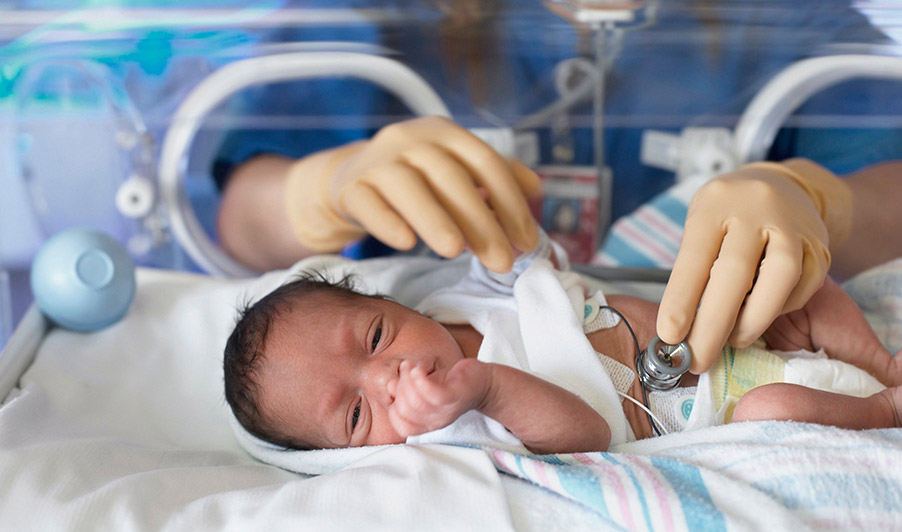
The transition from womb to world is a stressful experience for both the mother and baby. When the baby leaves the uterus, they may have trouble adjusting for several reasons.
Complications during pregnancy and birth may require intensive care after delivery. The neonatal intensive care unit (NICU) is a specialized area of the hospital that has advanced technology to treat medically fragile infants.
Specialized equipment like ventilators, incubators, cooling chambers for therapeutic hypothermia, and more can be found in the NICU. With this equipment, specialized health care professionals can treat conditions and illnesses in newborns.
Why Are Newborns Sent to the NICU?
The most common reasons a newborn is admitted to the NICU is for premature birth, low birth weight, or for health conditions that require specialized care. Multiple pregnancies, such as twins or triplets, often require neonatal care as well.
Birth complications, pregnancy complications, and labor and delivery complications may result in a necessity of intensive neonatal care for your infant, including but not limited to:
Premature Birth
Premature birth or preterm birth typically occurs when a baby is born before the completion of 37 weeks of pregnancy. The final weeks of pregnancy are vital for the full development of the baby’s lungs, brain, and liver. Babies born prematurely (especially before 32 weeks gestation) are at higher risk of birth injury including hypoxic-ischemic encephalopathy (HIE) and cerebral palsy.

March of Dimes: Interactive Preterm Birth Rate Chart
About 1 in 10 infants are born prematurely in the United States. Preterm infants have a higher chance of experiencing complications. They may have a low birth weight (under 5.5 lbs.), unstable vital signs, and may require an incubator to regulate body temperature. Babies born before 32 weeks gestation also have an increased risk of death and disability.
Respiratory Distress Syndrome (RDS)
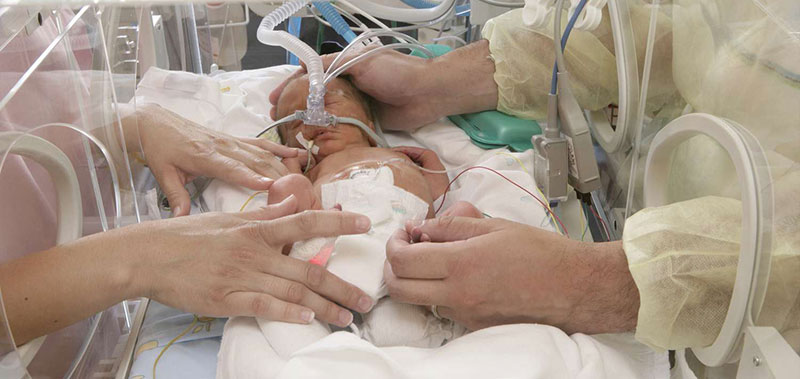
Respiratory Distress Syndrome (RDS) is a birth complication that involves a serious breathing problem that may occur in premature babies whose lungs are not fully developed.
Babies born before 28 weeks of gestation are at a particularly high risk of RDS, but the condition may also affect full-term babies. An estimated seven percent of all newborns will suffer from respiratory distress syndrome birth complication.
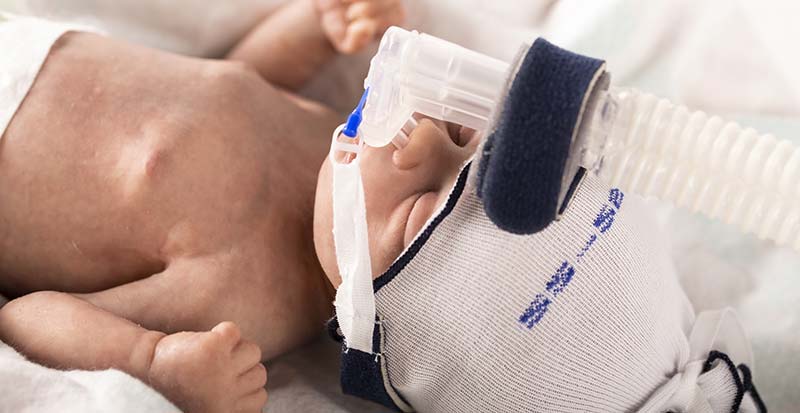
Infants with RDS may be treated using a machine that pushes air through the nose to help keep their lungs distended. In extreme cases, babies with RDS may require a breathing tube or a ventilator.
Birth Asphyxia
Birth asphyxia (referred to clinically as perinatal asphyxia) is a labor and delivery complication where any type of blockage obstructs oxygen and blood from flowing to the baby’s brain.
Within a very short time frame, birth asphyxia can lead to brain damage, loss of consciousness, or even death for the infant. Healthcare professionals in the delivery room must understand what birth asphyxia is, what it looks like, and how it happens.
Birth asphyxia is among the most severe birth complications because of the irreparable harm it can cause to the brain. The most common type of brain injury that newborns suffer in the United States is called hypoxic-ischemic encephalopathy, or HIE.
One of the most common treatments for birth asphyxia is therapeutic hypothermia, or “brain cooling” treatment. This involves using cooling chambers and devices to lower the baby’s internal temperature to around 92.3 degrees Fahrenheit for around 72 hours.
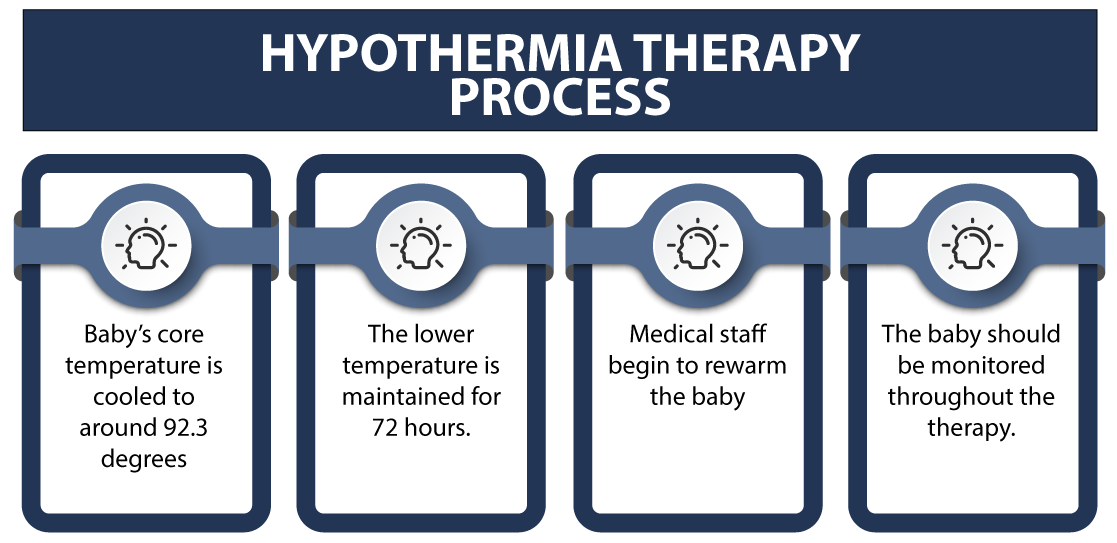
This is believed to reduce swelling and inflammation in the brain caused by HIE and has been proven to slow the progression of brain injuries caused by asphyxia. Newborns will often receive this treatment in a neonatal intensive care unit (NICU).
Infections or Sepsis
A neonatal infection can put a newborn child at serious risk for birth complications, birth injuries, and even death. These risks are amplified when medical providers make preventable errors when diagnosing or treating these infections.
Neonatal infections can affect all parts of the baby’s body, including the brain. Infections like encephalitis can cause brain inflammation and threaten a child’s oxygen supply to the brain, putting them at a higher risk for hypoxic-ischemic encephalopathy (HIE) and other hypoxic brain injuries. HIE is the leading cause of cerebral palsy.
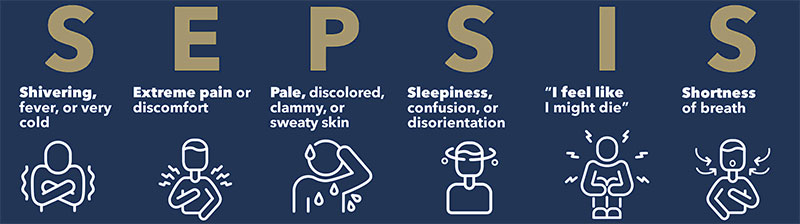
Anyone who has contracted an infection is at risk of developing sepsis. Newborn babies are at a higher risk because of their underdeveloped immune systems at birth. An expecting mother may be at risk for sepsis during her pregnancy, during labor and delivery, or even after birth.
NICU physicians should immediately administer antibiotics, oxygen, and fluids to a patient in suspected sepsis. Doctors may prescribe vasopressor medications to tighten the blood vessels for patients with a dangerously low blood pressure. The child may require surgery later to remove damaged organ tissue.
Low Birth Weight
Low birth weight is a medical term used to describe a baby that weighs less than 5.5 lbs. (2,500 g) at the time of birth. To put this in perspective, the average birth weight of a newborn is about 8 pounds.
In the US, more than 8 percent of all babies are born with a low birth weight. Premature birth and low birth weight usually go together because a preterm baby has not yet fully developed or gained the full normal body weight.
Nearly all low birth weight babies should receive NICU care until they have gained weight and are healthy enough to go home. They may be treated with temperature controlled beds to manage body temperature. If the baby is unable to suck or swallow, they may need to be fed intravenously (IV) or through stomach tubes.
Maternal Chorioamnionitis
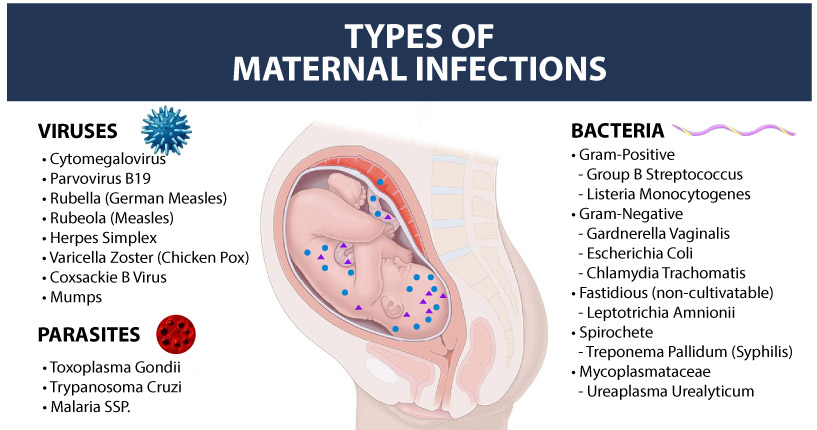
Chorioamnionitis is an acute bacterial infection of pregnancy that enters the mother’s uterus and invades the membrane and amniotic fluid that surrounds the baby. The most common bacteria causing chorioamnionitis are Group B Strep or E. coli.
Chorioamnionitis typically occurs when the amniotic sac is broken for an extended period prior to birth. This situation is known as “premature rupture of membranes” or PROM. Another typical scenario where chorioamnionitis may develop is where the expectant mother has prolonged labor.
A delayed diagnosis or improper management of chorioamnionitis can lead to serious fetal complications, such as preterm birth, meningitis, neonatal sepsis, pneumonia, and cerebral palsy.
Babies that suffer from chorioamnionitis often suffer from breathing difficulties at birth. As such, a neonatal resuscitation team should be called and prepared to act at birth.
Delays in neonatal resuscitation can often cause more severe birth injuries than the infection itself.
After neonatal resuscitation, the infant may need assistance from a ventilator or CPAP machine in the NICU.
Another common complication of babies with chorioamnionitis is neonatal hypoglycemia. Babies with infections may suffer dangerous drops in their glucose levels shortly after birth. If this glucose level is not corrected, it can lead to a brain injury.
High-Risk Pregnancy
Some pregnancy factors may increase the risk of complications for your baby. Lifestyle factors, such as drug or alcohol use, smoking, and age can affect the health of the infant. Other pregnancy complications include:
- Preeclampsia
- Gestational diabetes
- Infections during pregnancy
- Bleeding during pregnancy
- Post term pregnancy (beyond gestation of 37 to 42 weeks)
- Blood clots
- Intrauterine Growth Restriction (IUGR)
- Placental problems
- Polyhydramnios
- Obesity
There are many other pregnancy complications that can affect the health of your baby during pregnancy and after birth. Depending on the complication, your infant may require specialized care in the NICU.
What Happens in the NICU?
Neonatal intensive care typically begins right after birth, which can make an already overwhelming situation even more difficult. However, the goal of the NICU should be to provide the best care for your baby.
Depending on the circumstances, a personalized plan is typically tailored to your newborn’s needs. An infant may only spend a couple of days at the NICU, but some may need an extended stay based on their condition.
The parents should receive frequent updates about their baby’s progress and any changes made to their care plan. In many cases, parents can bond with their child through skin-to-skin contact and by participating in their daily care.
What Does the NICU Look Like?
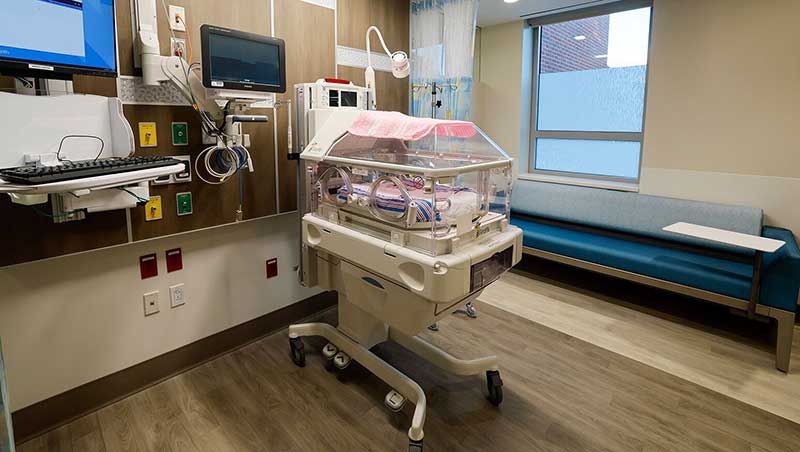
Traditionally, NICUs are in a large room with multiple babies separated by curtains or dividers. However, this design increases the risk of infection and sensory stress in infants.
Many NICUs in hospitals are moving away from this and implementing private rooms for the infant and immediate family. A well-designed NICU will include:
- Separate rooms for newborns with contagious diseases
- Infant-friendly lighting, sound, and temperature to reduce external stress
- Spaces for family, such as lounges or overnight sleeping areas
- Parent consultation rooms for privacy
- Milk expression rooms with breast pumps
What Treatments Are Available in NICUs?
The equipment surrounding your infant in the NICU can be intimidating. However, each piece of equipment serves a specific, life-supporting purpose for treating your newborn.
Common equipment for treating medically fragile infants include:
- IV lines to deliver fluids, medications, and nutrients
- Feeding tubes (nasogastric or orogastric) for babies who cannot suckle
- Incubators to maintain body temperatures
- Ventilators or CPAP equipment to support breathing
- Phototherapy lights for jaundice treatment
Other treatments include:
- Therapeutic hypothermia to treat hypoxic-ischemic encephalopathy (HIE)
- Surfactant replacement therapy for underdeveloped lungs
- Caffeine citrate to stimulate breathing
Levels of Neonatal Care
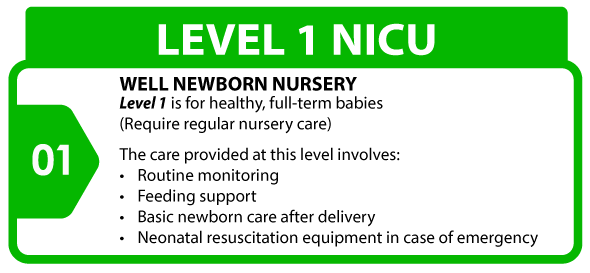
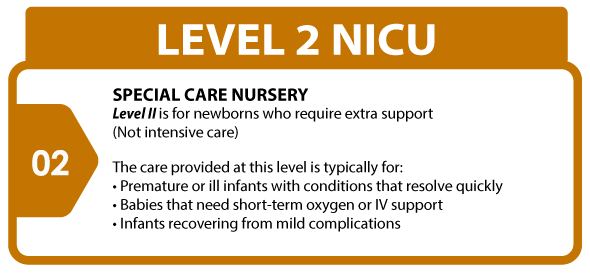
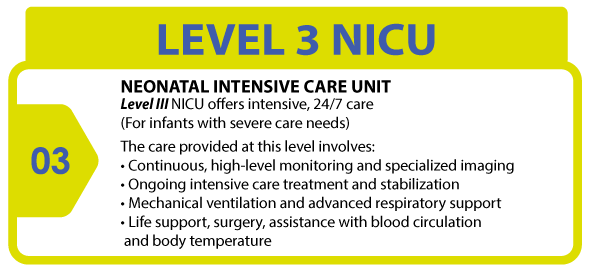
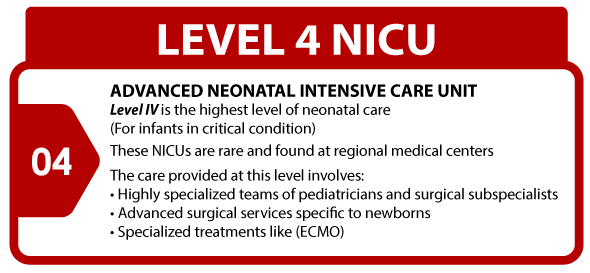
There are different stages of neonatal care that provide varying degrees of care. The levels range from normal care for healthy newborns to advanced, intensive care for severe cases.
Many hospitals that have labor and delivery services only offer neonatal care up to Level II. Intensive and advanced neonatal care may require transportation to different hospitals.
Who Takes Care of the Babies in the NICU?
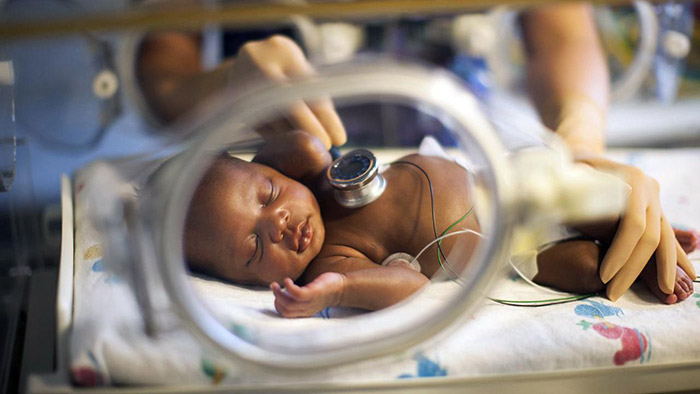
There are many specially trained health care providers who work with babies in the NICU. A team of specialized physicians may be assembled depending on the care needs of your infant, including:
- Neonatologists
- Pediatric residents
- Neonatal nurse practitioners
- Respiratory therapists
- Registered nurses (RN)
- Lactation consultants
- Pharmacists
- Neonatal nutritionists
- Developmental specialists
- Speech, occupational, and physical therapists
What Does a Neonatologist Do in the NICU?
Neonatologists are specialized pediatricians specifically for premature babies and newborns with complex health conditions. They receive training in neonatology and only focus on medically fragile newborns.
The neonatologist will be the main provider managing your newborn’s care. They may be involved in prenatal care if a complication is diagnosed prior to labor and delivery. The services they provide include the following:
- Provides immediate care to an infant with medical conditions at birth
- Diagnoses and treats disorders, infections, or illnesses in infants
- Orders tests like X-rays, ultrasounds, and echocardiograms (EKGs)
- Assists in prenatal care and/or in the delivery room (depending on when the condition was discovered)
- Ensures sick newborns receive proper nutrients
- Consults with obstetricians, pediatricians, and other specialists on the infant’s care
How Long Do Newborns Stay in the NICU?

It’s hard to predict the average amount of time an infant will spend in the NICU. The circumstance of the infant’s health is the main factor that will influence the length of their stay.
In minor cases, newborns will stay only a couple of days. In severe cases, they may stay for a few months. Newborns in the NICU have certain developmental milestones to achieve prior to discharge. These include:
- Stabilized breathing and body temperature without assistance
- Independent feeding ability
- Consistent weight gain
- Free of infections and complications
- Possible car seat tolerance test and newborn screening
Even if a newborn reaches these milestones and leaves the NICU, the medical journey may not be over. Depending on the nature of the infant’s complications, further testing and care may be required.
Can You Stay with Your Baby in the NICU?
Protocol on visitation may vary depending on the hospital and your newborn’s condition. However, in most cases, parents can visit and/or stay with their baby in the NICU.
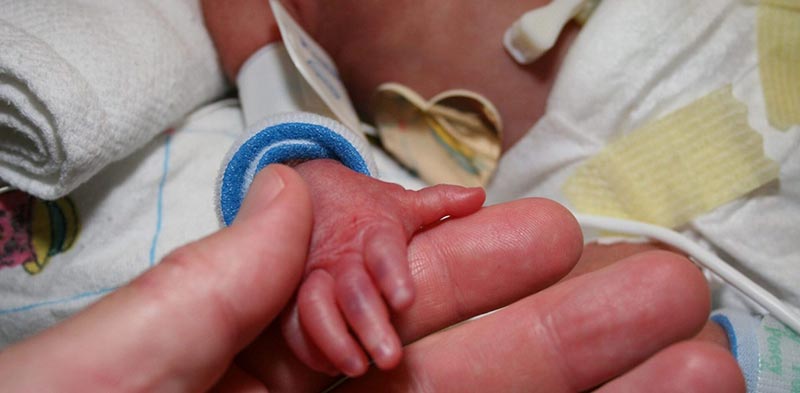
It is crucial for an infant’s development to bond with their parents. Skin-to-skin contact helps regulate the baby’s breathing and heart rate. If your baby is very small, you can offer a finger for their hand to hold.
Some neonatal units may encourage parents to participate in the daily care of their baby as well. Your baby’s care team can help determine what your baby can tolerate.
Why Are NICU Admittance Rates Increasing?
Although birth rates are declining in the U.S., NICU admissions have increased by 13% between 2016 and 2023. This means nearly 1 in 10 infants are admitted to a NICU across most U.S. states. These rates increased across all maternal age groups, all gestational age and birth weight categories, and all racial/ethnic groups.
The rise in premature births is partially responsible for the uptick in NICU admittance rates. Maternal conditions such as diabetes, hypertension, and obesity may also contribute to the increase.

CDC: Percentage of Infants Admitted to a NICU in the United States
Identifying Medical Negligence in the NICU
The NICU facilitates every aspect of care for your newborn, including how they are fed, life-saving treatments, and medication administration. Medically fragile infants require precise, 24/7 care and monitoring.
However, mistakes can happen even with the best care. Newborns in the NICU are very fragile, and even the smallest mistake can be detrimental to their health.
These mistakes along with mismanagement in treating complications such as prematurity, infection, and birth asphyxia can result in serious, life-changing conditions, including:
Hypoxic-Ischemic Encephalopathy (HIE)
Hypoxic ischemic encephalopathy is a type of brain injury that occurs when the baby’s brain is deprived of oxygen. Babies with a truly mild form of hypoxic ischemic encephalopathy may not suffer any long-term effects, but babies with moderate to severe HIE may eventually suffer from cerebral palsy, developmental delays, cognitive impairments, and/or epilepsy.
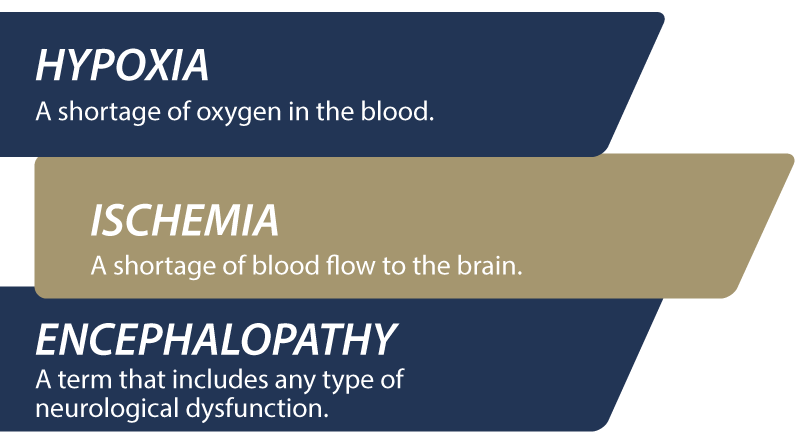
Failure to diagnose a newborn with HIE, and subsequently failing to treat HIE, can constitute medical negligence. Parents whose children are diagnosed with hypoxic ischemic encephalopathy have questions as to whether mistakes by the NICU doctors and nurses contributed to their child’s injury:
- Was there a delay in diagnosis of a likely premature birth that led to later complications, including brain injury?
- Did the medical team fail to order a series of tests to diagnose this birth complication in a timely manner?
- Did the neonatal resuscitation team fail to quickly begin important breathing support?
- Should brain cooling (also called “hypothermia therapy”) have been provided to your baby, but the NICU doctors and nurses failed to perform the appropriate tests or ignored the results of the tests?
Cerebral Palsy
A cerebral palsy diagnosis can stem from a multitude of birth complications that interact to cause brain damage. Severe neonatal infections like meningitis or a high fever during childhood years can damage the baby’s developing brain. This can sometimes happen at birth as the result of an uncaught or insufficiently treated maternal infection transferring to the baby.
The mismanagement and mistreatment of conditions like birth asphyxia and hypoxic ischemic encephalopathy can create brain damage that causes cerebral palsy.
Periventricular Leukomalacia (PVL)
The exact origin of periventricular leukomalacia is not known. However, it is likely caused by reduced blood flow (ischemia) and reduced oxygen (hypoxia) to the baby’s brain. This
reduction can occur during the mother’s pregnancy, during labor and delivery, or after the baby’s birth.
Medical malpractice causing PVL might occur during the infant’s stay in the NICU, including:
- Failure to treat neonatal infections
- Failure to provide timely neonatal resuscitation or oxygen administration
- Providing inappropriate resuscitation or oxygen administration that results in hypocarbia
Could Your Child’s Injury Have Been Prevented?

Multiple mistakes and lapses in action can needlessly worsen a child’s outlook during their stay in the NICU. Examples of medical negligence can include:
- Failure to diagnose or treat sepsis, jaundice, or other complications
- Delayed treatment for respiratory distress or infections
- Failure to monitor vital signs or respond to fetal distress
- Improper medication or dosage errors
- Misuse of medical equipment
- Mismanagement of intracranial hemorrhages
It’s important to note that it requires a detailed review of the specific facts and timeline of a mother’s birth and the infant’s care in the NICU before making a decision as to whether medical malpractice played a factor in the child’s injury.
What is the Statute of Limitations in a Birth Injury Lawsuit?

A statute of limitations (SOL) is a law that sets a time limit on how long an injured person has to file a lawsuit after an accident. It is essential to understand that statutes of limitations vary based on the type of case and the state where it is filed. For instance, the deadline for NICU malpractice claims is typically different from other claims, such as injury to personal property, fraud, contract disputes, and collection of debts.
Generally, the clock starts ticking on the date the injury occurred. However, there are exceptions to this rule, and in some cases, the statute of limitations starts when a person discovers or reasonably should have discovered an injury. When dealing with government agencies, SOLs can become even more complex.
For example, if the party that injured you was:
- A federal employee
- Employed by a military hospital, Veterans Administration facility, or a federally funded medical entity
Birth Injury Claim Under Federal Tort Claims Act (FTCA)
You may need to file a birth injury claim under the Federal Tort Claims Act (FTCA). In FTCA cases, claimants must go through certain administrative procedures before filing a lawsuit. In some states, you may have less time to give notice if:
- The negligent party was a local or state government hospital.
- The doctors and medical providers are employees of a governmental entity.
If you file your case outside of the statute of limitations, the court will typically dismiss it. This means you will not be eligible to recover compensation for you or your child’s injuries.
Determining when a statute of limitations begins on your case can be tricky. If you are considering pursuing compensation, contact a birth injury attorney as soon as possible.
How Can The Birth Injury Attorneys at Miller Weisbrod Olesky Help?

It takes a detailed expert review of the facts and circumstances of your pregnancy and the events happening before and after to determine whether any injuries sustained came as the result of medical malpractice.
At Miller Weisbrod Olesky, a team of committed birth injury malpractice attorneys, nurses and paraprofessionals use our detailed medical negligence case review process to assess your potential NICU medical malpractice case.
Our Process
We start by learning more about you and your child and the status of meeting/missing developmental milestones. Then we gather medical records to determine what happened before, during, and after your delivery.
We call in skilled medical experts who review your records and let us know if they think medical errors could have caused your child's injuries.
If we feel medical negligence caused or contributed to your child's injury, we meet with you to discuss how you can receive compensation from the medical professionals who made the errors.
At no point in our legal intake process will we ask you to pay anything. The medical review of your case and the consultation are free. We only receive payment when you do. The sooner you reach out to us, the sooner we can begin investigating your case and gathering the evidence needed to support your claim.
We work on a contingency fee basis, meaning you won't pay any legal fees unless we win your case. Contact us today to schedule your free consultation by calling our toll-free line at (888) 987-0005 or by filling out our online request form.
National Birth Injury Law
Our National Birth Injury Attorneys, nurses, and support staff understand that parents of children with birth injuries feel overwhelmed. So, every client has the attention and support of a team of trained, compassionate professionals. But we don’t just offer compassion.
We offer a process to help you discover whether your child’s birth injury, HIE, cerebral palsy or brain injury at birth was caused by medical malpractice.
Call our offices today at (888) 987-0005 for experienced assistance in a free consultation.
Quick Links
Testimonials
- Lyric C. I feel like our voice was heard in a sense of what can possibly go wrong in a delivery and finding us answers. I feel with our settlement, we are now in a comfortable position to provide for our son.
- Lyssa L. They are not just people that say “hey let's get you money and let's go” The law firm was very thorough with us. It was awesome. I don't want to cry, because I think about and it's amazing that they were able to help me and that we were able to help my son and get the story out there.
- Jay C. Throughout the process, one thing was clear to us, the ultimate interest of our child was the utmost concern of Max and his team and as parents navigating a situation like that, that was refreshing to know we had them firmly on our side. I highly recommend them.
Popular Cities
- ★ Dallas Birth Injury
- ★ Houston Birth Injury
- ★ Atlanta Birth Injury
- ★ Chicago Birth Injury
- ★ Philadelphia Birth Injury
Locations
★ Dallas
11551 Forest Central Drive, Ste. 300
Dallas, TX 75243
★ Houston
12929 Gulf Freeway, Ste. 111
Houston, TX 77034