Houston HIE Birth Injury Lawyers
HIE Birth Injury Attorneys in Houston
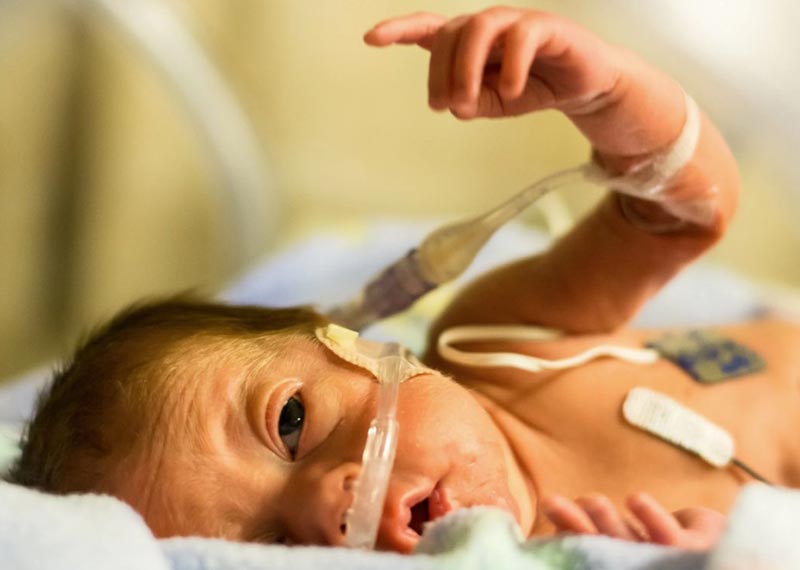
A birth injury can instantly shatter the future that parents pictured for their newborn.
Brain injuries like hypoxic ischemic encephalopathy (HIE) often have the most devastating effects. A baby’s HIE brain damage at birth can permanently affect their movement, learning, feeding, breathing, and overall childhood development.
In an area as densely populated as Houston, doctors deliver nearly seven babies every hour. Many families from smaller surrounding cities will travel to Houston to deliver. With a birth volume this high, even a tiny percentage of medical errors can forever change hundreds of lives.
Every medical professional in the delivery room needs to understand the risks that come with each mother’s labor. It only takes a few minutes without steady oxygen or blood flow to expose a baby’s brain to life changing harm.
Obstetricians, delivery nurses, and midwives all have a duty to protect their patients from harm. When they fail to uphold this standard of care, families can end up paying the ultimate price.
Miller Weisbrod Olesky's Houston HIE Birth Injury Lawyers are committed to holding negligent healthcare providers responsible for their acts of birth injury malpractice. We believe that families shouldn’t have to cover the costs for specialist visits, therapies, medical procedures, and other significant expenses.
If you suspect your child suffered permanent brain damage because of birth injury negligence, please know legal help is available. One of our local Houston HIE Birth Injury Lawyers can take your call today to assess the strength of your claim.
Talk to an Experienced HIE Birth Injury Lawyer Today
When your child has severe brain damage from HIE, it can feel like no one else in the world understands. But Miller Weisbrod Olesky’s Houston HIE Birth Injury Lawyers have been helping families like yours for over 40 years.
Free Legal Consultation
Houston HIE Birth Injury Lawyers
(888) 987-0005Miller Weisbrod Olesky's HIE Birth Injury Lawyers in Houston are available to meet you
in your home or the hospital.
The Woodlands | Sugar Land | Katy | Pearland
We know how intimidating and overwhelming the legal process can feel, especially when your baby needs help today. We are here to listen, provide a shoulder to cry on, then help your family get the justice you deserve.
Over four decades, Miller Weisbrod Olesky’s birth injury team has fought relentlessly on behalf of birth injury medical malpractice victims. We have offices directly in Houston and have experience representing families in surrounding areas throughout the metroplex.
Our firm invests in a dedicated nursing and medical research division to assist with all cases we handle. They work alongside our Houston HIE Birth Injury Lawyers to represent you and uncover negligent medical errors. Your team will not only consist of attorneys, but also nursing staff, nursing advocates, and experienced medical experts.
Your team will keep in close contact throughout the case, providing important updates and checking in on your child’s status. We also assist with your family’s day-to-day needs as litigation progresses. This includes scheduling specialists’ appointments, ordering medical records, providing transportation and lodging, and much more.
You receive these benefits on a contingency fee basis. This means you do not owe us a single dollar until after we secure compensation for your family. We only receive payment after you do, and we will never charge families expenses for cases we don’t win.
The Houston HIE Birth Injury Lawyers at Miller Weisbrod Olesky are proud to have a long history of legal victories. We have spent over 40 years dedicating our livelihood to representing families like yours. Our results speak for themselves.

Recent Birth Injury Settlement:
HIE Birth Injury settlement against a hospital in which nurses and physicians failed to detect a uterine rupture during delivery causing an HIE event which caused cerebral palsy. Miller Weisbrod Olesky's HIE birth injury lawyers in Houston recovered $9,200,000 for the family to help with future medical expenses and developmental therapy.
What is HIE Brain Damage During Birth?
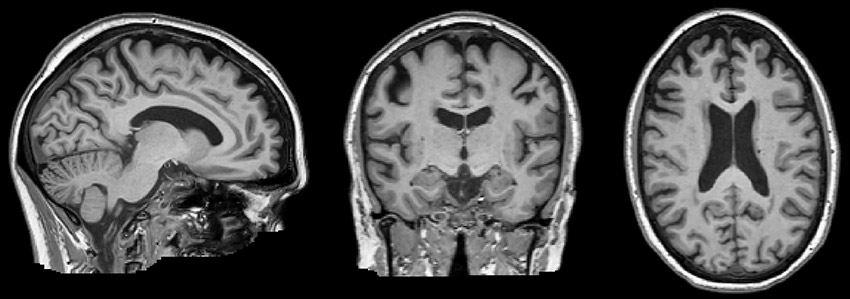
Hypoxic ischemic encephalopathy, or HIE, is a serious brain injury affecting newborns after experiencing oxygen deprivation before or during labor.
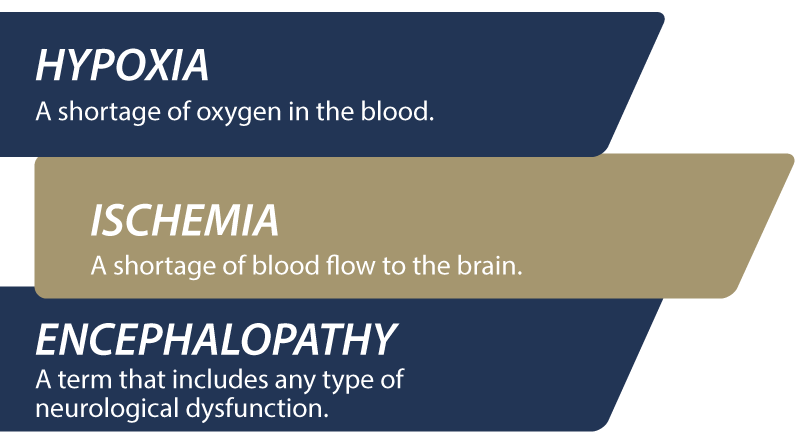
Hypoxia and ischemia often go hand in hand because blood carries oxygen throughout the body. When a disruption in oxygenated blood flow occurs for too long, the baby’s brain cells can die off permanently.
HIE is one of the leading causes of cerebral palsy, a group of neurological conditions that affect muscle movement. Newborn HIE injuries also continue to be a leading cause of worldwide neonatal mortality and morbidity, especially in lesser-developed countries.
How Common are HIE Birth Injuries in Houston?
An HIE injury at birth is a relatively rare occurrence. In the United States, neonatal experts estimate the incidence of this brain injury sits around 1.7 in every 1000 births. Using Houston birth rate data, we can predict that around 45 newborns in Houston will develop HIE each year.
How Do HIE Birth Injuries Progress?
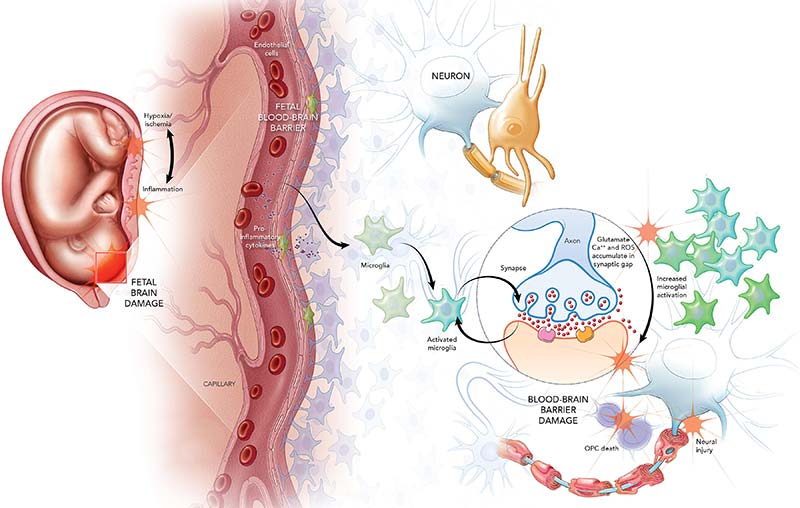
HIE brain injuries do not occur all at once. The first dip in oxygen levels sets off a chain reaction of biological processes that progress into permanent damage. Here is how that process occurs:
Stage 1: Hypoxic-Ischemic Insult
Hypoxic-Ischemic Event: HIE begins when a complication disrupts oxygen-rich blood flow to the baby’s brain. This can either happen really quickly (acute profound hypoxia) or gradually over time (partial prolonged hypoxia).
Acute profound hypoxia involves sudden, severe oxygen loss, such as with a placental abruption or uterine rupture. Partial prolonged hypoxia, on the other hand, can occur from issues like placental insufficiency or a compressed umbilical cord.
Cellular Shutdown & Initial Injury: In response to reduced oxygen and blood flow, the baby’s brain cells begin to die. The rapid cellular death triggers swelling and inflammation of the brain tissue. This damage is the initial brain injury.
Stage 2: Oxygen Reperfusion Injury
0-6 Hours After Injury: With the baby usually delivered at this point, oxygenated blood resumes flowing to the brain. Doctors call this period the latent phase, or the small window of recovery where therapeutic interventions are most effective. This is the ideal time for neonatal cooling therapy to reduce excess brain swelling.
Oxygen Reperfusion & Secondary Injury: Medical professionals must restore oxygen and blood flow quickly after a hypoxic-ischemic event. However, this rapid return of oxygen can sometimes trigger new damage in the brain.
During oxygen reperfusion injury, stressed brain cells release harmful chemicals and inflammatory responses as a reaction to the oxygen returning. The brain mistakes inflammation for infection, which triggers a second, more dangerous wave of damage than the original oxygen loss.
What Causes a Newborn’s HIE Brain Injury?
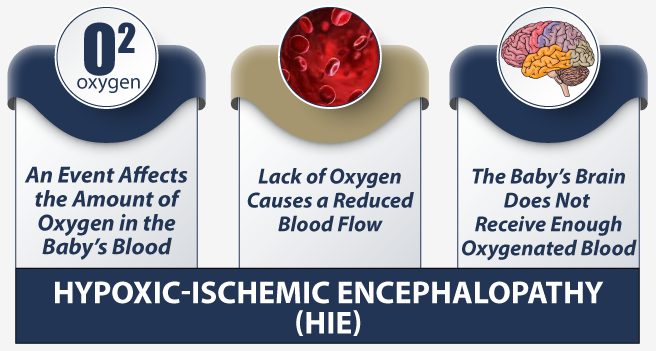
Simply put, HIE occurs when a baby’s brain does not receive enough oxygen-rich blood. Even before birth, brain cells depend on oxygen to create energy and support healthy functioning.
The brain uses a large share of the body’s energy supply. During pregnancy and delivery, a baby’s developing brain is even more dependent on steady oxygen. When that supply drops, brain cells can weaken, shut down, and die.
Unlike other cells in the body, these dead brain cells aren’t able to easily regenerate. This is why widespread brain cell damage at birth can have lasting impacts throughout childhood and even into adulthood.
Doctors, nurses, and all other medical professionals in the delivery room must carefully watch for signs of fetal oxygen deprivation. Just minutes without oxygen can irreversibly disrupt brain function.
What Increases Someone’s Risk for HIE Birth Injuries?
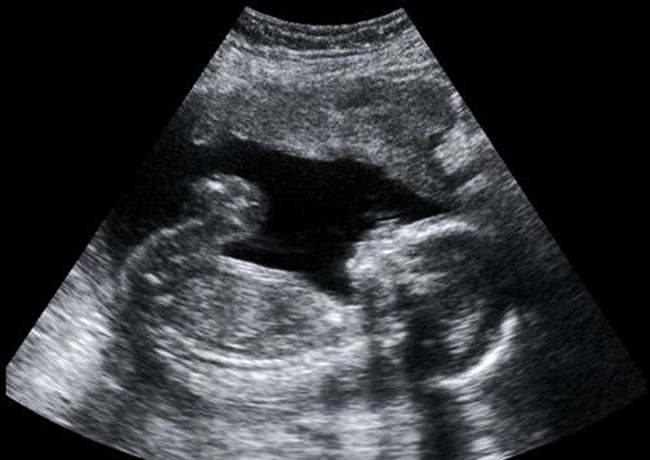
Hypoxia and ischemia directly cause HIE, but many underlying problems can start that process.
Any number of issues with the placenta, umbilical cord, uterus, or complications with labor can cause a hypoxic-ischemic event. The tricky part is that these complications don’t always guarantee an HIE injury will occur; they only increase the risk.
What we do know is the more risk factors a baby possesses, the more likely they will experience oxygen deprivation. The Houston HIE Birth Injury Lawyers at Miller Weisbrod Olesky review these complications when investigating preventable newborn brain damage:
Placental Complications
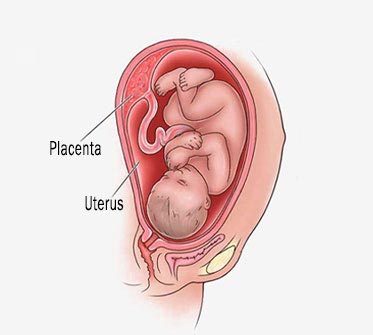
The placenta is perhaps the most important organ in the mother’s body during pregnancy. It begins growing in the uterus shortly after conception.
The placenta is the baby’s source of oxygen, blood flow, and vital nutrients necessary for fetal development. Any type of placental complication (insufficiency, abruption, etc.) can block this critical exchange. Untreated placental issues can prolong oxygen deprivation and increase the baby’s risk for hypoxia and ischemia.
Umbilical Cord Problems
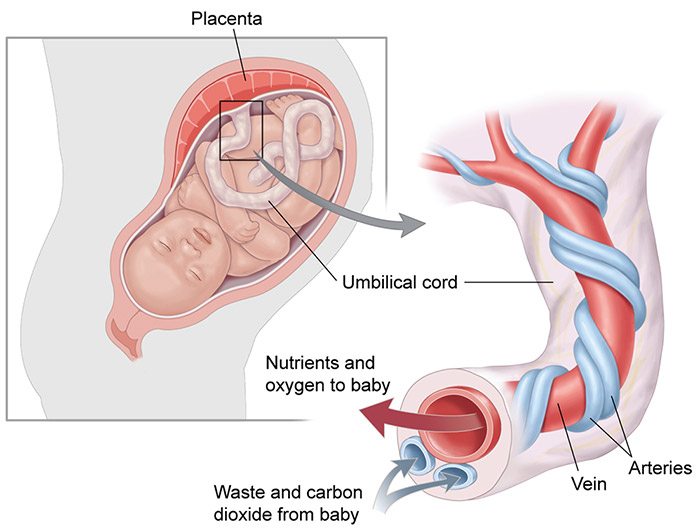
The placenta and umbilical cord work together in tandem to deliver vital oxygen and nutrients to the developing fetus.
Knots, kinks, or cord compression can prevent oxygen and blood from getting to the baby’s brain. If medical professionals cannot quickly fix the umbilical cord problem, the baby’s risk for hypoxia and ischemia quickly begin rising.
Umbilical cord issues can dangerously reduce oxygen levels within just minutes. In some cases, an emergency C-section may be necessary to avoid severe perinatal asphyxiation.
Maternal Hypertensive Disorders

During pregnancy, the placenta needs high levels of blood flow so it can deliver oxygen and support the baby. To meet these demands, the mother’s body will slowly increase its blood volume by almost 50% during pregnancy.
The increased blood supply can put strain on the mother’s heart and blood vessels. This can make her vulnerable to hypertensive disorders like preeclampsia, a condition causing high blood pressure and shrunken blood vessels.
Without proper monitoring and intervention, preeclampsia can dangerously restrict placental blood flow and make ischemia more likely.
Placental Blood Clots During Pregnancy

The mother’s liver creates more blood-clotting proteins during pregnancy to prepare for the blood she will lose at birth. Proteins like fibrinogen and proconvertin, alongside factors like increased pelvic vein pressure, will increase her risk for forming blood clots.
Blood clots (especially placental blood clots) can act as a blockage that prevents oxygenated blood from reaching the baby. This will increase the chances of hypoxia and ischemia when medical professionals cannot swiftly intervene.
Maternal Infections
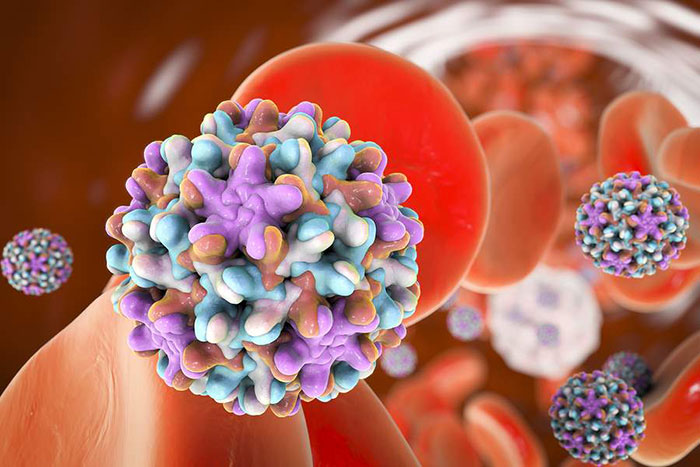
If a mother has present infections in her system, she can easily transfer it to the baby.
Contracting a fetal or neonatal infection like group b strep or chorioamnionitis can easily trigger widespread bodily inflammation. This inflammation will interfere with oxygen delivery to the baby’s brain, increasing their chances of experiencing hypoxia or ischemia.
Additionally, infections often result in fever. A higher internal temperature increases oxygen demand and lowers the baby’s tolerance to labor, increasing their risk for oxygen deprivation.
Prolonged or Arrested Labor
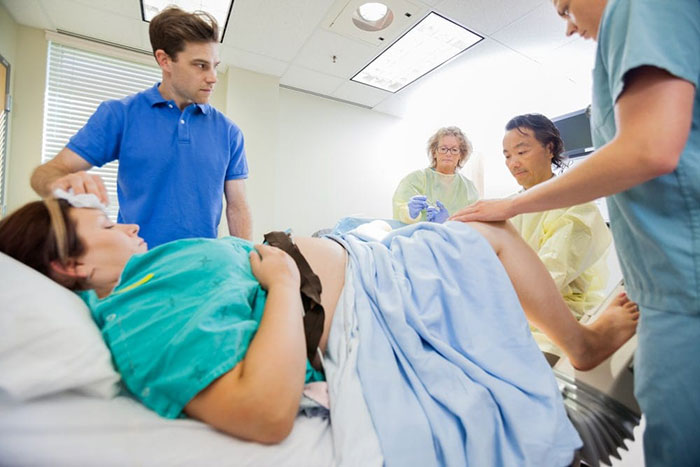
During labor, the mother’s uterine contractions place stress on the baby to push them through the birth canal. While this is a natural process, the baby will experience restricted oxygen levels as a result.
But a baby can only withstand a certain degree of restricted oxygen. If the mother’s labor fails to progress (lasting 18+ hours), the restriction can contribute to prolonged hypoxia.
Medications to Induce Labor

When a mother’s contractions stall or her cervix fails to soften, doctors may prescribe and administer labor inducing medications. Medications like Pitocin and Cytotec can aid in cervical effacement, dilation, and the onset of labor contractions.
But too high of a dosage can cause contractions which are too frequent and overly powerful. This labor complication (called uterine hyperstimulation) can leave the baby without time to restore their oxygen supply in between contractions. This can increase their risk of oxygen deprivation if medical professionals do not quickly step in to adjust the dosage.
Uterine Rupture

Uterine ruptures are life-threatening labor complications where the mother’s uterine lining begins to split apart during delivery. This can sever the connection between the baby and the placenta, abruptly cutting off all oxygen flow during labor. A uterine rupture will greatly increase a baby’s risk for HIE injuries and a mother’s risk for mortality.
Shoulder Dystocia
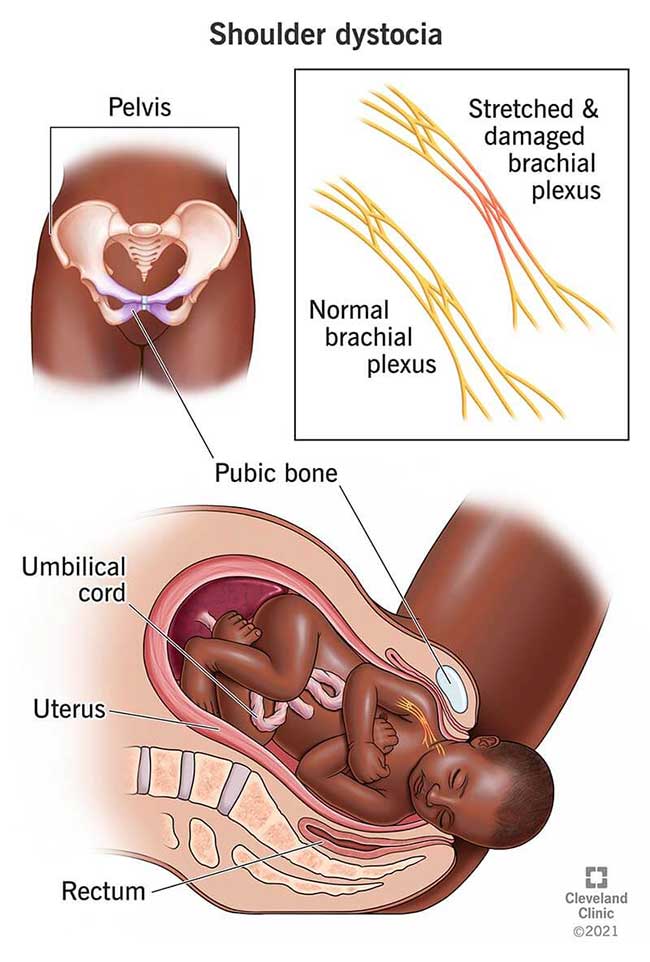
Shoulder dystocia is a complication where the baby’s shoulders become lodged behind the mother’s pubic bone in the birth canal. This creates a situation where the baby’s head delivers, but the rest of their body is stuck.
The longer the baby remains in this position, the more likely they will lose blood circulation to their head. This can create a hypoxic-ischemic event that greatly increases their risk for HIE birth injuries and nerve damage birth injuries.
Birth-Related Head Injuries
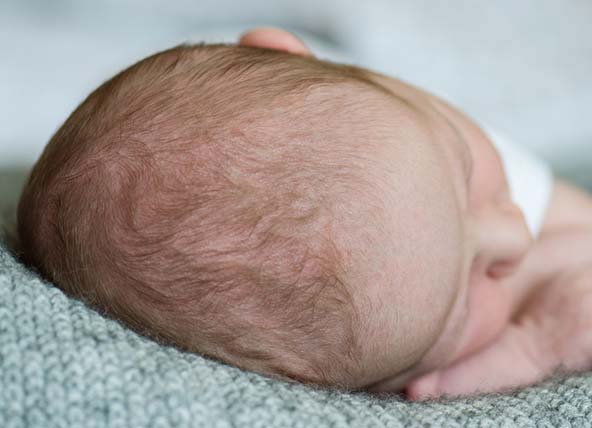
Injuries to a baby’s head during birth can rupture blood vessels or damage their brain tissue. These causes inflammation that restricts essential blood flow to their brain. A ruptured blood vessel can disrupt cerebral perfusion enough to cause HIE birth injuries.
Common head injuries that cause this inflammation can include skull fractures, brain bleeds, or cephalohematoma. These injuries are more common with difficult deliveries or when doctors misuse delivery instruments like forceps and vacuum extractors.
Premature Birth in Harris County
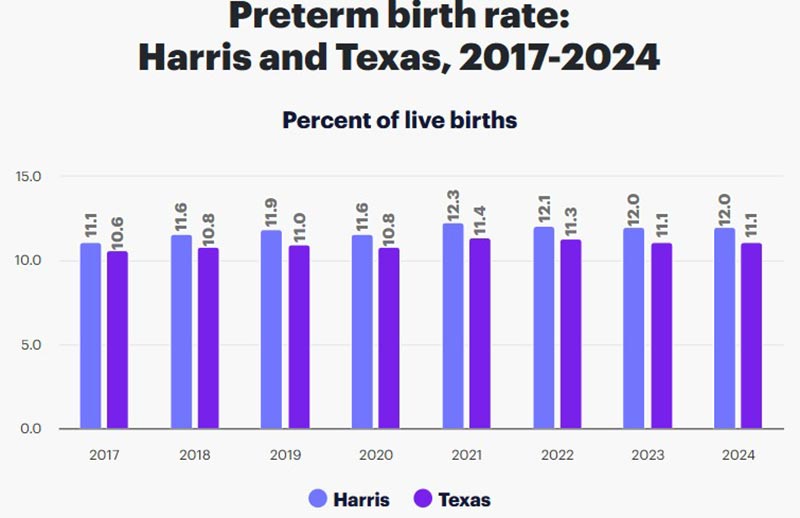
Babies born before 36 weeks gestation usually have underdeveloped internal organs, including the heart, brain, and blood vessels. These weaknesses will make it more difficult for them to manage restricted oxygen flow if they experience a hypoxic-ischemic event.
In Harris County, around 12 percent of babies arrive prematurely each year. This is higher than the state average, meaning more babies in Houston are at risk for HIE brain injuries.
Many HIE risk factors come with warning signs that doctors and nurses should be able to quickly recognize. Timely action can make a major difference when a baby is facing oxygen deprivation.
The Houston HIE Birth Injury Lawyers at Miller Weisbrod Olesky will investigate all potential factors that led to preventable injuries. If we find that medical professionals neglected the signs of known risk factors, we will fight to hold them accountable.
What Are the Signs of HIE Birth Injuries?
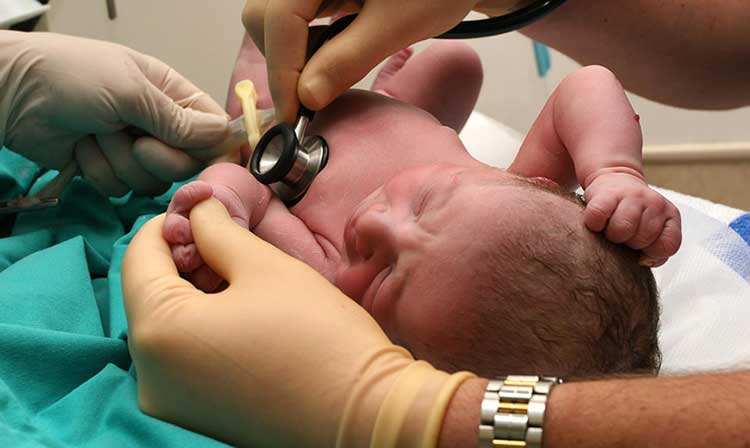
When a baby has HIE brain damage, there are often physical signs of it at birth. In fact, some signs are observable while the baby is still inside their mother’s womb.
When investigating your case, our Houston HIE Birth Injury Lawyers will check whether medical professionals properly caught the following symptoms:
Signs of Fetal Distress
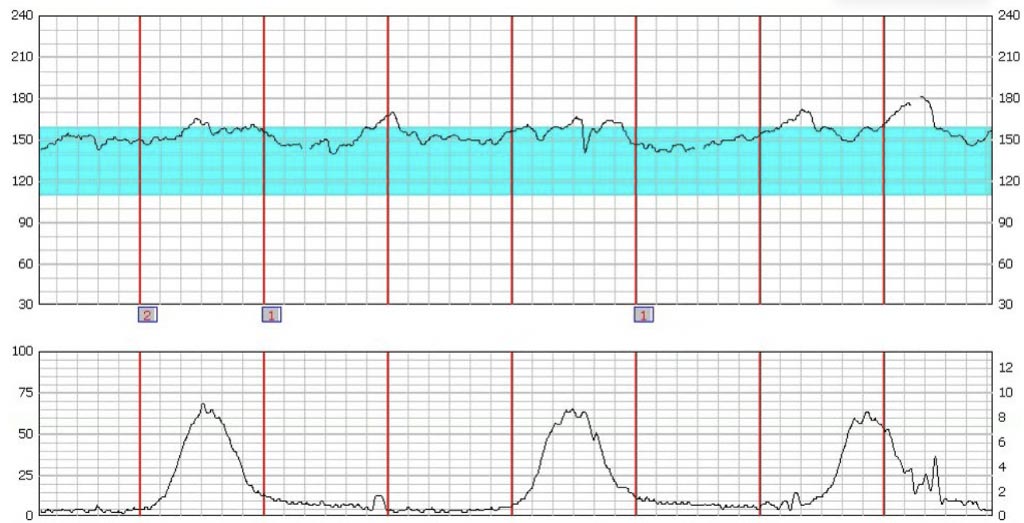
Fetal distress is a term to describe when the baby’s heart rate shows non-reassuring patterns during labor. They will usually be the first sign of a complication affecting fetal oxygen supply.
Patterns that should immediately alert medical professionals to a potential problem include:
- Late heart rate decelerations after a contraction
- Minimal to no change (variability) in heart rate over several minutes
- Baseline heart rates under 100 beats per minute (suggesting fetal bradycardia)
- Baseline heart rates over 160 beats per minute (suggesting fetal tachycardia)
Doctors and nurses must carefully monitor the baby’s heartbeat to know when intervention is necessary. Intervening can range from adjusting the mother’s position and providing additional fluids to performing an emergency c-section delivery.
Weak Appearance
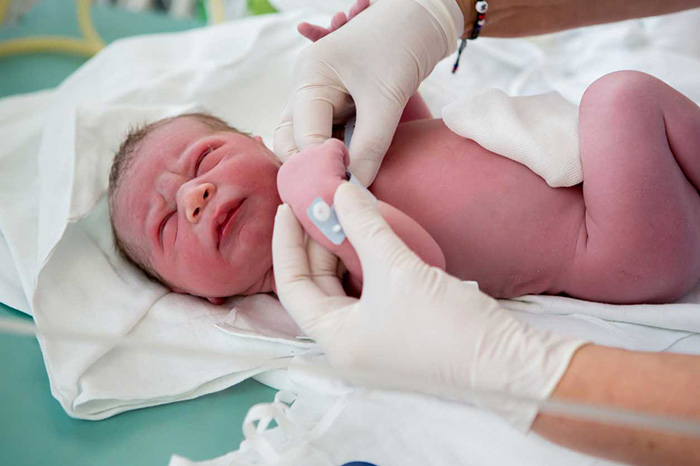
Doctors and delivery nurses must closely examine the baby’s physical characteristics upon delivery. Important signs of an HIE injury or other brain damage at birth may look like:
- Shallow breathing or absent breathing requiring neonatal resuscitation
- Irregular pulse (fetal bradycardia or tachycardia)
- Blueish tint around the lips or face, indicating oxygen deprivation
- Little to no movement
- Poor reflexes
- Floppy, weak muscle tone (hypotonia)
- Arched back
A newborn who has two or more of these signs may have a brain injury like HIE. Or they may have another complication that warrants further attention. Either way, medical professionals must not ignore these signs as they can indicate a severe birth complication.
Seizures at Birth
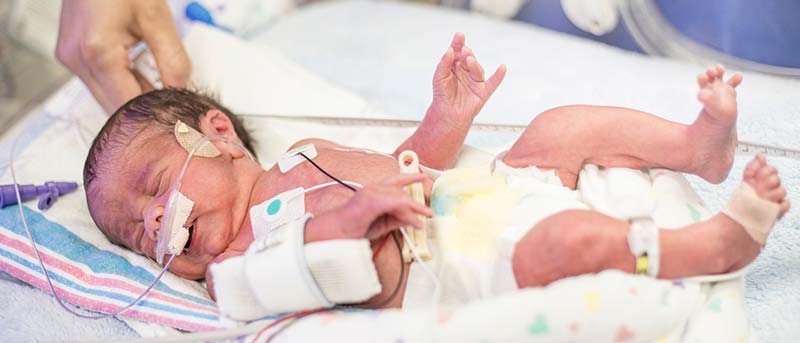
An HIE injury can cause the brain to send abnormal electrical signals that cause neurons to fire uncontrollably. This results in neonatal seizures, marked by uncontrollable convulsions, rhythmic eye movements, and pauses in breathing.
Fetal Acidosis
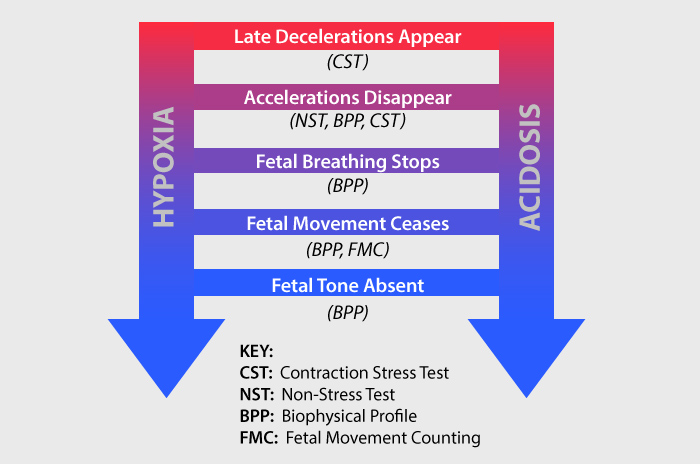
A decrease in oxygen causes the baby’s cells to produce excess lactic acid when producing energy. Over time, lactic acid buildup will cause the baby’s blood pH to drop to dangerously acidic levels.
A blood pH below 7.20 at birth almost always indicates that the baby underwent oxygen deprivation during labor. Research supports severe fetal acidosis being a key symptom of HIE injuries in neonates.
When a newborn has critical HIE brain damage, medical professionals don’t have much time to intervene. It is paramount to notice the early signs so there are zero delays in diagnosing the injury.
When healthcare professionals miss the critical intervention window because they didn’t see the signs, it can qualify as medical malpractice. A Houston HIE Birth Injury Lawyer can help hold them responsible for their negligence.
What Tools Do Doctors Use to Diagnose HIE Birth Injuries?
Even when a baby presents with clear symptoms of HIE, doctors and nurse practitioners cannot rely on physical signs alone. Instead, they must rely on standardized exams and tools to accurately diagnose HIE brain damage:
APGAR Scoring
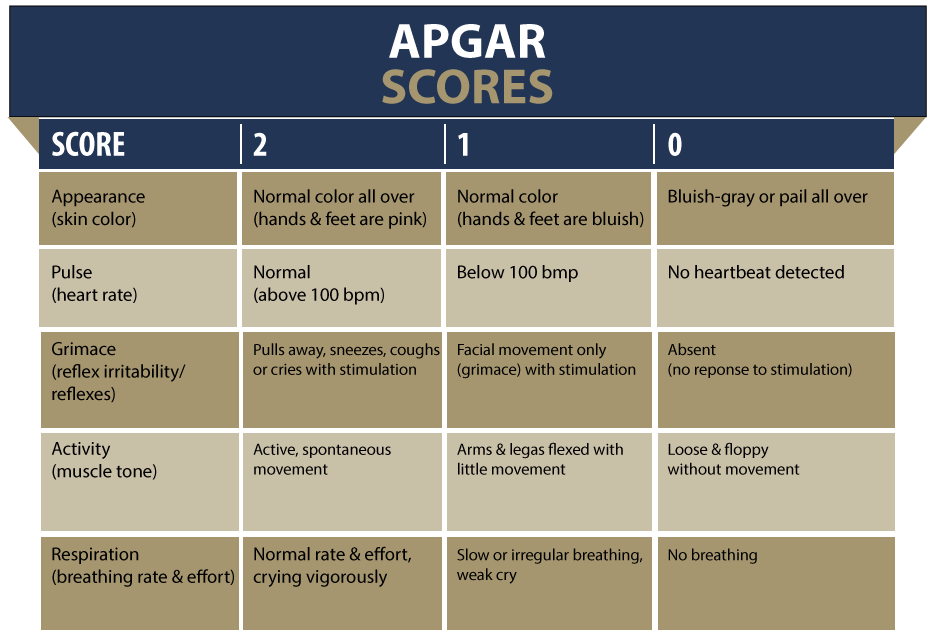
APGAR stands for five distinct, important physical characteristics at birth: Appearance, Pulse, Grimace, Activity, and Respiration. Healthcare providers (usually the nurse present at birth) will assign a score ranging from 0-2 for each quality.
All newborns receive an APGAR score to evaluate whether they need further medical intervention. Babies with HIE birth injuries will usually score low in all APGAR categories, particularly in the respiration and pulse sections. Doctors often use the APGAR score as a benchmark for determining whether the baby needs further testing for brain damage.
Sarnat Tests
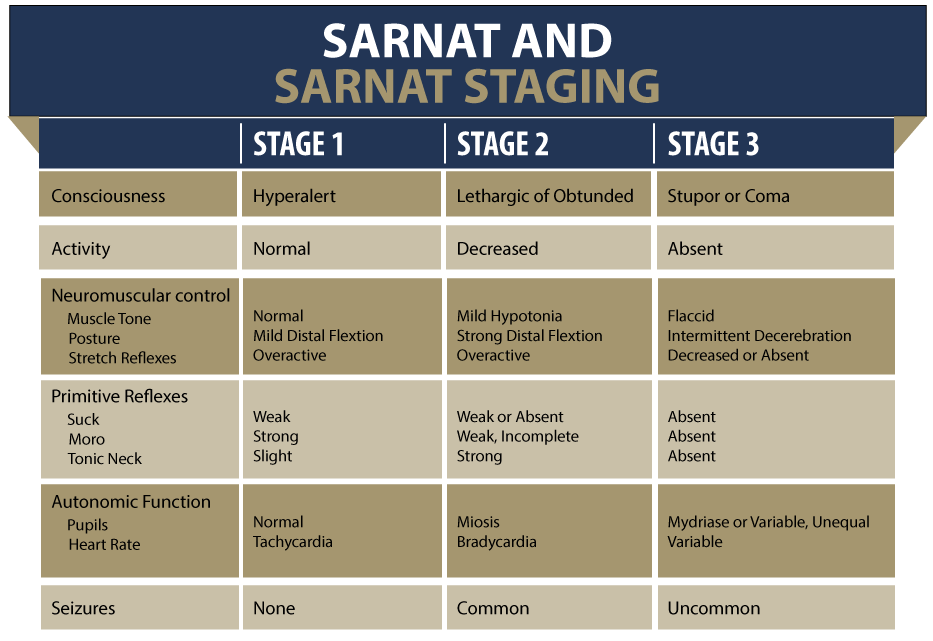
In a similar fashion to the APGAR test, the Sarnat exam has healthcare providers measuring specific neonatal characteristics. However, medical professionals will only conduct this type of assessment with children who they suspect to have HIE.
The categories on the Sarnat exam align closer with common HIE symptoms. This includes criteria like neuromuscular control levels and the presence of seizures.
What Are the Stages of HIE?
The Sarnat scale groups a baby’s HIE birth injury into one of three stages that ascend in severity:
- Stage I (Mild): the HIE damage is minimal. While the baby may need some intervention, they will likely not experience long-term complications.
- Stage II (Moderate): the HIE damage is significant, but it will be treatable with neonatal cooling therapy. Long-term complications are not out of the question.
- Stage III (Severe): the HIE injury is severe and is very likely to affect the rest of the newborn’s life. Early intervention is crucial to avoiding infant death.
Umbilical Cord Blood Gas Tests
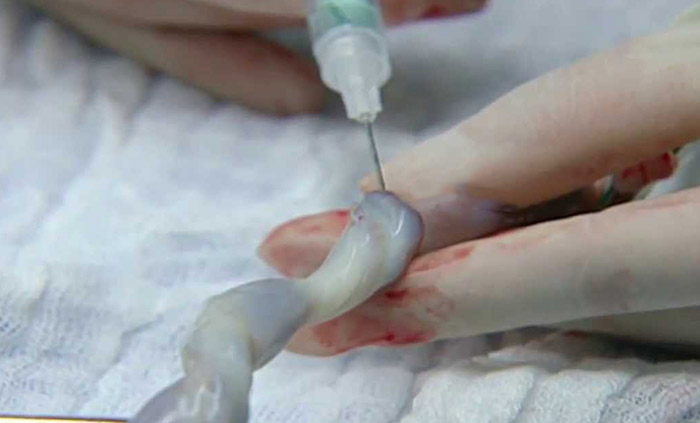
Low pH balance in umbilical cord blood can reveal when the newborn underwent hypoxia and subsequent fetal acidosis during labor.
An umbilical cord blood gas test can measure the pH level and base deficit within the baby’s blood. Low pH levels and high base deficits indicate that the baby did not receive enough oxygen during delivery.
Results with a pH below 7.18 should push medical professionals to conduct further testing for brain injuries.
Neuroimaging Tests
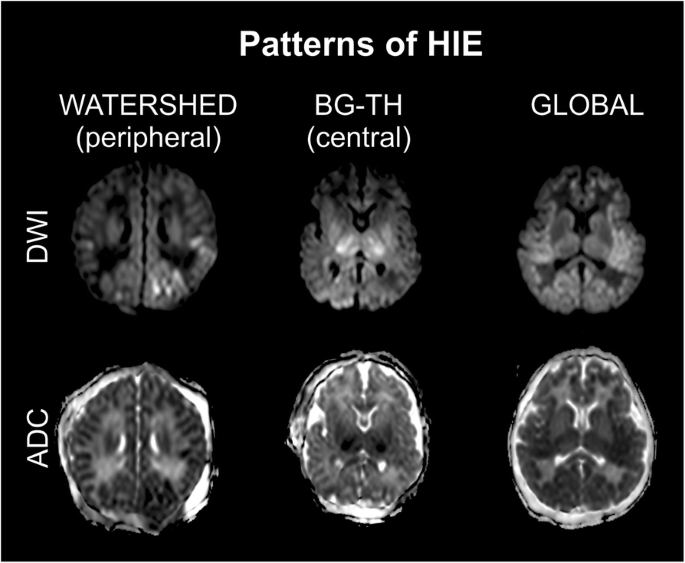
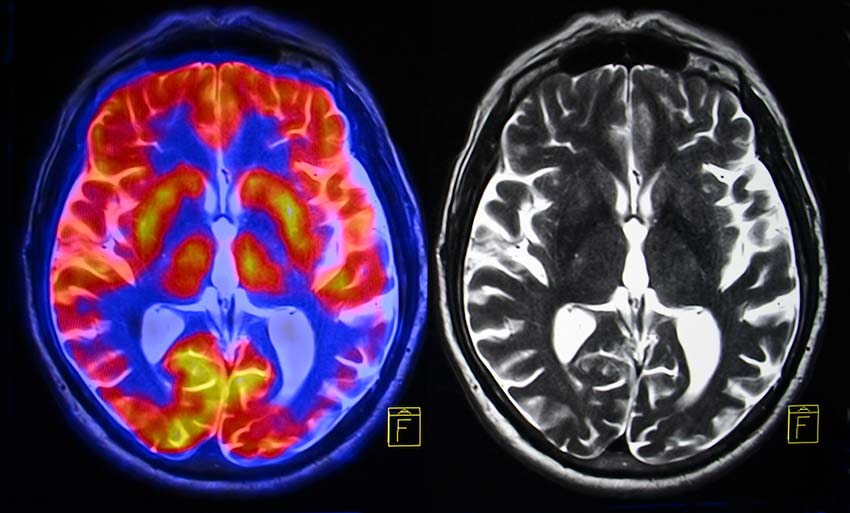
Neuroimaging scans are the most definitive method a medical professional can use to detect HIE birth injuries. The most common test for neonates is Magnetic Resonance Imaging (MRI) scanning because of its high accuracy and non-invasive nature. Electroencephalogram (EEG) testing measures the brain’s electrical activity and can also help doctors spot abnormal signals that indicate brain damage.
These tests help medical professionals determine the precise location, severity, and expected long-term effects of a baby’s HIE injury.
An HIE brain injury baby will need early intervention and support from the very start of their life. Newborns with injuries on the cusp between moderate and severe can sometimes avoid permanent complications when doctors act early.
If you suspect doctors failed to properly diagnose your baby in time, consider contacting a Houston HIE Birth Injury Lawyer.
What Complications Can Occur from HIE Birth Injuries?
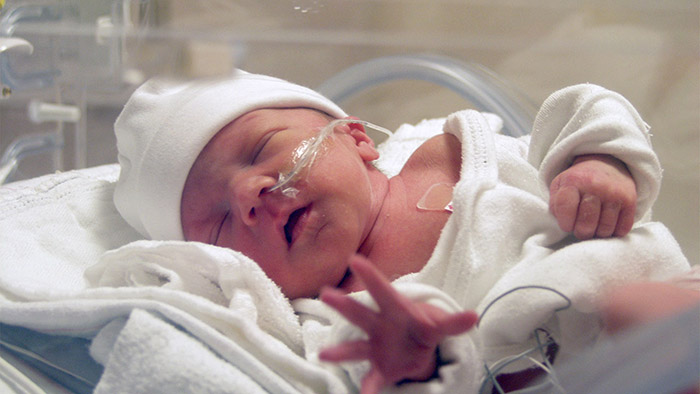
HIE birth injuries can cause complications that permanently change how the child will live their life. Some of the most common disabilities that our HIE Birth Injury Lawyers in Houston see in our clients include:
Newborn Epilepsy
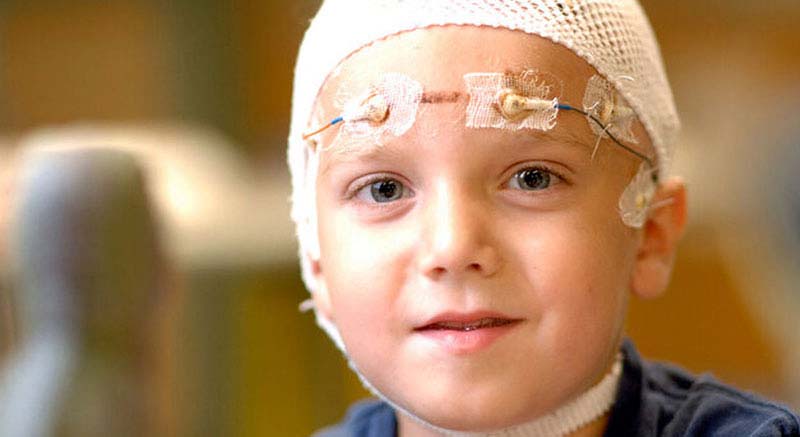
Epilepsy is a neurological disorder where abnormal electrical activity in the brain causes unpredictable and recurring seizures. Babies with HIE brain damage are five times more likely to develop the condition compared to the general population.
According to the National Epilepsy Foundation, nearly 300,000 Texans suffer from epilepsy.
Sensory Processing Disorder
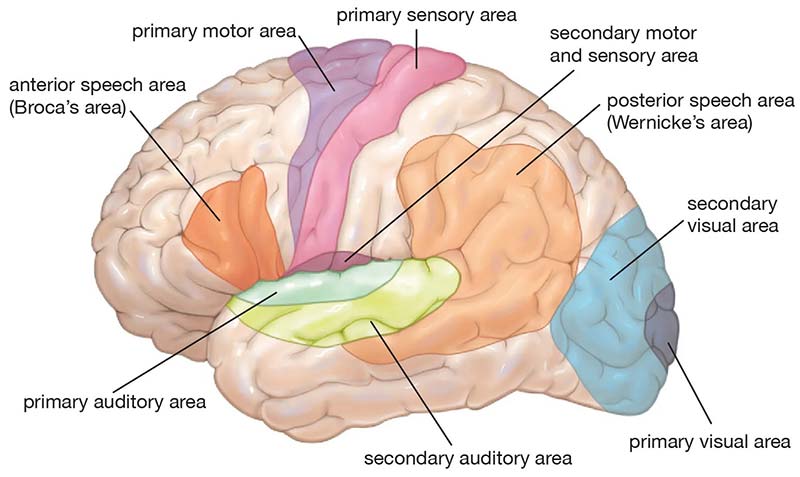
We depend on our brains to process and translate all sensory input from the world around us. But HIE brain damage can destroy the neural pathways and sensory receptors needed to control this information. This commonly results in complications like hearing loss and vision impairments.
Children may also experience a hypersensitivity to stimuli like light, loud noises, or feeling different textures. This can cause irritation to certain clothing, foods, and other items.
Delayed Developmental Milestones

Parents will often eagerly await a child’s first signs of social, physical, and emotional development. A baby’s first words, first steps, and other developmental milestones can reassure parents that they are growing as expected.
However, babies with HIE birth injuries can develop skills on a slower timeline or never develop them at all. Their brain injury can prevent motor signals from firing and allowing the muscle coordination to sit up, stand, or walk.
Other common missed milestones include social and emotional delays, speech impairments, hearing delays, or visual delays. The child may also struggle to control their emotions or interact with other kids their age.
Cerebral Palsy at Birth
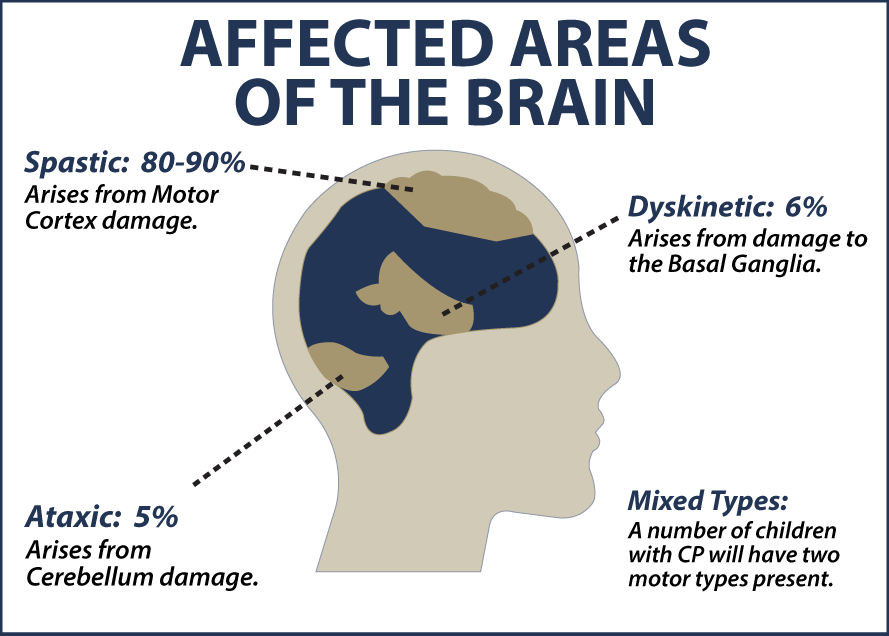
HIE brain injuries are the leading cause of cerebral palsy worldwide. Cerebral palsy is a group of neurological disorders affecting a child’s muscle movement, tone, coordination, speech, vision, and cognitive abilities.
Children with cerebral palsy often experience uncontrollable muscle spasms that result in paralysis or jerky, involuntary movements. Other common complications include swallowing disorders and speech impairments like dysarthria or dysphagia.
Doctors usually wait until the child’s first year or two of life to diagnose cerebral palsy. But symptoms like developmental delays, floppy muscle tone, and feeding problems can appear before then. Medical professionals should monitor children with HIE for any emerging symptoms of cerebral palsy to ensure they get timely treatment.
What is the Life Expectancy of a Baby with HIE?

According to nonprofit organization Hope for HIE, roughly 23% of worldwide neonatal deaths stem from severe HIE birth injuries. On top of this, up to 40% of surviving infants face long-term complications like epilepsy, developmental delays, and cerebral palsy.
But even with these complications, children with severe HIE symptoms usually live a normal life expectancy with ongoing treatment. Mild cases of HIE do not affect life expectancy and usually require minimal to no additional treatment.
How Do Doctors Treat HIE Birth Injuries?

A newborn HIE brain injury requires urgent medical attention. However, providing treatment immediately after birth can reduce the injury’s severity and decrease the risk of suffering long-term complications.
HIE Birth Injury Neonatal Treatments
HIE treatment can begin almost immediately after the child’s birth. For the best neonatal outcomes, our Houston HIE Birth Injury Lawyers recommend that healthcare professionals execute the following treatment strategies:
Therapeutic Hypothermia
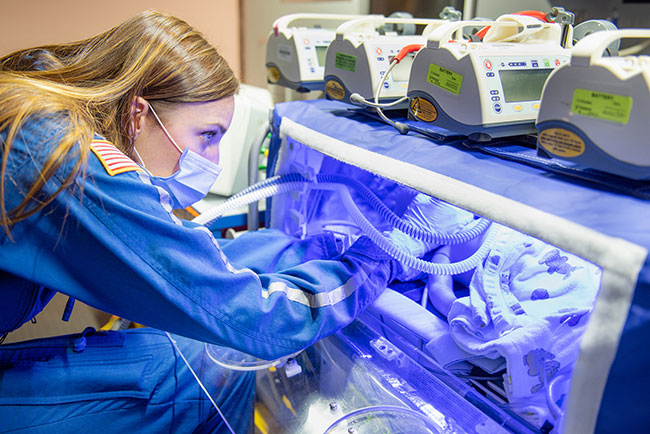
Therapeutic hypothermia is one of the most effective treatments for HIE immediately after the baby’s birth.
Medical professionals will place them inside of a thermal regulating machine that keeps their internal temperature at 92.3° Fahrenheit. The baby will stay in this machine for roughly 3 days before medical professionals begin the rewarming process.
By lowering the baby’s internal body temperature, it reduces the brain’s metabolic rate. This helps stop inflammation and prevents a secondary wave of tissue damage by making the brain less oxygen dependent.
Preterm babies or babies with low birth weights may not qualify for neonatal cooling. If they do qualify, medical professionals must start the cooling process within six hours of birth. Waiting too long can reduce the treatment’s ability to stop an oxygen reperfusion injury.
Respiratory Therapy
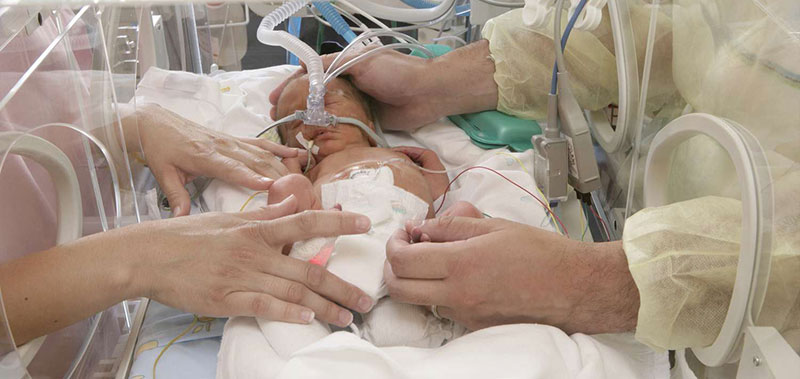
Almost all babies with moderate to severe HIE injuries have breathing difficulties at birth. Doctors and delivery nurses must often provide neonatal resuscitation to restore the baby’s oxygen flow and prevent further brain damage.
If the baby is breathing but has low blood oxygen levels (hypoxemia), medical professionals may need to administer supplemental oxygen. They do this primarily with non-invasive tubes called nasal cannulas or with an assisted ventilation machine in extreme cases.
Seizure Management
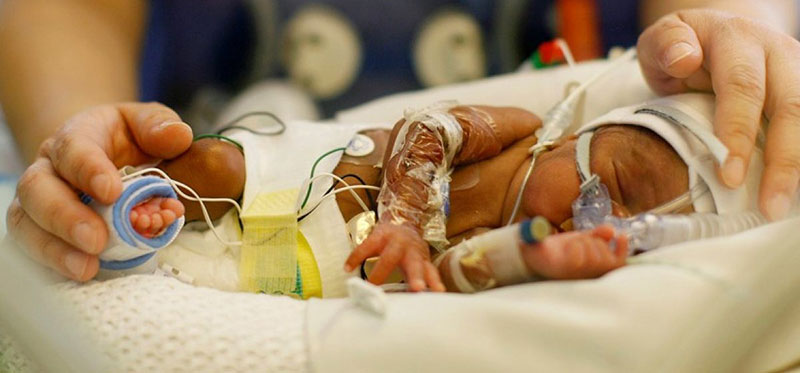
Nearly 60% of HIE brain injury babies have seizures after birth. These episodes can interrupt breathing and pose an elevated risk to the baby’s life. Medical professionals should consider administering preventative antiseizure medications to babies with HIE, even without witnessing evidence of clinical seizures.
Additionally, they should keep a watchful eye over electrical activity in the baby’s brain. Continued monitoring with an EEG machine after birth will immediately alert healthcare providers of any seizure activity.
HIE Treatments During Childhood

After a certain point during early infancy, HIE birth injuries become irreversible. By the early childhood years, medical specialists tend to shift their focus toward symptom management over curative care.
The following treatments can help alleviate a child’s HIE symptoms and allow them more physical and emotional comfort:
Physical Therapy

Children with moderate to severe HIE brain damage will have less control over their muscle movement. This can prevent them from developing the skills necessary for standing, walking, running, or jumping.
Physical therapy introduces targeted exercises that can help these children improve their flexibility and widen their range of motion.
Occupational Therapy

Occupational therapy helps children practice performing everyday tasks and activities. This can include activities like writing, coloring, holding utensils, brushing teeth, hair brushing, or putting on clothes. Continued practice helps children with HIE to develop their fine motor skills and gain more independence.
Speech Therapy

HIE brain injuries can cause neurological speech impairments that give children difficulties with eating, swallowing, and speaking. Speech therapy can introduce swallowing techniques, tongue placements, and articulation exercises that will improve their speaking skills.
Over time, working with a speech therapist can allow children with HIE to feel more independent and socially confident.
Assistive Equipment & Devices
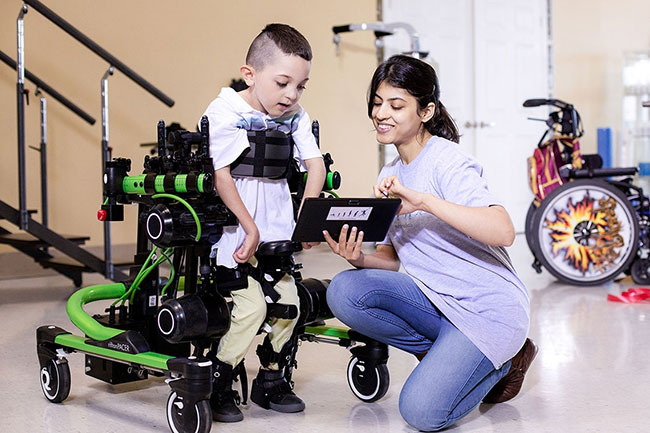
Some children with HIE have mobility restrictions because of muscle weakness, hypotonia, and paralysis. This can bar them from doing everyday tasks like travelling, communicating, or even lying down on their own.
Assistive equipment and devices like wheelchairs, walkers, and adaptive furniture can help these kids get around easier on their own. Home modifications like exterior ramps and roll-in showers can make activities around the house more accessible.
If their HIE brain injury causes speech impairments, some children may even utilize adaptive communication devices for interacting with others.
Easter Seals Greater Houston

Easter Seals is a nationwide nonprofit with over 75 locations providing health and human services to disabled children and adults. Their website offers comprehensive early intervention resources and referrals for programs like physical therapy or occupational therapy. They also put on several community engagement events throughout the year in the Houston metroplex.
For more information on how Easter Seals can help your baby with HIE, please visit their website.
Can A Baby Fully Recover from HIE?

Like most brain injuries, researchers are still searching for the cure to HIE. Early intervention within 6 hours after birth (namely neonatal brain cooling) is the most effective treatment for actually reversing inflammation. During early childhood, a variety of medications, treatments, and therapies can reduce the severity of some HIE symptoms.
The extent to which HIE will impact a child’s life will largely depend on the initial injury’s severity. Mild cases do not usually cause long-term impairment or disability. However, children with moderate to severe cases will likely need some form of HIE treatment throughout their life.
Did Medical Malpractice Cause My Child’s HIE Birth Injury?

When their newborn shows signs of an HIE birth injury, parents should always question how it happened. Though they may not wish to believe it, the blame may fall on negligent medical professionals overseeing their baby’s birth.
Common Medical Mistakes That Lead to HIE Brain Injuries
There are numerous delivery room errors that could put a baby in danger for developing an HIE birth injury. Some of the most common mistakes our Houston HIE Birth Injury Lawyers catch include:
- Failure to properly monitor the mother’s blood pressure during delivery
- Failure to carefully monitor fetal heart rates and respond to signs of fetal distress
- Missing placental problems like insufficiency or an abruption
- Missing umbilical cord problems like nuchal cord or cord compression
- Failure to sufficiently treat maternal infections like group b strep or chorioamnionitis
- Failure to intervene when the mother has a prolonged or arrested labor
- Delaying an emergency C-section when the baby has no access to oxygen
- Administering labor inducing medications and failing to adjust the dosage when complications occur
- The use of excessive force with delivery instruments like forceps and vacuum extractors
- Failure to conduct proper neuroimaging tests or umbilical cord blood gas testing after birth to confirm a case of HIE
- Failure to start therapeutic hypothermia treatment after an HIE birth injury
- Downplaying the extent of a child’s HIE birth injury to their parents and family
If you believe your doctors may have made any of these errors during your delivery, don’t hesitate to reach out. One phone call with Miller Weisbrod Olesky's Houston HIE Birth Injury Lawyers can bring your family closer to justice and financial compensation.
How Long Do You Have to Sue for A Birth Injury in Houston?

A statute of limitations (SOL) sets a time limit on how long a claimant has to file a lawsuit. Statutes of limitations can vary greatly based on the type of case and the state where you’re filing. For instance, the deadline for birth injury claims is typically different from other claims like injury to personal property.
For adults, the statute of limitations in Texas medical malpractice lawsuits is generally 2 years from when the negligence occurred. For children, the statute of limitations is slightly different. Parents typically have until the day of the child’s 14th birthday to file a birth injury medical malpractice claim.
However, Texas also has a statute of repose that sets an absolute limit on all healthcare liability claims. It states that no one may file a claim 10 years after the date of the negligence. All claims to recover childhood medical expenses belong to the parents as minors cannot legally file on their own.
Depending on the case, you may need to file a birth injury claim under the Federal Tort Claims Act (FTCA). Examples include if the negligent party was a local or state government hospital, or if the doctors are government employees.
In FTCA cases, claimants must go through certain administrative procedures before filing a lawsuit. The time period in which you must give "notice" may be shorter in these cases.
The court will typically dismiss your case if you file it outside the statute of limitations. However, certain exceptions exist to the rules when the injured party is a child.
Determining when a statute of limitations begins on your case can be tricky. If you're considering pursuing compensation for your child’s birth injury, it’s in your best interest to quickly contact an attorney. Speaking with one of our Houston HIE Birth Injury Lawyers can clear up any confusion you may have regarding filing.
How Can Our Houston HIE Birth Injury Attorneys Help?
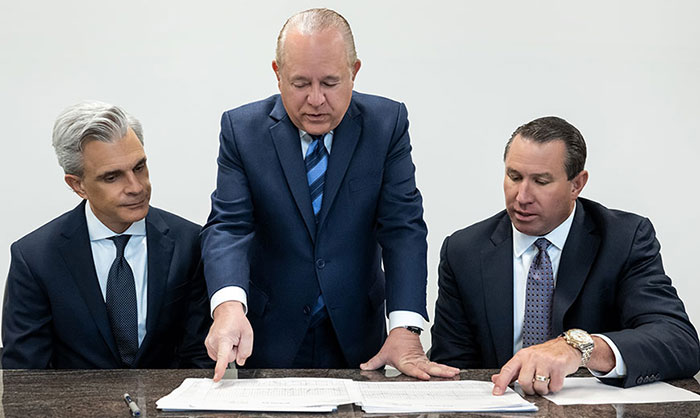
Expecting mothers not only put their own fate in medical providers’ hands during delivery, but also their baby’s fate as well. When birth injury negligence causes irreversible brain damage, Miller Weisbrod Olesky's Houston HIE Birth Injury Lawyers will make sure there’s consequences.
We will use our vast network of legal and medical experts to thoroughly investigate exactly what happened during your birth. We will hold negligent healthcare providers accountable for their errors in hopes that future families won’t endure the same pain.
By successfully proving medical malpractice occurred, we help your family recover life-changing financial compensation to put toward:
- Medical treatments, appointments, procedures, and therapies
- Assistive equipment like wheelchairs, walkers, and home modifications
- Medications to treat related conditions like seizures or muscle spasms
- In-home caregivers and medical attendants
Our Process
Miller Weisbrod Olesky's team of HIE Birth Injury Lawyers in Houston will use our extensive case review process to assess your claim.
We start by speaking with your family directly to learn more about you and your child. We’ll gather medical records like fetal monitoring strips to support your claims. Important details we will consider and investigate further include:
- The types and dosages of medications doctors prescribed and administered during labor
- Whether medical professionals responded quickly enough to your delivery complications
- The time it took medical professionals to order and conduct an emergency C-section
- How quickly healthcare providers started neonatal cooling after birth in the event of an HIE brain injury
We consult with experienced medical experts like pediatric neurologists, radiologists, and neonatologists. They will review your records to determine whether medical errors could have contributed to your newborn's HIE injury. If we make a recovery, we will move forward with an official HIE birth injury medical malpractice lawsuit.
At no point will you need to pay any fees during the legal intake or litigation process. Our dedicated nursing and medical research division will conduct a comprehensive review of your case for free.
Our contingency fee policy means that we only charge attorney’s fees on cases we win. You will never have to pay out of pocket; we charge a pre-agreed fee outlined in our attorney-client retainer contract. We do not take on any HIE birth injury cases unless we fully know we will win.
Miller Weisbrod Olesky handles birth injury medical malpractice cases throughout the Houston metroplex. We also have experience helping families living in surrounding areas, including Katy, The Woodlands, Sugar Land, Pearland, Pasadena, and more. You can contact our Houston office using our toll-free line at (888) 987-0005. Additionally, you can schedule a free consultation by filling out our online request form.

National Birth Injury Law
Our National Birth Injury Attorneys, nurses, and support staff understand that parents of children with birth injuries feel overwhelmed. So, every client has the attention and support of a team of trained, compassionate professionals. But we don’t just offer compassion.
We offer a process to help you discover whether your child’s birth injury, HIE, cerebral palsy or brain injury at birth was caused by medical malpractice.
Call our offices today at (888) 987-0005 for experienced assistance in a free consultation.
Quick Links
Testimonials
- Lyric C. I feel like our voice was heard in a sense of what can possibly go wrong in a delivery and finding us answers. I feel with our settlement, we are now in a comfortable position to provide for our son.
- Lyssa L. They are not just people that say “hey let's get you money and let's go” The law firm was very thorough with us. It was awesome. I don't want to cry, because I think about and it's amazing that they were able to help me and that we were able to help my son and get the story out there.
- Jay C. Throughout the process, one thing was clear to us, the ultimate interest of our child was the utmost concern of Max and his team and as parents navigating a situation like that, that was refreshing to know we had them firmly on our side. I highly recommend them.
Popular Cities
- ★ Dallas Birth Injury
- ★ Houston Birth Injury
- ★ Atlanta Birth Injury
- ★ Chicago Birth Injury
- ★ Philadelphia Birth Injury
Locations
★ Dallas
11551 Forest Central Drive, Ste. 300
Dallas, TX 75243
★ Houston
12929 Gulf Freeway, Ste. 111
Houston, TX 77034