Bell's Palsy
Facial Paralysis - Bell's Palsy
The birth of a child should be a joyous occasion filled with love and excitement for parents and their families. However, the happiest moment can quickly turn into a nightmare when medical professionals make mistakes before, during, or after delivery.
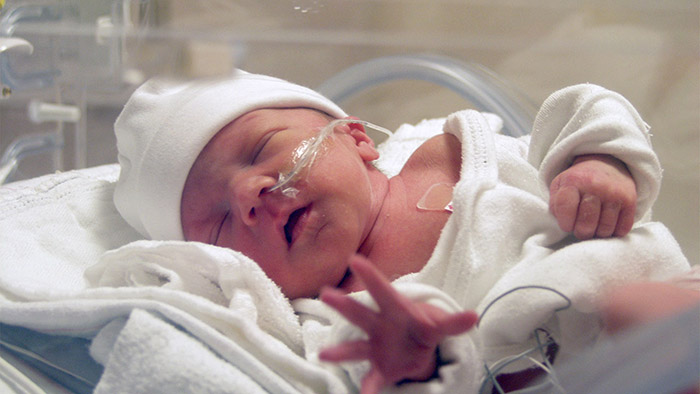
Bell's palsy and other types of facial paralysis are a possible outcome of these tragic medical mistakes. This condition results from birth trauma or damage to the specific cranial nerves supplying facial sensation and muscle control. Bell’s palsy can cause muscle weakness or even complete paralysis on one side of the baby's face.
In cases of Bell's palsy, recovery times may vary widely. Some babies may regain full facial muscle control within weeks or months. However, other children may face lasting impairments that require ongoing birth injury treatment and medical intervention.
Depending on the severity of nerve damage, early diagnosis and treatment can significantly improve the newborn’s chances for recovery. A birth injury lawyer can help families recover compensation to afford the expenses of a child’s Bell's palsy medical treatment. They hold medical professionals liable for their careless mistakes by filing a medical malpractice lawsuit.
Birth Injury Malpractice Attorneys
Our birth injury lawyers help families seek justice and compensation for preventable injuries to mothers or their babies during childbirth. If you or your baby suffered preventable harm from nerve damage at birth, don’t hesitate to contact our firm. We can answer difficult legal and medical questions and investigate the facts on your behalf.
Free Legal Consultation
Birth Injury Lawyers
(888) 987-0005Our Birth Injury Lawyers are available to meet you in your home or the hospital.
Our vast network of medical experts and in-house nursing staff and nurse-attorneys gives us the edge over our competition. When we take your case, we assign you with not just an attorney but an entire medical team. This team includes attorneys, experienced nursing advocates, and seasoned medical experts.
Your team is available to assist with any day-to-day treatment you or your child may need. This includes assistance with obtaining medical records, scheduling doctors’ appointments, providing transportation, and any other problems that may arise.
We offer all of this on a contingency fee basis. This means you will not pay any fees until after we win your case and secure a settlement. We have an unmatched track record of birth injury results that sets us apart from other birth injury law firms.

Recent Birth Injury Settlement:
Birth Injury settlement against a hospital in which nurses and physicians failed to properly monitor the mother's blood pressure during delivery causing an HIE event resulting in neonatal seizures and cerebral palsy at birth. Our team of top-rated birth injury lawyers recovered $13,750,000 for the family to help with future medical expenses and developmental therapy.
What is Bell's Palsy?
Bell's palsy is a condition characterized by sudden weakness or paralysis of the muscles on one side of the face. In rare cases, it can affect both sides of the face. The condition stems from damage to the 7th cranial facial nerve, which controls facial expressions like smiling, frowning, and blinking.
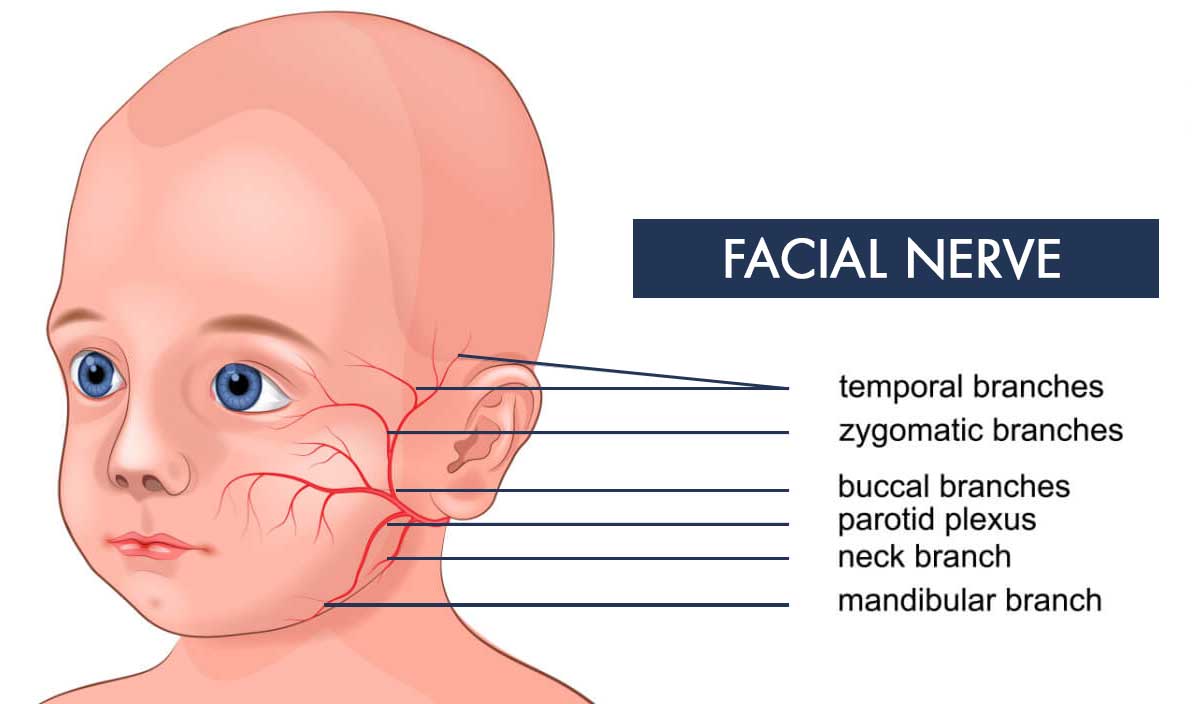
This damage leads to inflammation, preventing the nerves from transmitting electrical signals from the brain to the facial muscles.
How Common Is Bell's Palsy?
Approximately 1 in 70 people develop Bell's Palsy, with nearly 40,000 people in the US receiving a diagnosis each year. The condition affects the right side of the face more often than the left, occurring in 63% of cases. Recurrence of Bell's palsy is possible in 4 to 14% of cases and is more common in patients with diabetes.
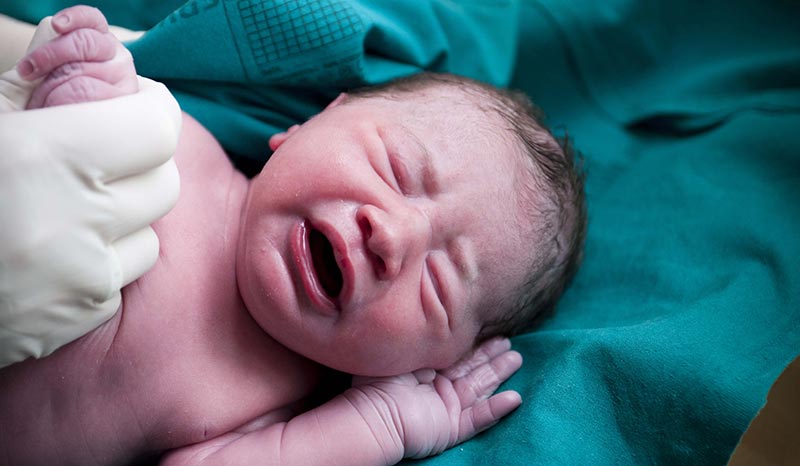
In newborns, Bell's Palsy can occur in up to 7.5 out of every 1,000 births. This birth trauma risk increases to 8.8 per 1,000 births with the use of forceps during delivery.
Fortunately, most cases in infants resolve without treatment, with children regaining facial muscle control as the cranial nerve recovers. On average, recovery takes around 24 days but may take up to a few months to fully restore facial control.
Types of Bell's Palsy
There are two main types of Bell’s palsy: incomplete and complete.
Incomplete Bell's Palsy
Affecting only a few facial muscles while some movement remains in them. It often causes mild weakness in areas like the eyebrow, eyelid, and mouth. This is the most common form of Bell’s palsy.
Complete Bell's Palsy
When the affected facial muscles cannot move at all. These children may be unable to raise an eyebrow, close an eye, or control one side of their mouth.
A medical professional should be able to tell the difference between incomplete and complete Bell’s palsy after examining the child.
What Causes Bell's Palsy in Infants?

Bell's palsy in infants can stem from a variety of factors, with some cases being the result of medical negligence.
Some of the most common preventable medical errors that cause damage to the seventh cranial nerve during childbirth include:
Failure to Treat Maternal Infections

Maternal infections present at the time of birth can lead to Bell's palsy in the infant. This can include infections like:
- Herpes simplex virus
- Herpes zoster (shingles)
- Epstein-Barr virus
- Group B streptococcus
- Lyme disease
- Rubella
A healthcare provider should always screen for common infections during prenatal testing check-ups. Failing to notice symptoms or administer medications increases the risk of transmission to the baby. Neonatal infections can cause inflammation and reduced blood flow that sometimes cause nerve damage like Bell’s palsy.
Birth Trauma from Delivery Instruments
Injuries such as skull fractures, intracranial hemorrhage, and spinal cord injuries can all stem from using excessive force during delivery. Medical professionals may exert excessive force whenever they use medical instruments like forceps or a vacuum extractor improperly.
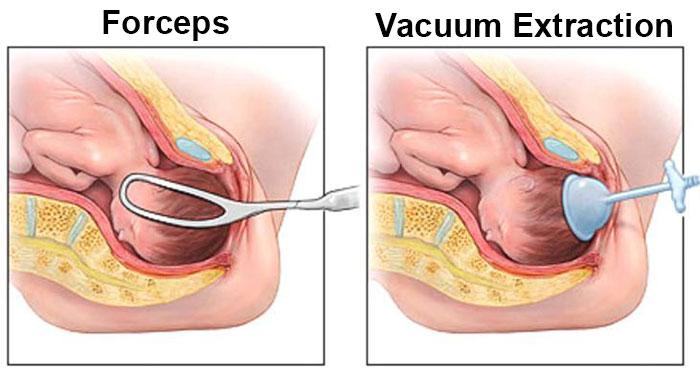
The forceful or improper application of these instruments can cause undue pressure on the infant's head. In some cases, this can compress the baby's facial nerve and result in Bell's Palsy. These birth injuries are often preventable when medical professionals adhere to proper techniques and take appropriate precautions during delivery.
Improper Use of Labor Inducing Medications

Using labor inducing medications like Pitocin and Cytotec can cause contractions that are too strong or occur too frequently. Uterine hyperstimulation, a common side effect of these medications, can sometimes lead to preventable birth trauma.
If contractions are too intense or rapid, they can put excessive pressure on the infant's head during delivery. This increased pressure can cause damage to the infant's delicate facial nerve, potentially leading to Bell's Palsy.
Failure to Treat or Respond to Prolonged Labor

Prolonged labor puts extended pressure on the baby's head, potentially leading to the compression of the facial nerve. Additionally, prolonged or arrested labor can significantly reduce the baby’s oxygen supply and cause them to go into fetal distress. Babies who suffer from fetal distress during labor have higher risks for neurological birth complications like Bell’s palsy.
It is essential for medical professionals to closely monitor delivery and intervene as necessary when a mother’s labor stalls. Intervening in time can prevent severe nerve damage and other birth injuries.
Failure to Identify Pregnancy Complications

Maternal birth injury risk factors can affect the course of labor and the health of the infant. Such complications can include pre-existing conditions like diabetes, high blood pressure, or infections.
Similarly, doctors should also monitor fetal risk factors like the baby's size, position, or gestational age. For instance, a baby larger than average (macrosomia) or in an abnormal fetal position carries a higher risk for injuries. This can include nerve damage like Bell's Palsy when the baby endures excessive pressure during delivery from these risk factors.
Failure to Respond to Fetal Distress

Signs of fetal distress during delivery include abnormal heart rates, lack of fetal movement, or decreased oxygen levels. When doctors fail to heed these warnings on the fetal heart rate monitoring strip, it can cause severe birth injuries.
Fetal distress can indicate the baby has no oxygen or is undergoing excessive pressure. These stressors can factor into a child’s nerve damage at birth such as a Bell’s palsy facial paralysis diagnosis.
Other risk factors for Bell’s palsy include conditions like high blood pressure or hypothyroidism. Seasonal sicknesses like a cold or the flu can also contribute to an infant’s risk.
What are the Symptoms of Bell's Palsy?
Bell's palsy causes facial nerve damage that can lead to a variety of symptoms. These symptoms range from mild weakness to complete paralysis of facial muscles, typically on one side of the face.

Signs of Bell’s Palsy in Infants
Bell's palsy symptoms are often immediately noticeable in infants, especially when they cry or move their mouths. Common signs can include:
- A noticeable droop on one side of the face
- Problems latching or drinking from a bottle
- Excessive drooling due to reduced muscle control
- Moving the face asymmetrically
Signs of Bell’s Palsy in Children
While Bell’s palsy symptoms during childhood may vary depending on severity, the most common signs can include:
- Twitching, weakness, or paralysis on one side of the face (may sometimes affect both sides of the face)
- Drooping of the corner of the mouth or eyelid
- Difficulty with smiling, closing one eye, or raising the eyebrow
- Irregularities with tear production, such as producing too many tears or the eye being excessively dry
- Increased sensitivity to loud noises
- Difficulty controlling facial muscles may make it harder to chew or drink
The condition may result in a noticeable facial droop or an uneven smile, with one or both eyes appearing half-closed. Children with Bell's Palsy may also drool or have difficulty drinking from a straw. They may also experience changes in taste or hyperacusis, a condition where there is increased sensitivity to sounds in the affected ear.
In severe cases, Bell's palsy can cause permanent damage such as vision impairment or full or partial blindness.
Bell's palsy is usually not permanent, with most children fully recovering within two to three months. However, if families don’t see significant improvements by four months, their child may need further evaluation. Delayed treatment for Bell’s palsy can lead to serious complications, such as prolonged nerve dysfunction or permanent eye damage.
How is Bell’s Palsy Diagnosed?
There are currently no specific tests for diagnosing an infant’s Bell's palsy. Doctors often rely on examining a baby’s face and recognizing the characteristic signs of facial weakness to make a diagnosis.
In infants, doctors typically look for symptoms such as abnormal facial expressions, excessive drooling, and signs of pain and dizziness. A doctor will also take the mother’s medical history to rule out other potential causes of facial paralysis.
If doctors suspect a more serious condition (like a stroke or tumor causing facial paralysis), they will recommend additional testing. They may order the following neuroimaging tests to ensure an accurate diagnosis and guide appropriate treatment of Bell’s palsy:
MRI (Magnetic Resonance Imaging)

An MRI scan provides detailed images of the brain and soft tissues. They can help doctors identify whether the infant suffered injuries such as a skull fracture causing facial drooping or swelling.
CT scan (Computed Tomography)
Doctors can use CT scans to examine bone structures such as the skull. A CT scan helps medical professionals to check for bone fractures or conditions that could affect the facial nerve.
Electroencephalogram (EEG)
An EEG can evaluate and measure the electrical activity along the baby’s facial nerve pathways. Doctors can use these tests to ensure the nerves function properly and effectively transmit signals to the facial muscles.
Electromyography (EMG)
An EMG helps confirm any existing damage to the facial nerve and assesses the extent of that damage. This test measures the electrical activity of the facial muscles in response to stimulation. The procedure sends electrical impulses into the nerve, and the EMG evaluates how well the muscles respond to the signals.
Blood and Spinal Fluid Tests

Blood tests can help identify underlying infections or autoimmune conditions contributing to Bell's Palsy. In rare cases, doctors may perform a spinal fluid test to check for inflammation or infection affecting the nervous system.
These tests and scans can further corroborate a doctor’s suspicions after conducting a physical evaluation of the child. Early detection of facial nerve damage is essential for starting a timely intervention and treatment plan.
Treatment and Management of Bell’s Palsy
Most patients with Bell's palsy will fully recover 70-80% of the time without treatment. However, some doctors may recommend further intervention if the baby’s symptoms are progressive and don’t improve within 4 months.

The primary treatment options are generally conservative and may include:
Medications

A doctor may prescribe corticosteroids, such as prednisone, to reduce inflammation and swelling of the facial nerve. These are most effective in treating Bell’s palsy when doctors begin treatment early, ideally within 72 hours of symptom onset.
If doctors suspect a viral infection triggered the paralysis, they may prescribe antiviral medications like acyclovir or valacyclovir alongside corticosteroids.
Physical Therapy

A child’s Bell’s palsy paralysis can worsen when they do not regularly engage their facial muscles. Physical therapists may use various techniques, including massage and targeted facial exercises, to stimulate the affected muscles and improve function.
For some patients, especially children, physical therapy over an extended period can ensure the facial muscles stay strong and flexible.
Eye Protection

In cases where a Bell’s palsy child has a difficult time closing their eye, protection is crucial to prevent dryness or irritation. This may involve using lubricating eye drops, applying ointments, or wearing an eye patch to protect the exposed eye.
Botox Injections

Botulinum toxin (Botox) injections can relax facial muscles and improve appearance for children with Bell’s palsy. However, doctors will typically only consider these injections after exhausting all other treatment options.
In rare and severe cases of Bell's palsy, doctors may consider surgical interventions. For example, they may surgically close the child’s eyelid on the affected side to prevent permanent eye damage.
In Bell’s palsy cases of long-lasting facial nerve issues, doctors may consider plastic surgery or decompression surgery. Decompression surgery involves removing bone or soft tissue that presses on the facial nerve to relieve pressure and restore function.
While it can provide relief, the procedure carries significant risks. Many medical professionals believe the risks of decompression surgery often outweigh the benefits for treating Bell’s palsy.
Did Medical Malpractice Cause My Child’s Nerve Damage?

A child’s nerve damage at birth can result in pain, discomfort, and years of rehabilitation and medical intervention. In the most unfortunate cases, these injuries can result from a medical professional’s negligent action or inaction.
Missing maternal infections, using excessive force during delivery, or failing to properly prepare for labor can cause devastating birth injuries. Birth complications like Bell’s palsy can sometimes resolve on their own, but missing the signs can prevent necessary interventions. Failing to conduct thorough physical evaluations or order follow-up testing can also count as medical malpractice.
If a family believes medical negligence worsened a child’s facial paralysis, legal support may be an option. A specialized birth injury attorney can review the medical records and circumstances to assess whether a claim exists.
Families who have experienced the effects of birth injuries from negligent medical care deserve to know whether they were avoidable. Our top rated birth injury lawyers will help you find those answers and obtain the necessary funds to secure treatment.
Our National Birth Injury team will thoroughly investigate the facts, holding responsible parties accountable by pursuing medical malpractice claims.
What is the Statute of Limitations in a Birth Injury Case?

A statute of limitations (SOL) is a law that sets a time limit on how long an injured person has to file a lawsuit after an accident.
It is essential to understand that statutes of limitations vary based on the case and the state where you file. For instance, the deadline for birth injury claims is typically different from other claims, such as injury to private property.
Generally, the clock starts ticking on the date the injury occurred. However, there are exceptions to this rule. In some cases, the statute of limitations starts when a person discovers or reasonably should have discovered an injury. When dealing with government agencies, SOLs can become even more complex.
For example, if the party that injured you was:
- A federal employee
- Employed by a military hospital, Veterans Administration facility, or a federally funded medical entity
You may need to file a birth injury claim under the Federal Tort Claims Act (FTCA). In FTCA cases, claimants must go through certain administrative procedures before filing a lawsuit. In some states, you may have less time to give notice if:
- The negligent party was a local or state government hospital
- The doctors and medical providers are employees of a governmental entity
If you file your case outside of the statute of limitations, the court will typically dismiss it. This means you will not be eligible to recover compensation for you or your child’s injuries.
Determining when a statute of limitations begins on your case can be tricky. Our birth injury lawyers can help inform you of all the important filing cutoff dates in your state. We will help your family seek justice and compensation for preventable injuries to you or your baby.
How Can Our Birth Injury Attorneys Help?

Physicians have a duty to protect a child from injuries like Bell’s palsy facial paralysis. Our top rated birth injury lawyers can identify medical malpractice and help you secure compensation to afford your child’s medical expenses. However, it first takes an expert review of the facts to determine whether medical professionals made preventable errors.
Our Process
Our team of committed attorneys, nurses and paraprofessionals works to answer these questions and seek compensation. We use our detailed medical negligence case review process to assess your potential birth injury case.
We start by learning more about your pregnancy by gathering records to determine what happened before and during your delivery. This includes evaluating prenatal testing procedures and any action taken during childbirth.
We will call in skilled medical experts who review your records and provide insight into where medical professionals went wrong. If we feel medical negligence caused your baby’s nerve damage and resulting conditions, we contact you to discuss further. We will help your family seek justice and compensation for preventable injuries by proving medical negligence occurred.
At no point in our legal intake process will we ask you to pay anything. The medical review of your case and the consultation are free. We only receive payment once you do. The sooner you reach out, the sooner we can investigate your case and gather the evidence to support your claim.
We work on a contingency fee basis, meaning you will not pay any legal fees until we win your case. We do not pursue any medical malpractice cases unless we fully believe we can win.
Contact us today to schedule your free consultation by calling our toll-free line at (888) 987-0005. You can also reach us by filling out our online request form.
National Birth Injury Law
Our National Birth Injury Attorneys, nurses, and support staff understand that parents of children with birth injuries feel overwhelmed. So, every client has the attention and support of a team of trained, compassionate professionals. But we don’t just offer compassion.
We offer a process to help you discover whether your child’s birth injury, HIE, cerebral palsy or brain injury at birth was caused by medical malpractice.
Call our offices today at (888) 987-0005 for experienced assistance in a free consultation.
Quick Links
Testimonials
- Lyric C. I feel like our voice was heard in a sense of what can possibly go wrong in a delivery and finding us answers. I feel with our settlement, we are now in a comfortable position to provide for our son.
- Lyssa L. They are not just people that say “hey let's get you money and let's go” The law firm was very thorough with us. It was awesome. I don't want to cry, because I think about and it's amazing that they were able to help me and that we were able to help my son and get the story out there.
- Jay C. Throughout the process, one thing was clear to us, the ultimate interest of our child was the utmost concern of Max and his team and as parents navigating a situation like that, that was refreshing to know we had them firmly on our side. I highly recommend them.
Popular Cities
- ★ Dallas Birth Injury
- ★ Houston Birth Injury
- ★ Atlanta Birth Injury
- ★ Chicago Birth Injury
- ★ Philadelphia Birth Injury
Locations
★ Dallas
11551 Forest Central Drive, Ste. 300
Dallas, TX 75243
★ Houston
12929 Gulf Freeway, Ste. 111
Houston, TX 77034