Was Your Child’s Cerebral Palsy the Result of Medical Malpractice?
A cerebral palsy diagnosis often comes with big fears and complicated emotions from families. No parent ever wishes for their child to endure a lifetime of physical, mental, and developmental limitations. Their mind may race with questions:
What does my baby’s future look like?
How will I be able to afford the care they need?
What caused my baby’s conditions in the first place?
Free Legal Consultation Cedar Rapids Cerebral Palsy Lawyers (888) 987-0005
Medical Malpractice Related Cerebral Palsy
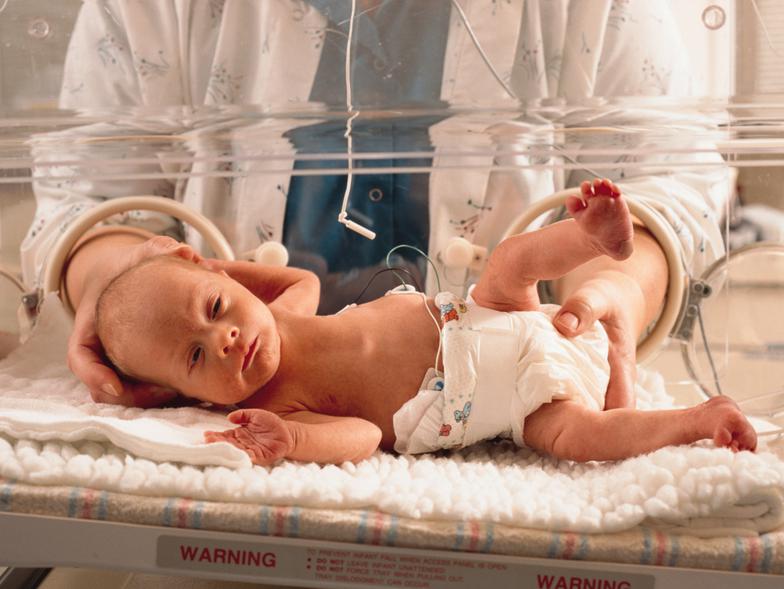
Symptoms of cerebral palsy can take multiple years to develop and become outwardly visible to others. However, many cases begin at birth when a child sustains a brain injury due to oxygen deprivation.
OB-GYNs, maternal fetal medicine specialists, nurses, midwives, and other healthcare providers have a duty to protect their patients from harm. When they breach this duty (known as the “standard of care”) and cause preventable birth injuries, it constitutes medical malpractice.
If you suspect medical mistakes occurred during your delivery, you may benefit from contacting our Cedar Rapids cerebral palsy lawyers. They can identify the facts of your child’s birth and pinpoint any decisions that violated the standard of care.
National Cerebral Palsy Lawyers Making a Difference
Every birth injury firm is eager to prove they are capable of handling big cases with multi-million-dollar settlements. Miller Weisbrod Olesky has been taking on high-profile cases for over 30 years, and our results speak for themselves.
Our specialized Cedar Rapids cerebral palsy lawyers combine years of legal experience with passion and personal dedication to their clients.
Partners Clay Miller and Les Weisbrod are seasoned trial lawyers with years of experience litigating cases with multimillion dollar payouts.
While partner David Olesky originally practiced medical malpractice defense, he has now spent years pursuing justice for birth injury victims.
In 1989, firm founder Les Weisbrod co-founded the Birth Trauma Litigation Group (BTLG), a nationally-recognized organization committed to training other lawyers on how to best manage and win birth injury lawsuits.
Members of the BTLG meet multiple times each year, with medical doctors also attending to present and educate attorneys across the country.
Today, BTLG is the leading educational group for attorneys dedicated to representing children and families dealing with life-altering birth injuries. Weisbrod and the rest of our team remain committed to leading the nation in birth injury education and litigation.
Recent Birth Injury Settlement:
Cerebral Palsy Birth Injury settlement against a hospital in which nurses and physicians failed to detect a uterine rupture during delivery causing an HIE event which caused cerebral palsy. Our dedicated cerebral palsy birth injury lawyers recovered $9,200,000 for the family to help with future medical expenses and developmental therapy.
Dedicated Nurse-Attorney Liaisons
Unlike other firms, Miller Weisbrod Olesky gets our clients the care they need today, not just after their case ends. Birth injury litigation can take time; it can sometimes take years before a family receives compensation to cover medical costs.
Most cerebral palsy law firms will employ one or two nurses to assist the review of cases and medical research. Our firm assigns a nurse-attorney liaison to each client’s team, guiding them through ongoing medical treatment and evaluation.
While your case is ongoing, our nurse-attorney helps coordinate the day-to-day medical necessities a child with cerebral palsy will need. This includes doctor’s visits, medical examinations, treatments and therapies, and transportation services to and from these appointments throughout the case.
Our nursing staff also lends their expertise to each case, analyzing and investigating the reasons behind each child’s birth injury. They work alongside our Cedar Rapids cerebral palsy lawyers to pinpoint where and how medical professionals breached their standard of care.
Our collaboration between knowledgeable legal professionals and experienced medical experts is what gives our firm the edge needed to succeed.
What is Cerebral Palsy?
Cerebral palsy is a complex neurological disorder that affects everyone differently. It is not just one condition, but rather a group of conditions primarily affecting a person’s posture and muscle movement. A child with cerebral palsy may exhibit the following symptoms or behaviors:
A lack of control over gross motor function (ex: difficulties walking, running, jumping, or balance)
Uncontrollable muscle spasms or flailing, resulting in jerky and unpredictable movements.
Paralysis in a limb (monoplegia), one side of the body (hemiplegia), or in all four limbs (quadriplegia)
Muscle weakness resulting in a floppy outward appearance
Each child with cerebral palsy will have their own unique capabilities and limitations. Symptoms will depend on the severity of their brain injury and the classification of cerebral palsy diagnosis they receive.
Cerebral palsy occurs when the body’s central nervous system doesn’t function as expected. The central nervous system is a group of organs inside the body including the nerves, spinal cord, and the brain. When one or more of these components receives damage before or during birth, it can result in motor dysfunction.
Brain Damage at Birth
The human brain is a complex, multi-faceted command center that directs the rest of the body’s activities and processes. It sends and receives messages, interprets signals, and sends information to other parts of the body through the nervous system.
Our bodies depend on the brain to trigger nerve impulses that cause the necessary muscle contraction required to move.
All muscle movement — from speaking to walking to typing on a keyboard — begins as an electrical neural impulse. The brain sends these neural impulses through our bodies via motor neurons, often before we can even register it’s happening.
However, brain damage at birth can mean that a newborn’s motor neurons are dying off or not functioning correctly. The disruption can cause signals and messages to misfire, resulting in paralysis, muscle weakness, coordination problems, and jerky, uncontrollable movements.
At birth, these signs may not be immediately visible. But as the child gets older, these symptoms will eventually become apparent enough to warrant a cerebral palsy diagnosis.
A baby suffers from birth asphyxia when their brain and other vital organs don't receive sufficient levels of oxygen and nutrients. Permanent damage can occur when the brain goes without proper levels of oxygenated blood, even for only a few minutes.
Partial prolonged birth asphyxia occurs when a complication causes gradual oxygen loss over time instead of all at once. Umbilical cord problems like knots and nuchal cords can cause partial prolonged patterns of birth asphyxia. Placental complications like uteroplacental insufficiency can also cause gradual restrictions on oxygenated blood from reaching the brain.
Babies with a mild case of HIE (1-2 minutes without oxygen) may not show all of these symptoms. However, babies with moderate to severe HIE may eventually suffer from developmental delays, cognitive impairments, epilepsy, and cerebral palsy.
HIE is the most common risk factor for a cerebral palsy diagnosis later in childhood. Roughly 40% of children diagnosed with HIE will be diagnosed with cerebral palsy, according to non-profit organization Hope for HIE.
Reach out to learn more about what kinds of mistakes and subsequent injuries could have caused your child’s cerebral palsy.
What Are Risk Factors That Lead to Cerebral Palsy?
A number of different factors and circumstances can interact to increase a child’s likelihood of being diagnosed with cerebral palsy.
Premature Birth
Premature birth or preterm birth occurs when a baby is born before the completion of 37 weeks of pregnancy. The final weeks of pregnancy are vital for the full development of the baby’s lungs, brain, and liver.
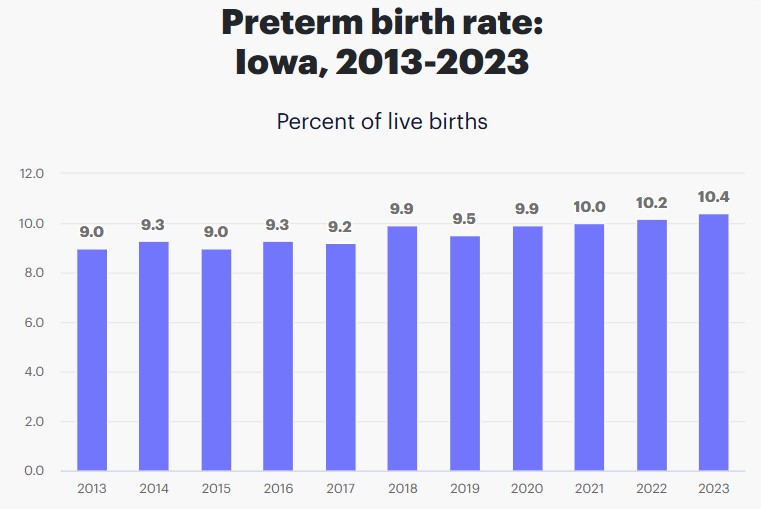
Maternal healthcare research center March of Dimes tracks preterm birth rates across the United States. This is because preterm birth can be a strong indicator for other birth injuries and future complications and developmental delays.
In 2023, OB-GYNs in Iowa delivered 10.4% of babies prematurely.
Doctors classify any baby weighing less than 5.5 pounds (2,500 grams) at birth as having a low birth weight. Premature birth and low birth weight often go together because preterm babies are usually underdeveloped.
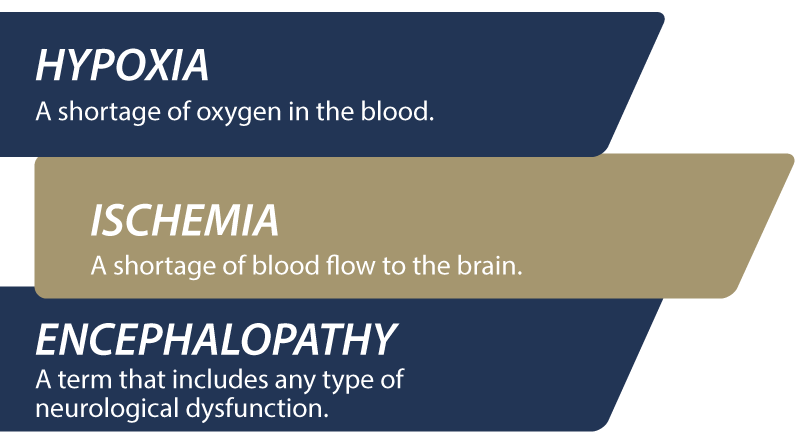
Neonatal infections can affect all parts of the baby’s body, including their brain. Infections like meningitis or neonatal sepsis can cause brain inflammation and threaten the baby’s oxygen supply. This will put them at a higher risk for hypoxic-ischemic encephalopathy and other hypoxic brain injuries.
When severe, a baby’s brain injury from an untreated infection can be a precursor to cerebral palsy later in childhood.
Jaundice is a birth complication that arises from an imbalance of a compound called bilirubin. Excess bilirubin in the body causes the baby’s skin to take on a yellowish pigment.
Jaundice is a highly treatable condition, but it can progress into kernicterus when improperly treated. Kernicterus is a more serious complication where prolonged high bilirubin levels cross the blood-brain barrier. Bilirubin deposits in the brain can cause severe impairment and lead to symptoms of cerebral palsy later in childhood.
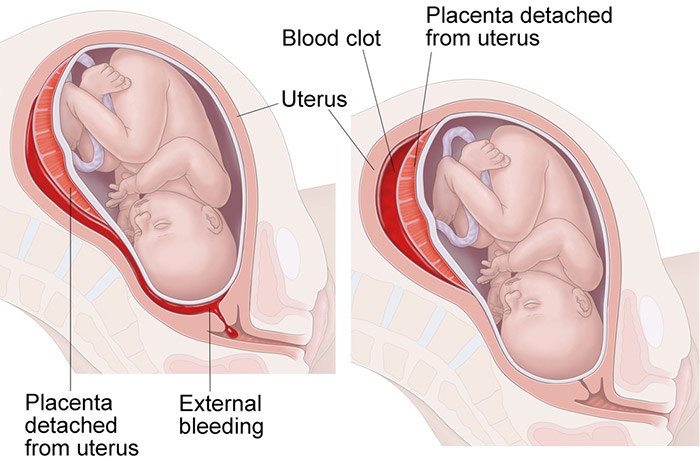
A placental abruption occurs when the mother’s placenta prematurely detaches from the uterine lining.
When the placenta detaches early, however, it can threaten the baby’s access to the oxygen and nutrients necessary to survive. Brain damage can occur if the baby’s access to oxygenated blood isn’t restored quickly enough.
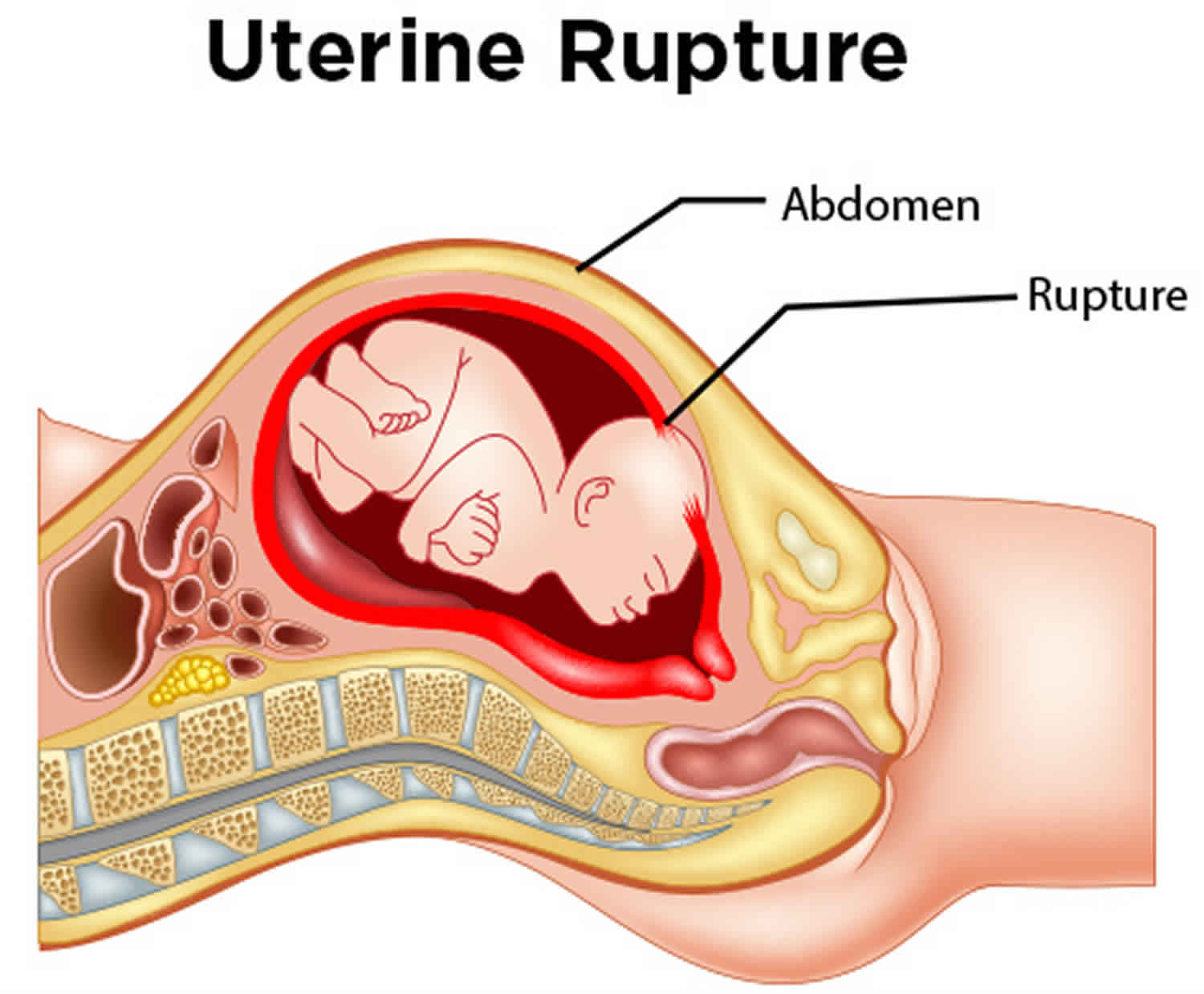
A uterine rupture is an extremely dangerous labor and delivery complication for both the mother and her baby. It occurs when the baby either partially or fully breaks through the layers of the mother’s uterine wall.
For the mother, a uterine rupture can result in extreme blood loss. This in turn reduces blood flow to the baby, increasing the risk of ischemic injuries to the brain. Because oxygen travels through the blood stream, the baby also becomes at risk for oxygen deprivation and possible brain damage.
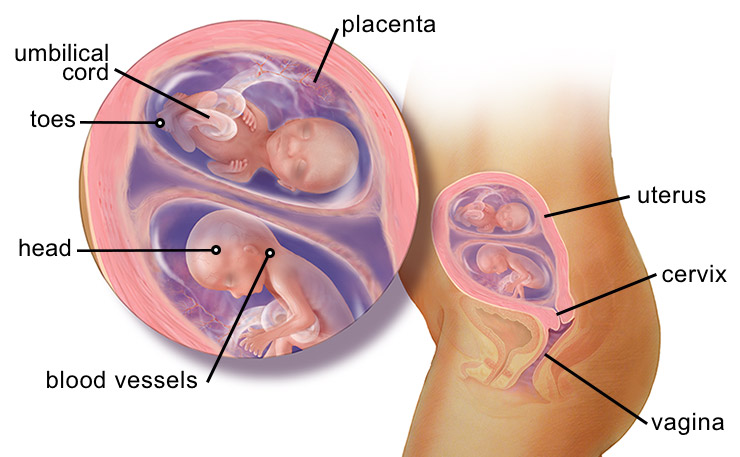
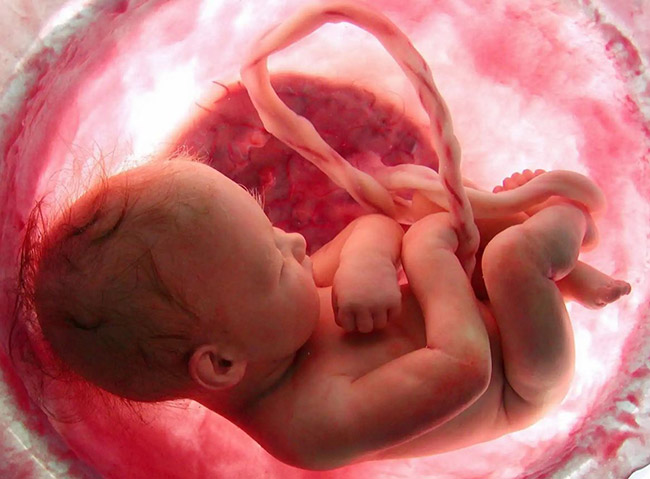
Like the placenta, the umbilical cord plays a vital role in delivering oxygen and nutrients to the baby before birth. The cord is the vessel by which blood, oxygen, and other nutrients travel from the mother to the baby.
Umbilical cord problems like nuchal cord, , compression, or prolapse can stop nutrients from flowing properly to the baby. If any of these complications is prolonged, the baby can endure brain damage from oxygen deprivation. This can serve as the basis for a child’s cerebral palsy symptoms later in life.
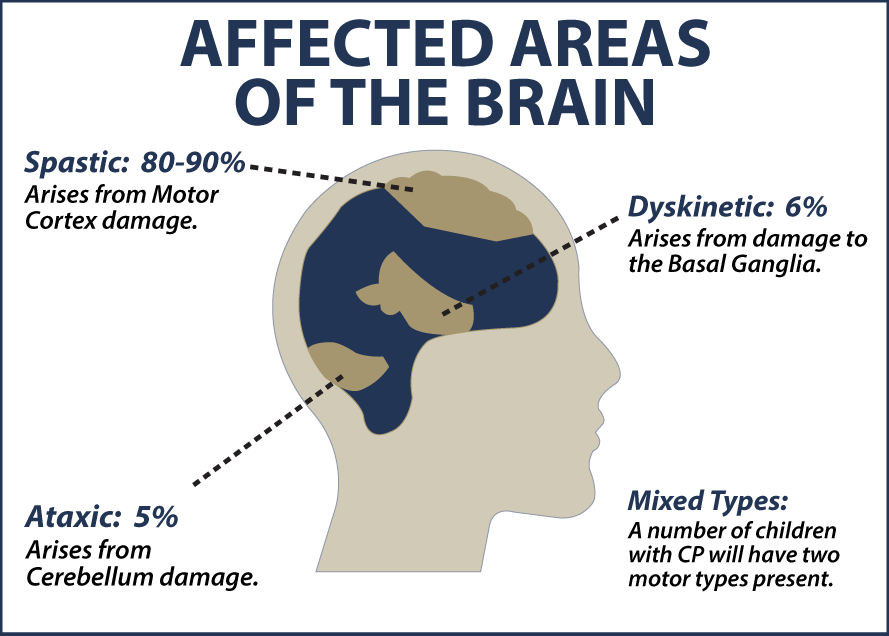
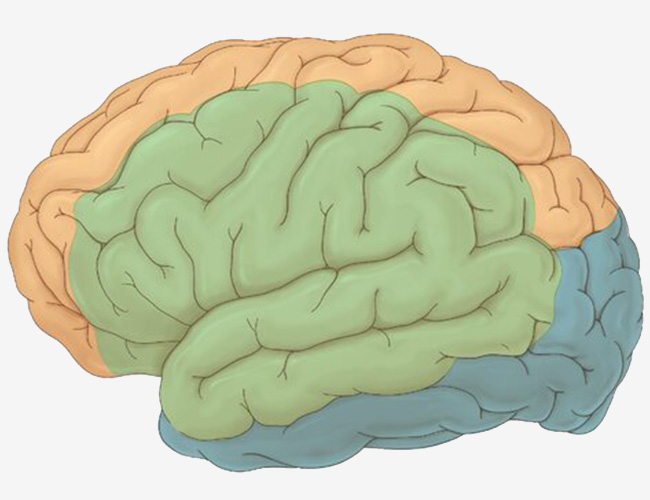
A child’s cerebral palsy symptoms will depend on which part of the brain received damage. Doctors break cerebral palsy into four main subgroups based on the type of brain damage and resulting conditions.
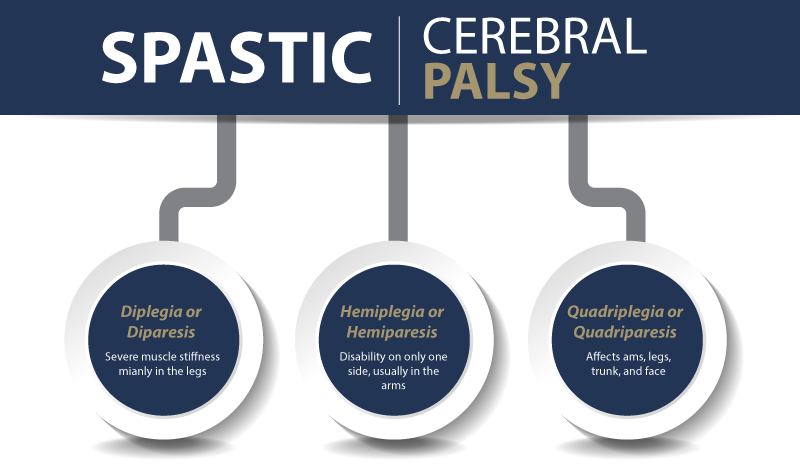
Spastic Cerebral Palsy
Spastic cerebral palsy is the most common form of cerebral palsy, accounting for nearly 80% of all cases. Damage to the cerebrum (specifically the motor cortex) is what causes spasticity, which refers to abnormal patterns of muscle contraction.
Spastic cerebral palsy isn’t a progressive disorder, meaning the brain injury doesn’t worsen over time. However, gradual wearing down of the muscles and joints over time is common and can cause symptoms to worsen.
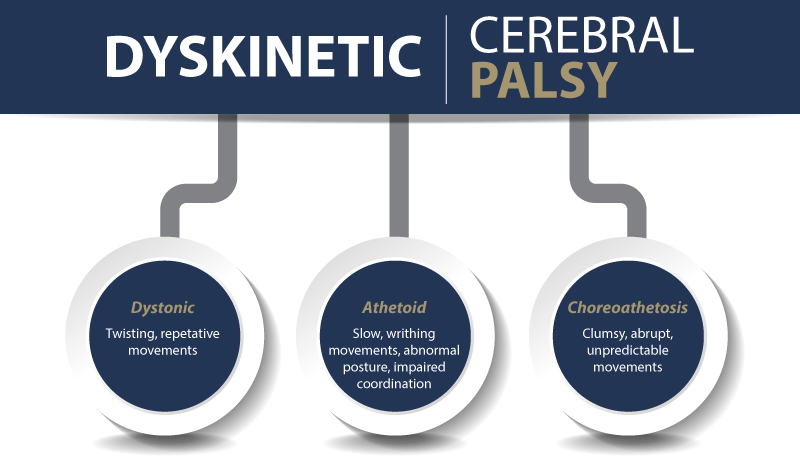
Dyskinetic cerebral palsy is the second most common form of cerebral palsy, albeit much rarer than spastic cerebral palsy. Doctors sometimes call it athetoid cerebral palsy; ‘athetosis’ refers to slow, writhing and twisting movements that are involuntary.
Dyskinetic cerebral palsy stems from damage to the basal ganglia, a critical part of the brain that controls voluntary movement. Dyskinetic cerebral palsy can make it difficult for a child to walk, work with their hands, or sit still.
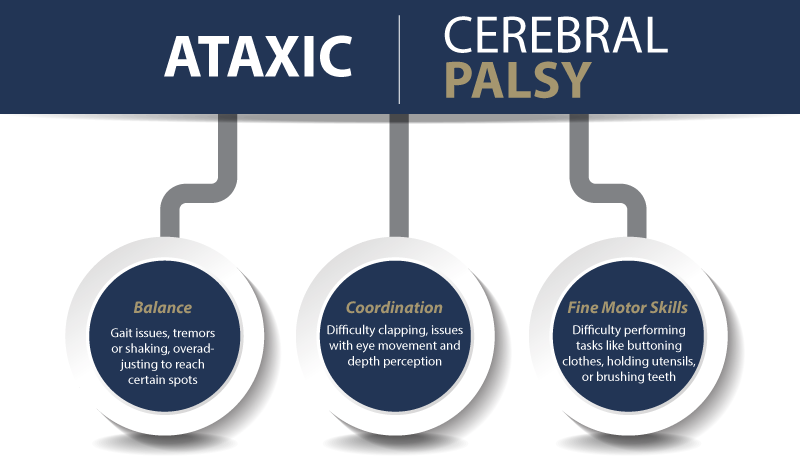
Ataxic cerebral palsy is the least common type of the disorder, accounting for around 5% of cases. Ataxic cerebral palsy stems from injuries to the cerebellum. The cerebellum is located at the bottom of the brain and responsible for voluntary muscle movements, posture, and balance.
Ataxic cerebral palsy is typically associated with balance and coordination issues. “Ataxic” comes from the word “ataxia,” meaning a lack of coordination or order. The first sign of ataxia is a lack of muscle tone and a “floppy” appearance, a condition known as hypotonia.
Brain injuries aren’t always so easily categorized; sometimes multiple parts or regions become injured at the same time. It is not uncommon for children to be diagnosed with mixed cerebral palsy and display overlapping symptoms of different types.
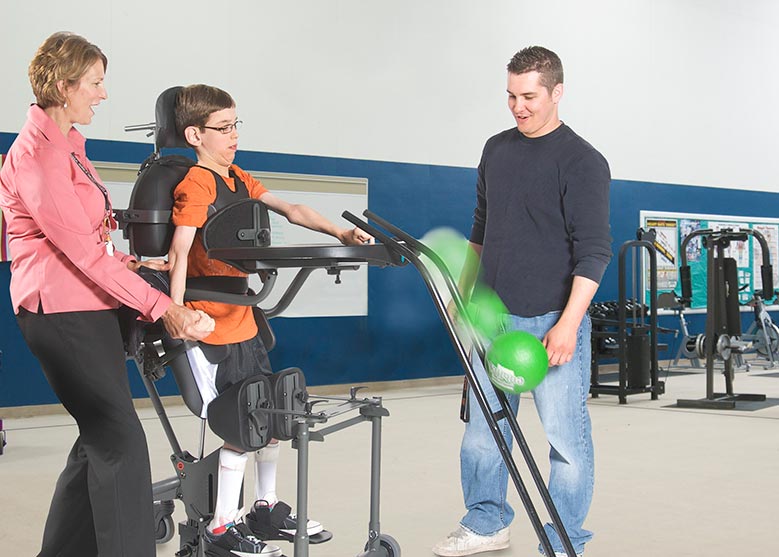
A mixed cerebral palsy diagnosis is an indicator of more severe brain damage, suggesting more limitations and complications. Children with mixed cerebral palsy are more likely to rely on assistive equipment and devices like wheelchairs and communication devices.
A child’s type of cerebral palsy determines their gross motor function capabilities and the sort of treatment they will need. It is crucial they receive a timely diagnosis that matches their symptoms so providers can design and tailor intervention strategies.
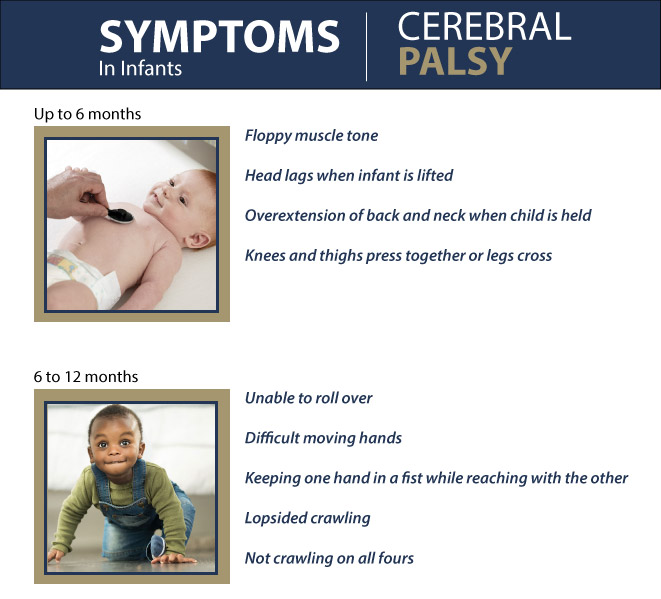
Doctors and healthcare specialists will not usually diagnose cerebral palsy at birth. This is because it can take months and even years for symptoms to develop.
Cerebral Palsy Neuroimaging
Medical professionals can utilize neuroimaging technology to see detailed visualizations of a baby’s brain. They can use it to pinpoint the approximate location of their brain injury, which can help to diagnose cerebral palsy.
The most common type of neuroimaging is magnetic resonance imaging, or an MRI scan. It is a painless, non-invasive scanning technology that forms a 3-D anatomical image of the baby’s brain. Doctors prefer using MRI scans for newborns because they create very accurate images and don’t use ionizing radiation.
Other neuroimaging scans include electroencephalography (EEG) scans, computed tomography (CT) scans, and evoked potential tests. All of these tests can reveal specific patterns of brain damage your child is showing. Revealing these patterns can shed more light on the kind of cerebral palsy your child suffers from and related symptoms.
The first signs of a child having cerebral palsy may come at a regularly scheduled doctor’s checkup. The parents might report that their child is not sitting up, standing, or communicating as expected. The doctor may also notice physical symptoms, like the child’s limbs appearing either too stiff or too floppy.
It’s important to note that each child will develop on their own schedule. Missing one or two developmental milestones by a certain age does not necessarily indicate a disorder or disability. Our Cedar Rapids cerebral palsy lawyers can connect you with our large network of medical experts available to evaluate your child.
Speaking with an expert can help determine whether your child’s symptoms and behaviors warrant a cerebral palsy diagnosis.
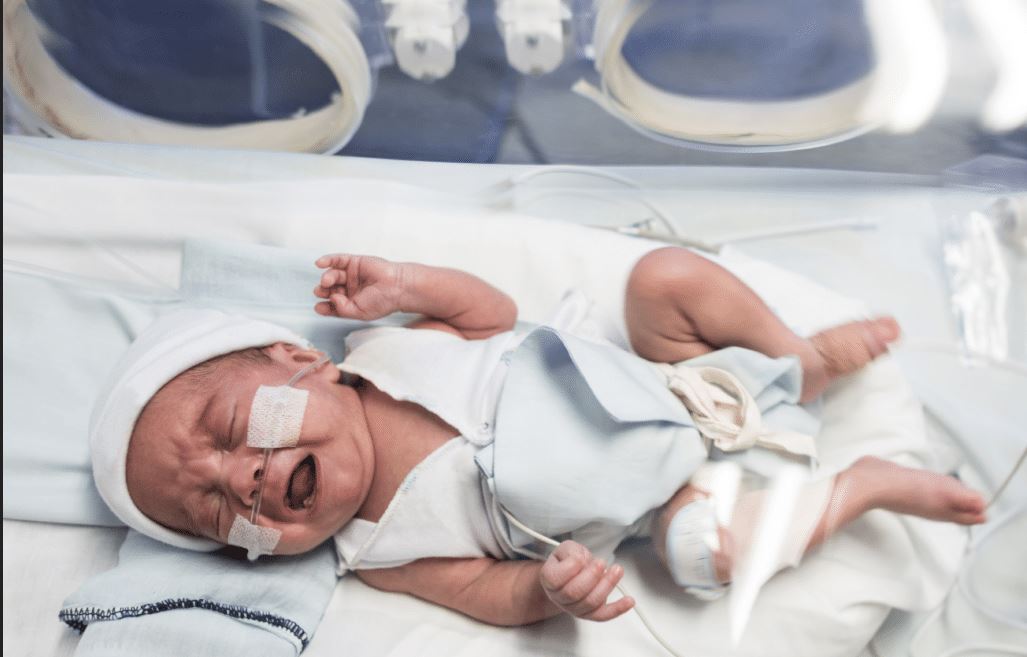
When a baby is born, signs of brain damage at birth will be visible. The baby may appear abnormally still or absent of reflexes, have a weak cry, or show low alertness.
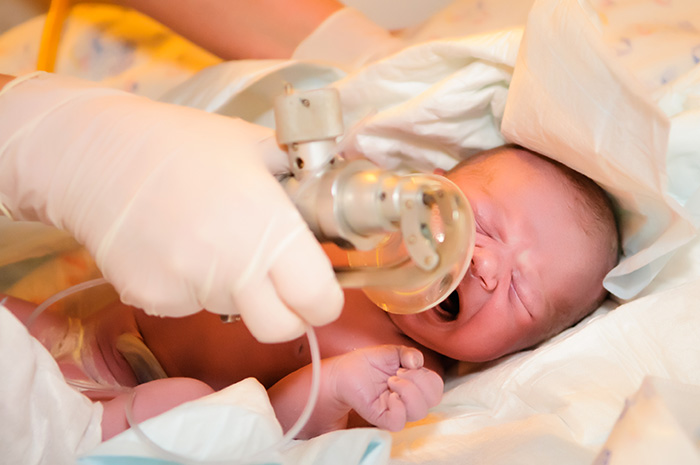
The baby may show signs of respiratory distress such as bluish skin and lips or an irregular heart rate. If this is the case, doctors should immediately perform neonatal resuscitation to ensure the child has airflow.
A child with cerebral palsy will exhibit an array of different neurological symptoms impacting their communication and sensory abilities.
Speech and language problems
Children with all types of cerebral palsy may have speech impairments like speech delays or language disorders.
A speech delay occurs when the child struggles with engaging the muscles to form words and sounds needed to speak. This is known as an expressive speech impairment.
A language disorder, on the other hand, relates to a child’s difficulty interpreting and understanding speech and language. This is known as a receptive speech impairment.
Medical experts may suspect a speech impairment if the child has not said their first words by 18 months.
However, children with brain damage at birth may have an impaired visual cortex. This kind of damage makes it difficult for the brain to process signals, resulting in lower visual reception or blindness.
Neonatal seizures are the result of abnormal electrical activity in the brain resulting in full body convulsions and jerky movements. They are a sign of injury to one or more areas of the brain.
Epilepsy is a disorder that causes frequent seizures, which can result in severe motor/cognitive impairment and even death.
Cerebral palsy does not directly cause behavioral problems nor intellectual disabilities in children. However, the physical and cognitive limitations of the condition can take an emotional toll on a child.
Experts classify a behavioral disorder as a pattern of problematic behavior lasting six months or longer. Other symptoms of cerebral palsy like learning disabilities, seizures, and speech impairment can negatively contribute to a child’s behavior patterns.
Children with cerebral palsy may have hyperactivity, more intense temper tantrums, and increased frustration with their limited capabilities. It may also be more challenging for them to interact socially with their peers, leading to increased social isolation.
A child’s cerebral palsy symptoms can range from mild to debilitating. It’s important for doctors to carefully observe a child’s symptoms and behaviors so they can recommend the proper care plan.
The Cedar Rapids cerebral palsy lawyers of Miller Weisbrod Olesky are also well-versed in identifying cerebral palsy symptoms. Our team of medical experts and nurse advocates can explain and clarify any confusion regarding a child’s symptoms and conditions.
What Treatments Are Available for Children with Cerebral Palsy?
A child will likely require cerebral palsy treatment throughout their life. The brain damage that causes the condition is irreversible, meaning that cerebral palsy cannot be “cured.” However, the resulting symptoms are manageable through a multi-faceted approach that begins with the earliest intervention possible.
Newborn Cerebral Palsy Treatments
Doctors may suspect a child has brain damage like HIE based on their fetal heart rate strips or APGAR score. If this is the case, it is imperative the newborn receives immediate intervention treatment.
Neonatal Resuscitation at Birth
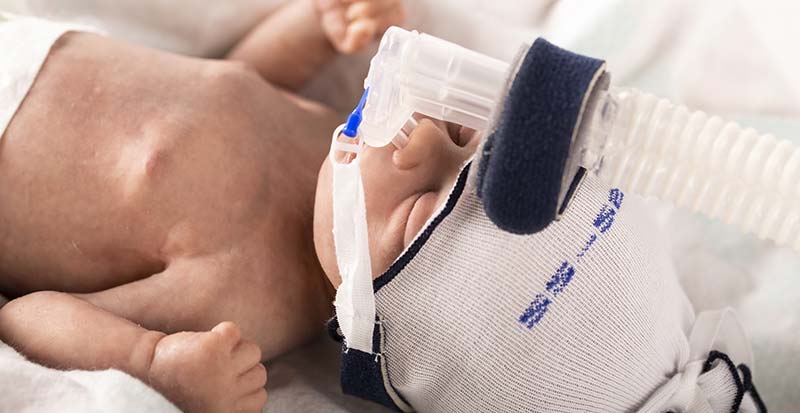
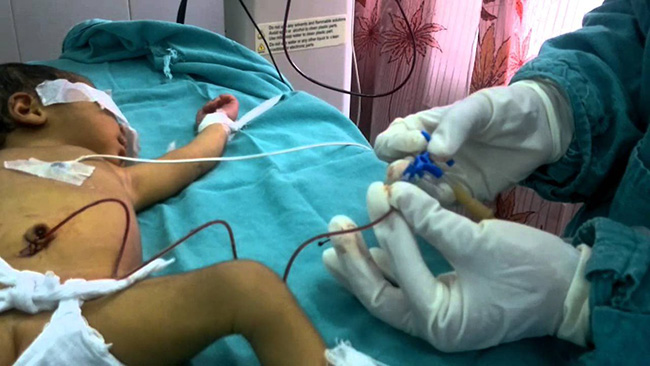
If a baby is born and isn’t breathing, they will need extra support through neonatal resuscitation. This is a procedure where medical professionals stabilize the baby and provide ventilation via supplemental oxygen or positive pressure ventilation. They may also perform chest compressions or administer medications like epinephrine to stimulate breathing.
The treatment can also treat spinal cord injuries at birth. Treatment should start no more than six hours after birth for the best chance reducing brain inflammation and tissue damage.
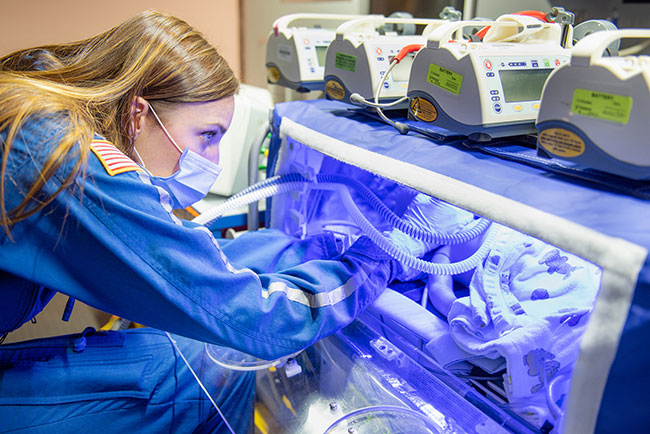
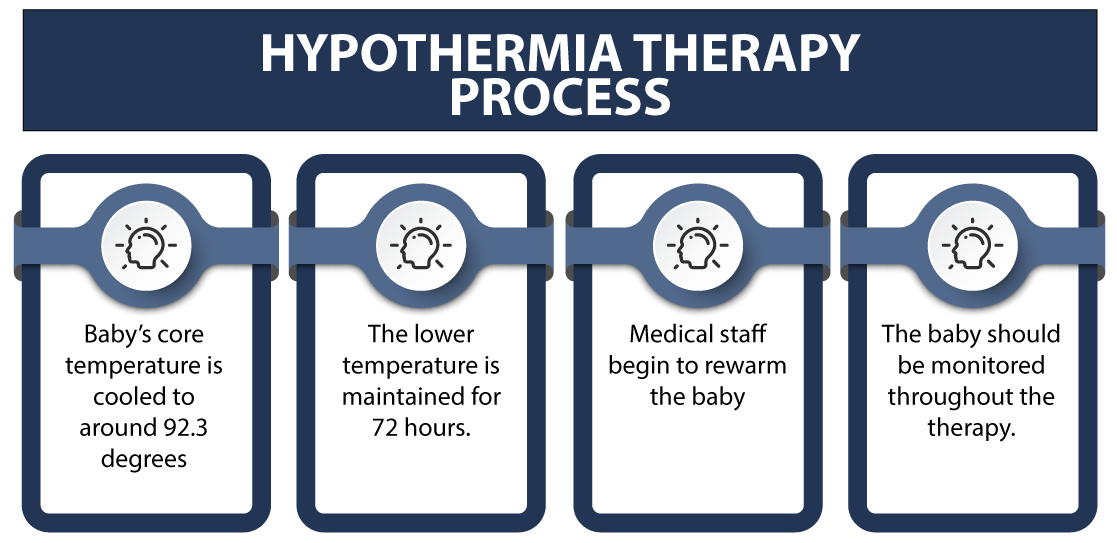
Therapeutic hypothermia involves cooling the baby’s core temperature to around 92.3 degrees Fahrenheit. Medical providers place the baby in a thermal regulating machine, which are present in many neonatal intensive care units (NICUs).
Brain cooling can slow cell depolarization and death and limit the extent of hypoxic ischemic brain damage. While not guaranteed to prevent cerebral palsy entirely, it can certainly limit the severity of symptoms by preventing further damage.
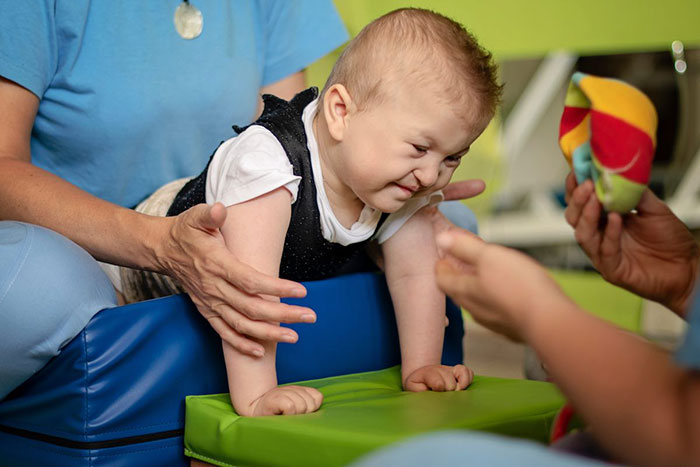
Children with cerebral palsy typically require some degree of therapy to thrive in their everyday environments. “Therapy” encompasses a range of treatments healthcare professionals use to manage or mitigate cerebral palsy’s effects on a child’s wellbeing.
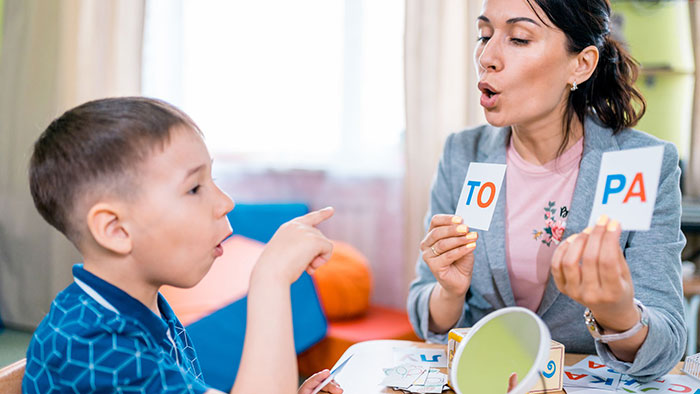
Speech therapy is a specialized form of therapy to help a child develop the most appropriate and functional communication skills. It can also improve their ability to feed competently.
Speech therapy can be extremely beneficial to children with cerebral palsy related speech impairments, such as dysarthria. It also enables them to have more enriching relationships while giving them a greater sense of independence, confidence, and self-esteem.
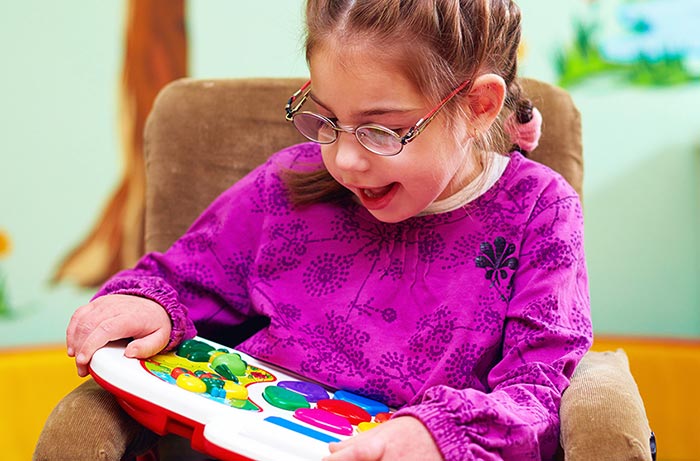
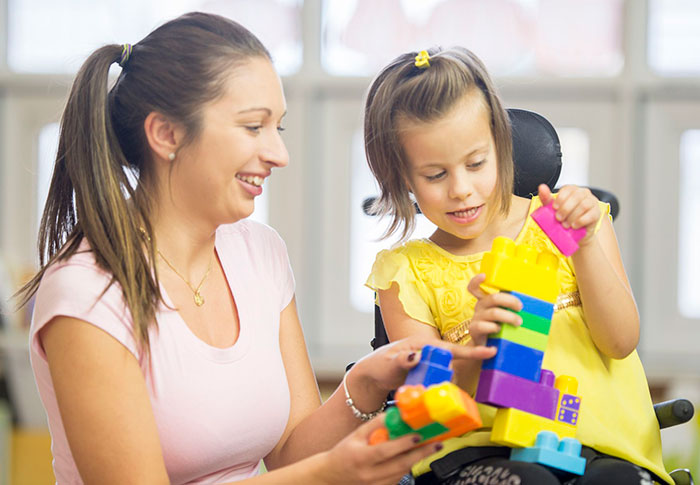
Occupational therapy is a form of therapy where children practice everyday activities like eating, writing, and brushing their teeth. It can be beneficial for children with physical limitations to practice common actions in their home, school, or familiar environment.
Occupational therapy strategies should change according to the child’s age to reflect their growing needs. For instance, a baby may play with stimulating toys to improve motor skills and cognition. A teenager, however, may need to learn skills to do homework or how to use a computer or smartphone.
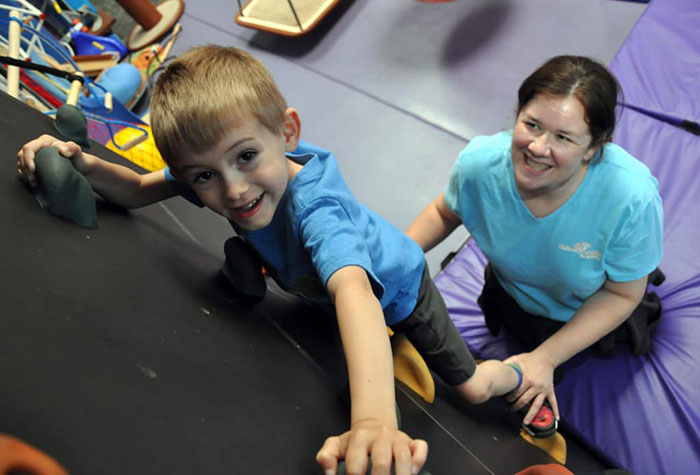
Recreational therapy involves participation in entertainment activities for the purpose of improving a child’s physical, cognitive, social, and emotional wellbeing. Common recreational activities include sports like soccer, rock climbing, therapeutic horseback riding, music, dancing, or art.
Recreational therapy can help children with cerebral palsy improve their emotional wellbeing and motor skills. In addition, they receive usual health benefits associated with physical activity and exercise.
Cerebral Palsy Medications
Children with cerebral palsy may have muscle disorders, seizures, involuntary movements, and chronic pain. Doctors sometimes use medication to treat and ease some of these symptoms.
Baclofen Treatments for Cerebral Palsy
Baclofen is a muscle-relaxing medication taken orally to relieve spasticity in children with spastic cerebral palsy. The medication acts on the spinal cord and brain receptors to improve mobility, reduce muscle stiffness, and increase range of motion.
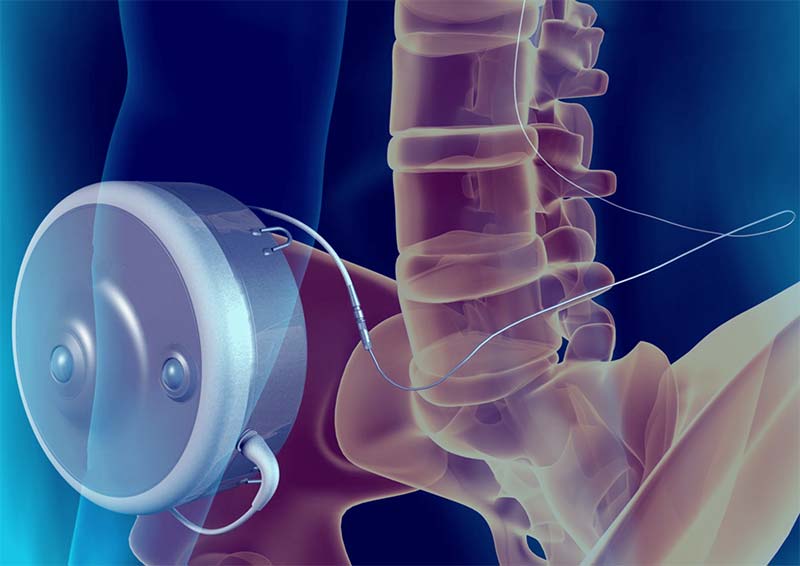
For children with severe spasticity, oral medications may not be sufficient in relieving symptoms. In these cases, doctors may recommend an intrathecal Baclofen pump.
Botox (scientifically botulinum toxin) is an injectable bacteria used as medication when purified. Botox can effectively reduce muscle spasticity and reduce overly high muscle tone and stiffness. Botox injections are one of the newest treatments for cerebral palsy. Doctors must carefully monitor a child taking injections and schedule regular follow-up appointments to observe the medication’s effects.
It is important to remember that the effects of the Botox injections will fade over time. Typically, a single injection will last approximately three months. Most doctors recommend that the child undergo a follow-up appointment after four to six weeks.
In addition to medications and therapies, a child may require surgery to minimize the wear down on their bodies.
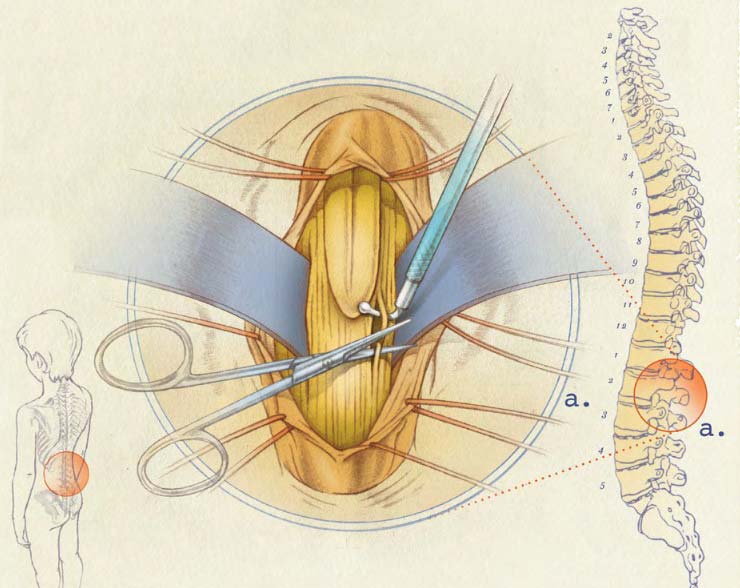
Selective Dorsal Rhizotomy
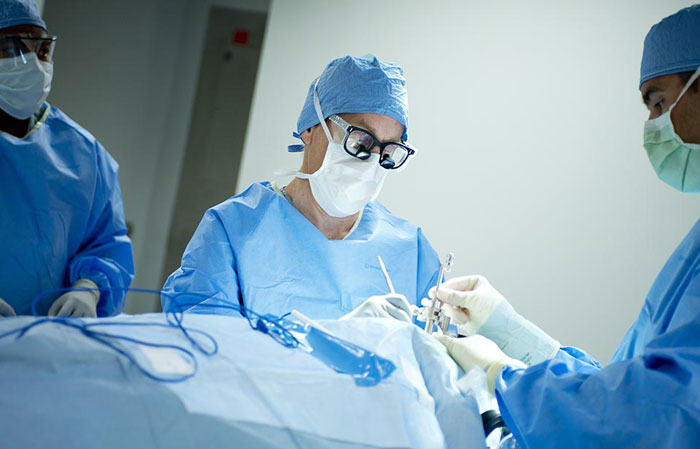
Selective dorsal rhizotomy is a very precise medical procedure that typically lasts several hours and requires general anesthesia.
During a selective dorsal rhizotomy, the surgeon will create a small (two to four-inch) incision in the child’s lower back. This is to gain access to the spinal cord and expose the nerve fibers.
The surgeon then tests various spinal cord nerves to identify which ones are malfunctioning. They then cut those nerves to decrease the number of abnormal signals to the child’s muscles.
Children with good leg muscle strength but experience spasticity are good candidates for selective dorsal rhizotomy surgery. Older children and adults must be able to walk independently but feel inflexible or imbalanced during movement.
A common symptom of cerebral palsy is subluxated hips. This is a condition where a child’s thigh bone is only partially in the socket, causing it to easily dislocate. Research indicates that around 15 to 20% of children with cerebral palsy experience hip displacement.
Hip muscle release surgery, or muscle “lengthening,” cuts tight tendons in the child’s hip to relieve pain and improve function. A successful procedure will realign the child’s bones and joints, improve hip mobility, improve coordination and balance, and relieve pain.
If a child’s hip pain persists following muscle release surgery, a doctor may recommend osteotomy surgery.
Osteotomy is an orthopedic surgery where a surgeon cuts and reshapes a bone to help it fit into a joint. The most common type is a femoral osteotomy, where surgeons cut and reshape the thigh bone to correct hip subluxation.
Depending on a child’s cerebral palsy symptoms, they may benefit from a pelvic osteotomy (pelvis bone) or a tibial osteotomy (shinbone).
Because of cerebral palsy’s complex conditions, treatment is not always straightforward. Most children will need a combination of medications, therapies, surgeries, and early intervention for the best chances at easing symptoms.
When you hire our Cedar Rapids cerebral palsy lawyers, you can count on our team’s commitment to your child’s proper treatment. Our team is here to assist your child with the help they need today, not just after your case closes.
Do You Have a Cerebral Palsy Medical Malpractice Case?
A cerebral palsy diagnosis will drastically alter a child’s life trajectory. Families deserve to know if better medical care could have prevented their child’s conditions and limitations from it. A Cedar Rapids cerebral palsy lawyer can provide that clarity and help you file a medical malpractice lawsuit.
Sometimes people are hesitant to contact legal help. Parents may feel overwhelmed by their circumstances and worry that a law firm won’t be able to assist their needs.
But the path toward justice always starts with reaching out. Speaking with a specialized cerebral palsy attorney in Cedar Rapids who understands how medical errors indirectly cause cerebral palsy can provide better understanding of your options.
If you live in Cedar Rapids, Iowa or our other service areas, don’t hesitate to see if you have a case. You can contact us today through our toll-free line at (888) 987-0005 or through our online request form.
We work on a contingency fee basis, meaning you won't pay any legal fees unless we win your case.
How Long Do You Have to File a Cerebral Palsy Malpractice Lawsuit in Iowa?
The statute of limitations for Cerebral Palsy cases in Iowa limits the time frame during which an injured victim can initiate a medical malpractice lawsuit against a negligent healthcare provider or hospital.
Iowa Code Ann. § 614.1(9)(a-b)
For adults, the statute of limitations in medical malpractice lawsuits is generally 2 years from the date of the negligence. A claimant may also file within 2 years of when they discovered or should have reasonably discovered the negligence. However, courts will not hear nor accept claims after 6 years, regardless of when the claimant found out.
For children under 8, the statute of limitations is slightly different. Parents may file a birth injury or medical malpractice claim for their child no later than their 10th birthday.
Generally, the clock starts ticking on the date the injury occurred. However, there are exceptions to this rule. In some cases, the statute of limitations starts when a person discovers or reasonably should have discovered an injury.
You may need to file a birth injury claim under the Federal Tort Claims Act (FTCA). In FTCA cases, claimants must go through certain administrative procedures before filing a lawsuit. The time period in which you must give "notice" may be shorter in some cases. Examples include if the negligent party was a local or state government hospital, or if the doctors are government employees.
The court will typically dismiss your case if you file it outside the statute of limitations. However, certain exceptions exist to the rules when the injured party is a child. Determining when a statute of limitations begins on your case can be tricky.
How Can Our Cerebral Palsy Lawyers in Cedar Rapids, Iowa Help?
Birth injuries strike the most innocent of victims. One doctor’s mistake can create a lifetime of pain and adversity for a child with cerebral palsy. While our Cedar Rapids cerebral palsy lawyers cannot undo your child’s injuries, they can pursue full compensation on your family’s behalf.
We are eager to secure the compensation your family deserves. We also help along the way, scheduling important doctor’s visits, treatments and therapies, and transportation to and from these appointments.
When you hire our Cedar Rapids cerebral palsy lawyers, you become a part of a strong team of support. Our goal is to help you feel less alone during the legal process and to assist your family wherever possible.
We do not charge any fees unless we win your case. The legal consultation and case review process are free of charge. We handle cerebral palsy cases against major hospitals throughout Cedar Rapids. Our services also extend to surrounding areas like Atkins, Palo, Robins, Marion, Fairfax, and Ely. Contact our Cedar Rapids cerebral palsy lawyers today at (888) 987-0005 or fill out our online form to schedule your free consultation.
Are There Support Groups For Children With Birth Injuries in Iowa?
Utilizing available resources can be helpful for families who are coping with the effects of a child’s cerebral palsy diagnosis. Joining support groups can help to ease the emotional impact of a child's disabilities and resulting needs. They provide a safe space for you to share your experiences, fears, and frustrations while also receiving empathy and understanding. Listed below are numerous resources and organizations serving Iowa:
The Arc of Iowa
The Arc is an outreach organization with locations across the country. They advocate for public policy supporting individuals for disabilities, leading training and educational programs, and coordinating support groups and services.
Their website provides access to local resources and events across Iowa where people can volunteer. They also provide expansive information on different types of intellectual disabilities (including cerebral palsy) and how you can help.
Visit the Arc website for more information or to find a local chapter near you.
Easterseals Iowa is one of 75 national affiliates of Easterseals, an organization serving children with disabilities like cerebral palsy. Their primary programs include early childhood education, accessible summer day camps, and community outreach events.
The Easterseals Iowa website has links for community members to donate or get directly involved in community outreach events. You can also learn more about their advocacy efforts and volunteering opportunities.
The ASK Resource Center is a non-profit parent training, information, and advocacy center. Located in Johnston, the center is dedicated to families of children with special needs across Iowa and helping whenever possible.
Their resource library includes educational resources, health resources, Spanish resources, webinars and shorts, and more.
Iowa Family Support Network is a statewide system facilitating resource enrollment and information services to Iowan families with young children. Resources include prenatal testing and services, family support services, and group-based parent education programs. They also provide information on early intervention for infants and toddlers.
Using these resources can help you progress toward coping with emotional, physical, and financial effects cerebral palsy brings upon families. With help from our Cedar Rapids Cerebral Palsy Lawyers, you can find services while seeking full compensation for your family.
National Birth Injury Law
Our National Birth Injury Attorneys, nurses, and support staff understand that parents of children with birth injuries feel overwhelmed. So, every client has the attention and support of a team of trained, compassionate professionals. But we don’t just offer compassion.
Lyric C. I feel like our voice was heard in a sense of what can possibly go wrong in a delivery and finding us answers. I feel with our settlement, we are now in a comfortable position to provide for our son.
Lyssa L. They are not just people that say “hey let's get you money and let's go” The law firm was very thorough with us. It was awesome. I don't want to cry, because I think about and it's amazing that they were able to help me and that we were able to help my son and get the story out there.
Jay C. Throughout the process, one thing was clear to us, the ultimate interest of our child was the utmost concern of Max and his team and as parents navigating a situation like that, that was refreshing to know we had them firmly on our side. I highly recommend them.