Sandifer Syndrome
What is Sandifer Syndrome in Infants?
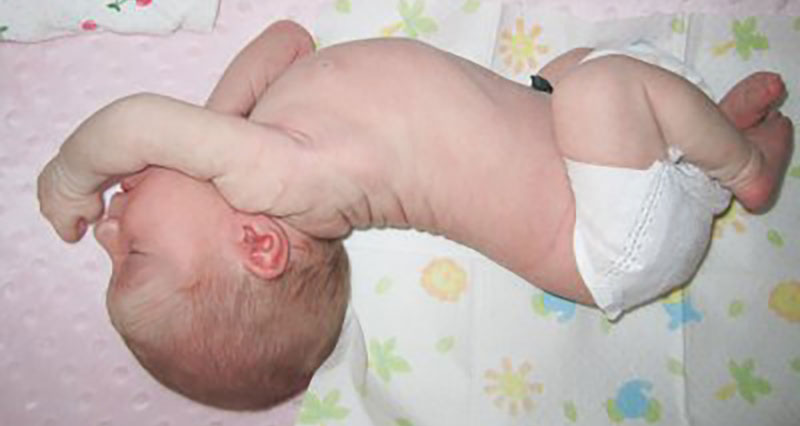
Sandifer syndrome is a condition marked by a sudden attack of uncontrollable muscle spasms that occurs in association with pediatric gastroesophageal reflux disease (GERD). This uncommon condition primarily affects infants and symptoms commonly occur after feeding.
Gastroesophageal reflux (GER) is common among infants, occurring in about 50% of infants under 2 months old. GER does not typically manifest into the disease (GERD), which causes complications like Sandifer syndrome. Of the 7% of infants in the U.S. that have GERD, only 1% of those infants experience the muscle spasms associated with Sandifer syndrome.
Sandifer syndrome is often confused with other conditions like seizures and epilepsy because of the spasmodic torsional dystonia (intermittent distortion of muscles) that characterizes the syndrome.
Although the muscle spasms associated with Sandifer syndrome are concerning, the underlying GERD that causes the uncontrollable movements is treatable. It is important to make the distinction between Sandifer syndrome and conditions like epilepsy, which are caused by abnormal electrical activity in the brain.
What Are the Signs & Symptoms of Sandifer Syndrome?
Sandifer syndrome is presented through an abnormal posturing, usually of the neck and upper body, that occurs in paroxysmal episodes. This means that muscle spasms occur in sudden attacks or fits, usually after your infant eats as a reaction to acid reflux.
The involuntary muscle spasms are thought to ease the discomfort of an infant’s stomach contents as it moves up into their esophagus. An Infant with Sandifer syndrome will often arch their back, lift their chin up, and twist their neck (torsion), which may be confused for other neuromuscular birth injuries.
Noticing the pattern of when involuntary muscle spasms occur is an important step in making the distinction between Sandifer syndrome and other conditions. Along with abnormal posturing, if your baby is irritated or discomforted during or after eating and frequently regurgitates their meal, Sandifer syndrome may be the cause.
Gastroesophageal Reflux Disease (GERD)
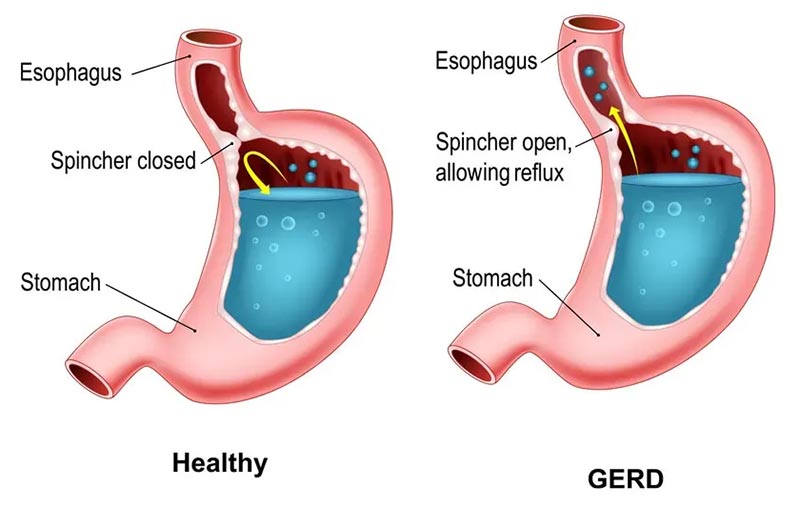
Gastroesophageal reflux (GER) is very common in newborns, and its most common symptom is regurgitation, usually referred to as “spitting up.” GER typically resolves on its own, and symptoms usually peak at 4 months old.
In comparison, gastroesophageal reflux disease (GERD) occurs when troublesome symptoms and/or complications accompany the reflux of stomach contents. GERD is a more severe and persistent condition than GER.
Sandifer syndrome is a complication of GERD, and the muscle spasms are believed to be a physical reaction to the discomfort of acid reflux. Other symptoms GERD may include:
- Irritability
- Vomiting or projectile vomiting
- Loss of appetite
- Weight loss
- Difficulty breathing or persistent cough
- Chest pain
- Spit up is green or yellow fluid or bloody
- Growth restriction
- Reflux that is frequent and persists past 18 months old
While infant acid reflux is usually not a cause of concern, your child displaying any of these symptoms may indicate an onset of GERD. Left untreated, GERD can cause serious health complications. The symptoms of GERD can vary widely by age and may be confused with normal infant behavior.
Between the acid that irritates and damages the lining of the esophagus and the possible nutrient deficiencies caused by frequent regurgitation, GERD must be addressed by a medical professional promptly. Parents and caregivers are an infant’s greatest advocate before they can express their pain and discomfort, so it is important to seek answers to your child’s concerning symptoms.
Feeding Difficulties

Depending on the severity and frequency of acid reflux, GERD-induced Sandifer syndrome can cause difficulties with feeding that may impact your infant’s health. Your infant may experience pain as the acid irritates the lining of the esophagus and stomach discomfort from regurgitation. This can cause a refusal to eat or a poor appetite, which may lead to weight loss or failure to thrive.
While rare, malnutrition or nutritional deficiency is a serious complication of Sandifer syndrome that is left untreated. This can cause developmental delays and health degeneration because the body is not getting the energy it needs to mature and function properly.
Hiatal Hernia
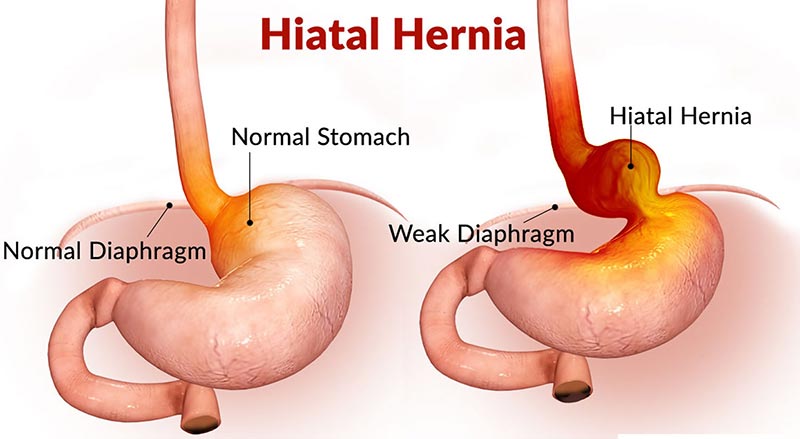
Hiatal hernias are typically common in older adults but can occur in infants who are born with the condition or develop it with gastroesophageal reflux (GER).
When the stomach pushes up through a weakness in the diaphragm muscle barrier, it is called a hiatal or hiatus hernia. In rare cases of Sandifer syndrome, a hiatal hernia (stomach bulge) may accompany symptoms of dystonic movement and gastroesophageal reflux disease (GERD).
What Are the Causes & Risk Factors of Sandifer Syndrome?
The exact reason why Sandifer syndrome occurs is unknown, but researchers do know it is a complication of gastroesophageal reflux disease (GERD). Some research suggests that Sandifer syndrome is caused by an underdeveloped connection between the esophagus and stomach, which causes food in the stomach to regurgitate through the swallowing tube (esophagus).
In some cases, Sandifer syndrome is a reaction to a milk protein allergy that may exacerbate GERD symptoms. Infants may be exposed to cow milk through formulas or breast milk, which can cause an allergic reaction.
While the exact reason why Sandifer syndrome manifests as a complication of GERD is unknown, some factors may increase the risk of your child developing both conditions.
Premature Birth

Premature birth or preterm birth is said to occur when a baby is born before the completion of 37 weeks of pregnancy. Almost all preterm infants have gastroesophageal reflux (GER) to some degree.
The final weeks of pregnancy are vital for the full development of the baby’s bodily functions, including the maturation of the lower esophageal sphincter (LES) that keeps food and liquids in the stomach. In premature babies, the reflex relaxation of the LES may cause episodes of GER multiple times a day.
Preterm infants with GER may also experience apnea, desaturation (decreased blood oxygen), bradycardia (slow heart rate), and feeding intolerance or aversion. Most infants with reflux episodes have non-acidic GER, meaning the contents coming up through the esophagus is not stomach acid.
It is important for neonatologists and other medical professionals to determine if a preterm infant’s GER/GERD is acidic or non-acidic. The unnecessary use of acid blockade treatments in premature infants can increase the risk of necrotizing enterocolitis (intestinal tissue death), sepsis, and death. The improper use of treatments and medications for GER/GERD may constitute medical malpractice if your child’s health was negatively impacted.
Neurologic Impairment

Gastroesophageal reflux (GER) and gastroesophageal reflux disease (GERD) are very common in children with neurological impairment. GER/GERD symptoms usually correlate with the severity of neurological impairment, including the likelihood of Sandifer syndrome onset.
Diagnosing GERD and Sandifer syndrome can be very difficult in children with neurological impairment because of overlapping symptoms and a limited ability to communicate.
For example, diagnosing GERD in individuals with cerebral palsy can be a challenge. Movement, posture, and eating are usually impaired by the brain damage causing cerebral palsy, which can mask the symptoms of Sandifer syndrome and GERD.
How is Sandifer Syndrome Diagnosed?

A medical provider may suggest diagnostic testing to determine if your baby has Sandifer syndrome. To make a proper diagnosis, gastroesophageal reflux disease (GERD) needs to be identified to rule out other possible neuromuscular conditions like infant torticollis.
There is no golden standard diagnostic tool for identifying GERD in infants, but a combination of physical examination and tests can help providers diagnose the condition, including:
Upper Endoscopy
An upper endoscopy is a minimally invasive procedure that allows medical providers to look at the esophagus and inside of the stomach using a camera. This test typically involves sedation and lasts for 30 to 60 minutes.
This procedure can identify gastroesophageal reflux disease (GERD), hiatal hernia, and other conditions like dysphagia (difficulty swallowing).
pH Monitoring
Testing the pH levels of refluxed stomach contents can help medical professionals determine its acidity. A pH monitoring test can check how much and how frequently acid enters up through the esophagus. Depending on the acidity, your baby’s healthcare provider can offer appropriate medication options.
Electroencephalogram (EEG)
An electroencephalogram (EEG) tracks electrical activity in the brain. This test can rule out conditions that cause similar symptoms to Sandifer syndrome, such as epilepsy.
Esophagram (Barium Swallow)
An esophagram, also known as a barium swallow test, involves X-ray imaging of your child’s esophagus while they swallow. Using a solution of barium and baking soda, medical professionals can assess your baby’s swallowing functionality and any complications inhibiting it.
The North American Society for Pediatric Gastroenterology, Hepatology, and Nutrition (NASPGHN) found that a barium imaging tests alone are insufficient in diagnosing GERD in infants and children. However, it is a helpful test in evaluating conditions that mimic GERD.

Anti-reflux surgery is a last resort to treat GERD and therefore Sandifer syndrome, however it may be necessary in children with severe disability who do not respond to medical and pharmacological treatments.
Sharing your child’s medical history and any abnormalities in their eating habits can also help medical professionals make an accurate diagnosis, including:
- Feeding and dietary history (e.g. how much is eaten, allergens, interval between feedings)
- Family medical history
- Possible environmental triggers (e.g. second-hand tobacco smoke)
- Warning signs
- Previous pharmacology and dietary interventions
The misdiagnosis of conditions that mimic Sandifer syndrome is possible, especially when the symptoms of GERD are mild or in cases of co-occurring conditions. Administering tests and medications for a condition that your child does not have can negatively impact their health. Additionally, a misdiagnosis means GERD is likely not being treated, which may exacerbate the symptoms.
If you believe your baby’s Sandifer syndrome was misdiagnosed and resulted in improper treatment that caused harm, this may constitute medical malpractice.
What Are the Complications of Sandifer Syndrome?

Sandifer syndrome typically does not cause any further complications because the syndrome itself is a complication of gastroesophageal reflux disease (GERD). However, GERD left untreated can cause complications that impact your infant’s quality of life, including:
- Esophagitis: significant irritation of the lining of the esophagus, which may cause ulcers and bleeding
- Esophageal stricture: the narrowing of the esophagus, which can lead to swallowing problems
- Wheezing or stridor: respiratory symptoms may develop from laryngeal and airway irritation
- Malnutrition: Infants with GERD may associate eating with pain and discomfort, which can cause a refusal to eat.
If you suspect your baby has GERD and is exhibiting signs of Sandifer syndrome, it is crucial to seek medical attention promptly to avoid further complications.
Sandifer Syndrome Treatment & Management
With an appropriate diagnosis and prompt treatment, your infant’s Sandifer syndrome and gastroesophageal reflux disease (GERD) typically go away once they reach their first birthday. Without appropriate treatment, malnutrition is a rare but serious long-term complication.
To treat Sandifer syndrome, the key is to manage the symptoms of gastroesophageal reflux disease (GERD). Treatment includes:
Changes to Your Baby’s Diet

Your baby’s medical provider may suggest adding rice cereal or a thickening agent to your baby’s formula or breast milk. It is important to follow their instructions on how much thickener to add and how often it should be consumed daily.
Thickening agents added to your baby’s formula or breast milk may reduce episodes of regurgitation; however, it will not reduce acidic gastroesophageal reflux (GER). A review of GER treatment for preterm infants cautions the use of xanthan gum or similar thickeners for premature babies in their first year of life. Recent data suggests that these thickeners may increase the risk of late-onset necrotizing enterocolitis (intestinal tissue death).
In cases of a milk protein allergy, the breast feeding mother may need to restrict dairy products from her diet or use a formula recommended by the baby’s medical provider. Modifying the volume of formula or breast milk given during feeding time may also improve GERD symptoms. Adjusting feeding frequency and volume based on age and weight can reduce overfeeding, which may worsen GERD symptoms.
Anti-Reflux Medications

If your baby’s gastroesophageal reflux (GER) is acidic, anti-reflux medications can help to level out pH problems. Medications that may be recommended by your baby’s medical provider include:
- Histamine-2 (H2) Receptor Blockers: An H2 blocker targets parietal (acid-producing) cells in the stomach and can decrease hydrochloric acid secretion.
- Proton Pump Inhibitors (PPIs): PPIs decrease basal and stimulated parietal cell acid secretion in the stomach.
- Antiacid and Sodium Alginate: An alginate-containing formulation or antiacid can protect the lower esophagus by neutralizing acidity, which may prevent adverse side effects like esophagitis.
Your baby’s medical provider must discuss the possible risks associated with these medications before use. In preterm infants, medications like H2 receptor blockers have been linked to an increased risk of necrotizing enterocolitis (intestinal tissue death) which can cause serious health complications.
Body Positioning

Ensuring your baby is sat upright during and after eating may alleviate acid reflux, but it is not proven to prevent reflux nor reduce discomfort. The North American Society for Pediatric Gastroenterology and Nutrition suggest that infants with gastroesophageal reflux (GER) be placed in the supine position for sleep.
The supine position is characterized by lying flat on your back with your face upward and spine in neutral alignment. According to the American Academy of Pediatrics (AAP), elevating an infant’s head during sleep is not recommended as it increases the risk of repositioning that may comprise respiration.
Overall, body repositioning alone is not proven to improve the symptoms of GERD, Sandifer syndrome, and the distress caused by symptoms. However, with the guidance of a healthcare professional, there is little risk in trying.
Was Your Child’s Sandifer Syndrome Mismanaged or Mistreated?

Sandifer syndrome is not a birth injury, but the symptoms can mimic birth-related injuries like epilepsy. Due to the likelihood of Sandifer syndrome being mistaken for other conditions, medical providers may misdiagnose your baby, which may worsen GERD symptoms and cause adverse health effects.
Parents whose children suffer from misdiagnosis and mistreatment of Sandifer syndrome and gastroesophageal reflux disease (GERD) want and deserve answers as to whether mistakes by the doctors and nurses contributed to their child’s declining health. Our top rated medical malpractice attorneys have represented families all over the United States in their time of need after medical mistakes caused your child harm.
- Was your premature baby given anti-reflux medications that caused necrotizing enterocolitis (intestinal tissue death), sepsis, or death?
- Did healthcare professionals misdiagnose your infant’s Sandifer syndrome as epilepsy and administer seizure medication that caused them harm?
- Did medical professionals fail to discuss the risks of anti-reflux medications?
We use our skills and expertise to obtain for you and your child a medical malpractice settlement that will help provide specialized medical therapy to maximize the quality of life and independence of your child throughout their life.
Our medical malpractice attorneys have recovered millions of dollars in settlements for families of children that have suffered at the hands of medical malpractice. At no point in our legal intake process will we ask you to pay anything. The medical review of your case and the consultation are free. We only receive payment when you do, no matter how long or tough your case is.
What Is the Statute of Limitations in a Medical Malpractice Lawsuit?

A statute of limitations (SOL) is a law that sets a time limit on how long an injured person has to file a lawsuit after an accident.
It is essential to understand that statutes of limitations vary based on the case and the state where you file. For instance, the deadline for medical malpractice claims is typically different from other claims, such as injury to private property.
Generally, the clock starts ticking on the date the injury occurred. However, there are exceptions to this rule. In some cases, the statute of limitations starts when a person discovers or reasonably should have discovered an injury. When dealing with government agencies, SOLs can become even more complex.
For example, if the party that injured you was:
- A federal employee
- Employed by a military hospital, Veterans Administration facility, or a federally funded medical entity
Medical Malpractice Claim Under Federal Tort Claims Act (FTCA)
You may need to file a medical malpractice claim under the Federal Tort Claims Act (FTCA). In FTCA cases, claimants must go through certain administrative procedures before filing a lawsuit. In some states, you may have less time to give notice if:
- The negligent party was a local or state government hospital
- The doctors and medical providers are employees of a governmental entity
If you file your case outside of the statute of limitations, the court will typically dismiss it. This means you will not be eligible to recover compensation for you or your child’s injuries.
Determining when a statute of limitations begins on your case can be tricky. Our medical malpractice attorneys can tell you important cutoff dates in your state.
How Can Our Medical Malpractice Attorneys Help?

Gastroesophageal reflux (GER) is very common in newborns. However, when GER manifests into gastroesophageal reflux disease (GERD) that causes complications like Sandifer syndrome, parents want answers as to how their baby’s condition can be treated.
Misdiagnoses are not always preventable, as there are many conditions that mimic or overlap with the symptoms of GERD and Sandifer syndrome. However, medical errors are preventable. It takes an expert review of the facts of your birth to determine whether medical professionals mismanaged your child’s Sandifer syndrome and GERD.
Our Process
Our team of committed medical malpractice attorneys, nurses and paraprofessionals work to answer questions of medical malpractice and seek compensation. We use our detailed medical negligence case review process to assess your potential birth injury case.
We start by learning more about your child by gathering records to determine what happened during and after your delivery. This includes a detailed review of the treatment doctors provided or failed to provide. We also consider your child’s status of meeting or missing developmental milestones.
We call in skilled medical experts who review your records and provide insight into where medical professionals went wrong. If we feel medical negligence caused or worsened your child’s health, we meet with you to discuss further.
At no point in our legal intake process will we ask you to pay anything. The medical review of your case and the consultation are free. We only receive payment once you do. The sooner you reach out, the sooner we can investigate your case and gather the evidence to support your claim.
We work on a contingency fee basis, meaning you will not pay any legal fees until we win your case. We do not pursue any medical malpractice cases unless we fully believe we can win.
Contact us today to schedule your free consultation by calling our toll-free line at (888) 987-0005. You can also reach us by filling out our online request form.
National Birth Injury Law
Our National Birth Injury Attorneys, nurses, and support staff understand that parents of children with birth injuries feel overwhelmed. So, every client has the attention and support of a team of trained, compassionate professionals. But we don’t just offer compassion.
We offer a process to help you discover whether your child’s birth injury, HIE, cerebral palsy or brain injury at birth was caused by medical malpractice.
Call our offices today at (888) 987-0005 for experienced assistance in a free consultation.
Quick Links
Testimonials
- Lyric C. I feel like our voice was heard in a sense of what can possibly go wrong in a delivery and finding us answers. I feel with our settlement, we are now in a comfortable position to provide for our son.
- Lyssa L. They are not just people that say “hey let's get you money and let's go” The law firm was very thorough with us. It was awesome. I don't want to cry, because I think about and it's amazing that they were able to help me and that we were able to help my son and get the story out there.
- Jay C. Throughout the process, one thing was clear to us, the ultimate interest of our child was the utmost concern of Max and his team and as parents navigating a situation like that, that was refreshing to know we had them firmly on our side. I highly recommend them.
Popular Cities
- ★ Dallas Birth Injury
- ★ Houston Birth Injury
- ★ Atlanta Birth Injury
- ★ Chicago Birth Injury
- ★ Philadelphia Birth Injury
Locations
★ Dallas
11551 Forest Central Drive, Ste. 300
Dallas, TX 75243
★ Houston
12929 Gulf Freeway, Ste. 111
Houston, TX 77034