Birth Injury Caregiver Guide
Caregiving for a Child with a Birth Injury
Every parent prepares for their lives to change awaiting the birth of their child. Some expecting parents may attend educational classes or read books detailing the responsibilities of parenthood.
When medical mistakes cause preventable birth injuries, a child may require more care than their parents planned for. In cases of cerebral palsy, for example, ongoing therapies, assistive equipment, and around the clock care are often required to maintain their health.
In-home attendant care is typically very expensive, especially on top of the services and medications that many children with birth injuries require. So, a parent or guardian often steps in as their child’s full-time caregiver.

When a parent steps in as their child’s caregiver, it usually means that the family is losing income. Especially in cases of conditions like hypoxic-ischemic encephalopathy and cerebral palsy, medical costs can reach astronomical levels. Financial resources like Social Security Disability Insurance and Medicare can provide extra support.
Parents that provide full-time care to their child may experience stress as they navigate their child’s care needs. Finding support groups and taking steps to support your mental health as a caregiver is important in ensuring the long-term success for both you and your child.
What Services Do Caregivers Provide?

On top of parenting your child, caregiving typically requires extra care, thorough planning, and extensive medical attention. Depending on your child’s needs, your tasks as a caregiver may look like:
- Maintaining personal care (grooming, bathing, dressing, brushing teeth, using the toilet), sometimes into adolescence and beyond
- Keeping track of your child’s medication schedule
- Coordinating and attending medical appointments
- Helping your child get in and out of beds and chairs or helping them walk
- Managing medical care, including researching local resources and treatment options
- Intensive behavioral support
- Administering medical care, such as tube feedings, managing a ventilator, and repositioning your child through the night
Learning how to care for a child’s unique health needs can be overwhelming and confusing. Whether you’re seeking education or experiencing financial difficulties, turning to resources in your community can help you and your child succeed.
What Resources Are Available That Can My Child & Family?
In some cases, birth injuries are unavoidable. Other times, medical professionals fail to identify signs of fetal distress or wait too long to provide life-saving treatments after birth. This negligence can cause birth injuries that impact the trajectory of a child and their family’s lives.
No family nor child should have to struggle through the aftermath of a catastrophic birth injury alone. From financial resources that help fund life-improving treatments to support groups that facilitate education and emotional regulation, there are many ways to get assistance.
Legal Resources

Managing an expecting mother’s birth requires over 9 months of careful monitoring, prenatal testing, and planning for labor. When pregnancy complications arise, the mother looks to her primary healthcare providers for guidance. When she experiences labor and delivery complications, she puts both hers and her baby’s lives into these professionals’ hands.
But the reality is medical providers aren’t perfect. They make mistakes just like everyone. But families sometimes end up paying the price when a medical provider’s actions (or inactions) directly harm their child.
Brain injuries from oxygen deprivation or excessive force can cause permanent physical disabilities like cerebral palsy. Children with these injuries often face years of ongoing treatment, therapies, and rehabilitation. The cost of these treatments and doctor’s check-ups can place a heavy financial and emotional burden upon affected families.
These families can recover compensation when they can prove their child’s injuries stemmed from preventable errors at birth.
Birth injury medical malpractice lawyers hold medical providers accountable for injuring patients through medical malpractice lawsuits. The compensation people receive from such lawsuits can help children get additional care, make up for lost income, and more.
Birth Injury Malpractice Attorneys at Miller Weisbrod Olesky

Our top rated birth injury lawyers specialize in medical malpractice. We understand how medical mistakes during delivery could cause birth injuries that permanently affect a child’s life.
If your baby suffered a preventable birth injury at the hands of negligent medical providers, don’t hesitate to contact our firm. We can answer difficult legal and medical questions and investigate the facts on your behalf.
Free Legal Consultation
Birth Injury Lawyers
(888) 987-0005Our Birth Injury Lawyers are available to meet you in your home or the hospital.
What Our Birth Injury Lawyers Do
Our vast network of medical experts and in-house nursing staff and nurse-attorneys gives us the edge over our competition. When we take your case, we assign you with not just an attorney but an entire medical team. This team includes birth injury attorneys, experienced nursing advocates, and seasoned medical experts.
Your team is available to assist with any day-to-day treatment you or your child may need. This includes assistance with obtaining medical records, scheduling doctors’ appointments, providing transportation, and any other problems that may arise.
We offer all of this on a contingency fee basis. This means you will not pay any fees until after we win your case and secure a settlement. We have an unmatched track record of birth injury results that sets us apart from other birth injury law firms.
Recent Birth Injury Settlement:
Birth Injury settlement against a hospital in which nurses and physicians failed to detect a uterine rupture during delivery causing an HIE event which caused cerebral palsy. Our dedicated cerebral palsy birth injury lawyers recovered $9,200,000 for the family to help with future medical expenses and developmental therapy.

Life Care Plans (LCPs)

When birth injury attorneys at Miller Weisbrod Olesky take on a medical malpractice case that led to catastrophic birth injury, a Life Care Plan (LCP) will be drafted quickly after. This document is crucial in proving that a child’s future medical expenses were the result of a preventable birth injury.
An LPC is a dynamic document that defines the damages in a birth injury lawsuit. The plan outlines the current and future needs of individuals who have experienced catastrophic birth injury or chronic health care needs.
Generally, a life care plan will detail the comprehensive needs of a child who suffered a birth injury. This includes medical care, medications, therapies, and in-home care that may be required throughout their lifetime.
A child’s life care plan is like a receipt for the jury in a birth injury medical malpractice case. The itemized costs curated by a Life Care Planner prove the necessity for a child’s future medical care.
The continuous funding of potentially multi-million dollar care plans can be difficult. Even if a family chooses to file a medical malpractice lawsuit and receives compensation, it is usually not enough for the child’s lifetime. Other resources are available to fund your child’s healthcare needs.
Financial Resources

Medical equipment, home and vehicle modifications, and in-home care services are among the highest expenses for a child with severe birth injuries. Therapies, treatments, assistive devices, and even surgeries may be required throughout the child’s life.
Funding these expenses can be distressing for caregivers, especially for those who cannot work or aren’t paid to care for their child. However, there are many resources available that can help cover medical costs, including:
Medicare, Medicaid, & HCBS Waivers

Medicare is federal health insurance, and Medicaid is a joint federal and state program that helps with medical costs for those with limited income and resources. Medicaid can help cover medical costs for families and children with disabilities, including costs of medications and services not covered by Medicare.
It is possible to be eligible for both programs, which can significantly alleviate healthcare costs. To be dually eligible, individuals must meet the requirements for both Medicaid and Medicare.
Parent caregivers can receive funding from Home and Community-Based Services (HCBS) waivers through Medicaid. Each state has a unique program with different requirements and resources, but your child generally needs to be:
- Eligible for Medicaid
- At an institutional level of care (meaning their disability is severe enough that they would need institutional care if home-based support was not an option)
HCBS waivers only fund cases in need of “extraordinary care,” which is defined as assistance that demands more than what is required of a typical parent. Pay rates will vary depending on the state but are generally between $10 and $27 per hour.
Medicare and Medicaid benefits can also support an individual with a birth injury-related disability who ages out of their parents’ health insurance at 26. Maintaining continuous health care coverage into adulthood is crucial for staying in good health.
Supplemental Security Income (SSI) & Social Security Disability Insurance (SSDI)

Supplemental Security Income (SSI) provides monthly payments to individuals who are disabled or 65 years or older and have little to no income or resources. As of 2026, SSI offers up to $994 per month to eligible individuals.
For a child under the age of 18 to be eligible for SSI, they must have a physical or mental impairment that:
- Severely limits daily activity, or
- Will result in death, or
- Has lasted or can be expected to last for an extended period of no less than 12 months
SSI differs from Social Security Disability Insurance (SSDI) as it requires a disability or blindness plus work history to be eligible. SSDI enrolls individuals in Medicare after two years on the program, and SSI usually provides automatic eligibility for Medicaid in most states.
Special Supplemental Nutrition Program for Women, Infants, & Children (WIC)

The U.S. Department of Agriculture (USDA) offers a program called WIC that provides healthy foods, breastfeeding support, and personalized nutrition education. The program helps families get nutritional staples like fruits, vegetables, baby food, eggs, milk, and more.
WIC can also connect your family with community-based services, including medical and mental health care services and food banks. To be eligible for WIC, an individual must:
- Be pregnant, breastfeeding, 6 months postpartum, an infant, or a child under 5 years old,
- Have an income at or below WIC limits, and
- Receive a health check by a WIC staff member
In 2025, WIC served about 41% of all infants in the United States and a total of 6.9 million participants each month. This program is available in all 50 states, including U.S. territories, and you can determine your eligibility using WIC’s Eligibility Tool.
Supplemental Nutrition Assistance Program (SNAP)

The Supplemental Nutrition Assistance Program (SNAP) is a federal assistance program that covers most grocery staples. SNAP is like WIC but is available to more people. Eligibility for SNAP varies from state to state but generally requires:
- Low-income household status (typically at or below 130% of the federal poverty level)
- Low-resource status
- U.S. citizenship or certain lawfully present non-citizens
Some states add extensions of benefits to individuals with disabilities, requiring disabled applicants to meet at least one of the following criteria:
- Receive SSI or SSDI, or are considered disabled under SSI,
- Receive an annuity under the Railroad Retirement Act and are eligible for Medicaid,
- Are a disabled veteran, or
- Are the surviving spouse or child of a disabled veteran
Specialized Education Resources

Depending on your child’s birth injury, they may require specialized education in school. Some birth injuries can damage parts of the brain responsible for learning and cognition, which can result in learning disabilities or intellectual and developmental disabilities (IDD).
Recognizing signs of developmental delays early in childhood is important for treatment intervention. If your child struggles to speak, doesn’t respond or react to sound, or avoids eye contact, these might be signs that your child needs intervention. Addressing these concerns with your child’s pediatrician can start the process of providing them with specialized education and therapies.
Individualized Family Service Plan (IFSP)
Under the Individuals with Disabilities Act (IDEA) of 1975, children with disabilities have free appropriate public education that fit their unique requirements. This act provides resources like Individualized Family Service Plans (IFSPs), which outlines early intervention services needed for children under age 3. An IFSP is usually created by the:
- Child’s family
- Educators
- Caregivers
- Disability Services Coordinator, and
- Specialists who offer the child’s services
With a strong emphasis that the family is a child’s best resource, the plan details any priorities, concerns, and goals set by the parents/caregivers. The plan also includes the child’s level of functioning, specific early intervention services needed, who pays for the services, and more.
The goal of an IFSP is to provide a child with every resource they need in a detailed, well-planned manner. When a young child receives personalized education and therapies that target a specific deficit, the brain can rewire itself. This is called neuroplasticity and involves the brain’s ability to adapt to challenges and absorb information.
Consistent practice using cognitive and motor skills through early interventions can stimulate adaptive changes in the brain. Neglecting early intervention services can be detrimental to a child’s long-term development.
Section 504 of the 1973 Rehabilitation Act

The Rehabilitation Act of 1973 provides support for people with disabilities when interacting with the federal government, including in public school districts and higher education institutions.
Section 504, often referred to as a 504 plan in schools, protects the rights of individuals with visible and hidden disabilities in programs and activities that receive federal financial assistance. Under Section 504, a disability is defined as an “individual with handicaps” that:
- Has a physical or mental impairment that significantly limits one or more major life activities,
- Has a record of an impairment, or
- Is regarded as having an impairment
In public education programs, children with disabilities are provided with regular or special education, including any aids and services needed to meet the educational needs of the child. Additionally, Section 504 requires that:
- Children with disabilities are educated with nonhandicapped peers to the maximum extent appropriate,
- A nondiscriminatory evaluation and placement of the child to avoid inappropriate education,
- Parents and guardians participate meaningfully in decisions regarding the evaluation and placement of their child, and
- Children with disabilities have an equal opportunity to participate in nonacademic and extracurricular services and activities
Under a 504 plan, a child with mental or physical impairment may have extra time on tests, take frequent breaks, and have extra tools to succeed in their coursework. To request a 504 plan, coordinate with your child’s school for an evaluation.
What Birth Injury Support Groups Are Available?
Caregiving can significantly impact an individual’s mental health. Nearly 1 in 4 caregivers feel alone, and majority feel moderate to high emotional stress. Finding support and building connections with other caregivers and communities can be extremely helpful in improving mental health.
There are numerous national organizations centered around the disabled community that facilitate education, connect individuals to local resources, and much more. Depending on your location, there may be a limited number of resources in your community. However, there are many online resources that can provide support and education.
Family Voices

Founded in 1992, Family Voices is a family-led nonprofit organization that aims to transform systems of care to work better for all youth, especially those with special care needs or disabilities. Their Family-to-Family Health Information Centers (F2F HICs) program supports families by:
- Coordinating appointments, services, and medications
- Helping families understand their health coverage
- Peer-to-peer counseling
F2F HICs can also support families in the transition from pediatric to adult health care systems. With 59 centers in the United States, over 200,000 families and 100,000 healthcare professionals are served each year.
National Resource Center for Supported Decision-Making

The National Resource Center for Supported Decision Making (NRC-SDM) connects individuals to people, organizations, and resources that help in decision making. NRC-SDM’s resources are available to anyone, but they have specific tools and information for children and adults with disabilities.
United Cerebral Palsy (UCP)

Founded in 1949, United Cerebral Palsy (UCP) annually serves nearly 200,000 individuals with cerebral palsy and other disabilities. UCP offers services like educational instruction, home and community-based services, recreational opportunities, and early intervention therapies. UCP has a network of affiliates across the country that tailor their programs to meet the needs of their communities. Along with cerebral palsy, UCP provides services and support for those with:
- Intellectual and/or developmental disabilities
- Autism Spectrum Disorder (ASD)
- Down Syndrome
- Hydrocephalus
- Epilepsy and seizure disorders
- Traumatic Brain Injury (TBI) in childhood
March of Dimes

Originally founded in 1938 as the National Foundation for Infantile Paralysis, March of Dimes is a non-profit organization committed to publishing maternal and fetal healthcare data, fundraising for lifesaving research, and advocating for stronger maternity care across the nation.
The March of Dimes website features a wide variety of research, public health data reports, and links to donate and find support in your area.
National Alliance on Mental Illness

With over 650 state organizations and affiliates in the United States, the National Alliance on Mental Illness (NAMI) offers free support and education programs for those affected by mental illness. NAMI offers peer-led support groups that help individuals share experience, aim for better coping skills, and build community.
Was Your Child’s Birth Injury Caused by Medical Malpractice?

Parents whose children suffer birth injuries want and deserve answers as to whether mistakes by the doctors and nurses contributed to the injury. Our top rated birth injury attorneys have represented families all over the United States in their time of need after a birth injury.
We use our skills and expertise to obtain for you and your child a medical malpractice settlement that will help provide specialized medical therapy to maximize the quality of life and independence of your child throughout their life.
- Were there signs of birth injury or birth complications during the pregnancy, labor, and delivery process, or presence of risk factors, which were either not recognized or properly treated?
- During the labor and delivery, were there clear indications that the baby was suffering from fetal distress, but appropriate actions were not taken by the maternal fetal specialists, obstetrician or nurses?
- Was there a delay in diagnosis of a likely premature birth that led to later complications, including brain injury?
- Did the medical team fail to order a series of tests to diagnose this birth complication in a timely manner?
- Was the decision to perform a cesarean delivery delayed leading to birth trauma during vaginal delivery or labor?
- Did the neonatal resuscitation team fail to quickly begin important breathing support?
- Should brain cooling (also called “hypothermia therapy”) have been provided to your baby, but the doctors and nurses failed to perform the appropriate tests or ignored the results of the tests?
Our birth injury attorneys have recovered millions of dollars in settlements for families of children that have suffered a birth injury. At no point in our legal intake process will we ask you to pay anything. The medical review of your case and the consultation are free. We only receive payment when you do, no matter how long or tough your case is.
What Is the Statute of Limitations in a Birth Injury Lawsuit?

A statute of limitations (SOL) is a law that sets a time limit on how long an injured person has to file a lawsuit after an accident.
It is essential to understand that statutes of limitations vary based on the case and the state where you file. For instance, the deadline for birth injury claims is typically different from other claims, such as injury to private property.
Generally, the clock starts ticking on the date the injury occurred. However, there are exceptions to this rule. In some cases, the statute of limitations starts when a person discovers or reasonably should have discovered an injury. When dealing with government agencies, SOLs can become even more complex.
For example, if the party that injured you was:
- A federal employee
- Employed by a military hospital, Veterans Administration facility, or a federally funded medical entity
Birth Injury Claim Under Federal Tort Claims Act (FTCA)
You may need to file a birth injury claim under the Federal Tort Claims Act (FTCA). In FTCA cases, claimants must go through certain administrative procedures before filing a lawsuit. In some states, you may have less time to give notice if:
- The negligent party was a local or state government hospital
- The doctors and medical providers are employees of a governmental entity
If you file your case outside of the statute of limitations, the court will typically dismiss it. This means you will not be eligible to recover compensation for you or your child’s injuries.
Determining when a statute of limitations begins on your case can be tricky. Our cerebral palsy attorneys specializing in birth injuries and can tell you important cutoff dates in your state.
How Can Our Birth Injury Attorneys Help?
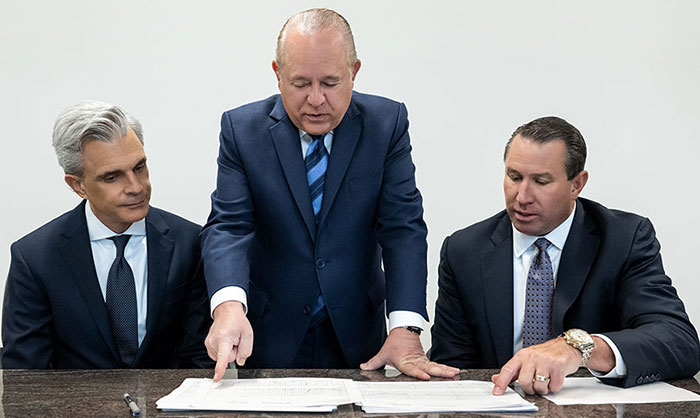
Birth injuries are not always preventable, but medical errors are. It takes an expert review of the facts of your birth to determine whether medical professionals mismanaged your child’s delivery.
Our Process
Our team of committed birth injury attorneys, nurses and paraprofessionals work to answer questions of medical malpractice and seek compensation. We use our detailed medical negligence case review process to assess your potential birth injury case.
We start by learning more about your child by gathering records to determine what happened during and after your delivery. This includes a detailed review of the treatment doctors provided or failed to provide after labor. We also consider your child’s status of meeting or missing developmental milestones.
We call in skilled medical experts who review your records and provide insight into where medical professionals went wrong. If we feel medical negligence caused or worsened your child’s injuries, we meet with you to discuss further.
At no point in our legal intake process will we ask you to pay anything. The medical review of your case and the consultation are free. We only receive payment once you do. The sooner you reach out, the sooner we can investigate your case and gather the evidence to support your claim.
We work on a contingency fee basis, meaning you will not pay any legal fees until we win your case. We do not pursue any medical malpractice cases unless we fully believe we can win.
Contact us today to schedule your free consultation by calling our toll-free line at (888) 987-0005. You can also reach us by filling out our online request form.
National Birth Injury Law
Our National Birth Injury Attorneys, nurses, and support staff understand that parents of children with birth injuries feel overwhelmed. So, every client has the attention and support of a team of trained, compassionate professionals. But we don’t just offer compassion.
We offer a process to help you discover whether your child’s birth injury, HIE, cerebral palsy or brain injury at birth was caused by medical malpractice.
Call our offices today at (888) 987-0005 for experienced assistance in a free consultation.
Quick Links
Testimonials
- Lyric C. I feel like our voice was heard in a sense of what can possibly go wrong in a delivery and finding us answers. I feel with our settlement, we are now in a comfortable position to provide for our son.
- Lyssa L. They are not just people that say “hey let's get you money and let's go” The law firm was very thorough with us. It was awesome. I don't want to cry, because I think about and it's amazing that they were able to help me and that we were able to help my son and get the story out there.
- Jay C. Throughout the process, one thing was clear to us, the ultimate interest of our child was the utmost concern of Max and his team and as parents navigating a situation like that, that was refreshing to know we had them firmly on our side. I highly recommend them.
Popular Cities
- ★ Dallas Birth Injury
- ★ Houston Birth Injury
- ★ Atlanta Birth Injury
- ★ Chicago Birth Injury
- ★ Philadelphia Birth Injury
Locations
★ Dallas
11551 Forest Central Drive, Ste. 300
Dallas, TX 75243
★ Houston
12929 Gulf Freeway, Ste. 111
Houston, TX 77034