Bulging Fontanelle
What is a Bulging Fontanelle?

When babies are born, their skulls are not fully formed to accommodate for the journey through the birth canal. Fontanelles are the soft spots between the baby’s skull plates that haven’t yet fused together.
Your baby’s soft spots are an important indicator of their overall health, such as their potential hydration levels and brain health. A bulging fontanelle is the outward curving of a soft spot (fontanelle) on a baby’s developing skull. This is a medical emergency that warrants immediate care from your health care provider.
If your baby’s soft spot is bulging or appears swollen, it’s an indication that there is an underlying condition increasing pressure on the brain. Head injury, infection, internal bleeding, or fluid buildup in the brain can all be responsible for a bulging soft spot.
What Does a Bulging Fontanelle Look Like?
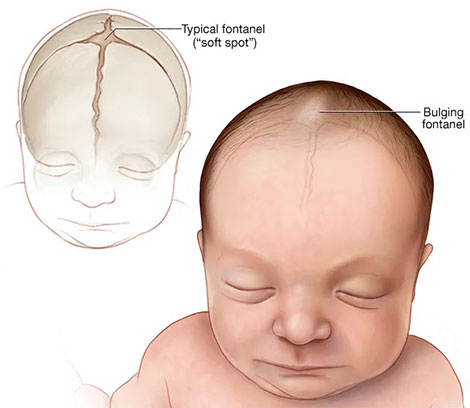
A bulging fontanelle is typically noticeable and marked by subtle or pronounced swelling. A normal, healthy soft spot (fontanelle) will appear flat or slightly depressed when the infant is calm.
With very gentle pressure, you can feel your infant’s soft spots to assess pressure differences. A normal fontanelle will be soft and pliable. A bulging fontanelle will be firm, resist pressure, and feel raised.
The skin over a bulged fontanelle may look shiny or stretched from the swelling caused by an underlying condition. When a baby cries or is lying down, the bulge may become even more pronounced.
What are the Fontanelles?
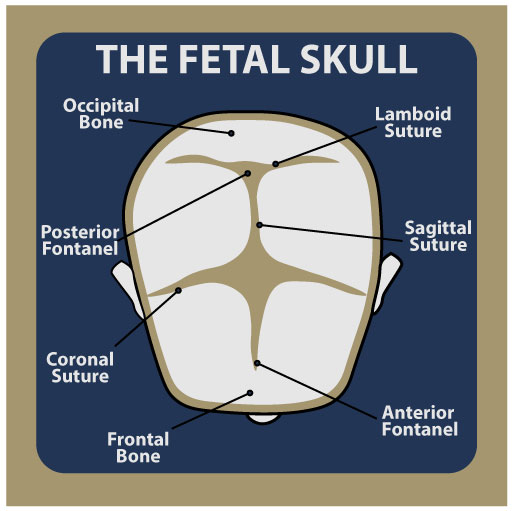
The diamond-shaped soft spots between a baby’s skull plates are called fontanelles. These vulnerable soft spots are protected by a layer of tough membranes and are covered in skin.
Skull sutures are the joints where the fontanelles eventually fuse together. As your baby’s brain grows, the sutures gradually harden and slowly close. Cranial sutures appear like a gap before fully closing and look like a stitched line once two skull bones fuse together.
The two main fontanelles are called the anterior fontanelle and the posterior fontanelle. On average, the anterior fontanel is 2.1 centimeters in diameter (about the size of a penny) and located on the top of your baby’s head. By your child’s first birthday, the anterior fontanel should typically be closed.
The posterior fontanel on the back of the baby’s head and about the size of a pencil eraser (0.5 centimeters in diameter). This fontanelle typically closes within 2 or 3 months after your baby is born.
While fontanelles rarely require attention, any changes in texture or appearance can reveal an underlying problem. If you notice your baby’s soft spots are curved outward and feel very firm, it could be a sign of fluid buildup or brain swelling. This constitutes a medical emergency and should be addressed immediately.
Additionally, if you believe your baby’s soft spot hardened prematurely, this needs to be urgently assessed by your child’s healthcare provider. Sometimes, skull bones can fuse together earlier than normal on one side, which is a condition called craniosynostosis.
What is Sunken Fontanelle?
Your baby’s fontanelle (soft spots) may appear sunken in, dented, or curved inward. This is often a sign of dehydration, which is considered a medical emergency. Other signs that your infant may be dehydrated include:
- Dry lips or mouth
- Few or no tears when crying
- Extra fussiness or sleepiness
- Fewer wet diapers than usual
What Causes Bulging Fontanelle?
When your baby cries, lies down, or vomits, their fontanelle may bulge slightly. If the soft spot still bulges after your baby is calm and in an upright position, they may have a true bulging fontanelle.
A true bulging fontanelle will stay raised and tense for an extended period. If you notice a persistent bulging of your baby’s fontanelle, a serious underlying condition may be the cause. Immediate medical attention is required to determine the exact cause of the increased pressure.
Identifying the underlying cause of the bulging fontanelle will determine what treatment course to take. Early detection and intervention can prevent permanent brain damage or life-threatening conditions. Conditions that cause bulging fontanelle include:
Intracranial Hemorrhage (Brain Bleed)
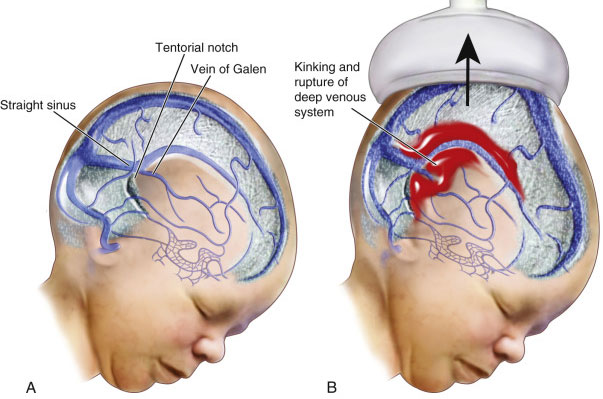
Intracranial hemorrhage is serious birth complication that can increase the risk of cerebral palsy, hemiplegia (paralysis on one side of the body), ataxia (loss of muscle control), and developmental delays.
The tearing of blood vessels within a baby’s brain causes blood to spread to other parts of the brain tissue. The hemorrhage may appear as a large, boggy fluid collection that is palpable on the head’s surface.
Brain bleeds may occur when the obstetrics team makes poor choices during labor and delivery, resulting in brain damage to the baby.
When a medical provider fails to properly monitor a high-risk pregnancy, such as a premature delivery, or fails to recommend a timely cesarean section, the resulting neonatal intracranial hemorrhage may constitute medical malpractice. Other examples of medical negligence that may result in intracranial hemorrhage include:
- Negligent use of forceps or vacuum extraction during an assisted vaginal delivery,
- Failure to diagnose or treat umbilical cord complications,
- Failure to react to fetal distress during labor or delivery, or
- Incorrect handling of breech baby during delivery
Head Injuries and Trauma
If a baby hits their head or falls, their fontanelle may swell. Even though there is a protective membrane covering the fontanelle, the soft spots are still vulnerable to external forces.
Head injuries, including brain injuries and skull injuries, that happen at birth can also cause bulging fontanelle.
Injuries like hypoxic-ischemic encephalopathy can permanently affect the child’s motor control, delay cognitive functioning and other developmental milestones. Complications like seizures and vision impairments may also result from a head injury.
Brain damage at birth is the leading cause of cerebral palsy. Some head injuries occur naturally during birth from forceful contractions or prolonged or arrested labor. In other cases, medical malpractice may be the cause of your baby’s head injury, such as:
- Using excessive force with forceps and vacuum extractors during an assisted vaginal delivery.
- Failing to recognize the signs of fetal distress, leading to birth asphyxia and a brain injury like HIE.
- Improper administration of labor-inducing medications, leading to uterine hyperstimulation.
- Missed diagnosis of any pregnancy complications that are risk factors for head injuries, including fetal macrosomia and cephalopelvic disproportion.
- Failing to administer birth injury treatment after delivery, including neonatal resuscitation or therapeutic hypothermia (brain cooling).
Hydrocephalus

Hydrocephalus, or "water on the brain," is a medical condition that occurs when there is an excessive build-up of Cerebrospinal Fluid (CSF) in the brain.
Although this fluid is a normal and necessary part of the brain's functioning, if there is a blockage flow, a lack of absorption, or overproduction of this fluid, it can lead to:
- Increased pressure on a baby's brain
- Expanded skull bones
- Bulging fontanelle
- Brain damage of varying severity
Hydrocephalus affects 1 to 2 babies every 1,000 births and most often occurs due to trauma to a baby's head during labor and delivery.
Depending upon the area of the brain affected and the severity of the damage, some children with this condition could end up experiencing developmental disabilities, cognitive and behavioral difficulties, hypoxic-ischemic encephalopathy (HIE), cerebral palsy and/or seizures.
Some cases of hydrocephalus happen after birth from infections, spinal cord and brain injuries, tumors, or stroke.
Encephalitis
When viral or bacterial infections cause inflammation of the brain, it’s known as infectious encephalitis. In other cases, immune cells can attack the brain and cause brain inflammation, which is known as autoimmune encephalitis.
Viruses are the most common cause of infectious encephalitis, including some that can be contracted from mosquito bites or ticks. However, the exact cause of encephalitis is not always identified.
Bulging soft spots (fontanelle) are a key sign that your child may have encephalitis. Infants and young children with encephalitis symptoms require urgent medical care, including:
- Nausea and vomiting
- Irritability
- Poor feeding
- Stiffness throughout the body
- Seizures
- Loss of consciousness
- Irregular movements
Neonatal Meningitis
Meningitis is an infection of the thin membranous outer covering of the brain and spinal cord. It is typically caused by another bacterial infection like Group B Strep or E. coli.
Meningitis occurs whenever a pathogen (bacteria, virus, parasite, etc.) causes inflammation in the tissue membranes surrounding the brain. These membranes (called meninges) keep in fluid and moisture and keep out harmful bacteria and viruses.

When foreign bacteria or viruses infect the meninges, it can cause swelling around the brain and spinal cord. This places extra pressure on a baby’s fragile organs and restricts their blood flow. The swelling around the brain can be visible through bulging fontanelle.
According to the National Meningitis Association, there are approximately 1,000 cases of meningitis annually, 80% of which affect infants. While meningitis affects people in all age groups, babies with less developed immune systems are particularly susceptible to developing this condition. A premature birth or low birth weight may also contribute to a newborn’s risk of infection.
Meningitis is a medical emergency requiring urgent treatment. When doctors do not aggressively respond to it, the infection can cause severe complications and even death.
What Are Other Possible Causes of Bulging Fontanelle?
In rare cases, infants can have brain tumors that create pressure in the skull and result in bulging fontanelle. Other possible, less common underlying conditions that cause bulging soft spots include:
- Hyperthyroidism can increase heart rate and fluid pressure
- Addison’s disease can affect fluid balance and brain pressure
- Congestive heart failure can cause fluid buildup throughout the body and brain
- Leukemia affects circulation and pressure systems in the body and brain
- Anemia can affect brain circulation and pressure
- Maple syrup urine disease prevents proper protein breakdown which can affect brain pressure
- Transient intracranial hypertension is a temporary elevation in blood pressure in the brain that can cause bulging fontanelle
- An electrolyte disturbance causing chemical imbalance in the blood
- Vaccinations can create a temporary bulging fontanelle
- Vitamin deficiencies and certain medications may cause fontanelle bulging.
*While most of these additional causes are rare in infants, and even rarer causes of bulging fontanelle, they are still possibilities. It is also unlikely that a bulging fontanelle would be the only symptom of these conditions.
What Are Associated Symptoms of Bulging Fontanelle?

If your infant has a true bulging fontanelle, this alone warrants urgent medical attention. However, other symptoms may accompany this condition that can raise more concern, including:
- Extreme fussiness
- Abnormal, high-pitched cry
- Vomiting
- Fever
- Unusual sleepiness or lethargy
- Seizures
- Skin changes, such as a rash
- Labored, rapid, or irregular breathing patterns
- Swollen lymph nodes
Any changes in your infant’s energy level and behavior combined with an outward-curving fontanelle should be addressed immediately. Additionally, any recent head injury that results in a bulging fontanelle requires urgent care.
How is a Bulging Fontanelle Diagnosed?
If you suspect your baby has a bulging fontanelle, go to the emergency room as soon as possible. Share your baby’s medical history and any complications the mother had during pregnancy and/or birth.
After a physical examination, your baby’s medical care provider may run tests to determine the underlying cause, including:
- Blood tests
- Lumbar puncture to identify infection
- CT and/or MRI scan of the head
How is Bulging Fontanelle Treated?
Treatment for a bulging fontanelle will depend on the underlying condition. Sometimes, treatment is as simple as an antibiotic. In more extreme cases, surgery may be needed to reduce the pressure in your infant’s brain.
Treatments for the conditions causing bulging fontanelle include:
Hydrocephalus treatment typically requires draining cerebral spinal fluid through medications or surgeries, including:
- Shunt Placement
- Endoscopic Third Ventriculostomy (ETV)
- Endoscopic Third Ventriculostomy with Choroid Plexus Cauterization (ETV/CPC)
Intracranial Hemorrhage treatment includes:
- IV fluids and continuous monitoring of breathing and heat rate
- Medications for seizure activity
- Blood transfusions
- Surgery to relieve brain pressure
Birth related head injury treatments will depend on what kind of injury occurred.
Encephalitis treatment includes:
- Anti-inflammatory medication
- Intravenous fluid (IV) administration
- Antiviral medication
- Corticosteroids
- Anti-seizure medication
Neonatal meningitis treatment includes:
- Intravenous (IV) antibiotics for bacterial meningitis
- IV fluid therapy
- Steroids (corticosteroids to decrease brain swelling)
- Supplemental oxygen
Treatment plans for bulging fontanelles are unique to your newborn’s underlying condition. After seeking immediate medical care and receiving a diagnosis, your infant’s medical provider will determine the best course of treatment.
What are the Complications of an Untreated Bulging Fontanelle?
Every case of bulging fontanelle requires immediate medical attention because the brain is very sensitive to pressure changes. A prolonged increase in pressure in the brain can cause brain damage that may affect your child’s development and quality of life.
Depending on the underlying complication and its severity, potential complications of an untreated bulging fontanelle include:
- Permanent Brain Damage (can cause developmental and cognitive impairments and/or learning disabilities)
- Seizure Disorders
- Motor Skill Impairment (weakness, paralysis, or coordination problems)
- Spreading Infection (untreated infection can cause sepsis, coma, or death)
- Vision and Hearing Problems
- Increased Risk of Death
- Hydrocephalus Progression (can cause severe brain compression)
To avoid these complications, early intervention and treatment are crucial for the health of your baby. Most conditions causing bulging fontanelles respond well to treatment. However, rapidly increasing cranial pressure and serious infections must be treated as soon as possible.
Did Medical Negligence Cause My Child’s Bulging Fontanelle?

Many of the underlying conditions that cause bulging fontanelle are types of birth injuries. With proper medical care during pregnancy, birth, and shortly after, these injuries are typically preventable.
Medical negligence, such as a misdiagnosis or failure to catch early symptoms of a problem or even operating errors during delivery can cause a birth injury that results in increased cranial pressure.
If a family believes medical negligence contributed to a birth complication or birth injury that resulted in bulging soft spots, legal support may be an option. An experienced birth injury attorney can review the medical records and circumstances to assess whether a claim exists.
Parents whose children suffer from brain damage as well as parents who have suffered the loss of their baby deserve to know whether it could have been prevented. Our dedicated birth injury lawyers want to help you find those answers and obtain the funds necessary to improve the quality of life for your child.
If your child has been diagnosed with bulging fontanelle and you suspect this may have been caused in part by medical mistakes, Miller Weisbrod Olesky will thoroughly investigate the facts and hold the responsible medical providers accountable by pursuing medical malpractice claims against them.
Sometimes families are hesitant to reach out to a medical malpractice attorney or law firm. They may feel overwhelmed by their circumstances or are worried that a law firm will not be able to help them.
The only way to find out if you have a case is to talk to an attorney who understands how birth injuries can lead to developmental delays and other complications that require long-lasting medical support.
What is the Statute of Limitations in a Birth Injury Case?

A statute of limitations (SOL) is a law that sets a time limit on how long an injured person has to file a lawsuit after an accident. It is essential to understand that statutes of limitations vary based on the case and the state where you file. For instance, the deadline for birth injury claims is typically different from other claims, such as injury to private property.
Generally, the clock starts ticking on the date the injury occurred. However, there are exceptions to this rule. In some cases, the statute of limitations starts when a person discovers or reasonably should have discovered an injury. When dealing with government agencies, SOLs can become even more complex.
For example, if the party that injured you was:
- A federal employee
- Employed by a military hospital, Veterans Administration facility, or a federally funded medical entity
Birth Injury Claim Under Federal Tort Claims Act (FTCA)
You may need to file a birth injury claim under the Federal Tort Claims Act (FTCA). In FTCA cases, claimants must go through certain administrative procedures before filing a lawsuit. In some states, you may have less time to give notice if:
- The negligent party was a local or state government hospital.
- The doctors and medical providers are employees of a governmental entity.
If you file your case outside of the statute of limitations, the court will typically dismiss it. This means you will not be eligible to recover compensation for you or your child’s injuries.
Determining when a statute of limitations begins on your case can be tricky. If you are considering pursuing compensation, contact a birth injury attorney as soon as possible.
How Can Our Birth Injury Attorneys Help?

Bulging fontanelle can be debilitating for a child and negatively impact their quality of life. It takes an expert review of the facts of their birth to determine whether medical professionals made preventable errors.
Our Process
Our team of national birth injury attorneys, nurses and paraprofessionals work to answer these questions and seek compensation. We use our detailed medical negligence case review process to assess your potential birth injury case.
We start by learning more about your pregnancy by gathering records to determine what happened during and after your delivery. This includes a detailed review of the treatment doctors provided or failed to provide before and after birth.
We will call in skilled medical experts who review your records and provide insight into where medical professionals went wrong. If we feel medical negligence caused or worsened your child’s injuries, we meet with you to discuss further.
At no point in our legal intake process will we ask you to pay anything. The medical review of your case and the consultation are free. We only receive payment once you do. The sooner you reach out, the sooner we can investigate your case and gather the evidence to support your claim.
We work on a contingency fee basis, meaning you will not pay any legal fees until we win your case. We do not pursue any medical malpractice cases unless we fully believe we can win.
Contact us today to schedule your free consultation by calling our toll-free line at (888) 987-0005. You can also reach us by filling out our online request form.
National Birth Injury Law
Our National Birth Injury Attorneys, nurses, and support staff understand that parents of children with birth injuries feel overwhelmed. So, every client has the attention and support of a team of trained, compassionate professionals. But we don’t just offer compassion.
We offer a process to help you discover whether your child’s birth injury, HIE, cerebral palsy or brain injury at birth was caused by medical malpractice.
Call our offices today at (888) 987-0005 for experienced assistance in a free consultation.
Quick Links
Testimonials
- Lyric C. I feel like our voice was heard in a sense of what can possibly go wrong in a delivery and finding us answers. I feel with our settlement, we are now in a comfortable position to provide for our son.
- Lyssa L. They are not just people that say “hey let's get you money and let's go” The law firm was very thorough with us. It was awesome. I don't want to cry, because I think about and it's amazing that they were able to help me and that we were able to help my son and get the story out there.
- Jay C. Throughout the process, one thing was clear to us, the ultimate interest of our child was the utmost concern of Max and his team and as parents navigating a situation like that, that was refreshing to know we had them firmly on our side. I highly recommend them.
Popular Cities
- ★ Dallas Birth Injury
- ★ Houston Birth Injury
- ★ Atlanta Birth Injury
- ★ Chicago Birth Injury
- ★ Philadelphia Birth Injury
Locations
★ Dallas
11551 Forest Central Drive, Ste. 300
Dallas, TX 75243
★ Houston
12929 Gulf Freeway, Ste. 111
Houston, TX 77034