Cerebral Palsy Related Paralysis
What is Cerebral Palsy-Related Paralysis?
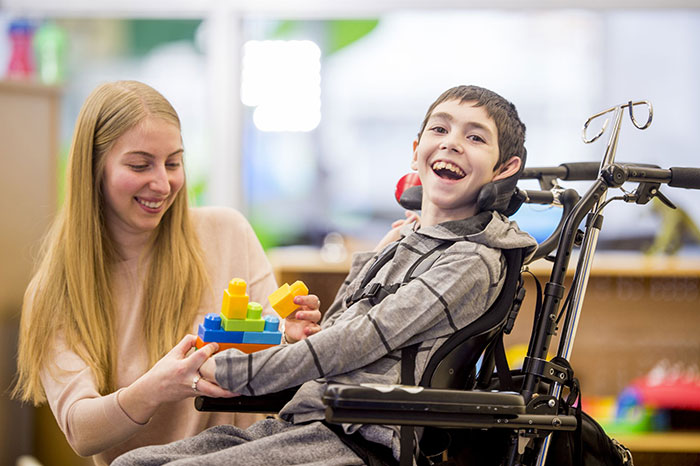
Cerebral palsy (CP) is a group of physical and neurological disorders typically caused by a non-progressive but permanent brain injury that affect muscle movement and muscle tone. Cerebral refers to the brain, and palsy refers to paralysis or the uncontrollable tremor and quivering of parts of the body.
The brain injury that causes cerebral palsy, which typically happens at birth, disrupts the signals that direct the muscles on how to move. This can create unwanted and uncontrollable changes in muscle tone such as irregular posture and involuntary movements like kicking, flailing, and twisting.
Many children with cerebral palsy will experience some form of paralysis (plegia) or weakness (paresis). Injury to one side of the brain can cause paralysis on the opposite side of the body because the nervous system pathways cross over in the brainstem. If a child sustains brain damage to the left lobes, they will experience paralysis on the right side of their body.
How Does Spasticity & Paralysis Relate to Cerebral Palsy?
Paralysis occurs when the nerves responsible for muscle control are damaged and can be defined in two ways. Flaccid paralysis is the weakening or low tone (hypotonia) of muscles, which makes them limp and soft. Spastic paralysis is the opposite; the muscles tighten and involuntarily jerk or spasm (spasticity).
Spastic cerebral palsy is the most common form of cerebral palsy, appearing in roughly 80% of cases. Spasticity stems from damage to the motor cortex and the pyramidal tracts of the brain. Brain damage can occur before birth, during delivery, or within the child's first few years of life.
The motor cortex is the region of our brains involved in the planning, controlling, and execution of our voluntary movements. It is responsible for relaying signals to other parts of the brain.
The pyramidal tracts in the brain link the motor cortex to the spine. They transmit signals between the motor cortex and the cerebral cortex nerves in the spinal cord. In cases of spastic paralysis, the signals that control muscle movement are disrupted, causing increased muscle tone (hypertonia), muscle spasms, and other abnormalities.
Spastic cerebral palsy prevents the normal development of a child's gross motor function. This often makes it more challenging to complete simple tasks like walking, talking, or handling objects. When a child has spastic cerebral palsy, symptoms are not always immediately apparent and may develop over time.
What Are the Topographical Classifications of Spastic Cerebral Palsy?
Spasticity, which is characterized by increased muscle tone (hypertonia), typically only affects specific parts or areas of the body. A topographical classification of cerebral palsy describes how many body parts are affected and where. Combined with an assessment of motor functioning using the Gross Motor Function Classification System (GMFCS), both classifications can assess your child’s physical impairment(s).
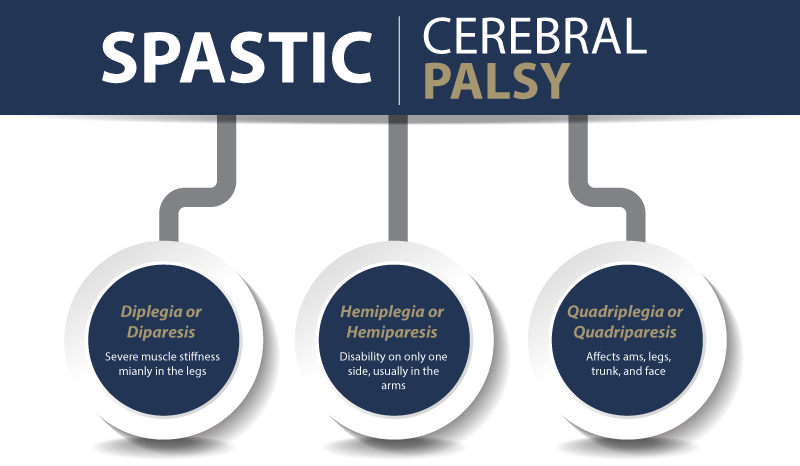
There are three primary topographical classifications of spastic cerebral palsy – hemiplegia, diplegia, and quadriplegia. However, there are additional subclassifications that further define what body parts are affected by paralysis or weakness. All classifications can be described depending on the completeness or incompleteness of paralysis:
- Plegia is complete paralysis, or complete loss of voluntary motor function, of limbs or regions of the body.
- Paresis is partial paralysis, or an incomplete loss of voluntary function, that causes muscle weakness.
Topographical classifications are usually defined further by whether the affected body parts are unilateral (left- or right-sided) or bilateral (symmetrical or asymmetrical). Precise terminology of your child’s physical impairments is important for treatment.
Spastic Hemiplegia/Hemiparesis
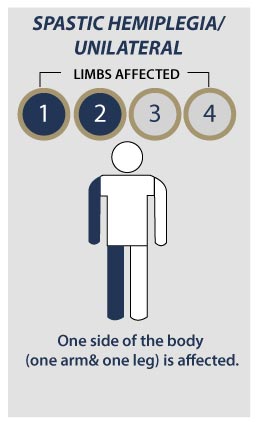
Hemiplegia is a state of severe or complete paralysis ("plegia") that affects one half ("hemi") of the body. It is often the result of brain damage at birth that affects the body’s ability to control muscle movement. Hemiparesis is muscle weakness that affects one side of the body.
Researchers estimate that approximately 33-39% of children with cerebral palsy receive a hemiplegic diagnosis. Children with hemiplegia may require a range of ongoing medical treatments and therapies throughout their life to maintain full mobility.
In infants, seizures are often an early indicator of hemiplegic cerebral palsy, occurring in approximately 60% of cases. Children with hemiplegia may also show a preference for one hand and keep the affected hand coiled into a fist.
Every kind of hemiplegia involves paralysis or weakness on one side of the body. However, symptom severity and affected body parts will depend on where specifically the injury in the brain occurs. Along with spastic hemiplegia, three other types of hemiplegia include:
Facial Hemiplegia

Facial hemiplegia is a subtype of facial palsy, which refers to any paralysis affecting the baby’s face. Those affected by facial hemiplegia may experience muscle weakness or complete paralysis on one side of their face.
This form of hemiplegia may also occur alongside complete/incomplete hemiplegia in other areas of the body. Children with facial hemiplegia may experience muscle weakness or complete paralysis on one side of their face.
Cerebral Hemiplegia
Cerebral hemiplegia occurs at birth whenever a birth-related head injury interrupts blood flow to the brain. It is often a symptom of cerebral palsy or another neurological condition.
Cerebral hemiplegia during or shortly after birth typically affects the area responsible for controlling motor functions. This leads to a range of symptoms such as difficulty with movement, muscle control, and coordination.
Cerebral hemiplegia can vary in severity. Some children only experience mild muscle weakness, while others face more significant limitations, including muscle spasms or sometimes complete paralysis.
Spinal Hemiplegia

Spinal hemiplegia, also known as Brown-Sequard Syndrome, is a relatively rare condition stemming from a spinal cord injury at birth. It is more likely to occur from injuries above the C6 portion of the spinal column.
This condition occurs when damage to one side of the spinal cord causes paralysis of the same side (ipsilateral). The child will lose all sensation (including any feelings of pain and temperature) on the opposite side (contralateral).
In most cases, spinal hemiplegia results from an incomplete spinal cord injury (SCI) rather than a complete SCI. While an incomplete SCI leads to paralysis on one side of the body, a complete SCI occurs completely severs the spinal cord. This usually results in total paralysis on both sides of the body below the injury site.
Spastic Diplegia/Diparesis
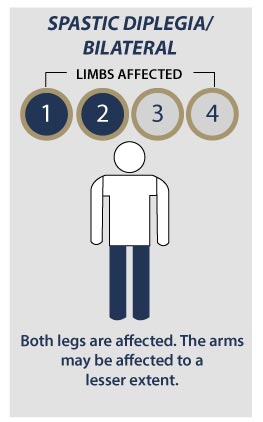
Diplegia is a state of severe or complete paralysis ("plegia") that affects two ("di") limbs of the body, most commonly the legs. In some cases, spastic diplegia may cause mild stiffness or spasticity in the arms. Approximately 35% of children with cerebral palsy have spastic diplegia, which is more common in children born prematurely with cerebral palsy.
Diparesis is muscle weakness that affects two limbs of the body, typically the legs. Diparesis and diplegia make walking either difficult or impossible, especially without a mobility aid. The hip and leg muscles tighten which can make the legs pull inward and cross at the knees. This appearance of the legs is called “scissoring.”
Signs of diplegic cerebral palsy may not be apparent until your child gets older. If your child relies more on their hands and arms to crawl, this may be an early indication of diplegia. Additionally, if your child is unable to stand by the age of 3 and/or misses important developmental milestones, speak to your child’s pediatrician.
Spastic Quadriplegia/Quadriparesis
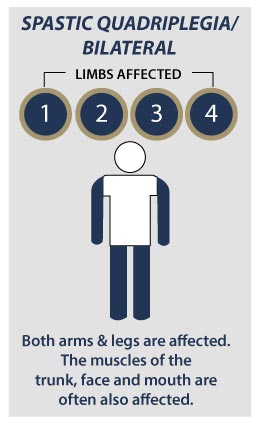
Spastic quadriplegia is the most severe form of cerebral palsy that affects both the arms and legs. It often impacts the muscles in the torso and may even cause facial paralysis. According to Translational Pediatrics, 20% of infants with cerebral palsy have spastic quadriplegia.
Children with spastic quadriplegic cerebral palsy often have trouble walking, encounter speech impairments, or have seizures. A child born with this condition usually requires lifetime birth injury treatment and support.
Because this is the most severe form of spastic cerebral palsy, warning signs are often noticeable early on. A baby’s limbs may appear tense and appear to tremble or jerk. Infants will often miss developmental milestones, such as lifting their head and sitting.
Spastic quadriplegic CP can cause more complications than the other types, so it is important to intervene early to start treatment. Seizures, scoliosis, limb deformation, and joint contractures are common and serious complications of spastic quadriplegic CP.
Spastic Monoplegia/Monoparesis
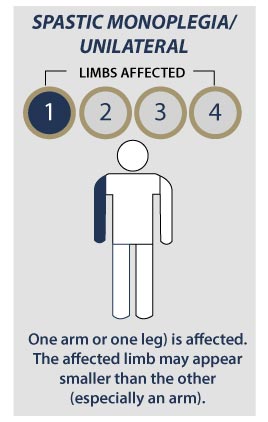
Monoplegia is a state of severe or complete paralysis (“plegia”) that affects one (“mono”) arm or leg. Cerebral palsy is the most common cause of monoplegia; however, monoplegia is rare compared to other types of cerebral palsy.
The brain injury causing monoplegic cerebral palsy affects a smaller region of the brain, which is why only one limb is impacted by weakness or paralysis. The affected limb will often be smaller than the other because it gets used less, especially if it’s an arm.
If an arm is affected, a child may have difficulty performing tasks with both hands at once and/or have a flexed wrist. If a leg is affected, a child may rely on their toes for walking, trip often, and have trouble walking on stairs or uneven ground.
A weak arm in an infant could be Erb’s palsy, which is a brachial plexus injury. The brachial plexus is a set of nerves that passes from the spinal cord through the neck's vertebrae and into the arm. It is important for medical professionals to rule out Erb’s palsy before diagnosing a child with monoplegic cerebral palsy.
Spastic Paraplegia/Paraparesis
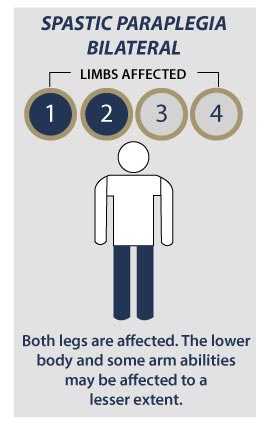
Paraplegia is a state of severe or complete paralysis (“plegia”) that primarily affects both (“para”) legs. Along with the partial (paraparesis) or complete loss of leg function, the trunk muscles and pelvic organs (such as the bladder) can be impaired.
Paraplegia/paraparesis is often confused with diplegia because the legs are usually affected in both types. However, paraplegic cerebral palsy is typically caused by trauma to the spinal cord, which disrupts communication between the brain and lower extremities.
On the other hand, diplegic cerebral palsy is typically more common and is caused by a brain injury or defect, usually before, during, or shortly after birth.
Some babies are born with spinal cord defects that lead to paraplegia, and others suffer at the hands of medical negligence during birth.
Neonatal spinal cord injury sometimes occurs concurrently (at the same time) with hypoxic-ischemic encephalopathy (HIE), which increases the risk of paraplegic cerebral palsy.
Additional Topographical Classifications of Cerebral Palsy
Spastic hemiplegia, diplegia, and quadriplegia are the most common topographical classifications of cerebral palsy. Along with spastic monoplegia and spastic paraplegia, other possible classifications include:
- Triplegia/Triparesis affects three (“tri”) limbs, such as both legs and an arm or vice versa. It could also refer to three areas of the body, such as paralysis or weakness of an arm, leg, and the face.
- Double Hemiplegia/Double Hemiparesis is like quadriplegia in that all four limbs are affected by paralysis or weakness, but one side of the body is more affected than the other.
- Pentaplegia/Pentaparesis affects five (“penta”) parts of the body, usually all four limbs accompanied with neck and/or head paralysis.
- Tetraplegia/Tetraparesis affects all four (“tetra”) limbs, but three limbs are weaker or more paralyzed than the fourth.
How Does Rigidity Differ from Spasticity?
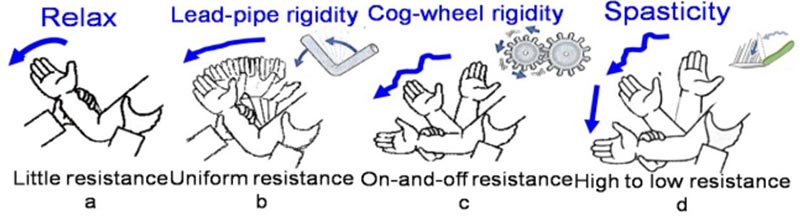
Rigidity is another form of hypertonia (increased muscle tone) that affects movement. Unlike spasticity, the muscle tone is uniformly stiff or rigid regardless of how fast or slow the muscle is stretched. With spasticity, faster movements are met with more resistance compared to slower movements.
Rigidity is typically caused by damage to the extrapyramidal system. The extrapyramidal system is a network of nerve cells in the brain that control posture and manage involuntary movements.
When this system is damaged, the muscles with rigidity often have a “lead pipe” appearance when affected areas are moving passively. Rigidity is usually caused by anoxia-related brain injuries, most commonly hypoxic-ischemic encephalopathy (HIE).
It is important for medical professionals to differentiate between spasticity and rigidity in a cerebral palsy diagnosis. Depending on this distinction, appropriate therapies can help to maximize your child’s physical abilities.
What are Common Forms of Motor Impairment?
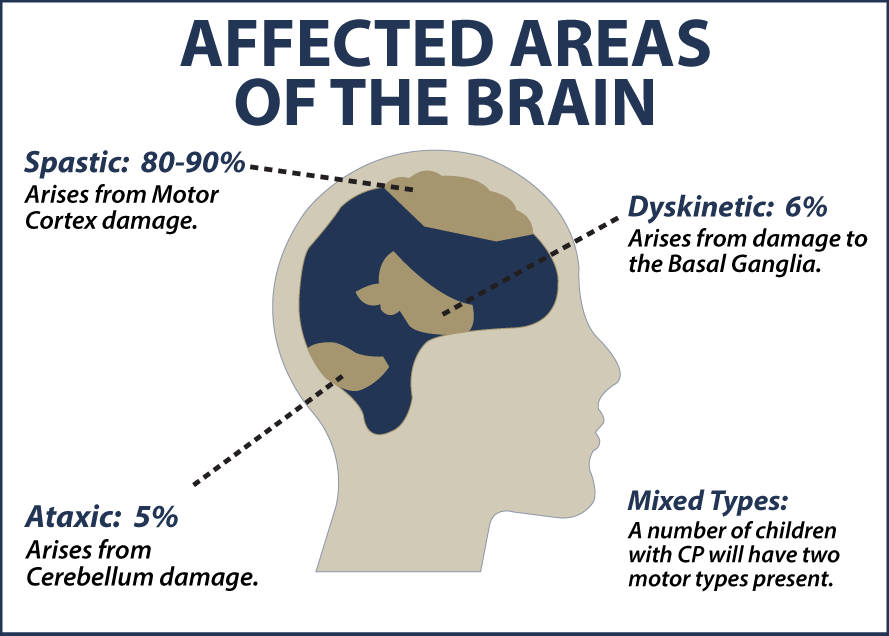
Cerebral palsy (CP) is classified in three ways as it pertains to motor function; spastic cerebral palsy, non-spastic cerebral palsy, and mixed cerebral palsy. While spastic cerebral palsy is defined by an increased muscle tone (hypertonia), non-spastic CP is characterized by fluctuating or decreased muscle tone (hypotonia).
Non-spastic cerebral palsy is further defined by whether it is dyskinetic or ataxic, which together comprise of about 20% of all cerebral palsy cases. If a child’s physical impairments are both spastic and non-spastic, it is referred to as mixed cerebral palsy.
How Does Spastic Cerebral Palsy Affect Motor Function?
Depending on which body parts are affected and the extent of paralysis or weakness, spasticity causes stiff, tight muscles that continuously contract. Children with spastic CP may have exaggerated, jerky movements, limited mobility, permanently shortened muscles (contractures), and/or abnormal reflexes.
Spastic cerebral palsy may be difficult to identify in early infancy. If you notice any abnormalities in your newborn’s movements or any stiffness in their muscles, it may be a sign of spasticity. When your child misses important developmental milestones, consulting with a medical provider is crucial for diagnosis of spastic cerebral palsy.
What is Dyskinetic Cerebral Palsy?
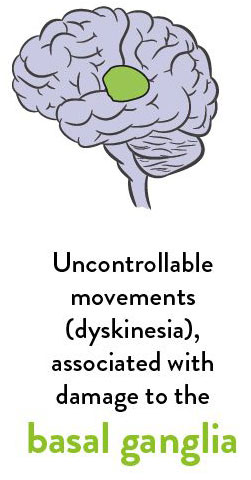
Dyskinetic cerebral palsy is the second most common form of cerebral palsy in children after spastic cerebral palsy. It stems from brain injuries to the cerebellum or basal ganglia.
The basal ganglia part of the brain controls the signals for movement that travel to and from the spinal cord. The primary function of the cerebellum is controlling motor function and muscle tone.
Injury to these two critical parts of the brain can cause a variety of movement disorders, such as the inability to coordinate and control movements. Damage to the basal ganglia typically occurs from oxygen deprivation before birth.
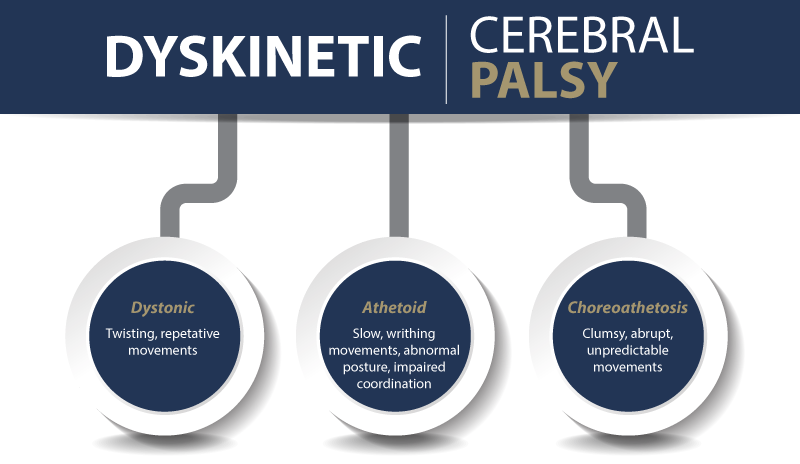
Dyskinetic cerebral palsy manifests in several involuntary movement disorders. The three main types of movement disorders associated with the condition include:
Athetoid Cerebral Palsy
This type of movement disorder causes slow curling movements and twitching.
A child with athetoid cerebral palsy may experience slow, involuntary twisting or writing in their hands, arms, feet, legs, and neck. Additional symptoms may include overly stiff or floppy muscles, facial muscle issues, and problems with eating, drinking, or talking.
Dystonic Cerebral Palsy
The primary characteristic of this subtype of dyskinetic cerebral palsy is involuntary muscle contractions. Although these contractions can occur throughout the body, they most commonly occur in the hands and feet.
When the affected individual attempts a controlled movement, the muscle contractions cause slow and repetitive twisting and writhing. Some other signs of cervical dystonia include issues with posture and spurts of erratic and jerky movements. Symptoms may worsen when the child becomes upset, stressed, or emotional.
Chorea Cerebral Palsy
Chorea refers to jerky, quick, and unpredictable movements that can appear almost rhythmic. In its mild form, a child might just appear as fidgety or clumsy. Children with more severe chorea can display wild and violent movements. Chorea can also impair a child’s speech and swallowing, which can sometimes require them to use feeding equipment like G-tubes.
Although certain symptoms of dyskinetic cerebral palsy may appear at birth, they may not become fully apparent until early childhood. There isn’t a specific test for dyskinetic cerebral palsy, but doctors can assess multiple facets of a child’s symptoms, including:
- Developmental milestones
- Reflexes
- Types of Movement
- Muscle Tone
Doctors may decide to use neuroimaging tests to scan the child’s brain to pinpoint the exact location of the damage. This can help them get a better understanding of how to classify the child’s cerebral palsy symptoms.
If the scans come back showing basal ganglia brain injuries, then it is likely the child has dyskinetic cerebral palsy.
What is Ataxic Cerebral Palsy?
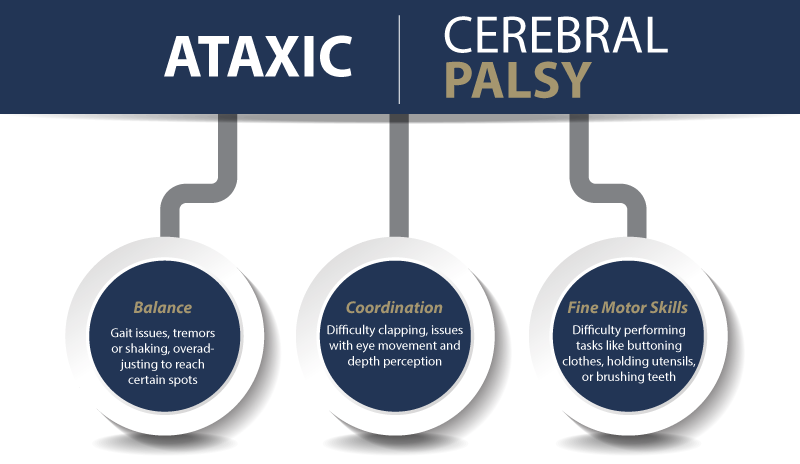
Ataxic cerebral palsy is the rarest type of cerebral palsy, making up only 5-10% of all cases. It stems from damage to the cerebellum region of the brain, impacting a child’s balance and muscle coordination.

Children with ataxic cerebral palsy often face life-long challenges with balance and coordination, speech impairments, slow eye movements, and more. These complications can require a lifetime of birth injury treatments and therapies to manage.
Ataxic comes from the word “ataxia” which simply means a lack of voluntary muscle coordination or order. Doctors commonly associate this type of cerebral palsy with a lack of muscle tone (hypotonia).
Ataxic cerebral palsy stems from a brain injury to a part of the brain called the cerebellum. The cerebellum, known informally as the brains “balance center,” controls coordination and fine-tuned movement commands for the body.
Cerebellum damage occurring before, during, or shortly after birth can make it impossible for a child to control their movements. It will also make it quite difficult to maintain balance in the arms and legs.
A majority of birth injuries leading to ataxic cerebral palsy are preventable. When medical professionals injure the baby during delivery or neglect to treat their birth complications, they may unnecessarily suffer.
Common mistakes include failing to treat an expecting mother's pregnancy complications and missing the signs of fetal distress during labor. These errors increase the risk for neonatal brain injuries like hypoxic ischemic encephalopathy (HIE). HIE is the most common cause of all types of cerebral palsy.
What is Hypotonic Cerebral Palsy?
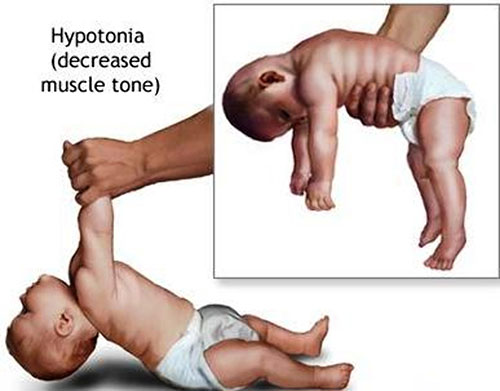
Hypotonia refers to a low muscle tone and is the opposite of spasticity. Hypotonic cerebral palsy accounts for 2.6% of all cases and results in a floppy or limp appearance. Children with hypotonic cerebral palsy are likely to miss developmental milestones early on, such as crawling, rolling over, and sitting up.
Hypertonic cerebral palsy, such as spasticity, is more common than hypotonic CP. While hypertonia is more likely to cause shortened muscles or joints (contractures), hypotonia causes excessive flexibility in the joints, muscles, and ligaments.
Children with hypotonic cerebral palsy may appear like a “rag doll.” This means that they are very limp and lack control over their head and other affected parts of their body. The floppy or limp appearance of your child can be very distressing; however, therapies can help them regain stability and build strength.
How Is Cerebral Palsy-Related Paralysis Managed & Treated?
A treatment plan for your child with cerebral palsy will depend on their type of CP and their affected body functions. Early intervention with the right medication, surgery, therapy, and other treatments can help children with CP develop to the fullest extent possible.
There are many conditions that co-occur with cerebral palsy that typically require treatment as well. Most children with any form of CP will have at least one or more complications such as:
- Cognitive Impairment
- Seizures and Epilepsy
- Speech Disorders
- Respiratory Issues
- Hearing or Vision Impairment
- Behavioral and/or Mental Health Issues
- Learning Disabilities
Specialized Therapies to Manage Cerebral Palsy Symptoms
Cerebral palsy is a permanent, non-progressive condition that unfortunately cannot be cured. However, certain therapies that target a child’s developmental deficits can significantly help them navigate through life with their physical abilities.
Physical Therapy
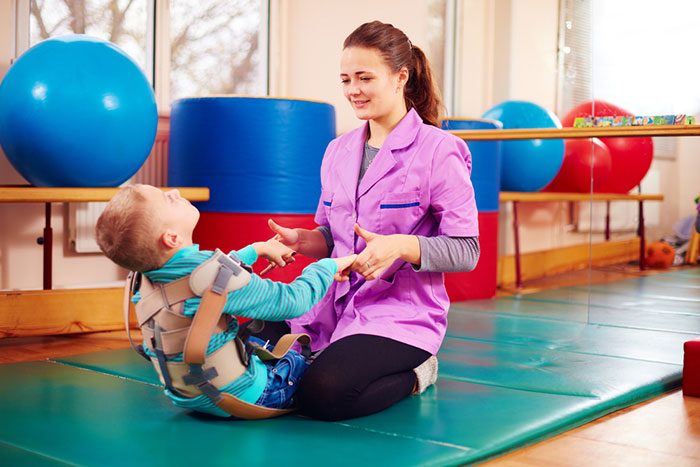
Children with cerebral palsy or other birth injuries often experience multiple motor function disorders affecting their movement. Cerebral palsy can specifically affect a child’s muscle tone, muscle coordination, body movement, functional strength, balance, and posture.
Physical therapy provides a wide range of benefits, including muscle strengthening, increased mobility, and improved balance and posture. It can also help children avoid future health concerns like joint dislocations or muscle contractures.
According to researchers, physical therapy may trigger neuroplastic changes (brain rewiring) within the brain’s damaged neural networks. Experts believe that continued intentional exercises can eventually alter the natural history of the child’s motor function disorders.
Some of the key benefits of physical therapy for children with cerebral palsy and other birth injuries include:
- Increased independence
- Increased flexibility
- Expanded range of motion
- Improved balance, posture, and gait
- Increased muscle tone and lowered risk of muscle atrophy
- Increased endurance and reduction in pain & discomfort
- Reduced risk of bone deformity and loss of joint function
- Greater ability to use assistive equipment and devices
Occupational Therapy
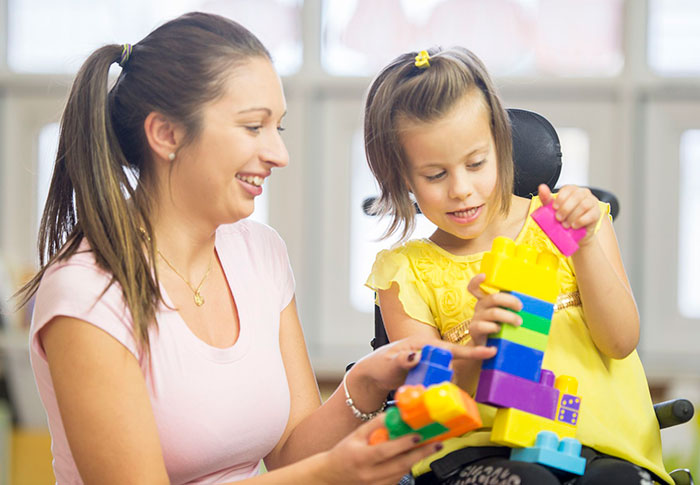
Occupational therapy for children that are diagnosed with cerebral palsy or other birth injuries is aimed at promoting rehabilitation and quality of life improvements by focusing on daily life activities with support from trained occupational therapists (OTs) and therapy assistants.
A child’s activities, such as self-care, work/school skills, and play are referred to as activities of daily living (ADLs). An occupational therapist carries out a comprehensive evaluation to identify issues that interfere with your child’s ability to perform these skills or tasks.
The issues, which commonly occur with cerebral palsy, include weak muscle tone, poor eye-hand coordination, inadequate sensory processing, and lack of visual perceptual skills.
Based on their professional evaluation, the pediatric occupational therapist will recommend an occupational therapy plan to enable your child to participate as independently and actively as possible in all types of ADLs.
The occupational therapy is child-directed and may also involve the use of assistive or adaptive equipment to increase the child’s independence. The earlier an occupational therapy program starts, the more effective may be its lifelong results for a child with cerebral palsy.
About Occupational Therapy for CP
Speech Therapy
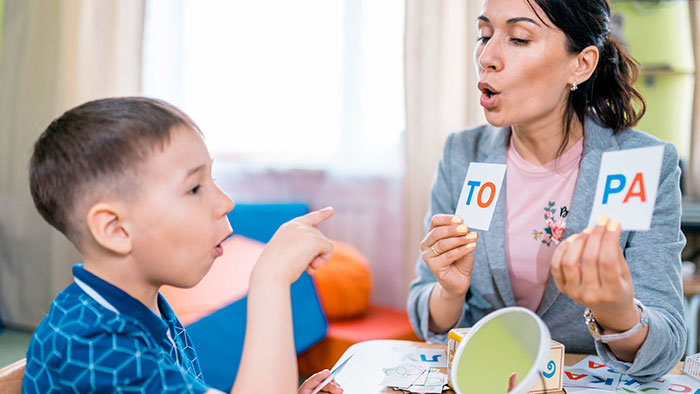
Most children diagnosed with cerebral palsy have difficulty controlling the muscles in their tongue, jaw, face, head, and neck. These difficulties usually cause limitations in a child’s speech, swallowing, and chewing. Birth injury induced hearing impairments in children diagnosed with cerebral palsy may also lead to communication challenges and speech delays.
Speech and language therapy can help children with cerebral palsy strengthen the muscles involved in speech and oral motor skills, improving their ability to communicate, chew, and swallow. Specialized therapy can help childbirth injury victims to express themselves more clearly, it enables them to have more enriching relationships with others, while giving them a greater sense of independence, confidence, and self-esteem.
A qualified Speech-Language Pathologist (SLP) will utilize several proven strategies to help a child learn to communicate effectively, while also working with them to prevent feeding and swallowing disorders.
Apart from the SLP, trained nurses, nutritionists, lactation consultants, occupational therapists, physical therapists, and physicians will often be a part of the collaborative team focusing on speech pathology.
Medications

Children with cerebral palsy may have muscle disorders, seizures, involuntary movements, and chronic pain. Doctors may use medication to treat and ease some of these symptoms.
For example, anti-spasmodic drugs help reduce muscle spasms, spasticity, and tight muscles. A child with these symptoms might be given one or more of the following medications:
- Baclofen
- Benzodiazepines like diazepam
- lorazepam
- Dantrolene sodium (Dantrium and Revonto)
- Diazepam (Valium)
- Tizanidine or Flexeril (muscle spasms)
- Botulinum toxin (Botox injection)
- Intrathecal baclofen (by implantable pump)
Cerebral palsy often causes chronic pain and inflammation, so pain management is an integral part of cerebral palsy treatment plans. Steroids and nonsteroidal anti-inflammatory drugs may be prescribed to deal with inflammation and pain.
Other common medications included in cerebral palsy treatment include anti-depressants for people suffering from depression and, in recent years, medications containing cannabidiol (CBD).
Seizure Medication
Children with seizure disorders are commonly given anticonvulsant medications (also known as anti-seizure medications) like:
- Clonazepam/Klonopin (benzodiazepines)
- Dilantin (phenytoin)
- Tegretol (carba-mazepine)
Anticholinergics
Cerebral palsy often causes involuntary muscle movements and excessive drooling. Medical professionals often include anticholinergics in cerebral palsy treatment plans to handle these symptoms.
Anticholinergics are drugs that block the action of acetylcholine. Acetylcholine is a neurotransmitter, or a chemical messenger. It transfers signals between certain cells to affect how your body functions. Common anticholinergics include:
- benztropine mesylate
- Robinul
- Sinemet
Assistive Devices
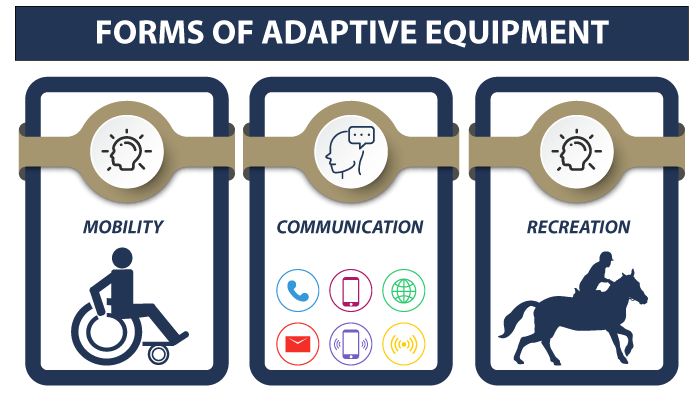
Advancements in technology have led to the development of specialized equipment and devices that enable children and teens with cerebral palsy to live life as independently as possible. Most of these assistive devices are available in different designs, sizes, and shapes to address the unique needs of every individual with cerebral palsy.
Physical therapy may sometimes be used together with these tools for more effective use. A child with cerebral palsy can learn from a physical therapist about how to correctly use their adaptive device. This can increase the child’s ability to participate in academic, recreational, and social activities and improve their overall quality of life.
Types of Assistive Devices & Equipment
- Wheelchairs
- Power Scooters
- Strollers
- Walkers
- Gait Trainers
- Walking Sticks, Canes, and Crutches
- Speech Generating Device
- Hearing Aids
- Tablets and Smartphones
- Robotic Exoskeleton
About Assistive Devices for CP
Orthopedic & Surgical Interventions
Orthopedic surgery is an essential part of managing cerebral palsy. When done correctly and at the right time, surgery on a child’s muscles, bones, and joints can significantly improve their quality of life. However, children’s abilities can worsen if done incorrectly or without support from rehabilitation and therapy.
Other surgical interventions include cochlear implants for children with CP who have hearing difficulties. Some children with difficulties eating and drinking need nasogastric or gastronomy tubes to improve their nutritional intake. Other surgical interventions include:
Hip Muscle Release Surgery
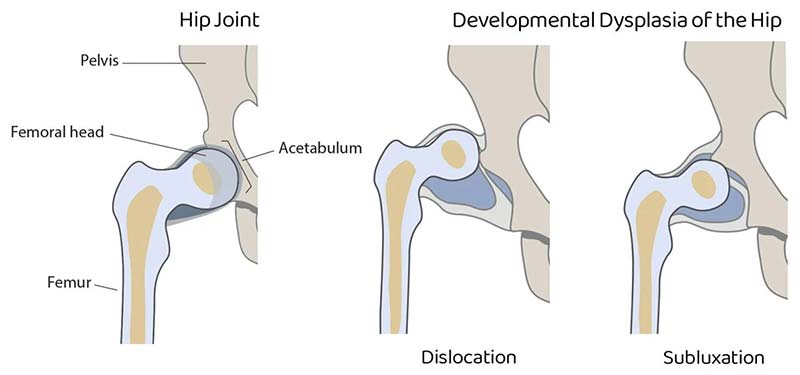
Hip muscle release surgery is a common procedure for children and adults with cerebral palsy. It involves a physician 'releasing' or 'lengthening' muscles in the leg or hips. This alleviates chronic hip pain, improves function, and prevents full dislocation.
Hip problems in children with cerebral palsy most frequently stem from neurological damage causing involuntary and prolonged muscle contractions (spasticity). Spasticity around the hip places abnormal forces on the hip joint, pulling it from its proper placement in the socket.
Hip subluxation can also occur from issues with the shape of the socket or the femur. But in children with cerebral palsy, the more likely cause is muscles contracting around the hip.
Hip dislocation is more common in children than adults because kids normally have more cartilage covering their hip socket. Cartilage is a flexible connective tissue that allows the bones to slide against each other. If the ball and socket aren't a perfect fit, too much cartilage can increase the risk of hip displacement.
Selective Dorsal Rhizotomy Treatment
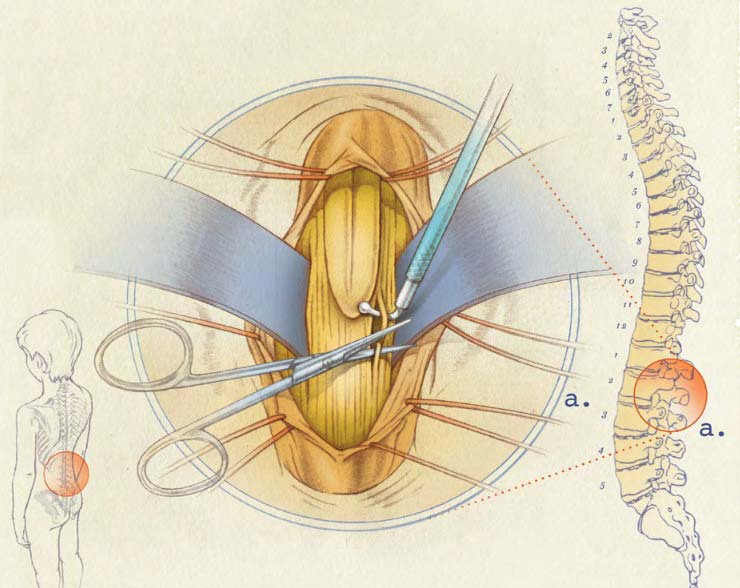
A selective dorsal rhizotomy (SDR) procedure can be effective in reducing a child’s spasticity, especially in their lower limbs. An SDR is a neurosurgical procedure where surgeons identify the nerve rootlets sending abnormal messages in the spinal cord. They sever these rootlets to reduce overactive signals, improving the child’s motor control and helping them regain critical function.
A selective dorsal rhizotomy can lessen the long-term effects of high muscle tone on bones and joints. This can allow a child with cerebral palsy to experience greater comfort and range of movement.
Not all children with cerebral palsy would benefit from a selective dorsal rhizotomy. A child’s likelihood for benefitting from the surgery depend on their specific cerebral palsy symptoms and other factors.
A team of experts should first evaluate whether the procedure is suitable for each child. This team may include nurses, neurosurgeons, pediatric orthopedic surgeons, physical and occupational therapists, and pediatric rehabilitation medicine physicians.
About Selective Dorsal Rhizotomy
Stem Cell Therapy & Botox Treatment

In recent years, significant medical advancements have revealed new opportunities for treating cerebral palsy. Two of the most promising treatments are stem cell therapy and Botox injections. These innovative approaches show great potential in improving cerebral palsy symptoms and increasing a child’s quality of life.
Ongoing research supports potential use of stem cells in treating cerebral palsy. Studies indicate that stem cells can help treat brain conditions by helping to regenerate damaged tissue. Clinical trials using stem cells from umbilical cord blood infusion show promise in reducing the severity of cerebral palsy conditions.
Botox (Botulinum toxin) injections are another treatment option that researchers in the field are currently exploring for treating cerebral palsy. Early findings show Botox’s potential for reducing muscle spasticity, increasing range of motion, and suppressing excessive muscle contraction. Botox currently lacks FDA-approval to ease lower-limb spasticity, but some doctors may still use it in an off-label capacity.
Healthcare providers should always use their professional discretion when determining if the possible benefits of these treatments outweigh the risks. These new treatment methods have shown tremendous promise in improving how children with cerebral palsy live and function.
However, doctors must always keep a child’s specific circumstances in mind when deciding on how to treat them. If these newest treatment options present too high of a risk, medical professionals should not attempt to perform them. Injuries from medical procedures that showed signs of being unsafe from the start can sometimes count as medical malpractice.
Cerebral Palsy Malpractice Attorneys
Our top rated cerebral palsy lawyers specialize in birth injury malpractice. We understand how medical mistakes during delivery can cause brain injuries that permanently impact a child’s life.
If your baby’s preventable birth injuries led to a cerebral palsy diagnosis, don’t hesitate to contact our firm. We can answer difficult legal and medical questions and investigate the facts on your behalf.
Free Legal Consultation
Cerebral Palsy Lawyers
(888) 987-0005Our Cerebral Palsy Lawyers are available to meet you in your home or the hospital.
What Our Cerebral Palsy Lawyers Do For You
Our vast network of medical experts and in-house nursing staff and nurse-attorneys gives us the edge over our competition. When we take your case, we assign you with not just an attorney but an entire medical team. This team includes birth injury attorneys, experienced nursing advocates, and seasoned medical experts.
We understand the extensive care your child needs to assist with their cerebral palsy symptoms. Your team is available to assist with any day-to-day treatment you or your child may need. This includes assistance with obtaining medical records, scheduling doctors’ appointments, providing transportation, and any other problems that may arise.
We offer all of this on a contingency fee basis. This means you will not pay any fees until after we win your case and secure a settlement. We have an unmatched track record of birth injury results that sets us apart from other birth injury law firms.

Recent Birth Injury Settlement:
Cerebral Palsy Birth Injury settlement against a hospital in which nurses and physicians failed to detect a uterine rupture during delivery causing an HIE event which caused cerebral palsy. Our dedicated cerebral palsy birth injury lawyers recovered $9,200,000 for the family to help with future medical expenses and developmental therapy.
Did Medical Malpractice Cause My Child’s Cerebral Palsy?

A cerebral palsy diagnosis can stem from a multitude of birth complications that interact to cause brain damage. But no matter the source, parents deserve to know when preventable medical mistakes amplify the complications of their child’s condition.
Missing pregnancy complications, improperly monitoring fetal heart rates, or delaying C-sections can all lead to a baby’s preventable brain injury. If a family believes medical negligence worsened a child’s brain damage at birth, legal support may be an option. A cerebral palsy lawyer can review the medical records and circumstances to assess whether a claim exists.
Families who have experienced the effects of brain injuries from negligent medical care deserve to know whether they were avoidable. Our cerebral palsy attorneys specialize in birth injury medical malpractice, helping families seek compensation when negligence causes lifelong conditions.
Our team will thoroughly investigate the facts, holding responsible parties accountable by pursuing medical malpractice claims.
What Is the Statute of Limitations in a Birth Injury Lawsuit?

A statute of limitations (SOL) is a law that sets a time limit on how long an injured person has to file a lawsuit after an accident.
It is essential to understand that statutes of limitations vary based on the case and the state where you file. For instance, the deadline for birth injury claims is typically different from other claims, such as injury to private property.
Generally, the clock starts ticking on the date the injury occurred. However, there are exceptions to this rule. In some cases, the statute of limitations starts when a person discovers or reasonably should have discovered an injury. When dealing with government agencies, SOLs can become even more complex.
For example, if the party that injured you was:
- A federal employee
- Employed by a military hospital, Veterans Administration facility, or a federally funded medical entity
Birth Injury Claim Under Federal Tort Claims Act (FTCA)
You may need to file a birth injury claim under the Federal Tort Claims Act (FTCA). In FTCA cases, claimants must go through certain administrative procedures before filing a lawsuit. In some states, you may have less time to give notice if:
- The negligent party was a local or state government hospital
- The doctors and medical providers are employees of a governmental entity
If you file your case outside of the statute of limitations, the court will typically dismiss it. This means you will not be eligible to recover compensation for you or your child’s injuries.
Determining when a statute of limitations begins on your case can be tricky. Our cerebral palsy attorneys specializing in birth injuries and can tell you important cutoff dates in your state.
How Can Our Cerebral Palsy Attorneys Help?
A detailed expert review of the facts and circumstances of your pregnancy and your child's birth can reveal many things. Namely, it can determine whether a child’s cerebral palsy diagnosis and related symptoms were the result of medical malpractice.
*Not all cerebral palsy is caused by medical negligence during birth — some may stem from genetic factors, prenatal issues unrelated to care, prematurity, or unknown causes. Our National Cerebral Palsy Lawyers offer free case evaluations with a medical expert to determine whether negligence played a role in your child's birth injury.
Our Process
Our team of cerebral palsy attorneys specializes in birth injury medical malpractice and can help assess your potential cerebral palsy case. We use our detailed medical negligence case review process to take in your information and begin learning more.
We start by gathering information about your pregnancy by examining records to determine what happened during and after your delivery. This includes evaluating the fetal heart rate strips during labor and any action medical professionals took in the NICU.
We will call in skilled medical experts who will review your records and provide insight into where medical professionals went wrong. If we feel medical negligence caused or worsened your baby’s cerebral palsy symptoms, we meet with you to discuss further.
At no point in our legal intake process will we ask you to pay anything. The medical review of your case and the consultation are free. We only receive payment once you do. The sooner you reach out, the sooner we can investigate your case and gather the evidence to support your claim.
We work on a contingency fee basis, meaning you will not pay any legal fees until we win your case. We do not pursue any medical malpractice cases unless we fully believe we can win.
Contact us today to schedule your free consultation by calling our toll-free line at (888) 987-0005. You can also reach us by filling out our online request form.
National Birth Injury Law
Our National Birth Injury Attorneys, nurses, and support staff understand that parents of children with birth injuries feel overwhelmed. So, every client has the attention and support of a team of trained, compassionate professionals. But we don’t just offer compassion.
We offer a process to help you discover whether your child’s birth injury, HIE, cerebral palsy or brain injury at birth was caused by medical malpractice.
Call our offices today at (888) 987-0005 for experienced assistance in a free consultation.
Quick Links
Testimonials
- Lyric C. I feel like our voice was heard in a sense of what can possibly go wrong in a delivery and finding us answers. I feel with our settlement, we are now in a comfortable position to provide for our son.
- Lyssa L. They are not just people that say “hey let's get you money and let's go” The law firm was very thorough with us. It was awesome. I don't want to cry, because I think about and it's amazing that they were able to help me and that we were able to help my son and get the story out there.
- Jay C. Throughout the process, one thing was clear to us, the ultimate interest of our child was the utmost concern of Max and his team and as parents navigating a situation like that, that was refreshing to know we had them firmly on our side. I highly recommend them.
Popular Cities
- ★ Dallas Birth Injury
- ★ Houston Birth Injury
- ★ Atlanta Birth Injury
- ★ Chicago Birth Injury
- ★ Philadelphia Birth Injury
Locations
★ Dallas
11551 Forest Central Drive, Ste. 300
Dallas, TX 75243
★ Houston
12929 Gulf Freeway, Ste. 111
Houston, TX 77034